




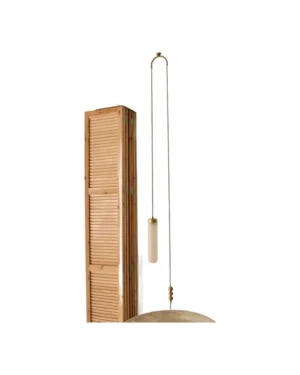
-

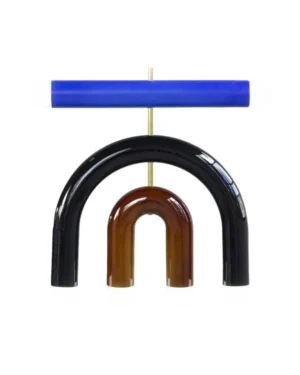
Trn / Model D1 Pendant Lamp in Ceramic
By Pani Jurek STUDIO
€1.080 -
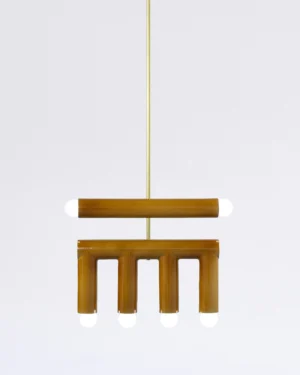
Trn / Model D2 Pendant Lamp in Ceramic
By Pani Jurek STUDIO
€1.080 -

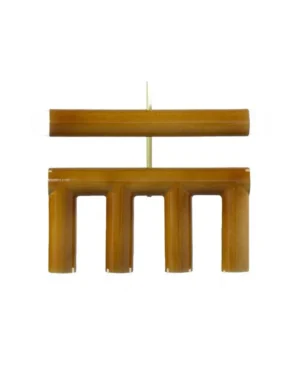
Trn / Model E1 Pendant Lamp in Ceramic
By Pani Jurek STUDIO
€1.430 -
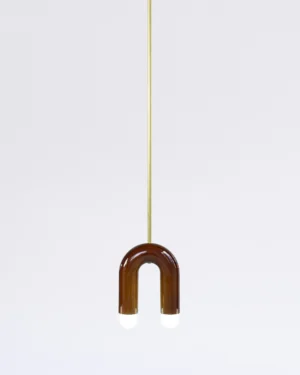
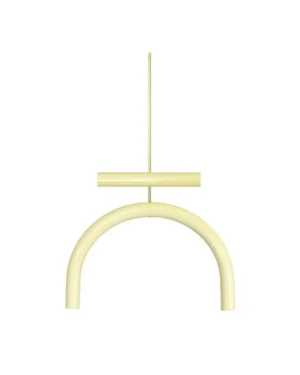
Trn / Model A1 Pendant Lamp in Ceramic
By Pani Jurek STUDIO
€470 -

Trn / Model C2 Pendant Lamp in Ceramic
By Pani Jurek STUDIO
€880 -

Trn / Model B2 Pendant Lamp in Ceramic
By Pani Jurek STUDIO
€625 -
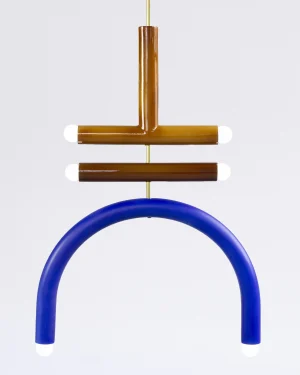
Trn / Model F2 Pendant Lamp in Ceramic
By Pani Jurek STUDIO
€1.600 -
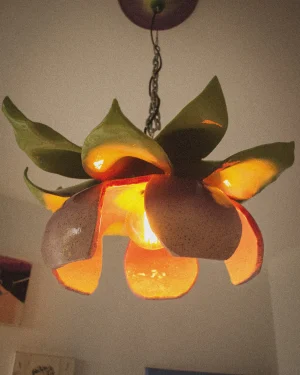
Amaryllis Ceiling Lamp in Glazed Ceramic
By UAU Studio
€1.300 -
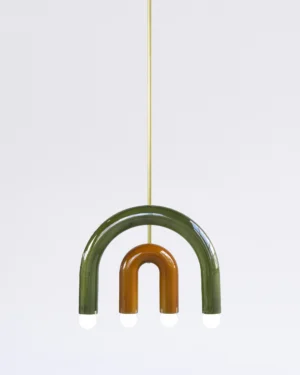
Trn / Model C1 Pendant Lamp in Ceramic
By Pani Jurek STUDIO
€880 -

Trn / Model B3 Pendant Lamp in Ceramic
By Pani Jurek STUDIO
€625 -

Trn / Model F3 Pendant Lamp in Ceramic
By Pani Jurek STUDIO
€1.600 -

Trn / Model A2 Pendant Lamp in Ceramic
By Pani Jurek STUDIO
€470 -
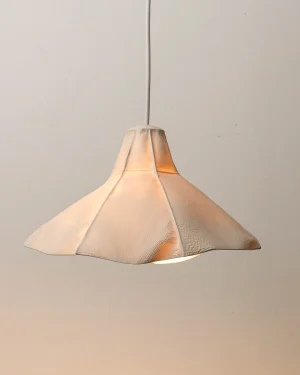
Kawa Series 04 – Ceramic Pendant Lamp
By Luft Tanaka Studio
€1.600 -
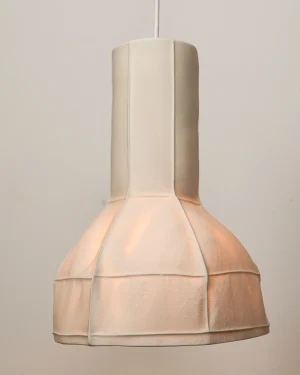
Kawa Series 05 Pendant Lamp in Porcelain and Ceramic
By Luft Tanaka Studio
€1.375 -
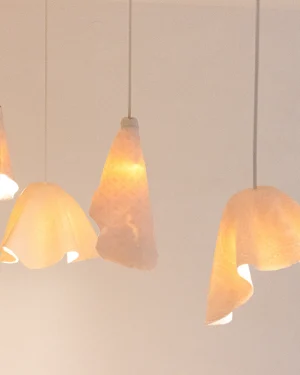
“nsidvblml” No One Is Enlightened Twice Under The Same Light
By Popdots Studio
€315 -
 In stock
“Chanka-Hanka” Mobile Chandelier in Stoneware and Metal
By UAU Studio
€2.000 -
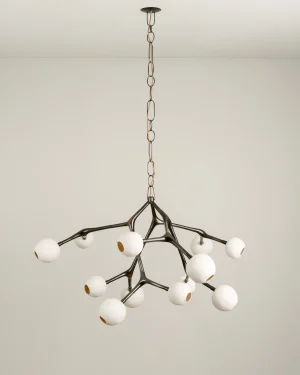
Maratus Chandelier in Bronze and Glass
By Isabel Moncada
€31.005 - €35.655 -
 In stock
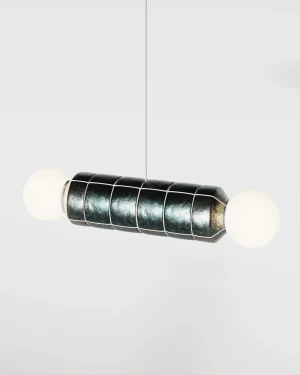
Navazi Horizontal Pendant Lamp in Ceramic and Glass
By SVITANOK
€1.130 - €1.650 -

Soniah Pendant Lamp in Clay
By FAINA
€2.990 -
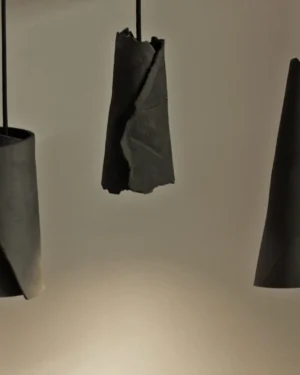
Ilumina Pendant Lamp in Ceramics
By Popdots Studio
€330 -

Trn / Model F1 Pendant Lamp in Ceramic
By Pani Jurek STUDIO
€1.600 -
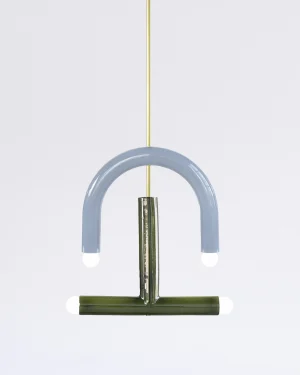
Trn / Model C3 Pendant Lamp in Ceramic
By Pani Jurek STUDIO
€880 -
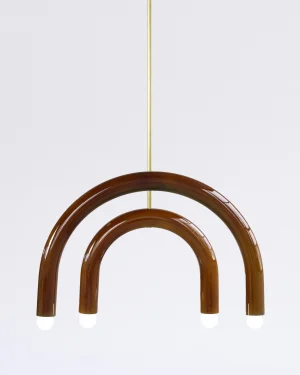
Trn / Model E3 Pendant Lamp in Ceramic
By Pani Jurek STUDIO
€1.430 -
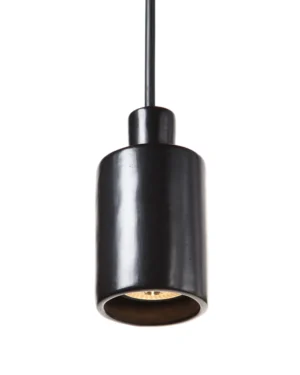
Can Pendant Lamp in Barro Negro
By Studio davidpompa
€225 -
 In stock
Abyss No. 1 Pendant Lamp in Stoneware
By Ceren Gürkan
€900 -

Trn / Model F1 Silver Finish Pendant Lamp in Ceramic
By Pani Jurek STUDIO
€1.650 -
 In stock
Ceramic Pendant Lamp
By Szostak Atelier
€990 -

Trn / Model D2 Silver Finish Pendant Lamp in Ceramic
By Pani Jurek STUDIO
€1.130 -

Navazi Pendant Lamp in Ceramic and Glass
By SVITANOK
€500 - €760 -

Trn / Model C4 Silver Finish Pendant Lamp in Ceramic
By Pani Jurek STUDIO
€930 -

Trn / Model C4 Pendant Lamp in Ceramic
By Pani Jurek STUDIO
€880 -
 In stock
Trn / Model E2 Pendant Lamp in Ceramic
By Pani Jurek STUDIO
€1.430 -

Trn / Model D1 Silver Finish Pendant Lamp in Ceramic
By Pani Jurek STUDIO
€1.130 -

Trn / Model F2 Silver Finish Pendant Lamp in Ceramic
By Pani Jurek STUDIO
€1.650 -

Trn / Model B1 Pendant Lamp in Ceramic
By Pani Jurek STUDIO
€625 -

Trn / Model C1 Silver Finish Pendant Lamp in Ceramic
By Pani Jurek STUDIO
€930 -

Mélopée Pendant Lamp In Porcelain
By Pirouette
€636 - €1.980 -
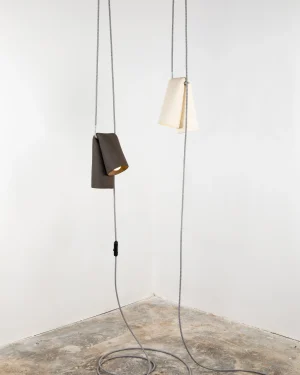
Melo Pendant Lamp In Ceramic
By Catalin Filip
€300 -
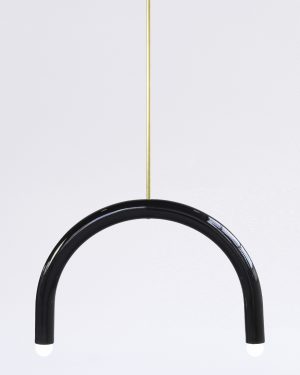
Trn / Model B4 Pendant Lamp in Ceramic
By Pani Jurek STUDIO
€880 -

Mantis 9-Piece Chandelier in Bronze and Glass
By Isabel Moncada
Price Upon Request -
Ceramic ceiling lamps carry the marks of hand and kiln: studios hand-build and glaze clay into fixtures that diffuse light rather than point it in one direction. Clay bodies and glazes each behave differently under heat, so no two glazed surfaces come out quite the same. The result is a fixture that reads as an object in its own right, not just a source of light overhead.
What defines ceramic ceiling lamps
Clay is hand-built, then fired at high temperature until it hardens. A glaze is added before a second firing, and it is this glaze, not a coat of paint, that gives the surface its color and sheen. Small shifts in kiln temperature mean a batch of ochre or cobalt blue glaze will never sit perfectly even, which is part of why these pieces read as made rather than manufactured.
Because fired clay is dense, ceramic shades sit with real weight overhead. Thinner walls let light pass through and glow softly at the edges; thicker walls block it and throw light only downward or through a cut opening. Both approaches turn up across the range, so the amount of light a piece gives off depends as much on wall thickness as on bulb choice.
The range found on ADORNO
Within ceramic and clay, the finishes and methods vary widely. Shoppers can expect to find:
- Hand-built ceramic bodies, with a few in porcelain or stoneware
- Glazes in black, brown, beige, pink, ochre, cobalt blue, denim and green
- Hand-building and glazing, with metal fittings in steel or brass
- Styles spanning mid-century, Art Deco, Bauhaus-leaning geometry and boho chic
- Open editions as well as unique pieces, where the shape or glaze will not repeat
For a wider view of clay and stoneware across lighting, vases and decor, the full range of ceramic and clay pieces on ADORNO sits alongside this one, and the broader ceramic lighting grouping covers table and floor pieces made the same way.
How to choose a ceramic ceiling lamp
Scale matters more on a ceiling than anywhere else in a room, since the fixture sits against open space with nothing to compare it to except the room itself. A shade under 20 centimeters across tends to disappear in a living room with high ceilings, while the same piece anchors a small hallway or reading corner. Hanging height should clear eye level by a comfortable margin in a dining room, where people sit and stand directly under it, and sit higher in a hallway that people only pass through.
Finish changes how the light reads on the wall and ceiling around it. A glossy glaze bounces light and highlights color; a matte or unglazed stoneware body absorbs it and gives a softer, more even wash. Where a room already holds pattern or strong color, a single solid glaze tends to hold its own better than one with heavy variation.
Where they work well
Dining tables, entryways and bedrooms all suit a hanging ceramic fixture, since each benefits from one clear point of light rather than several scattered sources. A living room ceiling lamp in stoneware can carry the main light for a seating area, paired with a smaller ceramic lamp on a side table for evening use; the ceramic table lamps made in the same glazes often pick up the same ochre or cobalt blue tones. For a broader look at pendant, flush and chandelier styles in every material, the full set of ceiling lamps covers wood, glass, brass and woven fiber alongside clay.
Caring for glazed clay
Glazed surfaces wipe clean with a dry or barely damp cloth; harsh cleaners or abrasive pads can dull a glaze over time and should be avoided. Unglazed stoneware is more porous and should stay dry, since trapped moisture can mark the surface. Given the weight of fired clay, fixtures should be checked for a secure ceiling mount and handled carefully during installation or any move, since a chip or crack in fired clay cannot be repaired invisibly the way some other materials can.
How do I choose a ceramic ceiling lamp?
Look at wall thickness: thin walls let light glow through the clay, thick walls direct it downward or through a cut opening. Glaze color and sheen matter too, since no two firings come out quite the same.
How do you clean and care for a ceramic ceiling lamp?
Dust the glazed surface with a dry or slightly damp cloth, and avoid abrasive cleaners that can dull the glaze. Let the fixture cool before cleaning, and check wiring and fittings only when the power is off.
What size ceramic ceiling lamp do I need, and how high should it hang?
Size depends on the room and the fixture's weight, since fired clay sits heavier overhead than glass or metal. For exact dimensions and hanging height, chat with the maker on the piece's page.
Which rooms suit ceramic ceiling lamps?
Their glow works well over dining tables, entryways and living rooms, where a diffused, downward light reads as calm rather than bright. Thicker-walled pieces suit rooms needing more directed light, like kitchens or hallways.
Are ceramic ceiling lamps handmade, and is each one different?
Yes, studios throw, hand-build and glaze each piece, so kiln temperature shifts mean no two glazed surfaces sit perfectly even. This is part of what gives them the look of something made rather than manufactured.
What are ADORNO's shipping, returns and authenticity policies?
Shipping is insured and worldwide, with a 14-day return policy excluding made-to-order pieces. Every piece comes with a certificate of authenticity, and ADORNO offers a lowest-price guarantee.