



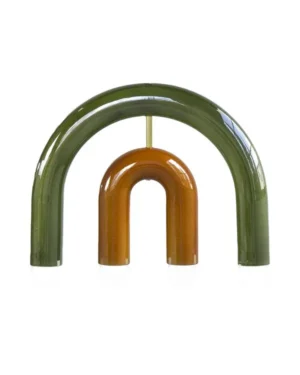
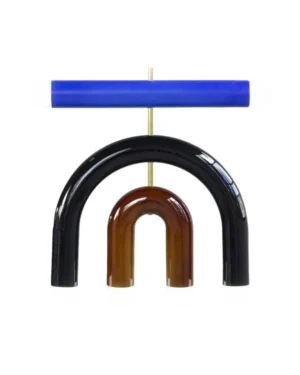
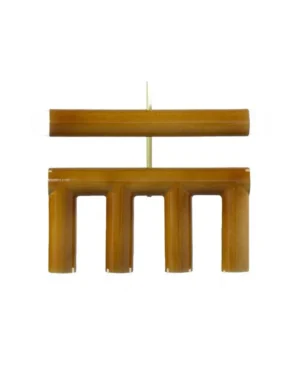
-
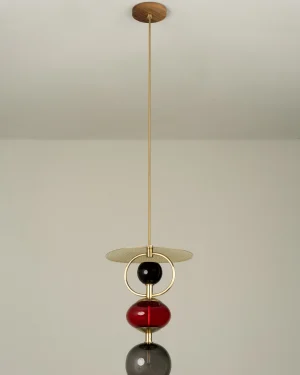
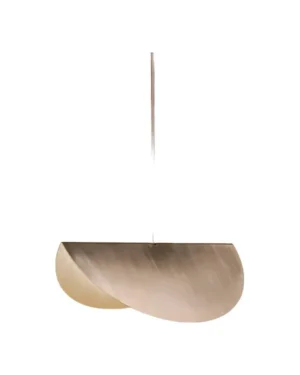
Vitrea Pendant Lamp in Glass and Brass
By Isabel Moncada
€3.802 -
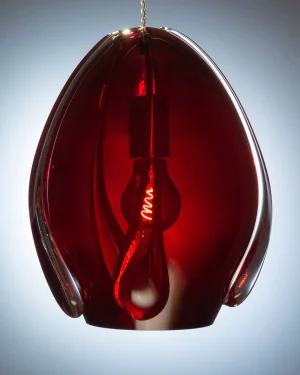
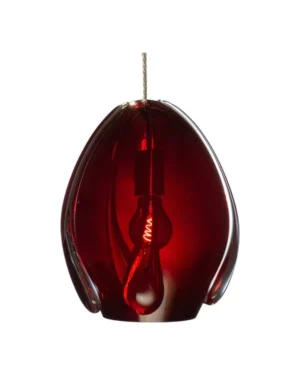
Glass Drop Pendant Lamp in Blown Glass
By Georgiev Kiril
€1.050 -
 In stock
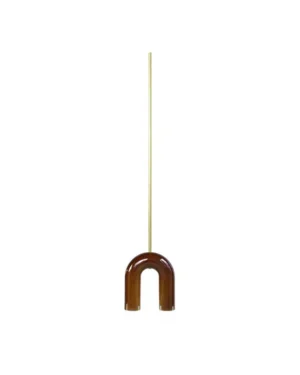
Y30 Ceiling Lamp in Blown Glass and Brass
By Clara Viladecans
€786 -
 In stock
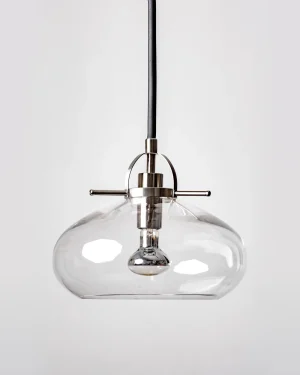
Art Deco Pendant Lamp in Glass and Stainless Steel
By Szostak Atelier
€1.000 -
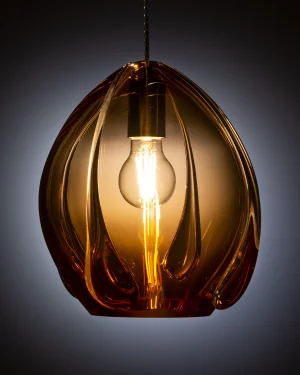
Glass Drops Fire Opal Pendant Lamp in Blown Glass
By Georgiev Kiril
€1.050 -
 In stock
Ines Ceiling Lamp in Blown Glass And Brass
By Clara Viladecans
€550 -

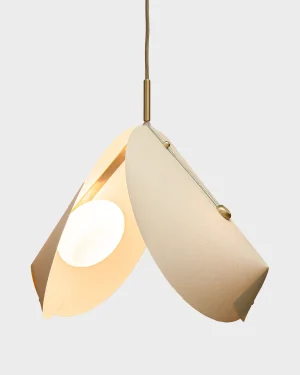
Marsha 02 Pendant Lamp in Blown Glass and Steel
By MESEME by Riya Panchal
€810 -
 In stock
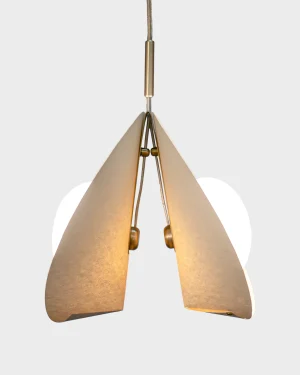
Concha Model 03 Pendant Lamp in Brass and Blown Glass
By MESEME by Riya Panchal
€434 -
 In stock
Concha Model 01 Pendant Lamp in Paper, Metals and Glass
By MESEME by Riya Panchal
€375 -
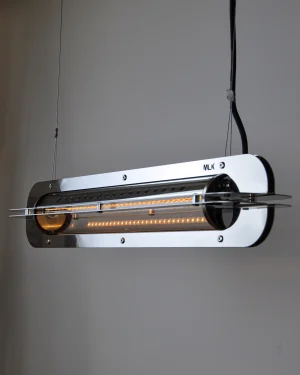
Pill600 Pendant Lamp In Mirror Stainless Steel
By MLK Furniture
€1.090 -

Florance I Ceiling Lamp in Brass, Glass and Fabric
By Atelier Alz
€575 -

Marsha 01 Pendant Lamp in Glass and Steel
By MESEME by Riya Panchal
€839 -
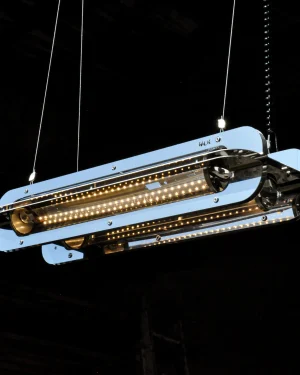
Pill600x2 Pendant Lamp In Mirror Stainless Steel
By MLK Furniture
€1.890 -
 In stock
Large Pendant Lamp in Blown Glass and Textiles
By SVITANOK
€375 - €500 -
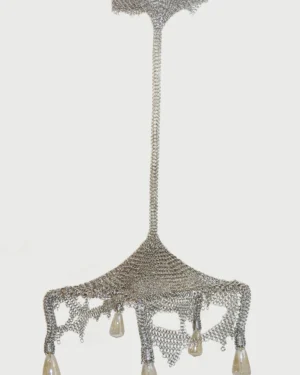
Chainmail Cobweb Chandelier In Glass And Steel
By Panorammma Atelier
€4.250 -
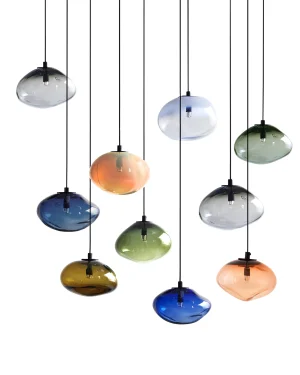
10 Starglow Pendant Lamp In Blown Glass
By ELOA - Unique Lights
€12.980 - €13.270 -

GP033 Chandelier in Brass and Blown Glass
By Naama Hofman
€4.200 -
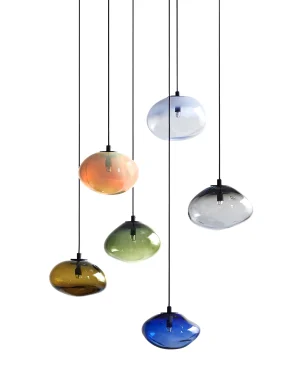
6 Starglow Pendant Lamp In Blown Glass
By ELOA - Unique Lights
€7.750 - €8.040 -
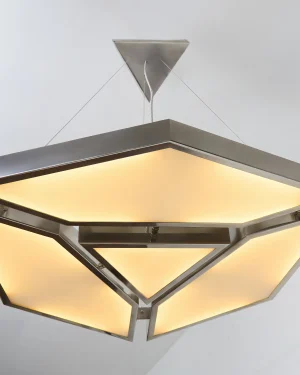
Alban Chandelier in Stainless Steel and Glass
By Nathan Chintala
€5.066 -
 In stock
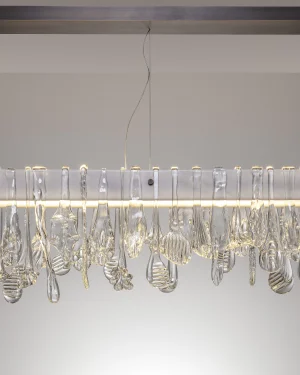
Pingente Pendant Lamp
By Carol Gay
€8.000 -

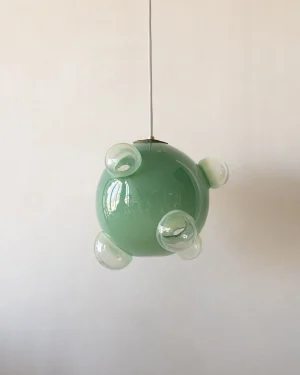
GP032 Chandelier in Brass and Blown Glass
By Naama Hofman
€6.500 -
 In stock
Bubble Pendant Lamp (Small) in Glass
By Sticky Glass
€2.480 -

Collier P2 Ceiling Lamp in Glass and Aluminum
By Darka
€1.950 -
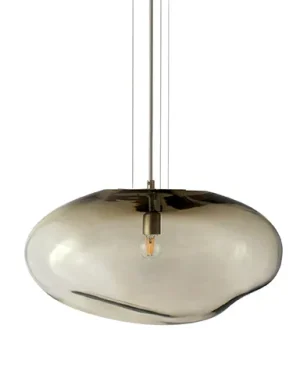
Haumea Amorph Pendant Lamp (silver Smoke) In Blown Glass
By ELOA - Unique Lights
€2.330 - €4.085 -
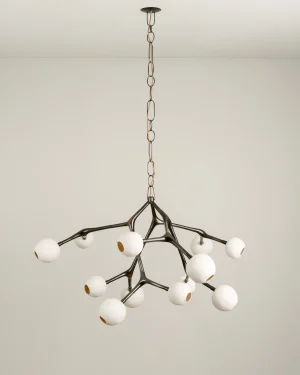
Maratus Chandelier in Bronze and Glass
By Isabel Moncada
€31.005 - €35.655 -
 In stock
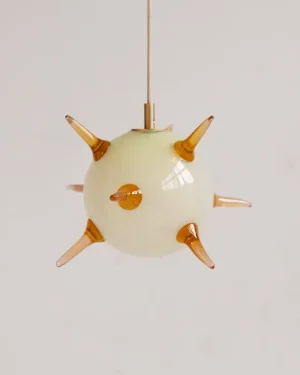
Pokie Pendant Lamp (Small) in Glass
By Sticky Glass
€2.664 -
 In stock
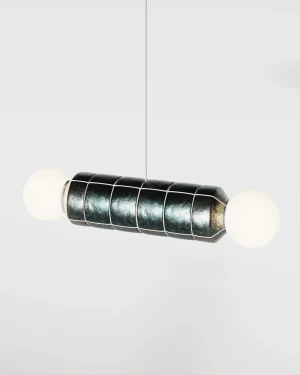
Navazi Horizontal Pendant Lamp in Ceramic and Glass
By SVITANOK
€1.130 - €1.650 -

Echin Pendant Lamp in Cotton and Glass
By PletoStudio
€1.100 -
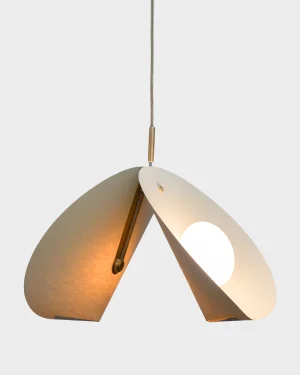
Concha Model 02 (Medium) Pendant Lamp in Paper and Brass
By MESEME by Riya Panchal
€434 -
In stock
Medium Pendant Lamp in Blown Glass and Textiles
By SVITANOK
€300 - €415 -
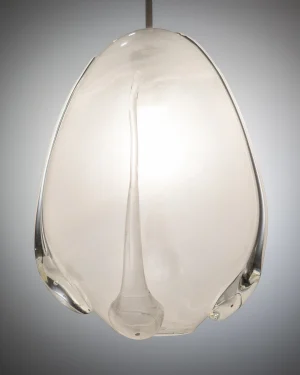
Glass Drops Frosty White Pendant Lamp in Blown Glass
By Georgiev Kiril
€1.300 -
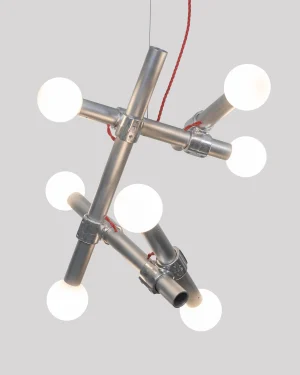
Pipe Dream Chandelier in Aluminum and Glass
By Luft Tanaka Studio
€3.655 -
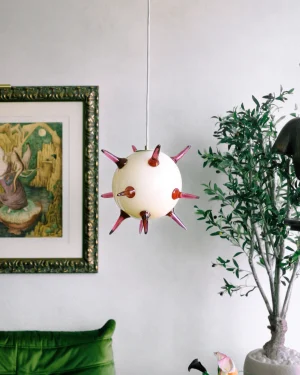
Pokie Pendant Lamp (Large) in Blown Glass
By Sticky Glass
€4.500 -
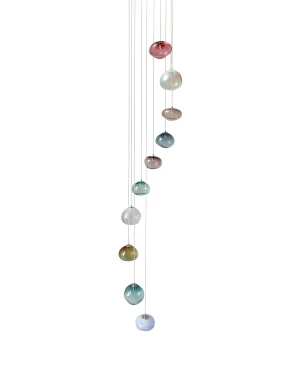
Starglow Spiral Chandelier In Blown Glass
By ELOA - Unique Lights
€12.980 - €13.270 -
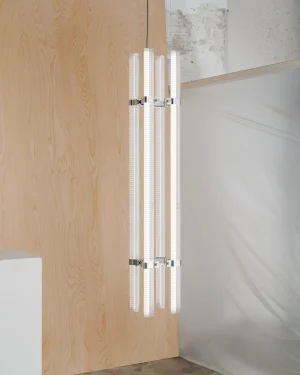
Collier P4 Pendant Lamp in Glass and Aluminum
By Darka
€3.500 -
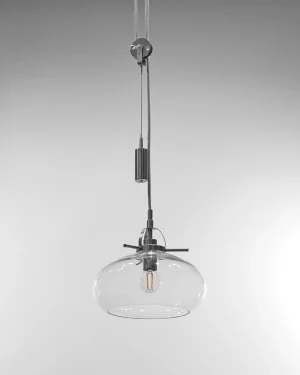
Art Deco Pendant Lamp with Weight in Glass and Steel
By Szostak Atelier
€1.400€1.330 -
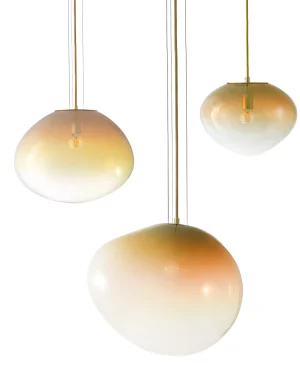
Sirius Pendant Lamp In Blown Glass
By ELOA - Unique Lights
€2.330 - €4.750 -
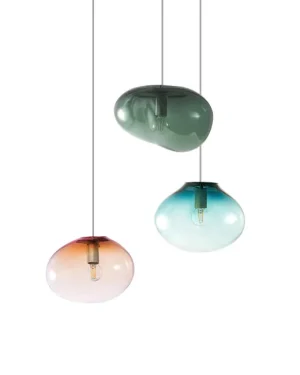
Planetoide Saiki Pendant Lamp In Blown Glass
By ELOA - Unique Lights
€7.480 - €7.770 -
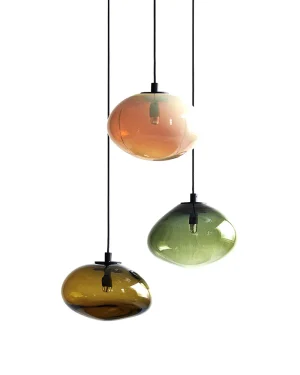
3 Starglow Pendant Lamp In Blown Glass
By ELOA - Unique Lights
€3.905 - €4.195 -
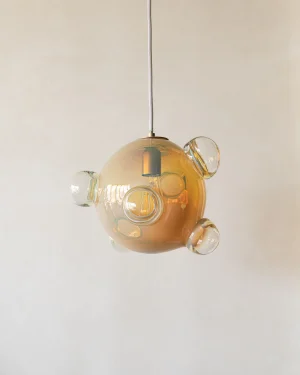 In stock
Bubble Pendant Lamp (Large) in Blown Glass
By Sticky Glass
€4.318 -
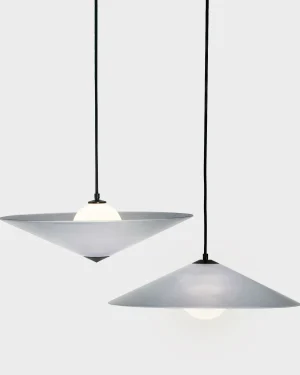
Marsha 01/02 Pendant Light Duo in Glass and Steel
By MESEME by Riya Panchal
€1.649 -
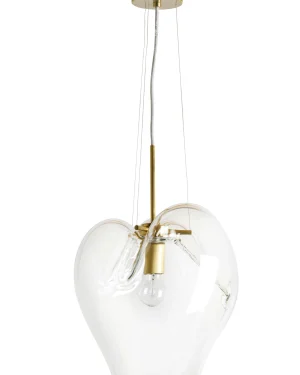
Carambola Pendant Lamp
By Carol Gay
€1.330 -
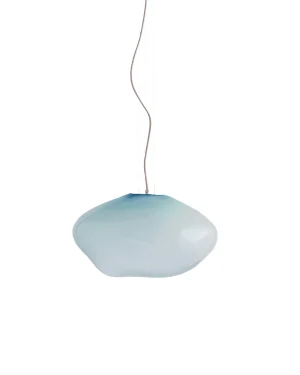
Haumea Convex Pendant Lamp (blue Opaque) In Blown Glass
By ELOA - Unique Lights
€2.330 - €4.085 -
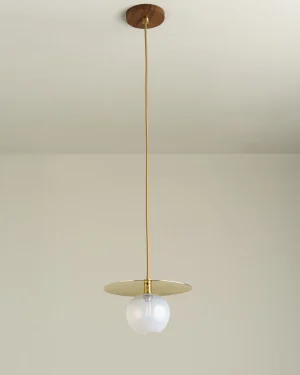
Cometa Pendant Lamp in Brass, Wood and Glass
By Isabel Moncada
€2.340 - €2.691 -

Constellation Set Of 3 Pendant Lamp In Blown Glass
By ELOA - Unique Lights
€9.060 -
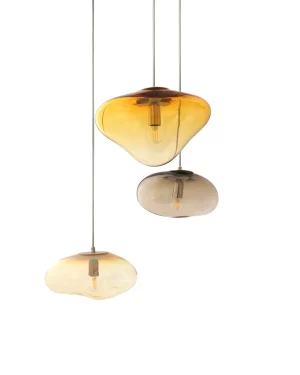
Planetoide Seresi Pendant Lamp In Blown Glass
By ELOA - Unique Lights
€7.480 - €7.770 -
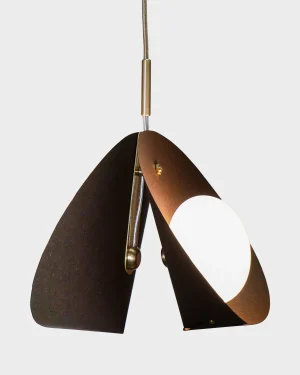
Concha Model 01 (Medium) Pendant Lamp in Paper and Brass
By MESEME by Riya Panchal
€434 -
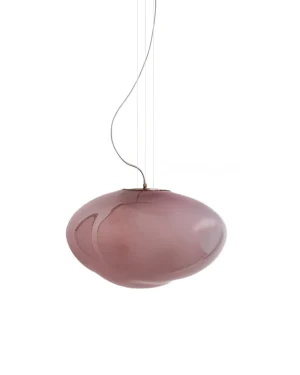
Haumea Convex Pendant Lamp (flieder Opaque) In Blown Glass
By ELOA - Unique Lights
€2.330 - €4.085 -
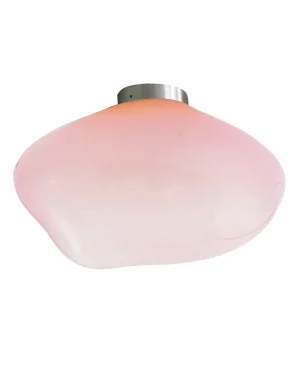
Haumea Convex Ceiling Lamp (flamingo Opaque) In Blown Glass
By ELOA - Unique Lights
€2.330 - €4.085 -
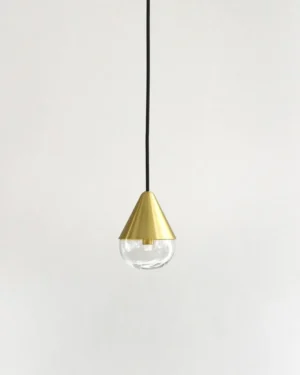 In stock
Gota Pendant Lamp in Glass and Brass
By Tributo
€382 -

Glass Drops Clear Pendant Lamp in Blown Glass
By Georgiev Kiril
€1.100 -
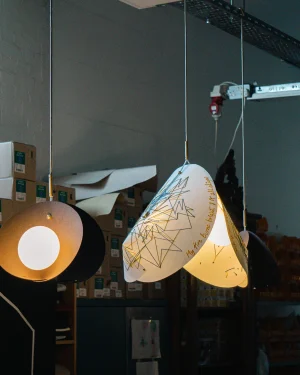 In stock
Concha Embroidure Pendant Lamp in Paper and Brass
By MESEME by Riya Panchal
€788 -
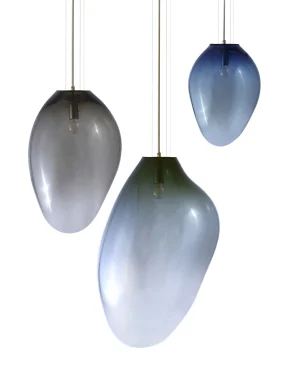
Ceres Pendant Lamp In Blown Glass
By ELOA - Unique Lights
€2.330 - €4.750 -
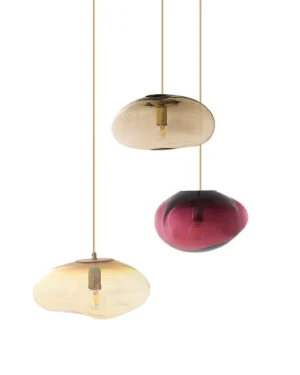
Planetoide Amor Pendant Lamp In Blown Glass
By ELOA - Unique Lights
€7.480 - €7.770
Glass ceiling lamps rely on a material that studios shape while hot, through glassblowing, sometimes in borosilicate, a glass made to resist thermal shock near a bulb. The surface carries most of the character: clear glass throws a sharp, directional light, while tinted or frosted glass in amber, pink, sage or taupe diffuses it into a softer wash. Metal and brass fittings, usually at the canopy and stem, anchor the glass and carry its weight to the ceiling.
What defines glass in a ceiling fixture
Glass behaves differently from paper, textile or ceramic shades. It does not absorb light, it bends and redirects it, which is why a single glass ceiling lamp can change the mood of a room more than a brighter bulb would. Hand-blown pieces hold small irregularities, a faint ripple or a bubble caught mid-form, that read as part of the material rather than a flaw.
The range found among glass ceiling lamps
Studios working in this material move between a few recurring approaches. Some blow single bulbous forms in saturated color, pink, green or amber, that read as objects even unlit. Others build compound fixtures, glass globes or tubes set into brass, stainless steel or blackened metal frames, often in a mid-century, art deco or neo-industrial key. Finishes run from high-gloss transparent to acid-etched matte, and editions range from open runs to limited editions and unique pieces, where no two lamps leave the workshop quite alike.
- Blown glass in amber, pink, sage, taupe, blue or clear, often paired with brass fittings
- Borosilicate glass, made to resist thermal shock near a bulb
- Mixed-material fixtures combining glass diffusers with stainless steel or blackened metal arms
- Finishes from frosted and etched to mirrored silver and smoked black
How to choose a glass ceiling lamp
Scale matters more overhead than anywhere else in a room, since a fixture that looks modest on a shelf can dominate once it hangs at eye level or above a table. Measure the ceiling height and the drop needed to clear sightlines before settling on a shade diameter. Clear and pale glass suits rooms that already have strong daylight, since it adds brilliance without blocking it, while amber, smoked or colored glass works harder in the evening, pooling warmer light into a smaller radius.
Finish and form should answer the room's other metals. A brass-trimmed glass pendant sits naturally beside existing brass hardware or warm wood, while a stainless steel or blackened frame reads closer to a contemporary or brutalist interior. For dining tables, hang the lamp low enough to focus light on the surface without blocking a sightline across it; for an open living room, a higher, wider fixture can carry the light without crowding the space, an approach that works well among living room ceiling lamps.
Where glass ceiling lamps work
Kitchens and dining rooms benefit from the directional clarity of clear or lightly tinted glass, which keeps work surfaces legible. Bedrooms and living rooms can take fuller color and more diffusion, since the goal there is ambiance rather than task light. In a hallway or stairwell, a single blown-glass form reads as a sculptural anchor even when it is switched off.
Caring for a glass ceiling lamp
Glass does not corrode or fade, but it does hold dust and fingerprints visibly, especially on clear or mirrored finishes. Clean with a soft, dry or barely damp cloth, and avoid ammonia-based sprays on any lamp with metal plating, since they can dull brass over time. Always let a fixture cool before touching the glass, and check that any glass shade is rated for the bulb wattage installed.
For the wider range of ceiling fixtures beyond glass, the ceiling lamps category covers ceramic, wood, textile and metal alternatives, while every glass object on the site, from vases to mirrors, sits under glass pieces on ADORNO. Those drawn to a particular metal pairing might also look at metal ceiling lamps or steel ceiling lamps for a cooler counterpoint to glass.
How do I choose a glass ceiling lamp?
Decide what the light should do first. Clear glass throws a sharp, directional beam, while tinted or frosted glass in amber, olive or smoked black spreads a softer wash across the room.
How do you clean and care for a glass ceiling lamp?
Dust with a dry or barely damp soft cloth, and let the glass cool before cleaning near a bulb. Avoid abrasive pads, which can dull high-gloss or acid-etched surfaces over time.
What size glass ceiling lamp suits my room?
Larger blown forms or compound fixtures with globes and tubes read best with ceiling height and clearance to spare, while a single bulbous shade suits a lower or smaller room without crowding it.
Which rooms suit a glass ceiling lamp?
Dining areas and living rooms benefit most, since the glass bends light sideways into the room rather than down onto one surface. Hallways and entries suit smaller, single-form fixtures.
Are glass ceiling lamps fragile, and can they handle heat near a bulb?
Borosilicate formulas are built to resist thermal shock near a bulb, and standard glass fixtures are no more fragile than other glass lighting with normal handling during installation.
How does shipping, returns and authenticity work when I buy from ADORNO?
Shipping is insured and worldwide, with a 14-day return policy excluding made-to-order pieces. Every piece comes with a certificate of authenticity and ADORNO's lowest-price guarantee.