



-
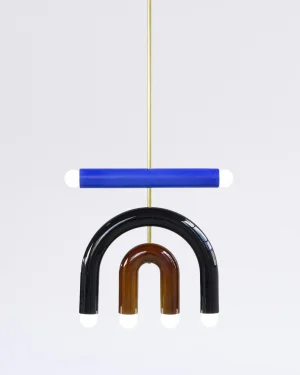
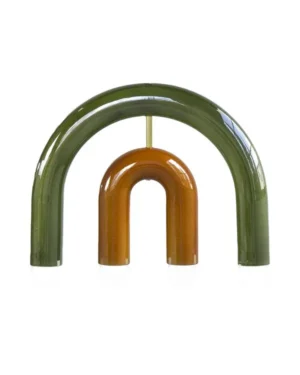
Trn / Model D1 Pendant Lamp in Ceramic
By Pani Jurek STUDIO
€1.080 -
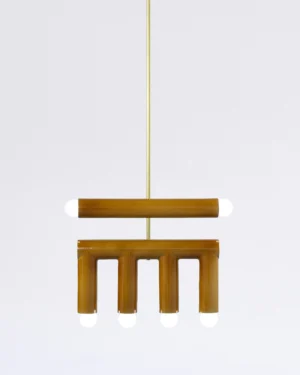
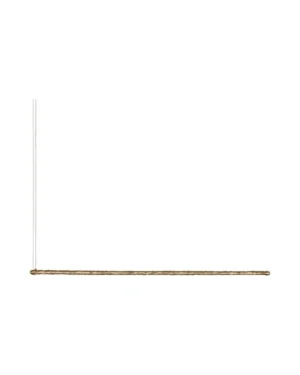
Trn / Model D2 Pendant Lamp in Ceramic
By Pani Jurek STUDIO
€1.080 -
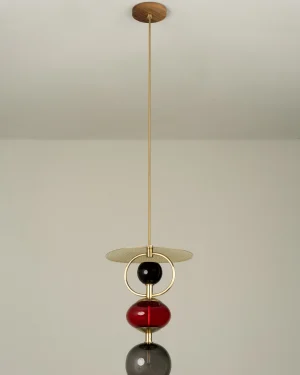
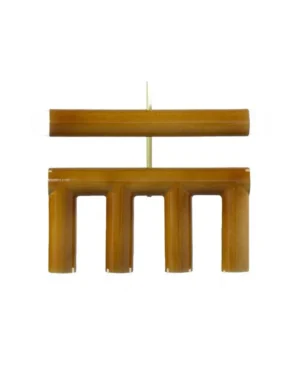
Vitrea Pendant Lamp in Glass and Brass
By Isabel Moncada
€3.802 -
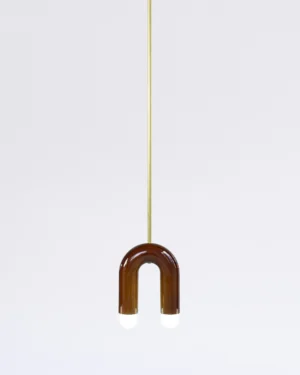
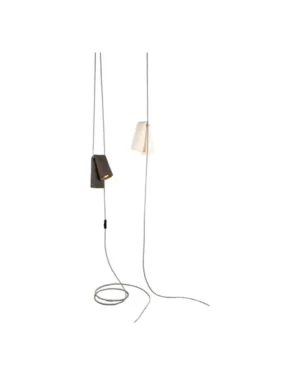
Trn / Model A1 Pendant Lamp in Ceramic
By Pani Jurek STUDIO
€470 -

Trn / Model B2 Pendant Lamp in Ceramic
By Pani Jurek STUDIO
€625 -
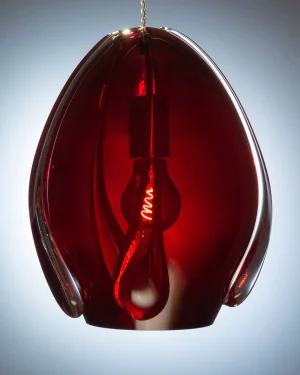
Glass Drop Pendant Lamp in Blown Glass
By Georgiev Kiril
€1.050 -
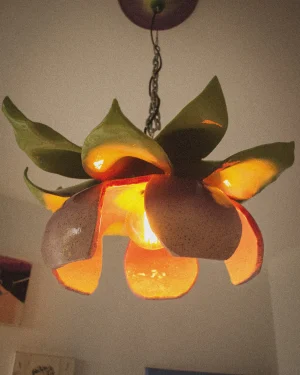
Amaryllis Ceiling Lamp in Glazed Ceramic
By UAU Studio
€1.300 -
 In stock
Y30 Ceiling Lamp in Blown Glass and Brass
By Clara Viladecans
€786 -
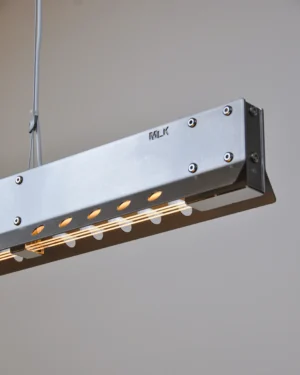
Ne1250/145 Pendant Lamp In Steel And Acrylic
By MLK Furniture
€1.390 -
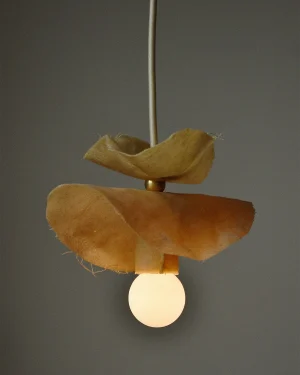
Judie Pendant Lamp in Cotton
By Atelier Alz
€200 -

The Queen Ceiling Lamp in Gold-leaf and Rust Steel
By Mammalampa
€3.133 -

Trn / Model B3 Pendant Lamp in Ceramic
By Pani Jurek STUDIO
€625 -
 In stock
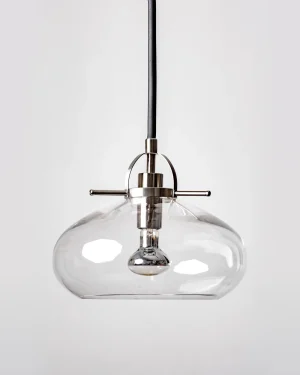
Art Deco Pendant Lamp in Glass and Stainless Steel
By Szostak Atelier
€1.000 -
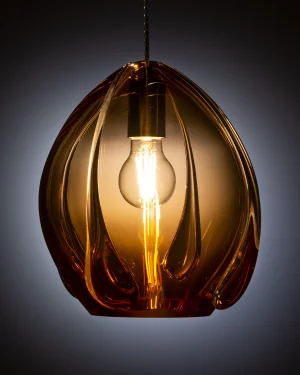
Glass Drops Fire Opal Pendant Lamp in Blown Glass
By Georgiev Kiril
€1.050 -
 In stock
Ines Ceiling Lamp in Blown Glass And Brass
By Clara Viladecans
€550 -
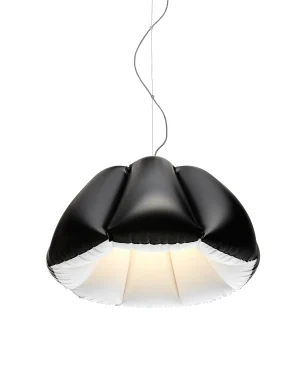 In stock
Orca Pendant Lamp in Galvanised Steel and PVC
By PUFF-BUFF
€430 -
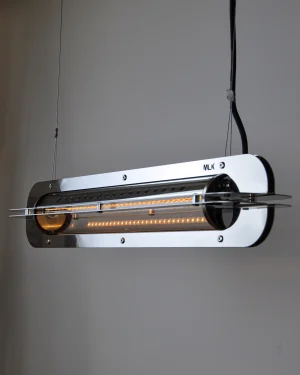
Pill600 Pendant Lamp In Mirror Stainless Steel
By MLK Furniture
€1.090 -
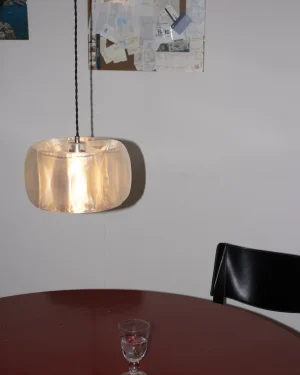 In stock
Pascal Pendant Lamp in Plastic
By 91-92
€306 - €459 -
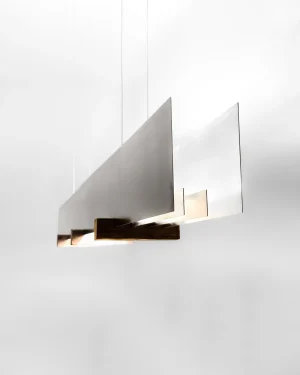
Linear Ceiling Lamp (extra Large) in Aluminum and Wood
By case studios
€1.210 - €1.910 -

Patagonia Pendant Lamp In Wood
By espina corona
€650 -
 In stock
Lumix Ceiling Lamp in Stainless Steel
By Pablo Sinan Design
€365 -
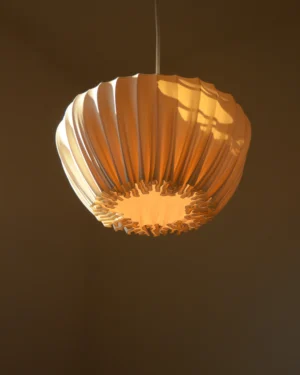
M 2 H Pendant Lamp In Bio Polymer
By diploria studio
€295 -

Florance I Ceiling Lamp in Brass, Glass and Fabric
By Atelier Alz
€575 -
 In stock
Svitlotin Olive Pendant Lamp in Stainless Steel
By SVITANOK
€890 - €960 -
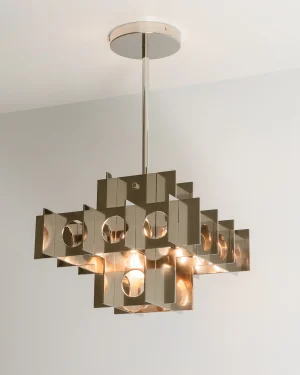
Tenfold 3 T B Pendant Lamp in Stainless Steel and Aluminum
By Luft Tanaka Studio
€2.895 - €8.675 -
 In stock
Svitlotin Blue Ceiling Lamp in Metal
By SVITANOK
€890 - €1.150 -

Pendulum Triptych Ceiling Lamp In Bio Plastic
By Julie Mallet Studio
€792 -
 In stock
Large Pendant Lamp in Blown Glass and Textiles
By SVITANOK
€375 - €500 -
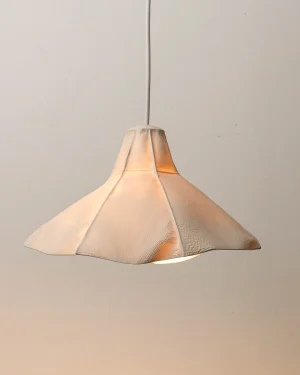
Kawa Series 04 – Ceramic Pendant Lamp
By Luft Tanaka Studio
€1.600 -
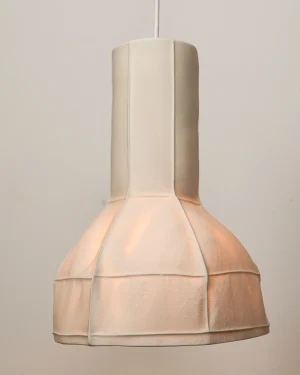
Kawa Series 05 Pendant Lamp in Porcelain and Ceramic
By Luft Tanaka Studio
€1.375 -
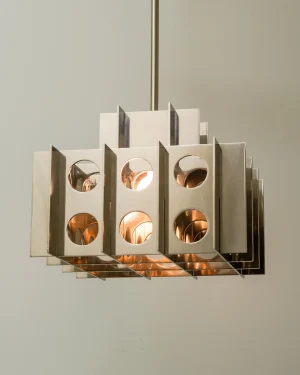
Tenfold 3 T A Pendant Lamp in Stainless Steel and Aluminum
By Luft Tanaka Studio
€2.895 - €8.675 -

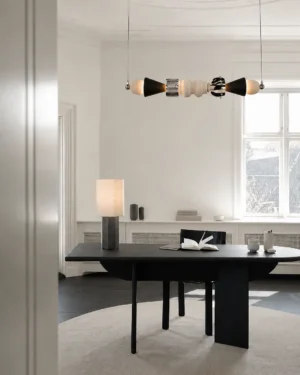
GP033 Chandelier in Brass and Blown Glass
By Naama Hofman
€4.200 -
 In stock
Arinna Pendant Lamp In Oak, Stone And Brass
By MARAU
€15.000 -

GP032 Chandelier in Brass and Blown Glass
By Naama Hofman
€6.500 -

Collier P2 Ceiling Lamp in Glass and Aluminum
By Darka
€1.950 -

Vira Triptych Ceiling Lamp In Bio Plastic
By Julie Mallet Studio
€567 -
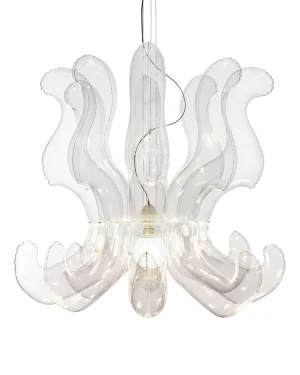
Lullaby No.1 Chandelier in PVC and Acrylic
By PUFF-BUFF
€640 -
 In stock
Patagonia Pendant Lamp In Natural Wood
By espina corona
€390 -
 In stock
H 3 Pendant Lamp In Bio Polymer
By diploria studio
€395 -
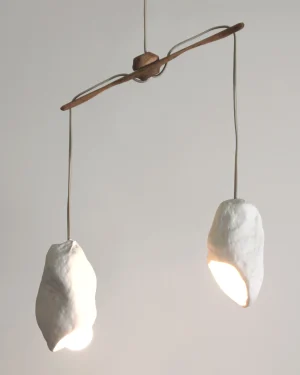
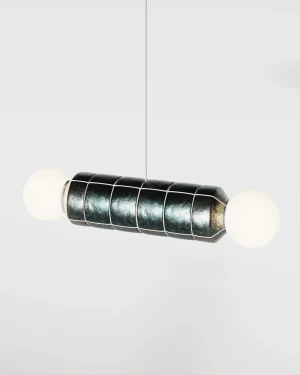
Maat Ceiling Lamp
By Dace Sūna
€1.200 -
 In stock
Navazi Horizontal Pendant Lamp in Ceramic and Glass
By SVITANOK
€1.130 - €1.650 -
 In stock
02 Pendant Lamp in Ash Wood
By Studio Victor Hahner
€2.000 -
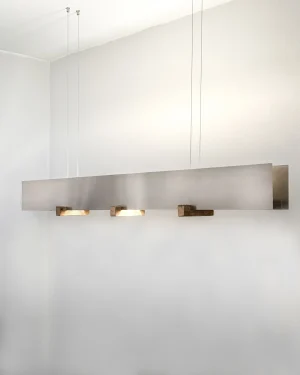
Linear Ceiling Lamp (Large) in Aluminum and Wood
By case studios
€1.444 - €1.844 -

Object 019 Pendant Lamp in Brass and Acrylic
By Naama Hofman
€1.850 -
In stock
Medium Pendant Lamp in Blown Glass and Textiles
By SVITANOK
€300 - €415 -
 In stock
Citiez 0.3
By Niels Stoeltie
€6.200 -

Object 018 Pendant Lamp in Brass and Acrylic
By Naama Hofman
€2.100 -
 In stock
Svitlotin Hammered Stamp Pendant Lamp in Stainless Steel
By SVITANOK
€1.280 - €1.800 -
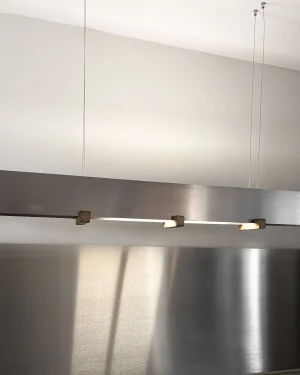
Linear Ceiling Lamp (Medium) in Aluminum and Wood
By case studios
€1.001 - €1.200 -

Veil Pendant Lamp in Glass and Aluminum
By Andrew King Studio
€315 -

Wind Pendant Lamp in Aluminum, Copper & Recycled Plastic
By SIGNATURE OBJECTS
€1.200 -
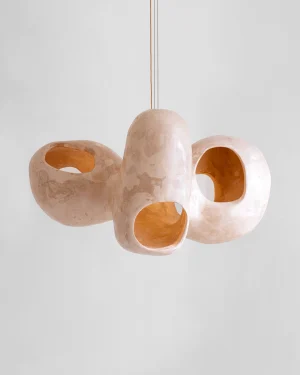
Bosei Chandelier in Gypsum
By Studio AOAO
€15.000 - €29.000 -
 In stock
Svitlotin Brush Strokes Pendant Lamp in Stainless Steel
By SVITANOK
€1.020 - €1.400 -

Navazi Pendant Lamp in Ceramic and Glass
By SVITANOK
€500 - €760
Modern ceiling lamps favor a restrained vocabulary: brass and steel bodies, blown glass diffusers, and glazed ceramic shades, shaped by studios who work in metalwork, glassblowing and hand-building rather than ornament. The result is a fixture that reads as quiet geometry overhead, a disc, a dome or a cluster of globes, built to run every day without asking for attention. Finishes stay close to the metal or glass itself, so the lamp holds its line for years rather than following a passing trend.
What defines the modern style in ceiling lighting
Modern, here, means function stated plainly. A shade is a cone or a sphere, a diffuser is pressed or blown to one clean curve, and a canopy sits flush rather than fussy. Brass and steel are worked into simple housings through metalwork, while glass is blown into shades that scatter light without a pattern cut into it. Ceramic bodies, glazed rather than painted, bring the same discipline in a warmer material.
The range of materials, finishes and editions
Within ceiling lamps built in this spirit, brass appears both polished and left to darken, steel turns up raw or powder-coated, and stainless steel holds a harder, colder shine. Glass runs from clear to cobalt blue, denim and green, often hand-blown so no two shades scatter light in quite the same way. Clay and glaze bring pink, brown and beige into the mix, worked through hand-building and glazing rather than casting.
Some of these lamps come from open editions, repeated to a fixed design each time a studio returns to the kiln or the furnace. Others are unique pieces, where a glassblower's hand or a glaze firing cannot be repeated exactly, so the lamp itself carries that variation. Neither path is announced loudly; it shows in the surface, not the price tag.
How to choose a modern ceiling lamp
Scale decides almost everything before style does. A shade should sit in proportion to the table or seating below it, wide enough to pool light where it is needed, narrow enough not to crowd a low ceiling. Drop height matters as much as diameter: over a dining table, the bottom of the shade typically sits close to eye level when seated, while a hallway or stairwell can take a lower, more sculptural hang.
- Match the metal finish to existing hardware, door handles, taps, so the fixture does not read as an afterthought.
- Choose glass or ceramic where the room already has soft surfaces to bounce light around.
- Keep a single strong shape as the one gesture in an otherwise plain ceiling.
Where these lamps work
Living rooms take well to a single sculptural shade, especially where other furniture is kept low and plain; see the options built specifically for living room ceiling lamps. Dining spaces ask for something centered and bright enough to work as task light. Smaller rooms, entries and reading corners can take a quieter glass or ceramic form that does not compete with the furniture below it.
Caring for metal and glass ceiling lamps
Brass left unlacquered will darken with handling and air; a light wipe with a soft cloth slows this without stripping the patina entirely, and polish is only worth the effort if a bright finish was the point from the start. Steel and stainless steel need little beyond dusting, though damp cloths should be dried off rather than left to sit. Blown glass and glazed ceramic shades should be dusted rather than scrubbed, since grit can scratch a glaze or a polished surface over time.
Across finishes, the common thread in modern design is restraint: one material, one clear shape, left to do its job. For a narrower look at a single material, brass ceiling lamps and steel ceiling lamps both sit within this same approach, as do the pared-back shapes found among minimalist ceiling lamps. Taken together, they show how much a single well-placed ceiling lamp can change the feel of a room without changing anything else in it.
How do I choose a modern ceiling lamp?
Match the shade shape, a disc, dome or cluster of globes, to the room's scale, and pick brass, steel or glass depending on whether the space wants warmth or a colder, harder shine.
How do I care for brass, steel and glass ceiling lamps?
Dust brass and steel with a dry cloth, since polished brass darkens with handling while raw steel develops its own patina; wipe glass shades with a soft, dry cloth to avoid streaks.
What size and height should a ceiling lamp be?
The maker can confirm exact dimensions and recommended drop height with Chat with the maker on the piece's page, since this varies by shade size and ceiling height.
Which rooms suit modern ceiling lamps best?
Their flush canopies and clean shade shapes work over dining tables, living rooms and entryways, anywhere a fixture needs to read as quiet geometry rather than ornament.
Are modern ceiling lamps handmade or made to order?
Many are shaped through glassblowing, metalwork or hand-building, so finishes vary piece to piece; check the piece's page or Chat with the maker for specifics.
What are ADORNO's shipping and return policies?
Shipping is insured and worldwide. Returns are accepted within 14 days, excluding made-to-order pieces, and every piece comes with a certificate of authenticity.