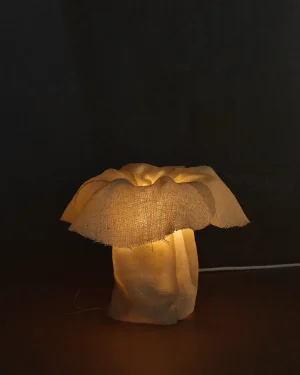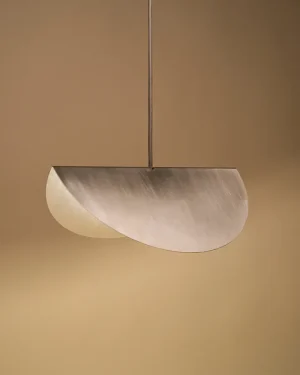
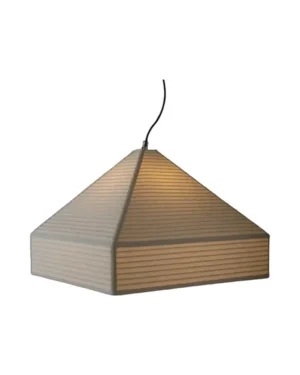
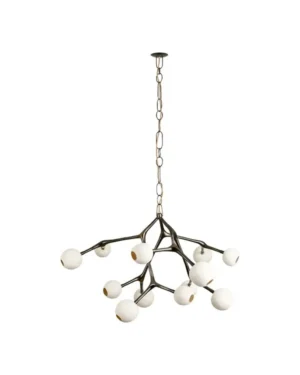
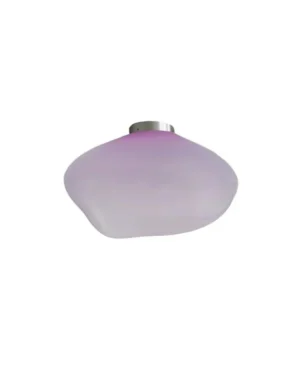
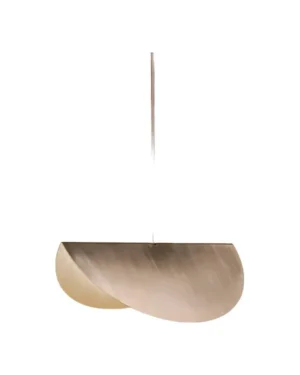
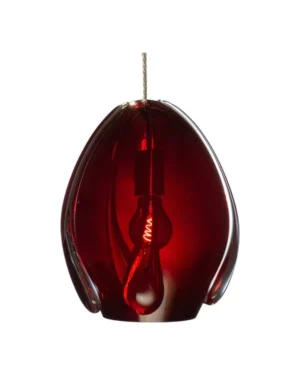
-
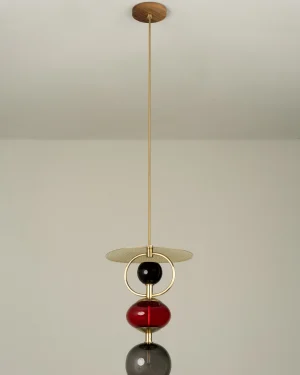
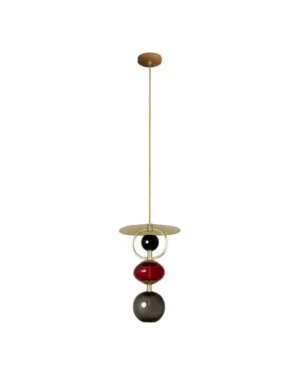
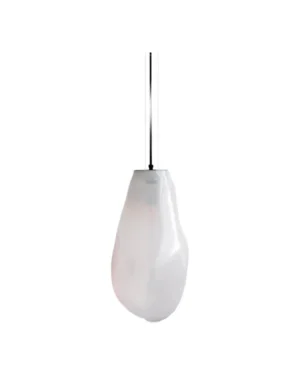
Vitrea Pendant Lamp in Glass and Brass
By Isabel Moncada
€3.802 -
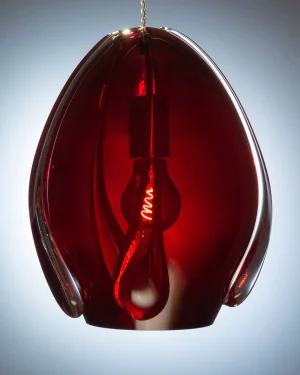
Glass Drop Pendant Lamp in Blown Glass
By Georgiev Kiril
€1.050 -
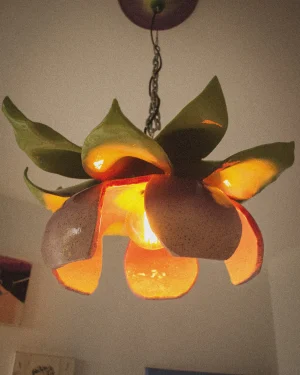
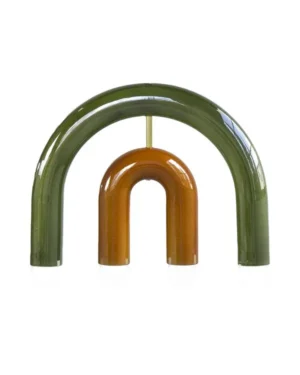
Amaryllis Ceiling Lamp in Glazed Ceramic
By UAU Studio
€1.300 -
 In stock
Y30 Ceiling Lamp in Blown Glass and Brass
By Clara Viladecans
€786 -
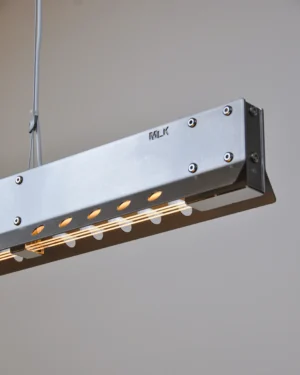
Ne1250/145 Pendant Lamp In Steel And Acrylic
By MLK Furniture
€1.390 -
5% off
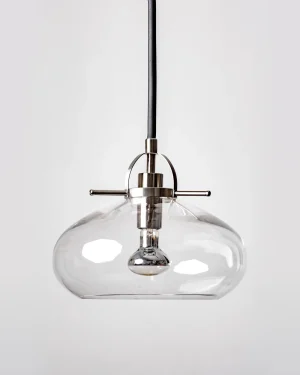
Art Deco Pendant Lamp in Glass and Stainless Steel
By Szostak Atelier
€1.000€950 -
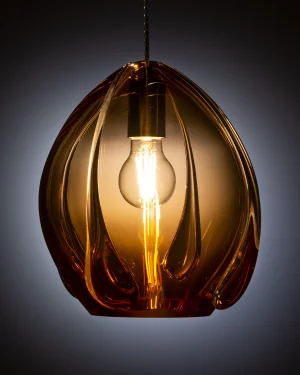
Glass Drops Fire Opal Pendant Lamp in Blown Glass
By Georgiev Kiril
€1.050 -
 In stock
Ines Ceiling Lamp in Blown Glass And Brass
By Clara Viladecans
€550 -
 In stock
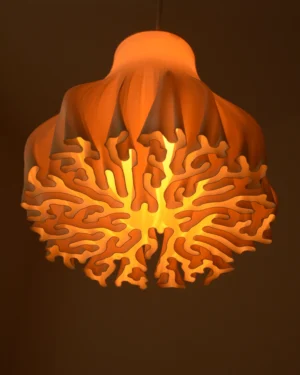
H 1 Pendant Lamp In Bio Polymer
By diploria studio
€295 - €495 -
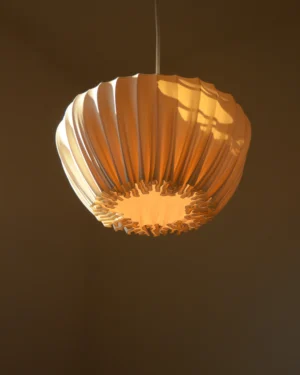
M 2 H Pendant Lamp In Bio Polymer
By diploria studio
€295 -

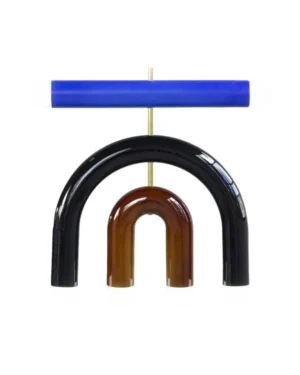
Trn / Model A2 Pendant Lamp In Ceramic
By Pani Jurek STUDIO
€470 -
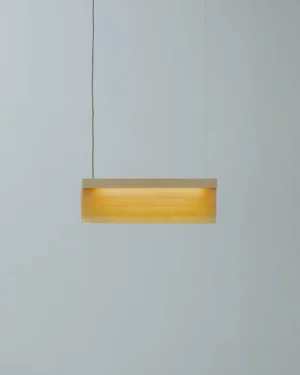
Cenit S Pendant Lamp In Ash Wood And Celium
By Natural Urbano - Sebastián Beltrán
€740 -
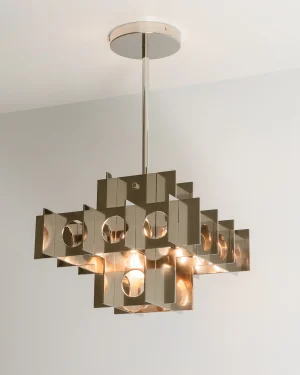
Tenfold 3 T B Pendant Lamp in Stainless Steel and Aluminum
By Luft Tanaka Studio
€2.895 - €8.675 -
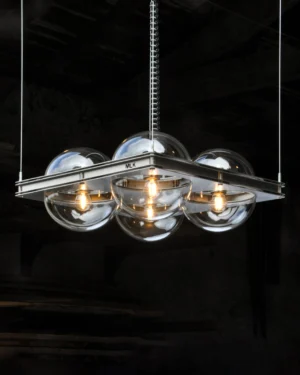
Bbl200x04 Pendant Lamp In Stainless Steel And Acrylic
By MLK Furniture
€2.400 -
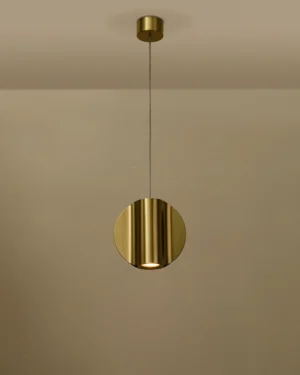 In stock
Pétale Pendant Lamp in Brass
By Studio Aristotelis Barakos
€850 -
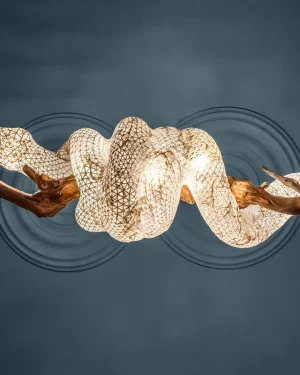
The Staff Of Asclepius Chandelier In Pla And Wool
By Danik Uderbekov
€2.500 -
 In stock
Large Pendant Lamp in Blown Glass and Textiles
By SVITANOK
€375 - €500 -
 In stock
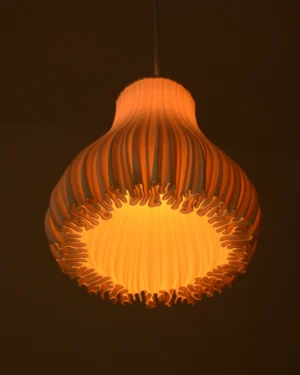
H 2 Pendant Lamp In Bio Polymer
By diploria studio
€295 - €495 -
 In stock
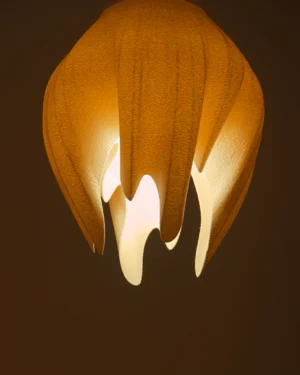
Medusa Pendant Lamp In Bio Polymer
By diploria studio
€245 - €495 -
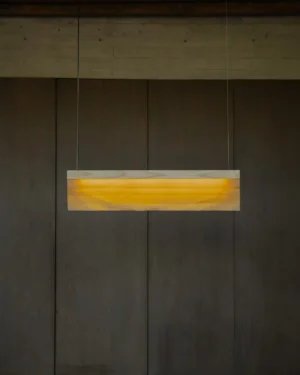
Cenit L Pendant Lamp In Ash Wood And Celium
By Natural Urbano - Sebastián Beltrán
€895 -
 In stock
Svitlotin Olive Pendant Lamp in Stainless Steel
By SVITANOK
€890 - €960 -
 In stock
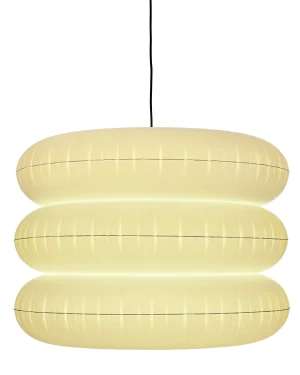
Big Puff Pendant Lamp in Polyurethane
By PUFF-BUFF
€550 -
 In stock
H 3 Pendant Lamp In Bio Polymer
By diploria studio
€395 -
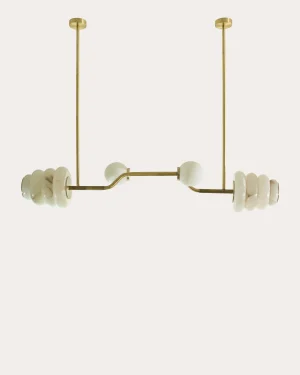
Barbell Chandelier in Brass
By Nama Home
€5.710 -
In stock
Medium Pendant Lamp in Blown Glass and Textiles
By SVITANOK
€300 - €415 -
 In stock
Less Pendant Lamp In Steel, Wood And Plaster
By Jordi Canudas Faura
€388 -

Citiez 0.3
By Niels Stoeltie
€6.200 -
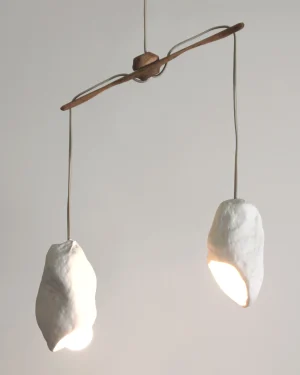
Maat Ceiling Lamp
By Dace Sūna
€1.200 -
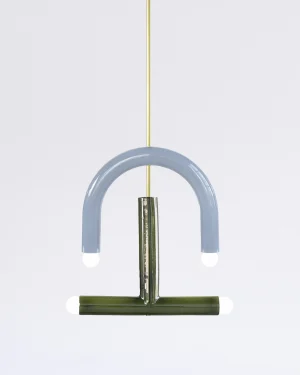
Trn / Model C3 Pendant Lamp In Ceramic
By Pani Jurek STUDIO
€880 - €940 -
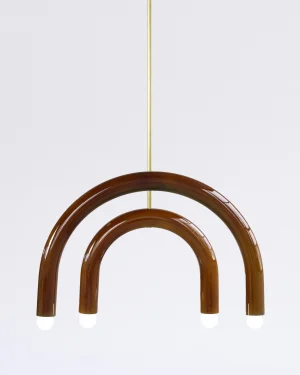
Trn / Model E3 Pendant Lamp In Ceramic
By Pani Jurek STUDIO
€1.430 - €1.490 -
Black Friday −10%

Patagonia Pendant Lamp In Black Wood
By espina corona
€400 -
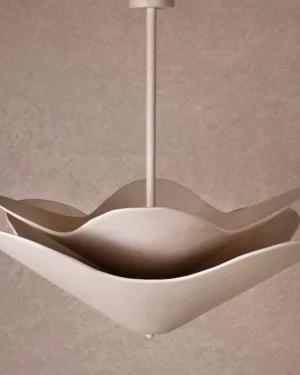
Iris Pendant In Clay Paste
By Harshita Jhamtani Designs
€1.180 -

Trn / Model F1 Pendant Lamp In Ceramic
By Pani Jurek STUDIO
€1.600 -
 In stock
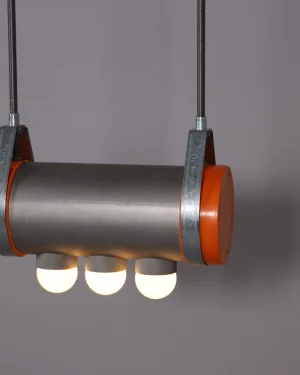
Three Bulb Upcycled Pendant Lamp In Raw Steel
By Nolan Talbot-Kelly
€2.100 -
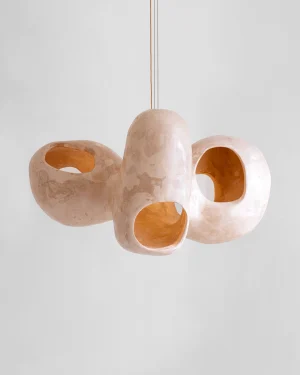
Bosei Chandelier in Gypsum
By Studio AOAO
€15.000 - €29.000 -
 In stock
Svitlotin Hammered Stamp Pendant Lamp in Stainless Steel
By SVITANOK
€1.280 - €1.800 -
 In stock
Svitlotin Blue Ceiling Lamp in Metal
By SVITANOK
€890 - €1.150 -

Trn / Model C4 Pendant Lamp In Ceramic
By Pani Jurek STUDIO
€880 -
 In stock
Svitlotin Brush Strokes Pendant Lamp in Stainless Steel
By SVITANOK
€1.020 - €1.400 -

Navazi Pendant Lamp in Ceramic and Glass
By SVITANOK
€500 - €760 -

Wind Pendant Lamp in Aluminum, Copper & Recycled Plastic
By SIGNATURE OBJECTS
€1.200 -
 In stock
Trn / Model E2 Pendant Lamp In Ceramic
By Pani Jurek STUDIO
€1.430 - €1.490 -
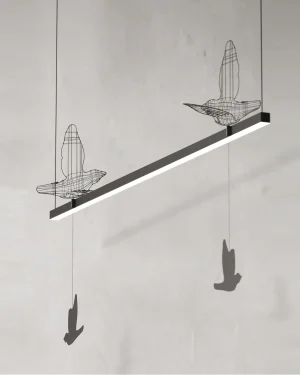 In stock
Flight Shadows 1200mm Pendant Lamp In Steel
By SVITANOK
€1.000 - €1.140 -
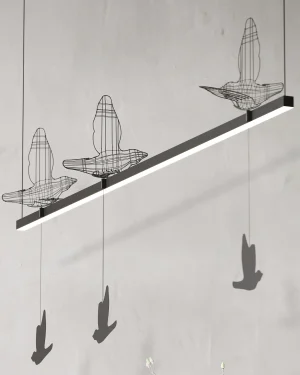 In stock
Flight Shadows 1500mm Pendant Lamp In Steel
By SVITANOK
€1.100 - €1.230 -
 In stock
Svitlotin Anisotropy Ceiling Lamp in Metal
By SVITANOK
€930 - €1.270 -

Tube 01 Pendant Lamp in Brass and Acrylic
By Naama Hofman
€2.600 -
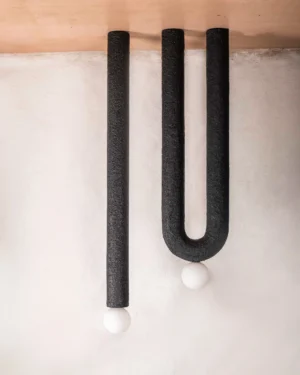
U And I Ceiling Light Set In Clay Paste And Glass
By Harshita Jhamtani Designs
€1.680 -
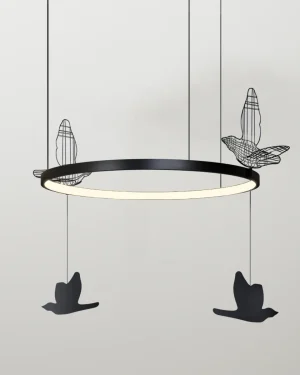 In stock
Flight Shadows Circular Pendant Lamp In Steel
By SVITANOK
€1.020 - €1.140 -

Crescent Pendant Lamp In Steel
By Natural Urbano - Sebastián Beltrán
€515 -

Chema Pendant Lamp in Parota Wood
By Daniel Orozco Estudio
€1.154 -
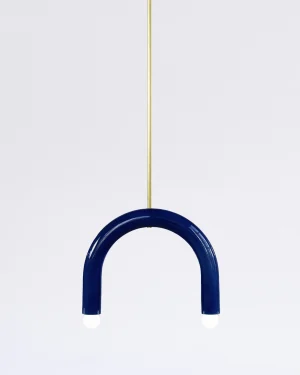
Trn / Model B1 Pendant Lamp In Ceramic
By Pani Jurek STUDIO
€625 -

Clay Cone Pendant In Textured Black Clay Paste And Mild Steel
By Harshita Jhamtani Designs
€1.820 -
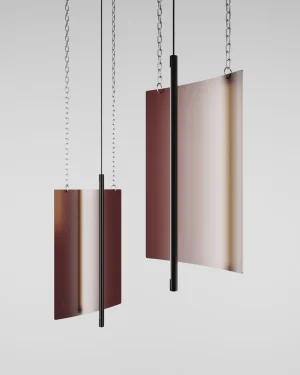
Custom Wine Red Ceiling Lamp In Steel
By SVITANOK
€890 - €1.150 -

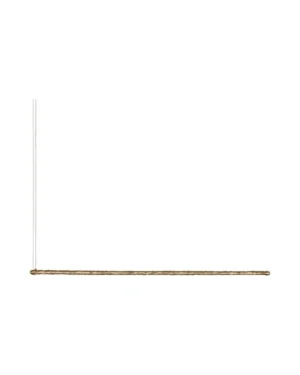
Moono Sliding Pendant Light
By SHRE Studio
€2.500 - €2.700
Living room ceiling lamps gather the materials that studios return to again and again: brass worked by metalsmiths, clay hand-built and glazed, glass shaped by breath and heat, steel cut and shaped into frames. Some pieces repeat in small, open editions; others leave the workshop as unique pieces, their surface or form never quite copied twice. What they share is a fixed position overhead, in constant view, doing more to set the tone of a room than almost anything placed on the floor.
What defines a living room ceiling lamp
Brass starts bright and dulls with handling and air, developing a patina that most owners leave alone rather than polish away. Ceramic and clay bodies take a glaze fired at high heat, which can sit matte or glossy, flat black or deep cobalt, and which crazes or crackles slightly as it ages without losing integrity. Blown glass diffuses light rather than throwing it in a hard beam, so the fixture glows as an object in its own right, not only as a source. Steel holds a line precisely, which is why it turns up in frames and arms where geometry matters more than texture.
Materials, finishes and the ways they are made
The range on ceiling lamps across every room shows the same techniques at work on a living room scale: metalwork for brass, steel and stainless steel frames; glazing and hand-building for ceramic shades; glassblowing for globes and discs that soften a bulb's light; hand assembly where several materials meet in one fixture.
- Finishes run from black, brown and beige through cobalt blue, denim, green, light yellow and lilac, usually carried by a glaze or a painted or powder-coated metal surface.
- Forms lean toward Art Deco curves, mid-century lines, eclectic mixes of texture, and other pieces with a pared-back, contemporary profile such as those gathered under contemporary ceiling lamps.
- Metal bodies, including the options under brass fixtures finished by hand, sit alongside steel and other metal forms worked into sharper, more architectural shapes.
Choosing scale, height and finish
Size the fixture against the room before anything else: a shade or frame that looks right in a showroom photo can swallow a small living room or disappear in a tall one. Ceiling height sets the drop — low ceilings call for a flush or close-to-ceiling form, while higher ones can carry a longer pendant without crowding the space below.
Finish should answer to what else is fixed in the room rather than to trend. A brass fixture reads differently against warm wood paneling than against cool plaster, and a dark glaze recedes where a pale one draws the eye upward. Where a living room already holds metal hardware, door fittings or a floor lamp in a particular finish, matching or deliberately contrasting it keeps the ceiling from feeling like an afterthought.
Where these lamps sit at home
Living room ceiling lamps carry the main light in rooms used for reading, conversation and gathering, which is why brightness, warmth of light and the way a shade spreads it all matter more here than in a hallway or utility space. They pair naturally with the other objects that furnish this room; anyone building out a living room beyond the lighting will find floor lamps, seating and side tables worked in the same range of materials and finishes. For a wider look at lighting alone in this room, living room lighting covers pendants, floor and table lamps together, while pieces built mainly in metal sit under steel and other metal forms.
Caring for brass, ceramic and glass
Brass needs little beyond an occasional dry cloth; left alone, it darkens and develops the uneven, warm patina that owners generally prefer over a forced shine. Lacquered brass holds its brightness longer but should never be scrubbed with abrasive cleaners, which strip the coating unevenly. Ceramic and glazed shades wipe clean with a damp cloth, while blown glass should be dusted gently and never gripped by any thin or curved section when a bulb needs changing. Steel frames tolerate more handling but benefit from being kept dry, since damp environments can eventually dull or spot an untreated finish.
How do I choose a ceiling lamp for a living room?
Match the material to how the room feels: brass and steel read as sharper and more architectural, ceramic and glass soften the light and the look. Consider how low it hangs over seating and how strong the glow should be.
What material is best for a living room ceiling lamp?
Brass ages into a patina many owners leave alone, steel holds precise lines for geometric frames, ceramic takes a glaze that can crackle slightly with age, and blown glass diffuses light into a soft glow rather than a hard beam.
How do I care for a brass or ceramic ceiling lamp?
Dust brass with a dry cloth and let its patina darken naturally rather than polishing it. Wipe glazed ceramic with a soft, damp cloth, avoiding abrasive cleaners that can dull or scratch the fired surface.
How high should a ceiling lamp hang in a living room?
A ceiling lamp should sit high enough to light the room evenly without entering the line of sight when seated, typically leaving at least 180 to 200 centimeters of clearance below it. Chat with the maker on a piece's page to confirm exact drop.
Do these ceiling lamps work in other rooms too?
Yes, the same materials and techniques suit dining rooms, bedrooms and entryways, though scale and brightness should shift with the room's size and use.
What is ADORNO's policy on shipping, returns and authenticity?
Shipping is insured and worldwide. Returns are accepted within 14 days, except for made-to-order pieces. Every piece comes with a certificate of authenticity, and ADORNO offers a lowest-price guarantee.