




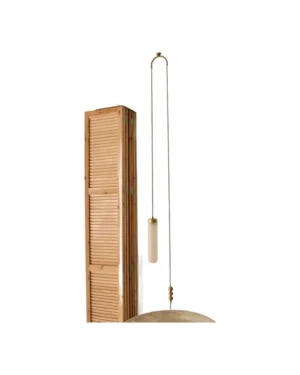
-
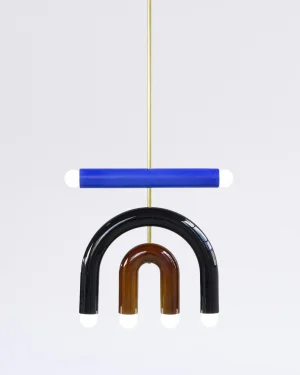
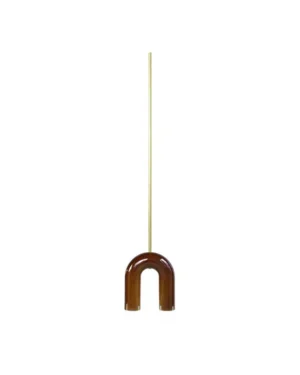
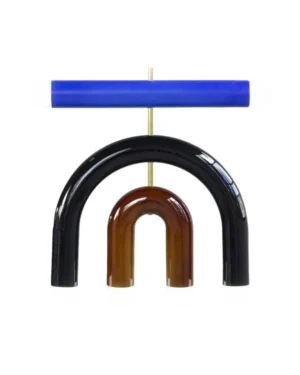
Trn / Model D1 Pendant Lamp in Ceramic
By Pani Jurek STUDIO
€1.080 -
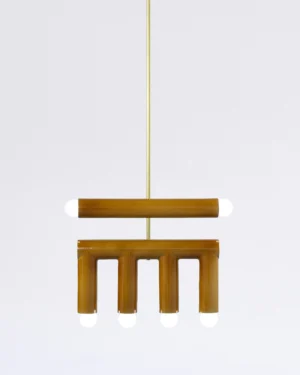
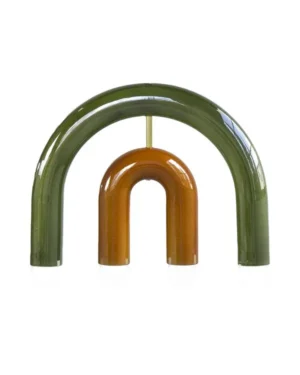
Trn / Model D2 Pendant Lamp in Ceramic
By Pani Jurek STUDIO
€1.080 -

Trn / Model E1 Pendant Lamp in Ceramic
By Pani Jurek STUDIO
€1.430 -
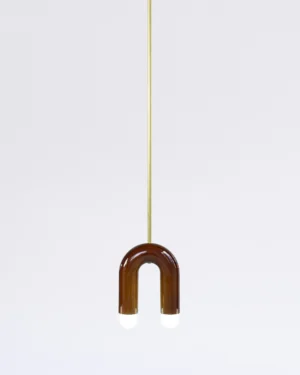
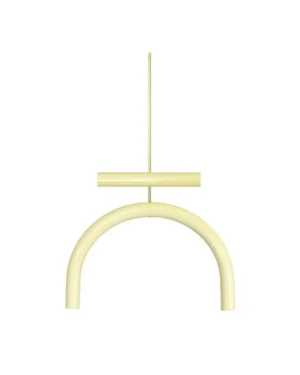
Trn / Model A1 Pendant Lamp in Ceramic
By Pani Jurek STUDIO
€470 -

Trn / Model C2 Pendant Lamp in Ceramic
By Pani Jurek STUDIO
€880 -

Trn / Model B2 Pendant Lamp in Ceramic
By Pani Jurek STUDIO
€625 -
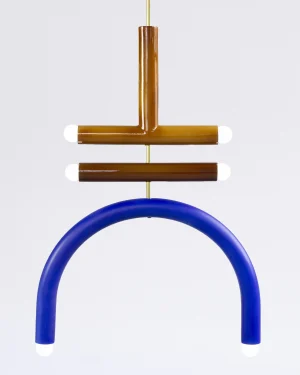
Trn / Model F2 Pendant Lamp in Ceramic
By Pani Jurek STUDIO
€1.600 -
 In stock
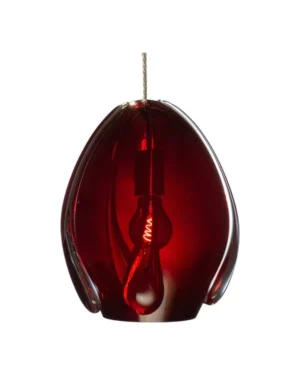
Y30 Ceiling Lamp in Blown Glass and Brass
By Clara Viladecans
€786 -
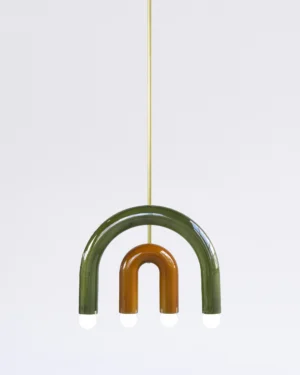
Trn / Model C1 Pendant Lamp in Ceramic
By Pani Jurek STUDIO
€880 -

Trn / Model B3 Pendant Lamp in Ceramic
By Pani Jurek STUDIO
€625 -

Trn / Model F3 Pendant Lamp in Ceramic
By Pani Jurek STUDIO
€1.600 -
 In stock
Ines Ceiling Lamp in Blown Glass And Brass
By Clara Viladecans
€550 -

Marsha 02 Pendant Lamp in Blown Glass and Steel
By MESEME by Riya Panchal
€810 -

Patagonia Pendant Lamp In Wood
By espina corona
€650 -

Marsha 01 Pendant Lamp in Glass and Steel
By MESEME by Riya Panchal
€839 -

Trn / Model A2 Pendant Lamp in Ceramic
By Pani Jurek STUDIO
€470 -
 In stock
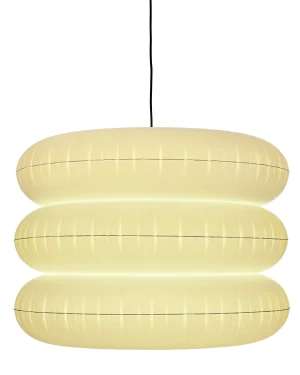
Big Puff Pendant Lamp in Polyurethane
By PUFF-BUFF
€550 -
 In stock
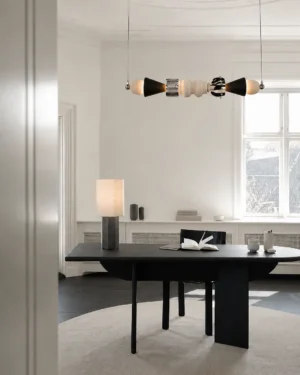
Arinna Pendant Lamp In Oak, Stone And Brass
By MARAU
€15.000 -
 In stock
Less Pendant Lamp In Steel, Wood And Plaster
By Jordi Canudas Faura
€388 -
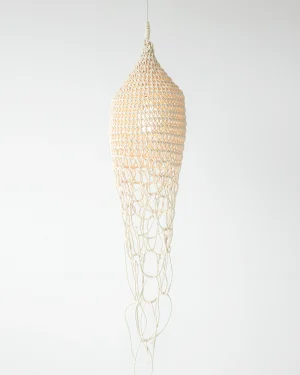
Meduse Pendant Lamp in Cotton
By Annie Legault
€700 -
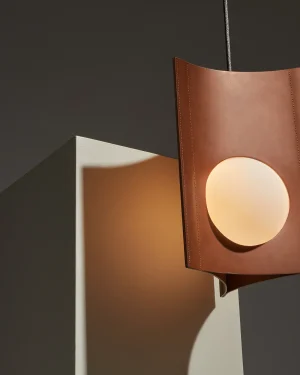
Hecate Leather Pendant Lamp in Leather
By Studio Aristotelis Barakos
€480 -
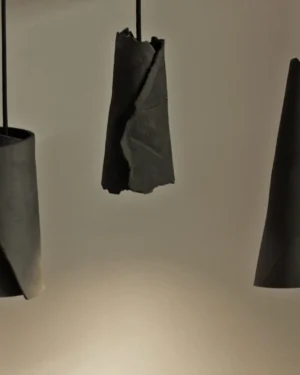
Ilumina Pendant Lamp in Ceramics
By Popdots Studio
€330 -

Trn / Model F1 Pendant Lamp in Ceramic
By Pani Jurek STUDIO
€1.600 -
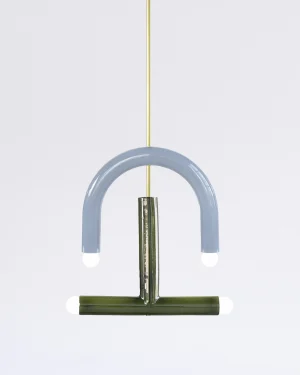
Trn / Model C3 Pendant Lamp in Ceramic
By Pani Jurek STUDIO
€880 -
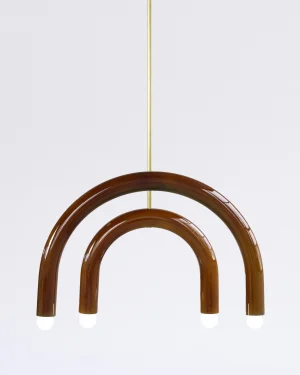
Trn / Model E3 Pendant Lamp in Ceramic
By Pani Jurek STUDIO
€1.430 -

Patagonia Pendant Lamp In Black Wood
By espina corona
€400 -
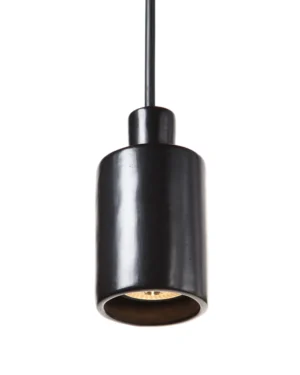
Can Pendant Lamp in Barro Negro
By Studio davidpompa
€225 -

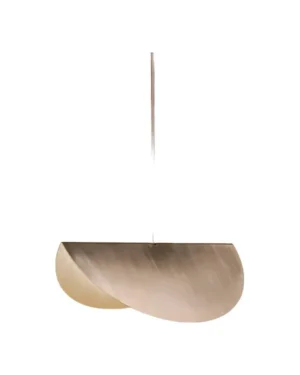
Eclipse Pendant Light
By Rollo Studio
€2.400 -

Trn / Model F1 Silver Finish Pendant Lamp in Ceramic
By Pani Jurek STUDIO
€1.650 -

Trn / Model D2 Silver Finish Pendant Lamp in Ceramic
By Pani Jurek STUDIO
€1.130 -
 In stock
Lullaby and Hygge Pendant Lamp in Resin and Steel
By BDCI
€1.400 -

Trn / Model C4 Silver Finish Pendant Lamp in Ceramic
By Pani Jurek STUDIO
€930 -

Trn / Model C4 Pendant Lamp in Ceramic
By Pani Jurek STUDIO
€880 -
 In stock
Trn / Model E2 Pendant Lamp in Ceramic
By Pani Jurek STUDIO
€1.430 -
 In stock
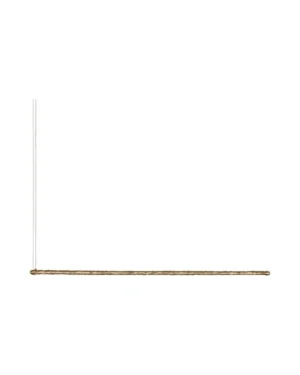
Flight Shadows 1200mm Pendant Lamp In Steel
By SVITANOK
€1.000 - €1.140 -
 In stock
Flight Shadows 1500mm Pendant Lamp In Steel
By SVITANOK
€1.100 - €1.230 -

Trn / Model D1 Silver Finish Pendant Lamp in Ceramic
By Pani Jurek STUDIO
€1.130 -

Trn / Model F2 Silver Finish Pendant Lamp in Ceramic
By Pani Jurek STUDIO
€1.650 -
 In stock
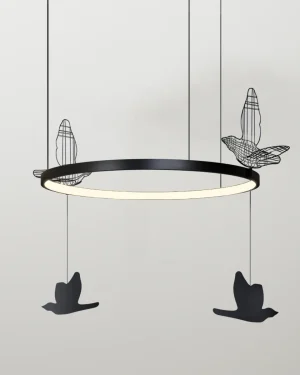
Flight Shadows Circular Pendant Lamp In Steel
By SVITANOK
€1.020 - €1.140 -

Trn / Model B1 Pendant Lamp in Ceramic
By Pani Jurek STUDIO
€625 -

Trn / Model C1 Silver Finish Pendant Lamp in Ceramic
By Pani Jurek STUDIO
€930 -
 In stock
Ic-4 Pendant Lamp In Resin, Foam And Natural Fibers
By Studio Josha
€8.250 -

Clay Cone Pendant In Textured Black Clay Paste And Mild Steel
By Harshita Jhamtani Designs
€1.820 -

Original Root Lamp In Jabin Wood
By Daniel Orozco Estudio
€450 -
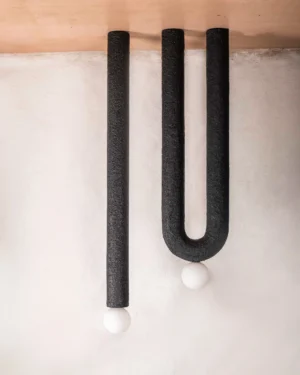
U And I Ceiling Light Set In Clay Paste And Glass
By Harshita Jhamtani Designs
€1.680 -
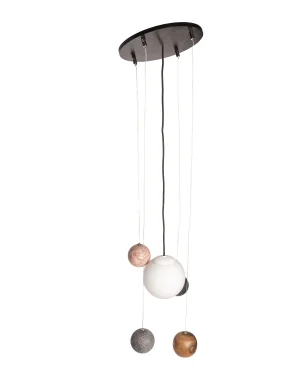
Planeta Ceiling Lamp in Marble and Volcanic Stone
By Daniel Orozco Estudio
€1.260 -
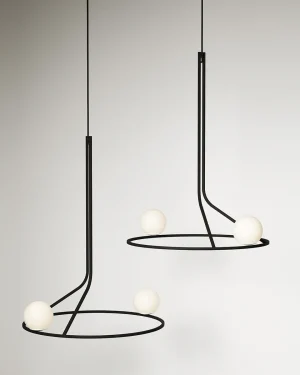 In stock
Na Linii Pendant Lamp in Steel and Glass
By SVITANOK
€1.050 -

Chema Pendant Lamp in Parota Wood
By Daniel Orozco Estudio
€1.154 -

Crescent Pendant Lamp In Steel
By Natural Urbano - Sebastián Beltrán
€515 -

Fos 05 Pendant Lamp in Wood and Marble
By Daniel Orozco Estudio
€1.390 -
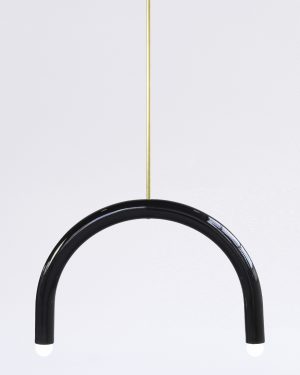
Trn / Model B4 Pendant Lamp in Ceramic
By Pani Jurek STUDIO
€880
Black ceiling lamps bring together hand-built ceramic, steel and brass, with a few blown glass pieces, each finished in a dark glaze, patina or powder coat rather than left raw. Studios choose black not to hide the material but to flatten its surface, so the eye reads shape and shadow before it reads texture. The result is a fixture that holds its place in a room without competing with the walls, the art or the light itself.
What Defines Black Ceiling Lamps
Black is not a single finish. A glazed stoneware shade reads matte and slightly uneven, a blown glass globe can be smoked to near-opacity or left with a faint sheen, and steel or brass can be blackened, powder-coated or oxidized to a dull charcoal. Each method changes how the lamp handles light: matte ceramic absorbs it, glass diffuses it, polished metal throws a thin reflected edge around the room.
Materials and Finishes to Expect
Across the range, four approaches recur. Hand-building and glazing give ceramic shades their weight and slightly irregular rim, since each piece is formed and fired by hand rather than molded. Glassblowing produces globes and discs where the black sits in the glass itself or as a surface coating, letting a thin rim of light escape at the edges. Metalwork, from mild steel to brass, is cut, shaped and finished dark, often in forms that read as minimalist or mid-century modern in their geometry.
- Hand-built ceramic, glazed matte or semi-gloss black
- Blown glass, smoked, frosted or coated dark
- Steel, mild steel and brass, blackened or powder-coated
- Mixed forms combining a metal frame with a ceramic or glass shade
For a closer look at the metal side of this range on its own, the metal ceiling lamps group covers steel, brass and mild steel fixtures separately from glass and ceramic ones, and the steel ceiling lamps group narrows that further to steel forms.
Choosing the Right Scale and Placement
A ceiling fixture is seen from every angle in a room, so scale matters more here than almost anywhere else. A shade that is too small over a dining table or sofa will look stranded; one that is too large will lower a ceiling visually and crowd the space beneath it. As a rule, measure the width of the table or seating group it hangs over and let the shade span roughly half to two-thirds of that width, then check the drop against the room's ceiling height so the lowest point still clears a standing adult by a comfortable margin.
Finish affects perception of scale too. A matte black ceramic shade reads heavier and more grounded than a blown glass one of the same size, since gloss and transparency both work to shrink a form visually. In a low room, a glass or open-metal fixture in black will sit lighter than a solid ceramic one of comparable dimensions.
Where Black Ceiling Lamps Work Best
Black ceiling lamps suit rooms where the architecture, furniture or art already carries color and pattern, since the fixture itself adds contrast rather than more hue. The living room ceiling lamps group shows how different studios handle that role, from a single pendant to clustered forms, and the pared-back end of the style spectrum is covered in the minimalist ceiling lamps group for rooms that want geometry without ornament.
Caring for Dark Ceramic, Glass and Steel
Matte black glazes and powder coats show dust and fingerprints more readily than pale finishes, so a soft dry cloth used regularly keeps the surface even. Avoid abrasive cleaners on glazed ceramic, since they can dull the finish unevenly, and wipe blown glass with a lint-free cloth to prevent static buildup drawing more dust. Blackened steel and brass should stay dry; damp cloths left on bare metal can lift a patina over time, so a quick wipe and dry is safer than a soak.
The wider ceiling lamps range spans every other color and material alongside these dark finishes, and anyone building a room around a single palette can see how the color extends into other objects through black pieces across ADORNO, from seating to tableware.
How do I choose a black ceiling lamp?
Start with the material and how it handles light: matte ceramic absorbs it, blown glass diffuses it, blackened steel reflects a thin edge. Then match the scale and finish to the room's other dark or metal surfaces.
How do you clean and care for a black ceiling lamp?
Dust ceramic and metal shades with a dry or barely damp cloth, since water and abrasive cleaners can dull a glaze or strip a patina. Glass only needs a soft cloth to keep the surface clear of fingerprints.
Will a black glaze or patina fade or change over time?
Glazed ceramic holds its color indefinitely if kept dry, while oxidized or waxed metal finishes can shift slightly with handling and light exposure, deepening rather than fading.
What size or hanging height works for a black ceiling lamp?
Keep the shade's widest point proportional to the table or seating below it, and hang the bottom of the fixture roughly 30 inches above a dining table or 80 inches above the floor in open spaces.
Which rooms suit a black ceiling lamp?
Black holds its shape well over dining tables, kitchen islands and reading corners, anywhere the fixture needs to read as form rather than blend into a pale ceiling.
What is ADORNO's shipping, returns and authenticity policy?
Shipping is insured and worldwide, returns are accepted within 14 days except on made-to-order pieces, and every lamp arrives with a certificate of authenticity. ADORNO also offers a lowest-price guarantee.