
-
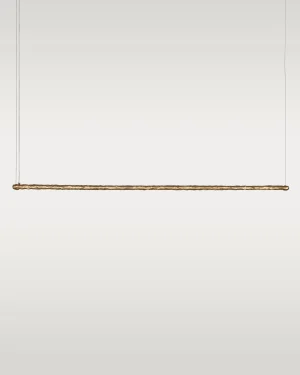
Aria Linear Ceiling Lamp In Brass
By Stem
€1.550 - €2.100 This product has multiple variants. The options may be chosen on the product page -
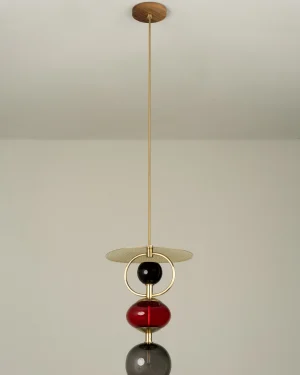
Vitrea Pendant Lamp in Glass and Brass
By Isabel Moncada
€3.802 This product has multiple variants. The options may be chosen on the product page -
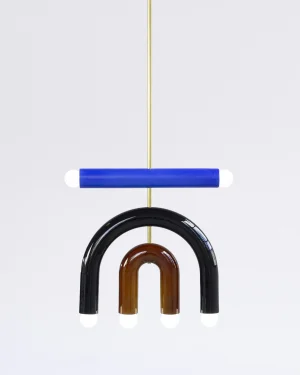
Trn / Model D1 Pendant Lamp in Ceramic
By Pani Jurek STUDIO
€1.080 This product has multiple variants. The options may be chosen on the product page -

Trn / Model A1 Pendant Lamp in Ceramic
By Pani Jurek STUDIO
€470 This product has multiple variants. The options may be chosen on the product page -

Trn / Model D2 Pendant Lamp in Ceramic
By Pani Jurek STUDIO
€1.080 This product has multiple variants. The options may be chosen on the product page -

Trn / Model E1 Pendant Lamp in Ceramic
By Pani Jurek STUDIO
€1.430 This product has multiple variants. The options may be chosen on the product page -
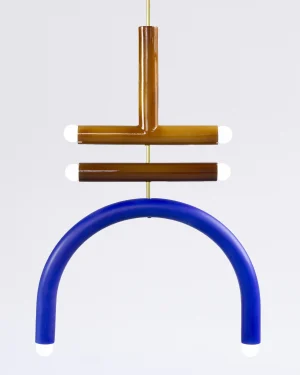
Trn / Model F2 Pendant Lamp in Ceramic
By Pani Jurek STUDIO
€1.600 This product has multiple variants. The options may be chosen on the product page -
 In stock
Y30 Ceiling Lamp in Blown Glass and Brass
By Clara Viladecans
€786 This product has multiple variants. The options may be chosen on the product page -

Trn / Model C2 Pendant Lamp in Ceramic
By Pani Jurek STUDIO
€880 This product has multiple variants. The options may be chosen on the product page -

Trn / Model B3 Pendant Lamp in Ceramic
By Pani Jurek STUDIO
€625 This product has multiple variants. The options may be chosen on the product page -
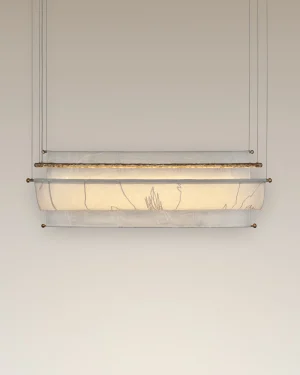
Aria Pendant Lamp In Brass
By Stem
€4.150 -
 In stock
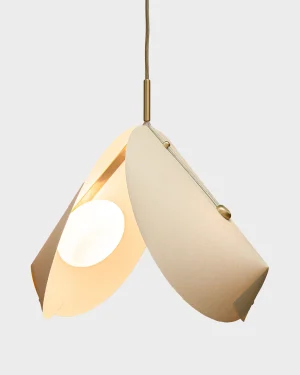
Ines Ceiling Lamp in Blown Glass And Brass
By Clara Viladecans
€550 This product has multiple variants. The options may be chosen on the product page -
 In stock
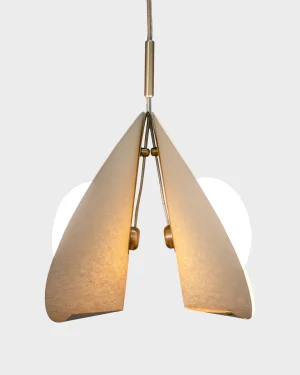
Concha Model 03 Pendant Lamp in Brass and Blown Glass
By MESEME by Riya Panchal
€434 This product has multiple variants. The options may be chosen on the product page -
 In stock
Concha Model 01 Pendant Lamp in Paper, Metals and Glass
By MESEME by Riya Panchal
€375 This product has multiple variants. The options may be chosen on the product page -

Trn / Model A2 Pendant Lamp in Ceramic
By Pani Jurek STUDIO
€470 This product has multiple variants. The options may be chosen on the product page -
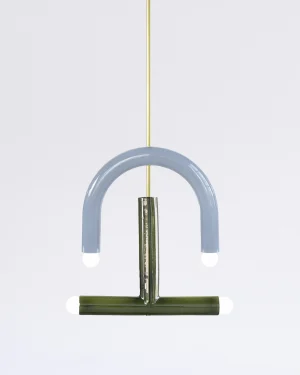
Trn / Model C3 Pendant Lamp in Ceramic
By Pani Jurek STUDIO
€880 This product has multiple variants. The options may be chosen on the product page -
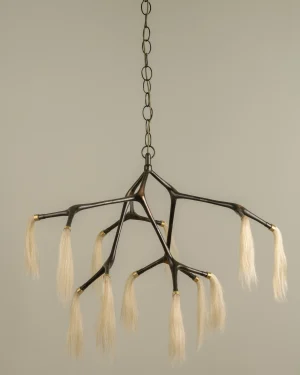
Maratus Horsehair Ceiling Lamp in Bronze
By Isabel Moncada
€33.345 -
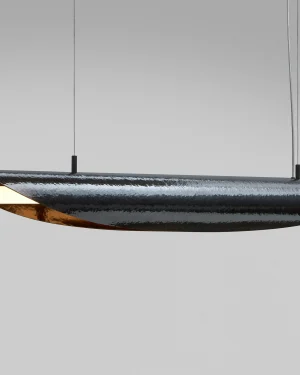
Taco De Luz Black Patinated Brass Pendant Lamp in Brass
By Studio Aristotelis Barakos
€5.900 -
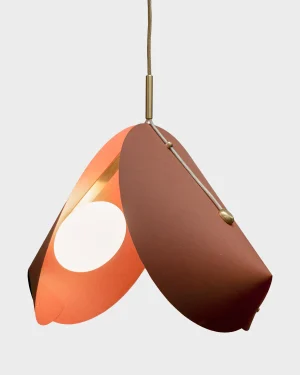
Concha Model 03 (Large) Pendant Lamp in Paper and Brass
By MESEME by Riya Panchal
€521 This product has multiple variants. The options may be chosen on the product page -
 In stock
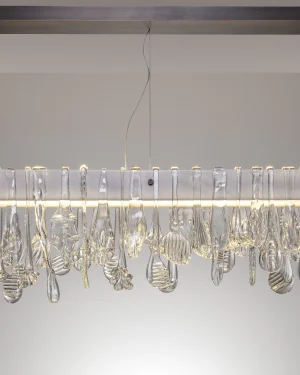
Pingente Pendant Lamp
By Carol Gay
€8.000 -
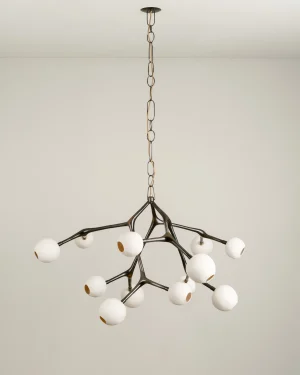
Maratus Ceiling Lamp in Bronze and Glass
By Isabel Moncada
€31.005 - €35.655 This product has multiple variants. The options may be chosen on the product page -

Object 018 Pendant Lamp in Brass and Acrylic
By Naama Hofman
€2.100 -

Object 019 Pendant Lamp in Brass and Acrylic
By Naama Hofman
€1.850 -
 In stock
Trn / Model E2 Pendant Lamp in Ceramic
By Pani Jurek STUDIO
€1.430 This product has multiple variants. The options may be chosen on the product page -
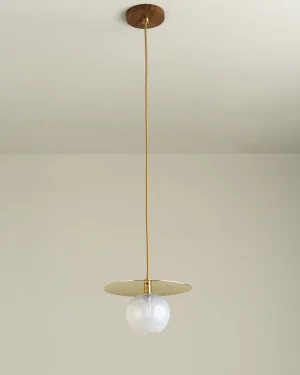
Cometa Pendant Lamp in Brass, Wood and Glass
By Isabel Moncada
€2.340 - €2.691 This product has multiple variants. The options may be chosen on the product page -
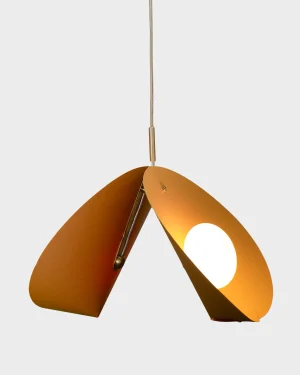
Concha Model 02 (Small) Pendant Lamp in Paper and Brass
By MESEME by Riya Panchal
€375 This product has multiple variants. The options may be chosen on the product page -

GP032 Ceiling Lamp in Brass and Blown Glass
By Naama Hofman
€6.500 -
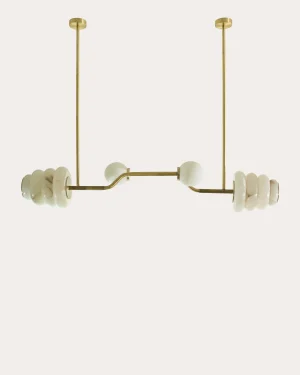
Barbell Ceiling Lamp in Brass
By Nama Home
€5.710 -

Trn / Model D1 Silver Finish Pendant Lamp in Ceramic
By Pani Jurek STUDIO
€1.130 This product has multiple variants. The options may be chosen on the product page -

Trn / Model F2 Silver Finish Pendant Lamp in Ceramic
By Pani Jurek STUDIO
€1.650 This product has multiple variants. The options may be chosen on the product page -

Trn / Model F1 Pendant Lamp in Ceramic
By Pani Jurek STUDIO
€1.600 This product has multiple variants. The options may be chosen on the product page -

GP033 Ceiling Lamp in Brass and Blown Glass
By Naama Hofman
€4.200 -
 In stock
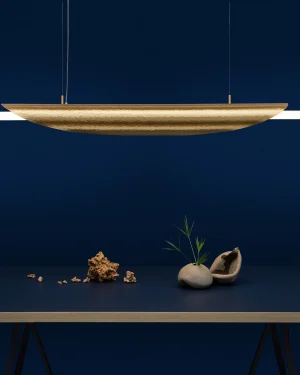
Taco De Luz Satin Brass Pendant Lamp in Brass
By Studio Aristotelis Barakos
€5.400 -
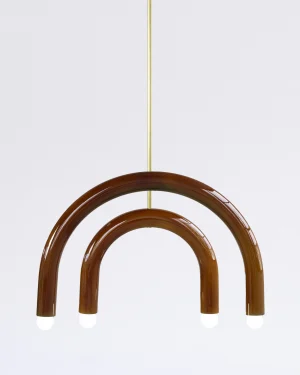
Trn / Model E3 Pendant Lamp in Ceramic
By Pani Jurek STUDIO
€1.430 This product has multiple variants. The options may be chosen on the product page -

Trn / Model C1 Pendant Lamp in Ceramic
By Pani Jurek STUDIO
€880 This product has multiple variants. The options may be chosen on the product page -
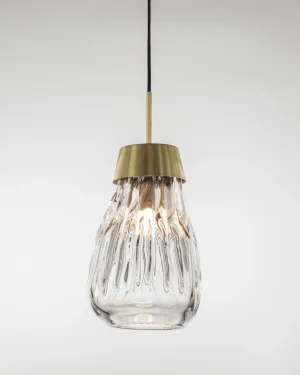
Twist Pendant Lamp
By Carol Gay
€990 - €1.150 This product has multiple variants. The options may be chosen on the product page -
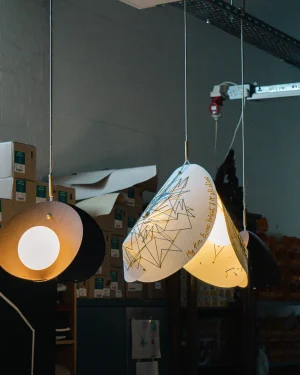 In stock
Concha Embroidure Pendant Lamp in Paper and Brass
By MESEME by Riya Panchal
€788 -
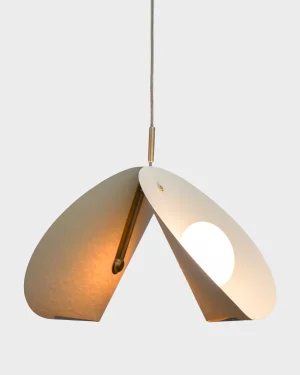
Concha Model 02 (Medium) Pendant Lamp in Paper and Brass
By MESEME by Riya Panchal
€434 This product has multiple variants. The options may be chosen on the product page -
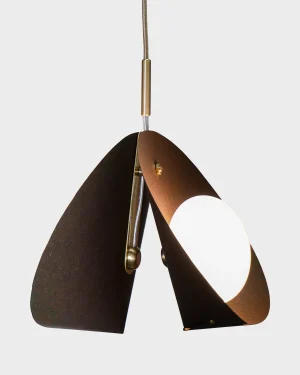
Concha Model 01 (Medium) Pendant Lamp in Paper and Brass
By MESEME by Riya Panchal
€434 This product has multiple variants. The options may be chosen on the product page -
 In stock
Arinna Pendant Lamp In Oak, Stone And Brass
By MARAU
€15.000 -

Florance I Ceiling Lamp in Brass, Glass and Fabric
By Atelier Alz
€575 -
 In stock
Gota Pendant Lamp in Glass and Brass
By Tributo
€382 -
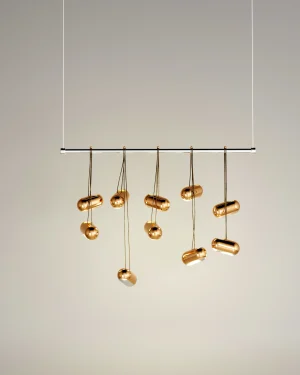
Tere Chandelier in Stainless Steel, Bronze and Acrylic Resin
By Design VA
€12.432 -

Trn / Model F1 Silver Finish Pendant Lamp in Ceramic
By Pani Jurek STUDIO
€1.650 This product has multiple variants. The options may be chosen on the product page -
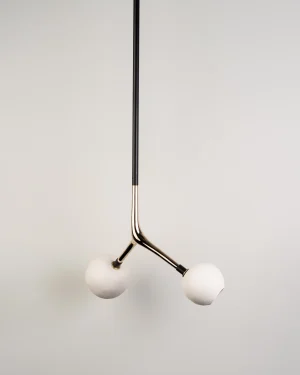
Dupla Pendant Lamp in Bronze, Brass and Glass
By Isabel Moncada
€3.217 - €3.744 This product has multiple variants. The options may be chosen on the product page -
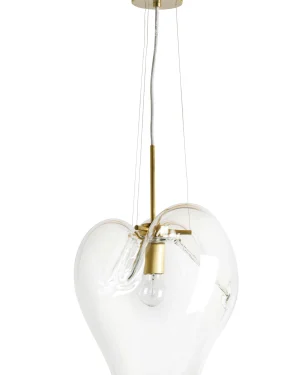
Carambola Pendant Lamp
By Carol Gay
€1.330 -
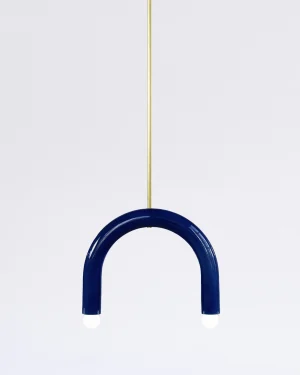
Trn / Model B1 Pendant Lamp in Ceramic
By Pani Jurek STUDIO
€625 This product has multiple variants. The options may be chosen on the product page -

Tube 01 Pendant Lamp in Brass and Acrylic
By Naama Hofman
€2.600 -

Trn / Model C1 Silver Finish Pendant Lamp in Ceramic
By Pani Jurek STUDIO
€930 This product has multiple variants. The options may be chosen on the product page -

Arc 015 Pendant Lamp in Brass and Acrylic
By Naama Hofman
€2.900 -
 In stock
Citiez 0.3 Pendant Lamp in Brass and Steel
By Niels Stoeltie
€7.500 -
 In stock
Moono Sliding Pendant Lamp in Wood and Metals
By SHRE Studio
€2.500 - €2.700 This product has multiple variants. The options may be chosen on the product page -
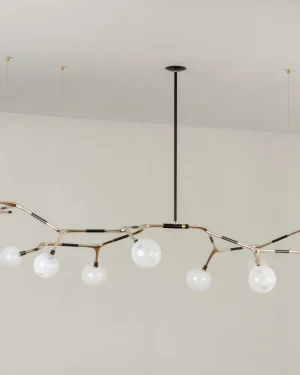
Mantis 13-Piece Ceiling Lamp in Bronze and Glass
By Isabel Moncada
Price Upon Request - This product has multiple variants. The options may be chosen on the product page -
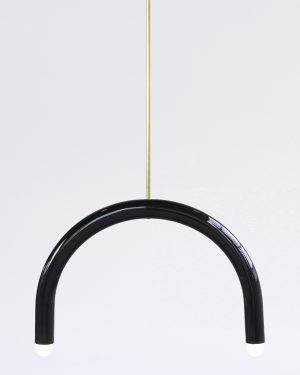
Trn / Model B4 Pendant Lamp in Ceramic
By Pani Jurek STUDIO
€880 This product has multiple variants. The options may be chosen on the product page
Designer Ceiling Lamps
The ceiling light is the one fixture a room cannot hide. It sits in the center of the field of view, it is on whenever the room is in use, and it is usually the first thing installed and the last thing anyone thinks about. Getting it right changes a room more than any other single object in it.
This collection covers decorative ceiling lighting made by independent designers and studios — hand-thrown ceramic and stoneware, hand-blown glass, brass, copper and steel, wood, woven natural fiber, paper, textile, concrete and grown biomaterials. Prices run from modest single pieces to large commissions, so it is worth browsing ceiling lamps under €500 alongside the unique and limited-edition work. What you will not find here is recessed downlighting, LED panels or fan fixtures: these are handmade objects, chosen to be seen.
The Three Formats
Almost every decision in this category starts with picking the right format for the ceiling you have.
- Pendant lamps: a single shade on a cord or rod, designed to be used alone or repeated in a row. The most flexible option, and the standard answer over a kitchen island, a dining table or a stairwell.
- Chandeliers: one fixture with several arms, elements or light sources, hung centrally as the focal point of a room. Best where there is height to fill and a clear center to fill it from.
- Flush and semi-flush mounts: fitted tight to the ceiling or dropped only slightly below it, preserving head height. The right choice for low ceilings, corridors and anywhere a suspended piece would be in the way.
Beyond these, linear and multi-fixture pieces spread light along a surface rather than from a point, which suits long tables, kitchen runs and open-plan rooms where one central fixture would leave the ends dark.
Start With the Ceiling Height
- Under about 2.4 m: flush or semi-flush. Anything hanging becomes an obstacle, and a shallow fixture that spreads light sideways will make the room feel taller than a dropped one.
- Standard ceilings, 2.4–2.7 m: almost anything works. Over a table or island, hang the fixture 75–90 cm above the surface; in walkways, keep 2.1 m of clear height beneath it.
- High, vaulted and double-height: vertical formats — long-drop pendants, cascading and tiered chandeliers — read far better than a fixture floating near the apex. Plan how the piece will be cleaned and re-lamped before committing to the height.
- Sloped and slanted ceilings: confirm the canopy or mounting plate accommodates the pitch. Flush fixtures follow the plane of the ceiling; pendants hang vertically regardless, which can look wrong if the drop is short.
- Stairwells: treat the space as a volume rather than a plane, and keep the lowest point clear of head height on the highest tread.
Room by Room
Kitchens and dining rooms take the most considered piece, since the ceiling light is what people sit under: a row of pendants over an island, or a single fixture centered on the table rather than on the room. In bedrooms, keep output low and dimmable and let table lamps handle bedside light. Hallways and landings usually need two or three modest fixtures spaced along the run rather than one bright central light. In living rooms, a ceiling piece works best as one layer among several, alongside floor lamps and wall lamps — a single overhead source, however beautiful, flattens a room in the evening.
Output, Wiring and Installation
- As a room's main light: roughly 800–1,500 lumens covers a bedroom or hallway; kitchens and open-plan spaces need more, usually spread across several fixtures rather than concentrated in one.
- Color temperature: 2700 K for bedrooms, dining and living rooms; up to 3000 K in kitchens and utility spaces.
- Dimming: worth insisting on wherever the ceiling fixture is the only light in the room. Confirm compatibility between fixture, bulb and dimmer before ordering.
- Bulbs: standard E14 and E27 sockets let you choose warmth and replace bulbs for the life of the piece. Integrated LED allows slimmer forms but cannot be re-lamped.
- Installation: hardwired to a ceiling box by a qualified electrician, with the box or joist rated for the fixture's weight. Product pages list weight and dimensions; ask us if a figure is missing.
- Lead times: most pieces are made to order. Filter for pieces ready to ship if your timeline is fixed, and order sets in one batch so glazes and glass color match.
Explore the full collectible lighting collection, or send our curation team your ceiling height and room dimensions and we will propose pieces that fit.
What are the different types of ceiling lights?
Decorative ceiling lighting divides into three main formats. Pendants are single fixtures on a cord or rod, used alone or in rows. Chandeliers are single fixtures with multiple arms or elements, hung centrally. Flush and semi-flush mounts sit against or just below the ceiling, preserving head height. Alongside these sit linear and multi-fixture pieces that light along a length rather than from one point. Technical categories such as recessed downlights, track lighting and LED panels are a separate class of product, specified by electricians rather than chosen as objects.
How do I choose the right ceiling light for a room?
Work in this order: ceiling height decides the format, the surface below decides the size and position, and the room's use decides the output. A 2.3 m bedroom ceiling rules out a pendant before aesthetics enter the conversation; a 4 m stairwell rules out a flush mount. Only once the format is settled does material, color and style become the interesting part of the decision.
Which type of ceiling light suits a low ceiling?
Flush and semi-flush mounts. Below roughly 2.4 m, a suspended fixture intrudes on head height and makes the room feel lower rather than taller. Choose a piece that spreads light horizontally, and position any dropped fixture over a table, a bed or a seating group where nobody stands directly beneath it.
What works on a vaulted, sloped or double-height ceiling?
Vertical formats. Long-drop pendants and cascading or tiered chandeliers occupy height and read correctly from below; a fixture sized for a normal ceiling looks stranded in a tall void. On a slope, check that the canopy accommodates the pitch — pendants hang vertically whatever the ceiling does, so a very short drop on a steep slope will look misaligned.
Is one ceiling light enough to light a room?
For a bedroom, hallway or small room, often yes, at around 800–1,500 lumens and ideally dimmable. For kitchens, living rooms and open-plan spaces, one fixture rarely is — either several ceiling pieces spread across the space, or one central fixture supported by floor, table and wall lighting. A single bright source overhead produces flat, shadowless light that most people find unwelcoming in the evening.
Do lamps use less electricity than ceiling lights?
Usually, but not for the reason people expect. Consumption depends on the bulb, not the fixture's position, so an LED ceiling light and an LED table lamp of equal output draw about the same. Lamps tend to use less because you light only the part of the room you are in, and because they typically run at lower output. Two 300-lumen lamps use less than one 1,200-lumen ceiling fixture, and in the evening they usually look better too.
How is a ceiling light installed?
Hardwired to an existing ceiling box, or to a new one fitted to a joist, by a qualified electrician. The mounting point has to be rated for the fixture's weight — particularly relevant here, where pieces are made in stoneware, glass, brass and solid wood rather than pressed steel. Confirm weight and dimensions before booking an installer, and be aware that moving a fixture more than a few centimeters usually means new wiring.
Can I replace an existing ceiling light myself?
Swapping like for like on an existing box is straightforward work for a competent person in some countries and legally restricted to qualified electricians in others, so check your local rules. Either way, isolate the circuit at the consumer unit first, and support the fixture while working — a handmade ceramic or glass piece will not survive being left hanging by its wires.
Which materials work best for a ceiling fixture?
Ceramic and stoneware for matte, sculptural forms; hand-blown glass for uneven, warm diffusion; brass, copper and steel for crisp silhouettes and long unsupported arms; wood for warmth; woven natural fiber, paper and textile for broad, soft light that also absorbs sound. In kitchens, favor glazed, glass and metal pieces that wipe clean, and keep fiber and paper shades away from a hob.