



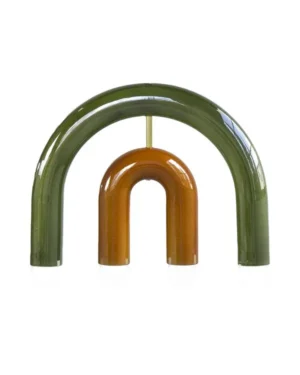
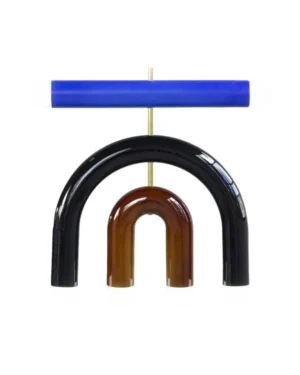
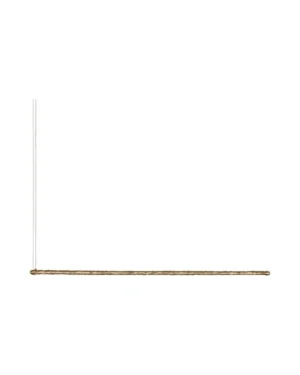
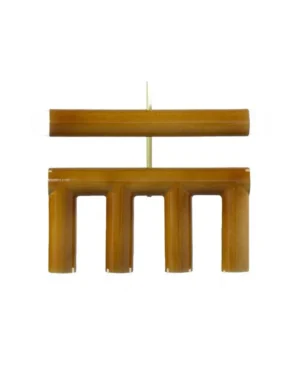
-
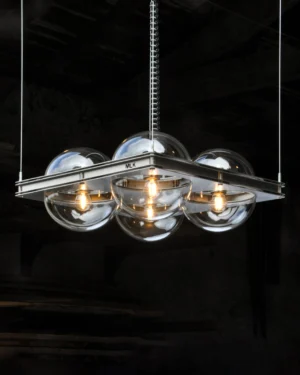
Bbl200x04 Pendant Lamp In Stainless Steel And Acrylic
By MLK Furniture
€2.400 -
 In stock
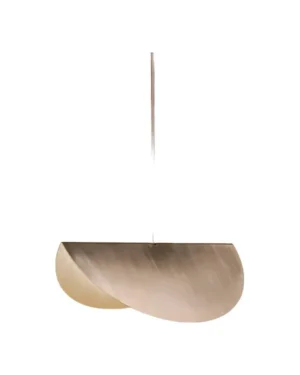
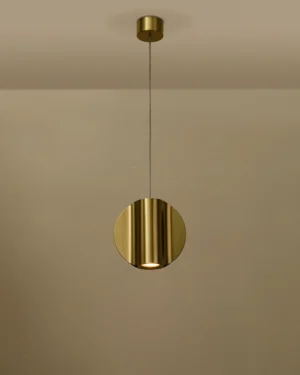
Pétale Pendant Lamp in Brass
By Studio Aristotelis Barakos
€850 -
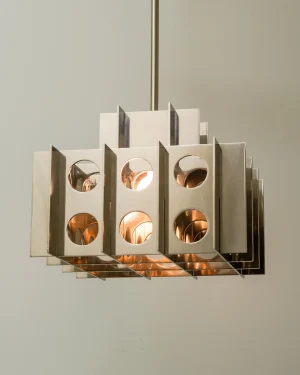
Tenfold 3 T A Pendant Lamp in Stainless Steel and Aluminum
By Luft Tanaka Studio
€2.895 - €8.675 -
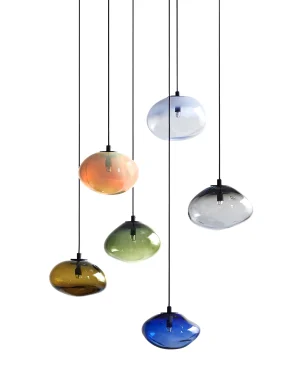
6 Starglow Pendant Lamp In Blown Glass
By ELOA - Unique Lights
€7.750 - €8.040 -
 In stock
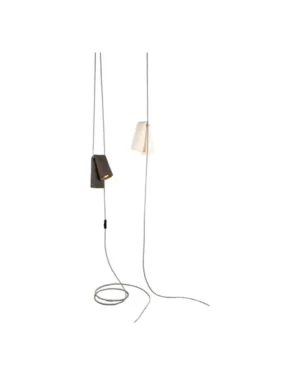
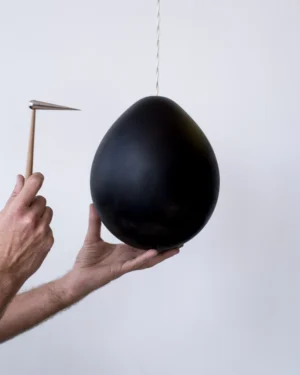
Less Pendant Lamp In Steel, Wood And Plaster
By Jordi Canudas Faura
€388 -

Vira Triptych Ceiling Lamp In Bio Plastic
By Julie Mallet Studio
€567 -
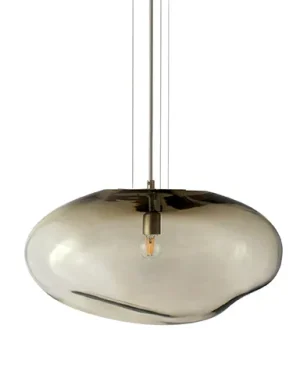
Haumea Amorph Pendant Lamp (silver Smoke) In Blown Glass
By ELOA - Unique Lights
€2.330 - €4.085 -
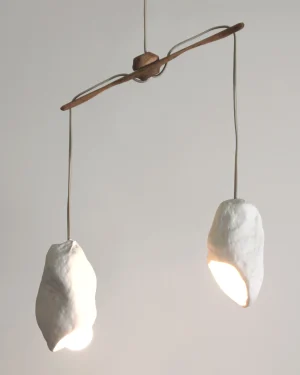
Maat Ceiling Lamp
By Dace Sūna
€1.200 -

Soniah Pendant Lamp in Clay
By FAINA
€2.990 -
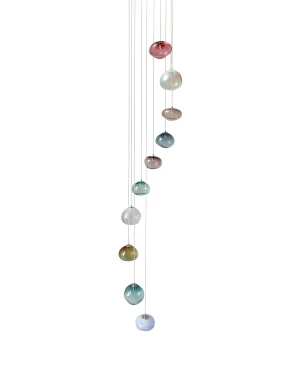
Starglow Spiral Chandelier In Blown Glass
By ELOA - Unique Lights
€12.980 - €13.270 -
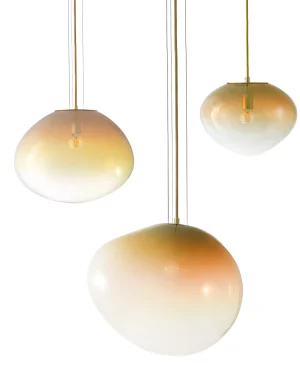
Sirius Pendant Lamp In Blown Glass
By ELOA - Unique Lights
€2.330 - €4.750 -
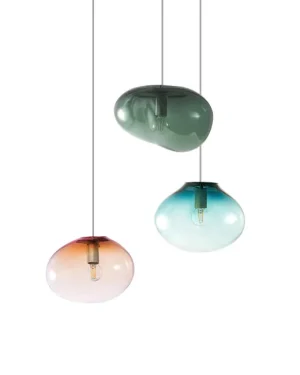
Planetoide Saiki Pendant Lamp In Blown Glass
By ELOA - Unique Lights
€7.480 - €7.770 -
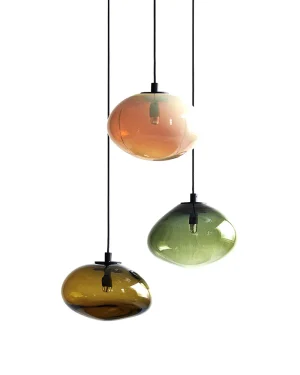
3 Starglow Pendant Lamp In Blown Glass
By ELOA - Unique Lights
€3.905 - €4.195 -
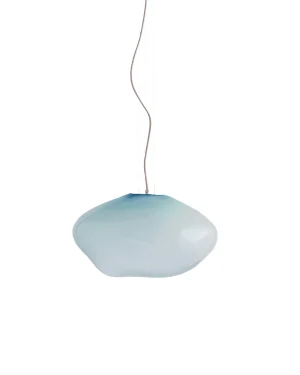
Haumea Convex Pendant Lamp (blue Opaque) In Blown Glass
By ELOA - Unique Lights
€2.330 - €4.085 -

Constellation Set Of 3 Pendant Lamp In Blown Glass
By ELOA - Unique Lights
€9.060 -
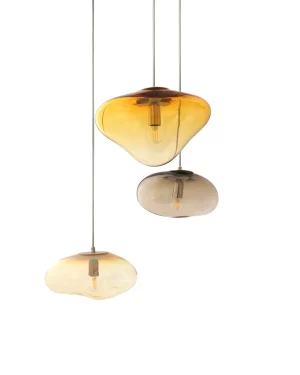
Planetoide Seresi Pendant Lamp In Blown Glass
By ELOA - Unique Lights
€7.480 - €7.770 -
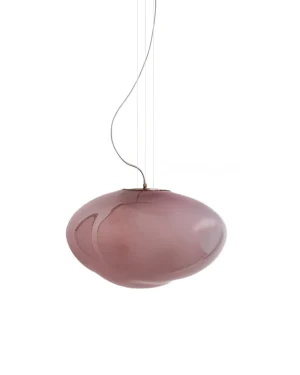
Haumea Convex Pendant Lamp (flieder Opaque) In Blown Glass
By ELOA - Unique Lights
€2.330 - €4.085 -
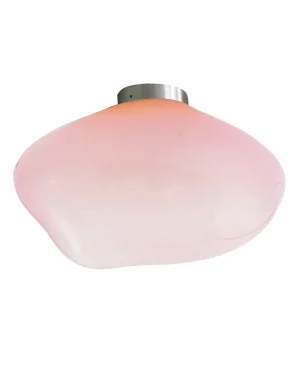
Haumea Convex Ceiling Lamp (flamingo Opaque) In Blown Glass
By ELOA - Unique Lights
€2.330 - €4.085 -
 In stock
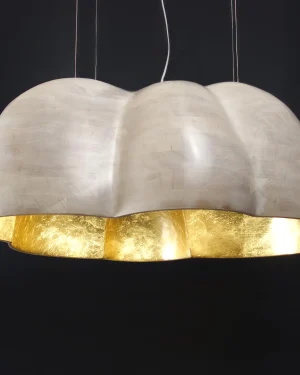
N2 Cloud Ceiling Lamp in Cherry Wood and Gold Leaf
By Aaron Scott
€10.300 -
 In stock
Lullaby and Hygge Pendant Lamp in Resin and Steel
By BDCI
€1.400 -
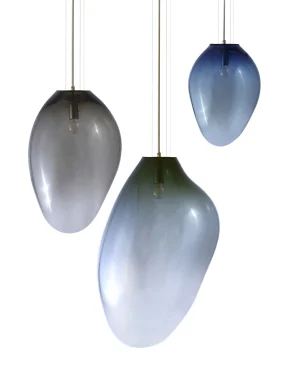
Ceres Pendant Lamp In Blown Glass
By ELOA - Unique Lights
€2.330 - €4.750 -
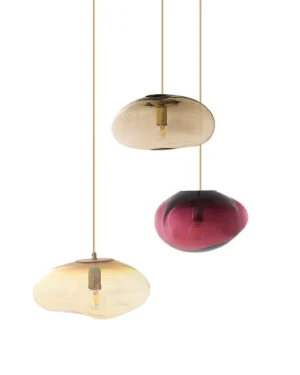
Planetoide Amor Pendant Lamp In Blown Glass
By ELOA - Unique Lights
€7.480 - €7.770 -
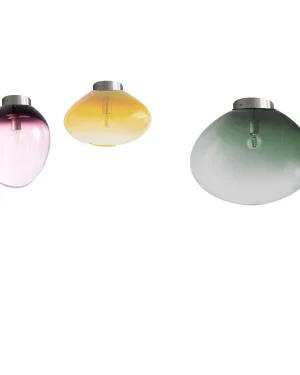
Airisi-astrea-sirius Ceiling Lamp In Blown Glass
By ELOA - Unique Lights
€2.330 - €3.180 -
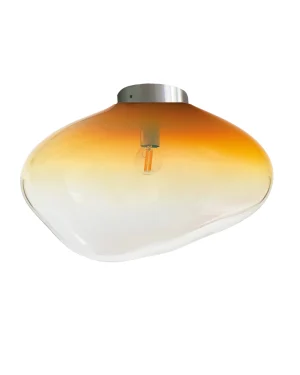
Haumea Convex Ceiling Lamp (amber Iridescent) In Blown Glass
By ELOA - Unique Lights
€2.330 - €4.085 -
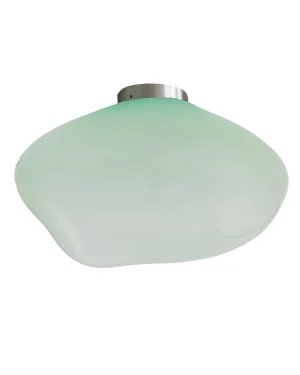
Haumea Convex Ceiling Lamp (salbei Opaque) In Blown Glass
By ELOA - Unique Lights
€2.330 - €4.085 -

Haumea Amorph Pendant Lamp (amber Iridescent) In Blown Glass
By ELOA - Unique Lights
€2.330 - €4.085 -
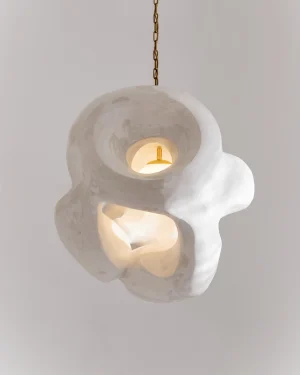
Ikigai Ceiling Lamp in Alabaster Gypsum
By Studio AOAO
€22.000 -

Stardust Chandelier in Iron
By Nama Home
€1.750 - €2.750 -
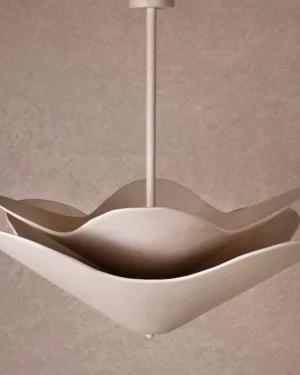
Iris Pendant In Clay Paste
By Harshita Jhamtani Designs
€1.180 -
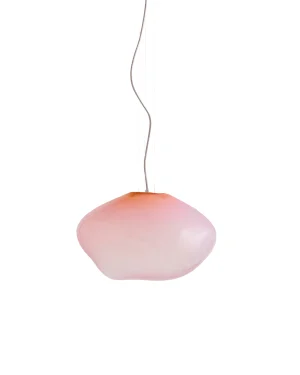
Haumea Convex Pendant Lamp (flamingo Opaque) In Blown Glass
By ELOA - Unique Lights
€2.330 - €4.085 -
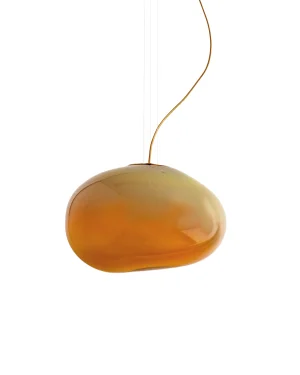
Haumea Convex Pendant Lamp (amber Iridescent) In Blown Glass
By ELOA - Unique Lights
€2.330 - €4.085 -
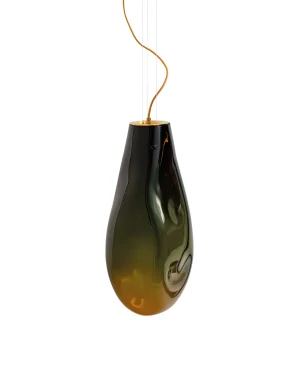
Lyra Pendant Lamp (yellow Green Blue) In Blown Glass
By ELOA - Unique Lights
€2.330 - €4.750 -
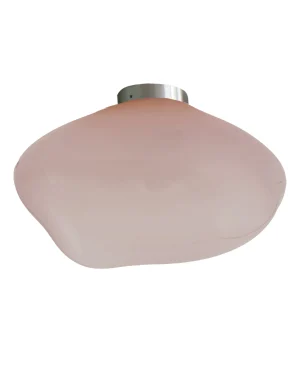
Haumea Convex Ceiling Lamp (taupe Opaque) In Blown Glass
By ELOA - Unique Lights
€2.330 - €4.085 -
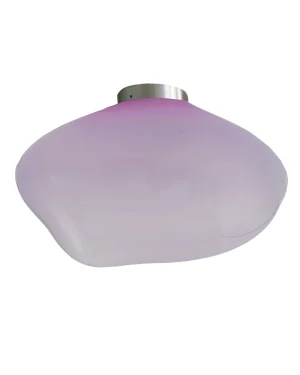
Haumea Convex Ceiling Lamp (flieder Opaque) In Blown Glass
By ELOA - Unique Lights
€2.330 - €4.085 -

Clay Cone Pendant In Textured Black Clay Paste And Mild Steel
By Harshita Jhamtani Designs
€1.820 -
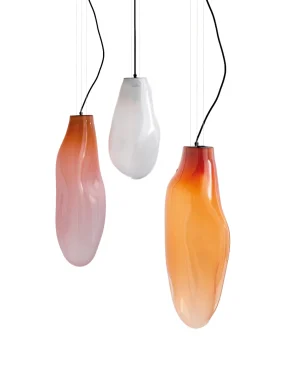
Lyra Pendant Lamp Set Of 3 In Blown Glass
By ELOA - Unique Lights
€9.480 -
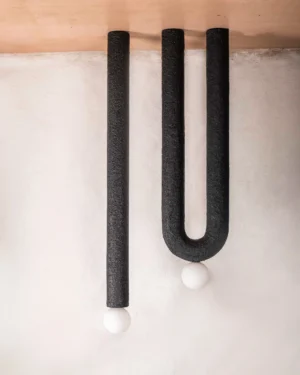
U And I Ceiling Light Set In Clay Paste And Glass
By Harshita Jhamtani Designs
€1.680 -
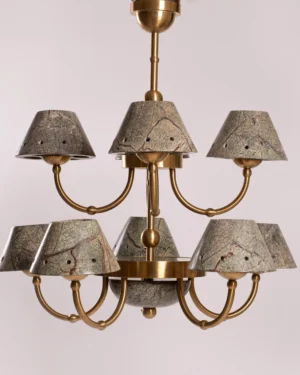
The Marble Chandelier In Rainforest Marble And Brass
By Harshita Jhamtani Designs
€9.030 -
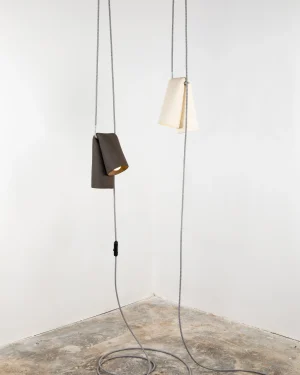
Melo Pendant Lamp In Ceramic
By Catalin Filip
€300 -

Haumea Convex Pendant Lamp (salbei Opaque) In Blown Glass
By ELOA - Unique Lights
€2.330 - €4.085 -
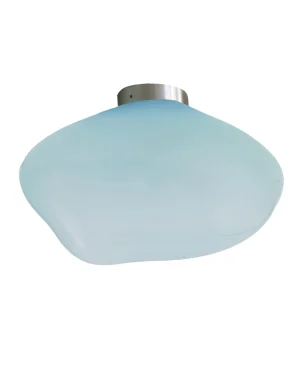
Haumea Convex Ceiling Lamp (blue Opaque) In Blown Glass
By ELOA - Unique Lights
€2.330 - €4.085 -
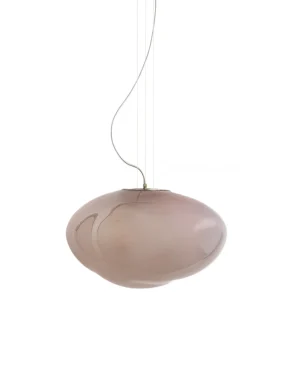
Haumea Convex Pendant Lamp (taupe Opaque) In Blown Glass
By ELOA - Unique Lights
€2.330 - €4.085 -
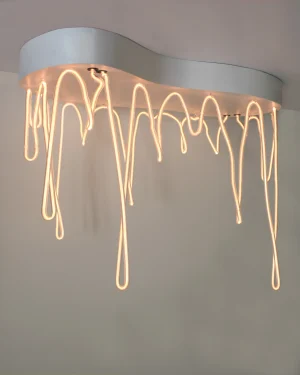
Vertical Fractal Helium Chandelier In Glass And Metal
By Dace Sūna
Price Upon Request -
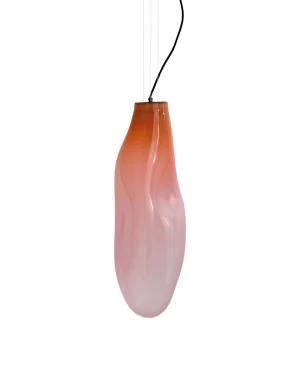
Lyra Single, Flamingo Opaque Pendant Lamp In Blown Glass
By ELOA - Unique Lights
€2.330 - €4.750 -
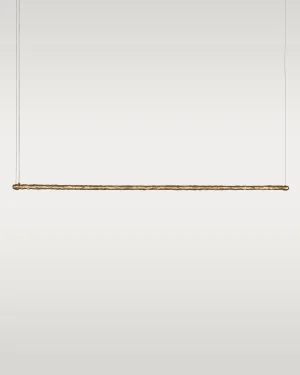
Aria Linear Ceiling Lamp In Brass
By Stem
€1.550 - €2.100 -

Chainmail Droplet Pendant Lamp In Glass
By Panorammma Atelier
€2.450 - €3.150 -
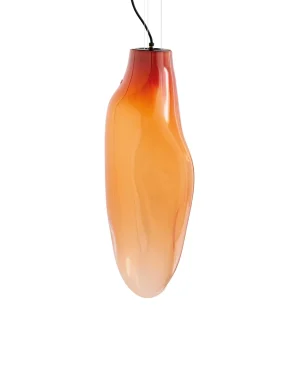
Lyra Pendant Lamp Single, Coral In Blown Glass
By ELOA - Unique Lights
€2.330 - €4.750 -
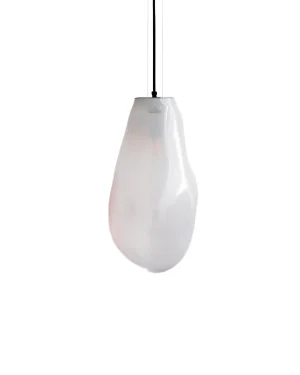
Lyra Pendant Lamp In White Opaque Glass
By ELOA - Unique Lights
€2.330 - €4.750
Entryway ceiling lamps mark the first few steps into a home, hung low enough to be read up close but high enough to clear a coat rack or a raised arm. The studios working here shape blown glass, stainless and mild steel, aluminum and plaster composite, some hand-building a form in clay or plaster, some working sheet metal on a bench. What they share is scale: a fixture sized for a passage, not a hall.
What defines an entryway ceiling lamp
An entryway is usually the smallest ceiling a house offers, so the lamps made for it carry less bulk than a dining or living room fixture. A blown glass shade here reads as a single clear or amber form rather than a cluster; a steel or brass fixture tends toward one firm gesture, a cone, a disc, a ring, rather than a branching arm. The material still does the work a larger room would ask of it, but at a size that does not crowd a doorway.
Materials, finishes and the way they age
Blown glass stays the most common choice, prized for the way it holds and softens a single bulb without hiding it; it needs only dusting and a careful hand, since a chip at the rim cannot be undone. Brass and mild steel cover the metalwork side of the range, left raw to darken over years or lacquered to hold a gold, silver or black finish closer to new. Plaster composite pieces, often hand-built or cast in a mold, come in white or off-white and take a matte, almost stone-like surface that is easy to live with but should stay away from damp. Clay appears in smaller hand-built fixtures, fired and glazed in green, pink or black, warmer to the eye than metal and just as durable once hung.
Styles and editions on ADORNO
Contemporary and minimalist fixtures lead the range, built on a single clean volume rather than ornament, but Art Deco lines appear in faceted glass and brass trim, wabi-sabi in soft clay and pale composite, and wabi-sabi and brutalist pieces in metal left with its weld lines and surface marks visible. Some studios work in open editions, repeating a form as orders come in; others turn out limited runs or one-off pieces where no two fixtures match exactly. For a broader look at metal fixtures across sizes, the steel ceiling lamps group is worth a look alongside this one.
Choosing scale, height and placement
Measure the ceiling height first: a low entryway calls for a flush or close-to-ceiling form, while a double-height hall can carry a drop fixture with room to spare above a console. Match the diameter to the width of the passage rather than the room's full footprint, so the lamp reads as a marker at the door, not a centerpiece competing with the furniture below it. A warm brass or clay finish suits a hallway lined in wood or plaster, while a pale glass or steel shade holds its own against stone, tile or a painted wall.
- Hang low-ceiling fixtures flush or close to the surface to protect head clearance
- Pick a finish that answers the hallway's existing materials rather than fighting them
- Size the shade to the passage width, not the full room
Living with it beyond the entryway
The same fixtures that mark a door work equally well over a small landing, a narrow corridor or a reading nook, anywhere a room needs one firm gesture rather than a spread of light. For the full range of ceiling fixtures by size and material, see all ceiling lamps, and for every piece sized and finished for this part of the home, including tables and seating, the entryway grouping gathers them together. A console or an entryway table underneath gives the lamp something to answer to, so the two read as a single arrangement rather than separate purchases.
How do I choose a ceiling lamp for an entryway?
Look for a fixture sized for a passage rather than a room: one clear gesture in glass or metal, hung low enough to notice but high enough to clear a coat rack or a raised arm.
How high should an entryway ceiling lamp hang?
It should clear a raised arm and any furniture below, generally leaving at least seven feet to the floor, while still sitting low enough to be seen up close rather than from across a room.
What materials are entryway ceiling lamps made from and how do I care for them?
Blown glass needs only dusting and a careful hand, since a chipped rim cannot be fixed; brass and steel darken or hold their finish depending on treatment; plaster composite takes a matte surface but should stay away from damp.
What size entryway ceiling lamp fits a small or narrow hallway?
Entryway fixtures carry less bulk than dining or living room lamps, reading as a single shade, cone, disc or ring rather than a branching form, so they sit comfortably in a tight passage.
Can an entryway ceiling lamp work in other rooms too?
Its scale suits a passage more than a hall, but a single glass or metal form reads just as well in a small landing, powder room or narrow corridor.
What is ADORNO's shipping, returns and authenticity policy?
Shipping is insured and worldwide, returns are accepted within 14 days except on made-to-order pieces, and every lamp arrives with a certificate of authenticity under ADORNO's lowest-price guarantee.