



-
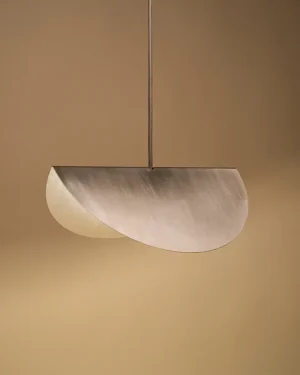
Two Circles Pendant Lamp in Stainless Steel
By Georgiev Kiril
€490 -
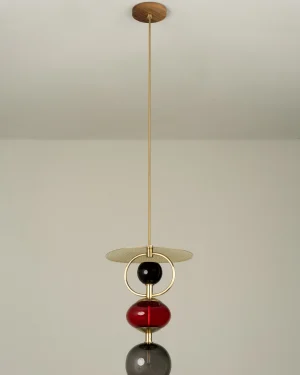
Vitrea Pendant Lamp in Glass and Brass
By Isabel Moncada
€3.802 This product has multiple variants. The options may be chosen on the product page -
 In stock
Less Pendant Lamp in Steel, Wood and Plaster
By Jordi Canudas Faura
€388 This product has multiple variants. The options may be chosen on the product page -
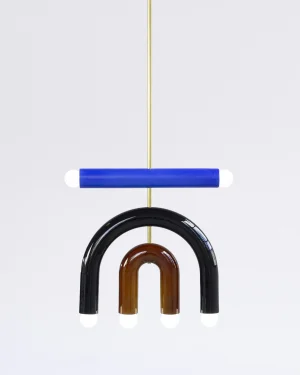
Trn / Model D1 Pendant Lamp in Ceramic
By Pani Jurek STUDIO
€1.080 This product has multiple variants. The options may be chosen on the product page -

Trn / Model A1 Pendant Lamp in Ceramic
By Pani Jurek STUDIO
€470 This product has multiple variants. The options may be chosen on the product page -
 In stock
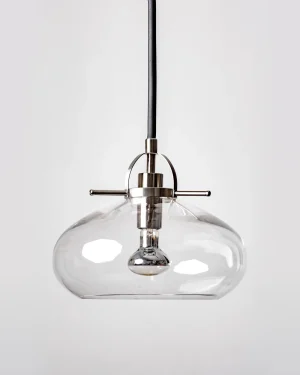
Art Deco Pendant Lamp in Glass and Stainless Steel
By Szostak Atelier
€1.000 This product has multiple variants. The options may be chosen on the product page -
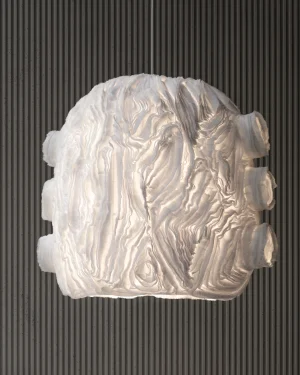
Idea Sluhach Pendant Lamp in Muslin and Metal
By FAINA
€1.950 -

Trn / Model D2 Pendant Lamp in Ceramic
By Pani Jurek STUDIO
€1.080 This product has multiple variants. The options may be chosen on the product page -

Trn / Model E1 Pendant Lamp in Ceramic
By Pani Jurek STUDIO
€1.430 This product has multiple variants. The options may be chosen on the product page -
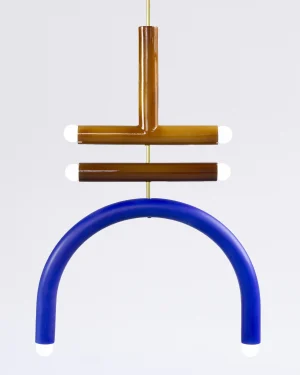
Trn / Model F2 Pendant Lamp in Ceramic
By Pani Jurek STUDIO
€1.600 This product has multiple variants. The options may be chosen on the product page -
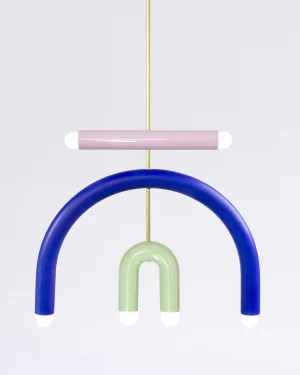
Trn / Model F3 Pendant Lamp in Ceramic
By Pani Jurek STUDIO
€1.600 This product has multiple variants. The options may be chosen on the product page -
 In stock
Y30 Ceiling Lamp in Blown Glass and Brass
By Clara Viladecans
€786 This product has multiple variants. The options may be chosen on the product page -

Trn / Model C2 Pendant Lamp in Ceramic
By Pani Jurek STUDIO
€880 This product has multiple variants. The options may be chosen on the product page -

Trn / Model B2 Pendant Lamp in Ceramic
By Pani Jurek STUDIO
€625 This product has multiple variants. The options may be chosen on the product page -

Trn / Model B3 Pendant Lamp in Ceramic
By Pani Jurek STUDIO
€625 This product has multiple variants. The options may be chosen on the product page -
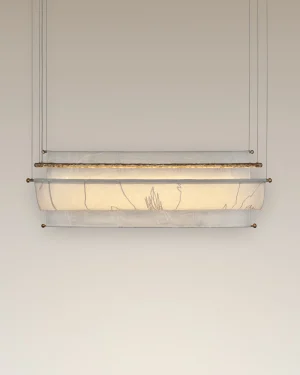
Aria Pendant Lamp In Brass
By Stem
€4.150 -
 In stock
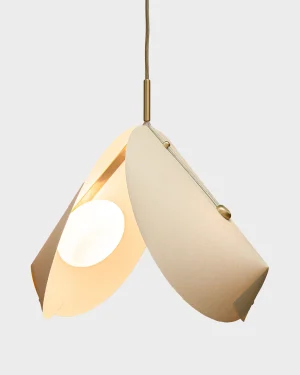
Concha Model 03 Pendant Lamp in Brass and Blown Glass
By MESEME by Riya Panchal
€434 This product has multiple variants. The options may be chosen on the product page -
 In stock
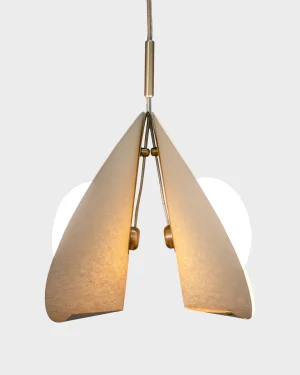
Concha Model 01 Pendant Lamp in Paper, Metals and Glass
By MESEME by Riya Panchal
€375 This product has multiple variants. The options may be chosen on the product page -
 In stock
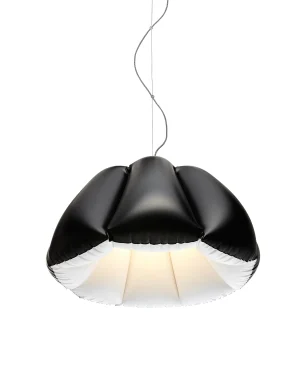
Orca Pendant Lamp in Galvanised Steel and PVC
By PUFF-BUFF
€430 -
 In stock
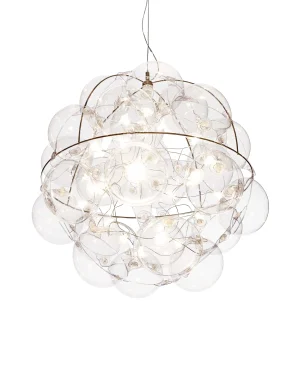
Starlette Chandelier in PVC and Stainless Steel
By PUFF-BUFF
€830 -

Trn / Model A2 Pendant Lamp in Ceramic
By Pani Jurek STUDIO
€470 This product has multiple variants. The options may be chosen on the product page -
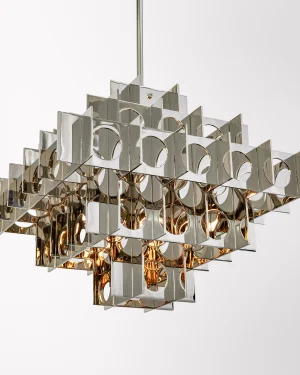
Tenfold 5 T Pendant Lamp in Stainless Steel and Aluminum
By Luft Tanaka Studio
€4.440 - €11.000 This product has multiple variants. The options may be chosen on the product page -
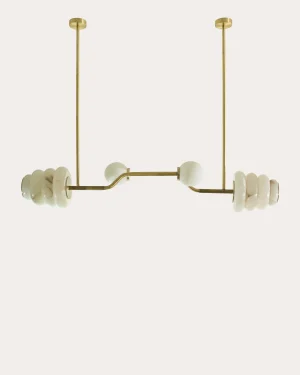
Barbell Chandelier in Brass
By Nama Home
€5.710 -

Arc 015 Pendant Lamp in Brass and Acrylic
By Naama Hofman
€2.900 -
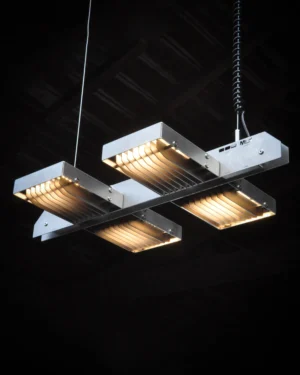
Ads200x04 Pendant Lamp in Matte Steel
By MLK Furniture
€2.400 -
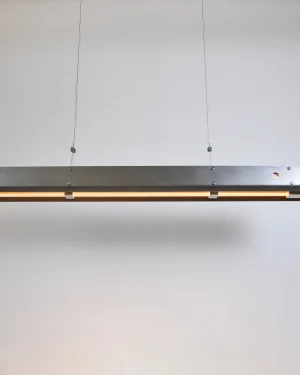
Ne1250/145 Pendant Lamp in Steel and Acrylic
By MLK Furniture
€1.390 -
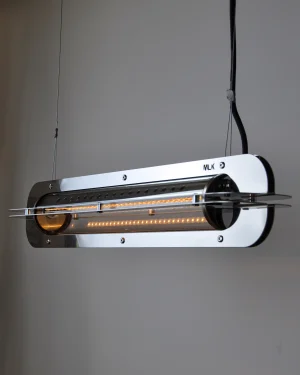
Pill600 Pendant Lamp in Mirror Stainless Steel
By MLK Furniture
€1.090 -
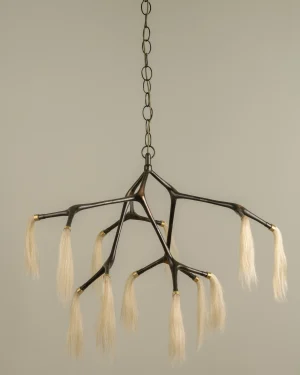
Maratus Horsehair Chandelier in Bronze
By Isabel Moncada
€33.345 -

Collier P2 Ceiling Lamp in Glass and Aluminum
By Darka
€1.950 -

Florance I Ceiling Lamp in Brass, Glass and Fabric
By Atelier Alz
€575 -
 In stock
Arinna Pendant Lamp In Oak, Stone And Brass
By MARAU
€15.000 -

Object 018 Pendant Lamp in Brass and Acrylic
By Naama Hofman
€2.100 -
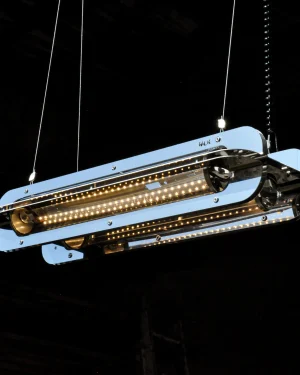
Pill600x2 Pendant Lamp in Mirror Stainless Steel
By MLK Furniture
€1.890 -
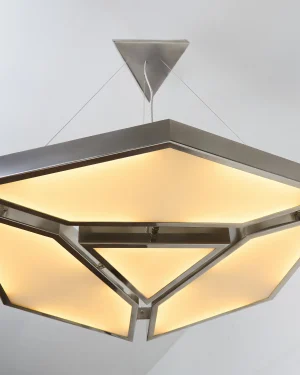
Alban Chandelier in Stainless Steel and Glass
By Nathan Chintala
€5.066 -
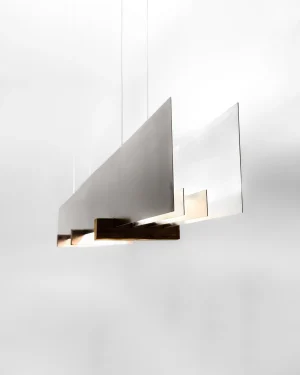
Linear Ceiling Lamp (extra Large) in Aluminum and Wood
By case studios
€1.210 - €1.910 This product has multiple variants. The options may be chosen on the product page -
 In stock
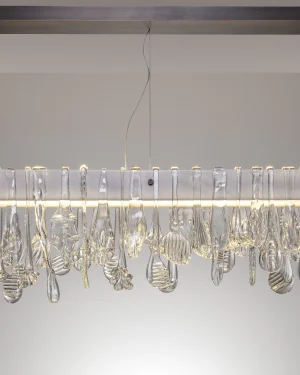
Pingente Pendant Lamp
By Carol Gay
€8.000 -

GP032 Chandelier in Brass and Blown Glass
By Naama Hofman
€6.500 -

Slotted Linear 32 Pendant Lamp in Aluminum and Acrylic
By Nolan Talbot-Kelly
€1.200 This product has multiple variants. The options may be chosen on the product page -

Object 019 Pendant Lamp in Brass and Acrylic
By Naama Hofman
€1.850 -

Veil Pendant Lamp in Glass and Aluminum
By Andrew King Studio
€315 This product has multiple variants. The options may be chosen on the product page -
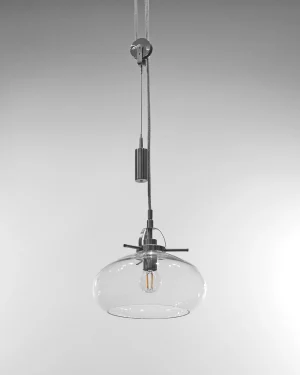
Art Deco Pendant Lamp with Weight in Glass and Steel
By Szostak Atelier
€1.400 -
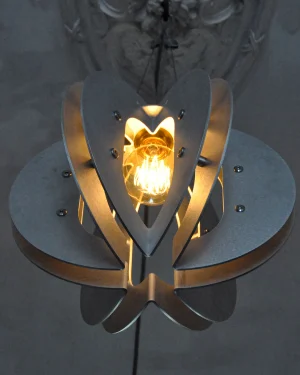 In stock
D300 Lampion Pendant Lamp in Matte Aluminum
By MLK Furniture
€390 -

GP033 Chandelier in Brass and Blown Glass
By Naama Hofman
€4.200 -
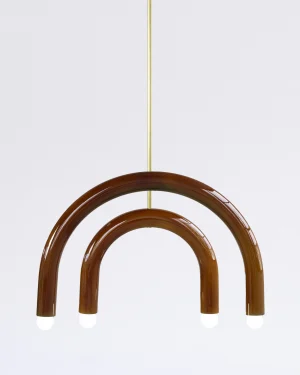
Trn / Model E3 Pendant Lamp in Ceramic
By Pani Jurek STUDIO
€1.430 This product has multiple variants. The options may be chosen on the product page -
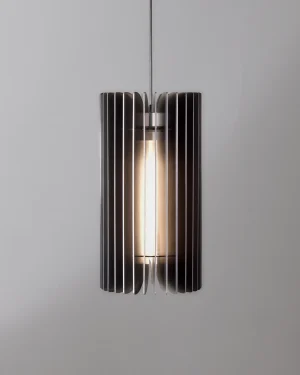
Bare Barrel – Metal Pendant Lamp
By Jochen Lavéno Mangelsdorff Studio & Objects
€760 - €920 This product has multiple variants. The options may be chosen on the product page -
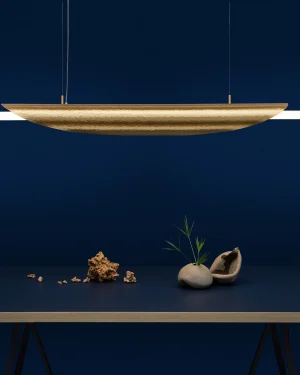 In stock
Taco De Luz Satin Brass Pendant Lamp in Brass
By Studio Aristotelis Barakos
€5.400 -
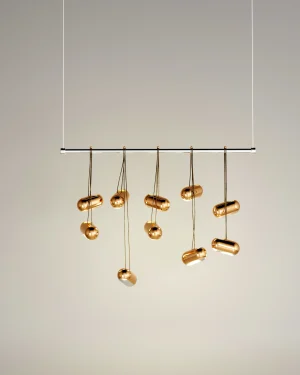
Tere Chandelier in Stainless Steel, Bronze and Acrylic Resin
By Design VA
€12.432 -
 In stock
Svitlotin Brush Strokes Pendant Lamp in Stainless Steel
By SVITANOK
€1.020 - €1.400 This product has multiple variants. The options may be chosen on the product page -
 In stock
Svitlotin Olive Pendant Lamp in Stainless Steel
By SVITANOK
€890 - €960 This product has multiple variants. The options may be chosen on the product page -

Umu U Pendant Lamp In Iron And Acrylic Glass
By Drusch Design
€950 This product has multiple variants. The options may be chosen on the product page -
![[float] Sculptural Ceiling Lamp in Concrete and Stainless Steel mounted on the ceiling, front view.](https://media.adorno.design/wp-content/uploads/2025/08/07172202/shopcasestudios.com-montiert2_1_-300x375.webp)
[float] Sculptural Ceiling Lamp in Concrete
By case studios
€2.700 -
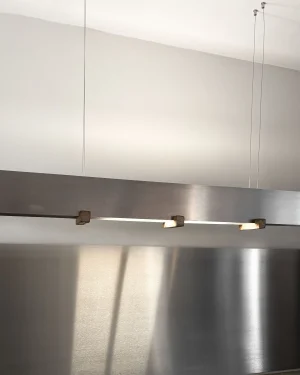
Linear Ceiling Lamp (Medium) in Aluminum and Wood
By case studios
€1.001 - €1.200 This product has multiple variants. The options may be chosen on the product page -
 In stock
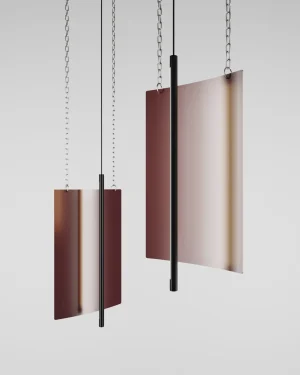
Custom Wine Red Ceiling Lamp in Steel
By SVITANOK
€890 - €1.150 This product has multiple variants. The options may be chosen on the product page -
 In stock
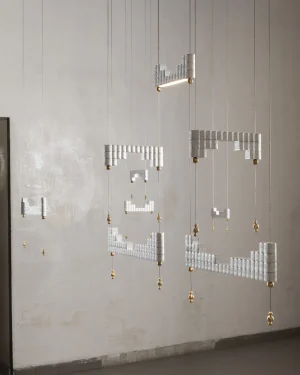
Inro Lamp
By Atelier Nuanda
€6.885
Metal ceiling lamps are built from brass, steel, stainless steel and aluminum, worked by studios that cut, spin, weld or cast the material into shades and frames that hang overhead without apology. Because metal holds a shape precisely, these lamps tend toward clean geometry — cones, domes, discs, rings — rather than the soft volumes glass or ceramic allow. Finishes range from a mirror polish to a brushed matte to a patina left to darken on its own, so the same form can read as sharp or quiet depending on how the surface is treated.
What defines metal as a ceiling lamp material
Metal is rigid and light for its strength, which lets a shade cantilever out from a slim stem or hang as a flat disc with no visible support. It reflects and bounces light rather than diffusing it the way glass or paper does, so a metal shade throws a harder-edged pool below and a softer wash where the light grazes its inner surface. Brass and copper warm with age and handling; steel and stainless steel stay cool and consistent, resisting tarnish with little upkeep.
The range of finishes, styles and editions
Within metal, the finish does most of the work of setting mood. A few recurring directions:
- Polished brass or chrome for an Art Deco or mid-century reference, catching light along a curved edge.
- Matte black or bronzed steel for a Bauhaus or minimalist stance, where the form stays graphic and the surface goes quiet.
- Raw or sand-cast metal left with its texture visible, suited to a Boho Chic or eclectic room that mixes periods and materials.
Pieces are made through metalwork, blacksmithing, sand casting and hand assembly, and turn up as both open editions, produced on an ongoing basis, and unique pieces, each one finished by hand and never repeated. Some studios lean toward one color story over another — black, beige, cobalt blue, denim — though metal more often arrives in its own tone than painted, which keeps the surface honest to the process that made it. For lamps worked specifically in steel, with its own hardness and resistance to corrosion, see steel ceiling lamps; for the warmer, more traditional cast of brass, see brass ceiling lamps.
How to choose a metal ceiling lamp
Start with scale: a shade that is too small for a room reads as an afterthought, while one that is too large can crowd a low ceiling. As a rough guide, measure the room's width and length in feet, add them together, and use that number in inches as a working diameter for the shade. Hanging height matters as much as size — over a dining table, the bottom of the shade usually sits around 30 to 36 inches above the surface, while in an open living or entry space it can sit higher to clear sightlines.
Finish should answer the room it enters. A polished or plated surface picks up ambient light and suits a room with other reflective surfaces — glass, lacquer, marble — while a matte or oxidized finish absorbs light and works better against wood, plaster or textile. Where a ceiling runs low, a flush or semi-flush metal fixture avoids the visual weight a pendant would add.
Where these lamps work
A metal ceiling lamp holds its own in a living room, where its form is visible from several angles and its finish can echo a table base or a door handle elsewhere in the space; see the range gathered under living room ceiling lamps. Over a kitchen island or dining table, the same material's resistance to heat and grease makes it a practical choice, not only a visual one. In a hallway or entry, a smaller metal fixture can set the tone for the rooms beyond it without demanding much ceiling height.
Caring for a metal shade
Dust with a soft, dry cloth to avoid scratching a polished surface, and keep brass or copper away from damp or salt air unless it has been lacquered, since both will darken and spot with exposure. A light domestic metal polish can restore shine to brass or chrome, though a patina left alone often ages into a finish studios build into the design from the start. Steel and stainless steel need little beyond an occasional wipe, since their surfaces resist the tarnish that softer metals develop.
For the wider set of metal ceiling lamps gathered by finish and form, see all ceiling lamps, or browse every piece worked in metal across lighting, furniture and objects for a sense of how the material carries from room to room. A minimalist approach to the same fixtures is gathered under minimalist ceiling lamps, for anyone drawn to the quieter end of what metal can do.
How do I choose a metal ceiling lamp?
Start with the metal's finish and how it reflects light: brass and copper warm a room, steel and blackened metal read sharper. Match the scale to the room and the mounting height to the ceiling.
How do you clean and care for a metal ceiling lamp?
Dust with a dry or barely damp cloth, and avoid abrasive cleaners that can scratch plating or strip a patina. Brass and copper will darken naturally over time unless sealed or regularly polished.
What size ceiling lamp do I need and how low should it hang?
Scale the shade or fixture to the room's footprint rather than the ceiling height alone. Over a table, the bottom usually sits around 30 to 36 inches above the surface; in open walkways, keep it higher.
Which rooms suit a metal ceiling lamp?
Metal fixtures work anywhere light needs to be directed or diffused with control, from kitchens and dining rooms to hallways and living spaces. Polished finishes suit sharper interiors, matte or patinated metal suits warmer ones.
Do metal ceiling lamps come in limited editions or one-offs?
Some are produced in open editions, others as unique pieces, depending on the studio and its process. The maker can confirm the edition status on the piece's page through Chat with the maker.
What about shipping, returns and authenticity when buying from ADORNO?
Shipping is insured and worldwide. Returns are accepted within 14 days, excluding made-to-order pieces, and every purchase includes a certificate of authenticity along with a lowest-price guarantee.