




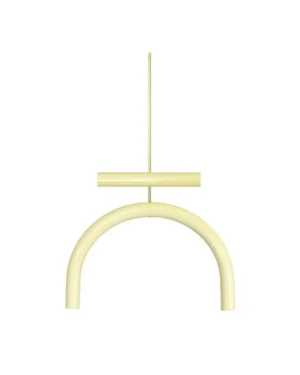
-
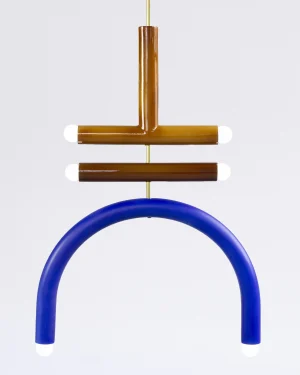
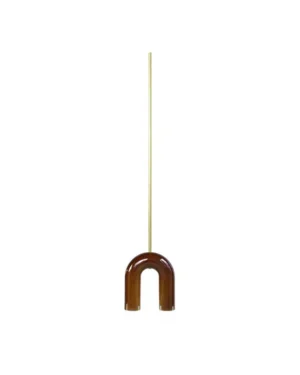
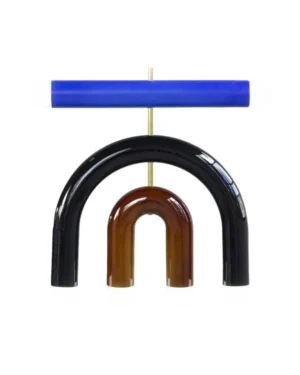
Trn / Model F2 Pendant Lamp in Ceramic
By Pani Jurek STUDIO
€1.600 -
 In stock
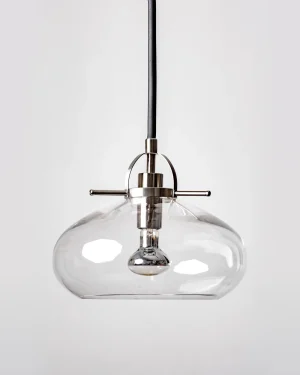
Art Deco Pendant Lamp in Glass and Stainless Steel
By Szostak Atelier
€1.000 -

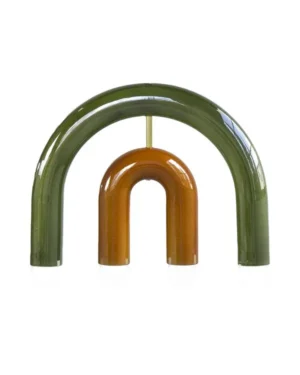
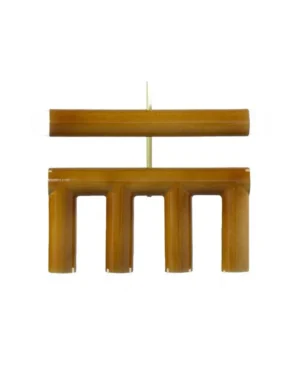
Trn / Model F3 Pendant Lamp in Ceramic
By Pani Jurek STUDIO
€1.600 -
 In stock
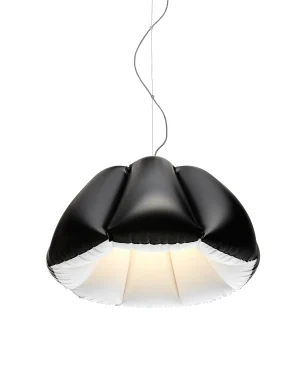
Orca Pendant Lamp in Galvanised Steel and PVC
By PUFF-BUFF
€430 -
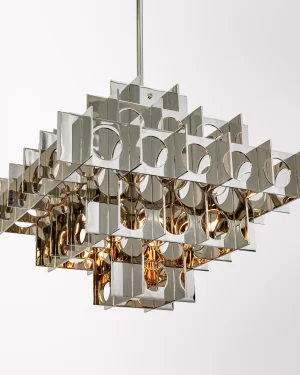
Tenfold 5 T Pendant Lamp in Stainless Steel and Aluminum
By Luft Tanaka Studio
€4.440 - €11.000 -
 In stock
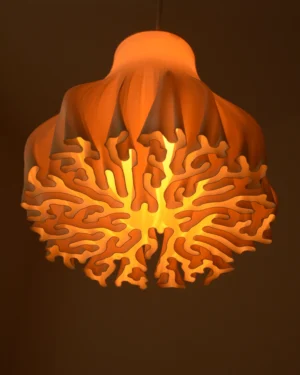
H 1 Pendant Lamp In Bio Polymer
By diploria studio
€295 - €495 -
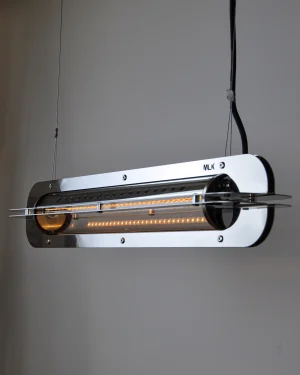
Pill600 Pendant Lamp In Mirror Stainless Steel
By MLK Furniture
€1.090 -

Patagonia Pendant Lamp In Wood
By espina corona
€650 -
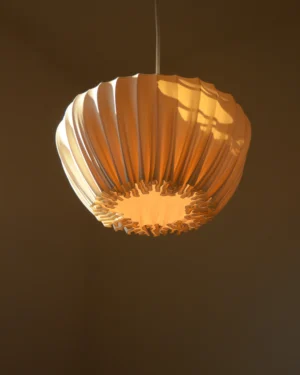
M 2 H Pendant Lamp In Bio Polymer
By diploria studio
€295 -
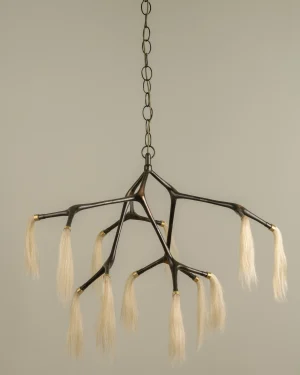
Maratus Horsehair Chandelier in Bronze
By Isabel Moncada
€33.345 -
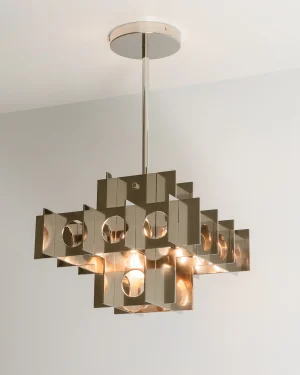
Tenfold 3 T B Pendant Lamp in Stainless Steel and Aluminum
By Luft Tanaka Studio
€2.895 - €8.675 -
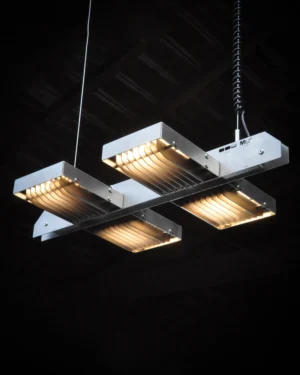
Ads200x04 Pendant Lamp In Matte Steel
By MLK Furniture
€2.400 -
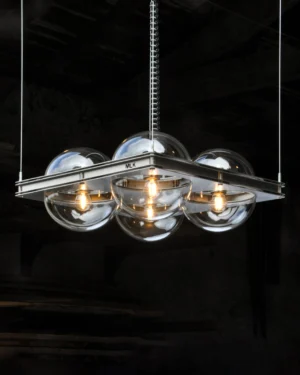
Bbl200x04 Pendant Lamp In Stainless Steel And Acrylic
By MLK Furniture
€2.400 -
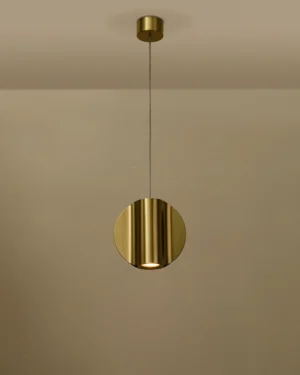 In stock
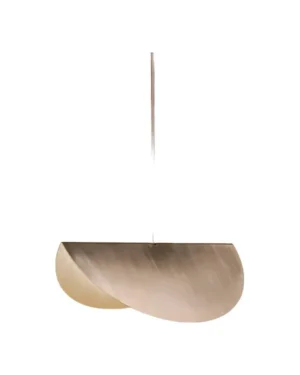
Pétale Pendant Lamp in Brass
By Studio Aristotelis Barakos
€850 -
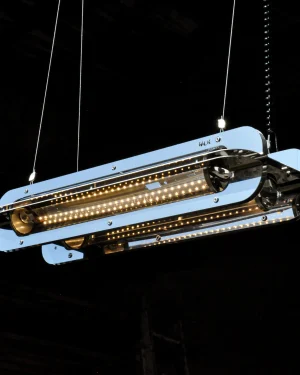
Pill600x2 Pendant Lamp In Mirror Stainless Steel
By MLK Furniture
€1.890 -
 In stock
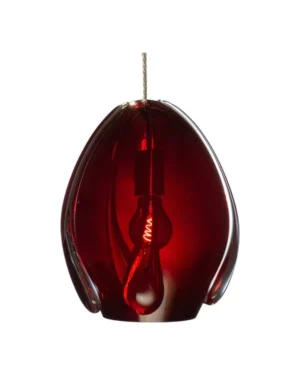
Large Pendant Lamp in Blown Glass and Textiles
By SVITANOK
€375 - €500 -
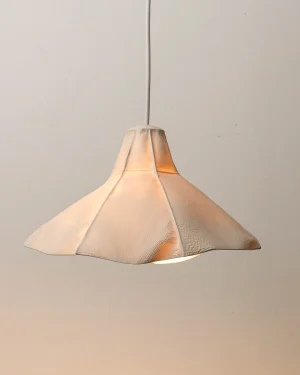
Kawa Series 04 – Ceramic Pendant Lamp
By Luft Tanaka Studio
€1.600 -
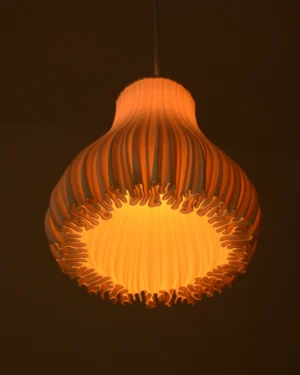 In stock
H 2 Pendant Lamp In Bio Polymer
By diploria studio
€295 - €495 -
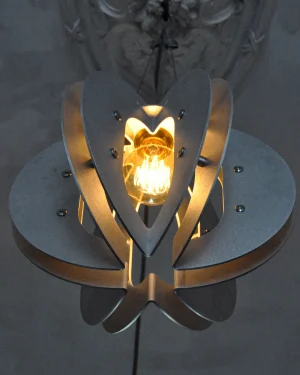
D300 Lampion Pendant Lamp In Matte Aluminum
By MLK Furniture
€390 -
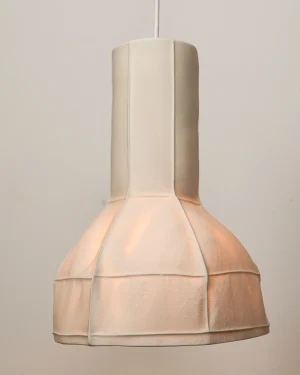
Kawa Series 05 Pendant Lamp in Porcelain and Ceramic
By Luft Tanaka Studio
€1.375 -
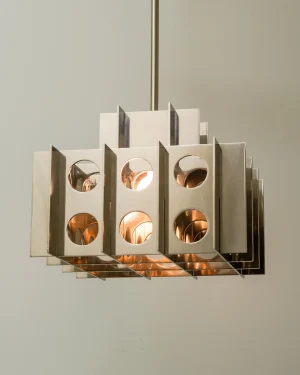
Tenfold 3 T A Pendant Lamp in Stainless Steel and Aluminum
By Luft Tanaka Studio
€2.895 - €8.675 -
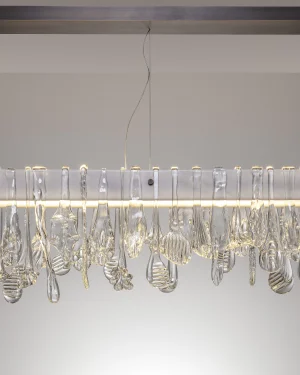 In stock
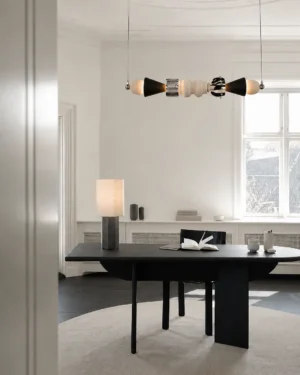
Pingente Pendant Lamp
By Carol Gay
€8.000 -
 In stock
Arinna Pendant Lamp In Oak, Stone And Brass
By MARAU
€15.000 -
 In stock
Less Pendant Lamp In Steel, Wood And Plaster
By Jordi Canudas Faura
€388 -
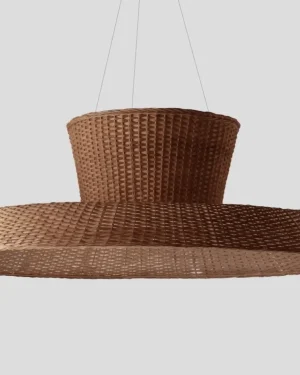
Strikha Pendant Lamp in Willow Vine
By FAINA
€2.070 -
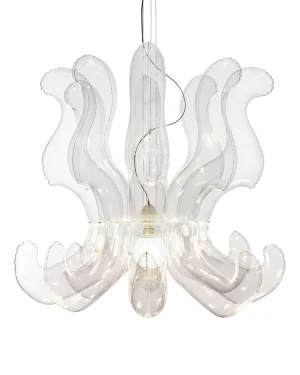
Lullaby No.1 Chandelier in PVC and Acrylic
By PUFF-BUFF
€640 -
 In stock
Patagonia Pendant Lamp In Natural Wood
By espina corona
€390 -
 In stock
H 3 Pendant Lamp In Bio Polymer
By diploria studio
€395 -
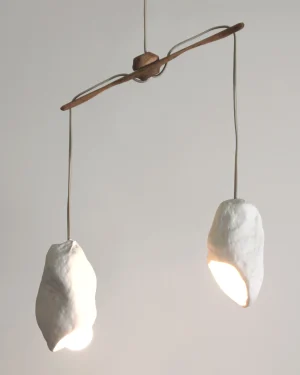
Maat Ceiling Lamp
By Dace Sūna
€1.200 -

Aria Red Dot Ceiling Lamp in Metal and Acrylic
By Saadia Design
€1.570 -

Soniah Pendant Lamp in Clay
By FAINA
€2.990 -
In stock
Medium Pendant Lamp in Blown Glass and Textiles
By SVITANOK
€300 - €415 -
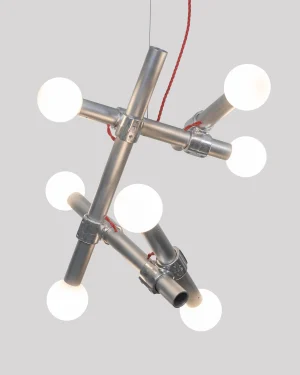
Pipe Dream Chandelier in Aluminum and Glass
By Luft Tanaka Studio
€3.655 -
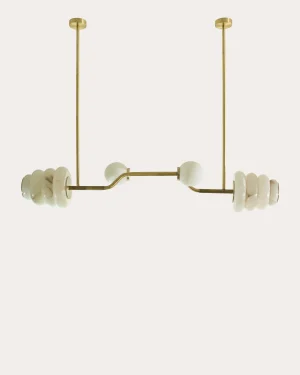
Barbell Chandelier in Brass
By Nama Home
€5.710 -
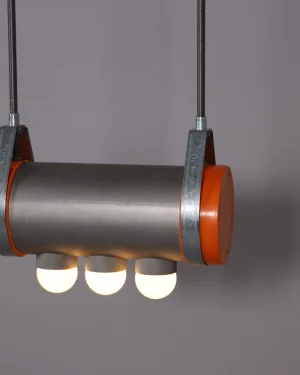 In stock
Three Bulb Upcycled Pendant Lamp In Raw Steel
By Nolan Talbot-Kelly
€2.100 -

Desire Sluhach Pendant Lamp in Muslin and Metal
By FAINA
€1.950 -
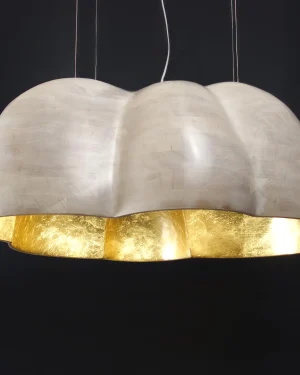 In stock
N2 Cloud Ceiling Lamp in Cherry Wood and Gold Leaf
By Aaron Scott
€10.300 -
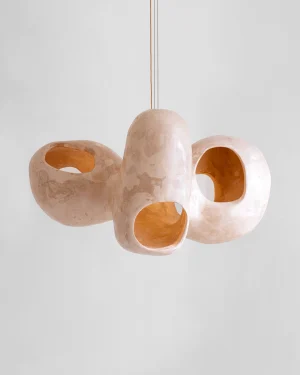
Bosei Chandelier in Gypsum
By Studio AOAO
€15.000 - €29.000 -
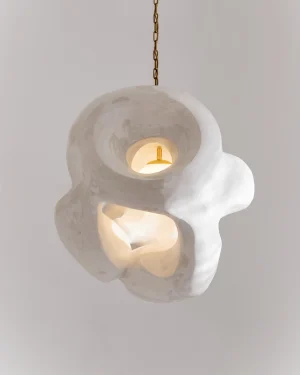
Ikigai Ceiling Lamp in Alabaster Gypsum
By Studio AOAO
€22.000 -

Stardust Chandelier in Iron
By Nama Home
€1.750 - €2.750 -

Trn / Model F2 Silver Finish Pendant Lamp in Ceramic
By Pani Jurek STUDIO
€1.650 -
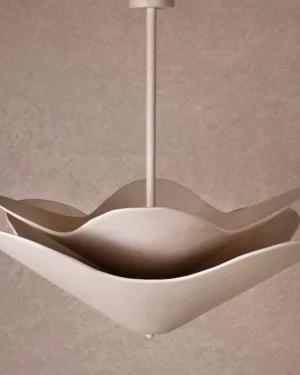
Iris Pendant In Clay Paste
By Harshita Jhamtani Designs
€1.180 -

Clay Cone Pendant In Textured Black Clay Paste And Mild Steel
By Harshita Jhamtani Designs
€1.820 -
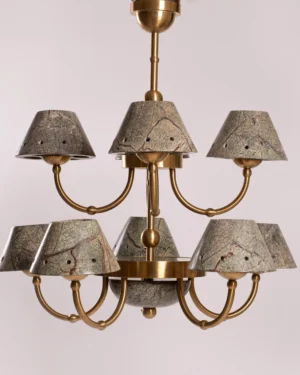
The Marble Chandelier In Rainforest Marble And Brass
By Harshita Jhamtani Designs
€9.030 -
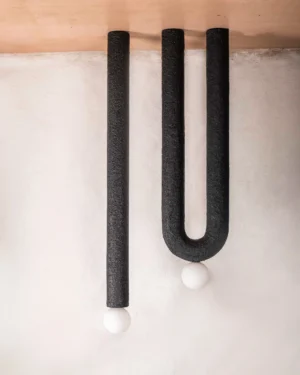
U And I Ceiling Light Set In Clay Paste And Glass
By Harshita Jhamtani Designs
€1.680 -
 In stock
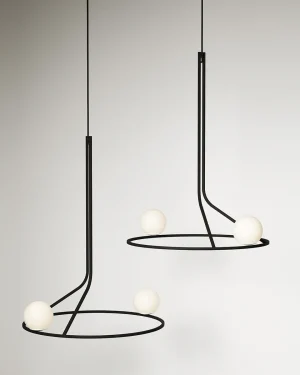
Na Linii Pendant Lamp in Steel and Glass
By SVITANOK
€1.050 -
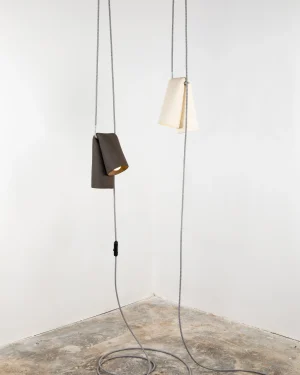
Melo Pendant Lamp In Ceramic
By Catalin Filip
€300 -
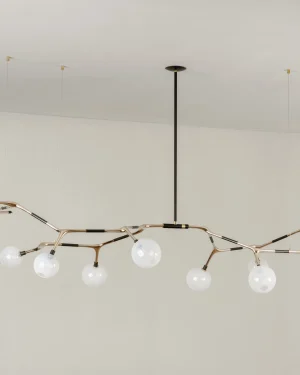
Mantis 13-Piece Chandelier in Bronze and Glass
By Isabel Moncada
Price Upon Request - -
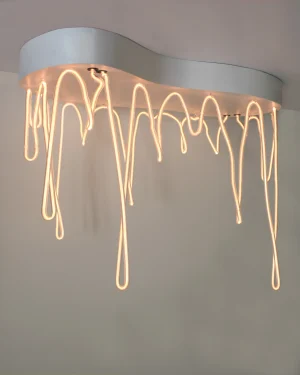
Vertical Fractal Helium Chandelier In Glass And Metal
By Dace Sūna
Price Upon Request -
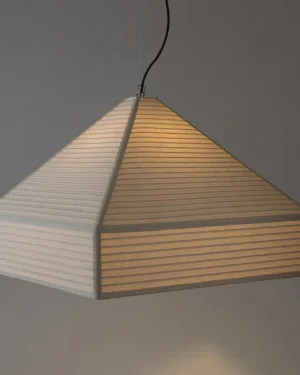
Pyramid Pendant Lamp In Textiles
By NASSI LAMPS
€1.049 - €1.575
Dining room ceiling lamps gather light over the table the way no other fixture in the room does, pulling it down to where plates, glasses and faces sit. The pieces found here come from studios working in metal, blown glass and hand-built ceramic, each material carrying its own weight and its own way of holding or scattering light. Some are shaped hot on the blowpipe, some cut and shaped from sheet metal, some built up by hand from clay or plaster.
What defines a dining room ceiling lamp
A lamp hung over a dining table answers to a different brief than one in a hallway or bedroom. It has to throw light sideways across a surface of people and food, not just down onto a floor, and it has to read well whether seen head-on from a kitchen doorway or from below while seated. Blown glass does this by scattering light through its own body, steel by bouncing it off a shade's inner face, ceramic by softening it through a glazed or unglazed wall.
Materials, finishes and techniques in this room
Glass dining room ceiling lamps are shaped through glassblowing, worked while hot into globes, cones or asymmetric forms that read as solid by day and glow by night. Steel pieces, in mild steel or stainless steel, come from metalwork: cut, bent and finished in black, white or a bare metal tone that will darken slightly with age unless lacquered. Ceramic and plaster composite shades are hand-built or plastered, then glazed in colors from off-white and ivory to cobalt blue, each glaze firing a little differently so no two surfaces sit perfectly flat or even. Some studios also work in textile and bioplastic, stretching fabric over a frame or printing a shade in bioplastic, for a softer, more diffuse light across the table.
Styles run from Art Deco and Mid-Century Modern, with their fixed geometry and polished metal, through contemporary and minimalist forms, to eclectic and futuristic pieces. Editions range from open runs, repeated to the same drawing each time, to unique pieces, where no two shades are quite alike.
Choosing a lamp for the table below it
Scale matters more over a dining table than almost anywhere else in a house: a shade should sit roughly a third to half the width of the tabletop, low enough to pool light on the surface but high enough that no one seated looks straight into the bulb. A single pendant suits a round or square table, while a run of two or three, or a linear fixture, suits a long rectangular one. When choosing among dining room ceiling lamps, let finish answer the table and chairs below it rather than the walls around it — a blackened steel shade over pale oak, a pale ceramic one over dark wood.
- Glass for a lamp that reads as light itself, glowing from within rather than simply directing it
- Steel for a fixed, architectural line that holds its shape over years
- Ceramic or plaster for a softer, matte surface that absorbs light rather than reflecting it
Where these pieces sit in a wider room
A dining room rarely holds only its table: the same space often needs a sideboard lamp, a wall light by a doorway, or seating that matches the tone of the main fixture overhead. The dining room lighting gathered on ADORNO covers wall and table lamps alongside ceiling fixtures, and the full range of ceiling lamps extends into living rooms, bedrooms and hallways for anyone furnishing beyond the table. For a plainer, more architectural line, metal ceiling lamps and minimalist ceiling lamps both narrow toward steel and restraint, while every lamp, chair and surface placed for this room can be seen together through the dining room grouping.
Caring for glass, steel and ceramic shades
How do I choose a ceiling lamp for my dining table?
Match the material to how the room is used by day and night, since glass scatters light, steel bounces it, and ceramic softens it. Size and hanging height matter as much as the shade itself.
How low should a ceiling lamp hang over a dining table?
Most dining lamps hang so the shade sits well above eye level when seated, low enough to pull light down over the table but clear of sightlines across it. A maker can confirm the right drop with Chat with the maker on the piece's page.
What materials are dining room ceiling lamps made from?
Stainless steel and other metals are the most common, followed by glass and hand-built or plastered ceramic, each shaped by a different process and each handling light differently over a table.
How do I clean and care for a dining room ceiling lamp?
Dust glass and ceramic shades with a dry or lightly damp cloth, and wipe steel with a dry cloth to avoid water spots. Unlacquered steel will darken slightly with age, which is normal.
Can a dining room ceiling lamp work in other rooms too?
Yes, though dining lamps are shaped to throw light sideways across a table and read well from a seated angle, which can differ from a lamp built for a hallway or bedroom.
What is ADORNO's shipping and return policy for ceiling lamps?
Shipping is insured and worldwide, with a 14-day return policy on all but made-to-order pieces. Every lamp arrives with a certificate of authenticity, backed by a lowest-price guarantee.