


















-
 In stock
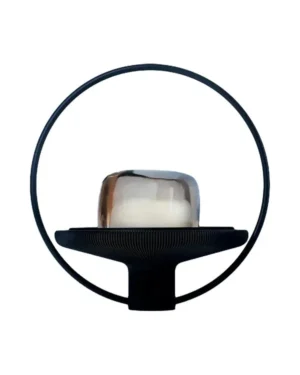
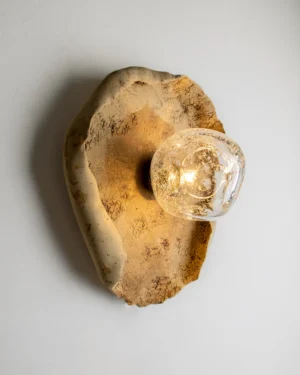
Asea No. 41 Wall Sconce in Stoneware and Blown Glass
By Ceren Gürkan
€1.000 -

Artefacto Ls 16 Floor Lamp In Woven Wicker Fiber
By LØRDAG & SØNDAG
€1.090 -
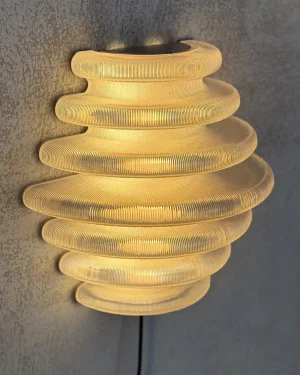
Hive Wall Lamp In Recycled Plastic And Stainless Steel
By Stijn van Aardenne
€805 -
 In stock
Object 02 Sconce in Nylon and Sand
By Hot Wire Extensions
€1.460 This product has multiple variants. The options may be chosen on the product page -
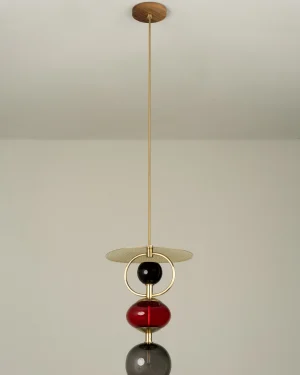
Vitrea Pendant Lamp in Glass and Brass
By Isabel Moncada
€3.802 This product has multiple variants. The options may be chosen on the product page -
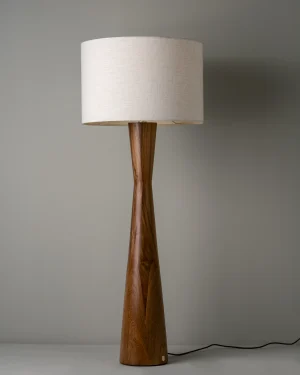
Sabina Floor Lamp in Parota Wood
By Isabel Moncada
€3.802 -
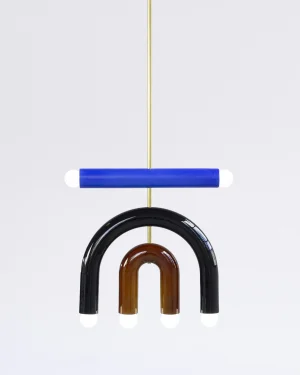
Trn / Model D1 Pendant Lamp in Ceramic
By Pani Jurek STUDIO
€1.080 This product has multiple variants. The options may be chosen on the product page -

Trn / Model A1 Pendant Lamp in Ceramic
By Pani Jurek STUDIO
€470 This product has multiple variants. The options may be chosen on the product page -
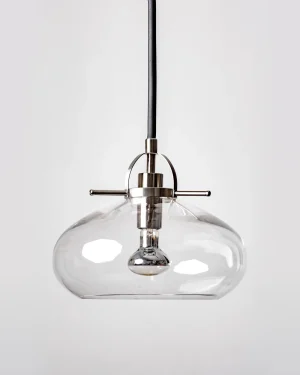 In stock
Art Deco Pendant Lamp in Glass and Stainless Steel
By Szostak Atelier
€1.000 This product has multiple variants. The options may be chosen on the product page -

Strikha Table Lamp in Clay
By FAINA
€1.820 -

Arc Table Lamp in Stainless Steel
By Paul Coenen
€479 -
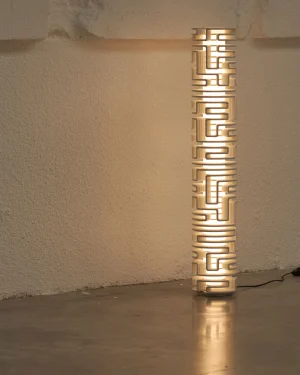
Maze Floorstander Floor Lamp in Recycled Plastic
By Stijn van Aardenne
€1.447 -
 In stock
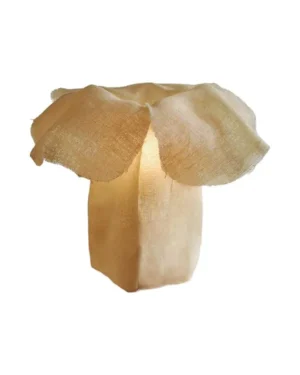
Thalie Vi Table Lamp Sheer Fabric
By Atelier Alz
€200 - €300 This product has multiple variants. The options may be chosen on the product page -
 In stock
O.f.i.s Series Table Lamp in Pipe, Rod And Brick
By Lucas Muñoz Muñoz
€280 -

Trn / Model D2 Pendant Lamp in Ceramic
By Pani Jurek STUDIO
€1.080 This product has multiple variants. The options may be chosen on the product page -
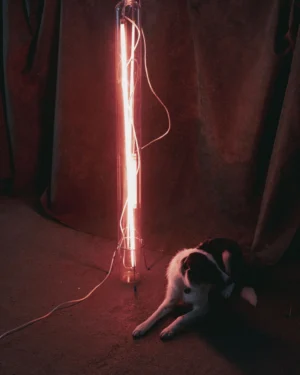 In stock
Äther Wall Lamp In Borosilicate Glass
By TUNK I Busra Tunc
€850 -
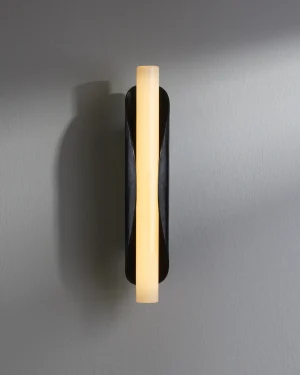
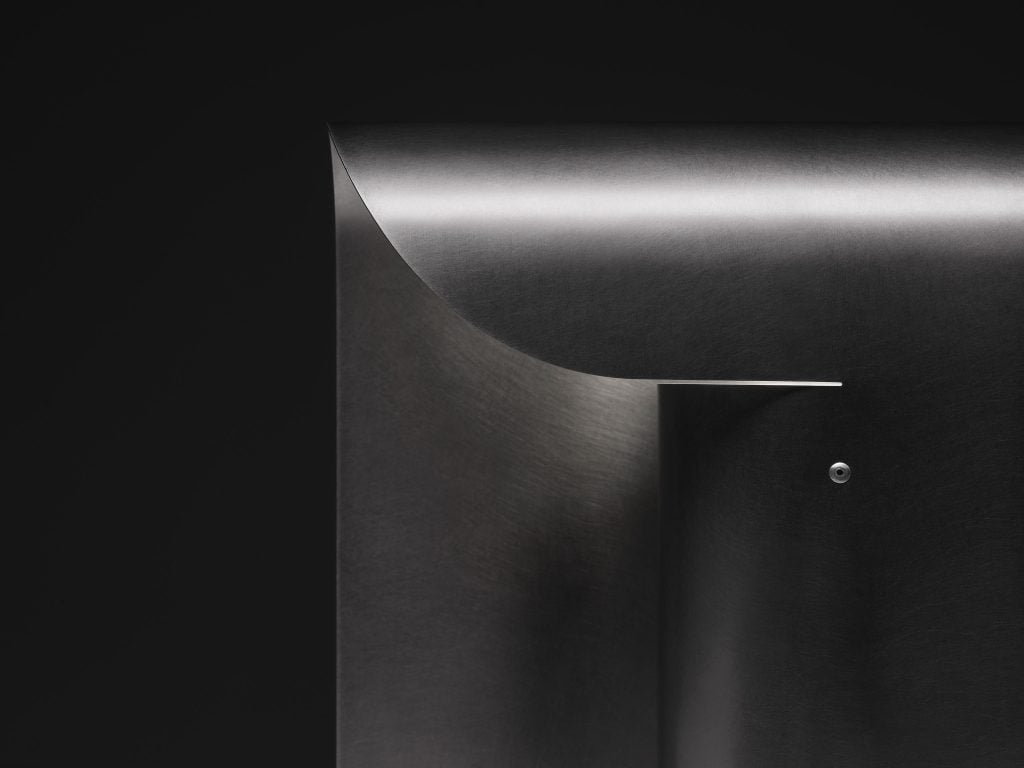
Taco De Luz Wall Sconce in Black Patinated Brass
By Studio Aristotelis Barakos
€980 -

Trn / Model E1 Pendant Lamp in Ceramic
By Pani Jurek STUDIO
€1.430 This product has multiple variants. The options may be chosen on the product page -
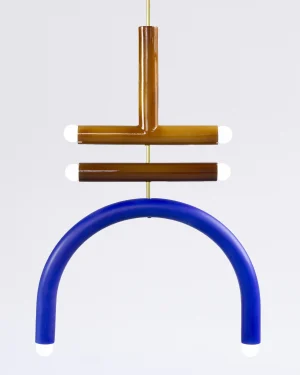
Trn / Model F2 Pendant Lamp in Ceramic
By Pani Jurek STUDIO
€1.600 This product has multiple variants. The options may be chosen on the product page -
 In stock
Astēri Table Lamp in Clay
By Andrei Clontea STUDIO
€1.200 -
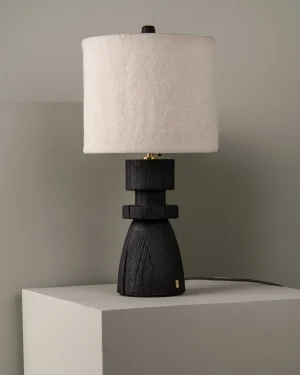
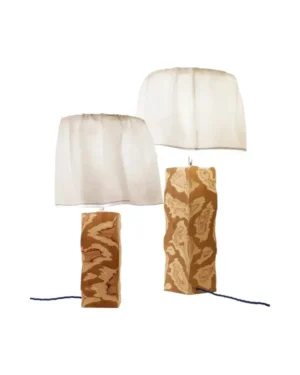
Mezquite Table Lamp in Burned Pinewood and Natural Linen
By Isabel Moncada
€2.925 -
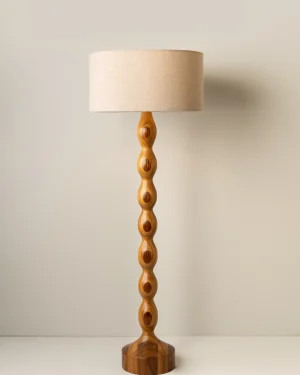
Tamarindo Floor Lamp in Parota Wood and Natural Fibers
By Isabel Moncada
€3.802 -
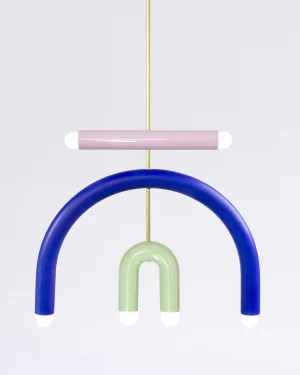
Trn / Model F3 Pendant Lamp in Ceramic
By Pani Jurek STUDIO
€1.600 This product has multiple variants. The options may be chosen on the product page -
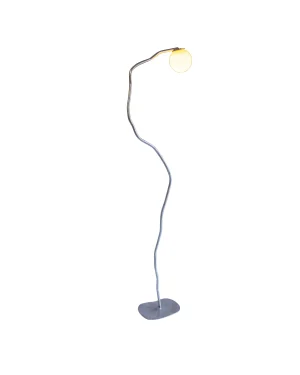
Free Form Floor Lamp in Aluminum
By Six Dots Design
€1.400 -
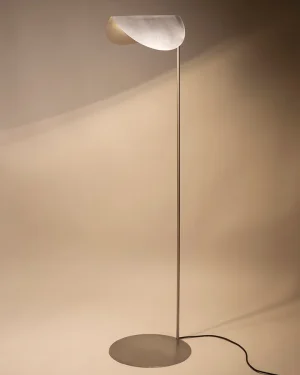
Two Circles No. 1 Floor Lamp in Stainless Steel
By Georgiev Kiril
€995 -
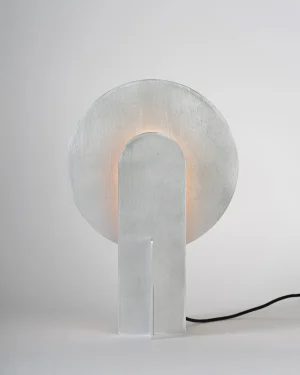
Aurora Table Lamp in Aluminum
By Hasik Design Studio
€700 -
 In stock
Y30 Ceiling Lamp in Blown Glass and Brass
By Clara Viladecans
€786 This product has multiple variants. The options may be chosen on the product page -
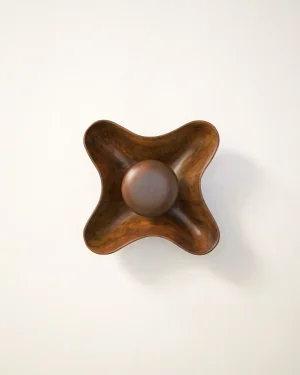
Compass Sconce in Teak Wood
By Studio Indigene
€550 -
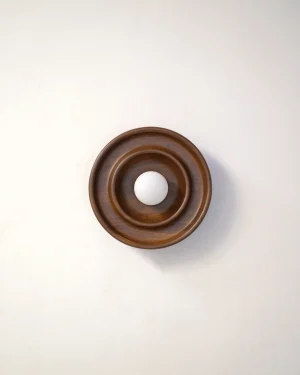
Discus Sconce in Teak Wood
By Studio Indigene
€450 -
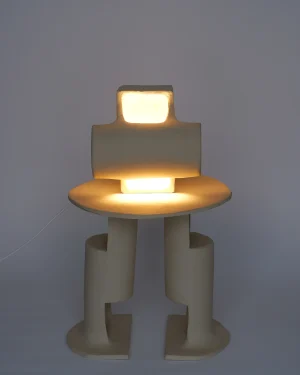
Accre Table Lamp in Ceramic
By Ia Kutateladze
€580 This product has multiple variants. The options may be chosen on the product page -
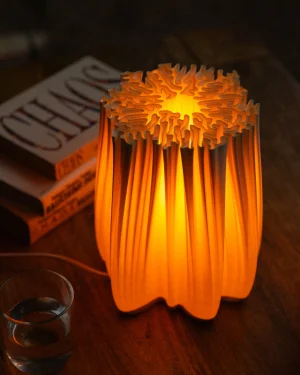 In stock
S X 1 Table Lamp In Ivory White Bio Polymer
By diploria studio
€235 -
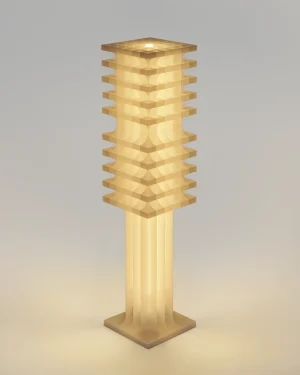
Citadel Floor Lamp in 3D Printed PLA
By Ultramar Studio
€1.260 -

Paten Wall Sconce in Teak Wood
By Studio Indigene
€450 -

Trn / Model C2 Pendant Lamp in Ceramic
By Pani Jurek STUDIO
€880 This product has multiple variants. The options may be chosen on the product page -
 In stock
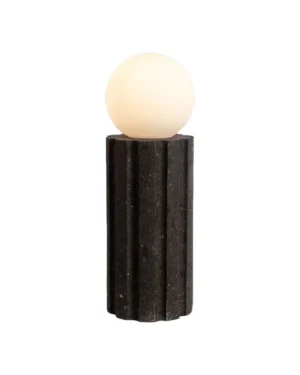
Cofit-20 Table Lamp In Coal Concrete
By Atelier Haute Cuisine
€380 -

Rotonda Table Lamp in Resin
By Adrian Cruz
€2.420 -
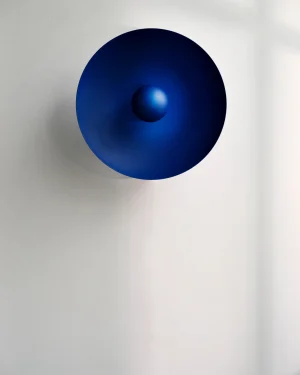 In stock
Blue Moon Wall Lamp in Aluminum
By Anne Nowak
€1.675 -
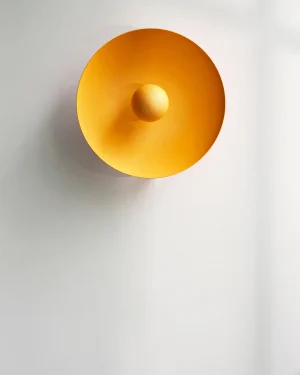 In stock
Sun Wall Lamp in Aluminum
By Anne Nowak
€1.340 -

Trn / Model B2 Pendant Lamp in Ceramic
By Pani Jurek STUDIO
€625 This product has multiple variants. The options may be chosen on the product page -

Trn / Model B3 Pendant Lamp in Ceramic
By Pani Jurek STUDIO
€625 This product has multiple variants. The options may be chosen on the product page -
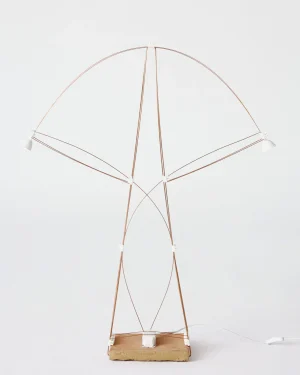 In stock
B.a.r.e Series Table Lamp in Brick, Copper and Plastics
By Lucas Muñoz Muñoz
€300 -
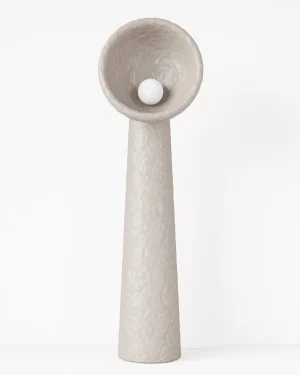 In stock
Soniah Floor Lamp in ZTISTA
By FAINA
€7.000 This product has multiple variants. The options may be chosen on the product page -
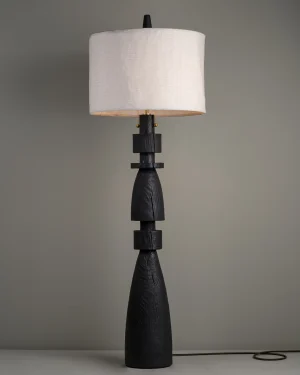
Mezquite Floor Lamp in Pinewood, Linen and Brass
By Isabel Moncada
€4.095 -
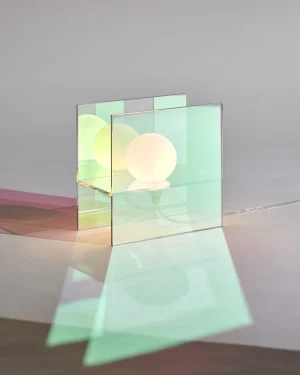 In stock
Euphoria Table Lamp in Coloured Glass
By Studio Monsoleil
€800 -
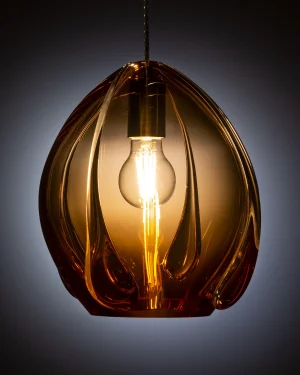
Glass Drops Fire Opal Pendant Lamp in Blown Glass
By Georgiev Kiril
€1.050 -
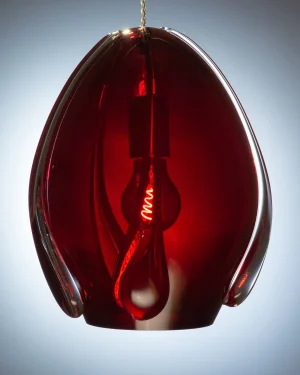
Glass Drop Pendant Lamp in Blown Glass
By Georgiev Kiril
€1.050 -
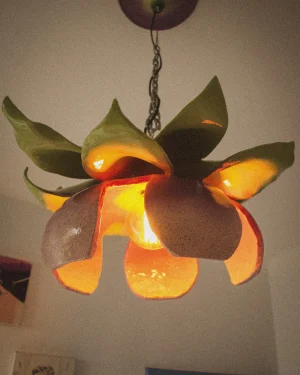
Amaryllis Ceiling Lamp in Glazed Ceramic
By UAU Studio
€1.300 -

Falcon Floor Lamp in Brass and Oak Wood
By Nathan Chintala
€2.105 -

Nuit Table Lamp in Teak Wood
By Studio Indigene
€400 -
 In stock
Fetish Carnmarina Floor Lamp in Plastics
By Pierre Klein
€1.250 -
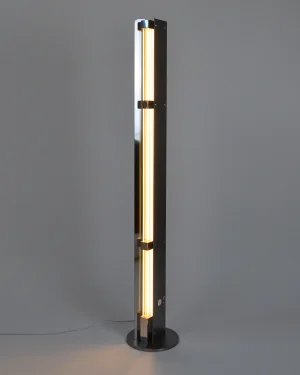 In stock
Ne1200/145 Floor Lamp in Acrylic and Stainless Steel
By MLK Furniture
€1.490 -
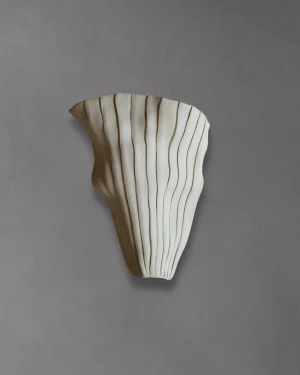 In stock
Tenderness Wall Sconce in Stoneware
By Studio Ēeme
€750 - €800 This product has multiple variants. The options may be chosen on the product page -
 In stock
Voguing No. 2 Floor Lamp in Cast Aluminum
By BY JAMPS
€2.500 -
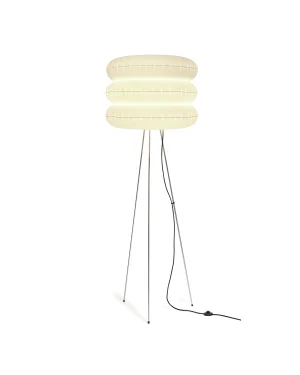 In stock
Big Puff Tripod Floor Lamp in Polyurethane and Steel
By PUFF-BUFF
€800
Living room lighting on ADORNO covers the floor lamps, table lamps, sconces and pendants chosen for the room where a household spends most of its unplanned hours together. The pieces come from independent studios working in cast and folded brass, hand-thrown ceramic, welded steel and woven natural fiber, each material asking for a different kind of handling. What they share is a low, warm cast of light rather than a single bright source overhead, the difference between a room that feels lived in and one that feels inspected.
Materials and techniques behind the range
Brass arrives polished, brushed or left to darken on its own, and it is the metal most metal lighting for living rooms is built from, chosen because it takes a low flame or a soft diffuser without looking clinical. Ceramic and clay bodies are hand-built or thrown, then glazed in beige, brown, cobalt blue or denim, and the glaze is what decides whether a shade reads matte and quiet or glossy and reflective; studios working in ceramic lighting often keep each piece slightly different by hand. Steel and stainless steel turn up in sharper, more geometric fixtures, folded or welded into forms that lean Art Deco, Mid-Century Modern or frankly futuristic. Natural fiber, woven or worked with textile techniques, softens light rather than directing it, and some studios now fold in biofabrication or 3D-printed components alongside these older methods. Editions run from open runs produced on demand to limited editions and genuine one-offs, so the same silhouette in ceramic can be a repeatable piece while a hand-thrown or hand-glazed version of it is not.
Choosing living room lighting for scale and placement
A floor lamp needs to clear the arm of a sofa without crowding it, and its base should feel planted rather than perched; a table lamp earns its place by matching the eye level of someone seated nearby, not by matching the height of the table itself. Finish matters as much as form: a brushed or dark brass fixture recedes into a room with existing metal and wood, while a glossy ceramic or glazed shade in green or light yellow asks to be seen and should be given room to be. Most living rooms do better with two or three modest sources at different heights, close to a reading chair, in a corner, near a shelf, than with one fixture trying to light the whole space from above.
- Floor and table lamps for reading corners and side tables
- Sconces for walls that would otherwise sit bare
- Pendants, set low, over a coffee table or a cluster of seating
Where these pieces sit in a room
Living room lighting works alongside the furniture it sits next to rather than above it, so a table lamp is usually chosen after the sofa or chair it will stand beside, not before. Anyone building out a seating area from scratch might look at living room furniture first and bring light in once the layout is settled, or start from a specific fixture type on the living room lamps page. The full spread of what is available across the category, lighting of every room and kind, sits under all lighting, while every piece tagged for this particular room, lighting included, can be found under living room pieces.
Caring for brass, ceramic and glass fixtures
Unlacquered brass will darken and spot with handling and air; that patina is not damage, and most studios leave it unlacquered on purpose so the metal can age the way solid brass always has. A soft cloth and an occasional pass with a mild metal polish are enough for anyone who wants to slow that process down. Ceramic and glazed shades should be dusted rather than wiped wet near the socket, and any crackle or unglazed edge is more porous and better kept away from damp cloths. Steel fixtures need little beyond the odd wipe, though welded joints and folded seams are worth checking if a piece is moved often.
How many lights does a living room need?
Most living rooms need at least three sources at different heights rather than one overhead fixture. A floor lamp, a table lamp and a pendant or wall light together let you adjust mood and task through the evening.
What materials are used in living room lighting?
Common choices include brass, steel and ceramic for bodies and bases, paired with glass, natural fiber or fabric shades. Brass develops a soft patina over time, while ceramic and glazed finishes stay stable with simple dusting.
How do I care for brass, ceramic or natural fiber lighting?
Wipe brass with a dry or barely damp cloth to slow tarnish, or leave it to darken naturally. Dust ceramic and natural fiber shades regularly and keep both away from direct moisture.
What height should a floor or table lamp be in a living room?
A table lamp shade typically sits at eye level when seated, around 58 to 64 centimeters from the floor. Floor lamps for reading usually measure 132 to 142 centimeters so the light falls just behind the shoulder.
Can this lighting work in other rooms too?
Yes, pieces made for living rooms often suit bedrooms, studies or dining areas equally well, since warmth and adjustable height matter in most rooms. For exact scale or wiring details, chat with the maker on the piece's page.
How does shipping, returns and authenticity work on ADORNO?
Shipping is insured and worldwide, with a 14-day return policy excluding made-to-order pieces. Every piece comes with a certificate of authenticity, backed by a lowest-price guarantee.