


















-
 In stock
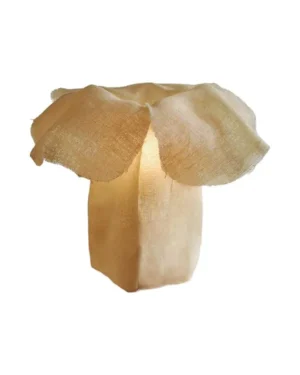
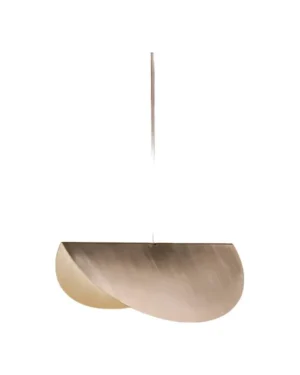
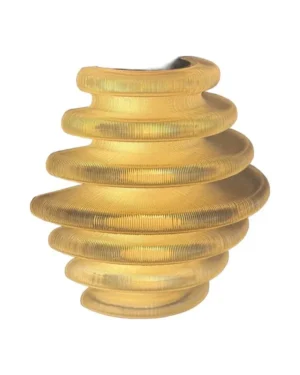
Object 02 Sconce in Nylon and Sand
By Hot Wire Extensions
€1.460 This product has multiple variants. The options may be chosen on the product page -
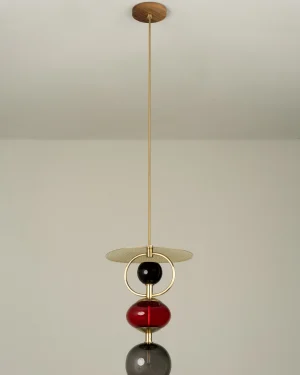
Vitrea Pendant Lamp in Glass and Brass
By Isabel Moncada
€3.802 This product has multiple variants. The options may be chosen on the product page -
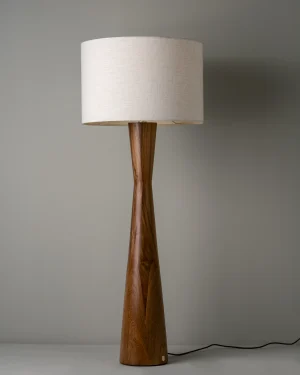
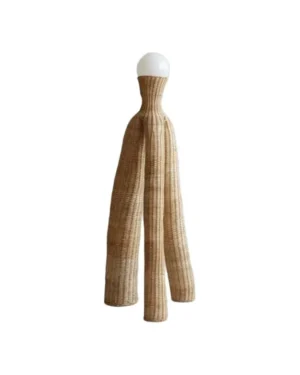
Sabina Floor Lamp in Parota Wood
By Isabel Moncada
€3.802 -
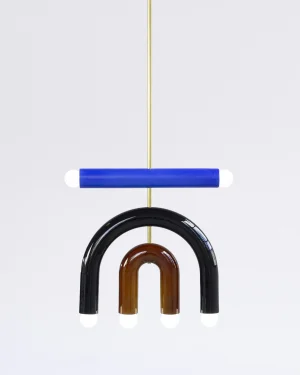
Trn / Model D1 Pendant Lamp in Ceramic
By Pani Jurek STUDIO
€1.080 This product has multiple variants. The options may be chosen on the product page -

Trn / Model A1 Pendant Lamp in Ceramic
By Pani Jurek STUDIO
€470 This product has multiple variants. The options may be chosen on the product page -
 In stock
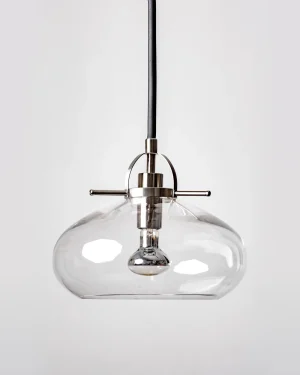
Art Deco Pendant Lamp in Glass and Stainless Steel
By Szostak Atelier
€1.000 This product has multiple variants. The options may be chosen on the product page -

Strikha Table Lamp in Clay
By FAINA
€1.820 -

Arc Table Lamp in Stainless Steel
By Paul Coenen
€479 -
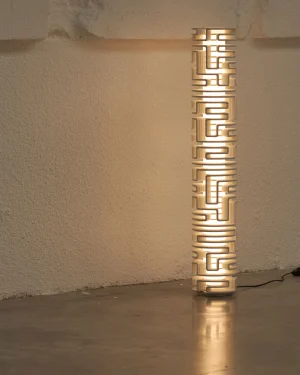
Maze Floorstander Floor Lamp in Recycled Plastic
By Stijn van Aardenne
€1.447 -
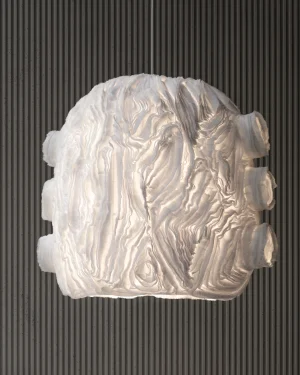
Idea Sluhach Pendant Lamp in Muslin and Metal
By FAINA
€1.950 -
 In stock
Thalie Vi Table Lamp Sheer Fabric
By Atelier Alz
€200 - €300 This product has multiple variants. The options may be chosen on the product page -
 In stock
O.f.i.s Series Table Lamp in Pipe, Rod And Brick
By Lucas Muñoz Muñoz
€280 -

Trn / Model D2 Pendant Lamp in Ceramic
By Pani Jurek STUDIO
€1.080 This product has multiple variants. The options may be chosen on the product page -
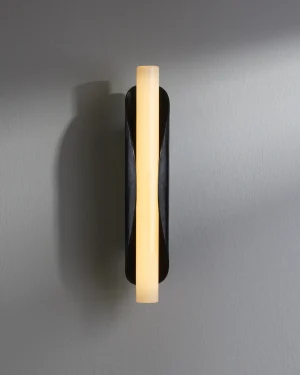
Taco De Luz Wall Sconce in Black Patinated Brass
By Studio Aristotelis Barakos
€980 -
 In stock
Astēri Table Lamp in Clay
By Andrei Clontea STUDIO
€1.200 -
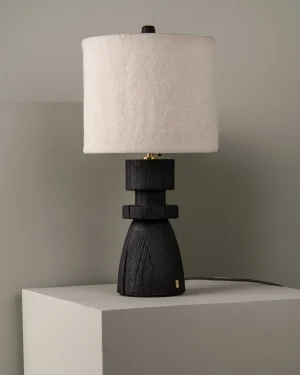
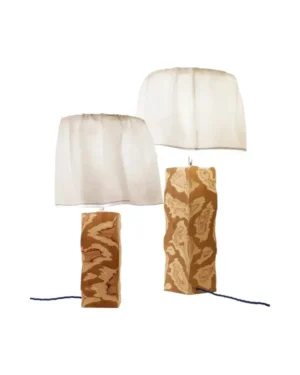
Mezquite Table Lamp in Burned Pinewood and Natural Linen
By Isabel Moncada
€2.925 -
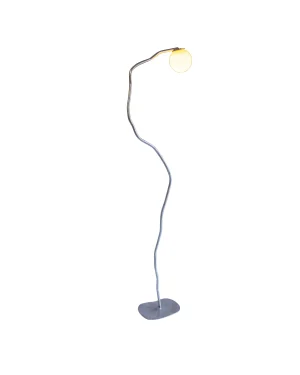
Free Form Floor Lamp in Aluminum
By Six Dots Design
€1.400 -
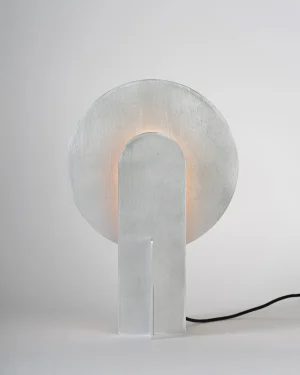
Aurora Table Lamp in Aluminum
By Hasik Design Studio
€700 -
 In stock
Y30 Ceiling Lamp in Blown Glass and Brass
By Clara Viladecans
€786 This product has multiple variants. The options may be chosen on the product page -
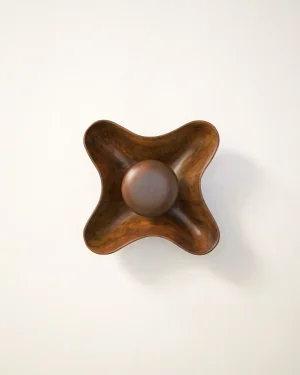
Compass Sconce in Teak Wood
By Studio Indigene
€550 -
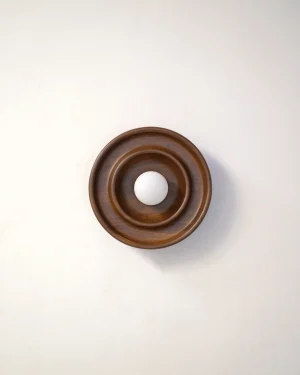
Discus Sconce in Teak Wood
By Studio Indigene
€450 -
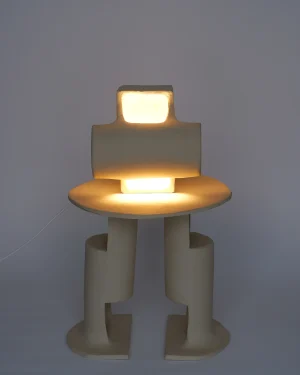
Accre Table Lamp in Ceramic
By Ia Kutateladze
€580 This product has multiple variants. The options may be chosen on the product page -
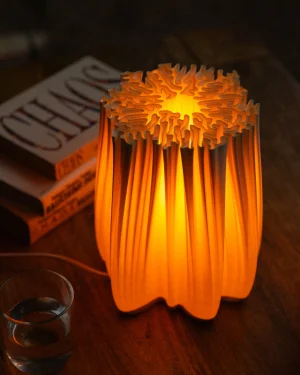 In stock
S X 1 Table Lamp In Ivory White Bio Polymer
By diploria studio
€235 -
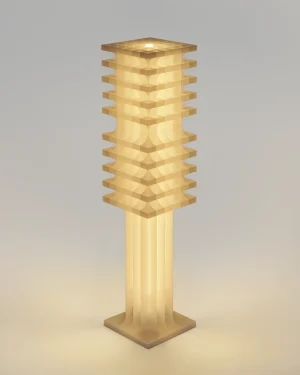
Citadel Floor Lamp in 3D Printed PLA
By Ultramar Studio
€1.260 -
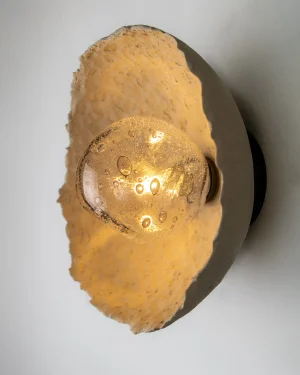 In stock
Asea No. 23 Wall Sconce in Stoneware and Blown Glass
By Ceren Gürkan
€800 -

Paten Wall Sconce in Teak Wood
By Studio Indigene
€450 -

Rotonda Table Lamp in Resin
By Adrian Cruz
€2.420 -

Trn / Model B2 Pendant Lamp in Ceramic
By Pani Jurek STUDIO
€625 This product has multiple variants. The options may be chosen on the product page -

Trn / Model B3 Pendant Lamp in Ceramic
By Pani Jurek STUDIO
€625 This product has multiple variants. The options may be chosen on the product page -
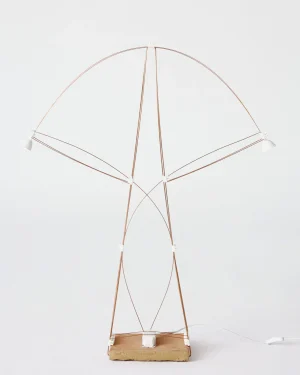 In stock
B.a.r.e Series Table Lamp in Brick, Copper and Plastics
By Lucas Muñoz Muñoz
€300 -
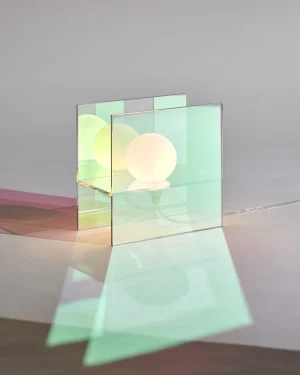 In stock
Euphoria Table Lamp in Coloured Glass
By Studio Monsoleil
€800 -
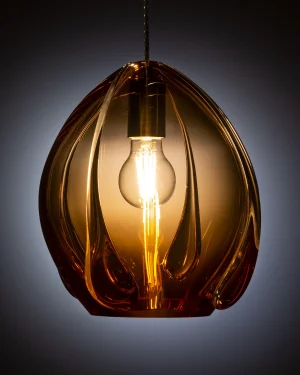
Glass Drops Fire Opal Pendant Lamp in Blown Glass
By Georgiev Kiril
€1.050 -
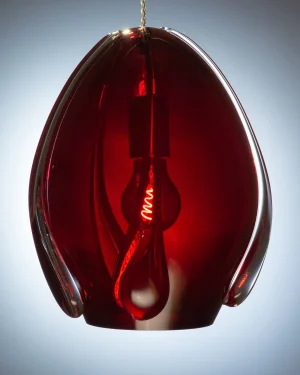
Glass Drop Pendant Lamp in Blown Glass
By Georgiev Kiril
€1.050 -
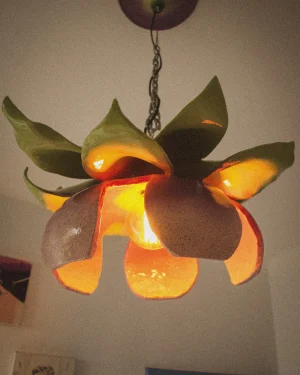
Amaryllis Ceiling Lamp in Glazed Ceramic
By UAU Studio
€1.300 -

Nuit Table Lamp in Teak Wood
By Studio Indigene
€400 -
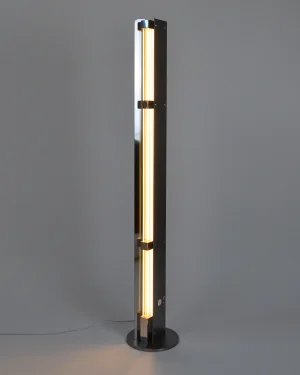 In stock
Ne1200/145 Floor Lamp in Acrylic and Stainless Steel
By MLK Furniture
€1.490 -
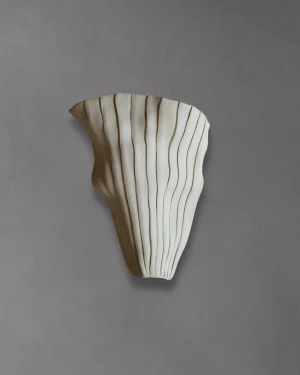 In stock
Tenderness Wall Sconce in Stoneware
By Studio Ēeme
€750 - €800 This product has multiple variants. The options may be chosen on the product page -
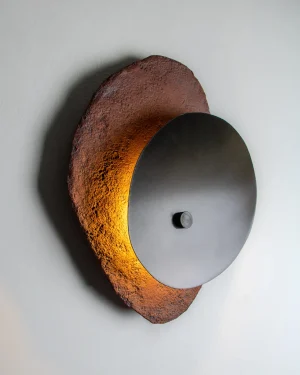
Asea No.1 Cherry Wall Sconce in Stoneware and Metal
By Ceren Gürkan
€1.000 -
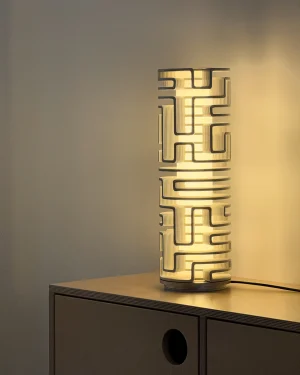
Maze Medium Table Lamp in Recycled Plastic
By Stijn van Aardenne
€579 -

Chloé Table Lamp in Reflective Fabric
By Atelier Alz
€300 -
 In stock
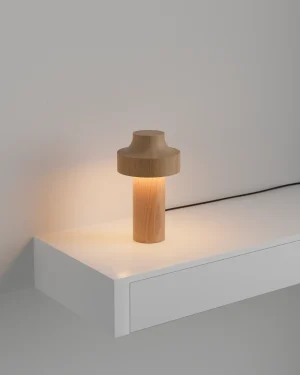
Monolith Table Lamp in Mexican Red Oak
By Sergio Enríquez Industrial Design Office
€800 -
 In stock
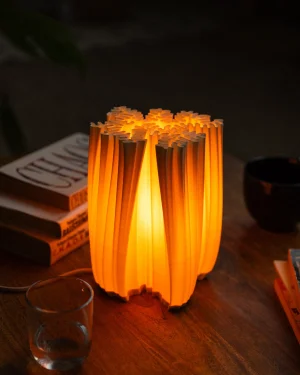
S 2 Table Lamp in Bio Plastic
By diploria studio
€215 -
 In stock
L’Été Ceramic Wall Light
By Katia Langeard
€350 This product has multiple variants. The options may be chosen on the product page -
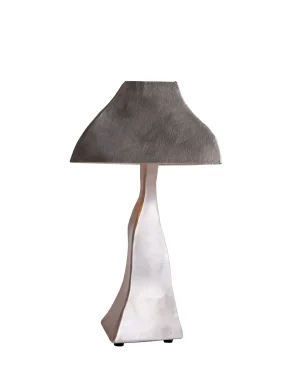
Paper Table Lamp in Aluminum
By Six Dots Design
€920 -
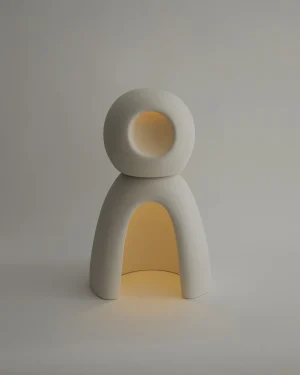
Nomad Ⅱ:09 Table Lamp in Ceramics and Stoneware
By SK - Sofia Karnukaeva
€2.780 -
 In stock
S 1 Table Lamp In Bio Polymer
By diploria studio
€215 -
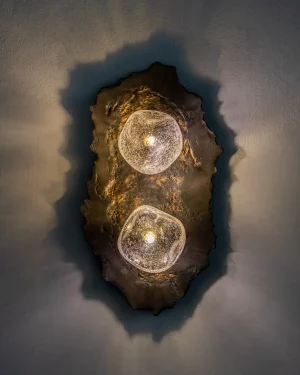
Asea No. 25 Wall Sconce in Blown Glass and Stoneware
By Ceren Gürkan
€1.100 -

Kalia Table Lamp in Glass and Resin
By Justyna Poplawska
€536 -
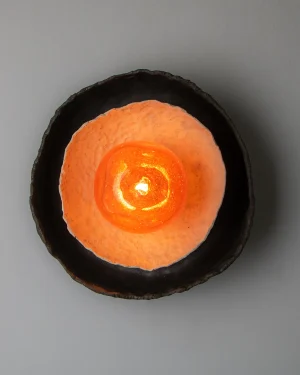
Asea No. 26 Red Wall Sconce in Blown Glass and Stoneware
By Ceren Gürkan
€1.100 -
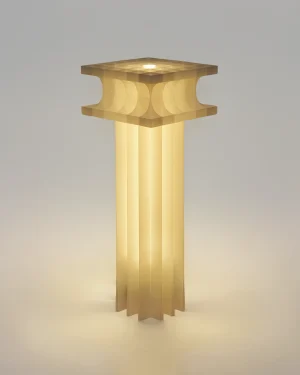
Citadel Table Lamp in 3D printed PLA
By Ultramar Studio
€990 -
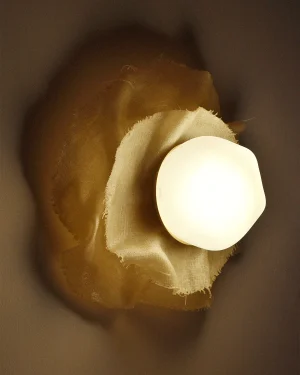
Liora II Wall Sconce in Glass, Brass and Fabric
By Atelier Alz
€350 -
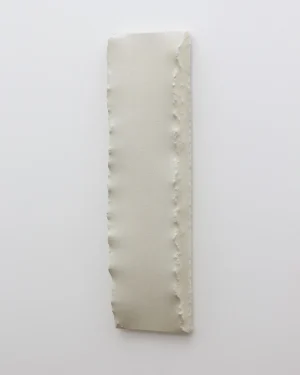 In stock
Edges 20-75 T8-60 Wall Sconce in Paper Pulp
By David Čáp
€400 -
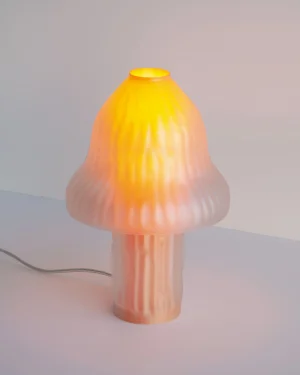
Lampamodelé Table Lamp in 3D Printed PLA
By BehaghelFoiny Studio
€99 -
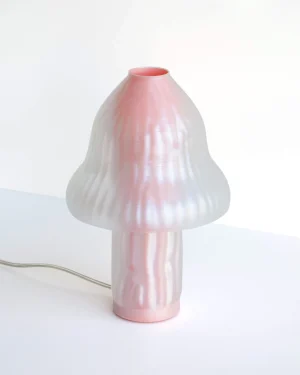
Lampamodelé Pink Table Lamp in 3D Printed PLA
By BehaghelFoiny Studio
€99
Contemporary lighting on ADORNO gathers pieces defined less by a single material than by a way of thinking about form: brass bent into asymmetric arms, blown glass left visibly uneven, stoneware glazed in flat, saturated color rather than pattern. The studios behind these fixtures work in metal, glass and clay, favoring exposed construction and honest material over applied ornament. What unites the range is restraint — one bulb, one considered gesture, no excess detail standing between the light source and the room it sits in.
What makes a fixture read as contemporary
Where older lighting styles hide their mechanics behind shades and finials, contemporary pieces tend to show the joint, the seam, the weld. A brass arm bends and stays bent in view; a glass bubble keeps the thickness variation from the pipe; a stoneware base shows the ring left by a wheel. Finishes lean toward matte black, raw or lacquered brass, and single flat glazes rather than high gloss or heavy pattern, which is part of why these pieces sit so easily in rooms built around other quiet materials. The full range across styles, including more ornamented and more severe interpretations, sits under every contemporary piece on ADORNO.
Materials and techniques behind the range
Most contemporary lighting on ADORNO is built from a short list of materials, worked by hand or by small-batch methods rather than mass production.
- Brass and steel, hammered, folded or cast, then left to patinate or finished matte through powder coating
- Blown glass, each shade or globe slightly different in wall thickness and bubble pattern from the last
- Stoneware and ceramic, hand-built or thrown and finished with a glaze that pools and thins unevenly across the surface
- 3D-printed and digitally fabricated polymer, used for geometric forms that would be difficult to cast or throw by hand
Some of these pieces come as open editions, made to the same design as needed; others are limited editions or unique pieces where no two will be exactly alike. Where metal is the dominant material, the full range sits under metal lighting; where the form is pared back further still, minimalist lighting narrows the field to its quietest pieces.
Choosing scale, height and finish
A pendant hung too high over a table reads as an afterthought; one hung too low crowds the people sitting under it. As a working rule, the bottom of a pendant shade sits around twelve to twenty inches above a dining or console surface, leaving clear sightlines across the table. A floor lamp beside a reading chair should put its shade roughly at or just below seated eye height, so the bulb itself stays out of view.
Finish matters as much as form. Raw brass will warm and darken over years of handling; a powder-coated steel base stays matte and even indefinitely. Choosing between the two is really a decision about whether you want the fixture to visibly age alongside a room or hold its finish from day one.
Where contemporary fixtures work
These pieces suit rooms built around a few considered objects rather than many — a living room with one sculptural floor lamp instead of overhead downlights, a hallway anchored by a single ceramic sconce, a study lit by a brass desk lamp rather than a fluorescent panel. Living rooms in particular benefit from layering a contemporary floor or table lamp with smaller sources; the full range for that room sits under living room lighting, and single-point options are gathered separately as contemporary lamps.
Caring for metal, glass and ceramic fixtures
Brass left unlacquered will darken and spot with handling; a soft cloth and occasional polish will slow this, or it can simply be left to patinate. Blown glass needs only dry dusting and a damp cloth away from abrasive cleaners, which can dull its surface. Stoneware and ceramic bases should stay away from standing water and sudden temperature change, both of which can stress a glaze over time. For the wider range of lighting materials and finishes beyond contemporary styling, all lighting on ADORNO covers the complete set.
How do I choose a contemporary lighting piece?
Start with how warm and directional the light should be, then match the material to the room's other surfaces, brass and glass read sharper, stoneware and ceramic read softer.
What materials are used and how do I care for them?
Brass develops a patina and can be waxed to slow it, blown glass and ceramic need only a soft dry cloth, steel benefits from an occasional wipe to prevent fingerprints showing.
What size or height should a fixture be?
Pendants generally hang so the bottom sits around 30 to 36 inches above a table, table lamps sit at seated eye level, the maker can confirm exact dimensions for a specific piece.
Which rooms suit contemporary lighting?
Clean lines and restrained forms work in living rooms, bedrooms and entryways alike, placed at varied heights rather than as a single overhead source.
What is ADORNO's shipping and return policy?
Shipping is insured and sent worldwide, and pieces can be returned within 14 days, though made-to-order pieces are excluded.
Are these pieces authentic and can I order a custom version?
Every piece ships with a certificate of authenticity, and for custom options or sizing you can chat with the maker directly on the piece's page.