

















-
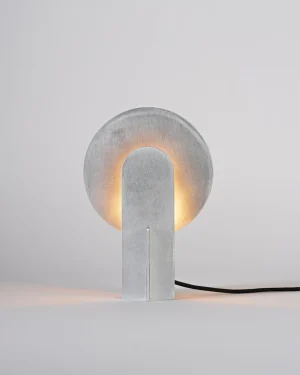
Aurora Medium Eclipse Table Lamp in Brushed Aluminum
By Hasik Design Studio
€675 -
 In stock
Pe 02 Table Lamp In Polished Aluminum
By BuRRo
€110 -
 In stock
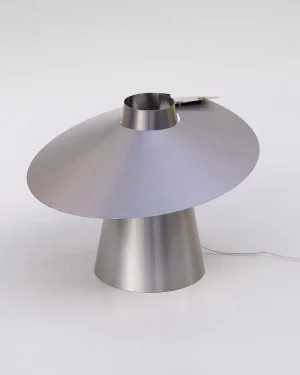
Pa 02 Table Lamp In Polished Aluminum
By BuRRo
€110 -
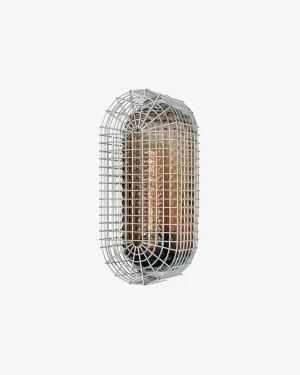
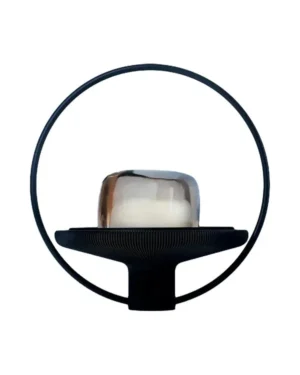
Chastity Wall Sconce in Stainless Steel and Blown Glass
By Studio S II
€1.946 -
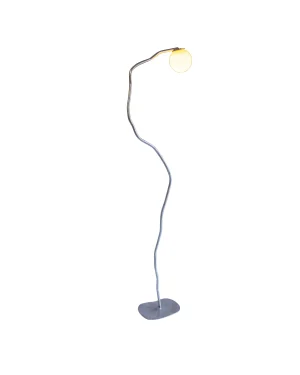
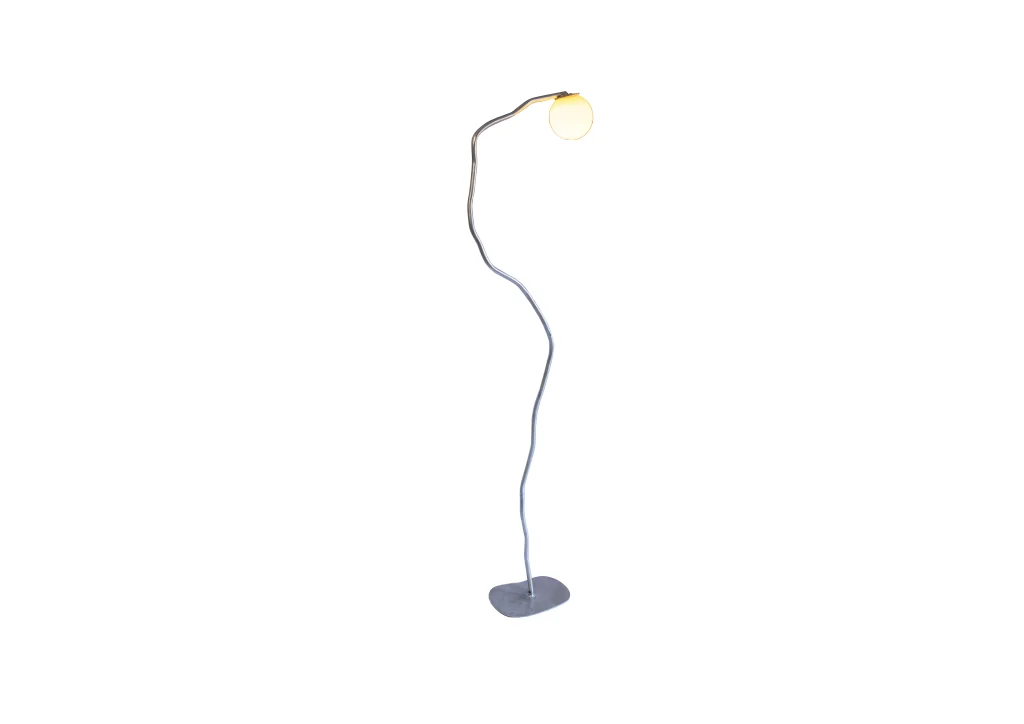
Free Form Floor Lamp in Aluminum
By Six Dots Design
€1.400 -
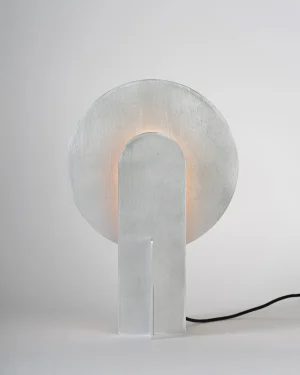
Aurora Table Lamp in Aluminum
By Hasik Design Studio
€700 -
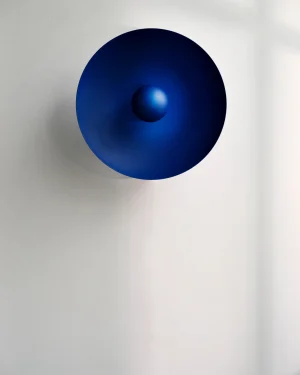 In stock
Blue Moon Wall Lamp in Aluminum
By Anne Nowak
€1.675 -
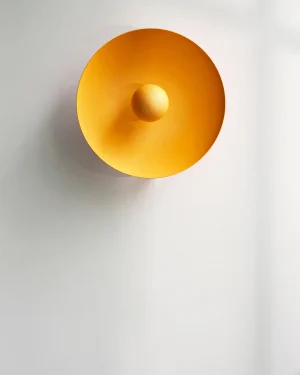 In stock
Sun Wall Lamp in Aluminum
By Anne Nowak
€1.340 -

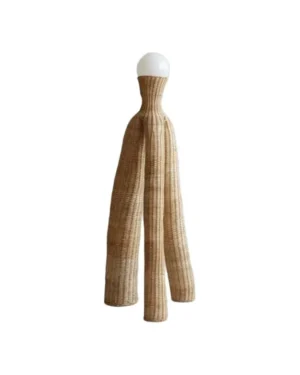
Deas Floor Lamp In Aluminum And Rattan
By Calen Knauf Studio
€1.360 -
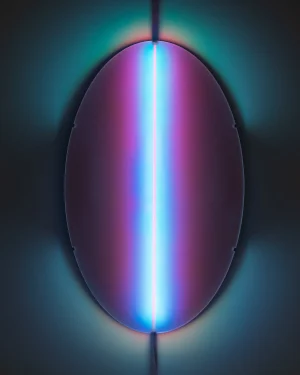 In stock
Aurora Frosted Wall Sconce in Acrylic and Aluminum
By Catrinel Sabaciag
€1.352 -
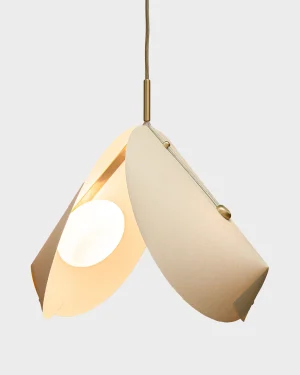 In stock
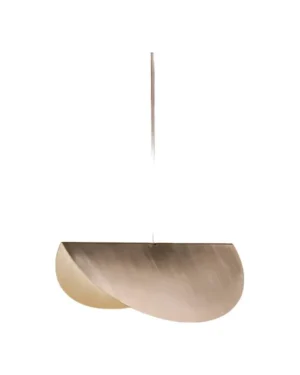
Concha Model 03 Pendant Lamp in Brass and Blown Glass
By MESEME by Riya Panchal
€434 This product has multiple variants. The options may be chosen on the product page -
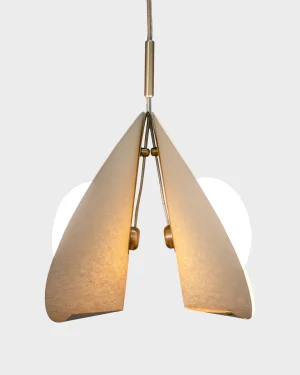 In stock
Concha Model 01 Pendant Lamp in Paper, Metals and Glass
By MESEME by Riya Panchal
€375 This product has multiple variants. The options may be chosen on the product page -
 In stock
Voguing No. 2 Floor Lamp in Cast Aluminum
By BY JAMPS
€2.500 -
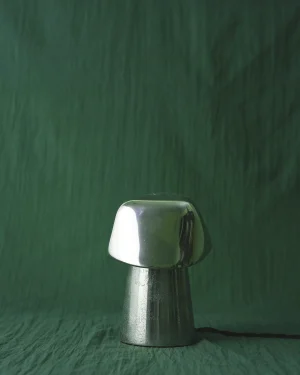
Iris Table Lamp in Aluminum
By MANUHITA
€295 This product has multiple variants. The options may be chosen on the product page -
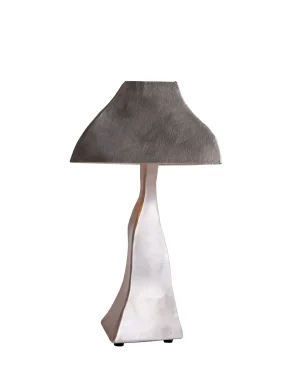
Paper Table Lamp in Aluminum
By Six Dots Design
€920 -
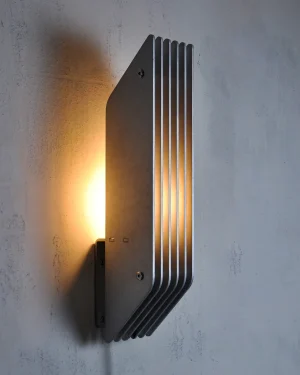 In stock
Rln460 Wall Lamp in Matte Aluminium
By MLK Furniture
€390 -
 In stock
Tl-1 Earth Table Lamp In Cellulose Acetate
By Juba Concepts
€592 -
 In stock
Pivot Table Lamp In Aluminum And Brass
By Stem
€1.155 - €1.700 This product has multiple variants. The options may be chosen on the product page -
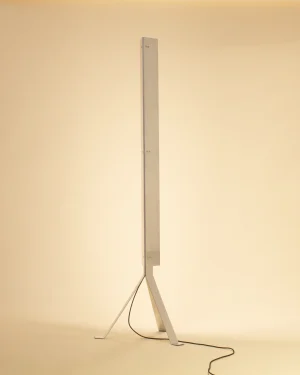
L1 High Floor Lamp in Aluminum
By Luiz Solano
€1.200 -

Chimney Table Lamp in Aluminum and Painted Steel
By BOTHI
€210 -

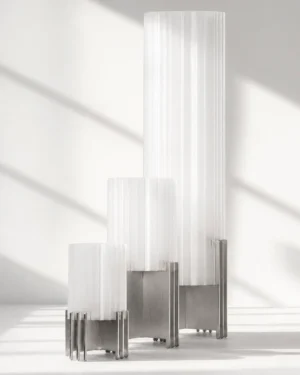
Bells and Whistles Table Lamp in Aluminum
By Toro Manifesto
€2.100 -
 In stock
Plus Table Lamp in Aluminum
By 301 Design Studio
€300 - €900 This product has multiple variants. The options may be chosen on the product page -
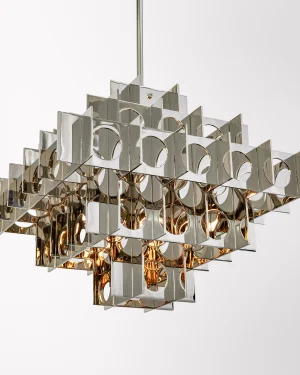
Tenfold 5 T Pendant Lamp in Stainless Steel and Aluminum
By Luft Tanaka Studio
€4.440 - €11.000 This product has multiple variants. The options may be chosen on the product page -
 In stock
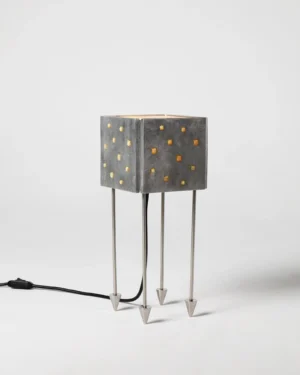
Prisma Massiva Table Lamp in Cast Aluminum, Resin & Steel
By DONÓ Design
€1.898 -
 In stock
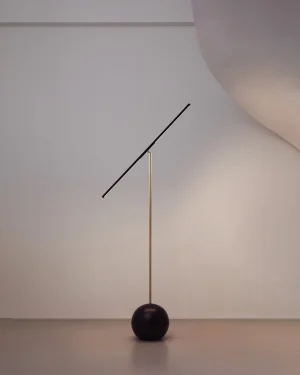
T-Lamp Floor Lamp in Aluminum, Brass and Oak Wood
By HEAKO
€3.850 -
 In stock
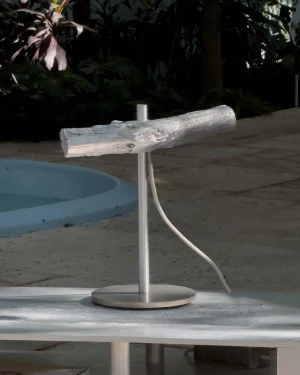
Aluminum Veneer Table Lamp in Cast Aluminum
By Bureau.parso
€1.400 -
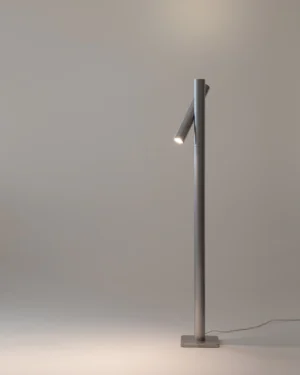
Pivot Floor Lamp In Brass And Aluminum
By Stem
€2.750 - €4.150 This product has multiple variants. The options may be chosen on the product page -

Collier P2 Ceiling Lamp in Glass and Aluminum
By Darka
€1.950 -
 In stock
Tl-1 Heaven Table Lamp In Cellulose Acetate
By Juba Concepts
€592 -
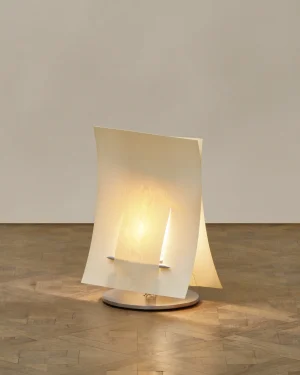
Soft Ply Table Lamp Series in Wood and Aluminum
By Sheyang Li
€785 -

Collier S1 Wall Sconce in Glass and Aluminum
By Darka
€1.050 -
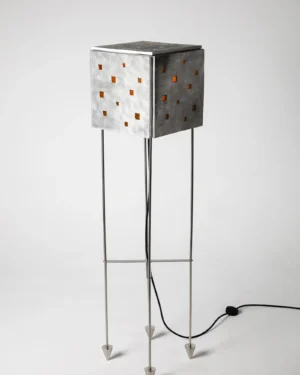 In stock
Prisma Massiva Floor Lamp in Cast Aluminum, Resin And Steel
By DONÓ Design
€3.780 -
 In stock
Bells and Whistles Wall Sconce in Aluminum
By Toro Manifesto
€1.300 -

Dream/Reality Wall Sconce in Aluminum
By Six Dots Design
€292 -
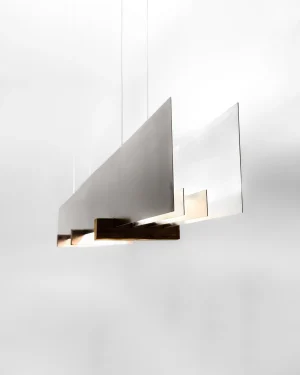
Linear Ceiling Lamp (extra Large) in Aluminum and Wood
By case studios
€1.210 - €1.910 This product has multiple variants. The options may be chosen on the product page -
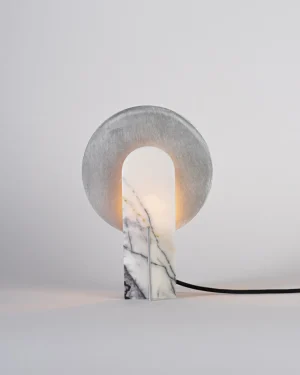 In stock
Aurora Medium Table Lamp in Marble and Aluminum
By Hasik Design Studio
€975 -
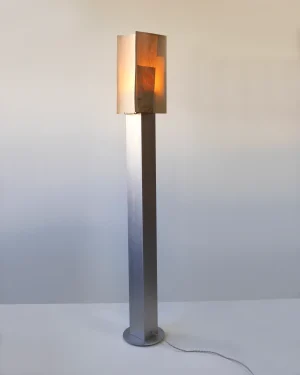
Soft Ply Floor Lamp in Wood and Aluminum
By Sheyang Li
€1.364 -
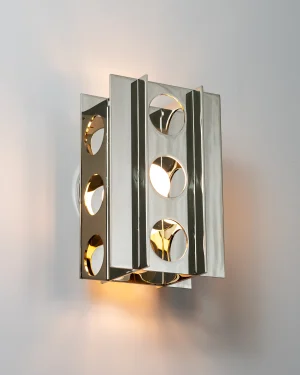
Tenfold 3T Mirror Wall Sconce in Steel and Aluminum
By Luft Tanaka Studio
€1.540 -

Chimney Table Lamp in Aluminum
By BOTHI
€210 This product has multiple variants. The options may be chosen on the product page -
 In stock
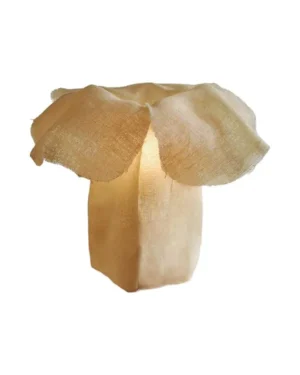
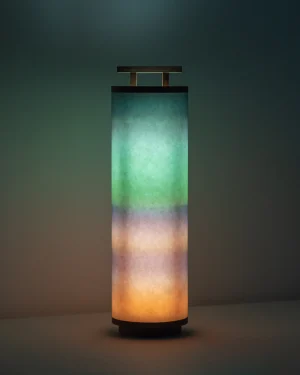
Torii G Pala Table Lamp in Washi Paper and Walnut
By Prangé
€1.232 -

Slotted Linear 32 Pendant Lamp in Aluminum and Acrylic
By Nolan Talbot-Kelly
€1.200 This product has multiple variants. The options may be chosen on the product page -
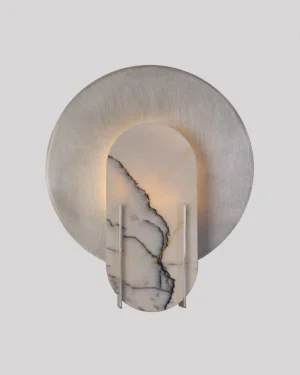
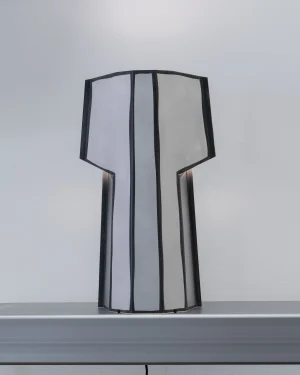
Alice Wall Lamp in Illuminated Marble
By Hasik Design Studio
€1.225 -
 In stock
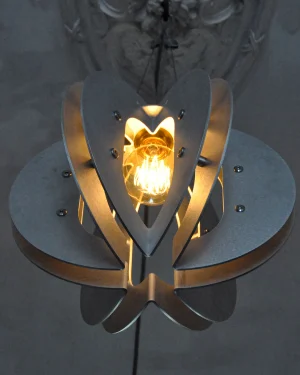
Hex Table Lamp in Aluminum
By STUDIO GUILTY
€492 -

Rappel Wall Lamp in Glass and Aluminum
By Darka
€500 -

Dyptich Wall Sconce in Brass and Recycled Plastic
By SIGNATURE OBJECTS
€1.800 -

Veil Pendant Lamp in Glass and Aluminum
By Andrew King Studio
€315 This product has multiple variants. The options may be chosen on the product page -
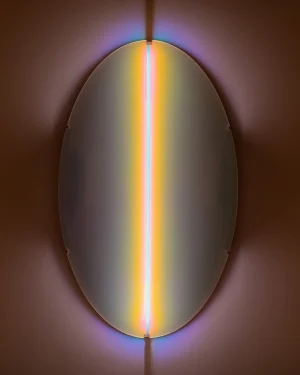
Aurora Gloss Wall Sconce in Acrylic and Aluminum
By Catrinel Sabaciag
€1.341 -
 In stock
D300 Lampion Pendant Lamp in Matte Aluminum
By MLK Furniture
€390 -
 In stock
Mujo P Iver Wall Sconce in Walnut Wood and Washi Paper
By Prangé
€948 -
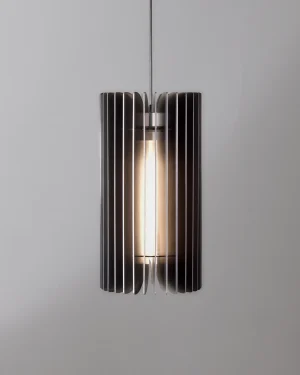
Bare Barrel – Metal Pendant Lamp
By Jochen Lavéno Mangelsdorff Studio & Objects
€760 - €920 This product has multiple variants. The options may be chosen on the product page -
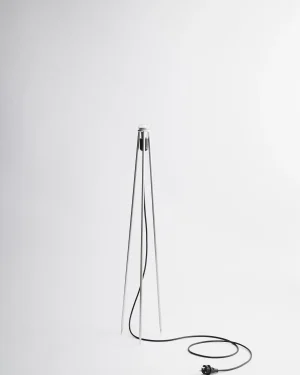
Trilight 100 Floor Lamp in Aluminum
By Obscure Objects
€760 -
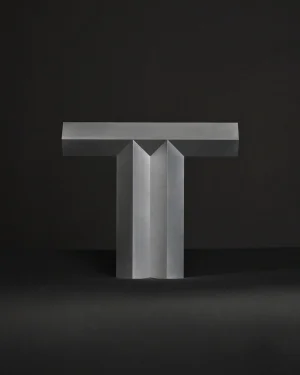
Sculptural Table Lamp in Aluminum
By NOSTUDIO
€620 - €650 This product has multiple variants. The options may be chosen on the product page -

Segment Table Lamp in Aluminum
By Andrew King Studio
€500 This product has multiple variants. The options may be chosen on the product page -

Tenfold Table Lamp in Aluminum and Mahogany Wood
By Luft Tanaka Studio
€3.900
Aluminum lighting on ADORNO spans table lamps, wall fixtures and pendants made by independent studios working in raw, polished, cast and anodized aluminum. Some pieces are sand cast and finished by hand, others are sheet metal folded and joined, and the material itself ranges from a soft matte gray to a mirror-bright silver. What they share is a lightness that steel and brass rarely offer, and a surface that reads as industrial or refined depending on how it is treated.
What defines aluminum in lighting
Aluminum is light for its size, resistant to rust, and takes a wide range of finishes well, from brushed and anodized to raw and sand cast. A shade or body in aluminum carries real presence without the weight of cast iron or solid brass, which is why it turns up in oversized pendants and wall arms that would be impractical in heavier metal. Left raw, it develops a faint, even dulling over years rather than the blotchy patina of copper or bronze.
Finishes and techniques found here
The range includes raw aluminum with its soft, workshop-like surface, polished aluminum that throws back light and makes a fixture feel sharper and more reflective, and cast aluminum, where the metal is poured into a mold to hold sculptural or geometric forms that sheet metal cannot. Patination is sometimes used to deepen the gray or push it toward blue or green, and anodizing adds a hard, colored skin without changing the metal's weight. Stainless steel, brass and wood appear too, often paired with the aluminum body as a base, stem or diffuser.
- Stylistically, pieces lean Minimalist, Contemporary or Modern in their restraint, Neo-Industrial or Brutalist where the metal is left exposed and unadorned, and occasionally Art Deco or Futuristic where the form is more sculptural.
- Editions run from open runs, made to order over time, to limited editions and one-off pieces where a studio casts or finishes each example by hand.
How to choose a piece
Scale matters more with aluminum than with glass or ceramic lighting, because a cast or folded form can look substantial even when it weighs very little. Measure the space a fixture will occupy, not just its footprint: a wall lamp needs clearance from doorways and seating, a pendant needs enough drop to clear sightlines without sitting too close to a table. For task lighting beside a sofa or bed, hold the shade height roughly at eye level when seated, so the bulb itself stays out of view.
Finish should answer to the room's other metals. A polished aluminum fixture sits naturally with chrome taps or stainless steel hardware, while a raw or patinated finish reads closer to pewter or unlacquered brass. If the piece will sit near a window or under direct sun, a stable anodized or lacquered finish holds its color better over years than raw metal, which will continue to shift slightly in tone.
Where it works
Aluminum lighting suits spaces where a fixture needs to read as sculpture as much as light source: a hallway wall lamp, a reading lamp beside a chair, a pendant over a dining table or kitchen island. Its lightness also makes it practical for living room lighting, where larger shades or arms can be mounted without putting excessive load on a wall or ceiling fixing. Pair it with warmer materials nearby, oak, linen, stone, so the room does not read as cold.
Care
Raw or brushed aluminum needs little beyond a dry or barely damp cloth; avoid abrasive cleaners, which will scratch the surface and dull its reflectivity. Polished finishes show fingerprints more readily and benefit from a soft microfiber wipe. Anodized and lacquered surfaces are more resistant to handling and moisture, making them a practical choice for fixtures near entryways or bathrooms.
For the wider range of fixtures in this material, see every aluminum piece on ADORNO, including aluminum lamps and aluminum wall lamps. Aluminum also appears alongside other metals in metal lighting, and across the full range of lighting from studios working in glass, ceramic, wood and stone.
Why choose aluminum lighting over other materials?
Aluminum is light enough to hang, swivel or angle without strain on a fixture, yet holds its shape under heat near bulbs. Cast or sand-cast, it also takes sharp edges and deep patinas that brass or steel render differently.
How do you clean and care for aluminum lighting?
Wipe with a dry or slightly damp cloth; aluminum does not rust, though raw or anodized finishes can show fingerprints and scratches over time. Avoid abrasive cleaners on anodized or patinated surfaces, as they can dull the finish.
Does aluminum lighting tarnish or change color over time?
Raw aluminum develops a thin, stable oxide layer that mutes its shine slightly but protects it from further corrosion. Anodized or polished pieces hold their finish much longer with normal indoor use.
What size or height of aluminum light fixture do I need?
Pendants typically hang so their base sits around 30 to 36 inches above a table, while floor and table lamps follow standard eye-level and task heights. The maker can confirm exact dimensions with Chat with the maker on the piece's page.
Which rooms suit aluminum lighting best?
Its cool, reflective surface fits kitchens, offices and living rooms with contemporary or industrial lines, and its light weight makes it practical for pendants over counters or desks where bulkier materials feel heavy.
What are ADORNO's shipping, returns and authenticity policies?
Shipping is insured and worldwide. Returns are accepted within 14 days, excluding made-to-order pieces, and every purchase comes with a certificate of authenticity plus a lowest-price guarantee.