














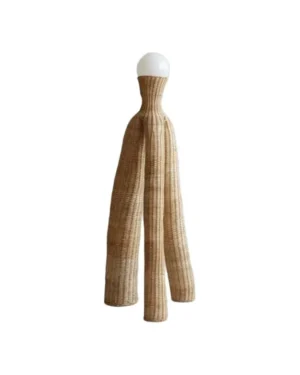
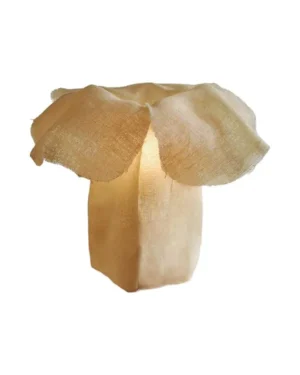



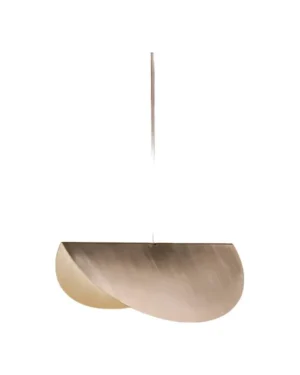
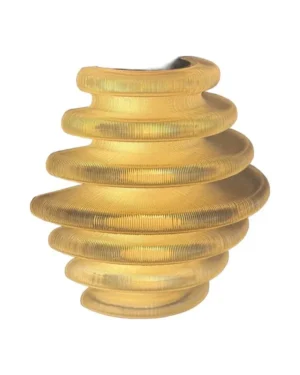
-
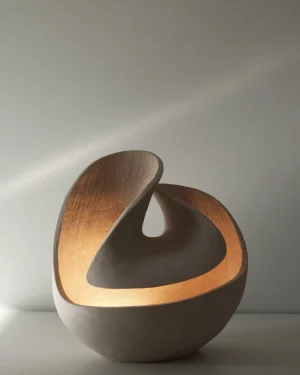
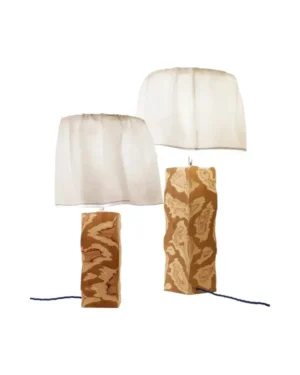
Athari Table Lamp in Ceramic
By Andrei Clontea STUDIO
€900 -
 In stock
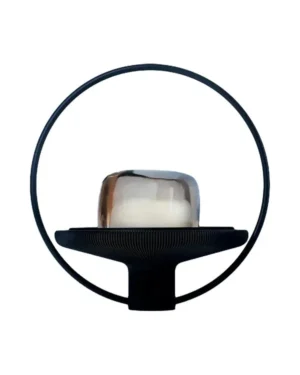
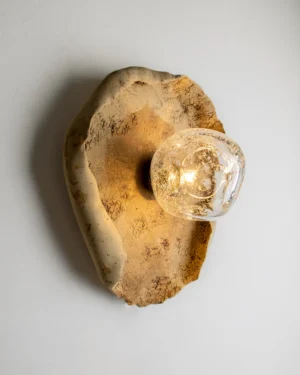
Asea No. 41 Wall Sconce in Stoneware and Blown Glass
By Ceren Gürkan
€1.000 -
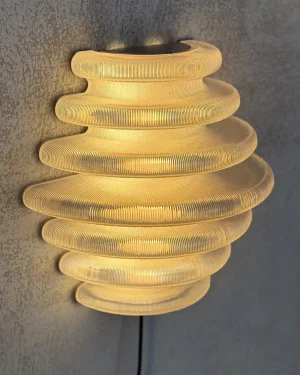
Hive Wall Lamp In Recycled Plastic And Stainless Steel
By Stijn van Aardenne
€805 -
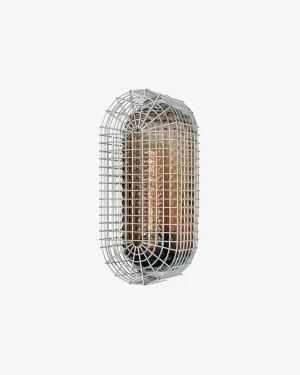
Chastity Wall Sconce in Stainless Steel and Blown Glass
By Studio S II
€1.946 -
 In stock
Voguing No. 2 Floor Lamp in Cast Aluminum
By BY JAMPS
€2.500 -
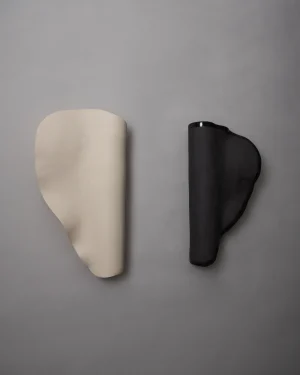
Folding and Unfolding Wall Sconce in Stoneware
By Studio Ēeme
€425 - €455 This product has multiple variants. The options may be chosen on the product page -
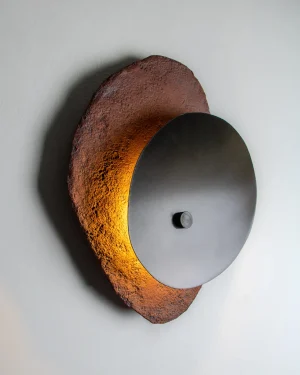
Asea No.1 Cherry Wall Sconce in Stoneware and Metal
By Ceren Gürkan
€1.000 -
 In stock
L’Été Ceramic Wall Light
By Katia Langeard
€350 This product has multiple variants. The options may be chosen on the product page -
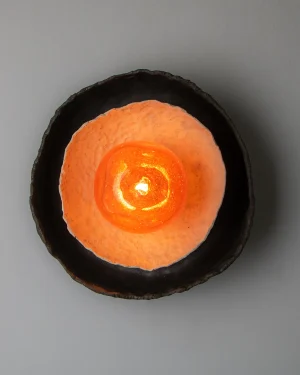
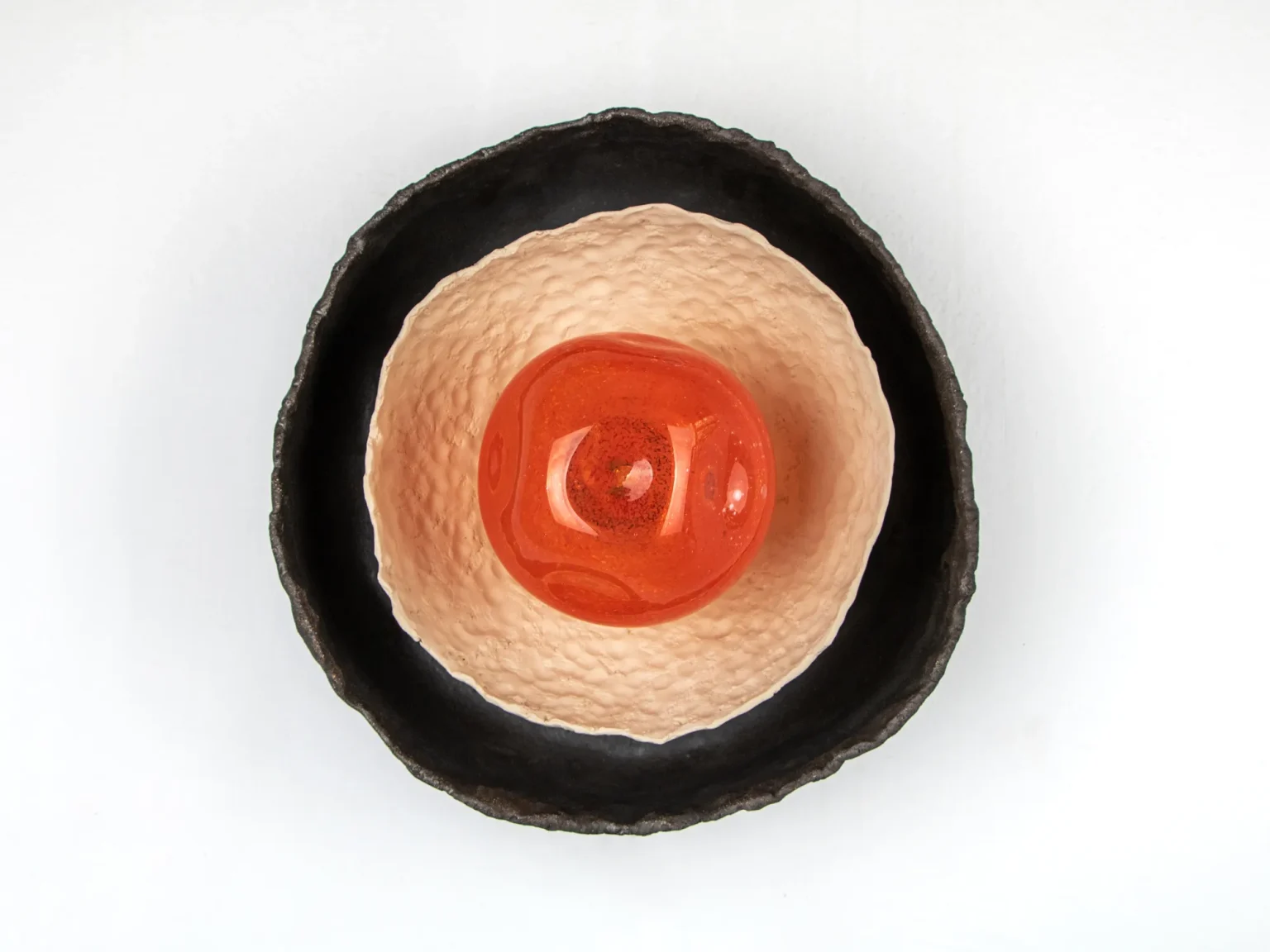
Asea No. 26 Red Wall Sconce in Blown Glass and Stoneware
By Ceren Gürkan
€1.100 -

Lightpulse Wall Lamp in Oak Wood and Acrylic
By Studio Lampent
€1.400 -
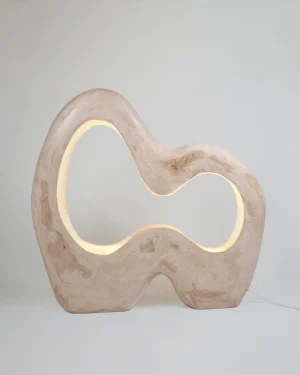
Infinite Floor Lamp in Pigmented Gypsum
By Studio AOAO
€6.000 -
 In stock
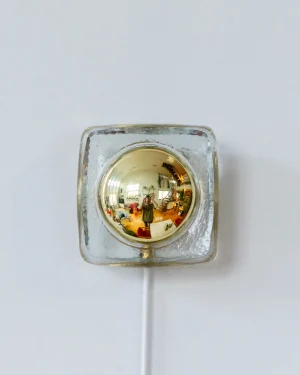
Starburst Wall Sconce in Brass and Blown Glass
By Voidfill Studio
€1.635 -
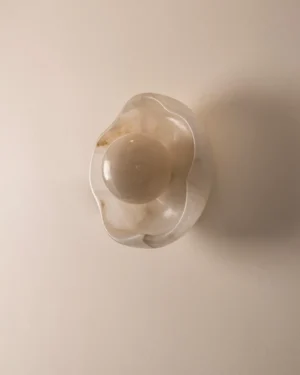
Flower Wall Sconce In Alabaster
By Harshita Jhamtani Designs
€688 -
 In stock
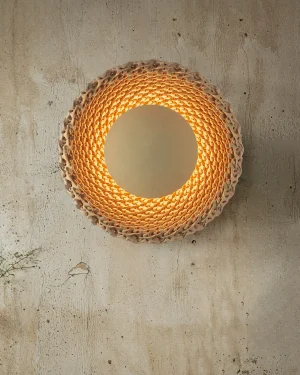
Sun V2-b – 3d Printed Wall Lamp
By Rollo Studio
€6.049 -
 In stock
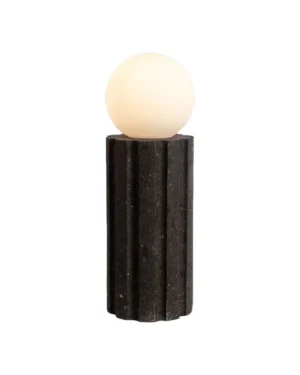
Abyss No. 12 Table Lamp in Stoneware
By Ceren Gürkan
€1.800 -

Onda Copper Wall Sconce in Raku Ceramic
By arrived aliens
€2.200 This product has multiple variants. The options may be chosen on the product page -
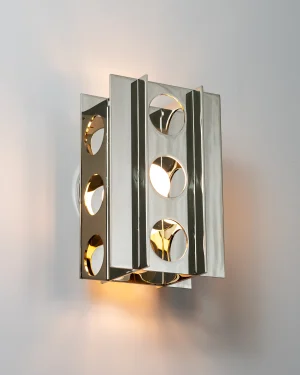
Tenfold 3T Mirror Wall Sconce in Steel and Aluminum
By Luft Tanaka Studio
€1.540 -
 In stock
Onda Cosmic Wall Sconce in Glazed Ceramic
By arrived aliens
€2.200 -
 In stock
Nova Wall Sconce in Blown Glass and Steel
By Ceren Gürkan
€630 -
 In stock
Nova Blue Wall Sconce in Blown Glass and Steel
By Ceren Gürkan
€700 -
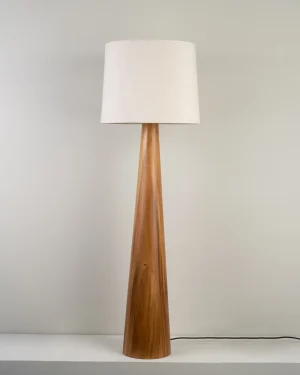
Malva Floor Lamp in Parota Wood
By Isabel Moncada
€3.802 -
 In stock
Coral Wall Sconce in Clay
By Dzovag Kotchian
€900 -
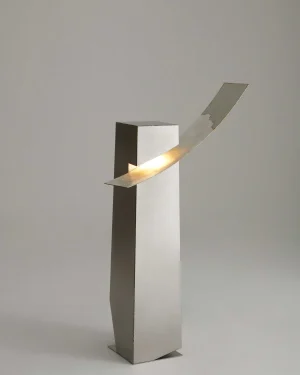
Shining No.2302 Floor Lamp in Stainless Steel
By Park Eunchong Studio
€3.200 -
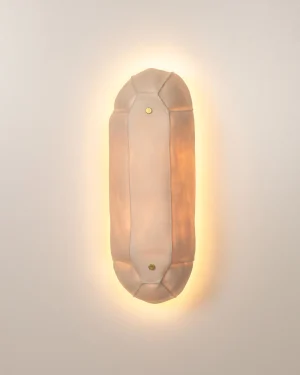
Kawa Series 01 Wall Sconce in Porcelain and Brass
By Luft Tanaka Studio
€1.600 -
 In stock
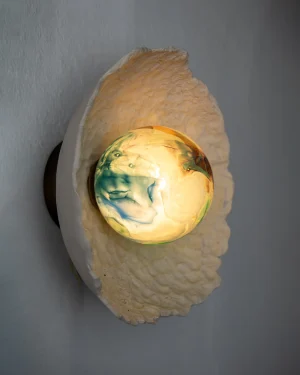
Asea No. 17 Wall Sconce in Stoneware and Blown Glass
By Ceren Gürkan
€900 -
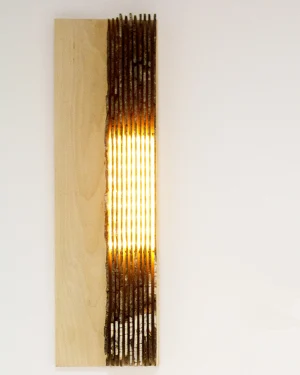 In stock
Barklamp Wall Lamp in Birch Wood
By Olle Sahlqvist
€1.800 -
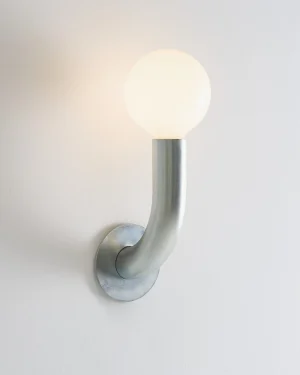 In stock
Curva Wall Sconce in Zinc
By Cultivado em Casa
€512 This product has multiple variants. The options may be chosen on the product page -
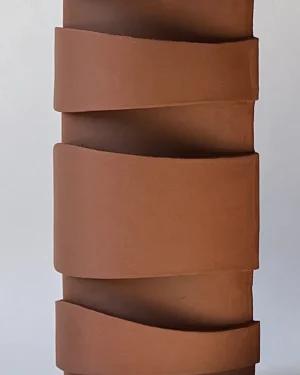
Layered Landscape – Ceramic Wall Lights
By Katia Langeard
€348 -
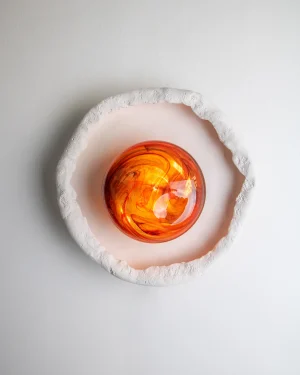 In stock
Asea No. 35 Wall Sconce in Porcelain and Blown Glass
By Ceren Gürkan
€1.200 -
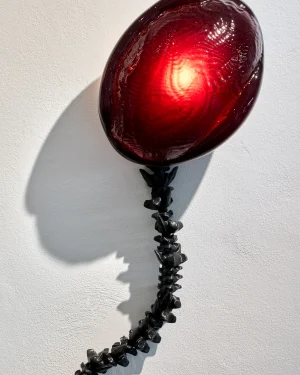 In stock
Dysplasio Wall Sconce in Blown Glass
By Anna Jožová
€2.000 - €3.300 This product has multiple variants. The options may be chosen on the product page -
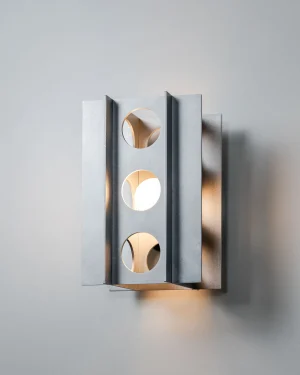
Tenfold 3T Satin Wall Sconce in Steel and Aluminum
By Luft Tanaka Studio
€865 -

The Mesia Table Lamp in Ceramics and Glass
By Luis Gimeno Design
€1.400 This product has multiple variants. The options may be chosen on the product page -
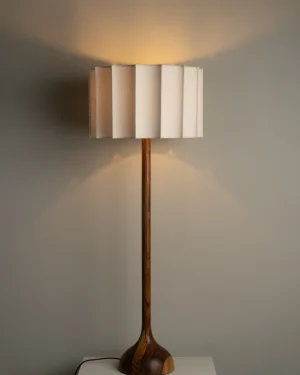
Pata De Elefante Large Floor Lamp in Parota Wood
By Isabel Moncada
€4.095 -

Onda Sconce in Raku White Ceramic
By arrived aliens
€2.200 -
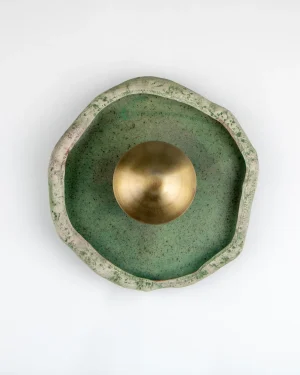 In stock
Asea No. 18 Green Wall Sconce in Porcelain and Brass
By Ceren Gürkan
€600 -
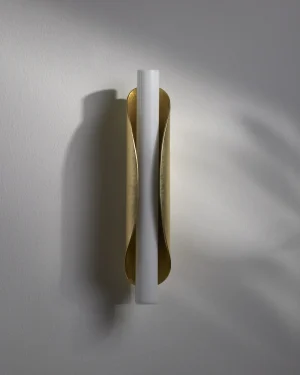
Taco De Luz 30cm Wall Sconce in Satin Brass
By Studio Aristotelis Barakos
€870 -
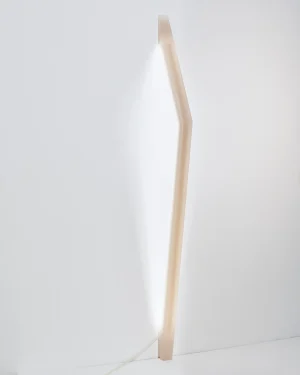 In stock
Vanishing Point Wall Lamp in Epoxy Resin
By Ragna Ragnarsdottir
€4.000 - €4.400 This product has multiple variants. The options may be chosen on the product page -

Apertur Wall Light Sculpture
By Studio Lampent
€3.500 -
 In stock
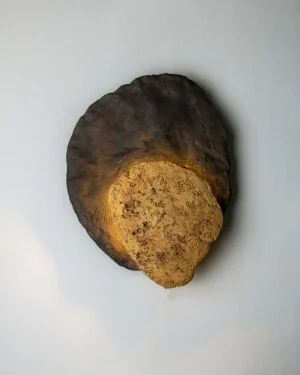
Sigil Crest Wall Sconce in Stainless Steel and Selenite
By Nitush and Aroosh
€1.800 -
 In stock
Asea No. 21 Wall Sconce in Stoneware
By Ceren Gürkan
€800 -
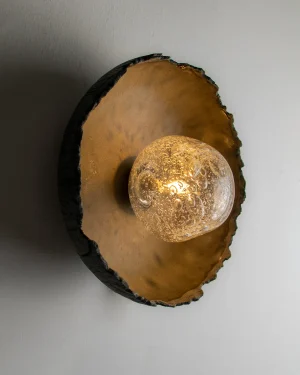
Asea No. 12 Moss Wall Sconce in Stoneware and Blown Glass
By Ceren Gürkan
€800 -
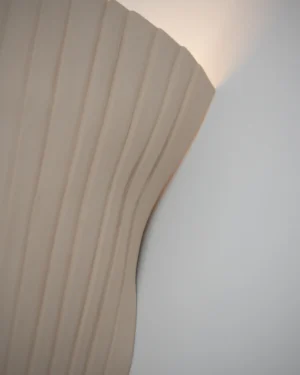 In stock
Tenderness Sconce | Large
By Studio Ēeme
€1.300 This product has multiple variants. The options may be chosen on the product page -
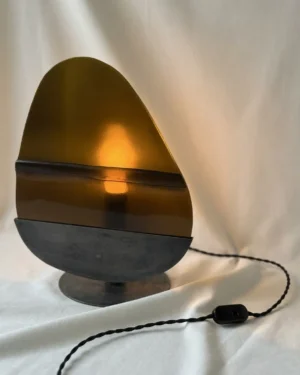 In stock
Veilleur Lp1 Table Lamp In Steel And Glass
By Louise Hurth
€1.600 -
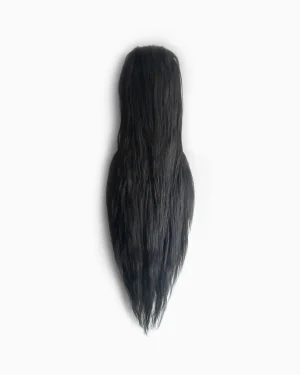 In stock
Scalp Wall Sconce in Fur and Lamb Leather
By Studio S II
€1.335 -
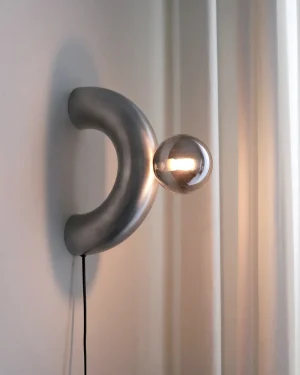
Arcora Toplight Wall Sconce in Aluminum
By HEAKO
€1.650 -
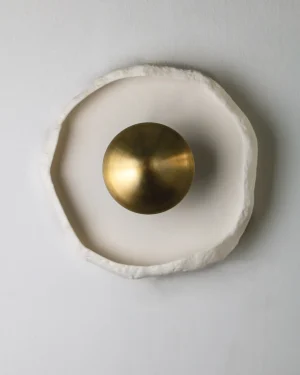 In stock
Asea No. 18 White Wall Sconce in Porcelain and Brass
By Ceren Gürkan
€600 -
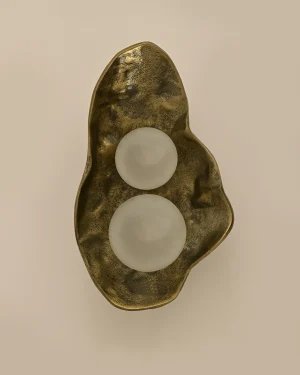
Celestial Tears Wall Sconce in Aluminum
By LMNOH
€710 -
 In stock
Asea No. 27 Blue Wall Sconce in Stoneware and Blown Glass
By Ceren Gürkan
€1.000 -
 In stock
Asea No. 26 Pink Wall Sconce in Stoneware and Blown Glass
By Ceren Gürkan
€900 -
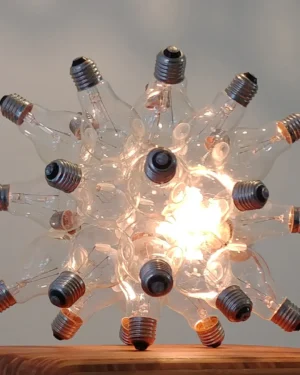 In stock
“Spare” Table Lamp in Ultraclear Glass and Metal
By JAN PAUL
€220 -
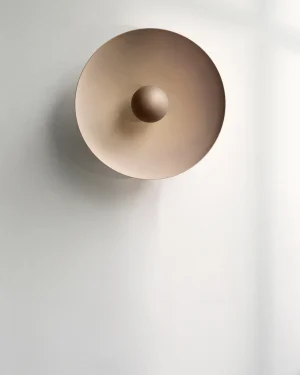 In stock
White Moon Wall Lamp in Aluminum
By Anne Nowak
€1.675 -
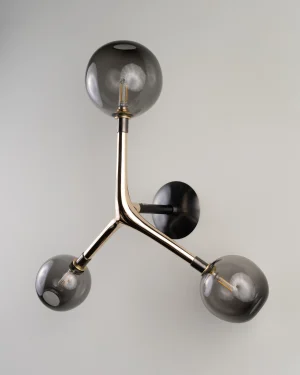
Ocellus Wall Sconce in Bronze and Blown Glass
By Isabel Moncada
€3.510 - €4.036 This product has multiple variants. The options may be chosen on the product page -
 In stock
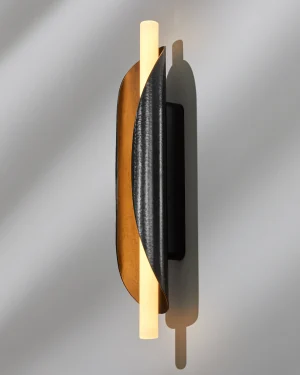
Taco De Luz 50cm Wall Sconce in Black Patinated Brass
By Studio Aristotelis Barakos
€1.300 -
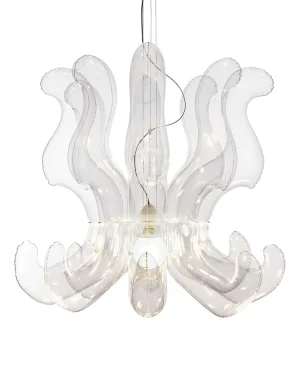
Lullaby No.1 Chandelier in PVC and Acrylic
By PUFF-BUFF
€640
Hallway lighting answers a narrow brief: a passage seen in glances rather than settled into, lit by pieces that read as objects in their own right. The studios working in this space favor materials that hold up to daily passing traffic and repeated switching — cast and folded brass, blown glass, glazed stoneware, turned aluminum — and they build for a wall or ceiling plane rather than a tabletop. Hand-building, metalwork and glassblowing all show up here, because a corridor fixture has nowhere to hide and a visible seam or joint becomes part of the piece.
What defines hallway lighting
A hallway is narrow, often windowless, and crossed rather than occupied, so the lighting made for it tends toward wall sconces, flush or semi-flush ceiling mounts and slim pendants that sit close to the structure. Brass and aluminum fixtures carry a cool, reflective quality that bounces available light along a corridor; stoneware and ceramic shades soften it to a warm glow through unglazed or lightly glazed walls. Glass, whether blown clear or cast with texture, scatters light in ways that make a short passage feel less like a tunnel.
The materials and techniques found here
The range runs from hand-thrown stoneware and ceramic shades, glazed in off-white, cream or black, to hand-blown glass in transparent or clear finishes that let a bulb's filament do the work. Metalwork in brass, aluminum and stainless steel produces sconces and flush mounts with a harder edge, often left in a silver or brushed finish that ages slowly. Styles span minimalist and contemporary forms with clean, unbroken surfaces through to wabi-sabi and rustic pieces that keep a thrown or hand-carved irregularity, alongside neo-industrial fixtures built from exposed metal fittings. Some pieces come from open editions made to order, others from limited editions produced in small, numbered runs; either way, the making shows.
How to choose a piece for a hallway
Scale matters more in a corridor than almost anywhere else: a fixture that reads as modest in a living room can dominate a narrow hallway, so measure the width of the passage and the ceiling height before choosing a shade diameter or pendant drop. Wall sconces generally sit at eye level or slightly above, spaced evenly if more than one is used, while flush mounts suit low ceilings where a hanging pendant would catch a passing shoulder. Finish should answer the rest of the hardware in the space — brass against brass door furniture, stainless steel beside chrome fittings — and a warmer glaze or shade color helps soften a corridor that otherwise sees daylight.
- Measure corridor width and ceiling height before settling on shade size or drop length
- Match metal finish to existing door and stair hardware where possible
- Choose warmer glazes or shades for windowless passages, cooler glass or metal for daylit ones
Where these pieces work
Beyond the corridor itself, the same wall-mounted and flush-ceiling forms suit entryways, landings and stairwells, anywhere a fixture needs to sit flush to a surface rather than hang free. Pieces built in metal lighting forms often move easily into these adjoining spaces, since brass and aluminum read consistently from room to room. For a broader look at how the same materials behave in a seated space, contemporary lighting covers pendants and floor lamps built for longer dwell time.
Caring for hallway fixtures
Brass and uncoated metal will darken and spot with handling and humidity; a soft cloth and occasional wax keep the surface even, or the patina can simply be left to develop. Glazed stoneware and ceramic wipe clean with a damp cloth, while blown glass shades should be dusted rather than washed with anything abrasive, since grit can dull the surface over time. Dimming where possible extends bulb life and keeps a passing light from feeling clinical.
For the full spread of fixtures sized and finished for entry spaces, see every hallway piece on ADORNO, including wall-mounted options gathered under hallway wall lamps, or step back to the wider lighting range to compare materials across every room.
How do I choose lighting for a hallway?
Pick a fixture that gives a warm, even glow rather than a single harsh beam, since hallways are seen in passing. Wall lamps or pendants set at eye level work better than a single overhead source.
What materials are hallway lights usually made from?
Common choices include cast or folded brass, blown glass, glazed stoneware and ceramic, and finished aluminum or stainless steel. Each brings a different weight and light quality, from the warm glow of glass to the matte solidity of stoneware.
How do I care for brass, glass or ceramic light fixtures?
Wipe brass with a soft dry cloth to slow natural tarnishing, or polish it to keep the shine. Glass and glazed ceramic need only a damp cloth, away from abrasive cleaners that can dull the surface.
What size or height should a hallway light be?
Wall sconces usually sit around eye level, roughly five to six feet from the floor, while pendants should clear head height with room to spare. The maker can confirm exact dimensions with Chat with the maker on the piece's page.
Can hallway lighting work in other rooms too?
Yes, pieces sized and styled for hallways often suit entryways, landings and narrow corridors equally well, anywhere a modest, well-placed light source is needed rather than a dominant one.
What are ADORNO's shipping, returns and authenticity policies?
Shipping is insured and worldwide. Returns are accepted within 14 days, excluding made-to-order pieces, and every purchase includes a certificate of authenticity along with a lowest-price guarantee.