


















-
 In stock
Object 02 Sconce in Nylon and Sand
By Hot Wire Extensions
€1.460 This product has multiple variants. The options may be chosen on the product page -
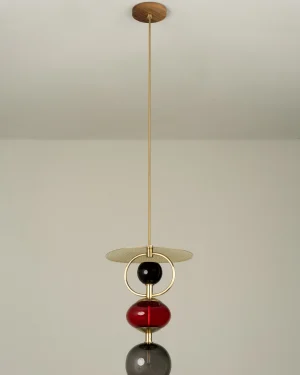
Vitrea Pendant Lamp in Glass and Brass
By Isabel Moncada
€3.802 This product has multiple variants. The options may be chosen on the product page -
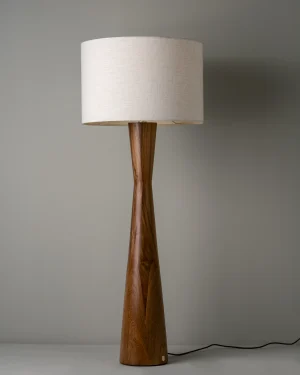
Sabina Floor Lamp in Parota Wood
By Isabel Moncada
€3.802 -
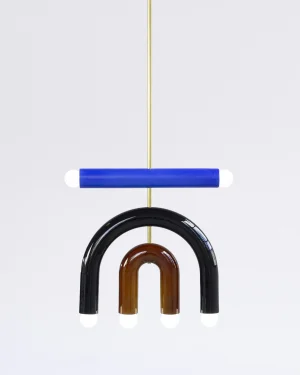
Trn / Model D1 Pendant Lamp in Ceramic
By Pani Jurek STUDIO
€1.080 This product has multiple variants. The options may be chosen on the product page -

Trn / Model A1 Pendant Lamp in Ceramic
By Pani Jurek STUDIO
€470 This product has multiple variants. The options may be chosen on the product page -
 In stock
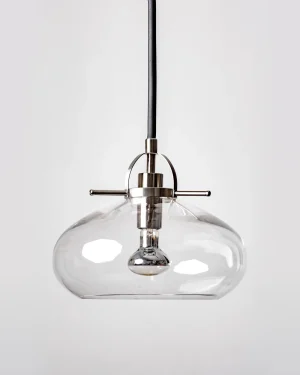
Art Deco Pendant Lamp in Glass and Stainless Steel
By Szostak Atelier
€1.000 This product has multiple variants. The options may be chosen on the product page -

Strikha Table Lamp in Clay
By FAINA
€1.820 -

Arc Table Lamp in Stainless Steel
By Paul Coenen
€479 -
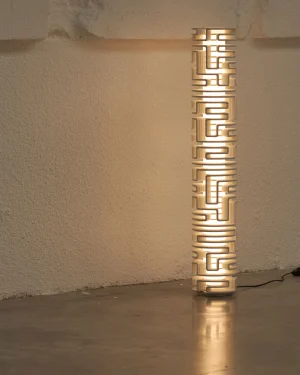
Maze Floorstander Floor Lamp in Recycled Plastic
By Stijn van Aardenne
€1.447 -
 In stock
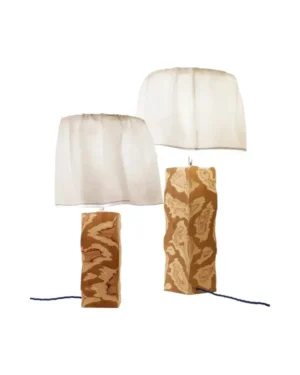
Thalie Vi Table Lamp Sheer Fabric
By Atelier Alz
€200 - €300 This product has multiple variants. The options may be chosen on the product page -
 In stock
O.f.i.s Series Table Lamp in Pipe, Rod And Brick
By Lucas Muñoz Muñoz
€280 -

Trn / Model D2 Pendant Lamp in Ceramic
By Pani Jurek STUDIO
€1.080 This product has multiple variants. The options may be chosen on the product page -
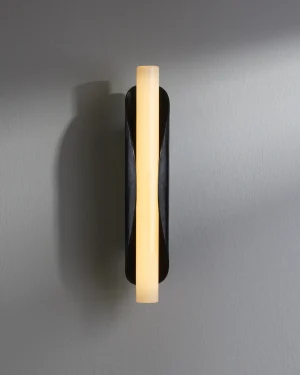
Taco De Luz Wall Sconce in Black Patinated Brass
By Studio Aristotelis Barakos
€980 -
 In stock
Astēri Table Lamp in Clay
By Andrei Clontea STUDIO
€1.200 -
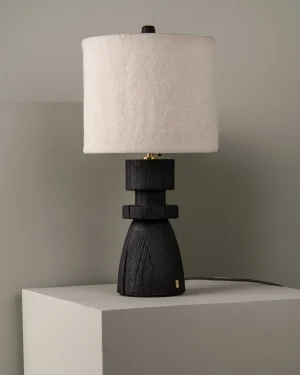
Mezquite Table Lamp in Burned Pinewood and Natural Linen
By Isabel Moncada
€2.925 -
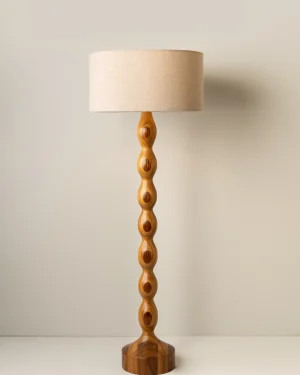
Tamarindo Floor Lamp in Parota Wood and Natural Fibers
By Isabel Moncada
€3.802 -
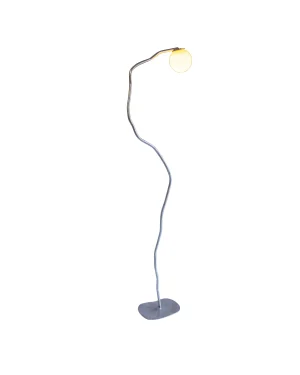
Free Form Floor Lamp in Aluminum
By Six Dots Design
€1.400 -
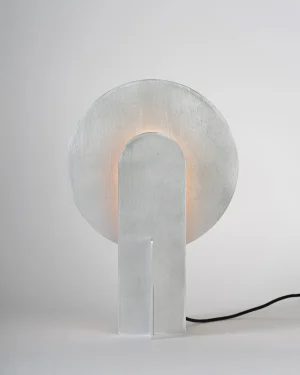
Aurora Table Lamp in Aluminum
By Hasik Design Studio
€700 -
 In stock
Y30 Ceiling Lamp in Blown Glass and Brass
By Clara Viladecans
€786 This product has multiple variants. The options may be chosen on the product page -
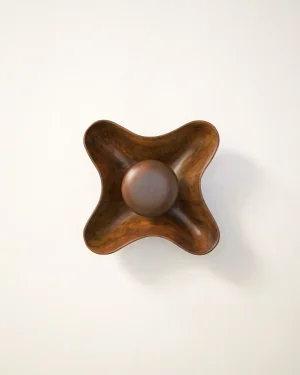
Compass Sconce in Teak Wood
By Studio Indigene
€550 -
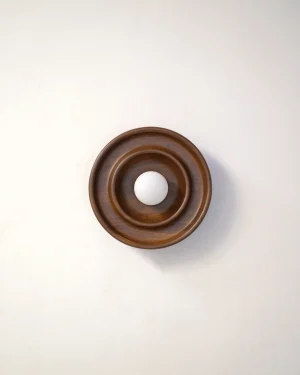
Discus Sconce in Teak Wood
By Studio Indigene
€450 -
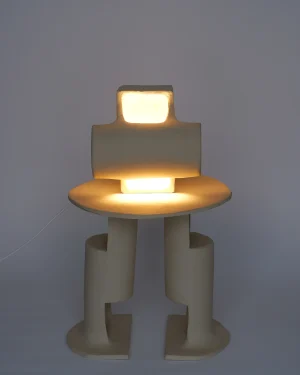
Accre Table Lamp in Ceramic
By Ia Kutateladze
€580 This product has multiple variants. The options may be chosen on the product page -
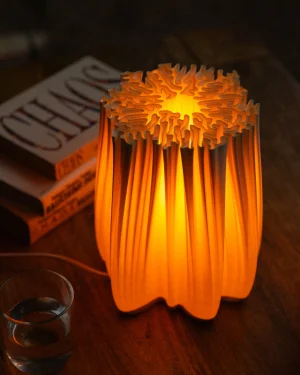 In stock
S X 1 Table Lamp In Ivory White Bio Polymer
By diploria studio
€235 -
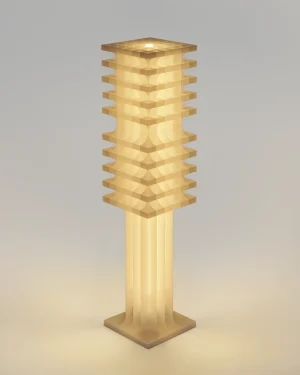
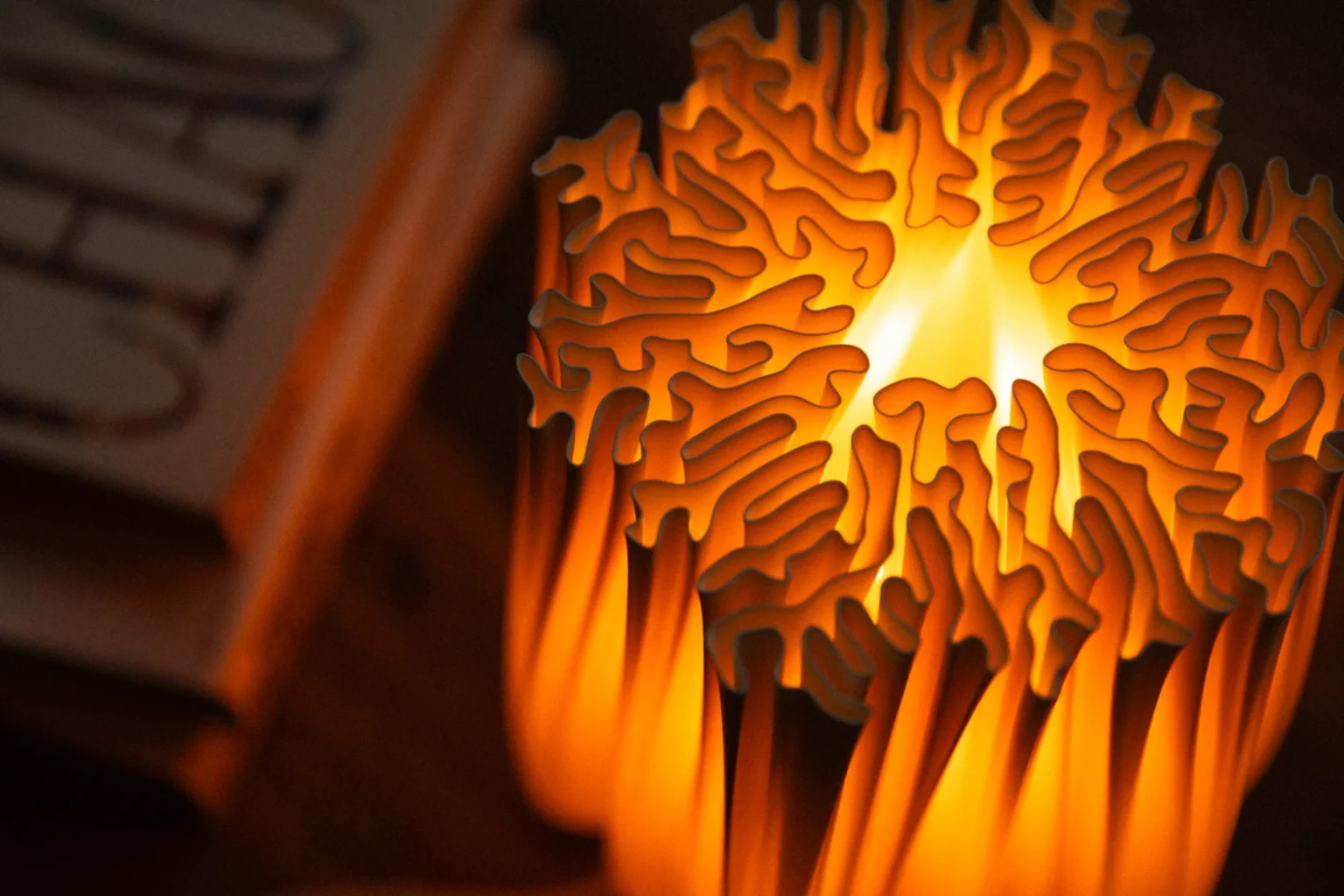
Citadel Floor Lamp in 3D Printed PLA
By Ultramar Studio
€1.260 -
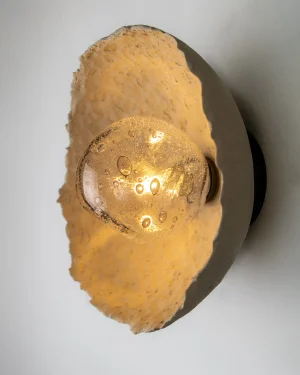 In stock
Asea No. 23 Wall Sconce in Stoneware and Blown Glass
By Ceren Gürkan
€800 -

Paten Wall Sconce in Teak Wood
By Studio Indigene
€450 -

Rotonda Table Lamp in Resin
By Adrian Cruz
€2.420 -

Trn / Model B2 Pendant Lamp in Ceramic
By Pani Jurek STUDIO
€625 This product has multiple variants. The options may be chosen on the product page -

Trn / Model B3 Pendant Lamp in Ceramic
By Pani Jurek STUDIO
€625 This product has multiple variants. The options may be chosen on the product page -
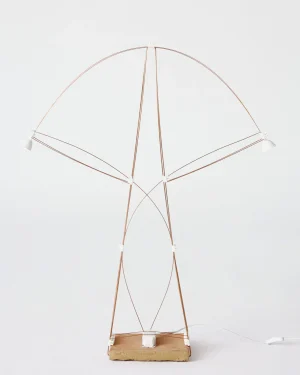 In stock
B.a.r.e Series Table Lamp in Brick, Copper and Plastics
By Lucas Muñoz Muñoz
€300 -
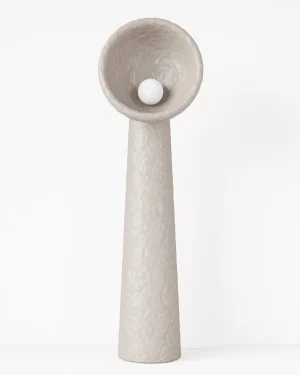 In stock
Soniah Floor Lamp in ZTISTA
By FAINA
€7.000 This product has multiple variants. The options may be chosen on the product page -
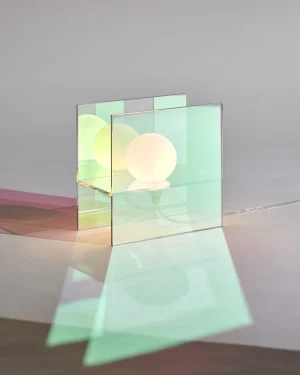 In stock
Euphoria Table Lamp in Coloured Glass
By Studio Monsoleil
€800 -
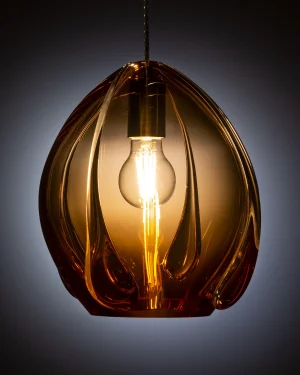
Glass Drops Fire Opal Pendant Lamp in Blown Glass
By Georgiev Kiril
€1.050 -
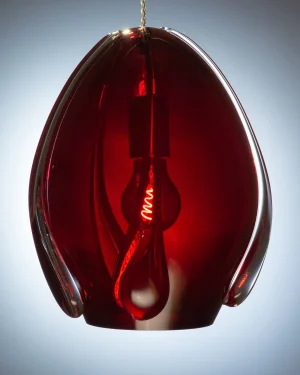
Glass Drop Pendant Lamp in Blown Glass
By Georgiev Kiril
€1.050 -
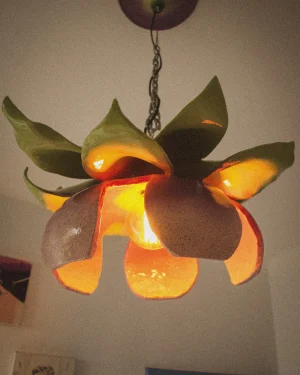
Amaryllis Ceiling Lamp in Glazed Ceramic
By UAU Studio
€1.300 -

Nuit Table Lamp in Teak Wood
By Studio Indigene
€400 -
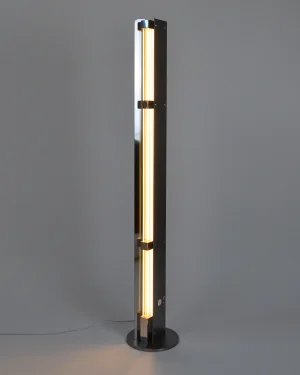 In stock
Ne1200/145 Floor Lamp in Acrylic and Stainless Steel
By MLK Furniture
€1.490 -
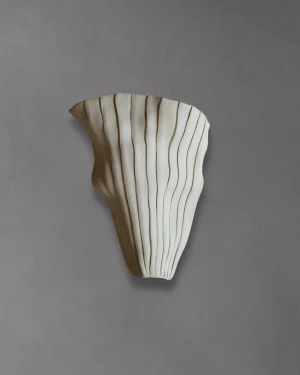 In stock
Tenderness Wall Sconce in Stoneware
By Studio Ēeme
€750 - €800 This product has multiple variants. The options may be chosen on the product page -
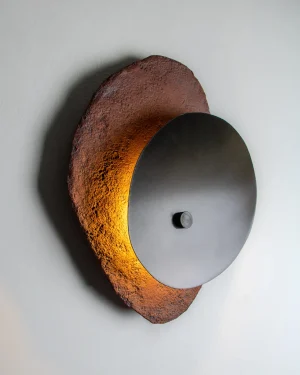
Asea No.1 Cherry Wall Sconce in Stoneware and Metal
By Ceren Gürkan
€1.000 -
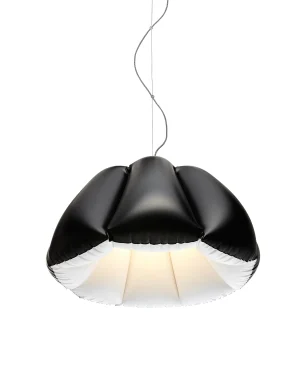 In stock
Orca Pendant Lamp in Galvanised Steel and PVC
By PUFF-BUFF
€430 -

Chloé Table Lamp in Reflective Fabric
By Atelier Alz
€300 -
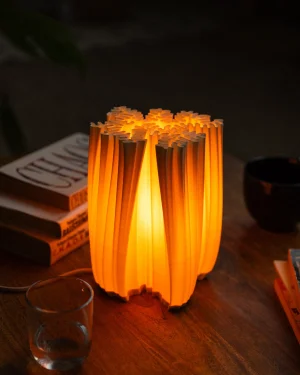 In stock
S 2 Table Lamp in Bio Plastic
By diploria studio
€215 -
 In stock
L’Été Ceramic Wall Light
By Katia Langeard
€350 This product has multiple variants. The options may be chosen on the product page -
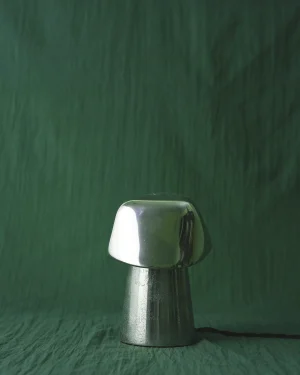
Iris Table Lamp in Aluminum
By MANUHITA
€295 This product has multiple variants. The options may be chosen on the product page -
 In stock
S 1 Table Lamp In Bio Polymer
By diploria studio
€215 -

Kalia Table Lamp in Glass and Resin
By Justyna Poplawska
€536 -
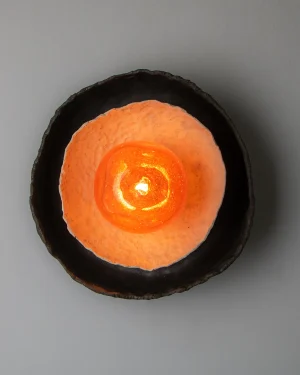
Asea No. 26 Red Wall Sconce in Blown Glass and Stoneware
By Ceren Gürkan
€1.100 -
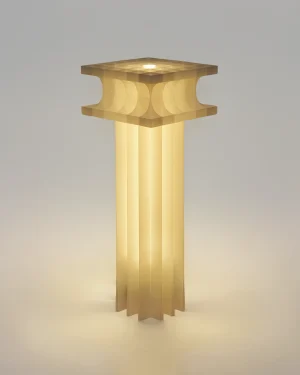
Citadel Table Lamp in 3D printed PLA
By Ultramar Studio
€990 -
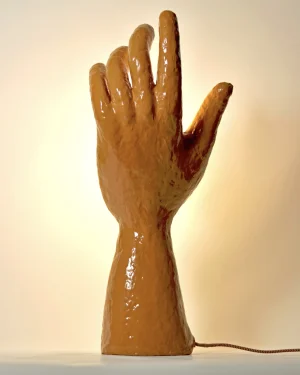
Luminária Luz Sobre Mão Table Lamp in Paper Pulp
By Sandro Vieira studio
€410 -
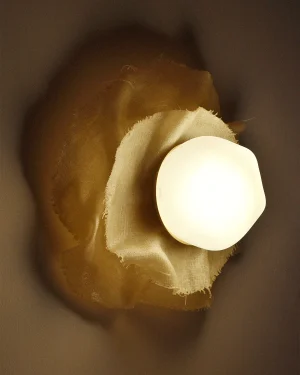
Liora II Wall Sconce in Glass, Brass and Fabric
By Atelier Alz
€350 -
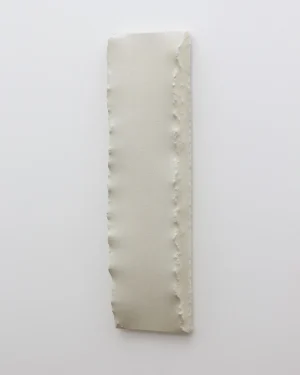 In stock
Edges 20-75 T8-60 Wall Sconce in Paper Pulp
By David Čáp
€400 -
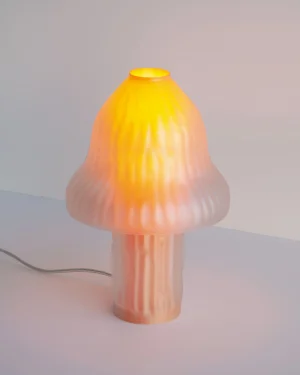
Lampamodelé Table Lamp in 3D Printed PLA
By BehaghelFoiny Studio
€99 -
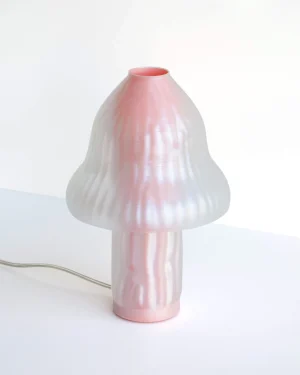
Lampamodelé Pink Table Lamp in 3D Printed PLA
By BehaghelFoiny Studio
€99 -
 In stock
Axile Table Lamp in Bio Plastic
By Errance.
€335
Modern lighting on ADORNO gathers fixtures built from brass, steel, blown glass, clay and stoneware, each one shaped by an independent studio working with a clear material logic and little applied ornament. The pieces favor straight lines, honest joins and surfaces left close to their raw state, so the form itself carries the design rather than a coat of decoration. What ties them together is restraint: a single clean silhouette, a finish that shows the hand or the tool that made it, and proportions pared down to what the light actually needs.
What defines this style of fixture
A piece in this vein tends to read as one gesture rather than several. A sconce might be a folded sheet of steel, a pendant a single blown glass form, a table lamp a turned wood base with no extra trim. The restraint is structural, not decorative: joints are visible, welds are left flat, and the material is allowed to set the tone of the room on its own.
Color stays close to the material itself, so you see brass as brass, stoneware as stoneware, with glaze or patina used sparingly to deepen rather than disguise the surface. Where color does appear, it tends to sit in cobalt blue glazes, warm browns, or the soft grain of natural wood, never as a loud accent layered on top.
Materials and techniques behind these fixtures
Most pieces in this group come from a short list of working methods. Metalworkers cut, fold and weld brass and steel into shades and arms that carry their weight visibly. Ceramicists hand-build or throw clay bodies, then glaze them in matte or satin finishes that soften the light passing through. Glassblowers shape molten glass into shades that scatter or direct light depending on wall thickness, while woodturners and cabinetmakers shape bases on a lathe or join them by hand.
- Metalwork: brass and steel, often left raw, brushed or lightly patinated
- Hand-building and glazing: stoneware and clay shades in matte or glossy finish
- Glassblowing: single or layered blown glass shades, clear or tinted
- Woodturning and cabinetmaking: solid wood bases and arms, oiled or waxed
Editions vary by studio. Some fixtures come from open runs that a studio keeps making to order, others are limited editions produced in a fixed number, and a few are unique pieces, each one slightly different because it was shaped or glazed by hand. None of this is fixed to a particular finish, so it is worth checking the edition listed with each piece rather than assuming from material alone.
Choosing a fixture for scale, height, and finish
Start with the job the light needs to do, not the fixture itself. A pendant hung over a dining table usually sits so its lowest point clears sightlines across the table, while a floor lamp beside a seat should put its source roughly at or just above shoulder height when seated. Table lamps read best when the shade sits near eye level standing, so the bulb itself stays out of view.
Finish matters as much as shape. A brushed steel or raw brass fixture will pick up fingerprints and darken slightly with handling, which many owners prefer over a lacquered surface that stays static. A glazed ceramic shade holds its color indefinitely but will chip if knocked against a hard edge, so placement near heavy traffic is worth avoiding.
Where this lighting fits in a room
These fixtures suit rooms where the architecture is already quiet, letting the lamp or pendant stand as the one deliberate object in the space. A pared-back pendant works well over a kitchen island or dining table, where its form is seen from several angles. In a living room, a floor or table lamp in steel or blown glass can anchor a seating group without competing with upholstery or artwork.
Caring for metal, glass, and ceramic fixtures
Brass and steel fixtures need only a dry cloth for dust and an occasional wipe with a metal-safe cleaner if fingerprints build up; raw brass will darken over years, which most owners treat as part of its character rather than a flaw to reverse. Blown glass shades should be dusted gently and never soaked, since a sudden temperature change can crack the glass. Glazed stoneware and ceramic shades wipe clean with a damp cloth, but avoid abrasive pads that can dull the glaze.
For a broader view of what is available, the full range of lighting spans far more finishes and forms than the pared-down end covered here. Those drawn to this restrained language elsewhere in the home can look at pieces across furniture, seating and objects built on the same principles, or narrow further within lighting itself through metal fixtures, ceramic shades and bases, or table and floor lamps built along the same lines.
How do I choose modern lighting for my space?
Start with how a room is used, then layer sources at different heights rather than relying on one overhead fixture. Metal, glass and ceramic forms in clean lines read as modern without needing ornament.
What materials are modern lighting pieces usually made from?
Brass, steel and other metals dominate for their clean geometry, alongside blown glass, glazed ceramic and stoneware. Each material carries light differently, from the hard edge of metal to the soft glow of glass.
How do I care for metal, glass or ceramic lighting?
Wipe metal with a dry or slightly damp cloth to avoid water spots, and dust glass and ceramic shades gently to prevent scratching glaze or polished surfaces. Keep fixtures away from direct moisture and harsh cleaners.
What size or height should a modern light fixture be?
Pendants generally hang so the bottom sits close to eye level over a table, while floor and table lamps should match the scale of nearby furniture. A maker can confirm exact dimensions through Chat with the maker on the piece's page.
Which rooms suit modern lighting best?
Clean-lined metal and glass pieces work well in living rooms, entryways and kitchens where a sculptural form can stand on its own. Bedrooms and reading corners benefit from softer, warmer sources at lower heights.
How does buying lighting through ADORNO work, and can I return it?
Shipping is insured and worldwide, with a 14-day return policy on all but made-to-order pieces. Every order includes a certificate of authenticity, and ADORNO offers a lowest-price guarantee.