







-
 In stock
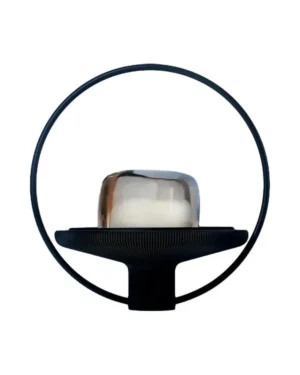
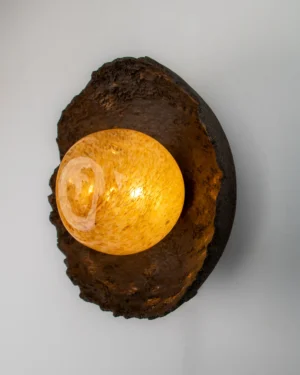
Asea No. 23 Dark Honey Wall Sconce in Stoneware and Glass
By Ceren Gürkan
€800 -

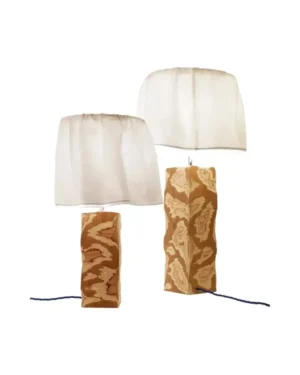
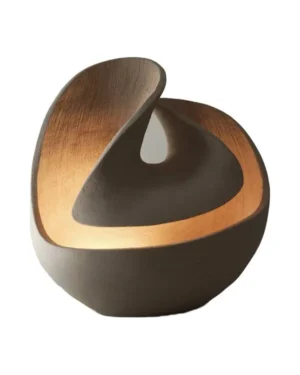
Coral Lamp – Clay Table Lamp
By Dzovag Kotchian
€900 -
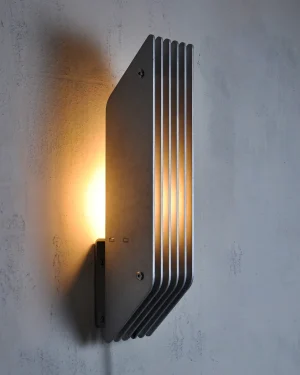
Rln460 Wall Lamp In Matte Aluminium
By MLK Furniture
€390 -

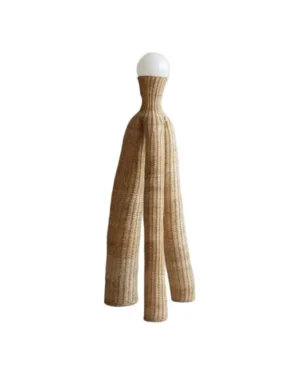
Deas Floor Lamp In Aluminum And Rattan
By Calen Knauf Studio
€1.360 -
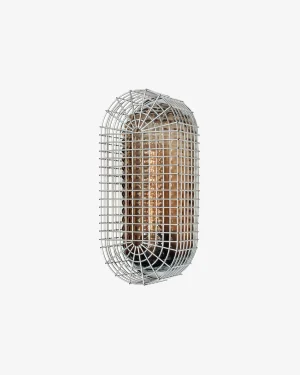
Chastity Wall Sconce In Stainless Steel And Handblown Glass
By Studio S II
€1.980 -

Onda Sconce In Raku White Ceramic
By arrived aliens
€2.200 -
 In stock
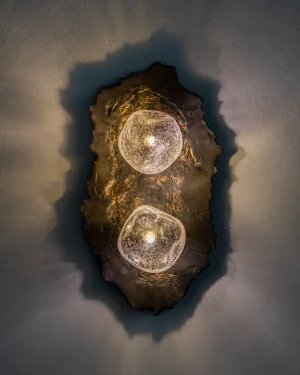
Asea No. 25 Wall Sconce In Blown Glass And Stoneware
By Ceren Gürkan
€1.100 -
 In stock
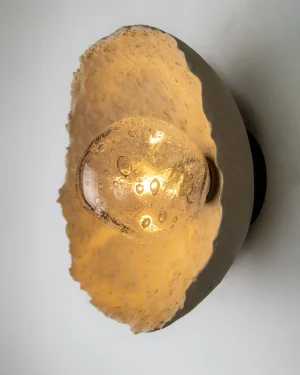
Asea No. 23 Wall Sconce In Stoneware And Blown Glass
By Ceren Gürkan
€800 -
 In stock
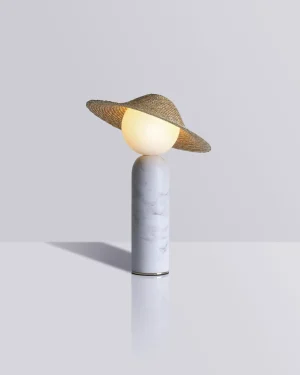
Théros 0.3 Table Lamp In Borosilicate Glass
By Studio Aristotelis Barakos
€1.100 -
 In stock
Coral Wall Lamp – Clay Sconce
By Dzovag Kotchian
€900 -
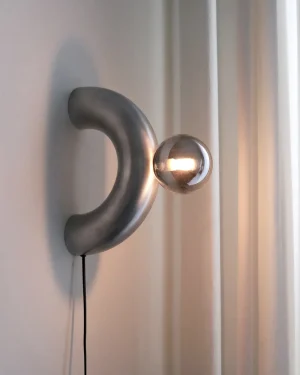
Arcora Toplight Wall Sconce in Aluminum
By HEAKO
€1.650 -
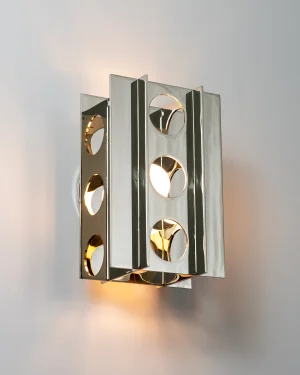
Tenfold 3T Mirror Wall Sconce in Steel and Aluminum
By Luft Tanaka Studio
€1.540 -
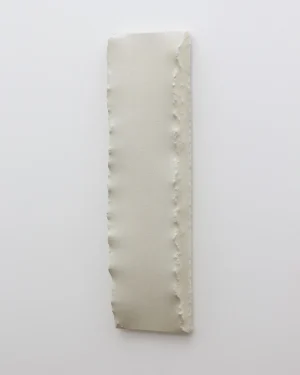 In stock
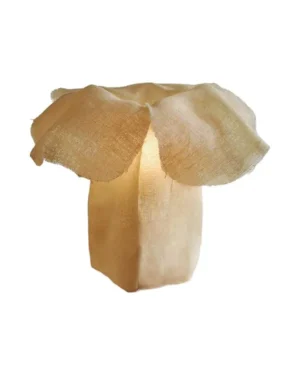
Edges 20-75 T8-60 Wall Sconce In Paper Pulp
By David Čáp
€400 -
 In stock
La Bergère Table Lamp In Glazed Ceramic
By Mina Wright
€686 -

Edges 20-105 T8-90 Wall Sconce In Paper Pulp
By David Čáp
€500 -
 In stock
Asea No.40 Wall Sconce In Stoneware And Blown Glass
By Ceren Gürkan
€1.200 -
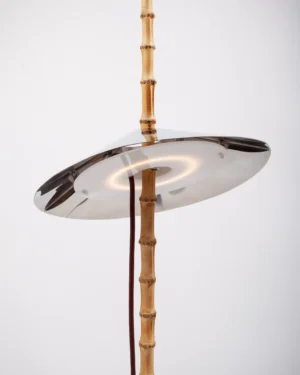
7plates Floor Lamp In Stainless Steel, Bamboo And Aluminum
By Calen Knauf Studio
€1.918 -

El Joyero De Odette Table Lamp In Stoneware
By Mina Wright
€810 -
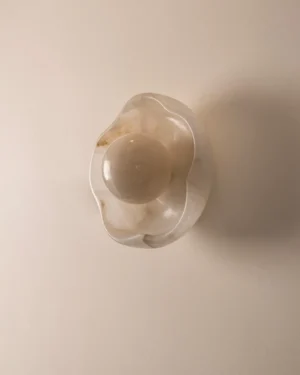
Flower Wall Sconce In Alabaster
By Harshita Jhamtani Designs
€700 -
 In stock
Asea No. 12 Green Wall Sconce In Stoneware And Blown Glass
By Ceren Gürkan
€800 -
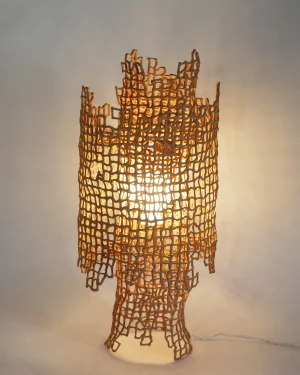 In stock
Coral Lamp – Clay Table Lamp (big)
By Dzovag Kotchian
€2.600 -

Pill1200 Floor Lamp In Stainless Steel
By MLK Furniture
€1.690 -
 In stock
Edges Ellipse 36-96 T8-60 Wall Sconce In Paper Pulp
By David Čáp
€550 -
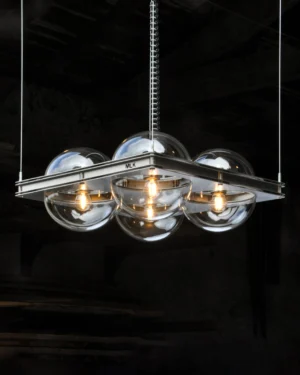
Bbl200x04 Pendant Lamp In Stainless Steel And Acrylic
By MLK Furniture
€2.400 -
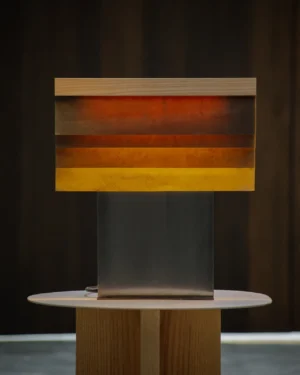
Cenit Table Lamp In Ash Wood And Celium
By Natural Urbano - Sebastián Beltrán
€510 -
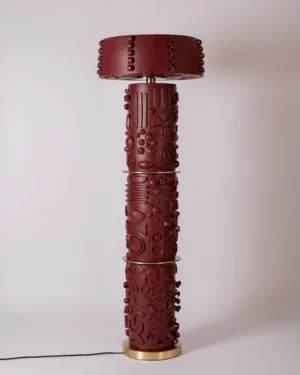
Sculpt Floor Lamp In Hand-built Stoneware
By Harshita Jhamtani Designs
€7.880 -
 In stock
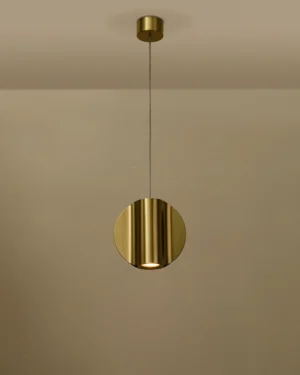
Pétale Pendant Lamp in Brass
By Studio Aristotelis Barakos
€850 -

Bright Side Table Floor Lamp in Glass and Stainless Steel
By Ziroru Studio
€1.485 -

Exélixi Floor Lamp In Bio Plastic
By Julie Mallet Studio
€1.958 -
 In stock
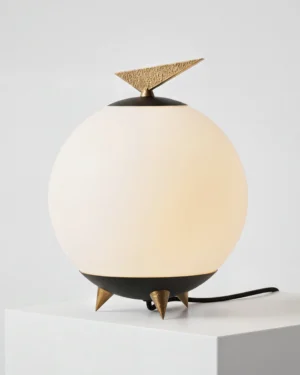
Eoni Table Lamp In Steel, Brass And White Glass
By Balance Lamp
€410 -
 In stock
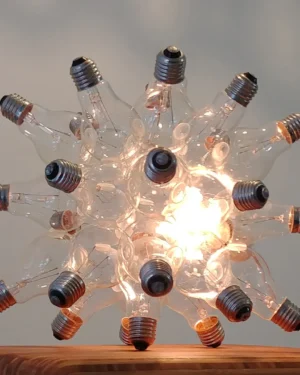
“spare” Table Lamp Constructed From 26 Lightbulbs
By JAN PAUL
€220 -
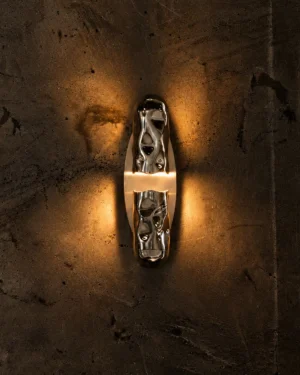 In stock
Vela Wall Sconce In Stainless Steel
By Nitush and Aroosh
€700 -
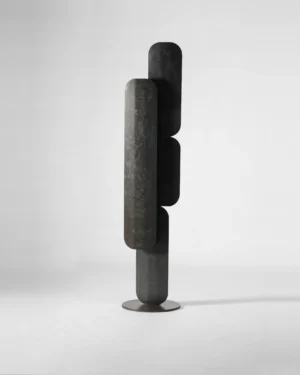
Nucleation Floor Lamp in Steel
By Drusch Design
€2.760 -
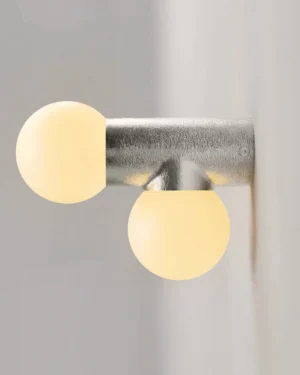 In stock
Pp02 Wall Lamp In Stainless Steel And Frosted Glass
By Balance Lamp
€245 -
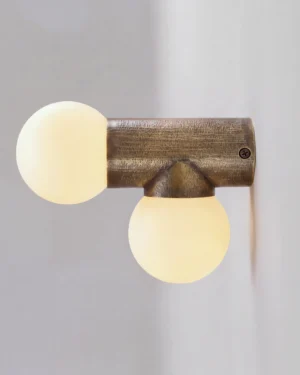 In stock
Pp04 Wall Lamp In Brass And Frosted Glass
By Balance Lamp
€310 -
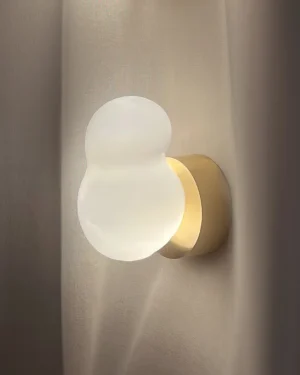
Vv Applique Wall Sconce in Brass and Blown Glass
By Clara Viladecans
€451 -
 In stock
Onda Cosmic Wall Sconce In Glazed Ceramic
By arrived aliens
€2.200 -
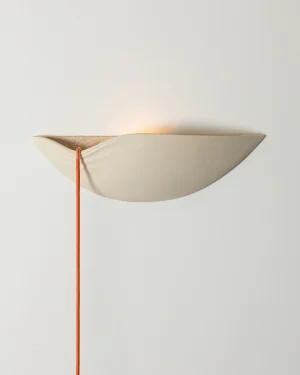
Loma Wall Sconce In Stoneware
By Catalin Filip
€450 -
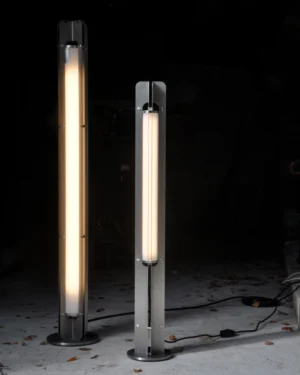
Pill600-70 Floor Lamp In Stainless Steel
By MLK Furniture
€1.490 -

Lomo Floor Lamp In Wool And Ash Wood
By Natural Urbano - Sebastián Beltrán
€565 -
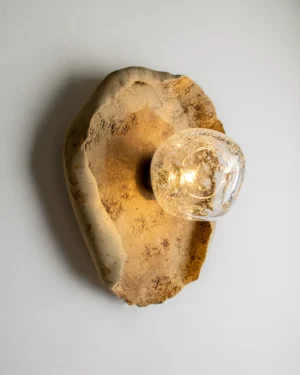 In stock
Asea No. 41 Wall Sconce in Stoneware and Blown Glass
By Ceren Gürkan
€1.000 -
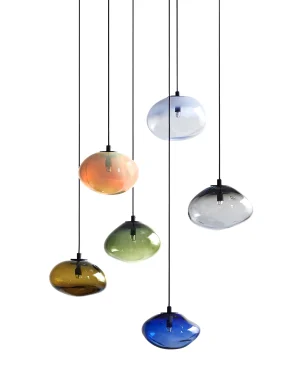
6 Starglow Pendant Lamp In Blown Glass
By ELOA - Unique Lights
€7.750 - €8.040 -
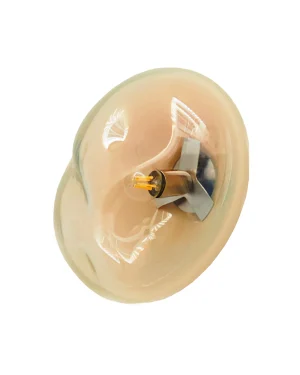
Haumea Amorph Wall Sconce In Amber Blown Glass
By ELOA - Unique Lights
€2.330 - €4.085 -
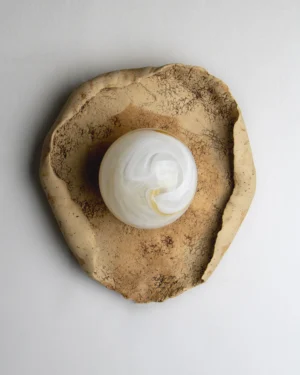 In stock
Asea No. 41 Pearl Wall Sconce in Stoneware and Blown Glass
By Ceren Gürkan
€1.000 -
10% off
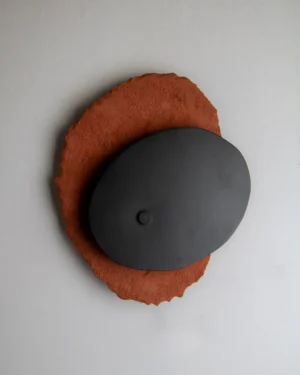
Asea No.1 Cherry Wall Sconce In Stoneware And Metal
By Ceren Gürkan
€1.000€900 -

Sky-set Floor Light
By Dace Sūna
€5.800 -

Fractical Neon Table Lamp In Glass
By Dace Sūna
€1.000 -
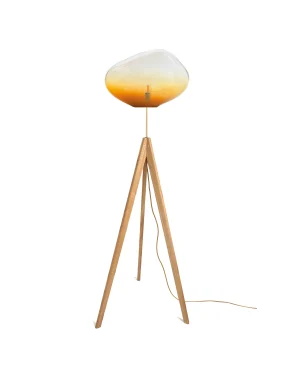
Statix Amber Iridescent Floor Lamp In Blown Glass
By ELOA - Unique Lights
€6.360 - €6.910 -
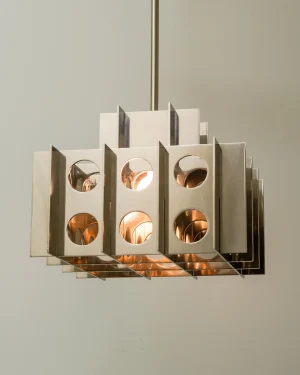
Tenfold 3 T A Pendant Lamp in Stainless Steel and Aluminum
By Luft Tanaka Studio
€2.895 - €8.675 -

Hoja Table Lamp In White Steel
By Natural Urbano - Sebastián Beltrán
€315 -
 In stock
Cave Table Lamp In Glass
By Dace Sūna
€1.500 -
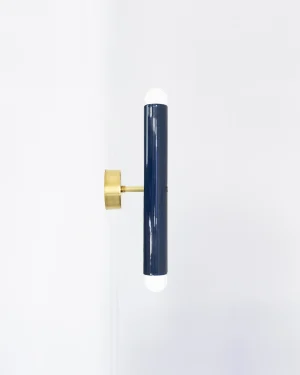 In stock
Trn Wall Sconce in Glazed Ceramic
By Pani Jurek STUDIO
€470 -
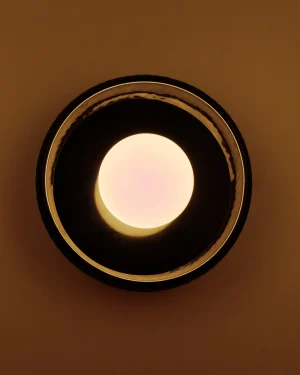
Macrame Wall Sconce in Ceramic
By Saadia Design
€332 -
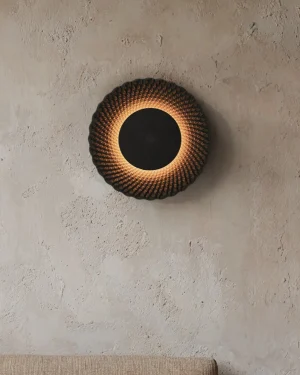 In stock
Sun Vxs 05 — Sculptural Wall Lamp In 3d-printed Sand
By Rollo Studio
€1.080
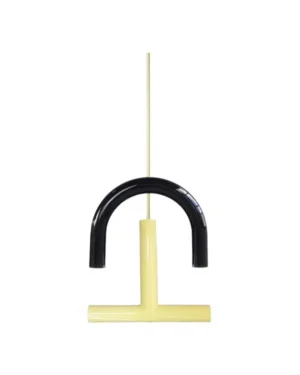
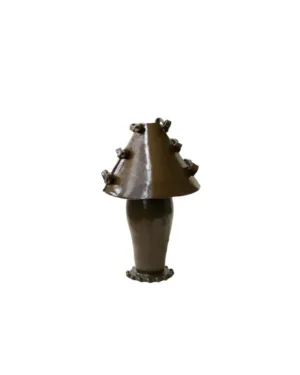
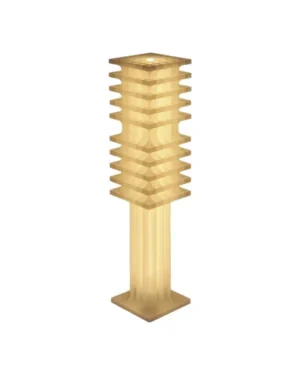
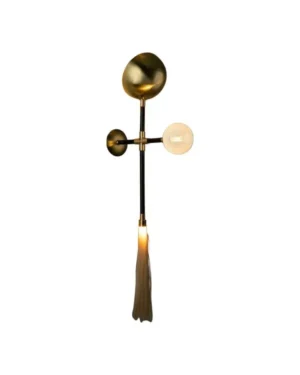
Entryway lighting at ADORNO gathers brass, blown glass and ceramic forms, made by studios working across metalwork, glassblowing and hand-building. Some pieces come from sand-cast molds, others are glazed or patinated by hand, and editions run from open production to limited runs. What they share is scale suited to a threshold: a fixture meant to greet rather than flood a room with light.
What defines entryway lighting
Brass and stainless steel bring weight and a cool or warm reflective surface, depending on finish; left raw, brass darkens over years and develops a patina that most owners welcome rather than polish away. Aluminum offers a lighter, more matte alternative, often powder-coated or left with a brushed surface. Blown glass carries light outward in a soft, diffused way, its clear or gray tone shifting with the bulb inside it. Ceramic and stoneware forms, built by hand and glazed, hold light more quietly, their surfaces absorbing rather than throwing it.
The range of materials, finishes and techniques
Across the category, the recurring materials are brass, aluminum, stainless steel, blown glass, ceramic and stoneware, often in white, black, bronze, silver, clear or gray. Techniques include metalwork and sand casting for metal bodies, glassblowing for shades and globes, and hand-building with glazing for ceramic forms. Styles run from contemporary lighting with clean geometric bodies to wabi-sabi pieces that leave the maker's hand visible in an uneven glaze or an asymmetric form. Editions vary: some fixtures are produced on an open basis, others in limited runs that will not be remade once sold.
How to choose a piece for your entryway
Start with the space itself. A narrow hallway asks for a wall-mounted or flush fixture that will not catch a sleeve or a bag in passing, while a wider foyer with a console or table can carry a table lamp or a sculptural floor piece instead.
- Height and scale: measure the wall or surface before choosing a fixture, since entryway pieces read differently at eye level than they do overhead.
- Finish: brass and stainless steel reflect and show fingerprints, so consider how often the surface will be touched near a door.
- Light quality: blown glass diffuses light broadly, while ceramic shades tend to soften and direct it downward.
- Edition: open editions suit a straightforward replacement; limited runs suit a piece meant to stay as found.
Pairing matters too. A brass fixture beside an oak or stone console reads differently than the same fixture against painted plaster, so consider what else sits nearby, including entryway tables or other surfaces the light will fall across.
Where these pieces work best
Entryway lighting is built for arrival: the first minute in a home, where a visitor's eye has nowhere else to land. Many of these same fixtures move easily into a hallway, a stair landing or a small powder room, anywhere a single, considered source of light does more work than an overhead fitting. For a fuller sense of what furnishes this part of the house, see pieces across entryway furnishings and entryway decor.
Caring for metal, glass and ceramic fixtures
Brass and bronze will oxidize over time; a soft cloth and occasional wax keep the surface even without stripping the patina entirely. Stainless steel and aluminum need little beyond dusting and an occasional wipe to remove fingerprints. Blown glass should be cleaned with a dry or barely damp cloth to avoid water spots, and ceramic shades are best dusted rather than scrubbed, since glazes can be thin at the edges. For other finishes and body types within the wider range, see metal lighting or the full spread of lighting available across the house.
How do I choose lighting for an entryway?
Look for a fixture sized to greet rather than flood the space, something that reads clearly from the door. A wall lamp, table lamp or small pendant usually suits a threshold better than an overhead flood of light.
What material is best for entryway lighting?
Brass and stainless steel bring weight and reflect light depending on finish, while aluminum offers a lighter, matte alternative. Blown glass diffuses light softly, and ceramic or stoneware forms absorb it, holding a quieter glow.
How do I care for brass or ceramic entryway lighting?
Left raw, brass darkens over years into a patina most owners keep rather than polish off; a soft cloth is enough for dust. Ceramic and glazed stoneware need only a dry wipe, away from damp or direct knocks.
What size light fixture suits an entryway?
Entryway fixtures are generally smaller in scale than living room lighting, built to mark a threshold rather than light a whole room. A maker can confirm exact dimensions with Chat with the maker on the piece's page.
Can entryway lighting work in other rooms too?
Yes, many of these forms suit hallways, small landings or narrow consoles as easily as a front door, especially pieces in glass or ceramic with a softer throw of light.
Does ADORNO ship and offer returns on entryway lighting?
Shipping is insured and sent worldwide, with a 14-day return policy, though made-to-order pieces are excluded. Each piece arrives with a certificate of authenticity, and ADORNO offers a lowest-price guarantee.