











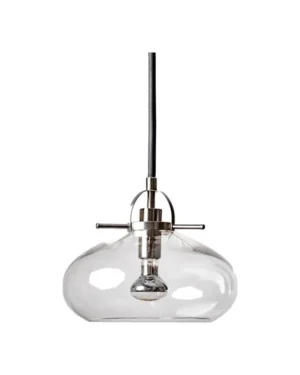
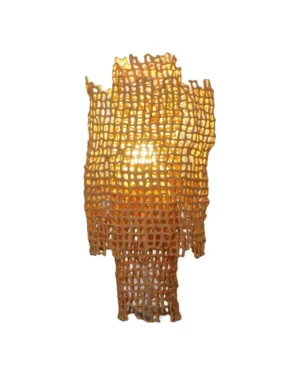
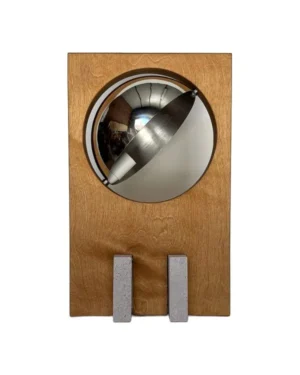
-
 In stock
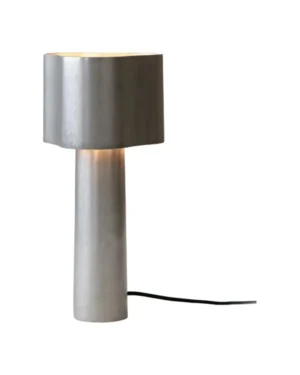
Pe 02 Table Lamp In Polished Aluminum
By BuRRo
€110 -
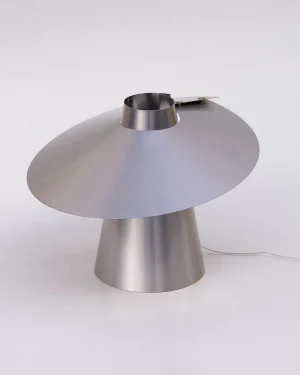 In stock
Pa 02 Table Lamp In Polished Aluminum
By BuRRo
€110 -

Deas Floor Lamp In Aluminum And Rattan
By Calen Knauf Studio
€1.360 -
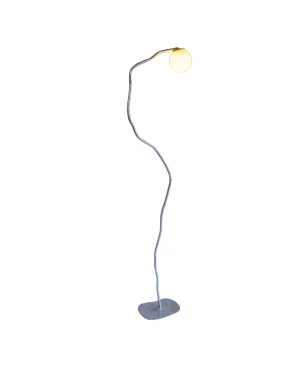
Free Form Floor Lamp in Aluminum
By Six Dots Design
€1.400 -
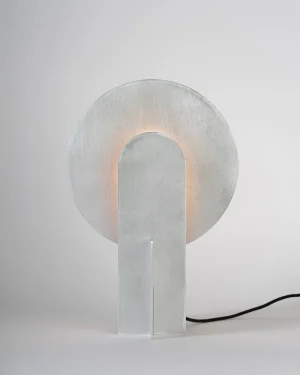
Aurora Table Lamp in Aluminum
By Hasik Design Studio
€700 -
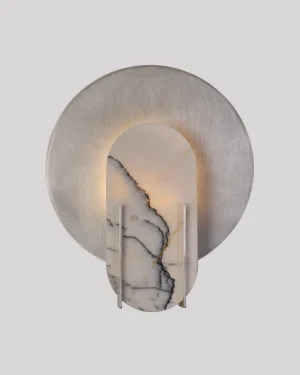
Alice Wall Lamp in Illuminated Marble
By Hasik Design Studio
€1.225 -
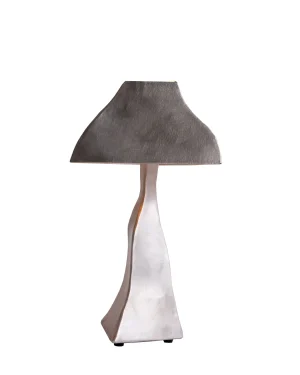
Paper Table Lamp in Aluminum
By Six Dots Design
€920 -
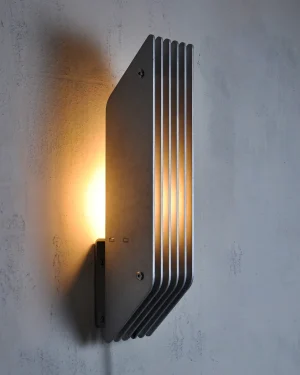 In stock
Rln460 Wall Lamp in Matte Aluminium
By MLK Furniture
€390 -
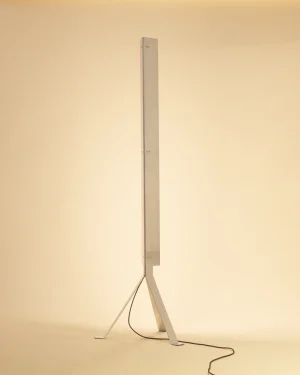
L1 High Floor Lamp in Aluminum
By Luiz Solano
€1.200 -
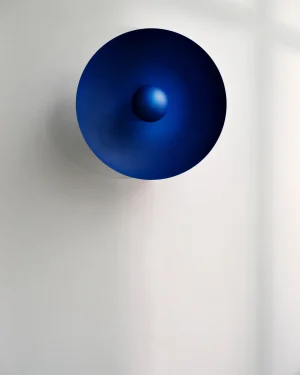 In stock
Blue Moon Wall Lamp in Aluminum
By Anne Nowak
€1.675 -
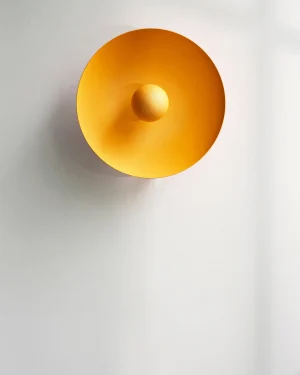 In stock
Sun Wall Lamp in Aluminum
By Anne Nowak
€1.340 -
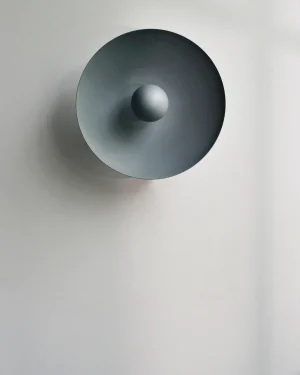 In stock
Grey Moon Wall Lamp in Aluminum
By Anne Nowak
€1.675 -
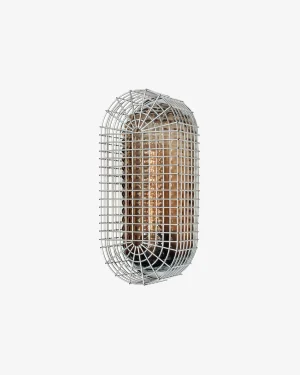
Chastity Wall Sconce in Stainless Steel and Blown Glass
By Studio S II
€1.946 -
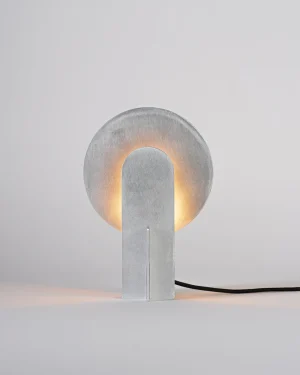
Aurora Medium Eclipse Table Lamp in Brushed Aluminum
By Hasik Design Studio
€675 -
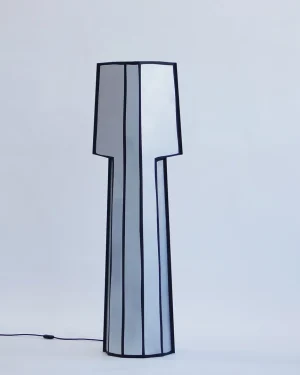
Hex Floor Lamp in Aluminum
By STUDIO GUILTY
€1.256 -
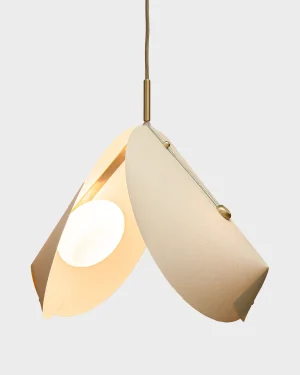 In stock
Concha Model 03 Pendant Lamp in Brass and Blown Glass
By MESEME by Riya Panchal
€434 This product has multiple variants. The options may be chosen on the product page -
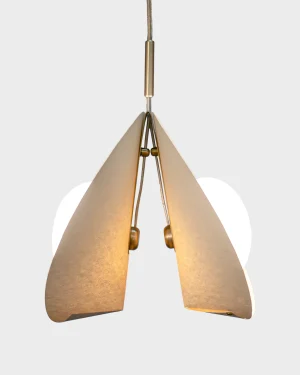 In stock
Concha Model 01 Pendant Lamp in Paper, Metals and Glass
By MESEME by Riya Panchal
€375 This product has multiple variants. The options may be chosen on the product page -
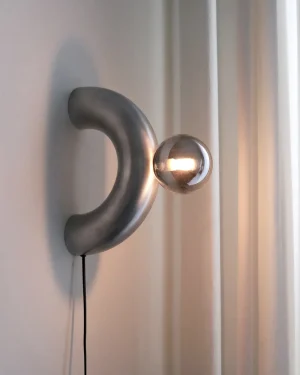
Arcora Toplight Wall Sconce in Aluminum
By HEAKO
€1.650 -
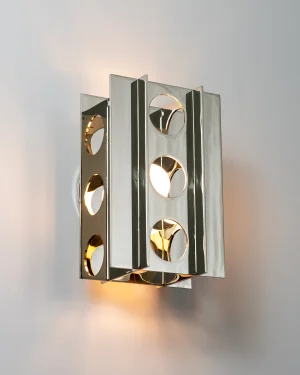
Tenfold 3T Mirror Wall Sconce in Steel and Aluminum
By Luft Tanaka Studio
€1.540 -
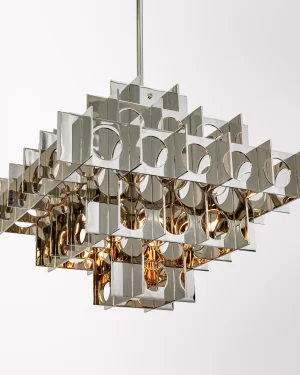
Tenfold 5 T Pendant Lamp in Stainless Steel and Aluminum
By Luft Tanaka Studio
€4.440 - €11.000 This product has multiple variants. The options may be chosen on the product page -

Trilight 70 Floor Lamp in Aluminum
By Obscure Objects
€715 -
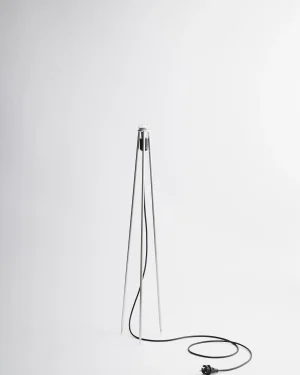
Trilight 100 Floor Lamp in Aluminum
By Obscure Objects
€760 -
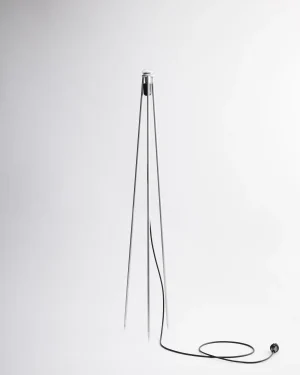
Trilight 130 Floor Lamp in Aluminum
By Obscure Objects
€800 -
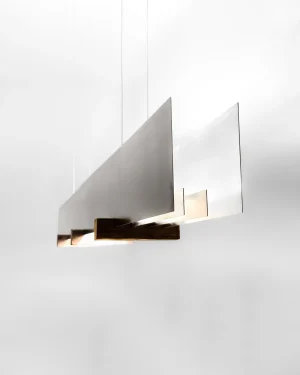
Linear Ceiling Lamp (extra Large) in Aluminum and Wood
By case studios
€1.210 - €1.910 This product has multiple variants. The options may be chosen on the product page -
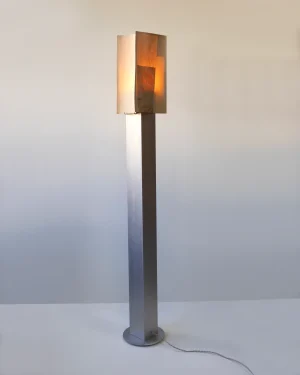
Soft Ply Floor Lamp in Wood and Aluminum
By Sheyang Li
€1.364 -
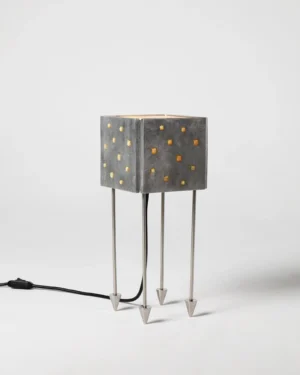 In stock
Prisma Massiva Table Lamp in Cast Aluminum, Resin & Steel
By DONÓ Design
€1.898 -

Chimney Table Lamp in Aluminum
By BOTHI
€210 This product has multiple variants. The options may be chosen on the product page -
 In stock
Pivot Table Lamp In Aluminum And Brass
By Stem
€1.155 - €1.700 This product has multiple variants. The options may be chosen on the product page -
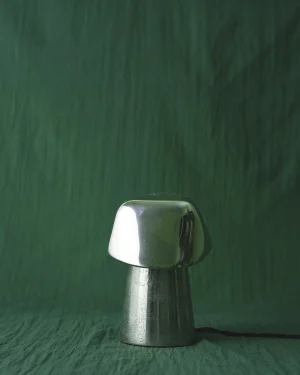
Iris Table Lamp in Aluminum
By MANUHITA
€295 This product has multiple variants. The options may be chosen on the product page -

Chimney Table Lamp in Aluminum and Painted Steel
By BOTHI
€210 -

Bells and Whistles Table Lamp in Aluminum
By Toro Manifesto
€2.100 -
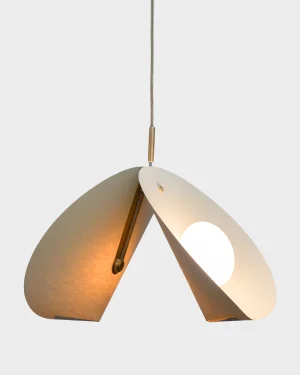
Concha Model 02 (Medium) Pendant Lamp in Paper and Brass
By MESEME by Riya Panchal
€434 This product has multiple variants. The options may be chosen on the product page -
 In stock
Tl-1 Earth Table Lamp In Cellulose Acetate
By Juba Concepts
€740 -
 In stock
Knock Off Neon Floor Lamp In Aluminum And Silk
By Studio Ebba Lindgren
€800 -
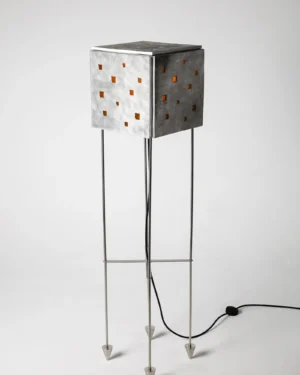 In stock
Prisma Massiva Floor Lamp in Cast Aluminum, Resin And Steel
By DONÓ Design
€3.780 -
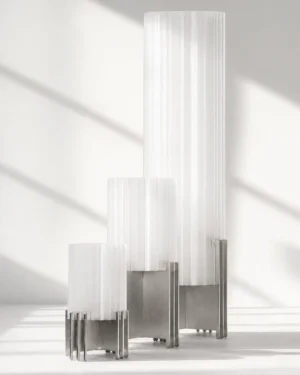 In stock
Plus Table Lamp in Aluminum
By 301 Design Studio
€300 - €900 This product has multiple variants. The options may be chosen on the product page -
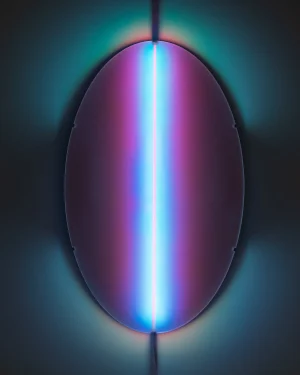 In stock
Aurora Frosted Wall Sconce in Acrylic and Aluminum
By Catrinel Sabaciag
€1.352 -
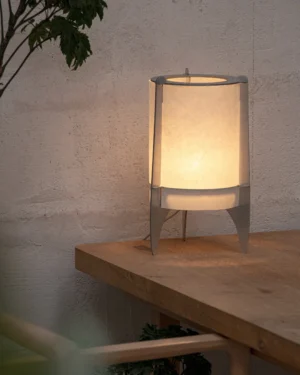 In stock
Capsule Table Lamp in Aluminum and Washi Paper
By Valentine Maurice
€1.200 -

Tenfold Table Lamp in Aluminum and Mahogany Wood
By Luft Tanaka Studio
€3.900 -

Collier P2 Ceiling Lamp in Glass and Aluminum
By Darka
€1.950 -
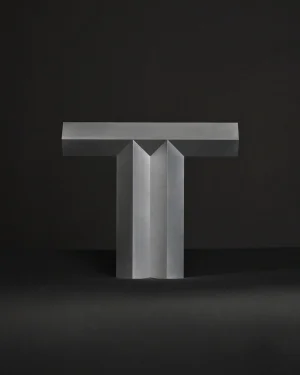
Sculptural Table Lamp in Aluminum
By NOSTUDIO
€620 - €650 This product has multiple variants. The options may be chosen on the product page -

Dream/Reality Wall Sconce in Aluminum
By Six Dots Design
€292 -

Collier S1 Wall Sconce in Glass and Aluminum
By Darka
€1.050 -
 In stock
Bells and Whistles Wall Sconce in Aluminum
By Toro Manifesto
€1.300 -

Rappel Wall Lamp in Glass and Aluminum
By Darka
€500 -
 In stock
Voguing No. 2 Floor Lamp in Cast Aluminum
By BY JAMPS
€2.500 -
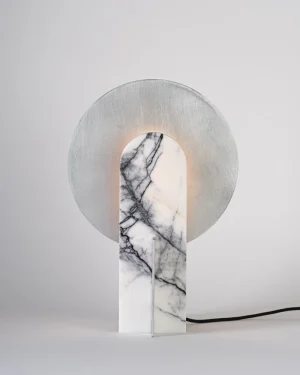 In stock
Aurora Large Table Lamp in Marble and Aluminum
By Hasik Design Studio
€1.400 -
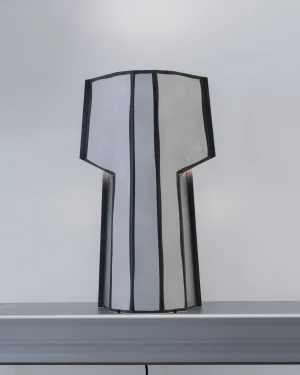 In stock
Hex Table Lamp in Aluminum
By STUDIO GUILTY
€492 -
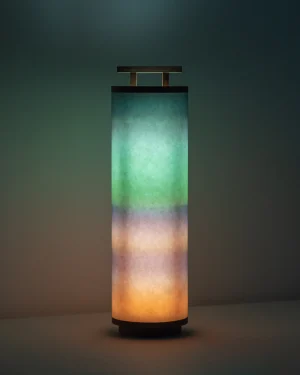 In stock
Torii G Pala Table Lamp in Washi Paper and Walnut
By Prangé
€1.232 -
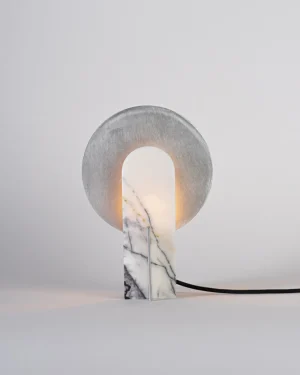 In stock
Aurora Medium Table Lamp in Marble and Aluminum
By Hasik Design Studio
€975 -
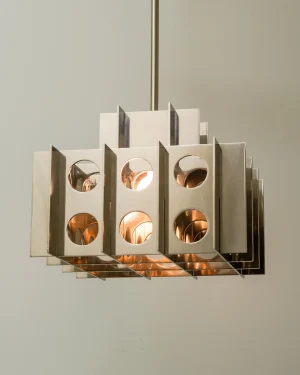
Tenfold 3 T A Pendant Lamp in Stainless Steel and Aluminum
By Luft Tanaka Studio
€2.895 - €8.675 This product has multiple variants. The options may be chosen on the product page -
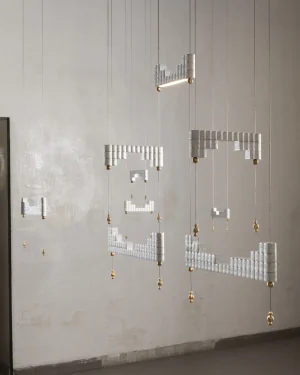 In stock
Inro Lamp
By Atelier Nuanda
€6.885 -
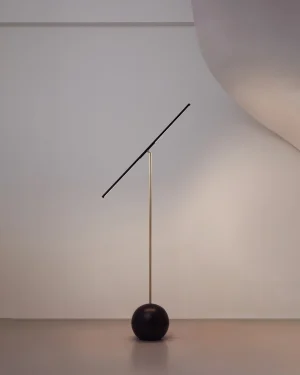 In stock
T-Lamp Floor Lamp in Aluminum, Brass and Oak Wood
By HEAKO
€3.850 -
 In stock
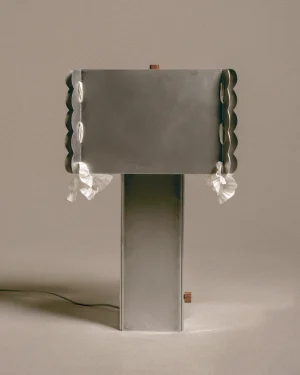
Serwetka Table Lamp in Aluminum and Cherry Wood
By Basia Pruszyńska
€1.900
Aluminum lamps bring together a metal prized for being light in the hand and slow to corrode with the shaping techniques that turn sheet, bar or molten alloy into a base, arm or shade. Studios working in aluminum spin it, cast it, weld it and anodize it, and the same alloy can come out brushed and cool or polished to a near mirror. The result is a lamp that carries real presence without the weight of cast iron or solid brass.
What defines an aluminum lamp
Aluminum is roughly a third the weight of steel, so a floor lamp with a wide aluminum base can stand firm without straining a floor or a shelf. The metal forms a thin oxide layer on contact with air, which is why raw and brushed finishes resist rust and need no lacquer to stay stable. Its surface also reflects light efficiently, a reason designers favor it for shades and reflectors as much as for structural arms and stems.
Finishes, colors and editions in this material
Within the wider group of metal lamps, aluminum pieces appear in raw aluminum left with its natural sheen, cast aluminum with the faint texture of the mold still visible, and polished aluminum worked to a bright, almost liquid surface. Some bases pair the metal with stainless steel fittings, brass hardware or a wood stem in walnut or chestnut tones, and anodizing adds color in gray, silver, blue, green or wine without masking the metal underneath. Styles run from neo-industrial and brutalist, where the casting marks and welds stay on show, to art deco and contemporary pieces with a tighter, sculpted finish.
Ways of making vary across the group:
- Sand casting and metal casting, which leave a slightly granular surface true to the mold
- Metalwork and sculpting, used for folded shades and worked arms
- Patination, applied where aluminum is mixed with brass or copper for contrast
- Anodising, which seals in color and adds a layer of resistance to scratching
Open editions sit alongside limited editions and unique pieces, so the same material can turn up as a repeatable design or as a one-off sculptural form. For the full spread of the metal across lighting, seating and small objects, the aluminum pieces on ADORNO go well beyond lamps alone, and other aluminum lighting, including wall and ceiling fixtures, draws on the same casting and anodizing methods.
How to choose an aluminum lamp
Scale matters more with aluminum than with heavier metals, since a lamp that looks substantial in a photograph may in fact be light enough to tip if the base is narrow. Check the ratio between base width and overall height before placing a piece on an open shelf or a narrow console. A polished finish throws reflections and suits a room with clean surfaces nearby, while a raw or anodized finish reads quieter and pairs easily with wood, stone or linen.
Placement also depends on the kind of light the piece gives. A shade in solid cast aluminum blocks light and directs it down or along a wall, useful for a reading corner or a desk, while a perforated or open aluminum form scatters light and suits ambient use. Where a lamp will sit at eye level, such as on a sideboard or side table, the finish of the metal becomes as visible as the light it gives.
Rooms aluminum lamps suit
Table and floor versions in aluminum work well in living room lamps settings, where their light weight makes them easy to move between a sofa side and a reading chair. Smaller aluminum table lamps suit a desk or a bedside, and because the metal does not stain or warp, it also holds up well in a hallway or a sunroom that gets direct light through a window. Among the broader group of lamps on ADORNO, aluminum pieces tend to anchor a room without dominating it visually.
Caring for aluminum
A soft, dry cloth is usually enough for raw or brushed aluminum, since the oxide layer that forms on the surface protects the metal beneath. Polished finishes benefit from an occasional light buff with a non-abrasive cloth to keep reflections even, and anodized color should be cleaned without solvents, which can dull the surface over time. Aluminum tolerates humidity better than steel or iron, but it is not immune to pitting near salt air, so a coastal room calls for a quick wipe-down now and then to keep the finish consistent.
How do I choose an aluminum lamp?
Think about finish first: raw or brushed aluminum reads industrial, polished aluminum throws reflected light, cast or patinated surfaces read heavier and more sculptural. Match that finish and the lamp's scale to the room before anything else.
Does aluminum need special care?
Aluminum resists rust and holds up well indoors with a wipe of a dry or slightly damp cloth. Polished surfaces show fingerprints more than raw or anodized ones, so handle those finishes a bit less.
What size or height should an aluminum lamp be?
Table lamps generally sit between 18 and 30 inches, floor lamps between 50 and 65 inches, scaled to the furniture nearby. Check each piece's listed dimensions, since cast and sculpted forms vary more than standard shapes.
Which rooms suit aluminum lamps?
Aluminum's cool, reflective surface fits living rooms, studies and entryways, especially alongside wood, stone or steel. Polished versions brighten darker corners, while raw or patinated finishes sit comfortably in more industrial or rustic settings.
Are aluminum lamps handmade or mass produced?
Many are sand cast, metal cast or sculpted by hand, then finished through polishing, anodizing or patination, so surfaces vary piece to piece. Ask the maker directly through Chat with the maker on the piece's page for specifics.
How does shipping, returns and authenticity work on ADORNO?
Shipping is insured and worldwide, with a 14-day return policy excluding made-to-order pieces. Every lamp comes with a certificate of authenticity, backed by a lowest-price guarantee.