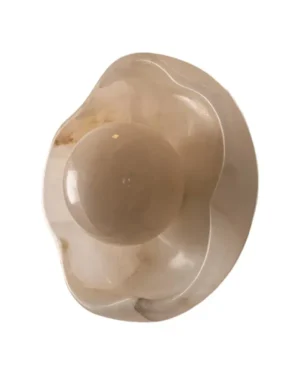
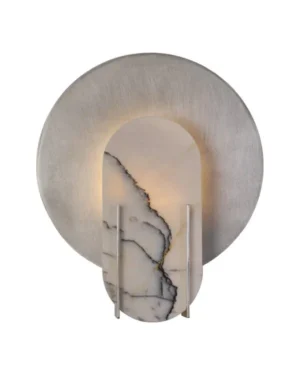
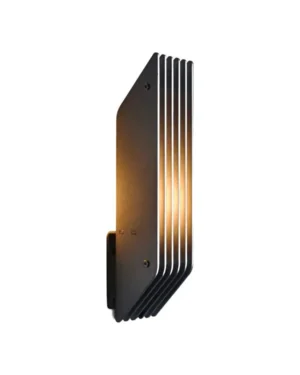
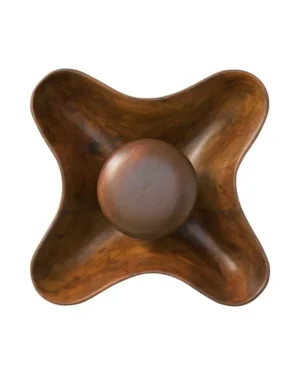
-
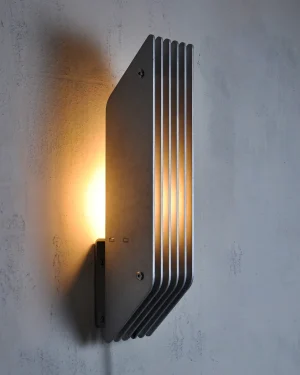
Rln460 Wall Lamp In Matte Aluminium
By MLK Furniture
€390 -
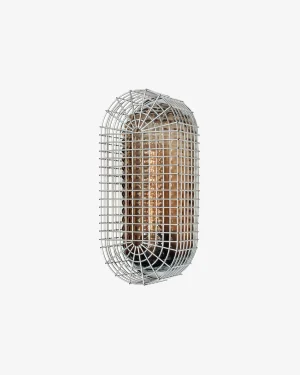
Chastity Wall Sconce In Stainless Steel And Handblown Glass
By Studio S II
€1.980 -
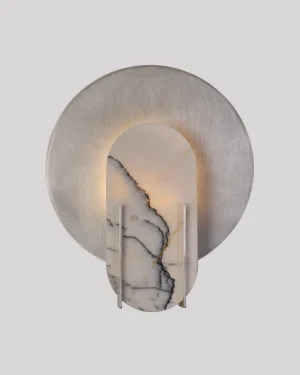
Alice Wall Lamp in Illuminated Marble
By Hasik Design Studio
€1.225 -
 In stock
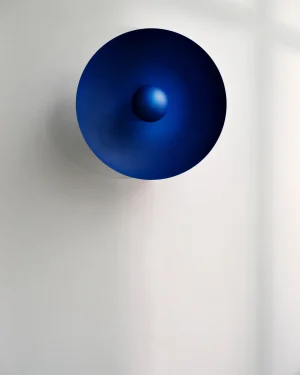
Blue Moon Wall Lamp in Aluminum
By Anne Nowak
€1.675 -
 In stock
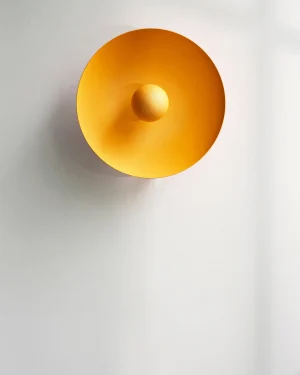
Sun Wall Lamp in Aluminum
By Anne Nowak
€1.340 -
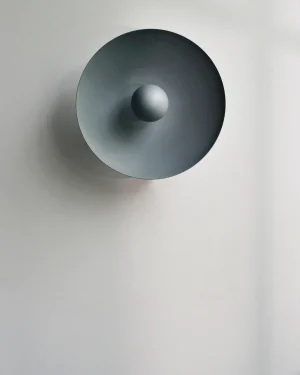 In stock
Grey Moon Wall Lamp in Aluminum
By Anne Nowak
€1.675 -
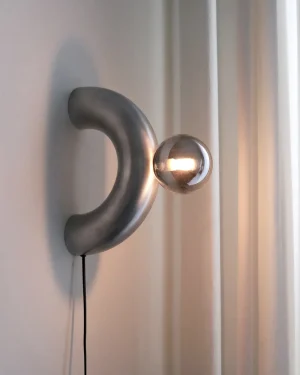
Arcora Toplight Wall Sconce in Aluminum
By HEAKO
€1.650 -
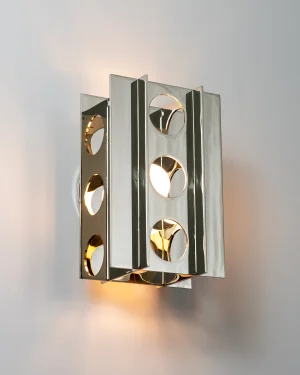
Tenfold 3T Mirror Wall Sconce in Steel and Aluminum
By Luft Tanaka Studio
€1.540 -

Collier S1 Wall Sconce in Glass and Aluminum
By Darka
€1.050 -
 In stock
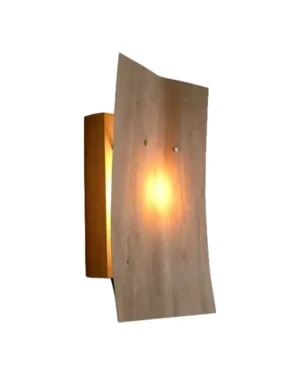
Mujo P Iver Wall Sconce in Walnut Wood and Washi Paper
By Prangé
€948 -
 In stock
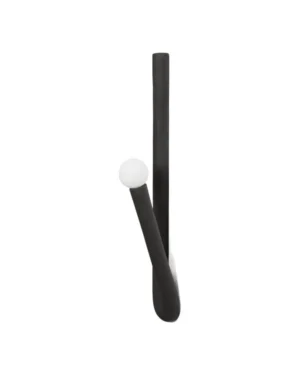
Bells and Whistles Wall Sconce in Aluminum
By Toro Manifesto
€1.300 -
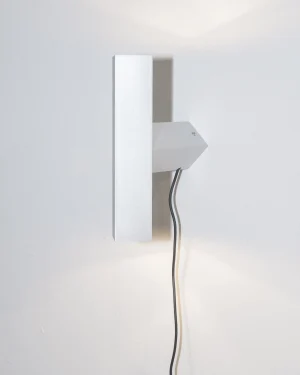 In stock
Sculptural Wall Sconce in Aluminum
By NOSTUDIO
€420 - €450 -
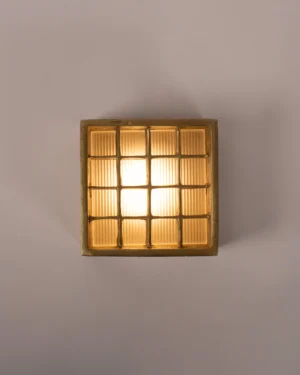
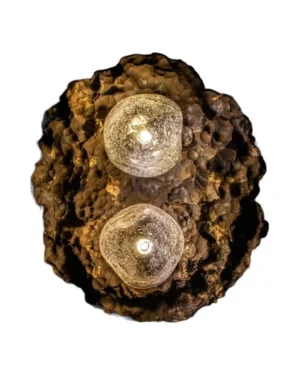
Oasis Mirage Wall Light In Cast Aluminum And Fluted Glass
By Harshita Jhamtani Designs
€620 -
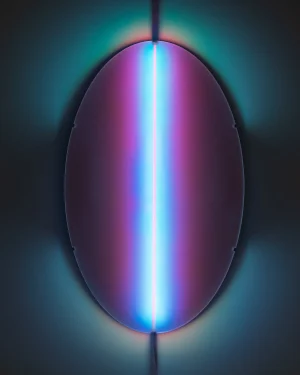 In stock
Aurora Frosted Wall Sconce in Acrylic and Aluminum
By Catrinel Sabaciag
€1.352 -
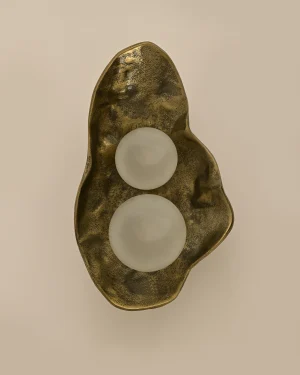
Celestial Tears Wall Sconce in Aluminum
By LMNOH
€710 -
 In stock
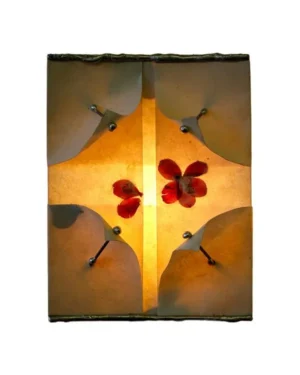
Mujo M Reol Wall Sconce in Walnut Wood and Washi Paper
By Prangé
€1.706 -
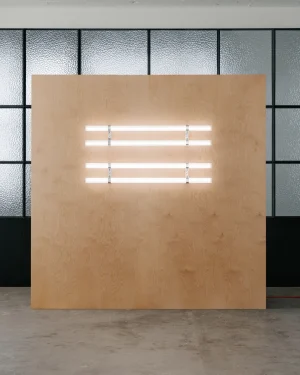
Collier S2 Pendant Lamp in Glass and Aluminum
By Darka
€1.700 -
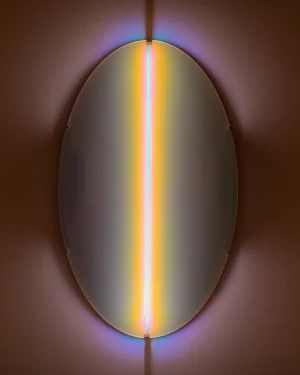
Aurora Gloss Wall Sconce in Acrylic and Aluminum
By Catrinel Sabaciag
€1.341 -

Rappel Wall Lamp in Glass and Aluminum
By Darka
€500 -
 In stock
Mujo M Aray Wall Sconce in Walnut Wood and Washi Paper
By Prangé
€1.706 -

Totem Wall Sconce in Aluminum and Acrylic Glass
By Catrinel Sabaciag
€1.326 -
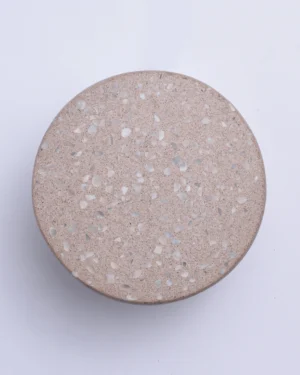
Wilo Nude Wall Sconce In Terrazzo, Aluminum And Silicone
By Harshita Jhamtani Designs
€220 -
 In stock
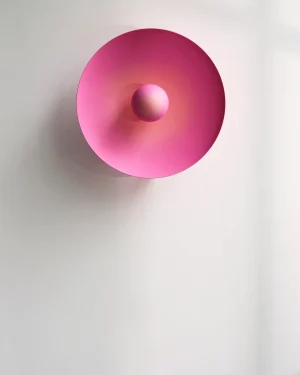
Pink Moon Wall Lamp in Aluminum
By Anne Nowak
€1.675 -

Dyptich Wall Sconce in Brass and Recycled Plastic
By SIGNATURE OBJECTS
€1.800 -
 In stock
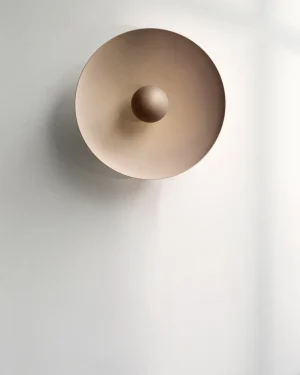
White Moon Wall Lamp in Aluminum
By Anne Nowak
€1.675 -
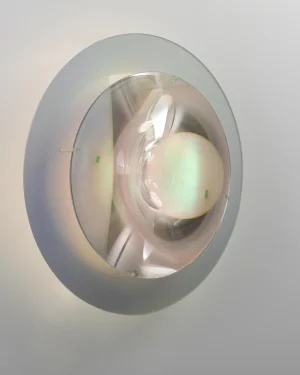
Noosphere Wall Sconce in Aluminum and Acrylic Glass
By Catrinel Sabaciag
€1.072 - €1.112 -
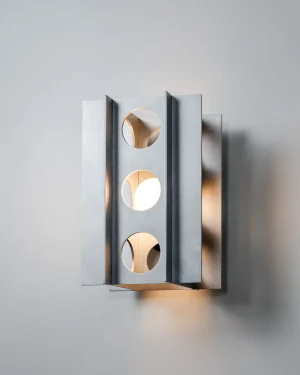
Tenfold 3T Satin Wall Sconce in Steel and Aluminum
By Luft Tanaka Studio
€865 -
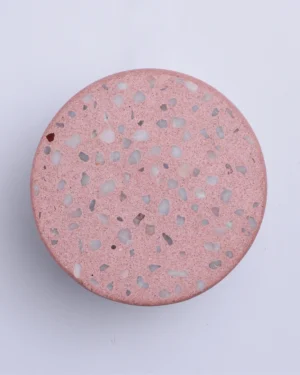
Wilo Blush Wall Sconce In Terrazzo, Aluminum And Silicone
By Harshita Jhamtani Designs
€220 -
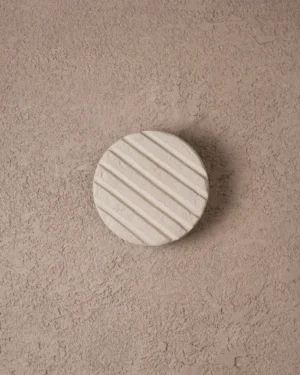
Wilo Fluted Egg White Wall Sconce In Clay And Aluminum
By Harshita Jhamtani Designs
€230 -
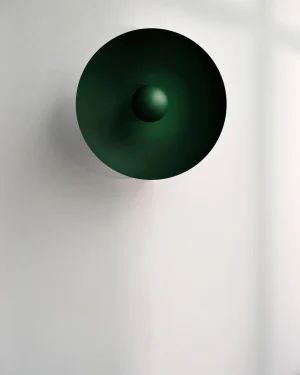 In stock
Green Moon Wall Lamp in Aluminum
By Anne Nowak
€1.675 -
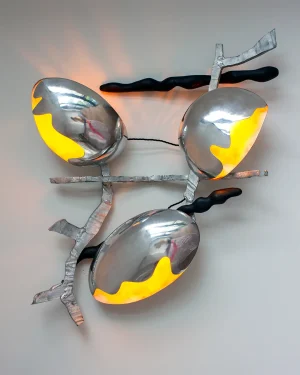 In stock
Insect Wall Sconce in Aluminum and Ash Wood
By BY JAMPS
€5.000 -
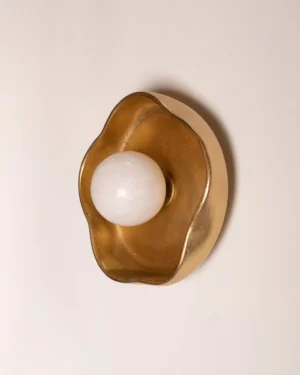
Flower Casted Wall Sconce In Brass-finished Aluminum
By Harshita Jhamtani Designs
€760 -
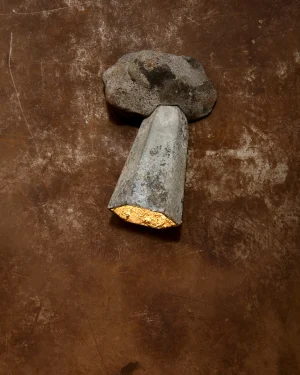
Wall Light Franca A
By MANUHITA
Price Upon Request -
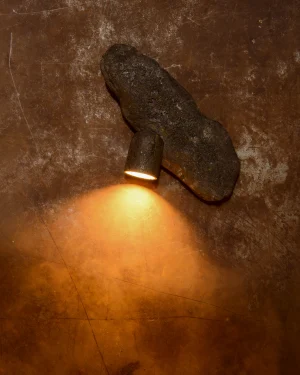
Wall Light Franca B
By MANUHITA
Price Upon Request -
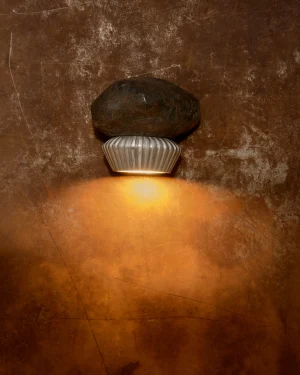
Wall Light Franca C
By MANUHITA
Price Upon Request -
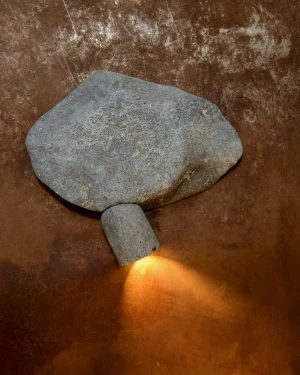
Wall Light Franca D
By MANUHITA
Price Upon Request -
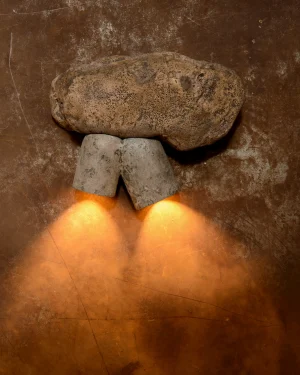
Wall Light Franca E
By MANUHITA
Price Upon Request -
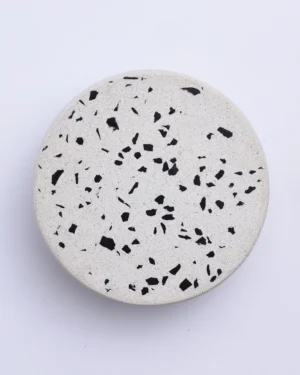
Wilo Mono Wall Sconce In Terrazzo, Aluminum And Silicone
By Harshita Jhamtani Designs
€220 -
Black Friday −10%
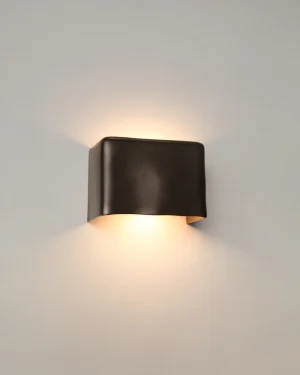
Scape Wall Lamp In Aluminum Or Brass
By Stem
€650 - €950 -

Lagrimita Chicharron Lamp
By BuRRo
€337 -
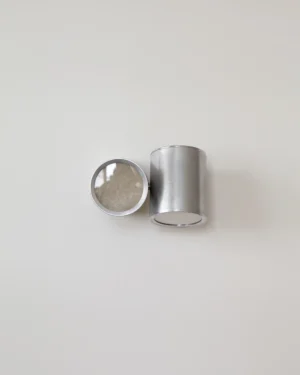
Pivot Wall Sconce in Metal and Paper
By Stem
€690 - €1.030
Aluminum wall lamps start from a metal that is light enough to project off a wall without strain on the fixing, yet stiff enough to hold a fixed arm or shade in place for decades. Studios work it by casting and metalwork, then finish the surface in brushed, polished, patinated or painted coats that each read differently in daylight and lamplight. The result is a body of work that spans spare, almost architectural shades and heavier, sculptural forms, all sharing the same low weight and resistance to rust.
What defines aluminum in a wall lamp
Aluminum does not corrode the way steel does, so it holds up in bathrooms, covered terraces and other spots where humidity would eventually mark a ferrous metal. It also takes a wide range of surface treatments: a mill finish shows the metal's natural grain, patination adds depth, and paint lets a studio move into blue, green or white without hiding the material's lightness. Because it is soft relative to steel, aluminum can be cast into thicker, more sculptural shades without the piece becoming heavy on the wall.
Finishes, forms and editions across the range
Among aluminum wall lamps, finishes run from raw brushed metal and cast textures to gold, bronze, silver and painted surfaces, often set against glass, walnut or steel for contrast. Styles move across mid-century modern arms, space age discs and shells, art deco fluting, neo-industrial brackets and pared-back contemporary shades, so the material carries almost any formal language a studio chooses. The making itself ranges from metalwork and metal casting to patination and hand-applied finishes, and pieces turn up as open editions, limited editions and unique, one-off casts, depending on how the studio works.
- Surface: brushed, polished, painted or patinated
- Color: silver and bronze tones alongside painted white, blue and green
- Form: slim architectural arms, cast shells, discs and sculptural brackets
Choosing an aluminum wall lamp
Start with scale: a slim reading arm asks for a different wall than a wide cast shade, and either can overwhelm a narrow corridor or disappear on a long, blank wall. Mounting height follows function — lower and closer to eye level for reading beside a bed, higher and more even for general wash along a hallway or stair. Match the finish to what already sits nearby: a brushed or raw aluminum body sits easily with steel and glass, while a painted or gold-finished piece can pick up a warmer palette of wood and textile. For a wider view of how aluminum behaves across other forms, it is worth looking at aluminum lighting as a whole, or at the metal more broadly through every aluminum piece on ADORNO.
Where these lamps work
Because they take nothing from the floor or the nightstand, aluminum wall lamps suit rooms where surface space is already spoken for: narrow hallways, the sides of a bed, either side of a mirror or a run of stairs. A pair either side of a headboard gives even, low light without a lamp base to dust around, while a single cast fixture at the start of a corridor marks the turn into a room. Those weighing other metals for the same spots can compare the fuller metal wall lamps range, or look at placement-led groupings such as bedroom wall lamps and pieces built around a pared-back, contemporary line.
Living with aluminum
Aluminum needs little upkeep: a soft, dry cloth lifts dust, and a barely damp one removes fingerprints without disturbing a painted or patinated finish. Avoid abrasive cleaners or scouring pads, which can dull a polished surface or scratch through a painted coat to the bare metal underneath. Left alone, the material keeps its tone for years rather than aging the way brass or steel do, which is part of why it suits a fixture meant to stay on the wall indefinitely. For the full spread of forms and finishes within the wider category, the complete range of wall lamps sits alongside these aluminum pieces.
How do I choose an aluminum wall lamp?
Match the finish to the light in the room: brushed or mill surfaces read quietly in daylight, while polished surfaces throw more reflection under lamplight. Consider arm or shade shape next, since that decides how directional the light will be.
Does aluminum need any special care?
Aluminum resists rust, so a damp cloth is usually enough for dust and fingerprints. Painted surfaces hold their color well, though abrasive cleaners can dull a brushed or polished finish over time.
What size or height should a wall lamp be?
Height depends on use: beside a bed, the fixture usually sits at or just above seated eye level, while hallway or living room lamps tend to go higher, around eye level when standing.
Which rooms suit aluminum wall lamps?
Because aluminum does not corrode, it holds up in bathrooms, covered terraces and other humid spots where steel would eventually mark. It also works in bedrooms, hallways and living rooms, anywhere a light, fixed arm needs to hold steady on the wall.
Are aluminum wall lamps handmade or produced in limited numbers?
That depends on the individual piece and studio. Some aluminum wall lamps are cast or finished by hand in small runs, others are open editions, so check the specific piece's page or ask the maker directly.
What are ADORNO's shipping, returns and authenticity policies?
Shipping is insured and worldwide. Returns are accepted within 14 days, excluding made-to-order pieces, and every piece comes with a certificate of authenticity alongside a lowest-price guarantee.