
-
 In stock
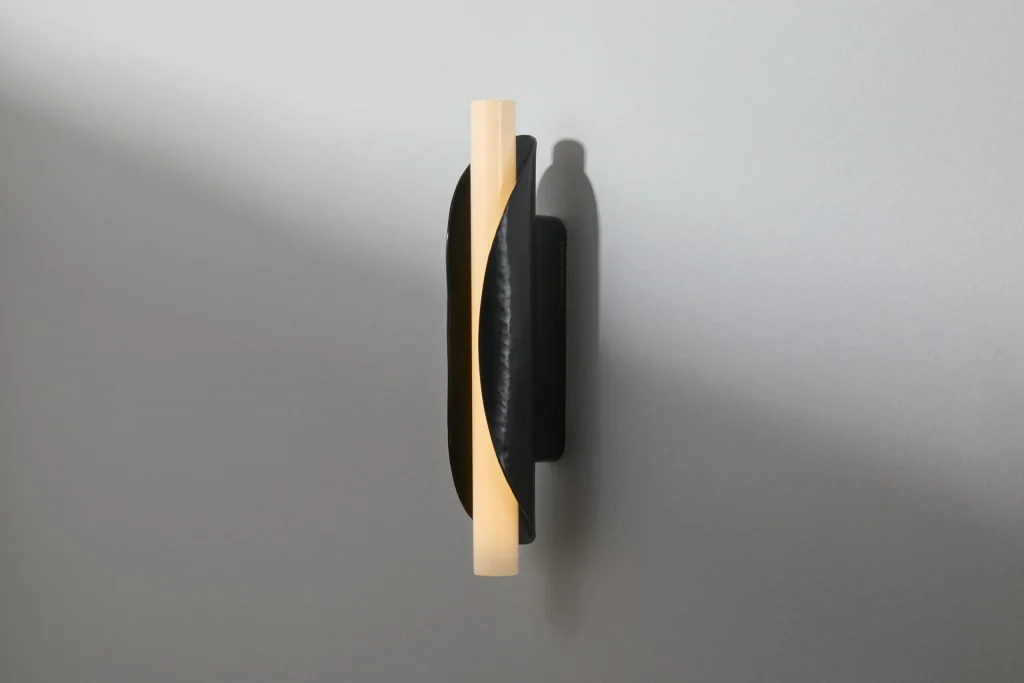
Object 02 Sconce in Nylon and Sand
By Hot Wire Extensions
€1.460 This product has multiple variants. The options may be chosen on the product page -
Taco De Luz Wall Sconce in Black Patinated Brass
By Studio Aristotelis Barakos
€980 -
Compass Sconce in Teak Wood
By Studio Indigene
€550 -
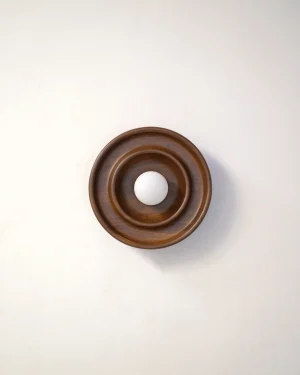
Discus Sconce in Teak Wood
By Studio Indigene
€450 -
 In stock
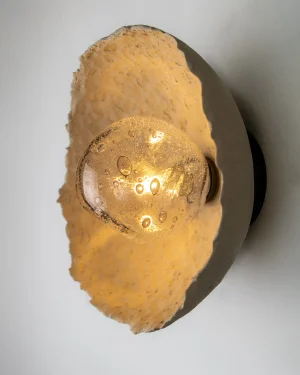
Asea No. 23 Wall Sconce in Stoneware and Blown Glass
By Ceren Gürkan
€800 -

Paten Wall Sconce in Teak Wood
By Studio Indigene
€450 -
 In stock
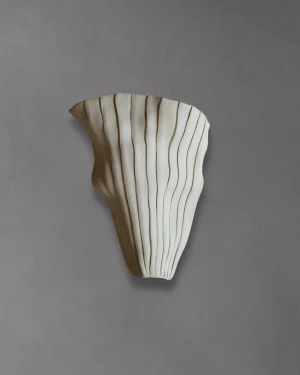
Tenderness Wall Sconce in Stoneware
By Studio Ēeme
€750 - €800 This product has multiple variants. The options may be chosen on the product page -
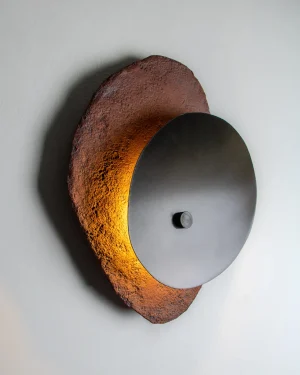
Asea No.1 Cherry Wall Sconce in Stoneware and Metal
By Ceren Gürkan
€1.000 -
 In stock
L’Été Ceramic Wall Light
By Katia Langeard
€350 This product has multiple variants. The options may be chosen on the product page -
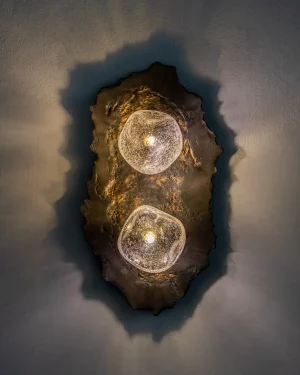
Asea No. 25 Wall Sconce in Blown Glass and Stoneware
By Ceren Gürkan
€1.100 -
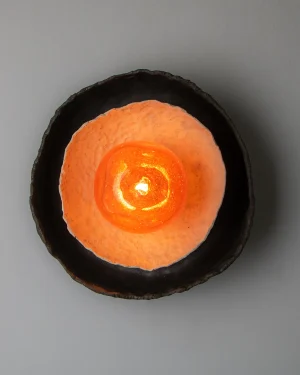
Asea No. 26 Red Wall Sconce in Blown Glass and Stoneware
By Ceren Gürkan
€1.100 -
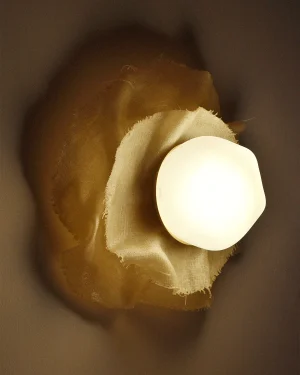
Liora II Wall Sconce in Glass, Brass and Fabric
By Atelier Alz
€350 -
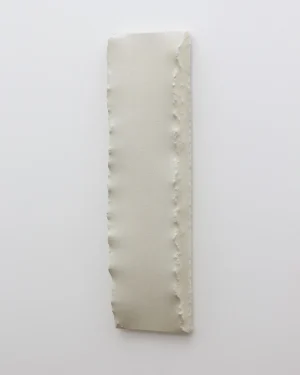 In stock
Edges 20-75 T8-60 Wall Sconce in Paper Pulp
By David Čáp
€400 -

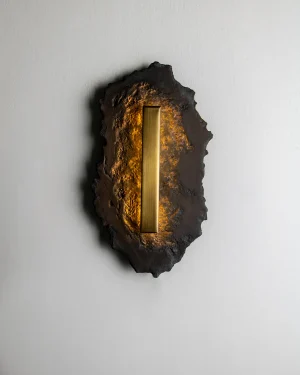
Lightpulse Wall Lamp in Oak Wood and Acrylic
By Studio Lampent
€1.400 -
 In stock
Asea No. 16 Wall Sconce in Stoneware and Brass
By Ceren Gürkan
€900 -

Edges 20-105 T8-90 Wall Sconce in Paper Pulp
By David Čáp
€500 -
 In stock
Bloom Wall Sconce in Resin
By Ryan Mercer
€652 -

Collier S1 Wall Sconce in Glass and Aluminum
By Darka
€1.050 -
 In stock
Brown Mud Ellipse Wall Sconce in Textiles and Wood
By David Čáp
€550 -

Dream/Reality Wall Sconce in Aluminum
By Six Dots Design
€292 -

Aurora Wall Sconce in Wood
By PROSA
€750 - €900 This product has multiple variants. The options may be chosen on the product page -
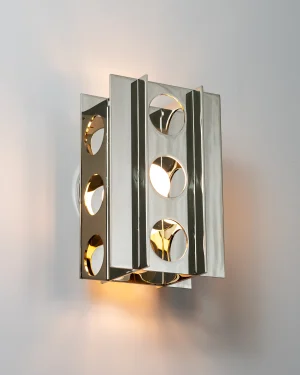
Tenfold 3T Mirror Wall Sconce in Steel and Aluminum
By Luft Tanaka Studio
€1.540 -
 In stock
Nova Wall Sconce in Blown Glass and Steel
By Ceren Gürkan
€630 -
 In stock
Nova Blue Wall Sconce in Blown Glass and Steel
By Ceren Gürkan
€700 -

Limbus – Wall Light Sculpture
By Studio Lampent
€1.492 -
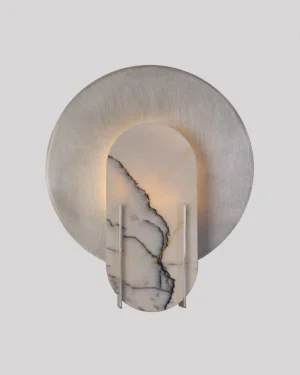
Alice Wall Lamp in Illuminated Marble
By Hasik Design Studio
€1.225 -

Chromolapse – Wall Light Sculpture
By Studio Lampent
€900 -

Soft Ply Wall Sconce in Birch Wood and Brass
By Sheyang Li
€264 -
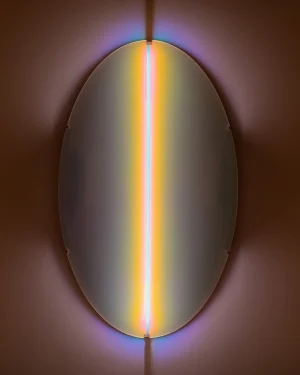
Aurora Gloss Wall Sconce in Acrylic and Aluminum
By Catrinel Sabaciag
€1.341 -
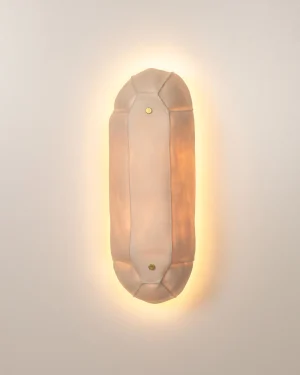
Kawa Series 01 Wall Sconce in Porcelain and Brass
By Luft Tanaka Studio
€1.600 -
 In stock
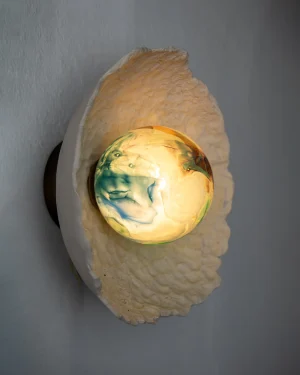
Asea No. 17 Wall Sconce in Stoneware and Blown Glass
By Ceren Gürkan
€900 -
 In stock
Mini Sombrilla Wall Sconce in 3D Printed PLA
By Studio Parenthesis
€330 -
 In stock
Sun Vxs 02 — Natural Sand Wall Lamp With Soft Ambient Glow
By Rollo Studio
€980 -
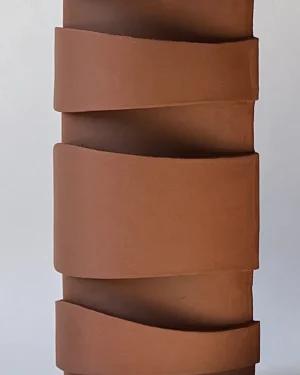
Layered Landscape – Ceramic Wall Lights
By Katia Langeard
€348 -
 In stock
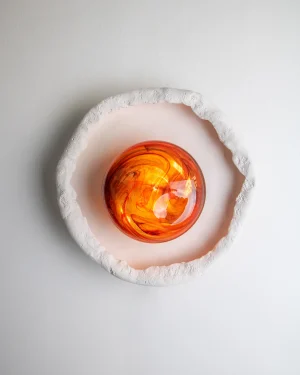
Asea No. 35 Wall Sconce in Porcelain and Blown Glass
By Ceren Gürkan
€1.200 -
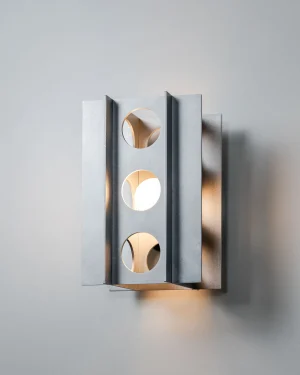
Tenfold 3T Satin Wall Sconce in Steel and Aluminum
By Luft Tanaka Studio
€865 -
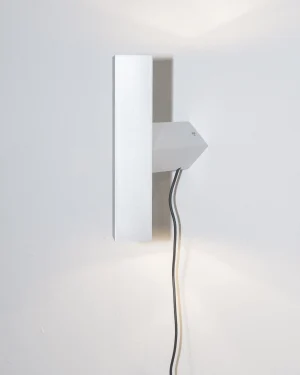 In stock
Sculptural Wall Sconce in Aluminum
By NOSTUDIO
€420 - €450 This product has multiple variants. The options may be chosen on the product page -

Motion — Sculptural Wall Light
By Katia Langeard
€700 -
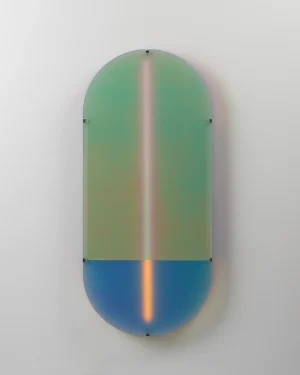
Totem Wall Sconce in Aluminum and Acrylic Glass
By Catrinel Sabaciag
€1.326 -
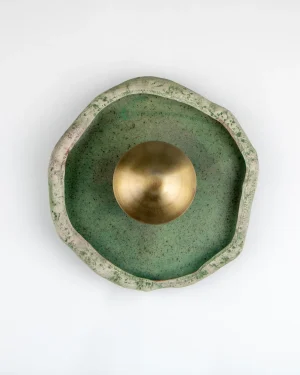 In stock
Asea No. 18 Green Wall Sconce in Porcelain and Brass
By Ceren Gürkan
€600 -
 In stock
Edges Ellipse 36-96 T8-60 Wall Sconce in Paper Pulp
By David Čáp
€550 -
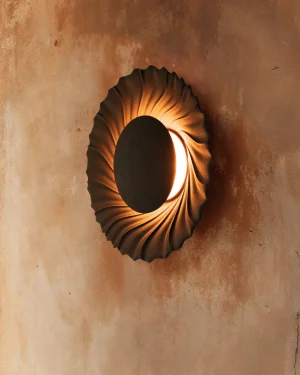 In stock
Sun Vxs 01 — Organic Sand Wall Light By Rollo Studio
By Rollo Studio
€880 -
 In stock
Sigil Crest Wall Sconce in Stainless Steel and Selenite
By Nitush and Aroosh
€1.800 -
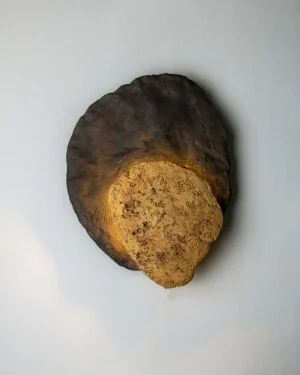 In stock
Asea No. 21 Wall Sconce in Stoneware
By Ceren Gürkan
€800 -
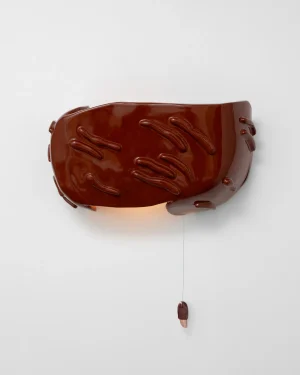
Killing the Mood Wall Sconce in Ceramic
By Studio AOAO
€2.200 -
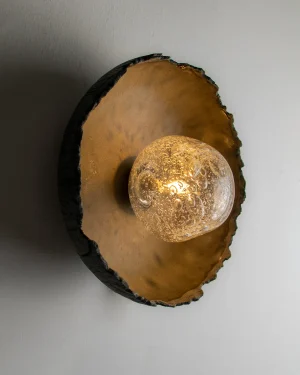
Asea No. 12 Moss Wall Sconce in Stoneware and Blown Glass
By Ceren Gürkan
€800 -
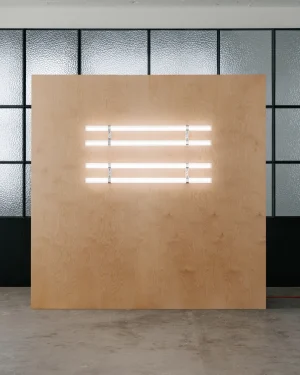
Collier S2 Pendant Lamp in Glass and Aluminum
By Darka
€1.700 -
 In stock
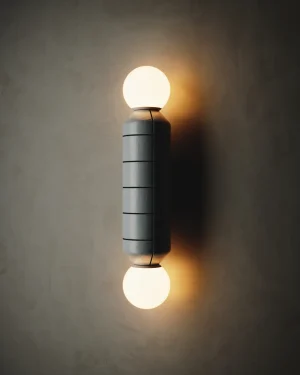
Navazi Wall Sconce in Glass and Ceramic
By SVITANOK
€1.130 - €1.260 This product has multiple variants. The options may be chosen on the product page -
 In stock
Edges 20-75 T8-60 Wall Sconce in Black Paper Pulp
By David Čáp
€550 -
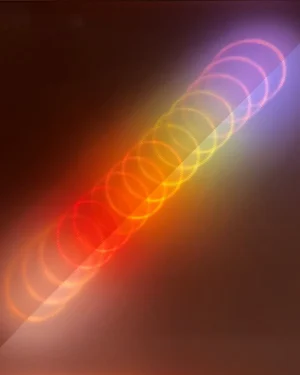
Dhaze – Wall Light Sculpture
By Studio Lampent
€2.700 -
 In stock
Asea No. 35 Wall Sconce in Stoneware and Blown Glass
By Ceren Gürkan
€1.200 -
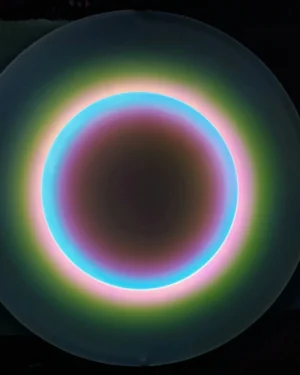
Event Horizon L Wall Sconce in Acrylic Glass
By Catrinel Sabaciag
€1.963 -
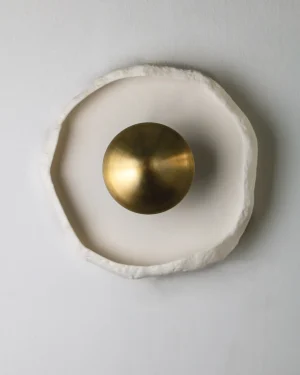 In stock
Asea No. 18 White Wall Sconce in Porcelain and Brass
By Ceren Gürkan
€600 -
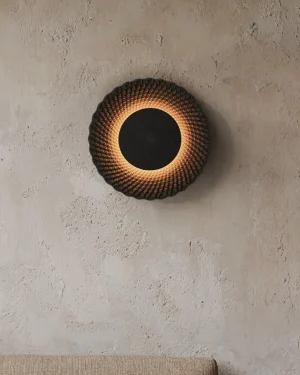 In stock
Sun Vxs 05 — Sculptural Wall Lamp In 3d-printed Sand
By Rollo Studio
€1.080
Contemporary wall lamps gather the studios working furthest from period reference: clean volumes in stoneware and blown glass, brass and steel bent or cast into geometric arms, teak and oak shades that trade carving for plane and edge. What ties them together is restraint in form and honesty in material, so the lamp reads as an object first and a light source second. Finishes stay close to the raw material, whether that is unglazed clay, satin metal or wood left to show its grain.
What makes a wall lamp contemporary
Contemporary, here, means a piece built from clear geometric logic rather than ornament borrowed from an earlier era. Arms meet shades at defined angles, shades are cylinders, cones or flat discs, and any decoration comes from the material itself: the speckle of stoneware, the sheen of hand-blown glass, the figure in a cut of teak. Color tends toward the quiet end, brown, beige, white, black, sand and charcoal, with occasional aqua or dusty pink where a studio wants a single note of contrast.
The materials and techniques behind the range
Stoneware and other ceramic bodies are hand-built or thrown, then fired, which leaves a faint variation in glaze from one piece to the next. Glass is hand-blown, so wall thickness shifts slightly and bubbles can sit inside the material without weakening it. Brass, steel and aluminum are shaped through metalwork, welded or folded into arms and brackets strong enough to hold a shade off the wall for years. Teak and other wood pieces come from cabinetmaking methods built for load-bearing joints, while cotton and other textile shades are stretched over a frame to soften and spread the light. Editions vary by studio, from open runs made to a standing design to unique pieces and limited editions where no two will be fired, blown or turned quite the same way.
Across these methods, a few material notes hold:
- Stoneware and ceramic resist heat well but chip if knocked against a hard edge, so they suit a wall away from heavy traffic.
- Blown glass scratches less than it seems to and cleans with a soft cloth, but it should never be forced against a bracket it was not blown to fit.
- Brass will darken slightly with air and handling unless lacquered, which some studios leave open as part of the finish.
- Teak and oak take oil well and can be refreshed every year or two if the surface starts to look dry.
Choosing scale, height and placement
A wall lamp earns its keep by sitting at the exact height a hand or eye needs light, which means scale matters more than style once the room is set. A slim sconce either side of a mirror wants a narrow profile so it does not crowd the glass, while a single lamp above a sofa or reading chair can carry a wider shade since it is read from a distance. Set reading lights so the bottom of the shade sits roughly level with the shoulder of someone seated, and hallway or stair lights a little higher, closer to eye level, so the fixture itself stays visible rather than just its glow.
Where contemporary wall lamps work in a room
These lamps suit any room that has run out of free surfaces but still needs directed light: a bedroom where a nightstand would crowd the bed, a corridor with no room for a floor lamp, a living room wall either side of art or a mirror. In a living room, pairs flanking a sofa or console read as considered furniture rather than an afterthought, an idea explored further among living room wall lamps. For a quieter palette, minimalist wall lamps strip the form down further still.
Finding the right material on ADORNO
Metal remains the broadest group among all wall lamps, and within it metal wall lamps, brass wall lamps and aluminum wall lamps each bring their own weight and patina. Those drawn to fired clay can look through ceramic wall lamps, where no two glazes sit quite the same. For the wider contemporary language beyond wall lighting, contemporary pieces across ADORNO extend the same material honesty into seating, tables and objects.
How do I choose a contemporary wall lamp?
Start with the wall's job: reading light needs a direct beam, accent light can wash upward or sideways. Then match material and finish to what already sits in the room, metal and glass for sharp lines, stoneware or teak for softer corners.
What materials are contemporary wall lamps made from and how do I care for them?
Common choices are brass, steel, aluminum, blown glass, stoneware and teak. Wipe metal and glass with a dry or barely damp cloth, keep stoneware away from soaking, and let wood acclimate rather than sit near direct heat.
How high should a wall lamp be mounted?
Most contemporary wall lamps sit between eye level and just above it, roughly 60 to 65 inches from the floor, lower beside a bed and higher in a hallway or over a console. The maker can confirm exact placement for a specific piece via Chat with the maker.
Which rooms suit contemporary wall lamps best?
Bedrooms, corridors, stairwells and living rooms all benefit, anywhere floor and table space is tight or a wall needs definition. Pairs work well either side of a mirror, headboard or artwork.
Does ADORNO ship contemporary wall lamps internationally, and what if I need to return?
Shipping is insured and covers worldwide delivery. Pieces can be returned within 14 days, except made-to-order lamps, which are excluded from that policy.
Can I order a custom size, finish or made-to-order version?
Some studios take custom requests on finish, size or wiring. Use Chat with the maker on the piece's page to ask directly, since this varies by studio and changes over time.