
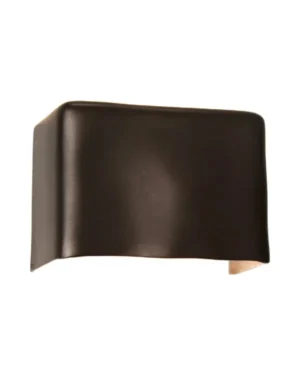
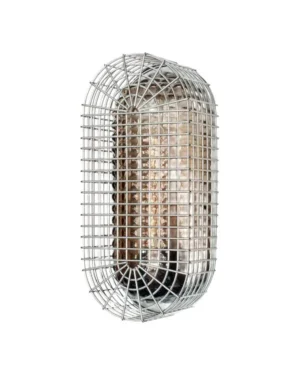
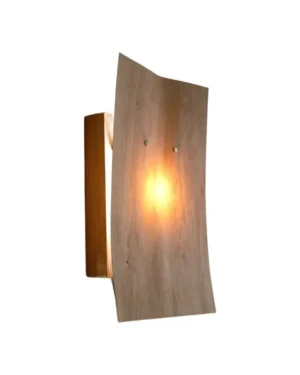
-

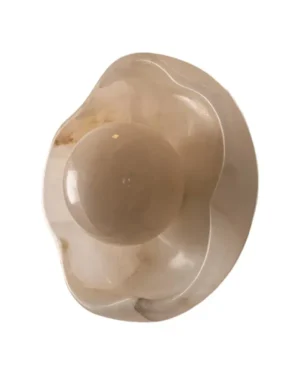
Onda Sconce In Raku White Ceramic
By arrived aliens
€2.200 -
 In stock
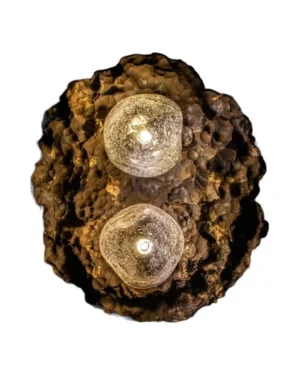
Coral Wall Lamp – Clay Sconce
By Dzovag Kotchian
€900 -
 In stock
Asea No.40 Wall Sconce In Stoneware And Blown Glass
By Ceren Gürkan
€1.200 -
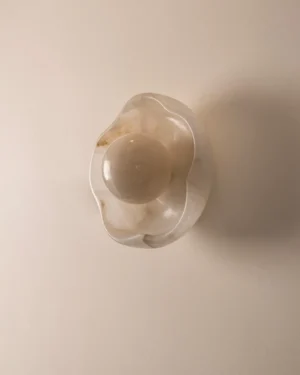
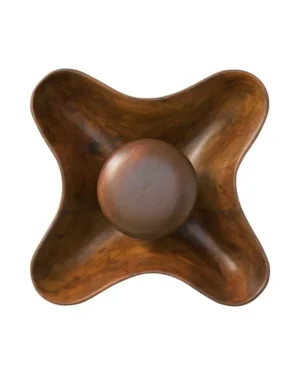
Flower Wall Sconce In Alabaster
By Harshita Jhamtani Designs
€700 -
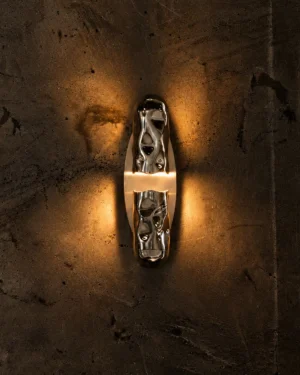 In stock
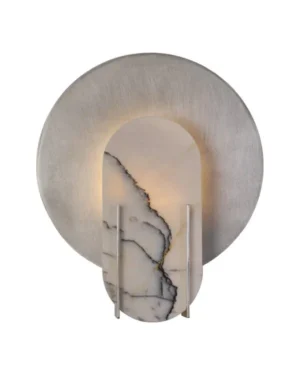
Vela Wall Sconce In Stainless Steel
By Nitush and Aroosh
€700 -
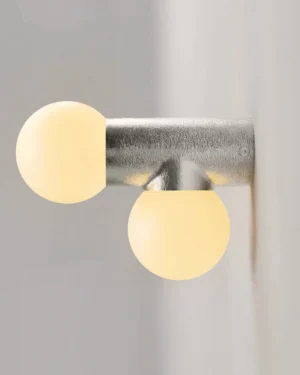 In stock
Pp02 Wall Lamp In Stainless Steel And Frosted Glass
By Balance Lamp
€245 -
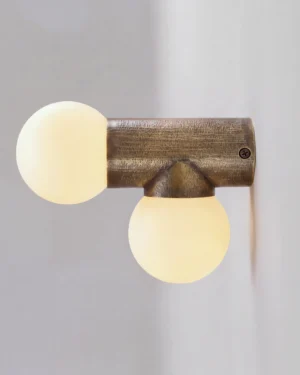 In stock
Pp04 Wall Lamp In Brass And Frosted Glass
By Balance Lamp
€310 -
 In stock
Onda Cosmic Wall Sconce In Glazed Ceramic
By arrived aliens
€2.200 -
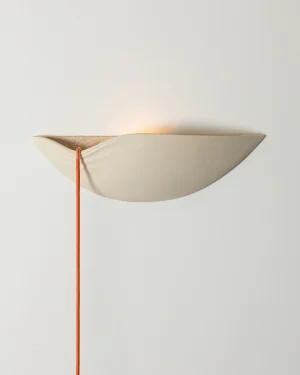
Loma Wall Sconce In Stoneware
By Catalin Filip
€450 -
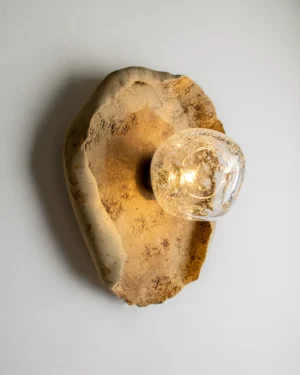 In stock
Asea No. 41 Wall Sconce in Stoneware and Blown Glass
By Ceren Gürkan
€1.000 -
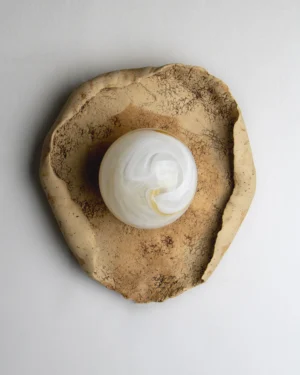 In stock
Asea No. 41 Pearl Wall Sconce in Stoneware and Blown Glass
By Ceren Gürkan
€1.000 -
 In stock
Herbarium Mini Lunaria Annua Wall Sconce In Glass And Plywood
By Mateusz Wappa
€1.200 -
 In stock
Herbarium Mini Daucus Carota Wall Sconce In Glass And Plywood
By Mateusz Wappa
€1.200 -
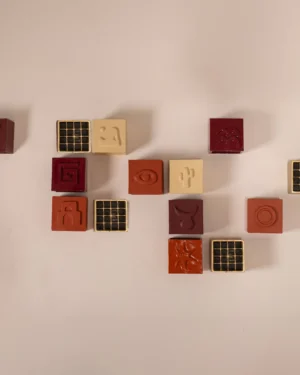
Oasis Wall Light In Hand-sculpted Stoneware
By Harshita Jhamtani Designs
€410 -
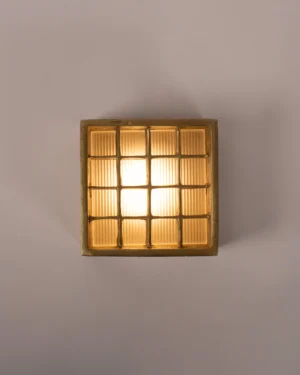
Oasis Mirage Wall Light In Cast Aluminum And Fluted Glass
By Harshita Jhamtani Designs
€620 -
 In stock
Pearl Wall Lamp – Clay Sconce
By Dzovag Kotchian
€1.200 -

Onda Copper Wall Sconce In Raku Ceramic
By arrived aliens
€2.200 -
 In stock
Herbarium Eryngium Planum Wall Sconce In Glass And Plywood
By Mateusz Wappa
€2.000 -
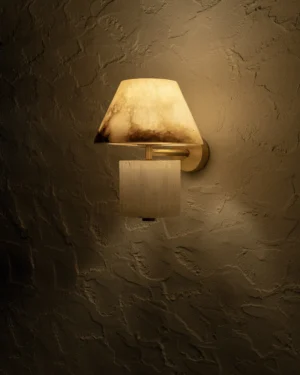
Rio Wall Lamp In Alabaster And Brass
By Harshita Jhamtani Designs
€1.150 -
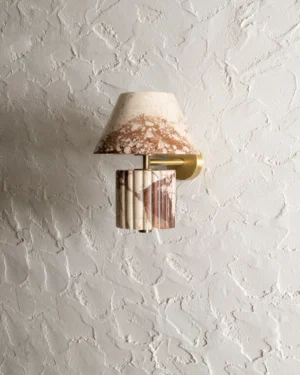
Rio Wall Lamp In Pizzato Marble And Brass
By Harshita Jhamtani Designs
€1.290 -
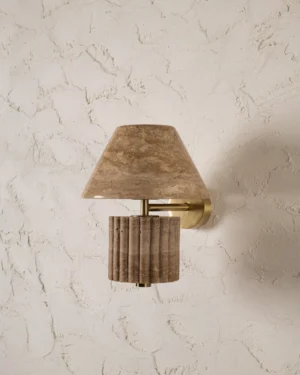
Rio Wall Lamp In Beige Travertine And Brass
By Harshita Jhamtani Designs
€1.150 -
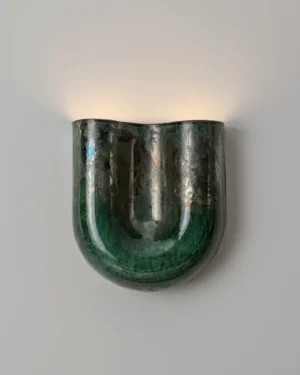
Onda Green Wall Sconce In Raku Ceramic
By arrived aliens
€2.200 -
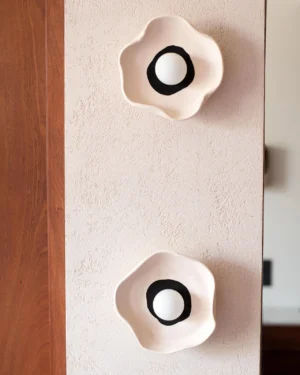
Flower Wall Sconce In Stoneware
By Harshita Jhamtani Designs
€360 -
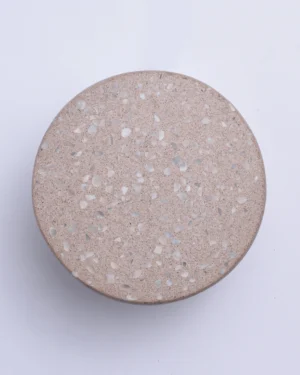
Wilo Nude Wall Sconce In Terrazzo, Aluminum And Silicone
By Harshita Jhamtani Designs
€220 -
 In stock
Herbarium Rumex Acetosa Wall Sconce In Glass And Plywood
By Mateusz Wappa
€2.000 -
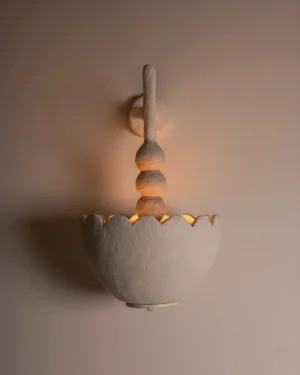
Scallop Wall Sconce In Stoneware And Clay
By Harshita Jhamtani Designs
€1.080 -
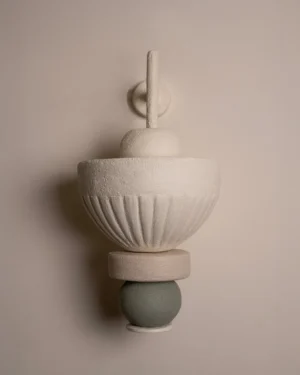
Pebble Wall Sconce In Stoneware And Clay
By Harshita Jhamtani Designs
€1.080 -
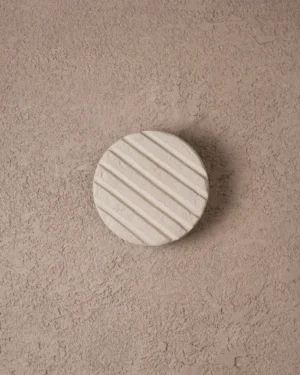
Wilo Fluted Egg White Wall Sconce In Clay And Aluminum
By Harshita Jhamtani Designs
€230 -
 In stock
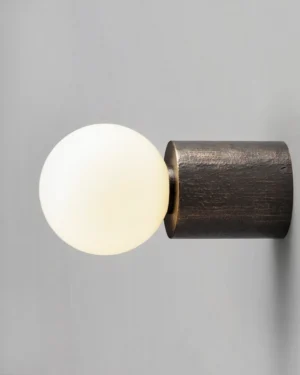
Pp03 Wall Lamp In Brass And Frosted Glass
By Balance Lamp
€230 -
 In stock
Herbarium Tanacetum Vulgare Wall Sconce In Glass And Plywood
By Mateusz Wappa
€2.000 -

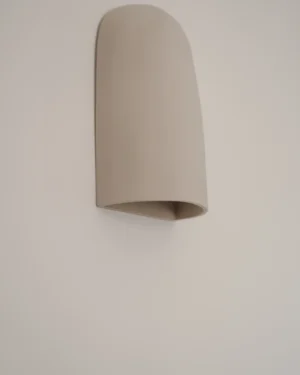
Endu Wall Sconce In Metal
By Natural Urbano - Sebastián Beltrán
€365 -
 In stock
Arte Wall Sconce in Stoneware
By TERA CERAMIC
€290 -

Onda Black Wall Sconce In Raku Ceramic
By arrived aliens
€2.200 -
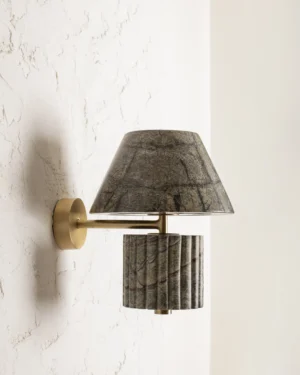
Rio Wall Lamp In Rainforest Marble And Brass
By Harshita Jhamtani Designs
€1.150 -
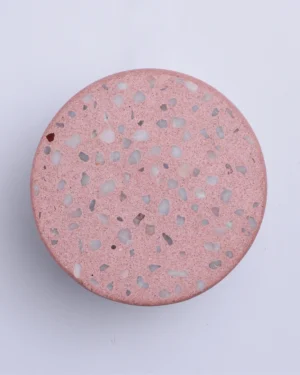
Wilo Blush Wall Sconce In Terrazzo, Aluminum And Silicone
By Harshita Jhamtani Designs
€220 -

Wall Light Franca E
By MANUHITA
Price Upon Request -
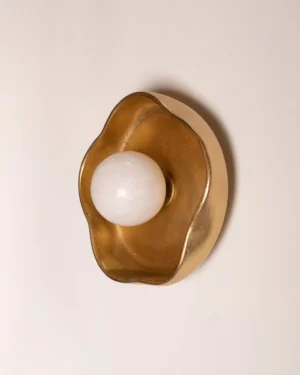
Flower Casted Wall Sconce In Brass-finished Aluminum
By Harshita Jhamtani Designs
€760 -
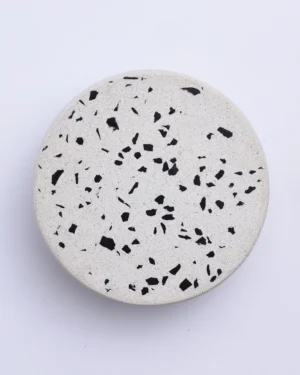
Wilo Mono Wall Sconce In Terrazzo, Aluminum And Silicone
By Harshita Jhamtani Designs
€220 -
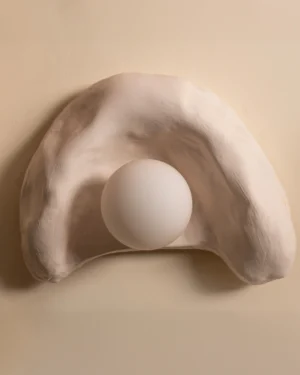
Mini Blob Wall Sconce In Stoneware
By Harshita Jhamtani Designs
€400 -
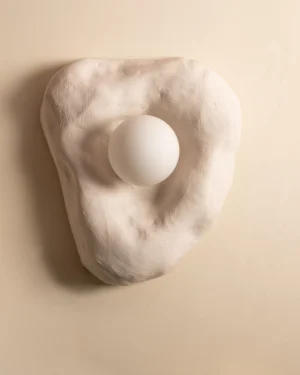
Blob Wall Sconce In Stoneware
By Harshita Jhamtani Designs
€450 -

Wall Light Franca A
By MANUHITA
Price Upon Request -
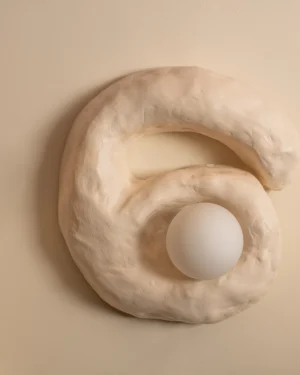
Spiral Wall Sconce In Stoneware
By Harshita Jhamtani Designs
€450 -

Wall Light Franca B
By MANUHITA
Price Upon Request -

Diplo Wall Sconce In Bio Plastic
By Julie Mallet Studio
€375 -

Scape Wall Lamp In Aluminum Or Brass
By Stem
€650 - €950 -
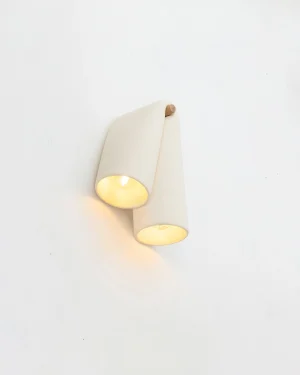
Melo Wall Sconce In Stoneware And Beech Wood
By Catalin Filip
€350
Dining room wall lamps hold the light at eye level, away from the table's surface, so candles, platters and centerpieces keep their room to breathe. The pieces found here come from independent studios working in hand-built stoneware and ceramic, hand-blown glass, and cast or patinated brass and aluminum. Each is built for a single wall position rather than a tabletop, which changes how it throws light and how it ages over years of dinners.
What defines dining room wall lamps
A dining room wall lamp answers to the wall, not the table, so its proportions and its finish matter more than its wattage. Ceramic and stoneware bodies are hand-built or slip-cast, then glazed in off-white, beige or burgundy tones that read warm under low light. Glass shades are blown rather than molded, which leaves faint variation in thickness from piece to piece and a soft, uneven glow. Brass and aluminum fixtures are cast or sculpted, then patinated or left raw, so the metal darkens or dulls at a pace set by handling and air rather than by design.
Materials, finishes and editions on ADORNO
The range changes as studios release and retire work, but it tends to move within a few families. Clay and stoneware pieces favor glazing and hand-building, with off-white, white, beige and grey surfaces that sit quietly against painted or papered walls. Brass and aluminum pieces lean on metal casting, metalwork and patination, giving gold tones or raw grey finishes depending on how far the metal has been worked. Blown glass shades pair with these metal arms more often than with ceramic, since the weight of glass calls for a stronger fixing point.
Styles run from Scandinavian restraint to Brutalist mass, with wabi-sabi pieces that leave the maker's hand visible in an uneven rim or a pitted cast surface. Art Deco and eclectic pieces borrow sharper lines or unexpected pairings of material, while biophilic and sustainable-design pieces favor wood, beech in particular, worked through cabinetmaking rather than casting. Editions range from open runs, made to a standing design, to limited editions and unique pieces, where the glaze or the cast will not repeat. For a wider look at metal fixtures specifically, see the metal wall lamps made in brass, steel and aluminum.
How to choose a dining room wall lamp
Placement follows use. Lamps meant to wash a wall or a painting want a shade that throws light outward and down; lamps meant to light the table itself want a more direct, narrower beam. Where the dining room opens onto a living or hallway space, matching the finish across rooms keeps the light consistent as you move through them, and the broader dining room lighting on ADORNO can round out the scheme with pendants or table lamps.
Where dining room wall lamps work best
They suit rooms where the table sits close to a wall, a banquette, or a corner, since that is where a pendant or chandelier alone leaves the edges of the room dark. They also earn their place in dining rooms doubling as studies or sitting areas, where a wall lamp can be dimmed low for dinner and left on for reading once the table is cleared. Seating close to the wall benefits most directly; see the full range of dining room seating for pieces that sit well under this kind of side light.
Caring for ceramic, glass and brass
Glazed stoneware and ceramic wipe clean with a dry or barely damp cloth; soaking or harsh cleaners can dull the glaze over time. Blown glass shades should be dusted rather than scrubbed, since grit dragged across the surface will scratch it. Brass will darken on its own with handling and air; leave it to develop that color, or polish it back only if the studio's finish was meant to stay bright. For the full catalog of wall-mounted lighting beyond the dining room, the wall lamps category and the wider dining room pieces on ADORNO both sit alongside these dining room wall lamps.
How do I choose a wall lamp for a dining room?
Match the finish to how the room is used: ceramic and stoneware read warm under low light, while brass or aluminum catch more light and suit rooms with harder surfaces. Height and wall position matter more than wattage.
How do I care for ceramic, glass or brass wall lamps?
Wipe ceramic and glass with a dry or barely damp cloth, avoiding sudden temperature changes. Leave brass and aluminum to darken naturally, or clean with a soft cloth if a raw finish is preferred.
How high should a wall lamp be hung in a dining room?
Dining room wall lamps sit at eye level, clear of the table's surface, so light falls across plates and centerpieces without glare. Exact height depends on ceiling and table size, which the maker can confirm.
Can a dining room wall lamp work in other rooms too?
Yes, the same proportions that suit a dining wall often work in a living room or hallway. What changes is the finish: warmer glazes for dining, cooler metals for more functional spaces.
Are these wall lamps handmade or produced in limited numbers?
Many are hand-built or hand-blown, and some come in limited editions or as unique pieces, while others are made to order in open editions. The maker can confirm details on the piece's page.
What are ADORNO's shipping, returns and authenticity policies?
Shipping is insured and worldwide. Returns are accepted within 14 days, excluding made-to-order pieces, and every purchase includes a certificate of authenticity along with a lowest-price guarantee.