-
 In stock
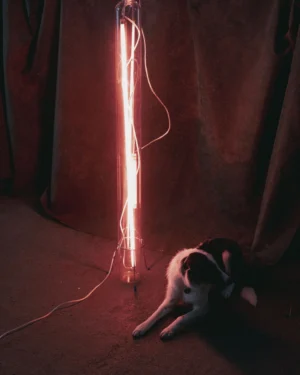
Äther Wall Lamp In Borosilicate Glass
By TUNK I Busra Tunc
€850 -
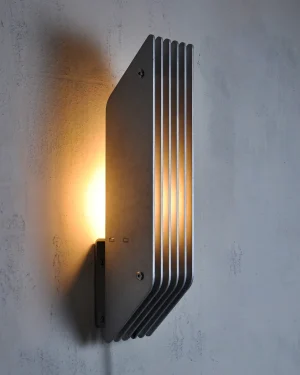
Rln460 Wall Lamp In Matte Aluminium
By MLK Furniture
€390 -
Black Friday −10%

Pleated Sconce In Stainless Steel And Polyester
By BOTHI
€330 -
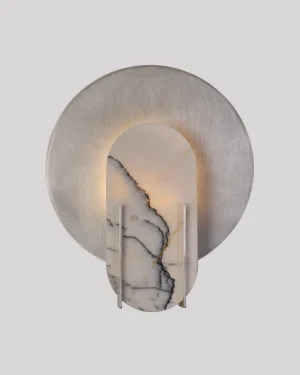
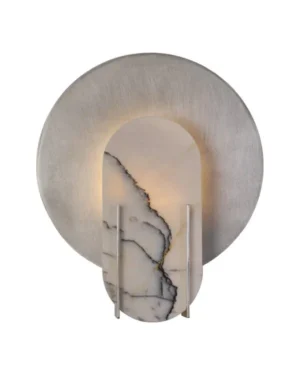
Alice Wall Lamp in Illuminated Marble
By Hasik Design Studio
€1.225 -
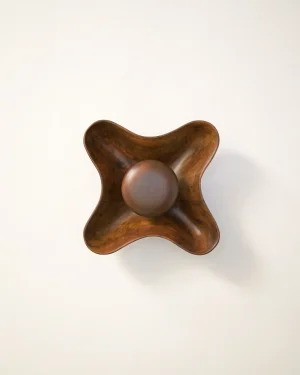
Compass Sconce In Teak Wood
By Studio Indigene
€600 -

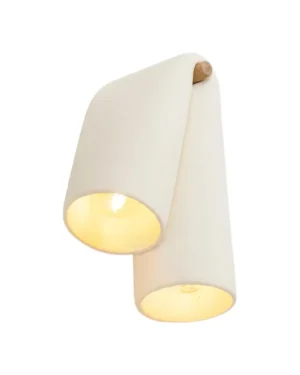
Onda Sconce In Raku White Ceramic
By arrived aliens
€2.200 -
 In stock
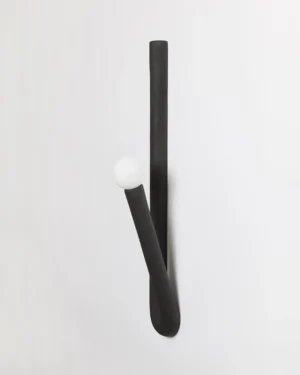
Object 02 Sconce in Nylon and Sand
By Hot Wire Extensions
€1.460 -
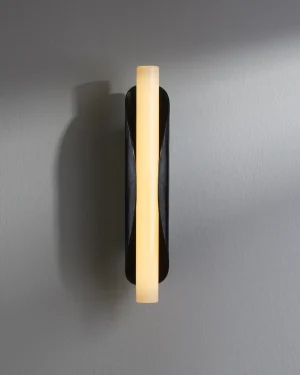
Taco De Luz Wall Sconce in Black Patinated Brass
By Studio Aristotelis Barakos
€980 -
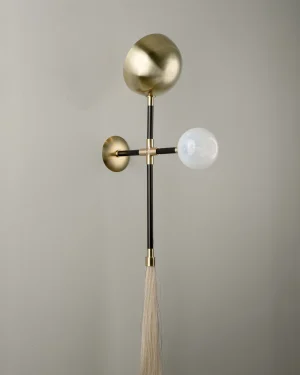
Gogo Wall Sconce in Brass, Blown Glass and Natural Fibers
By Isabel Moncada
€2.880 - €4.036 -
 In stock
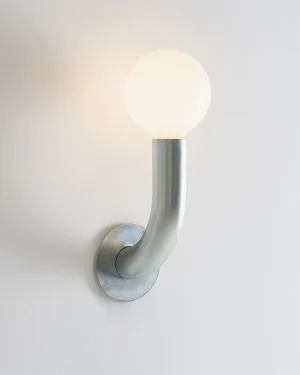
Curva Wall Sconce in Zinc
By Cultivado em Casa
€512 -
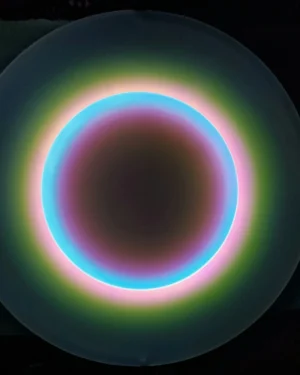
Event Horizon L Wall Sconce in Acrylic Glass
By Catrinel Sabaciag
€1.963 -
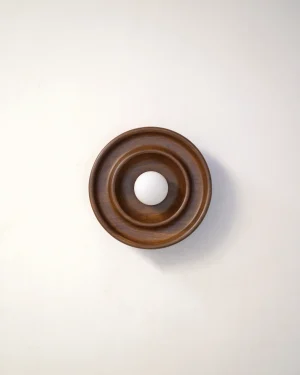
Discus Sconce In Teak Wood
By Studio Indigene
€500 -
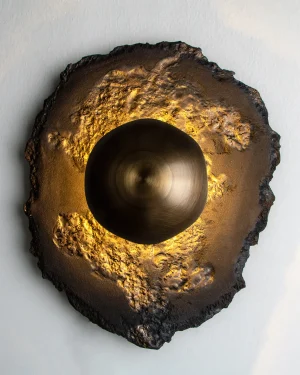 In stock
Asea No. 7 Wall Sconce In Stoneware And Brass
By Ceren Gürkan
€800 -
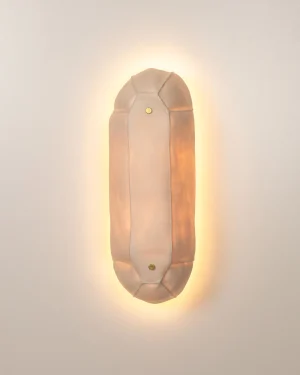
Kawa Series 01 Wall Sconce in Porcelain and Brass
By Luft Tanaka Studio
€1.600 -
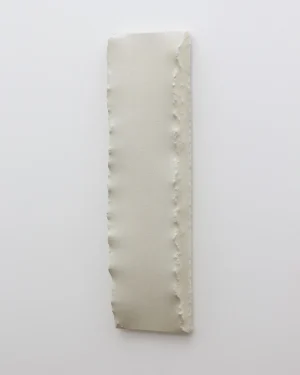 In stock
Edges 20-75 T8-60 Wall Sconce In Paper Pulp
By David Čáp
€400 -
Black Friday −10%

Edges 20-105 T8-90 Wall Sconce In Paper Pulp
By David Čáp
€500 -

Soft Ply Wall Sconce in Birch Wood and Brass
By Sheyang Li
€264 -
Black Friday −9%

Orb Wall Sconce In Stainless Steel
By T44 design studio
€148 -
Black Friday −10%
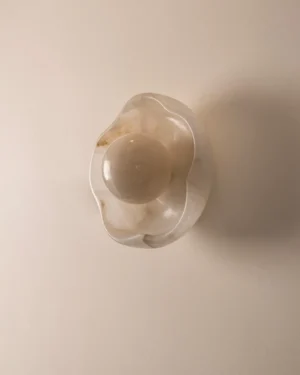
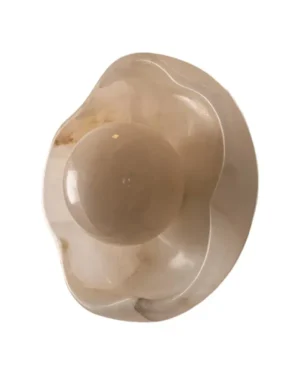
Flower Wall Sconce In Alabaster
By Harshita Jhamtani Designs
€700 -
10% off

Obli Wall Sconce In Stainless Steel
By T44 design studio
€148€134 -

Onda Black Wall Sconce In Raku Ceramic
By arrived aliens
€2.200 -
 In stock
Edges Ellipse 36-96 T8-60 Wall Sconce In Paper Pulp
By David Čáp
€550 -
10% off

Versa Wall Sconce In Stainless Steel
By T44 design studio
€215€194 -

The Flare Wall Sconce in Oak Wood
By COSEINCORSO
€680 -
 In stock
Mini Sombrilla Wall Sconce in 3D Printed PLA
By Studio Parenthesis
€330 -
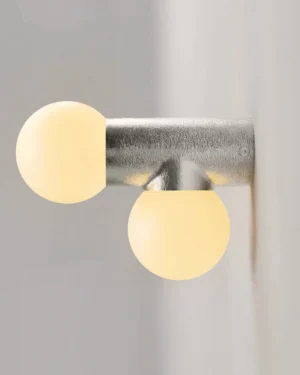 In stock
Pp02 Wall Lamp In Stainless Steel And Frosted Glass
By Balance Lamp
€245 -
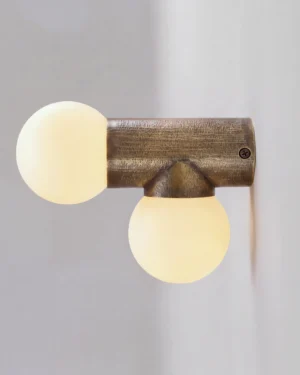 In stock
Pp04 Wall Lamp In Brass And Frosted Glass
By Balance Lamp
€310 -
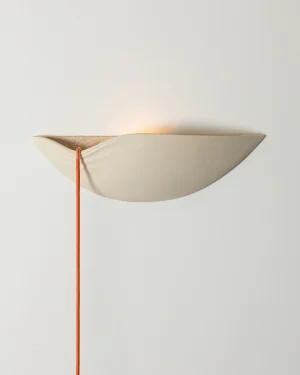
Loma Wall Sconce In Stoneware
By Catalin Filip
€450 -
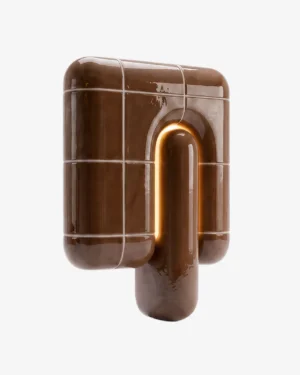
U-013 Wall Lamp In Umber Pla
By Rollo Studio
€820 -
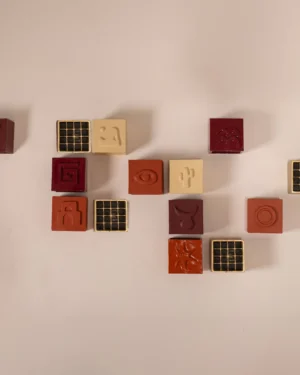
Oasis Wall Light In Hand-sculpted Stoneware
By Harshita Jhamtani Designs
€410 -
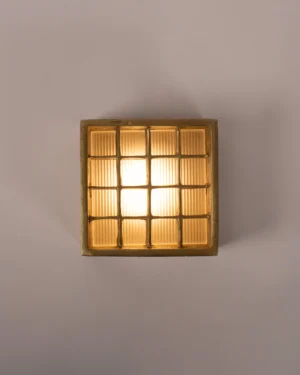
Oasis Mirage Wall Light In Cast Aluminum And Fluted Glass
By Harshita Jhamtani Designs
€620 -
 In stock
Onda Cosmic Wall Sconce In Glazed Ceramic
By arrived aliens
€2.200 -
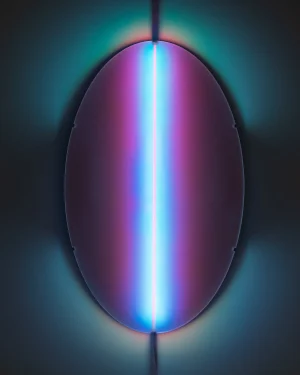 In stock
Aurora Frosted Wall Sconce in Acrylic and Aluminum
By Catrinel Sabaciag
€1.352 -
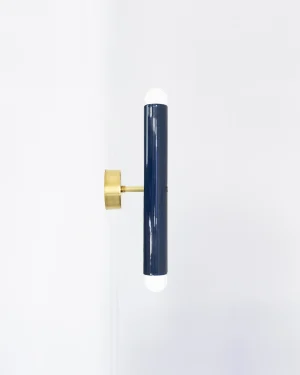 In stock
Trn Wall Sconce In Glazed Ceramic
By Pani Jurek STUDIO
€470 -
 In stock
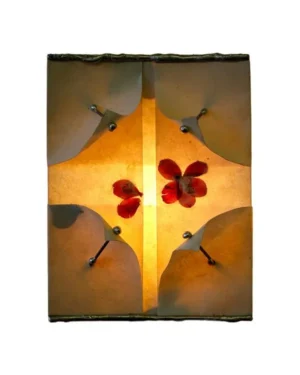
Herbarium Mini Lunaria Annua Wall Sconce In Glass And Plywood
By Mateusz Wappa
€1.200 -
 In stock
Herbarium Mini Daucus Carota Wall Sconce In Glass And Plywood
By Mateusz Wappa
€1.200 -
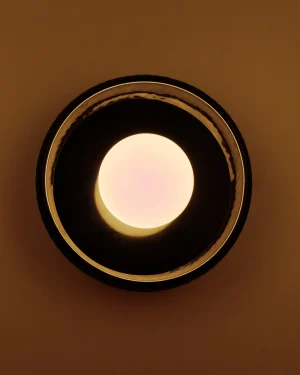
Macrame Wall Sconce in Ceramic
By Saadia Design
€332 -
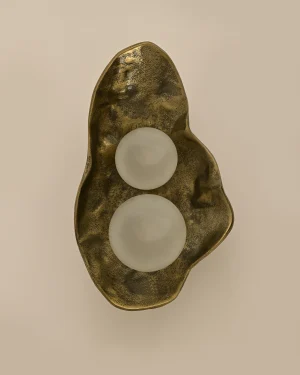
Celestial Tears Wall Sconce in Aluminum
By LMNOH
€710 -

My Stone Flower Ceramic Wall Light
By Katia Langeard
€380 -

Onda Copper Wall Sconce In Raku Ceramic
By arrived aliens
€2.200 -
 In stock
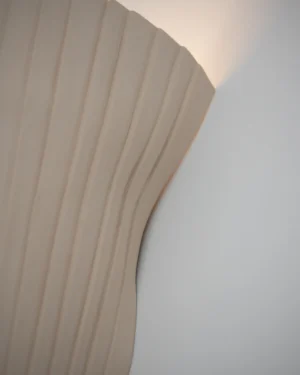
Tenderness Sconce | Large
By Studio Ēeme
€1.300 -
 In stock
Herbarium Eryngium Planum Wall Sconce In Glass And Plywood
By Mateusz Wappa
€2.000 -
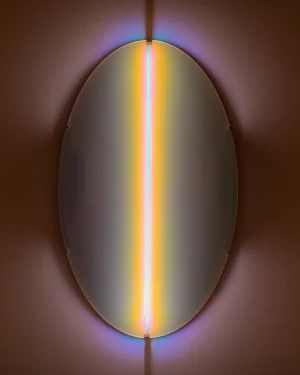
Aurora Gloss Wall Sconce in Acrylic and Aluminum
By Catrinel Sabaciag
€1.341 -
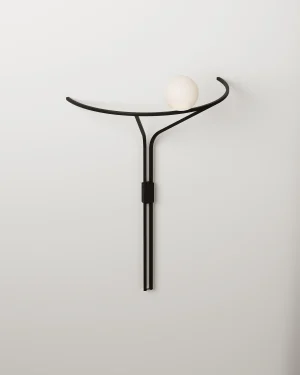 In stock
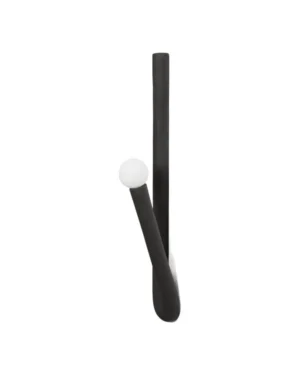
Na Linii Wall Sconce in Steel
By SVITANOK
€1.050 -

Small Wall Sconce in Brass and Blown Glass
By Naama Hofman
€700 -
 In stock
Brown Mud Ellipse Wall Sconce In Textiles And Wood
By David Čáp
€550 -
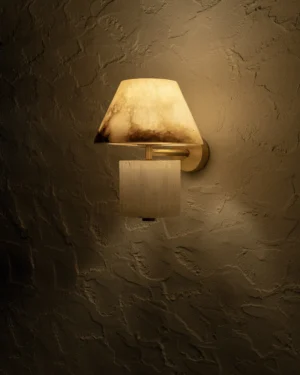
Rio Wall Lamp In Alabaster And Brass
By Harshita Jhamtani Designs
€1.150 -
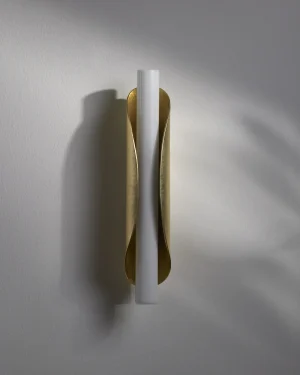
Taco De Luz 30cm Wall Sconce in Satin Brass
By Studio Aristotelis Barakos
€870 -

Totem Wall Sconce in Aluminum and Acrylic Glass
By Catrinel Sabaciag
€1.326 -
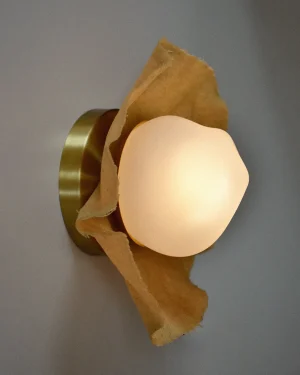 In stock
Liora I Wall Sconce in Glass and Brass
By Atelier Alz
€350 -
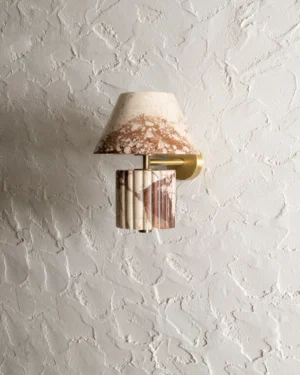
Rio Wall Lamp In Pizzato Marble And Brass
By Harshita Jhamtani Designs
€1.290 -
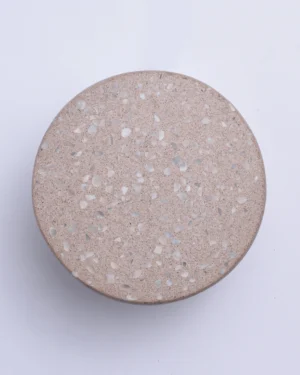
Wilo Nude Wall Sconce In Terrazzo, Aluminum And Silicone
By Harshita Jhamtani Designs
€220 -
 In stock
Sun Vxs.04 – Contemporary Wall Lamp In Textured Quartz Sand
By Rollo Studio
€1.280 -
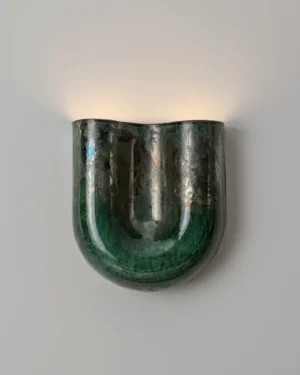
Onda Green Wall Sconce In Raku Ceramic
By arrived aliens
€2.200
Minimalist wall lamps reduce a light source to its essential parts: a body, a joint, a glow, with nothing added for effect. Studios working in brass, steel, aluminum, ceramic and glass favor a single geometric form over ornament, letting the material and the shadow it casts do the work. The making is as plain as the result, whether metalwork, metal casting, hand-building or glassblowing, each technique chosen to keep the silhouette clean rather than call attention to itself.
What defines the minimalist style in a wall lamp
A minimalist fixture is read first as shape: a disc, a cylinder, a thin bar, a sphere set flush or cantilevered off the wall. Color stays restrained, favoring white, black, charcoal, beige, sand or brown so the lamp recedes into the wall during the day and only becomes a statement once lit. There is rarely a visible switch or cord; the hardware is designed to disappear, leaving the form to carry the room.
This restraint depends on the material staying honest. Brass and steel are left polished, brushed or patinated rather than disguised, so the metal's own surface becomes the only decoration. Ceramic and stoneware pieces, hand-built or cast, keep a matte or lightly glazed skin that shows the hand without showing effort, and glass elements are blown thin enough to let light pass through plainly rather than refract into pattern.
The range of materials, finishes and editions on ADORNO
Within wall lamps built in this style, brass and steel dominate, often shaped through metalwork or metal casting and finished with patination to soften a raw metal's shine into something closer to bronze or iron. Aluminum appears where a lighter, cooler finish suits the form. Ceramic and stoneware pieces are hand-built, which means no two are perfectly identical even within the same design, and wood, usually teak, is worked through standard cabinetmaking to frame a bulb or diffuser in a warmer material. Most of these pieces are made to open editions, produced on an ongoing basis, though occasional unique pieces turn up where a studio works in direct hand-building or one-off casting rather than a repeatable mold.
Choosing one: scale, height and placement
Scale is the first decision. A small disc or bar reads as a detail and suits a narrow hallway or the side of a mirror, while a wider or longer fixture can anchor a living room wall on its own. Mounting height follows function: beside a bed it should sit low enough to read by without glare in the eyes; in a corridor or stairwell it can run higher, as a line of light rather than a reading source.
Where these lamps work best
- Bedrooms, mounted either side of the bed in place of table lamps that compete for nightstand space
- Hallways and entryways, spaced along a run of wall to mark a path without fittings underfoot
- Living rooms, positioned to wash a specific wall or painting rather than light the whole room
For more direction by room, the bedroom wall lamps, hallway wall lamps and entryway wall lamps groupings narrow the same restrained forms to a specific setting.
Care by material
Unlacquered brass and steel will shift color with handling and air exposure; a dry cloth keeps the surface even, while polish restores shine if a brighter finish is wanted. Patinated metal should be left alone, since the uneven darkening is the finish, not tarnish to remove. Ceramic and stoneware need only a dry or barely damp cloth, and glass elements should be dusted rather than wiped wet while warm from use. Wood trims benefit from an occasional wipe with a dry cloth and, for teak, an occasional oil to keep the grain from drying out.
For the wider style beyond lighting, the minimalist style page and the related minimalist lamps grouping show the same restraint carried into other kinds of lighting and furniture.
How do I choose a minimalist wall lamp?
Start with the shape the wall needs: a disc or bar for a flat reading of light, a cantilevered form for a sharper shadow. Then pick a finish, brass, steel, ceramic or glass, that stays quiet against your wall color.
What materials are minimalist wall lamps usually made from?
Brass, steel, aluminum, ceramic, stoneware and glass are most common, left polished, brushed, patinated or matte so the material itself reads as the only decoration.
How do I care for a brass, steel or ceramic wall lamp?
Wipe metal with a dry or barely damp cloth, avoiding abrasives that cut through a patina. Dust ceramic and glass gently; both can stain or chip if knocked, so clean with a soft cloth only.
What height should a wall lamp be mounted at?
Bedside fixtures usually sit around eye level when seated in bed, hallway and living room lamps a little higher. The maker can confirm exact mounting height on the piece's page.
Which rooms suit a minimalist wall lamp?
Bedrooms, hallways, living rooms and entryways all take to a fixture that puts light exactly where it's needed without taking up floor or surface space.
What about shipping, returns and authenticity when buying from ADORNO?
Shipping is insured and worldwide. Returns are accepted within 14 days, excluding made-to-order pieces, and every piece arrives with a certificate of authenticity.