


-
 In stock
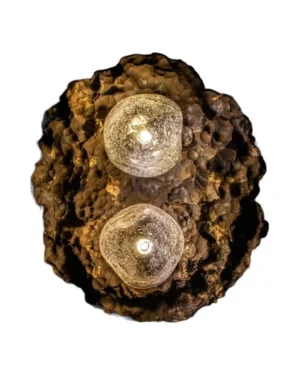
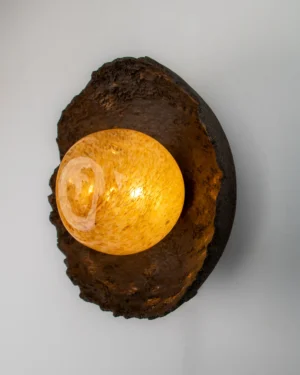
Asea No. 23 Dark Honey Wall Sconce in Stoneware and Glass
By Ceren Gürkan
€800 -
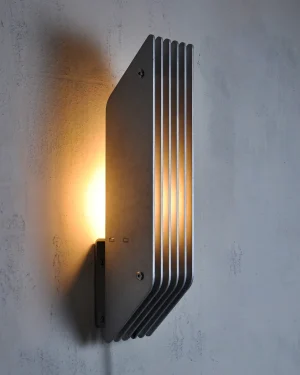
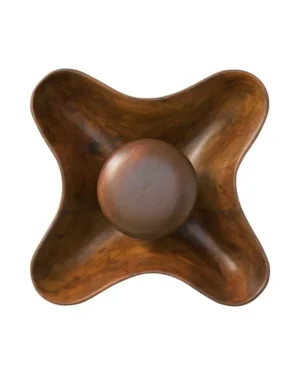
Rln460 Wall Lamp In Matte Aluminium
By MLK Furniture
€390 -
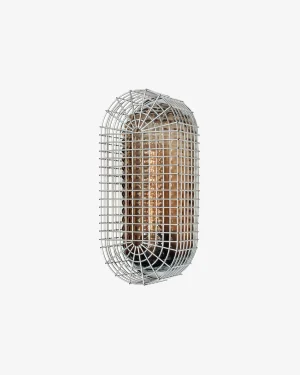
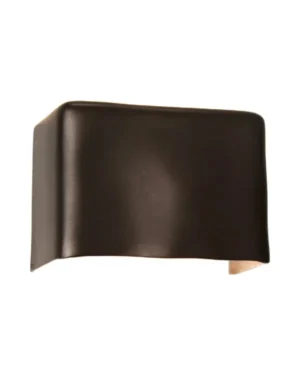
Chastity Wall Sconce In Stainless Steel And Handblown Glass
By Studio S II
€1.980 -

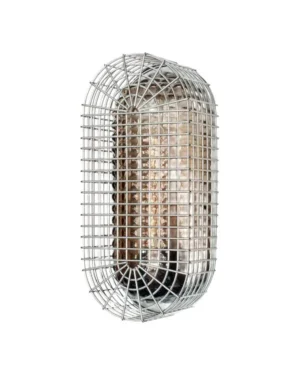
Onda Sconce In Raku White Ceramic
By arrived aliens
€2.200 -
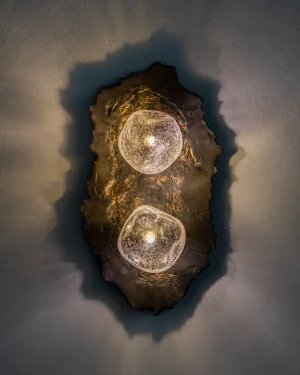 In stock
Asea No. 25 Wall Sconce In Blown Glass And Stoneware
By Ceren Gürkan
€1.100 -
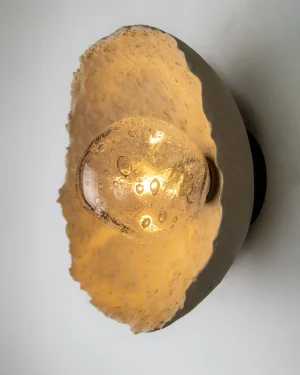 In stock
Asea No. 23 Wall Sconce In Stoneware And Blown Glass
By Ceren Gürkan
€800 -
 In stock
Coral Wall Lamp – Clay Sconce
By Dzovag Kotchian
€900 -
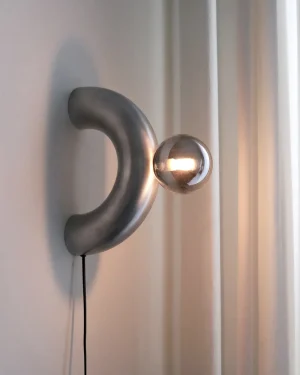
Arcora Toplight Wall Sconce in Aluminum
By HEAKO
€1.650 -
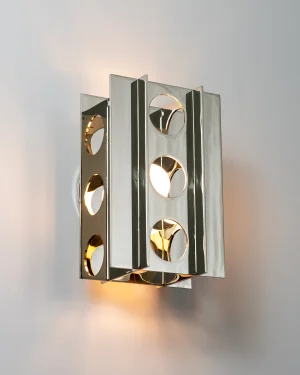
Tenfold 3T Mirror Wall Sconce in Steel and Aluminum
By Luft Tanaka Studio
€1.540 -
 In stock
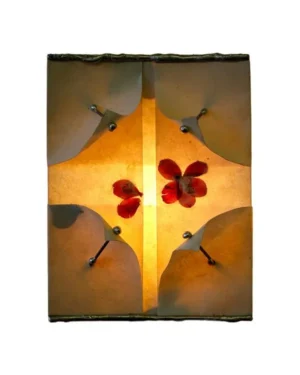
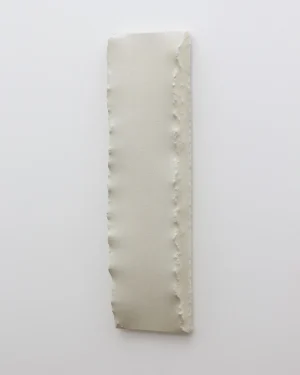
Edges 20-75 T8-60 Wall Sconce In Paper Pulp
By David Čáp
€400 -

Edges 20-105 T8-90 Wall Sconce In Paper Pulp
By David Čáp
€500 -
 In stock
Asea No.40 Wall Sconce In Stoneware And Blown Glass
By Ceren Gürkan
€1.200 -
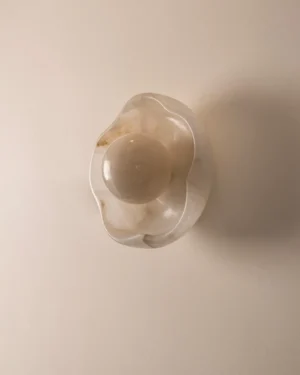
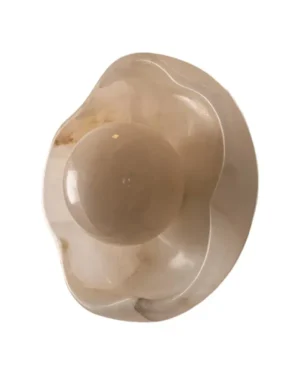
Flower Wall Sconce In Alabaster
By Harshita Jhamtani Designs
€700 -
 In stock
Asea No. 12 Green Wall Sconce In Stoneware And Blown Glass
By Ceren Gürkan
€800 -
 In stock
Edges Ellipse 36-96 T8-60 Wall Sconce In Paper Pulp
By David Čáp
€550 -
 In stock
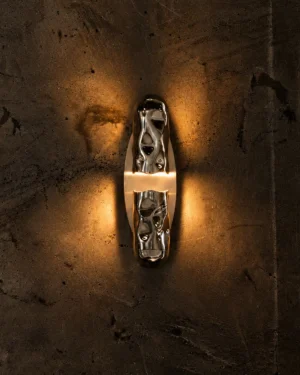
Vela Wall Sconce In Stainless Steel
By Nitush and Aroosh
€700 -
 In stock
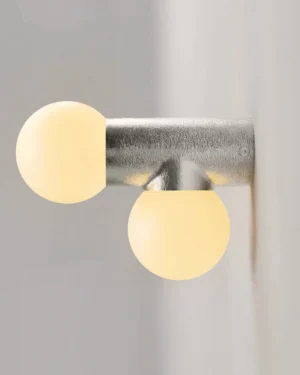
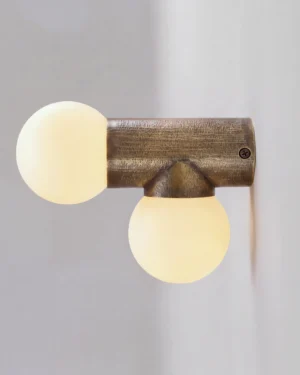
Pp02 Wall Lamp In Stainless Steel And Frosted Glass
By Balance Lamp
€245 -
 In stock
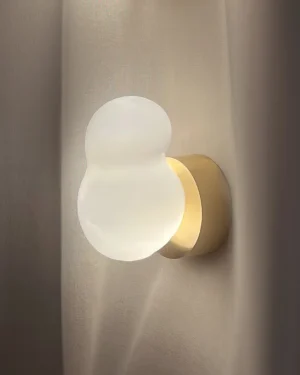
Pp04 Wall Lamp In Brass And Frosted Glass
By Balance Lamp
€310 -
Vv Applique Wall Sconce in Brass and Blown Glass
By Clara Viladecans
€451 -
 In stock
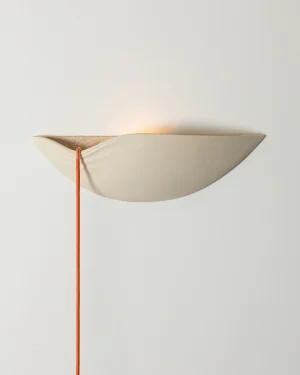
Onda Cosmic Wall Sconce In Glazed Ceramic
By arrived aliens
€2.200 -
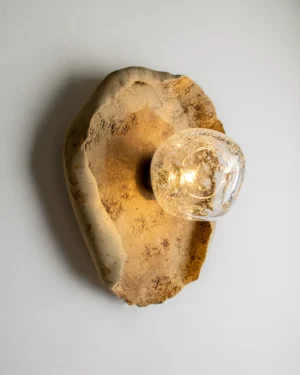
Loma Wall Sconce In Stoneware
By Catalin Filip
€450 -
 In stock
Asea No. 41 Wall Sconce in Stoneware and Blown Glass
By Ceren Gürkan
€1.000 -
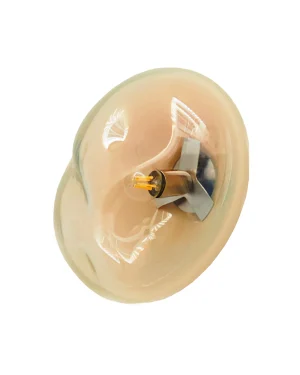
Haumea Amorph Wall Sconce In Amber Blown Glass
By ELOA - Unique Lights
€2.330 - €4.085 -
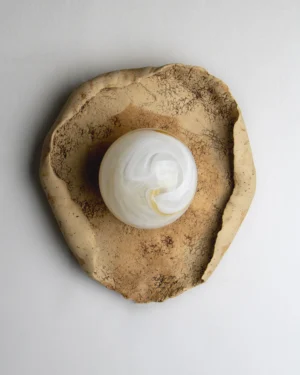 In stock
Asea No. 41 Pearl Wall Sconce in Stoneware and Blown Glass
By Ceren Gürkan
€1.000 -
10% off
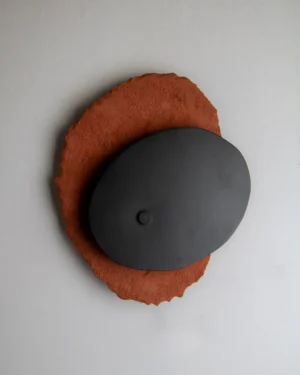
Asea No.1 Cherry Wall Sconce In Stoneware And Metal
By Ceren Gürkan
€1.000€900 -
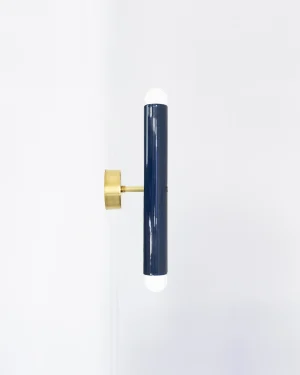 In stock
Trn Wall Sconce in Glazed Ceramic
By Pani Jurek STUDIO
€470 -
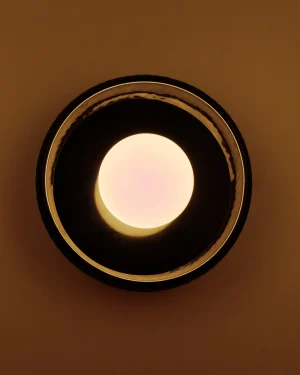
Macrame Wall Sconce in Ceramic
By Saadia Design
€332 -
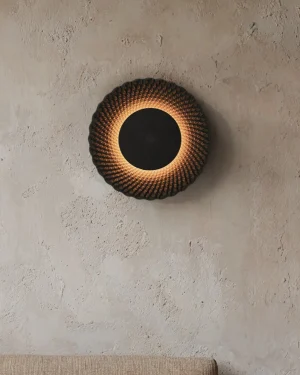 In stock
Sun Vxs 05 — Sculptural Wall Lamp In 3d-printed Sand
By Rollo Studio
€1.080 -
10% off
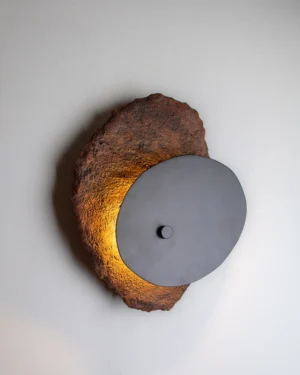
Asea No. 1 Cherry Dark Wall Sconce in Stoneware and Metal
By Ceren Gürkan
€1.000€900 -
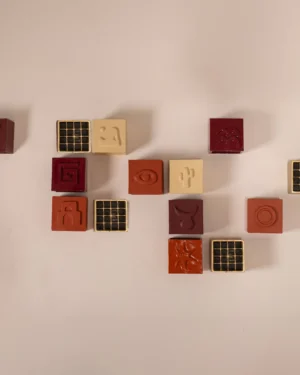
Oasis Wall Light In Hand-sculpted Stoneware
By Harshita Jhamtani Designs
€410 -
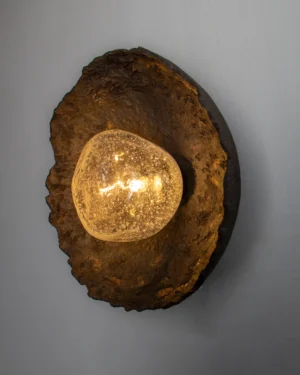
Asea No. 23 Dark Wall Sconce in Stoneware and Blown Glass
By Ceren Gürkan
€800 -
 In stock
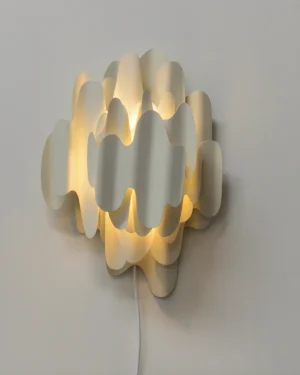
Fantasma Wall Sconce In Painted Steel
By Natural Urbano - Sebastián Beltrán
€950 -
 In stock
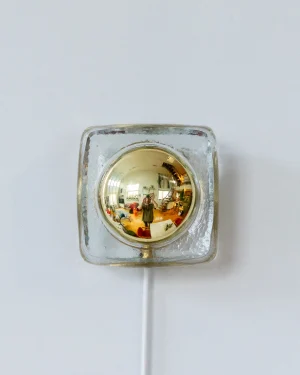
Starburst Wall Sconce in Brass and Blown Glass
By Voidfill Studio
€1.635 -
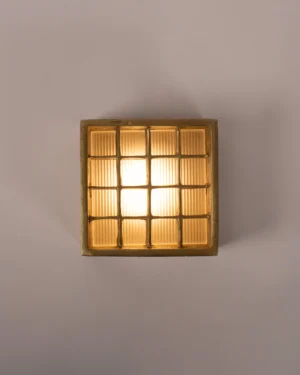
Oasis Mirage Wall Light In Cast Aluminum And Fluted Glass
By Harshita Jhamtani Designs
€620 -
 In stock
Pearl Wall Lamp – Clay Sconce
By Dzovag Kotchian
€1.200 -

Onda Copper Wall Sconce In Raku Ceramic
By arrived aliens
€2.200 -
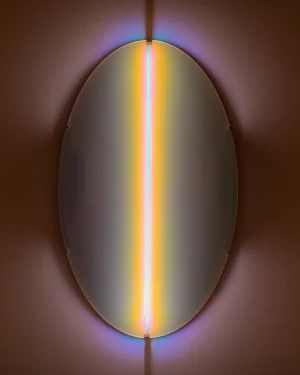
Aurora Gloss Wall Sconce in Acrylic and Aluminum
By Catrinel Sabaciag
€1.341 -
 In stock
Edges 20-75 T8-60 Wall Sconce In Black Paper Pulp
By David Čáp
€550 -
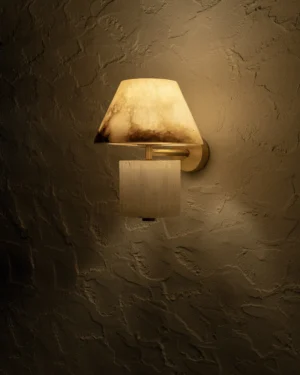
Rio Wall Lamp In Alabaster And Brass
By Harshita Jhamtani Designs
€1.150 -
 In stock
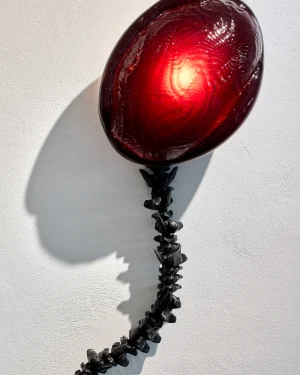
Dysplasio Wall Sconce in Blown Glass
By Anna Jožová
€2.000 - €3.300 -
 In stock
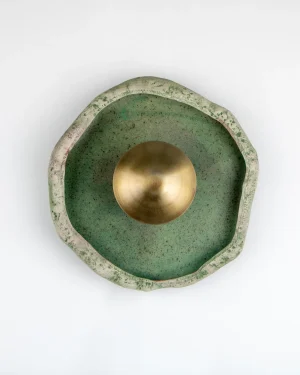
Asea No. 18 Green Wall Sconce In Porcelain And Brass
By Ceren Gürkan
€600 -
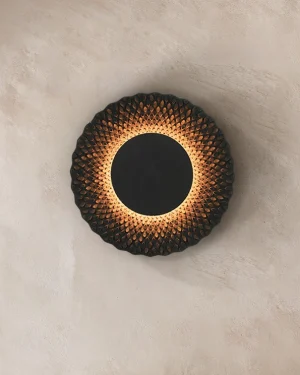 In stock
Sun Vxs 08 — Sculptural Wall Lamp In 3d-printed Sand
By Rollo Studio
€1.080 -
 In stock
Brown Mud Ellipse Wall Sconce In Textiles And Wood
By David Čáp
€550 -
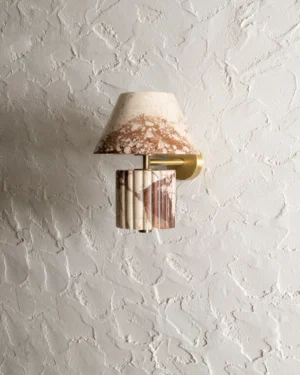
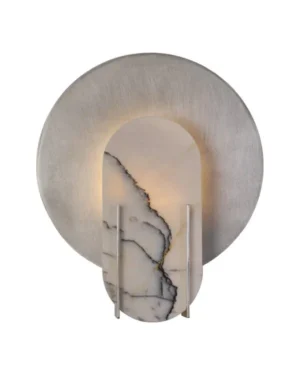
Rio Wall Lamp In Pizzato Marble And Brass
By Harshita Jhamtani Designs
€1.290 -

Totem Wall Sconce in Aluminum and Acrylic Glass
By Catrinel Sabaciag
€1.326 -
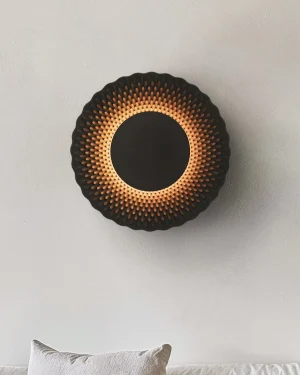 In stock
Sun Vxs 07 — Sculptural Wall Lamp In 3d-printed Sand
By Rollo Studio
€1.080 -
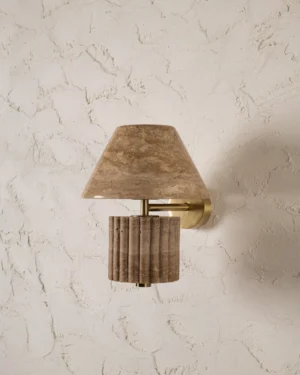
Rio Wall Lamp In Beige Travertine And Brass
By Harshita Jhamtani Designs
€1.150 -
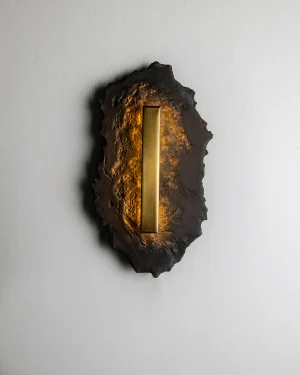 In stock
Asea No. 16 Wall Sconce in Stoneware and Brass
By Ceren Gürkan
€900 -
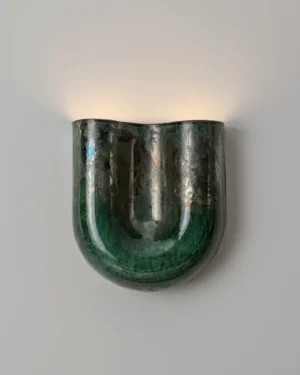
Onda Green Wall Sconce In Raku Ceramic
By arrived aliens
€2.200 -
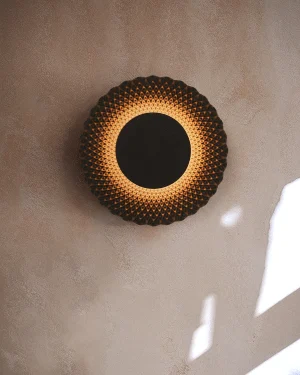 In stock
Sun Vxs 06 — Sculptural Wall Lamp In 3d-printed Sand
By Rollo Studio
€1.080 -
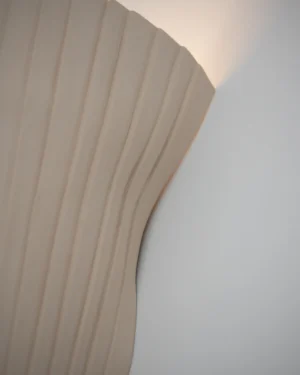 In stock
Tenderness Sconce | Large
By Studio Ēeme
€1.300 -
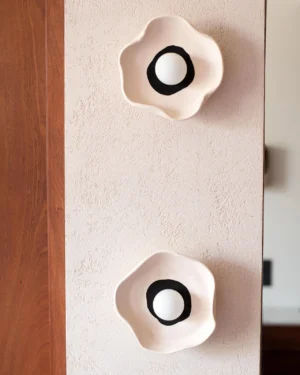
Flower Wall Sconce In Stoneware
By Harshita Jhamtani Designs
€360 -
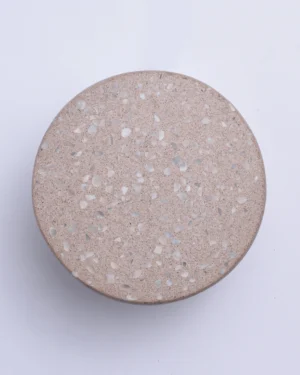
Wilo Nude Wall Sconce In Terrazzo, Aluminum And Silicone
By Harshita Jhamtani Designs
€220 -
 In stock
Sun Vxs 03 — Sculptural Wall Lamp In 3d-printed Sand
By Rollo Studio
€1.080
Entryway wall lamps are the fixtures sized and finished for the first room a visitor sees, made in hand-blown glass, stoneware and ceramic, and in aluminum, steel or brass worked by independent studios. Because an entryway is often narrow and low on natural light, these pieces lean toward shapes that throw light outward and finishes that read well up close. What they share is a sense of restraint: a single material doing one job well, rather than several materials competing for attention.
What defines an entryway wall lamp
Scale and proximity set this kind of lighting apart from a living room sconce or a bedside fixture. An entryway is a passage, not a place to linger, so the lamp has to register in a glance: a clean arc of glass, a round ceramic diffuser, a bracket of patinated bronze. The material is usually left plain, without pattern or ornament, so the surface itself — the sheen of blown glass, the chalky texture of stoneware, the cool weight of cast metal — carries the design.
Materials, finishes and editions found here
The range at ADORNO's wall lamps category runs across a handful of recurring materials, and entryway pieces draw from most of them.
- Blown glass, clear or lightly tinted, shaped by glassblowing into globes, tubes or asymmetric forms that soften light rather than aim it.
- Stoneware and ceramic, hand-built or sculpted, in white, off-white or beige, with a matte or lightly glazed surface.
- Metals — aluminum, stainless steel and brass — worked through metalwork, metal casting or patination, finished in silver, bronze or gray.
Editions vary by studio: some pieces are open editions kept in ongoing production, others are limited editions or unique pieces where each one carries small variations from the hand or the mold. None of this is marked by style alone — a contemporary glass form and a wabi-sabi stoneware one can share a production method and differ only in finish.
How to choose one for a doorway or corridor
Start with depth before anything else. An entryway is often the tightest room in a home, so a lamp that sits flush or close to the wall avoids becoming an obstacle at elbow height. Mounting height matters too: set it a little above eye level so the light source itself stays out of view and only the glow reads.
Finish should answer to what else is in the room. Clear or tinted glass keeps a narrow hallway feeling open, while a bronze or patinated metal fixture reads as a small, fixed piece of furniture against a plain wall. If the entryway opens directly into a hallway, matching the finish along that run — rather than placing a different material every few feet — keeps the passage coherent.
Where else these pieces suit
The same forms that work at a front door often move well into other transitional spaces. A ceramic or glass wall lamp sized for an entryway can sit equally at the start of a stairwell or beside a mirror further into the house, and studios working across the metal wall lamps group in particular tend to make fixtures that read as well in a living space as they do by a door. For a fuller view of how a studio treats the rest of a threshold, the entryway pieces at ADORNO extend into tables, mirrors and small sculpture alongside the lighting.
Care for glass, ceramic and metal
Blown glass should be dusted rather than wiped dry, since grit dragged across the surface can leave fine scratches; a soft, slightly damp cloth is enough. Stoneware and ceramic finishes tolerate the same light dusting and should stay away from abrasive cleaners, which can dull a matte glaze. Unlacquered brass and bronze will darken and develop patina with handling and air exposure — a natural change many studios expect and even encourage — while stainless steel and aluminum wipe clean with a dry cloth and keep their finish largely unchanged over years of use near a front door.
How do I choose a wall lamp for my entryway?
Pick a shape that throws light outward rather than down, since entryways are often narrow and low on daylight. A single globe or arc in glass, ceramic or metal registers clearly at a glance.
What height should an entryway wall lamp be mounted at?
Most entryway fixtures sit at eye level or slightly above, so the glow reaches the doorway and the lamp itself does not interrupt passage. The maker can confirm exact mounting height on the piece's page.
What materials are entryway wall lamps made from?
Common choices are hand-blown glass, stoneware or ceramic, and metals like aluminum, steel or brass. Each is usually left plain, letting the surface itself carry the design.
How do I care for a glass, ceramic or metal wall lamp?
Wipe glass and glazed ceramic with a dry or barely damp cloth, and keep raw metal away from moisture to prevent tarnish. Avoid abrasive cleaners, which can dull a patinated or brushed surface.
Can entryway wall lamps work in other rooms too?
Yes, their compact scale suits hallways, small landings or beside a mirror anywhere light is needed without taking up floor or surface space.
What is ADORNO's shipping and returns policy?
Shipping is insured and worldwide. Returns are accepted within 14 days, except for made-to-order pieces, and each lamp arrives with a certificate of authenticity.