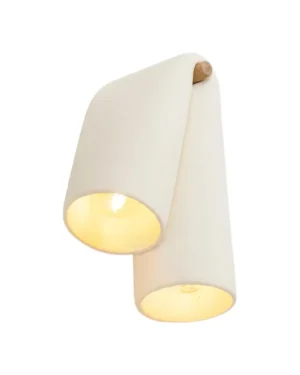
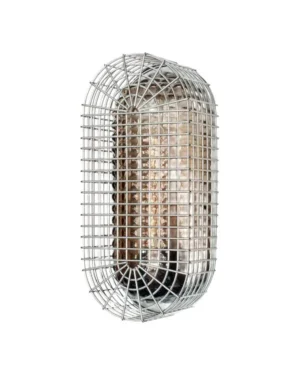
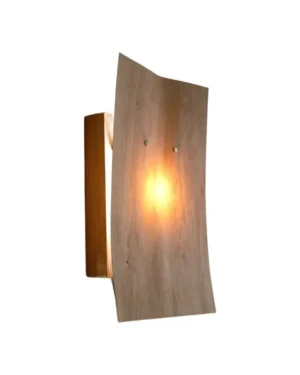
-
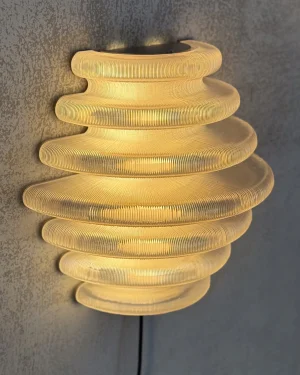
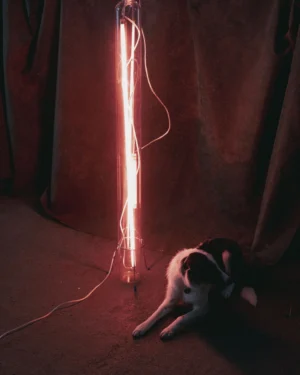
Hive Wall Lamp In Recycled Plastic And Stainless Steel
By Stijn van Aardenne
€805 -
 In stock
Äther Wall Lamp In Borosilicate Glass
By TUNK I Busra Tunc
€850 -
Black Friday −10%

Pleated Sconce In Stainless Steel And Polyester
By BOTHI
€330 -
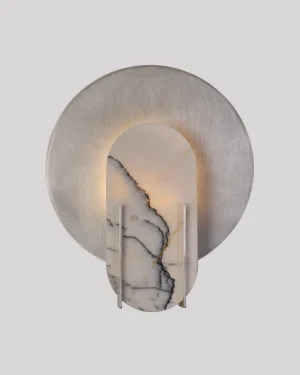
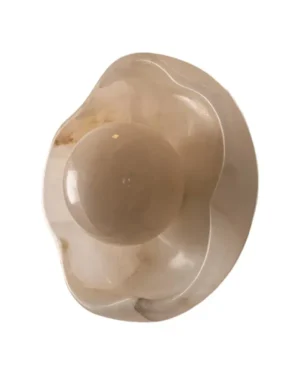
Alice Wall Lamp in Illuminated Marble
By Hasik Design Studio
€1.225 -
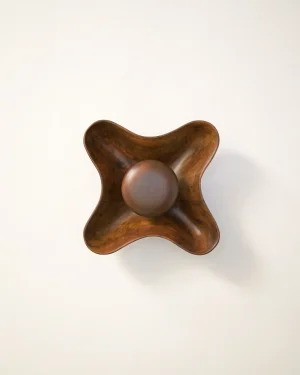
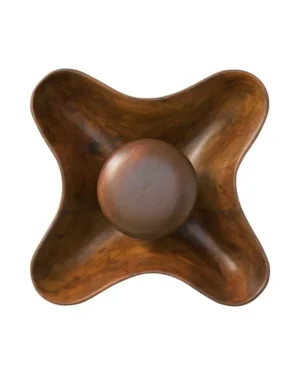
Compass Sconce In Teak Wood
By Studio Indigene
€600 -

Onda Sconce In Raku White Ceramic
By arrived aliens
€2.200 -
 In stock
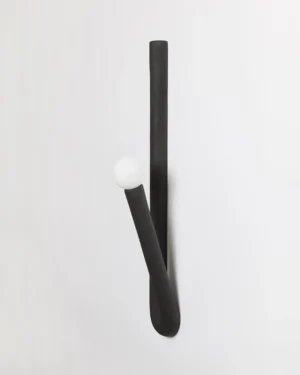
Object 02 Sconce in Nylon and Sand
By Hot Wire Extensions
€1.460 -
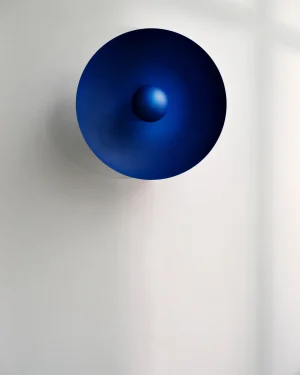 In stock
Blue Moon Wall Lamp in Aluminum
By Anne Nowak
€1.675 -
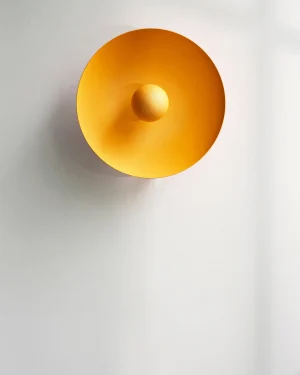 In stock
Sun Wall Lamp in Aluminum
By Anne Nowak
€1.340 -
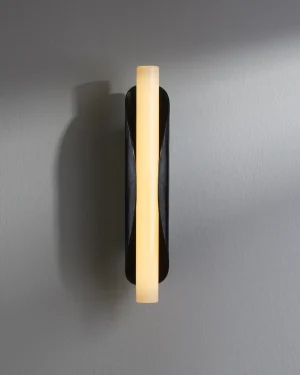
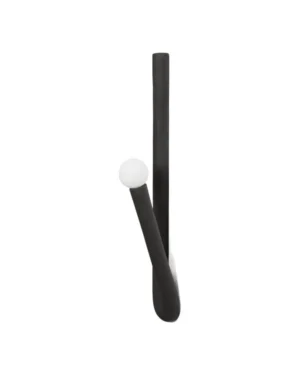
Taco De Luz Wall Sconce in Black Patinated Brass
By Studio Aristotelis Barakos
€980 -
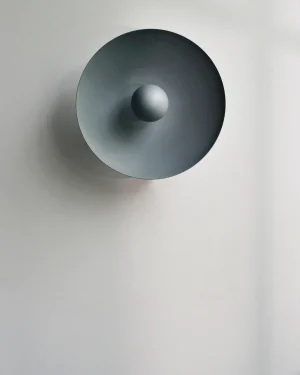 In stock
Grey Moon Wall Lamp in Aluminum
By Anne Nowak
€1.675 -
 In stock
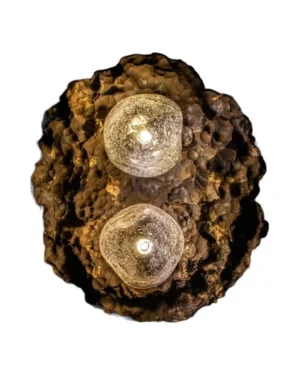
Coral Wall Lamp – Clay Sconce
By Dzovag Kotchian
€900 -
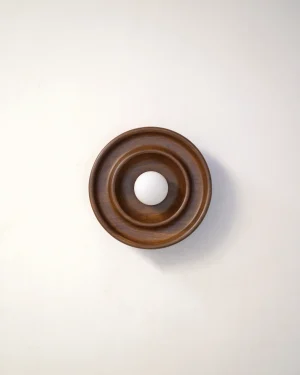
Discus Sconce In Teak Wood
By Studio Indigene
€500 -
 In stock
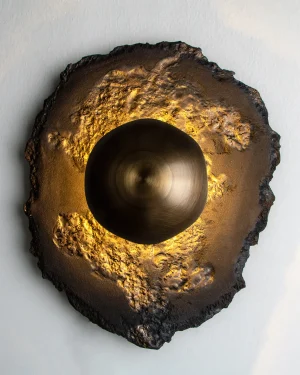
Asea No. 7 Wall Sconce In Stoneware And Brass
By Ceren Gürkan
€800 -
 In stock
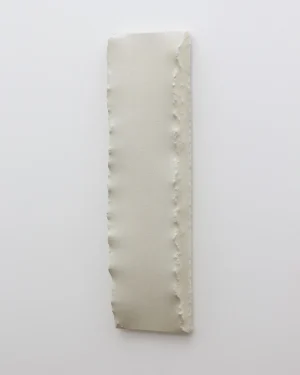
Edges 20-75 T8-60 Wall Sconce In Paper Pulp
By David Čáp
€400 -
Black Friday −10%

Edges 20-105 T8-90 Wall Sconce In Paper Pulp
By David Čáp
€500 -
Black Friday −15%

Asea No.40 Wall Sconce In Stoneware And Blown Glass
By Ceren Gürkan
€1.200 -
Black Friday −9%

Orb Wall Sconce In Stainless Steel
By T44 design studio
€148 -
Black Friday −10%
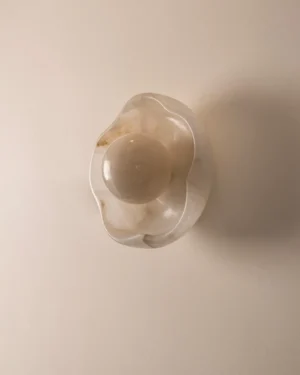
Flower Wall Sconce In Alabaster
By Harshita Jhamtani Designs
€700 -
10% off

Obli Wall Sconce In Stainless Steel
By T44 design studio
€148€134 -

Onda Black Wall Sconce In Raku Ceramic
By arrived aliens
€2.200 -
 In stock
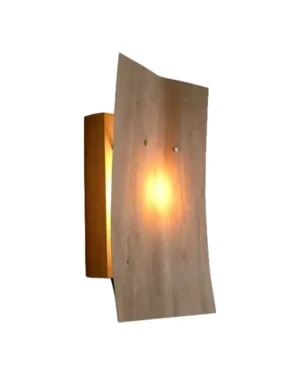
Mujo P Iver Wall Sconce in Walnut Wood and Washi Paper
By Prangé
€948 -
 In stock
Edges Ellipse 36-96 T8-60 Wall Sconce In Paper Pulp
By David Čáp
€550 -
10% off

Versa Wall Sconce In Stainless Steel
By T44 design studio
€215€194 -
 In stock
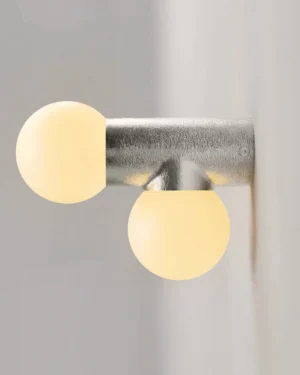
Pp02 Wall Lamp In Stainless Steel And Frosted Glass
By Balance Lamp
€245 -
 In stock
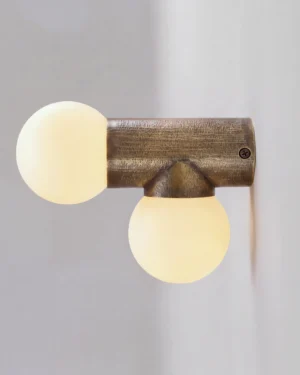
Pp04 Wall Lamp In Brass And Frosted Glass
By Balance Lamp
€310 -
 In stock
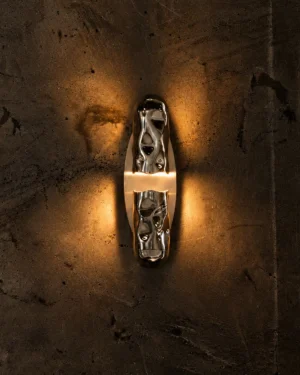
Vela Wall Sconce In Stainless Steel
By Nitush and Aroosh
€700 -
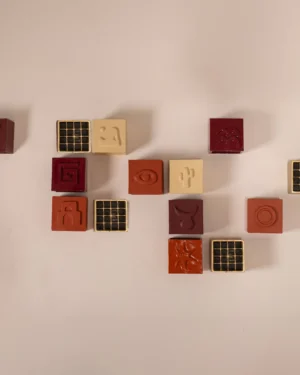
Oasis Wall Light In Hand-sculpted Stoneware
By Harshita Jhamtani Designs
€410 -
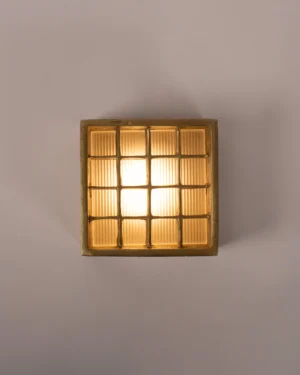
Oasis Mirage Wall Light In Cast Aluminum And Fluted Glass
By Harshita Jhamtani Designs
€620 -
 In stock
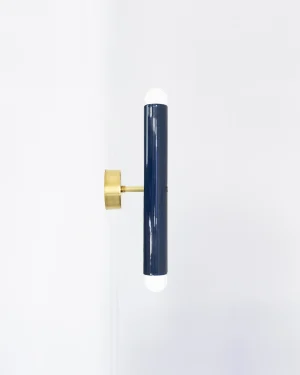
Onda Cosmic Wall Sconce In Glazed Ceramic
By arrived aliens
€2.200 -
 In stock
Trn Wall Sconce In Glazed Ceramic
By Pani Jurek STUDIO
€470 -
 In stock
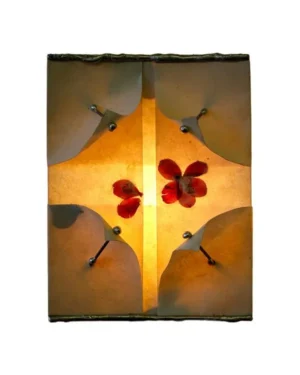
Herbarium Mini Lunaria Annua Wall Sconce In Glass And Plywood
By Mateusz Wappa
€1.200 -
 In stock
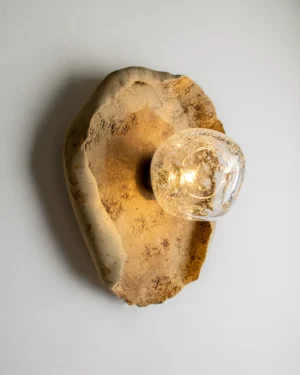
Herbarium Mini Daucus Carota Wall Sconce In Glass And Plywood
By Mateusz Wappa
€1.200 -
 In stock
Asea No. 41 Wall Sconce in Stoneware and Blown Glass
By Ceren Gürkan
€1.000 -
 In stock
Mujo M Reol Wall Sconce in Walnut Wood and Washi Paper
By Prangé
€1.706 -

Onda Copper Wall Sconce In Raku Ceramic
By arrived aliens
€2.200 -
 In stock
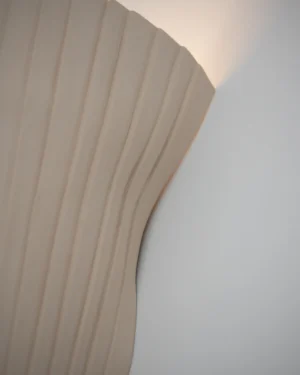
Tenderness Sconce | Large
By Studio Ēeme
€1.300 -
 In stock
Herbarium Eryngium Planum Wall Sconce In Glass And Plywood
By Mateusz Wappa
€2.000 -
 In stock
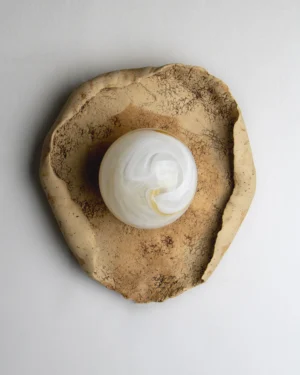
Asea No. 41 Pearl Wall Sconce in Stoneware and Blown Glass
By Ceren Gürkan
€1.000 -
 In stock
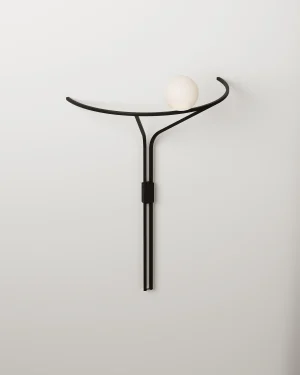
Na Linii Wall Sconce in Steel
By SVITANOK
€1.050 -
 In stock
Mujo M Aray Wall Sconce in Walnut Wood and Washi Paper
By Prangé
€1.706 -
 In stock
Brown Mud Ellipse Wall Sconce In Textiles And Wood
By David Čáp
€550 -
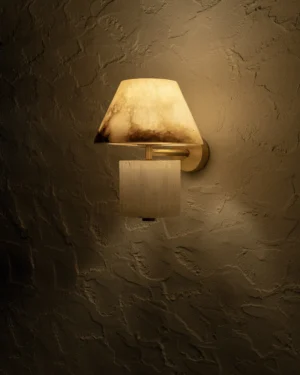
Rio Wall Lamp In Alabaster And Brass
By Harshita Jhamtani Designs
€1.150 -
 In stock
Pearl Wall Lamp – Clay Sconce
By Dzovag Kotchian
€1.200 -

Totem Wall Sconce in Aluminum and Acrylic Glass
By Catrinel Sabaciag
€1.326 -
 In stock
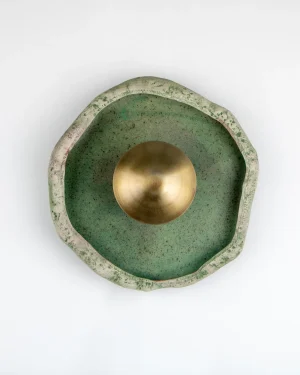
Asea No. 18 Green Wall Sconce In Porcelain And Brass
By Ceren Gürkan
€600 -
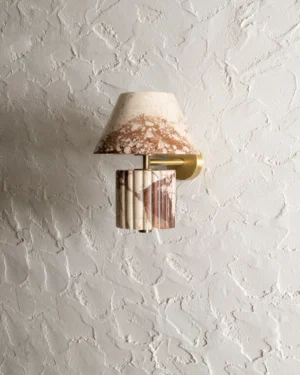
Rio Wall Lamp In Pizzato Marble And Brass
By Harshita Jhamtani Designs
€1.290 -
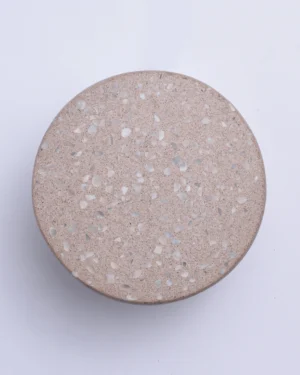
Wilo Nude Wall Sconce In Terrazzo, Aluminum And Silicone
By Harshita Jhamtani Designs
€220 -
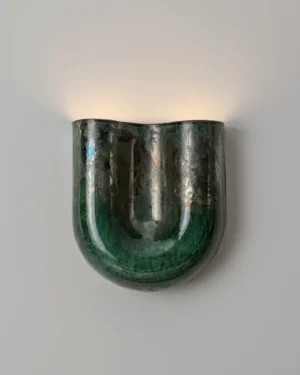
Onda Green Wall Sconce In Raku Ceramic
By arrived aliens
€2.200 -
 In stock
Edges 20-75 T8-60 Wall Sconce In Black Paper Pulp
By David Čáp
€550 -

Paten Wall Sconce In Teak Wood
By Studio Indigene
€500 -
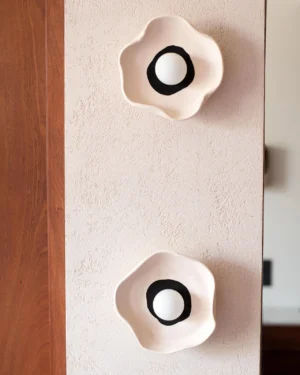
Flower Wall Sconce In Stoneware
By Harshita Jhamtani Designs
€360 -
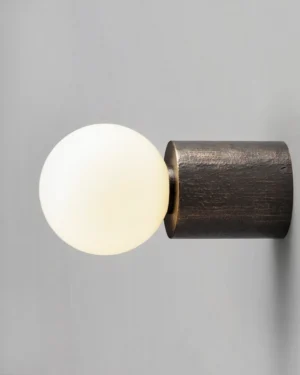 In stock
Pp03 Wall Lamp In Brass And Frosted Glass
By Balance Lamp
€230 -
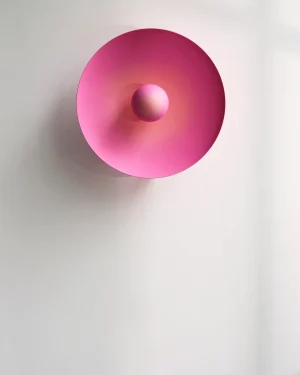 In stock
Pink Moon Wall Lamp in Aluminum
By Anne Nowak
€1.675
Living room wall lamps are the fixtures makers design to sit beside seating, flank a mirror or frame a painting, built from brass, ceramic, stoneware and hand-blown glass rather than the stamped steel of a hallway fitting. Independent studios shape them through metalwork, hand-building and glassblowing, which is why a single run can include a cast brass shade, a hand-built stoneware base and a blown glass diffuser, each behaving differently once the light goes on. What they share is a fixed point on the wall and a job: light that falls where a sofa, a bookshelf or an artwork actually needs it.
What defines this kind of wall lamp
Brass and other metals dominate because they take a bend, a weld or a cast curve without losing their line, and because patination lets a maker push the surface toward a warm brown or a darker charcoal that will keep shifting slowly with handling and light. Ceramic and stoneware wall lamps come from hand-built or slip-cast clay, so no two glazes sit quite the same, and the body stays cool and slightly porous compared to metal or glass. Hand-blown glass brings transparency and a soft aqua or sand tint into the mix, scattering light rather than aiming it, which suits a living room where the fixture itself is often in view.
Materials, finishes and editions on ADORNO
Within designer wall lamps for the living room, the range runs across aluminum, brass, stainless steel and other metals, alongside ceramic, stoneware and clay bodies and blown glass shades. Colors lean toward brown, white, beige and charcoal, with transparent glass, dusty pink and aqua appearing where a studio wants more warmth or more quiet. Styles stretch from Scandinavian and minimalist to wabi-sabi, neo-industrial, coastal and the occasional futuristic or 3D-printed form, and because most studios work in small batches, pieces arrive as open editions, limited editions or unique, one-off objects rather than a fixed catalog.
How to choose a wall lamp for the living room
Start with scale: a lamp that reads as sculptural up close can disappear on a long, empty wall, so measure the run of wall it will occupy before fixing on a shade size. Mounting height matters more than most people expect — set too low, light washes into eyes rather than across surfaces; set too high, it loses the art or seating it was meant to reach. Think about finish against your existing metals and woods, since a bright brass sits differently next to oak than next to walnut or painted plaster.
- Pair sconces at eye-sitting height either side of a mirror or painting for even, flattering light
- Choose a dimmable or warm-toned glass shade for a lamp near a reading chair
- Match matte or patinated metal finishes to darker rooms, and polished or pale ceramic to brighter ones
For rooms built around other fixtures, it helps to see the fuller picture across living room lamps or the wider living room pieces before settling on a single wall fixture, since floor and table lighting will share the same room and the same light temperature.
Placement and care
Living room wall lamps suit spots a floor or table lamp cannot reach cleanly: above a low sofa back, flanking a fireplace, or along a wall too narrow for furniture. Brass and other metal fixtures, including those shown under metal wall lamps, only need an occasional dry cloth unless a studio has sealed the patina, in which case harsh cleaners will strip the finish faster than daily wear ever would. Ceramic and stoneware bodies should be dusted rather than scrubbed, since water can sit in an unglazed foot and dull the surface over time, while blown glass shades want nothing more than a soft cloth to keep them clear. For a quieter, more pared-back look, pieces filed under minimalist wall lamps tend to ask the least of a wall and the least of day-to-day upkeep.
How do I choose a wall lamp for my living room?
Decide what it needs to do first, wash a wall with light, frame a painting or sit beside seating, then pick a material whose finish suits that job, metal for direction, glass or ceramic for ambient glow.
What material is best for living room wall lamps?
Brass and other metals hold a sharp line and patinate with handling, ceramic and stoneware give a cool, matte surface with no two glazes alike, and hand-blown glass scatters light rather than aiming it.
How do I clean and care for a wall lamp?
Dust metal and ceramic with a dry or barely damp cloth, keep stoneware away from harsh cleaners that strip the glaze, and wipe glass with a soft cloth to avoid scratching the surface.
How high should a wall lamp be mounted in a living room?
Most sit around eye level or slightly above, roughly 60 to 65 inches from the floor, though exact placement depends on ceiling height and whether the lamp sits beside seating or flanks a mirror.
Can a wall lamp work in other rooms besides the living room?
Yes, the same fixtures suit hallways, bedrooms and entryways, since their job, directing light where a surface would otherwise sit empty, holds true in any room with a bare wall.
What is ADORNO's shipping and return policy for wall lamps?
Shipping is insured and worldwide, returns are accepted within 14 days except on made-to-order pieces, and every wall lamp arrives with a certificate of authenticity.