



-
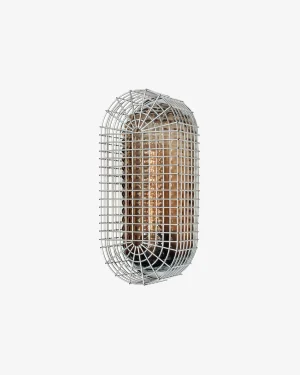
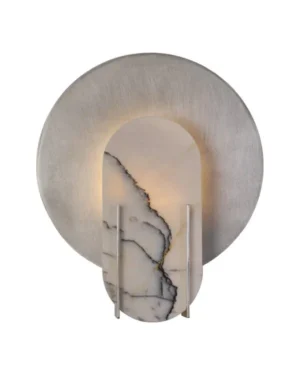
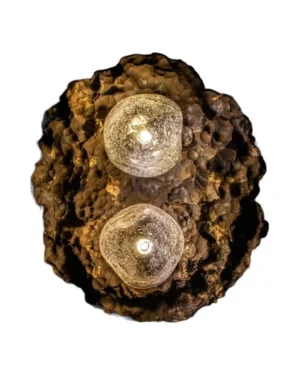
Chastity Wall Sconce In Stainless Steel And Handblown Glass
By Studio S II
€1.980 -

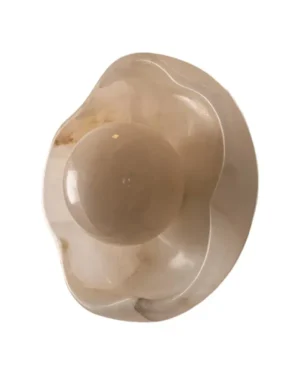
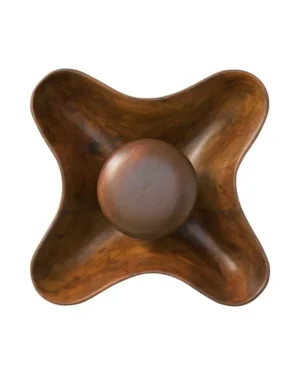
Onda Sconce In Raku White Ceramic
By arrived aliens
€2.200 -
 In stock
Coral Wall Lamp – Clay Sconce
By Dzovag Kotchian
€900 -
 In stock
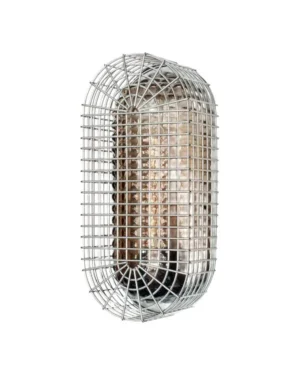
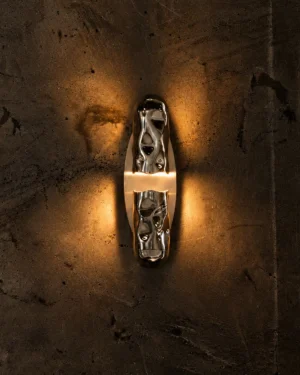
Vela Wall Sconce In Stainless Steel
By Nitush and Aroosh
€700 -
 In stock
Onda Cosmic Wall Sconce In Glazed Ceramic
By arrived aliens
€2.200 -
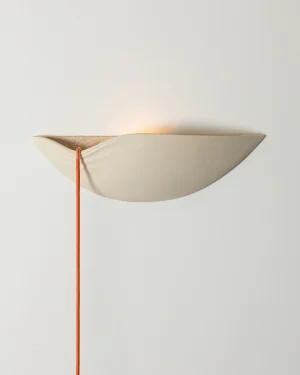
Loma Wall Sconce In Stoneware
By Catalin Filip
€450 -
 In stock
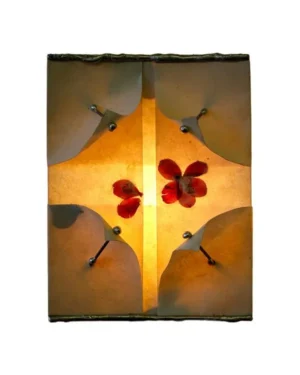
Herbarium Mini Lunaria Annua Wall Sconce In Glass And Plywood
By Mateusz Wappa
€1.200 -
 In stock
Herbarium Mini Daucus Carota Wall Sconce In Glass And Plywood
By Mateusz Wappa
€1.200 -
 In stock
Pearl Wall Lamp – Clay Sconce
By Dzovag Kotchian
€1.200 -

Onda Copper Wall Sconce In Raku Ceramic
By arrived aliens
€2.200 -
 In stock
Herbarium Eryngium Planum Wall Sconce In Glass And Plywood
By Mateusz Wappa
€2.000 -
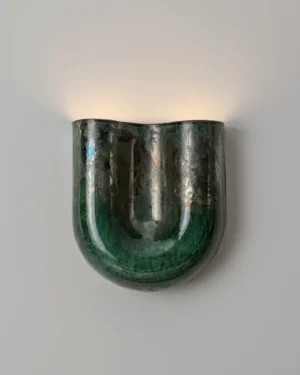
Onda Green Wall Sconce In Raku Ceramic
By arrived aliens
€2.200 -
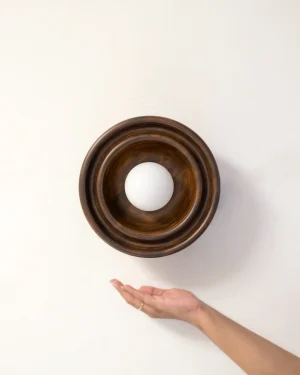
Discus – Xs Teak Wood Wall Light
By Studio Indigene
€350 -
 In stock
Herbarium Rumex Acetosa Wall Sconce In Glass And Plywood
By Mateusz Wappa
€2.000 -
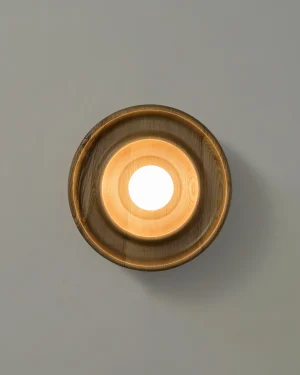
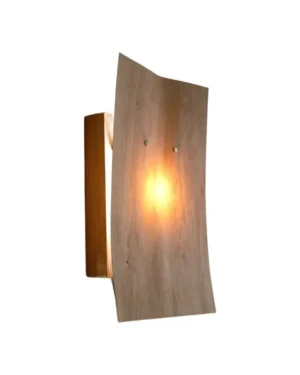
Discus – White Ash Wall Lamp
By Studio Indigene
€450 -
 In stock
Herbarium Tanacetum Vulgare Wall Sconce In Glass And Plywood
By Mateusz Wappa
€2.000 -

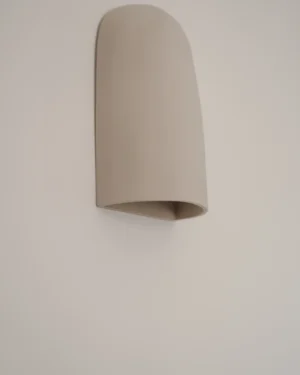
Endu Wall Sconce In Metal
By Natural Urbano - Sebastián Beltrán
€365 -
 In stock
Arte Wall Sconce in Stoneware
By TERA CERAMIC
€290 -

Onda Black Wall Sconce In Raku Ceramic
By arrived aliens
€2.200 -

Wall Light Franca A
By MANUHITA
Price Upon Request -

Wall Light Franca B
By MANUHITA
Price Upon Request -

Wall Light Franca C
By MANUHITA
Price Upon Request -

Wall Light Franca D
By MANUHITA
Price Upon Request -

Wall Light Franca E
By MANUHITA
Price Upon Request -

Diplo Wall Sconce In Bio Plastic
By Julie Mallet Studio
€375 -

Scape Wall Lamp In Aluminum Or Brass
By Stem
€650 - €950 -
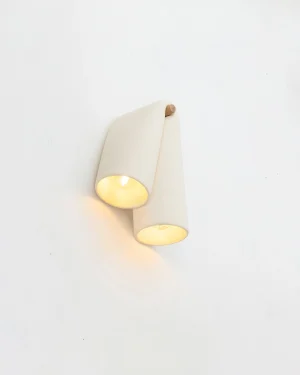
Melo Wall Sconce In Stoneware And Beech Wood
By Catalin Filip
€350 -
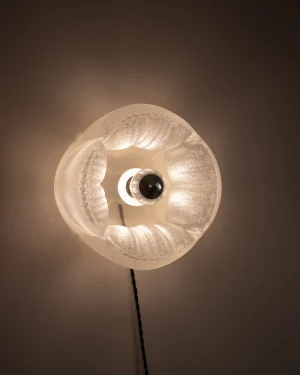
Pascal Wall Lamp
By 91-92
€306
Reading room wall lamps direct a narrow pool of light exactly where a page sits, so the side table and the arm of the chair stay free of lamp bases and cords. Studios working in cast aluminum, hand-blown glass and hand-built ceramic shape these pieces around that single task, letting the shade, the arm and the swivel answer to where the light needs to land. Some are built in small or limited runs, others sculpted or cast as open editions, but all mount to the wall rather than sit on a surface, which keeps a reading corner uncluttered.
What defines a reading room wall lamp
A lamp built for reading has to throw a tight, directed beam rather than a wash of ambient glow, and the material does much of that work. Cast aluminum holds a rigid arm steady at whatever angle it is set, so the light stays fixed on the page rather than drifting. Hand-blown glass softens and scatters that same light, while a ceramic shade, thicker and more opaque, tends to pool it downward in a smaller, warmer circle.
Plywood and birch wood shades add a dry, linear warmth to the beam and read as furniture rather than fixture, which suits a reading chair set against timber shelving. Pieces made from dried flowers or other biomaterials diffuse light unevenly on purpose, letting shadow and pattern move across the wall as much as light itself.
Materials, finishes and techniques found here
- Materials: cast aluminum, hand-blown glass, hand-built ceramic, plywood, birch wood, biomaterials and dried flowers
- Finishes and colors: black, white, natural, sand, gray, brown, dark brown and bronze
- Techniques: metalwork, metal casting, patination, sculpting, hand-building, wood and cabinetmaking, biofabrication and 3D printing
- Editions: unique pieces, limited editions and open editions
A patinated or bronze finish will shift slightly with handling and age, picking up a darker tone where fingers meet the switch, while a painted or raw aluminum surface stays constant. Hand-built ceramic carries small variations from one piece to the next even within the same glaze, which is part of what the hand-building technique gives rather than a flaw to correct.
Choosing reading room wall lamps for scale and height
Mount height matters more than wattage here. A lamp set roughly level with the top of a seated head, and offset to the side rather than directly above, lights a page without casting the reader's own shadow across it. An adjustable or swiveling arm forgives a slightly wrong first measurement, since the head can be angled down after installation.
Scale should match the wall it sits on rather than the chair below it. A narrow aluminum arm suits a tight alcove or the gap beside a bookshelf, while a wider ceramic or glass shade needs enough bare wall around it to read as a fixture rather than clutter.
Rooms these lamps suit
Reading room wall lamps work wherever a chair sits against a wall rather than in the middle of a room: a bedroom nook, a landing turned into a small library, or a living room corner kept apart from the main seating. The same logic carries into a hallway, where a wall-mounted light also guides movement along a corridor without taking up floor space. For a full reading setup beyond the lamp itself, bookends, low shelving and a stool round out the corner, which is where reading room furniture and other reading room lighting pick up the thread.
Caring for metal, glass and ceramic finishes
Aluminum and steel arms need only a dry or barely damp cloth; solvents and abrasive pads will dull a patinated or painted surface faster than ordinary dust ever would. Blown glass shades should be dusted rather than wiped hard, since grit dragged across the surface can scratch it. Ceramic shades tolerate a damp cloth but not soaking, as trapped moisture around the fitting can corrode the wiring over time.
Beyond this one room, the same materials and making techniques turn up across the wider wall lamp range, including metal wall lamps and contemporary wall lamps, and in every other object chosen for a quiet corner on the reading room pages.
How do I choose a reading room wall lamp?
Match the material to the beam you want: cast aluminum for a fixed, directed light, hand-blown glass for a softer scatter, ceramic for a smaller, warmer pool. Check the arm or swivel allows the angle your chair needs.
What height should a reading wall lamp be mounted at?
Most sit just above shoulder height when seated, so the beam angles down onto the page without glare. The exact mounting point depends on the arm and shade, which the maker can confirm on the piece's page.
How do I care for aluminum, glass or ceramic wall lamps?
Wipe cast aluminum and glass with a dry or slightly damp cloth, avoiding abrasives that dull a patinated finish. Ceramic shades should stay dry throughout, since trapped moisture can affect the glaze over time.
Will a reading room wall lamp suit other rooms too?
Yes, the same directed, narrow beam that works beside a reading chair also suits a bedside wall or a hallway nook. The fixed mount keeps any surface nearby free of cords or bases.
Can I get a reading room wall lamp custom made?
Some studios take custom requests on finish, arm length or mounting details, others work only in open or limited editions. Chat with the maker on the piece's page to ask directly.
What are ADORNO's shipping and return policies?
Shipping is insured and worldwide. Returns are accepted within 14 days, excluding made-to-order pieces, and every piece arrives with a certificate of authenticity.