-
 In stock
Asea No. 23 Dark Honey Wall Sconce in Stoneware and Glass
By Ceren Gürkan
€800 -

Onda Sconce In Raku White Ceramic
By arrived aliens
€2.200 -
 In stock
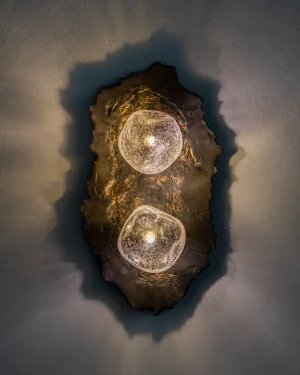
Asea No. 25 Wall Sconce In Blown Glass And Stoneware
By Ceren Gürkan
€1.100 -
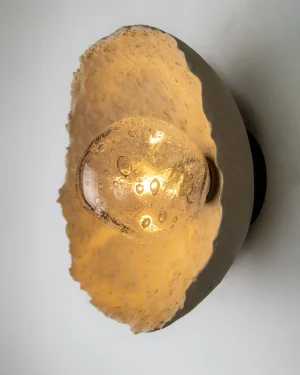
Asea No. 23 Wall Sconce In Stoneware And Blown Glass
By Ceren Gürkan
€800€680 -
 In stock
Coral Wall Lamp – Clay Sconce
By Dzovag Kotchian
€900 -
 In stock
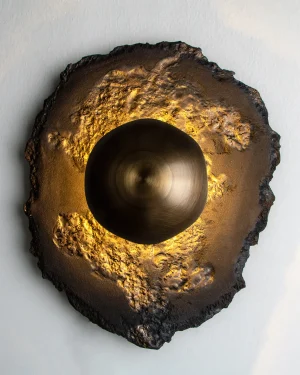
Asea No. 7 Wall Sconce In Stoneware And Brass
By Ceren Gürkan
€800 -
 In stock
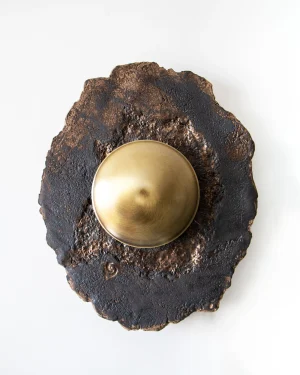
Asea No. 10 Wall Sconce In Stoneware And Brass
By Ceren Gürkan
€900 -
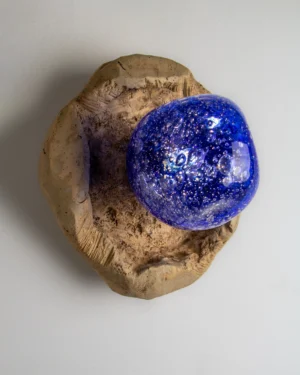 In stock
Asea No.13 Wall Sconce In Stoneware And Blown Glass
By Ceren Gürkan
€1.300 -
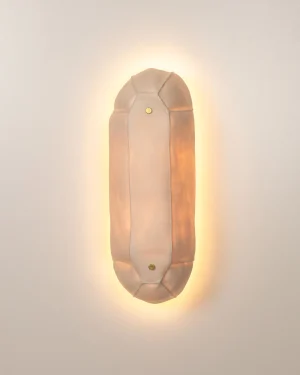
Kawa Series 01 Wall Sconce in Porcelain and Brass
By Luft Tanaka Studio
€1.600 -
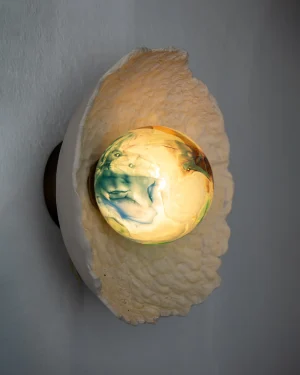 In stock
Asea No. 17 Wall Sconce In Stoneware And Blown Glass
By Ceren Gürkan
€900 -
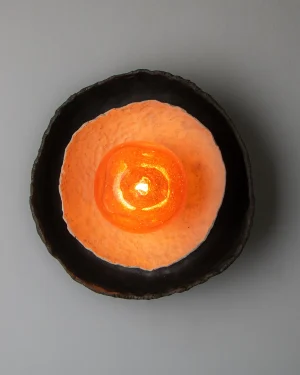 In stock
Asea No. 26 Red Wall Sconce In Blown Glass And Stoneware
By Ceren Gürkan
€1.100 -

Asea No.40 Wall Sconce In Stoneware And Blown Glass
By Ceren Gürkan
€1.200€1.020 -
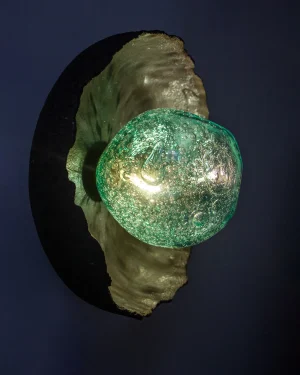 In stock
Asea No. 12 Green Wall Sconce In Stoneware And Blown Glass
By Ceren Gürkan
€800 -
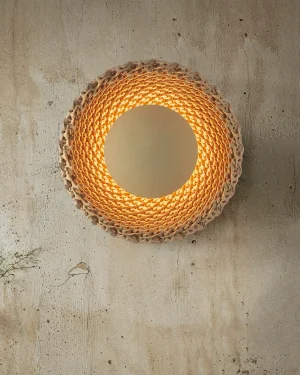 In stock
Sun V2-b – 3d Printed Wall Lamp
By Rollo Studio
€6.049 -

Motion — Sculptural Wall Light In Ceramics
By Katia Langeard
€700 -
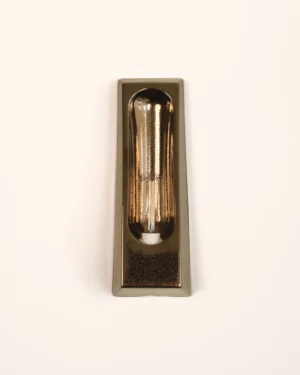 In stock
Alcove European Wall Sconce In Glazed Ceramic
By Violaine d'Harcourt Lighting Design
€252 -
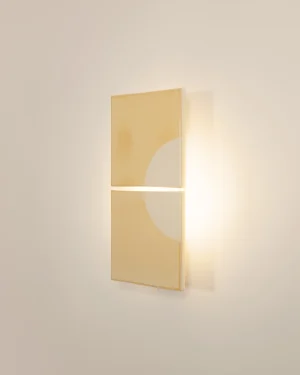 In stock
Tiles Moon European Wall Sconce in Ceramic and Metal
By Violaine d'Harcourt Lighting Design
€260 -

Layered Landscape – Ceramic Wall Lights
By Katia Langeard
€450 -
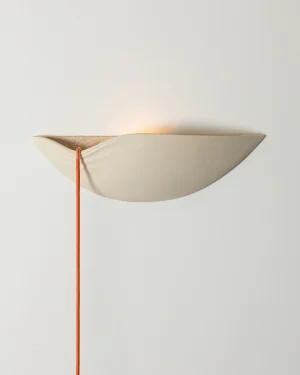
Loma Wall Sconce In Stoneware
By Catalin Filip
€450 -
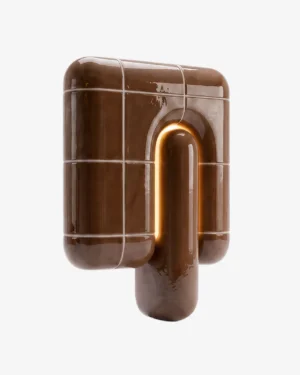
U-013 Wall Lamp In Umber Pla
By Rollo Studio
€820 -
 In stock
Onda Cosmic Wall Sconce In Glazed Ceramic
By arrived aliens
€2.200 -
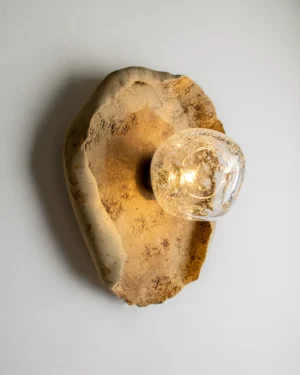 In stock
Asea No. 41 Wall Sconce in Stoneware and Blown Glass
By Ceren Gürkan
€1.000 -
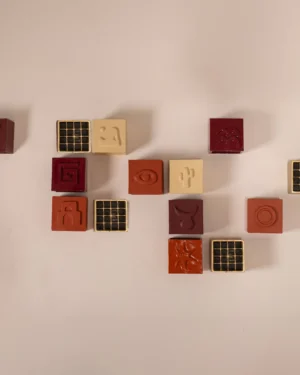
Oasis Wall Light In Hand-sculpted Stoneware
By Harshita Jhamtani Designs
€410 -
10% off
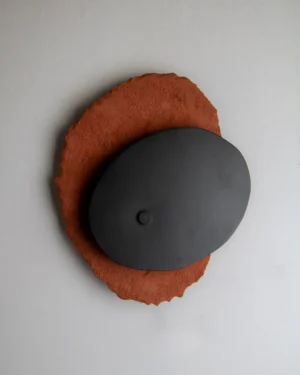
Asea No.1 Cherry Wall Sconce In Stoneware And Metal
By Ceren Gürkan
€1.000€900 -
 In stock
Tiles Line European Wall Sconce in Ceramic and Metal
By Violaine d'Harcourt Lighting Design
€260 -
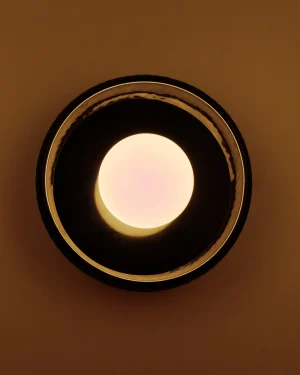
Macrame Wall Sconce in Ceramic
By Saadia Design
€332 -
 In stock
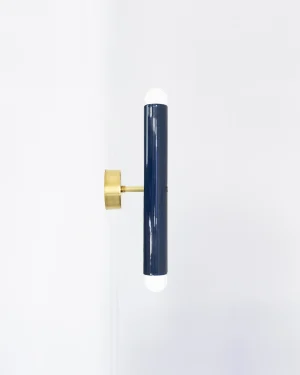
Trn Wall Sconce In Glazed Ceramic
By Pani Jurek STUDIO
€470 -
10% off
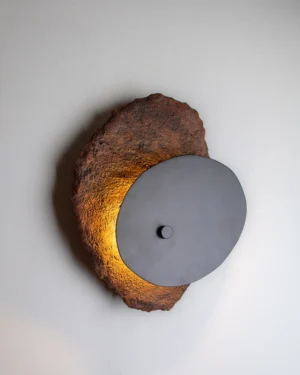
Asea No. 1 Cherry Dark Wall Sconce in Stoneware and Metal
By Ceren Gürkan
€1.000€900 -
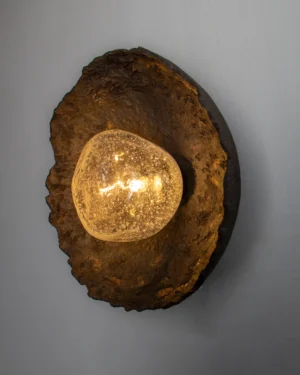
Asea No. 23 Dark Wall Sconce in Stoneware and Blown Glass
By Ceren Gürkan
€800 -

My Stone Flower Ceramic Wall Light
By Katia Langeard
€380 -
 In stock
Asea No. 26 Pink Wall Sconce In Stoneware And Blown Glass
By Ceren Gürkan
€1.000 -
 In stock
Pearl Wall Lamp – Clay Sconce
By Dzovag Kotchian
€1.200 -

Onda Copper Wall Sconce In Raku Ceramic
By arrived aliens
€2.200 -
 In stock
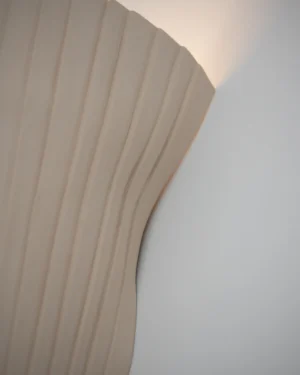
Tenderness Sconce | Large
By Studio Ēeme
€1.300 -
 In stock
Tiles Door European Wall Sconce in Ceramic and Metal
By Violaine d'Harcourt Lighting Design
€260 -
 In stock
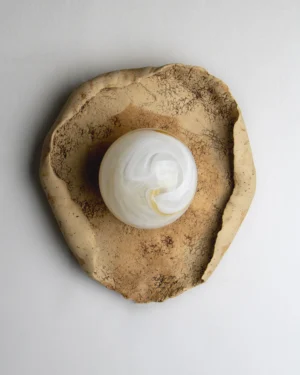
Asea No. 41 Pearl Wall Sconce in Stoneware and Blown Glass
By Ceren Gürkan
€1.000 -
10% off
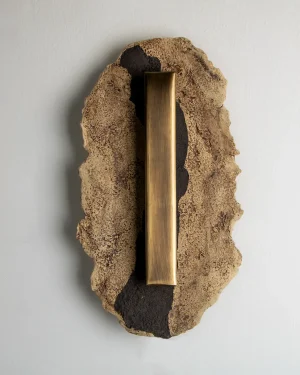
Asea No. 6 Wall Sconce In Stoneware And Brass
By Ceren Gürkan
€900€810 -
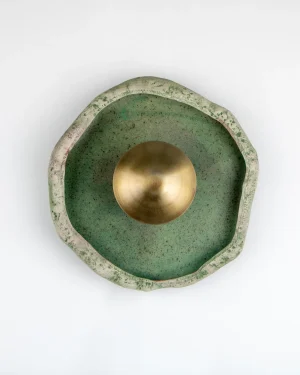 In stock
Asea No. 18 Green Wall Sconce In Porcelain And Brass
By Ceren Gürkan
€600 -
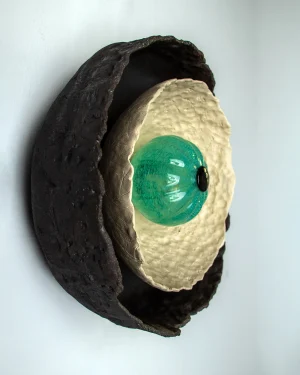 In stock
Asea No. 26 Eye Wall Sconce In Porcelain And Blown Glass
By Ceren Gürkan
€1.100 -
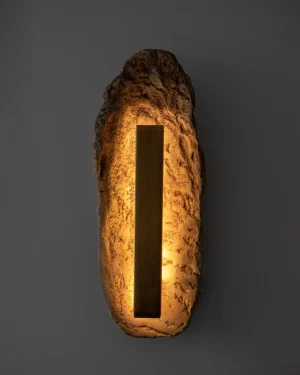 In stock
Asea No. 2 Wall Sconce In Stoneware And Brass
By Ceren Gürkan
€1.000 -
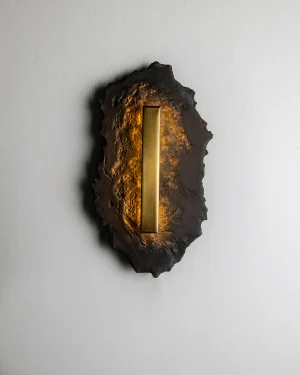 In stock
Asea No. 16 Wall Sconce In Stoneware And Brass
By Ceren Gürkan
€900 -
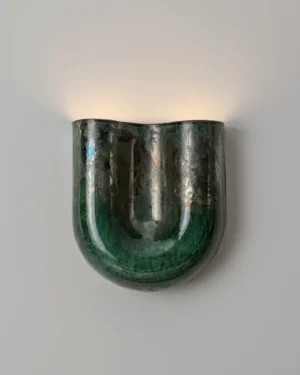
Onda Green Wall Sconce In Raku Ceramic
By arrived aliens
€2.200 -
 In stock
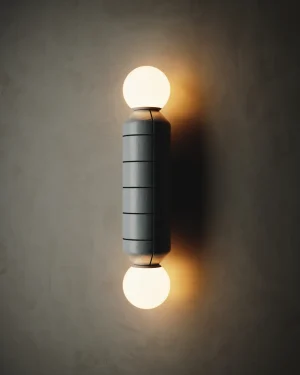
Navazi Wall Sconce in Glass and Ceramic
By SVITANOK
€1.130 - €1.260 -
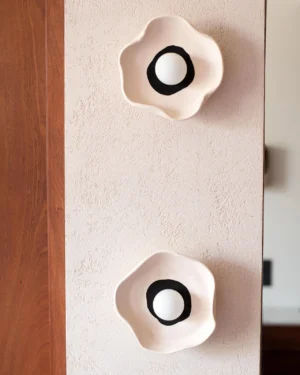
Flower Wall Sconce In Stoneware
By Harshita Jhamtani Designs
€360 -
10% off
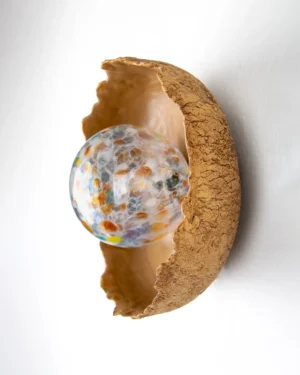
Asea No. 12 Sand Wall Sconce In Stoneware And Blown Glass
By Ceren Gürkan
€800€720 -
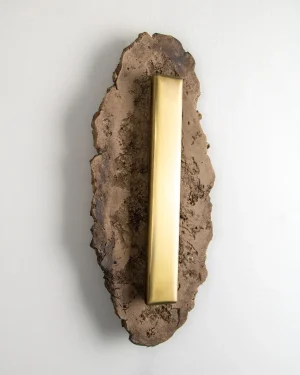 In stock
Asea No. 20 Wall Sconce In Stoneware And Brass
By Ceren Gürkan
€700 -
10% off
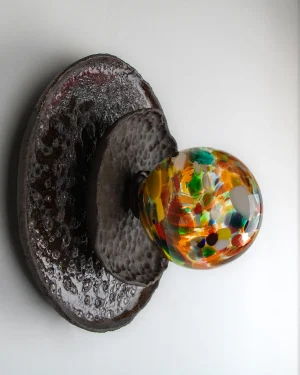
Asea No. 34 Wall Sconce In Stoneware And Blown Glass
By Ceren Gürkan
€1.000€900 -
 In stock
Asea No. 27 Blue Wall Sconce In Stoneware And Blown Glass
By Ceren Gürkan
€1.000 -
 In stock
Asea No. 35 Moss Wall Sconce In Stoneware And Blown Glass
By Ceren Gürkan
€1.200 -
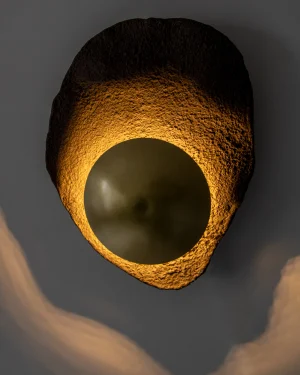 In stock
Asea No. 8 Wall Sconce In Stoneware And Brass
By Ceren Gürkan
€700 -
10% off
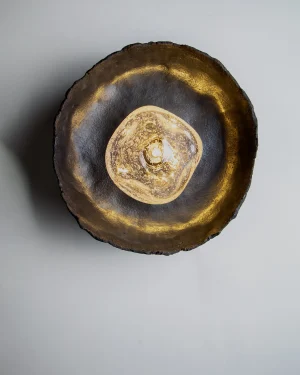
Asea No. 12 Wall Sconce In Stoneware And Blown Glass
By Ceren Gürkan
€800€720 -
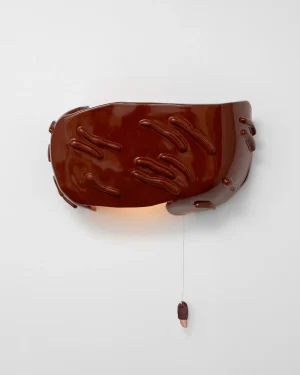
Killing the Mood Wall Sconce in Ceramic
By Studio AOAO
€2.200 -
 In stock
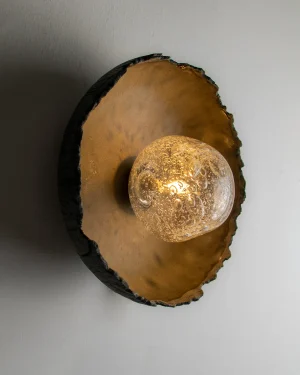
Asea No. 12 Moss Wall Sconce In Stoneware And Blown Glass
By Ceren Gürkan
€800 -
 In stock
Asea No. 14 Wall Sconce In Stoneware And Metal
By Ceren Gürkan
€900
Ceramic wall lamps are built from clay that has been shaped, dried and fired until it holds its form permanently, then glazed or left raw depending on the studio's intent. Most come from hand-building, with slip casting used for repeat forms, which means two lamps from the same maker can still differ slightly at the rim or the base. The material carries weight both literally, as fired stoneware is dense, and visually, grounding a wall the way a painted canvas or a mirror does.
What defines ceramic and clay as a lighting material
Stoneware and clay are porous before firing and closed once kiln-fired, which is what lets them hold a glaze without weeping or staining over time. A glazed surface reflects light in a soft, uneven way, never as flatly as glass or metal, so the shade itself becomes part of the light it throws. Unglazed or raku-fired surfaces go the other direction, pulling light into a matte, smoke-marked skin that reads closer to stone than to pottery.
The range of finishes, colors and editions
Within ceramic and clay, finishes run from chalky off-white and bone to black, beige, grey and the occasional burgundy glaze, each color shifting with how the kiln atmosphere treated it. Some studios work from open editions, repeating a known form; others throw unique pieces or short limited editions where no two lamps leave the studio quite alike. Alongside ceramic, wall lighting on ADORNO also appears in blown glass, brass, stone and beech wood, so a ceramic lamp is often chosen precisely for the texture the other materials cannot give.
How to choose a ceramic wall lamp
Scale matters more on a wall than on a table, since there is no furniture underneath to balance the eye against. A small lamp near a doorway reads as a detail; the same lamp alone on a long blank wall reads as an afterthought, so pairs or a slightly larger single form tend to hold the space better.
- Mount height: align with eye level when seated for reading light, or slightly above eye level standing for ambient wash
- Finish: matte and raw-clay bodies suit rooms with other natural materials; glazed and glossy bodies hold their own against paint and plaster
- Shade direction: open-faced forms throw light outward into a room, while shielded or downward forms work better close to a pillow or a desk
It is also worth deciding whether the lamp needs to flatter a nearby surface, a piece of art or a headboard, before fixing on color, since ceramic glazes read warmer or cooler depending on what light falls near them.
Where ceramic wall lamps work
They suit bedrooms especially well, set either side of a bed to free the nightstand entirely; a look at bedroom wall lamps shows how often ceramic forms turn up there for exactly this reason. Corridors and stairwells benefit too, since a fired clay body takes knocks better than glass, and the hallway wall lamps made in ceramic tend to be squat and knock-resistant by design. In a living room, a ceramic wall lamp placed beside a sofa or across from a mirror adds a layer of light that a floor or table lamp cannot reach, which is covered further among living room wall lamps.
Caring for ceramic and clay lighting
Glazed surfaces wipe clean with a dry or barely damp cloth; standing water or abrasive cleaners can dull a glaze over years of use. Unglazed and raku-fired bodies are more porous and should stay away from damp walls or bathrooms, since moisture can work into the clay. Dust settles into any texture, so a soft brush reaches into carved or raw-clay surfaces better than a cloth alone.
For the full range of wall-mounted lighting beyond ceramic, see all wall lamps, and for ceramic and clay work across lighting, decor and objects, see every ceramic and clay piece on ADORNO.
How do I choose a ceramic wall lamp?
Match the glaze to how the light should behave: glossy surfaces scatter light softly, matte or raku finishes keep it close and warm. For sizing or mounting questions on a specific lamp, use Chat with the maker on its page.
How do you clean and care for a ceramic wall lamp?
Dust with a dry or barely damp cloth; avoid soaking, since fired clay is dense but grout lines or unglazed patches can still absorb moisture. Keep harsh abrasives off glazed surfaces to protect their finish.
What size or height should a ceramic wall lamp be?
Height depends on the fixture and the wall it lights, so proportions vary by studio and form. For exact dimensions, ask through Chat with the maker on the piece's page.
Which rooms suit ceramic wall lamps best?
Their weight and texture ground hallways, bedrooms and living rooms, especially beside a mirror or above a nightstand where the glaze can catch low light. Bathrooms work too if the piece is glazed rather than raw.
Are ceramic wall lamps fragile or hard to maintain?
Once fired, stoneware and clay are closed and durable, resistant to chipping under normal handling. Glazed surfaces resist staining; raw or raku finishes mark more easily and show that patina over time.
What should I know about shipping, returns and authenticity at ADORNO?
Shipping is insured and worldwide, with a 14-day return policy except on made-to-order pieces. Every piece includes a certificate of authenticity, backed by a lowest-price guarantee.