



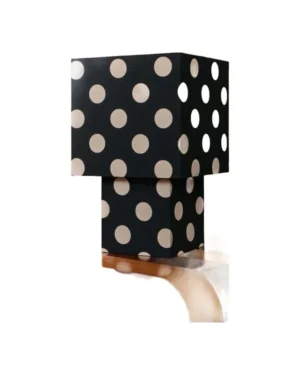
-
 In stock
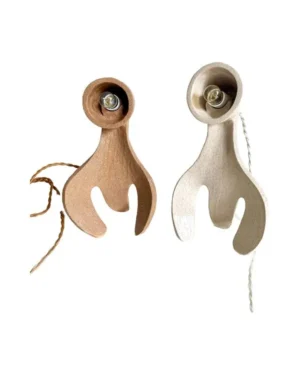
Coral Table Lamp in Clay and Ceramic
By Dzovag Kotchian
€900 -

Athari Table Lamp in Ceramic
By Andrei Clontea STUDIO
€900 -

Strikha Table Lamp in Clay
By FAINA
€1.820 -

Mātra Table Lamp in Ceramic
By Andrei Clontea STUDIO
€800 -
 In stock
B.a.r.e Series Table Lamp in Brick, Copper and Plastics
By Lucas Muñoz Muñoz
€300 -
 In stock
Astēri Table Lamp in Clay
By Andrei Clontea STUDIO
€1.200 -

Ombrellina Table Lamp in Earthenware
By mattina moderna
€655 This product has multiple variants. The options may be chosen on the product page -
 In stock
Caterina Table Lamp in Earthenware
By mattina moderna
€585 This product has multiple variants. The options may be chosen on the product page -
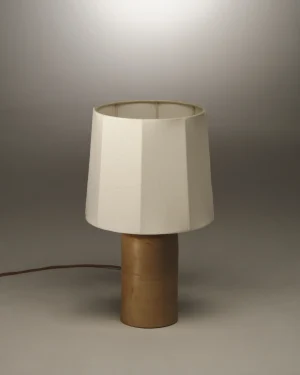
Sonora Small Table Lamp In Terracotta And Linen
By NASSI LAMPS
€1.028 This product has multiple variants. The options may be chosen on the product page -
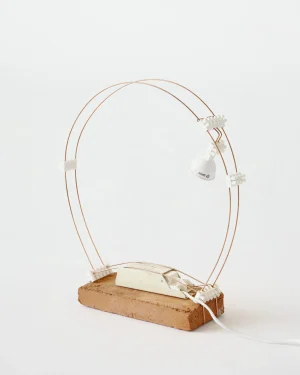 In stock
B.A.R.E Series ‘Small Circular’ Table Lamp in Brick and Copper
By Lucas Muñoz Muñoz
€225 -
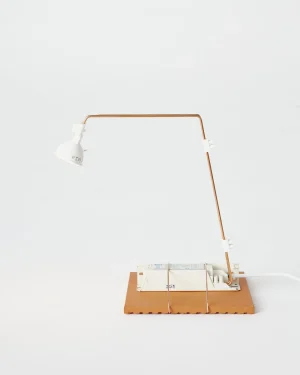 In stock
B.A.R.E Series ‘Small Simple’ Table Lamp in Brick and Copper
By Lucas Muñoz Muñoz
€150 -
 In stock
B.A.R.E Series Table Lamp in Brick and Copper
By Lucas Muñoz Muñoz
€250 -

Rakis Lite Table Lamp – Black Stoneware Ceramic
By Catalin Filip
€455 -
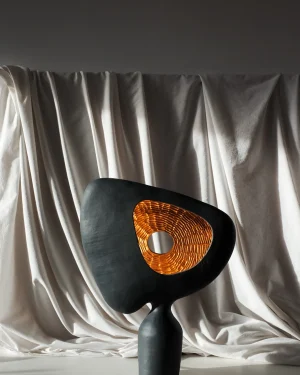
Olethros Table Lamp in Stoneware
By Andrei Clontea STUDIO
€1.000 -

Pendulū Table Lamp In Ceramics And Gold-leaf
By Catalin Filip
€950 -
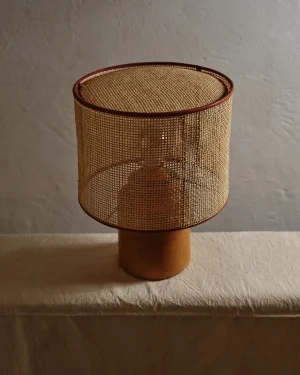
Sonora Rattan Table Lamp In Clay And Textiles
By NASSI LAMPS
€840 -
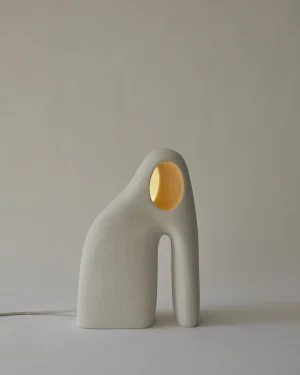
Nomad Ⅱ:02 Table Lamp in Stoneware
By SK - Sofia Karnukaeva
€2.480 -
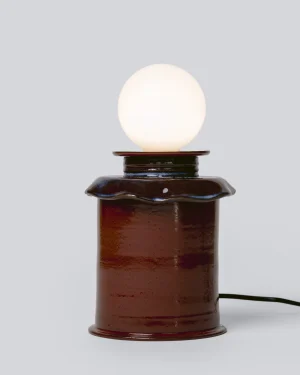
Baby Tutu Table Lamp in Glazed Stoneware
By Slō
€750 -

Nomad Ⅱ:09 Table Lamp in Ceramics and Stoneware
By SK - Sofia Karnukaeva
€2.780 -

Knotto_01 Table Lamp In Glazed Stoneware And Synthetic Fibers
By Catalin Filip
€800 -
 In stock
Navazi Table Lamp in Ceramic
By SVITANOK
€440 - €670 This product has multiple variants. The options may be chosen on the product page -
 In stock
La Bergère Table Lamp In Glazed Ceramic
By Mina Wright
€686 -

El Joyero De Odette Table Lamp In Stoneware
By Mina Wright
€810 -
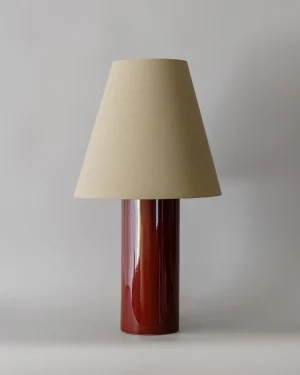
Giro Table Lamp in Ceramics and Cotton
By mattina moderna
€495 This product has multiple variants. The options may be chosen on the product page -

Black Wool Table Lamp in Biocomposite
By PletoStudio
€700 -

The Mesia Table Lamp in Ceramics and Glass
By Luis Gimeno Design
€1.400 This product has multiple variants. The options may be chosen on the product page -
 In stock
Tl-1 Earth Table Lamp In Cellulose Acetate
By Juba Concepts
€740 -
 In stock
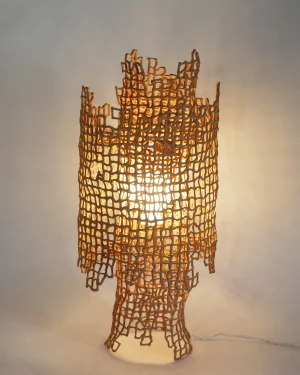
Coral Lamp XL Table Lamp in Clay
By Dzovag Kotchian
€2.600 -

Lampe Beige Medium Table Lamp in Glazed Stoneware
By Huillet Lucas
€1.300 -
 In stock
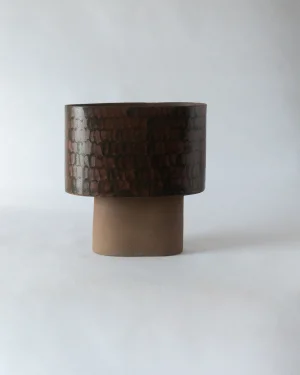
Lampe Brown Small Table Lamp in Glazed Stoneware
By Huillet Lucas
€1.100 -
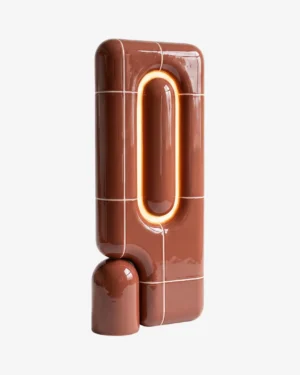
U-037 Table Lamp In Oxide Pla
By Rollo Studio
€940 -

Cetus Table Lamp in Ceramics and Natural Fibers
By Andrei Clontea STUDIO
€1.000 -

Hoja Table Lamp in White Steel
By Natural Urbano - Sebastián Beltrán
€315 -

Taruh Table Lamp in Clay
By Andrei Clontea STUDIO
€900 -
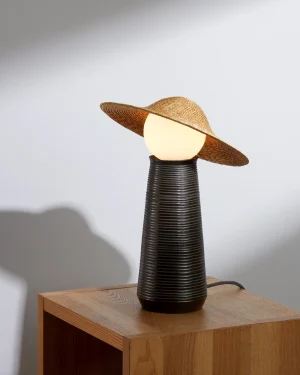 In stock
Théros Orbita Table Lamp
By Studio Aristotelis Barakos
€590 - €780 This product has multiple variants. The options may be chosen on the product page -

Rakis Lite – Table Lamp In White Stoneware
By Catalin Filip
€455 -

My Stone Flower Ii Ceramic Table Lamp
By Katia Langeard
€1.000 -

Layers Bedside Lamp In Glazed Ceramic
By Katia Langeard
€750 -
 In stock
SONIAH Table Lamp in ZTISTA Biocomposite
By FAINA
€3.000 This product has multiple variants. The options may be chosen on the product page -
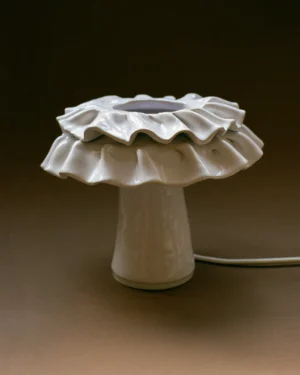 In stock
Lulu Table Lamp In Stoneware
By Mina Wright
€670 -
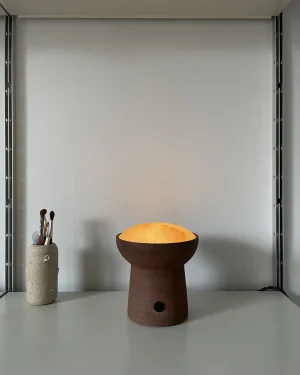 In stock
Stoneware Salt Lamp
By Isabella Artale
€600 -
 In stock
Apapuchi Table Lamp In Earthenware And Cotton
By Aileen De La Ree Valencia
€1.200 -
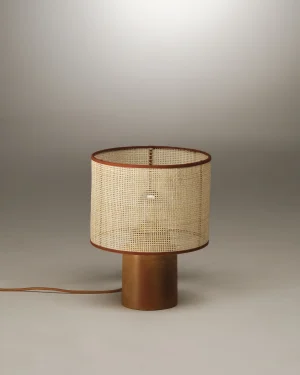
Sonora Small Table Lamp In Terracotta And Rattan
By NASSI LAMPS
€700 -

Āstra Table Lamp in Clay
By Andrei Clontea STUDIO
€1.300 -
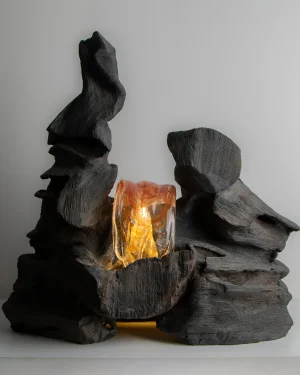 In stock
Abyss No. 33 Table Lamp in Stoneware
By Ceren Gürkan
€2.200 -
 In stock
Abyss No. 31 Table Lamp in Stoneware and Glass
By Ceren Gürkan
€1.400 -

Wool Smola Table Lamp in Biocomposite
By PletoStudio
€800 -
 In stock
Veil II Ember Table Lamp In Aluminum And Ceramics
By Hania Jneid Design Studio
€3.500 -
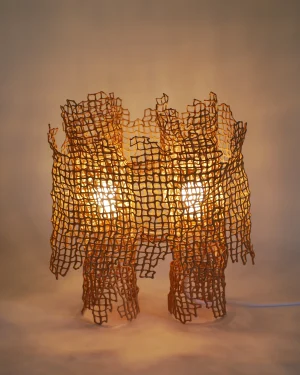 In stock
Coral Lamp Duo Table Lamp in Clay
By Dzovag Kotchian
€1.400 -
 In stock
Abyss No. 4 Table Lamp in Stoneware
By Ceren Gürkan
€1.600 -
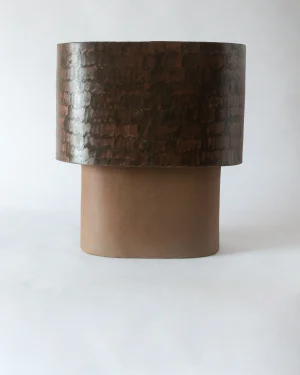 In stock
Lampe Brown Large Table Lamp in Glazed Stoneware
By Huillet Lucas
€1.900 -

Pyramid Table Lamp In Clay And Glass
By Dzovag Kotchian
€1.500 -

Basalte Table Lamp In Glazed Lava Stone
By Clemence Birot
€3.370 -
 In stock
Tl-1 Heaven Table Lamp In Cellulose Acetate
By Juba Concepts
€740
Ceramic table lamps bring a worked, tactile base to a room, built from clay that studios shape by hand or on the wheel, then fire and glaze to a finish that stays cool and slightly uneven under the hand. They come from independent makers working in stoneware and terracotta, some turning unique pieces, others producing small open editions. What they share is a body that has been fired rather than molded in plastic or cast in metal, so each surface carries the faint trace of the hand that made it.
What defines a ceramic table lamp
Clay is dried, shaped, then fired at high heat until it hardens into stoneware or terracotta, a process that cannot be rushed or reversed. Hand-building and wheel throwing give each base a slightly different wall thickness and weight, so no two lamps from the same run sit quite the same in the hand. Glazing is what turns raw clay into a finished surface: a glossy white, a matte caramel, a deep chocolate or an amber that shifts with the light, each one a thin layer of glass fused to the clay in the kiln.
Because the glaze is fired on rather than painted over, it resists fading and holds its color for years of ordinary use. The base itself carries real weight, which means these lamps plant themselves on a surface and do not tip when a cord is pulled or a cat jumps up. That weight, paired with a rounded or sculpted form, is part of why ceramic has stayed a standard material for table lighting across most styles, from boho chic to space age to pared-back minimalist work.
The range of finishes and editions
Within ceramic pieces on ADORNO, finishes run from chalky off-white and black stoneware to glossier glazes in blue, gold or amber, with some studios leaving a band of raw, unglazed clay as contrast. Forms range from classic rounded urns to more sculptural, hand-built silhouettes, often finished with a linen or textile shade that softens the light the base throws. You will find unique pieces thrown and glazed one at a time alongside limited and open editions, so the degree of variation depends on how each studio chooses to work.
How to choose one
Start with scale: a tall, heavy-bodied ceramic lamp anchors a console or sideboard, while a smaller rounded base suits a nightstand or a narrow side table without crowding it. Check the finished height against the surface it will sit on and whatever sits near it, so the shade lands at a comfortable level for reading or for casting light upward onto a wall. Glaze color is worth weighing against the room's existing palette, since a glossy cobalt or amber base reads as a strong accent, where a matte white or off-white sits more quietly.
- Pair a glazed base with a textile or linen shade for a softer, diffused light.
- Choose terracotta or unglazed stoneware for a drier, more rustic feel.
- Keep taller bases away from high-traffic edges, given their weight sits mostly in the foot.
Where they work and how to care for them
Ceramic table lamps suit living rooms, bedrooms and entryways equally, since the material reads as warm in a rustic or coastal room and equally at home in a contemporary room built around cleaner lines. For a quieter, pared-down setting, a glazed white or black base among minimalist table lamps holds its own without competing for attention. Fired glaze wipes clean with a damp cloth; avoid soaking the base or leaving it on a wet surface, since unglazed sections of clay can absorb moisture over time.
For the full range of bases, shades and heights, the table lamp category covers every material side by side, while ceramic lighting gathers pendant and floor forms made the same way.
How do I choose a ceramic table lamp?
Look at the base first: a wide, heavy foot steadies the lamp, while a narrow or tall form suits a console where space is tight. Match the glaze or clay tone to nearby surfaces rather than to the whole room.
How do you clean and care for a ceramic lamp base?
Dust with a dry or barely damp cloth and avoid soaking the base, since unglazed clay can absorb water and stain. Keep it away from sudden temperature changes, which can hairline-crack the glaze.
What size and height of ceramic table lamp should I pick?
A lamp base roughly a third of its shade's height tends to sit well, and the shade's bottom edge should land near eye level when seated. For specific dimensions, chat with the maker on the piece's page.
Which rooms suit ceramic table lamps best?
Their weight and warmth work on bedside tables, consoles and sideboards, anywhere soft, close-range light is wanted rather than overhead brightness. Living rooms and bedrooms are the most common settings.
Are ceramic table lamps fragile and easy to break?
Fired clay is dense and stable once glazed, but it can chip or crack if dropped, so lift it by the base rather than the shade or cord.
How does shipping, returns and authenticity work when I order?
Shipping is insured and worldwide. Returns are accepted within 14 days, excluding made-to-order pieces, and every lamp arrives with a certificate of authenticity backed by ADORNO's lowest-price guarantee.