

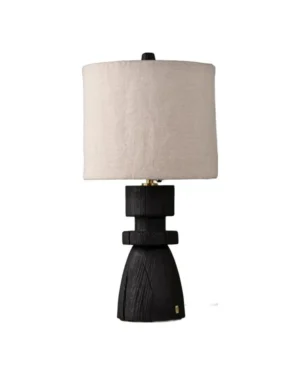
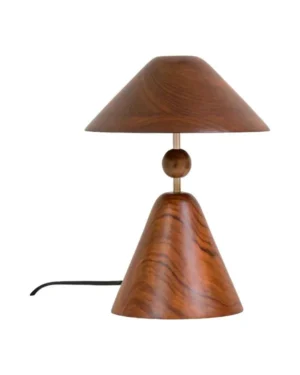
-
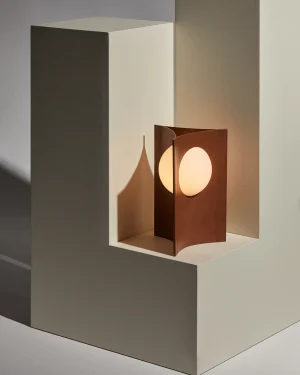
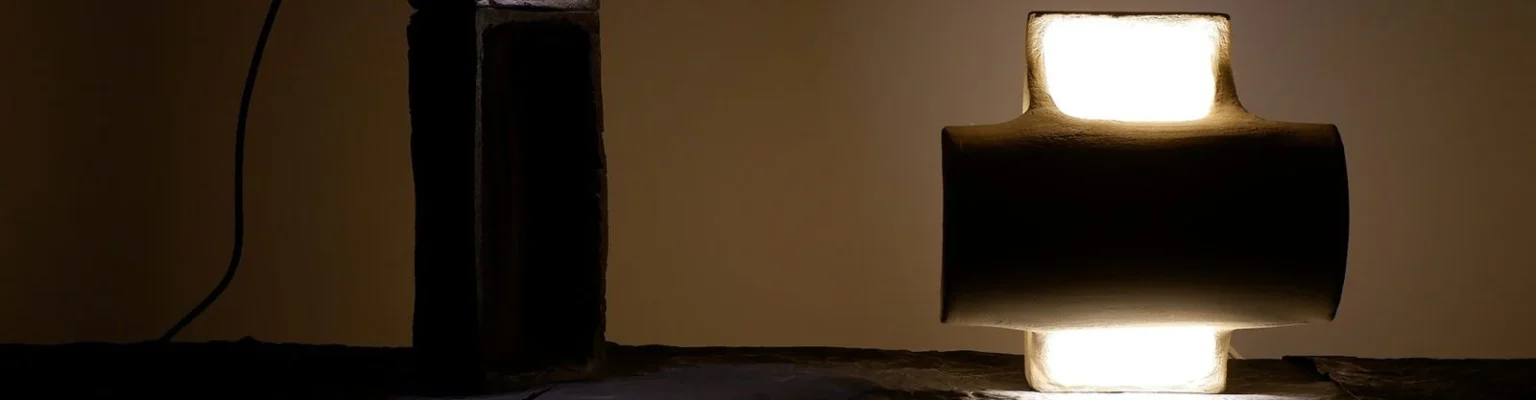
Hecate Table Lamp in Leather and Glass
By Studio Aristotelis Barakos
€480 -
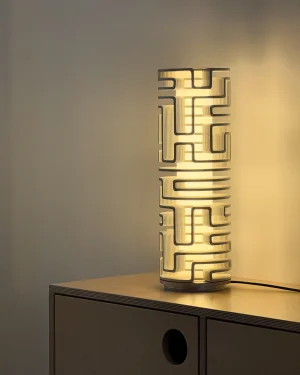
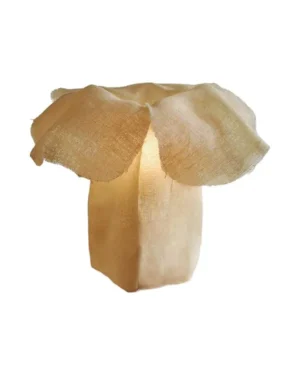
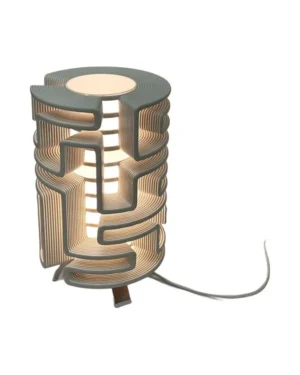
Maze Medium Table Lamp in Recycled Plastic
By Stijn van Aardenne
€579 -
 In stock
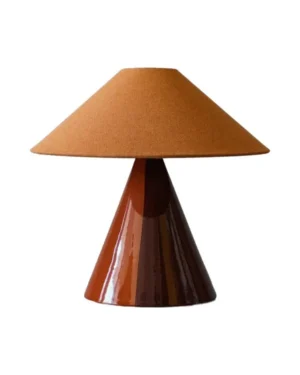
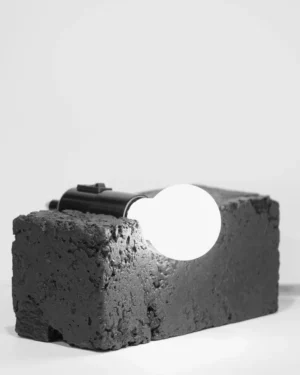
Cofit-20 Table Lamp In Coal Concrete
By Atelier Haute Cuisine
€380 -
 In stock
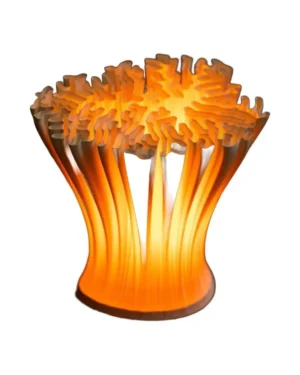
Blampa30 Table Lamp in Bio Plastic
By BLUBA Studio
€203 -
 In stock
S 1 Table Lamp In Bio Polymer
By diploria studio
€245 -
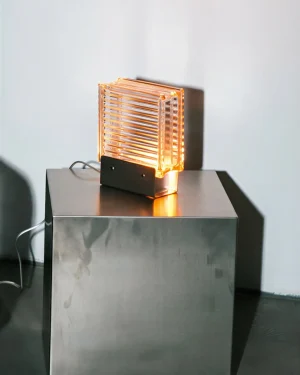
Gbl – 02 Table Lamp In Glass Block And Stainless Steel
By julius.works
€320 -
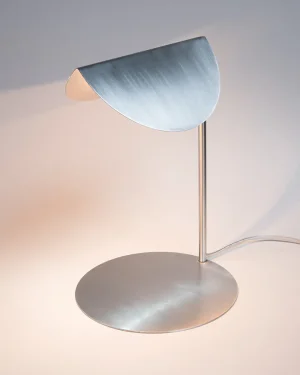
Two Circles Table Lamp in Stainless Steel
By Georgiev Kiril
€690 -
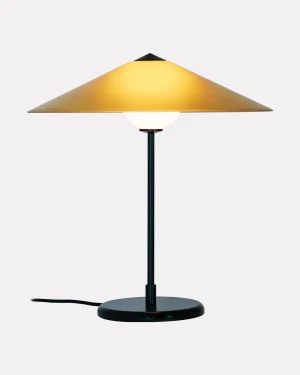
Marsha Table Lamp in Glass and Metal
By MESEME by Riya Panchal
€1.015 -
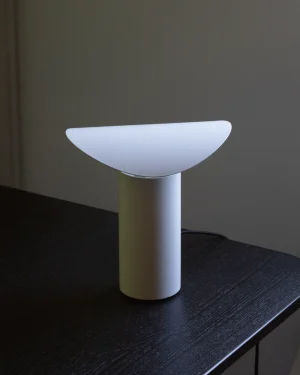
Beam Table Lamp in Steel
By Sergio Enríquez Industrial Design Office
€600 -
 In stock
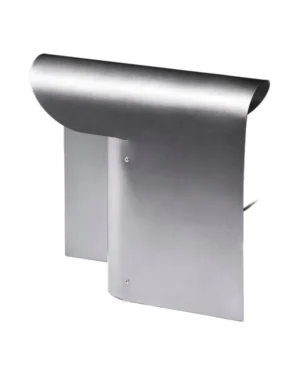
Handrail Table Lamp in Stainless Steel
By studio re.d
€440 -

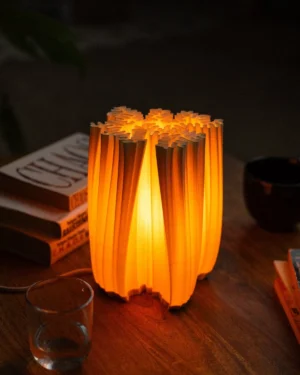
Knotto_01 Table Lamp In Glazed Stoneware And Synthetic Fibers
By Catalin Filip
€800 -
 In stock
S 2 Table Lamp In Bio Polymer
By diploria studio
€245 -
 In stock
La Bergère Table Lamp In Glazed Ceramic
By Mina Wright
€686 -

El Joyero De Odette Table Lamp In Stoneware
By Mina Wright
€810 -

Amar Table Lamp in Wenge Wood and Pau Ferro
By Brett Paulin
€2.267 -
 In stock
Ding Dong 01 Table Lamp in Ceramic
By Luft Tanaka Studio
€1.442 -

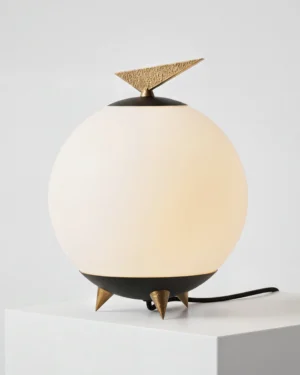
The Mesia Table Lamp In Ceramics And Glass
By Luis Gimeno Design
€1.600 -
 In stock
Eoni Table Lamp In Steel, Brass And White Glass
By Balance Lamp
€410 -
 In stock
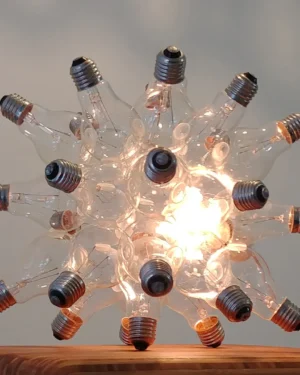
“spare” Table Lamp Constructed From 26 Lightbulbs
By JAN PAUL
€220 -
 In stock
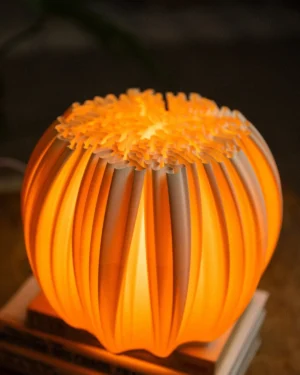
S X 3 Table Lamp In Biopolymer
By diploria studio
€295 -
 In stock
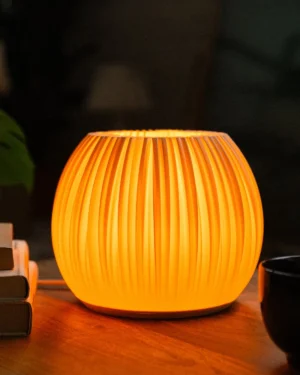
B 1 Table Lamp In Biopolymer
By diploria studio
€295 -
 In stock
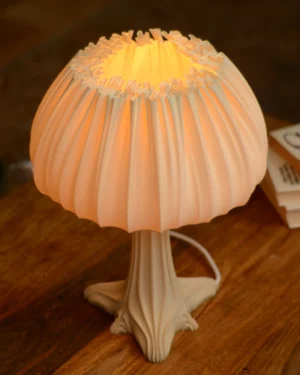
M 2 Table Lamp In Bio Polymer And Sand
By diploria studio
€395 -
 In stock
S X 2 Table Lamp In Biopolymer
By diploria studio
€295 -
 In stock
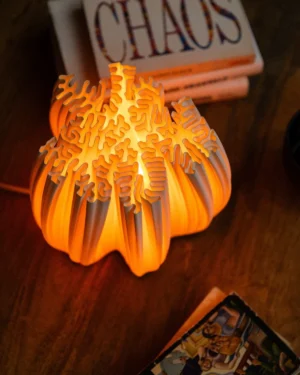
S 3 Table Lamp In Biopolymer
By diploria studio
€275 -

Fractical Neon Table Lamp In Glass
By Dace Sūna
€1.000 -
 In stock
Cave Table Lamp In Glass
By Dace Sūna
€1.500 -
 In stock
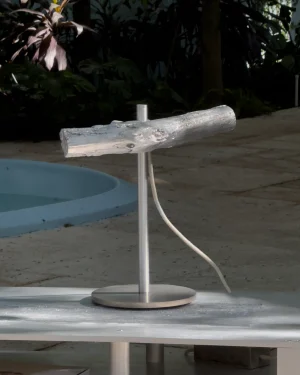
Aluminum Veneer Table Lamp in Cast Aluminum
By Bureau.parso
€1.400 -
 In stock
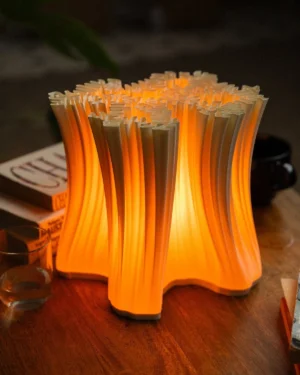
S 6 Table Lamp In Bio Polymer
By diploria studio
€295 -
 In stock
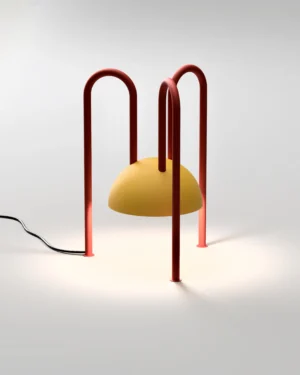
Allugi Table Lamp In Steel
By Balance Lamp
€450 -

Stutter Table Lamp In Aluminum
By Calen Knauf Studio
€1.344 -
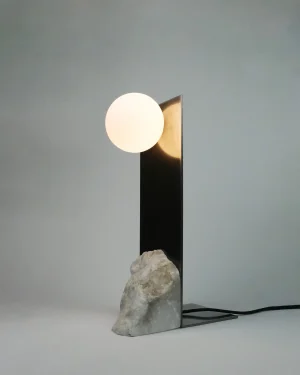 In stock
Himalaya Lunar Vertical Table Lamp in Alabaster
By HEAKO
€3.300 -
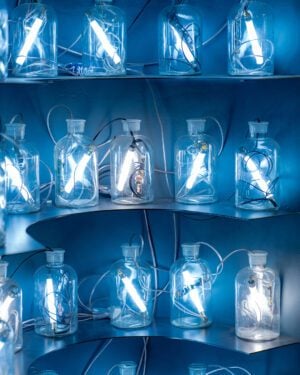 In stock
Äther 16
By TUNK I Busra Tunc
€2.200 -

Segment Table Lamp in Aluminum
By Andrew King Studio
€500 -
 In stock
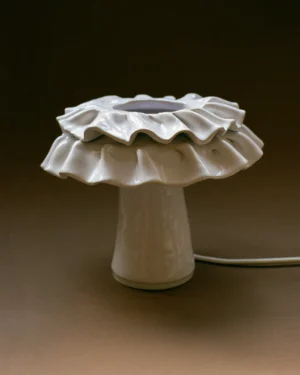
Lulu Table Lamp In Stoneware
By Mina Wright
€670 -

Cetus Table Lamp in Ceramics and Natural Fibers
By Andrei Clontea STUDIO
€1.000 -
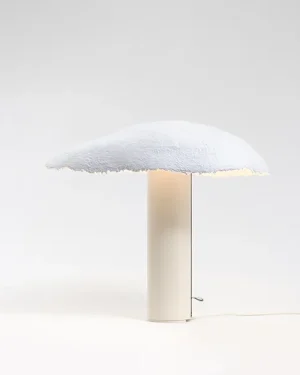
Overcast Table Lamp In Aluminum, Leather And Paper Pulp
By Calen Knauf Studio
€1.570 -
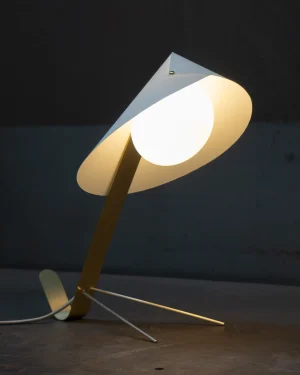
Mantis Table Lamp in Layered Paper
By MESEME by Riya Panchal
€365 -
 In stock
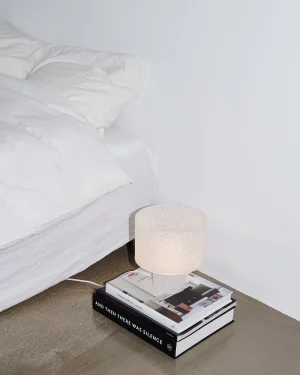
December Table Lamp
By 91-92
€235 - €419 -
 In stock
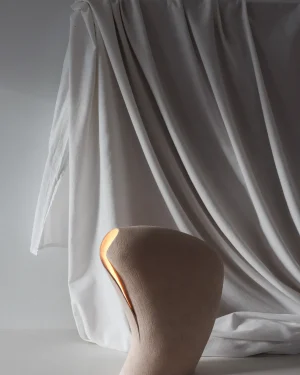
Oris Minimalist Table Lamp in Ceramic
By Andrei Clontea STUDIO
€700 -

Moon Sixteen – Alabaster Table Lamp
By A.D.U. Studios
€1.240 -

Poser Table Lamp in Stainless Steel
By Emil Robbrecht
€446 -
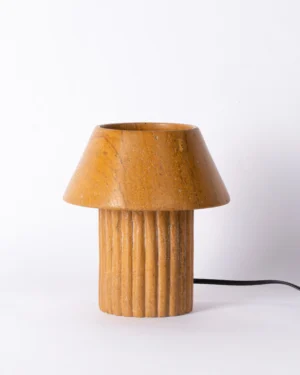
Rio (m) Table Lamp In Sandstone
By Harshita Jhamtani Designs
€690 -
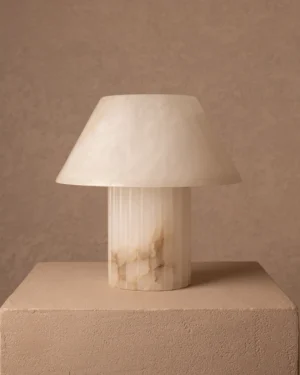
Rio (m) Table Lamp In Alabaster
By Harshita Jhamtani Designs
€800 -
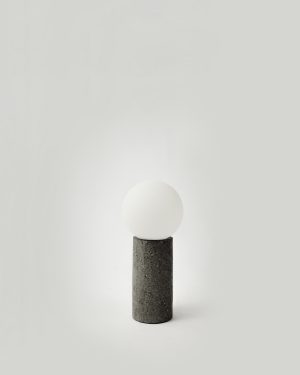
Fos 14 Table Lamp in Stone and Glass
By Daniel Orozco Estudio
€1.060 -
 In stock
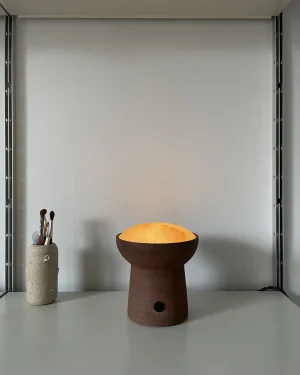
Stoneware Salt Lamp
By Isabella Artale
€600 -
 In stock
Hex Table Lamp in Aluminum
By STUDIO GUILTY
€492 -
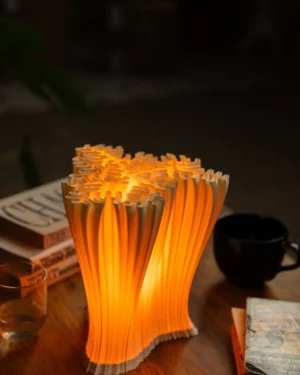 In stock
S 4 Table Lamp In Bio Polymer
By diploria studio
€275 -
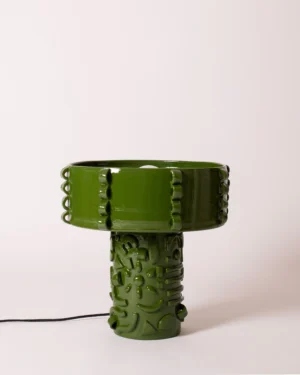
Sculpt Table Lamp In Glazed Stoneware
By Harshita Jhamtani Designs
€3.600 -
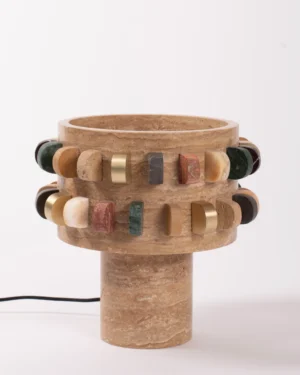
Outcasts Table Lamp In Marble And Travertine
By Harshita Jhamtani Designs
€2.140 -
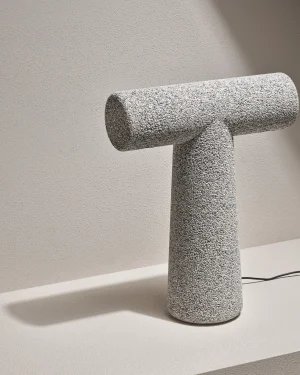 In stock
Gravel Table Lamp in Quartz Stone
By STUDIO GUILTY
€612 - €620 -
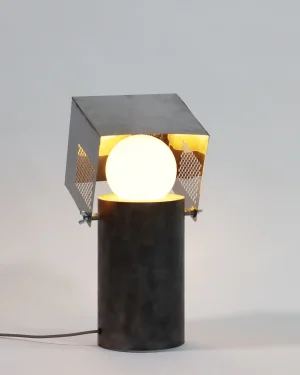 In stock
Hood Light Table Lamp In Stainless Steel
By Nolan Talbot-Kelly
€900 -
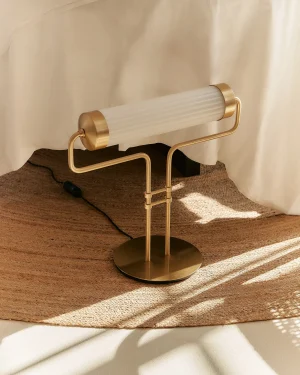 In stock
Tatì Table Lamp in Brass and Blown Glass
By Clara Viladecans
€1.488 -
 In stock
Llamas Table Lamp In Casted Bronze And Handblown Glass, In Stock
By ANDEAN
€1.781 - €2.171 -
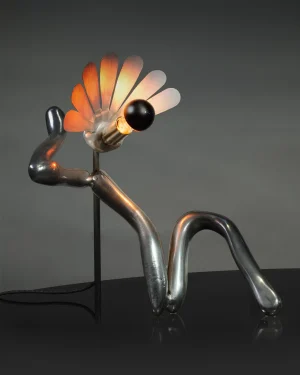 In stock
The Voguing Lamp 1 Table Lamp in Aluminum
By BY JAMPS
€3.000
Home office table lamps give a desk its own pool of light, sized to sit close to a keyboard or a stack of papers without crowding the surface. Independent studios make them in stoneware, ceramic, glass and steel, working by hand-building, glazing, metalwork or digital fabrication, with some finished as small, limited editions. What unites them is restraint: a single light source, a base built to stay put, and a shade or diffuser angled toward paper and screen rather than across a whole room.
What defines a home office table lamp
A desk lamp earns its place through proportion more than decoration. Stoneware and ceramic bases carry weight low to the surface, so they resist tipping when a cable catches an elbow. Steel and stainless steel versions tend toward a narrower footprint and a visible armature, often with a shade that tilts or swivels toward the task at hand.
Glass appears mostly in the diffuser or shade, where it softens a bulb's glare into something closer to daylight. Bioplastic and clay turn up in newer, more experimental forms, often shaped through 3D printing or biofabrication, which gives the material a slightly irregular, hand-finished surface even when the process is digital.
The range of materials, finishes and editions
Across table lamps set up for a home office, the spread of materials and finishes includes:
- Stoneware, ceramic and clay, hand-built or glazed, in off-white, ivory, white, brown and black
- Steel, stainless steel and metal, often left raw or finished in black for a neo-industrial or contemporary line
- Glass shades or diffusers in transparent and amber tones, paired with metal or ceramic bases
- Open editions for everyday use alongside limited editions in smaller runs
Styles run from mid-century modern and minimalist to futuristic and conceptual, so the same desk can take a quiet stoneware cylinder or a more sculptural steel arm, depending on what the rest of the room is doing. For a narrower look at the metal pieces alone, the metal table lamps group is worth a separate look, as is the pared-back end of the range under minimalist table lamps.
How to choose one for a desk
Start with the light itself: a shade that angles or swivels lets you aim light at paper or keyboard without moving the lamp. Measure the base against the desk's working area, since a wide stoneware or ceramic foot can take up more room than its height suggests. A lamp set too low gets lost behind a monitor; one set too high throws glare across the screen, so align the shade roughly with seated eye level for reading tasks.
Finish matters as much as form. A matte glaze or brushed steel reads calmer under long hours than a glossy or reflective surface, which can bounce light back toward the eyes. Where a desk already carries wood, paper and cork, a black or off-white base tends to sit more quietly than a bright color.
Where these lamps work
Home office table lamps are built for focused, close-range light, but the same qualities, an unobtrusive base and an aimable shade, suit a reading corner, a bedside table or a console in a living room. For a wider view of how a desk comes together, home office lighting covers task and ambient fixtures beyond the table lamp, and the full spread of pieces made for this room is gathered under home office design.
Caring for the materials
Stoneware and ceramic bases should be dusted rather than soaked, since trapped moisture around the base can mark a wooden desk. Steel and metal fittings benefit from an occasional wipe to keep oils and fingerprints from dulling a matte finish. Glass shades wipe clean with a dry or barely damp cloth, kept away from abrasive cleaners that can scratch a transparent or tinted surface.
How do I choose a table lamp for a home office?
Look for a base heavy enough to resist a catching cable and a shade or diffuser that angles light toward paper and screen rather than across the room.
What materials are home office table lamps made from, and how do I care for them?
Stoneware, ceramic and clay bases wipe clean with a dry cloth and should avoid sudden temperature change, which can crack a glaze. Steel and stainless steel need only occasional dusting, while glass diffusers benefit from a soft, lint-free cloth to keep light passing through clearly.
What size desk lamp is right for a home office?
A desk lamp should sit close to a keyboard or paper stack without crowding the surface, so proportion matters more than scale. Narrower steel bases suit tighter desks, while a low, weighted stoneware base works well on wider surfaces.
Can a home office table lamp work in other rooms too?
Yes, the same proportions that suit a desk also work on a narrow console or bedside table, since the light stays focused rather than filling a whole room. Steel versions with a tilting shade adapt especially well to reading in another setting.
Are these lamps handmade or produced digitally?
Both: stoneware and ceramic pieces are hand-built and glazed, steel forms come from metalwork, and bioplastic or clay pieces are often shaped through 3D printing or biofabrication, which still leaves a slightly irregular, hand-finished surface.
How does buying a table lamp through ADORNO work, including shipping and returns?
Shipping is insured and worldwide, with a 14-day return policy excluding made-to-order pieces, a certificate of authenticity included, and a lowest-price guarantee. For questions on a specific lamp, use Chat with the maker on its page.