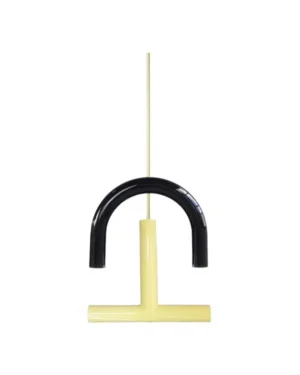
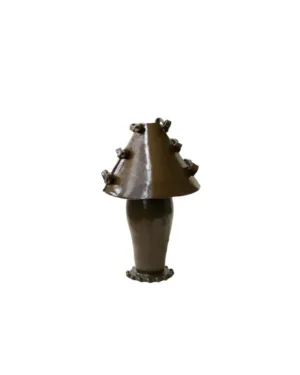
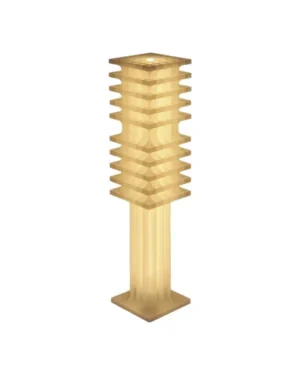
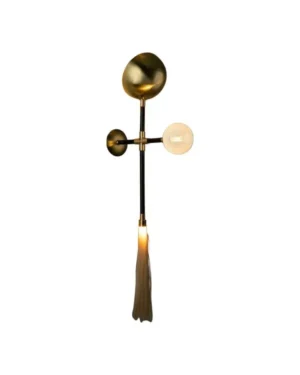








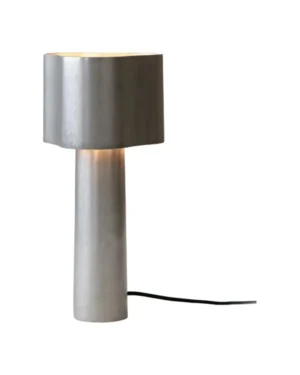

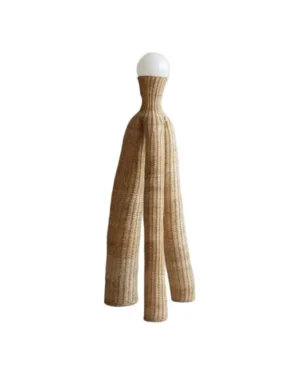

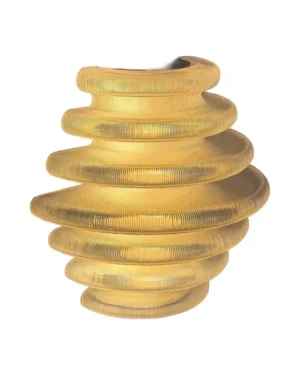
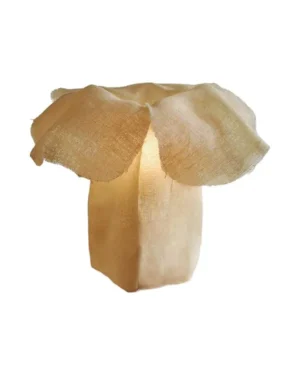


-
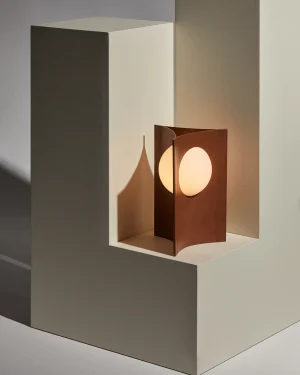
Hecate Table Lamp in Leather and Glass
By Studio Aristotelis Barakos
€480 -
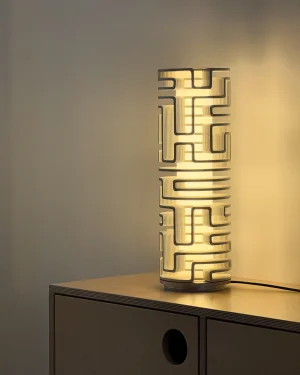
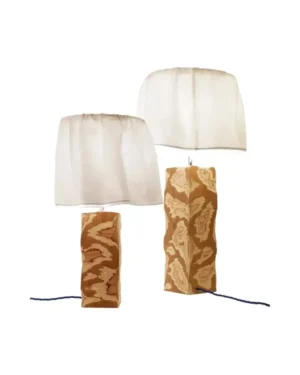
Maze Medium Table Lamp in Recycled Plastic
By Stijn van Aardenne
€579 -
 In stock
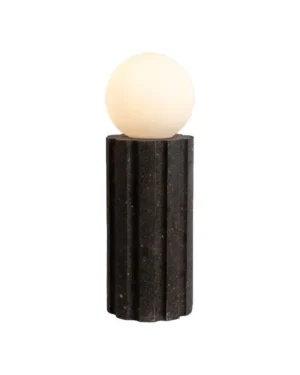
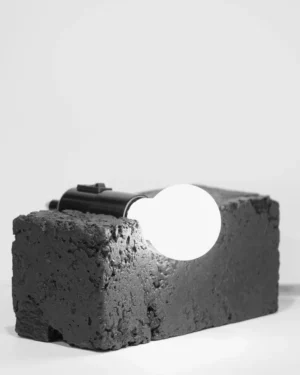
Cofit-20 Table Lamp In Coal Concrete
By Atelier Haute Cuisine
€380 -

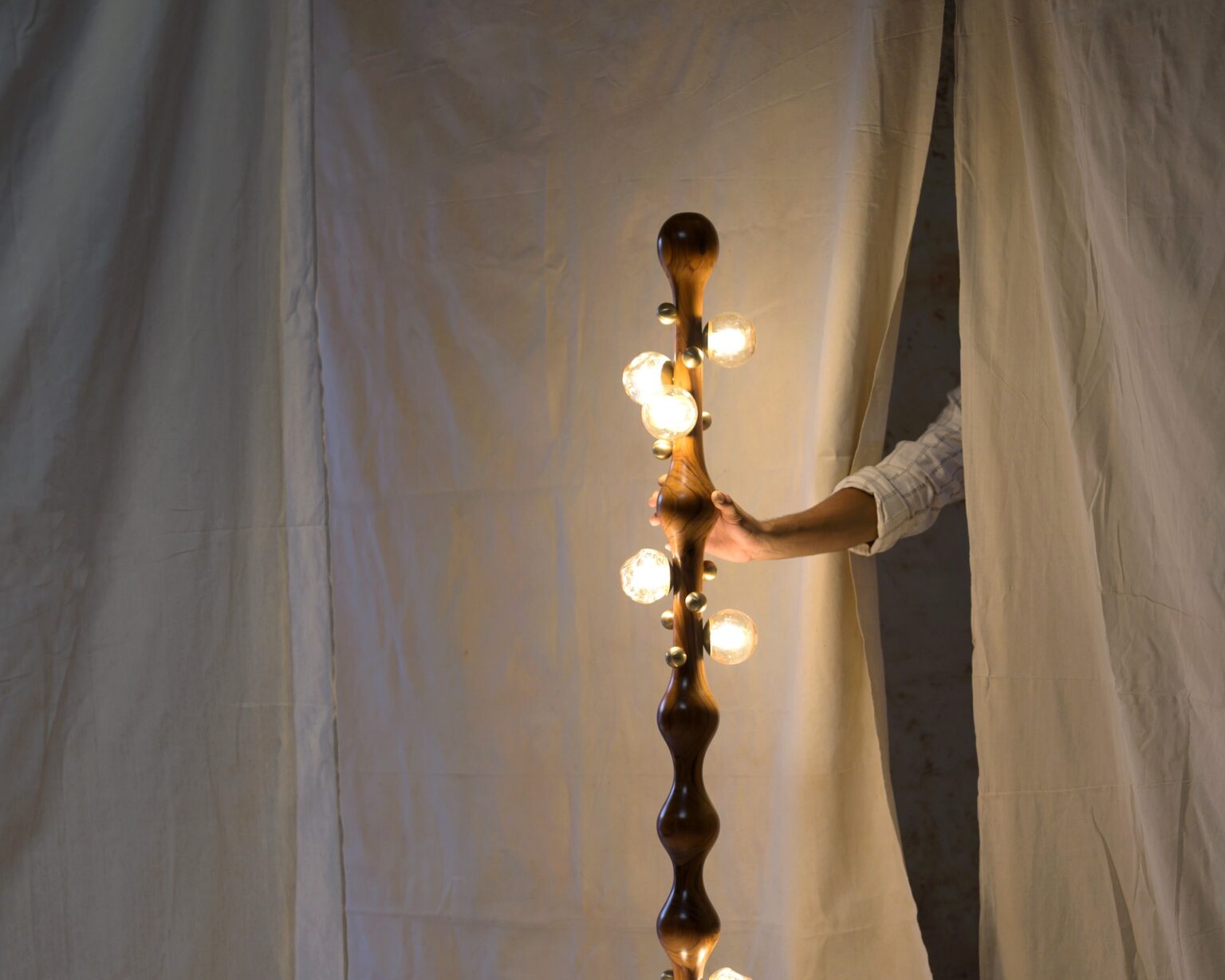
Deas Floor Lamp In Aluminum And Rattan
By Calen Knauf Studio
€1.360 -
 In stock
Blampa30 Table Lamp in Bio Plastic
By BLUBA Studio
€203 -

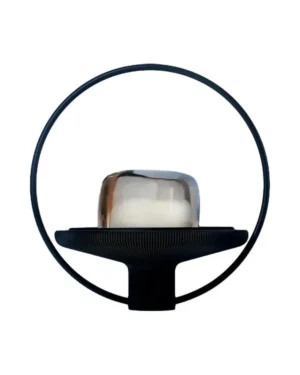
Onda Sconce In Raku White Ceramic
By arrived aliens
€2.200 -
 In stock
S 1 Table Lamp In Bio Polymer
By diploria studio
€245 -
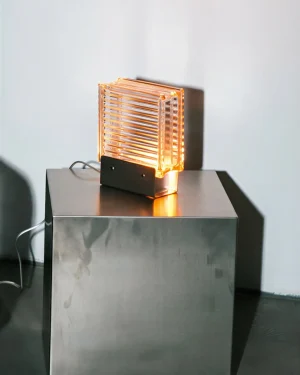
Gbl – 02 Table Lamp In Glass Block And Stainless Steel
By julius.works
€320 -
 In stock
Coral Wall Lamp – Clay Sconce
By Dzovag Kotchian
€900 -
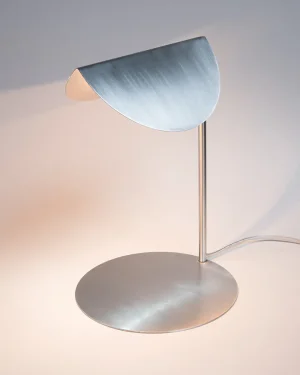
Two Circles Table Lamp in Stainless Steel
By Georgiev Kiril
€690 -
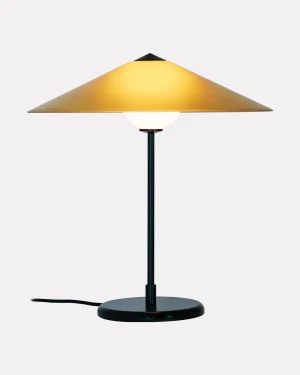
Marsha Table Lamp in Glass and Metal
By MESEME by Riya Panchal
€1.015 -
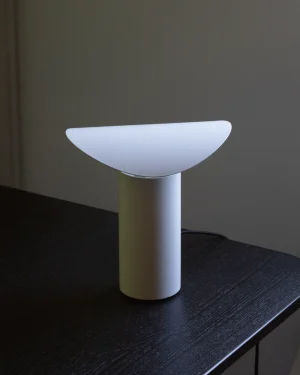
Beam Table Lamp in Steel
By Sergio Enríquez Industrial Design Office
€600 -
 In stock
Handrail Table Lamp in Stainless Steel
By studio re.d
€440 -

Knotto_01 Table Lamp In Glazed Stoneware And Synthetic Fibers
By Catalin Filip
€800 -
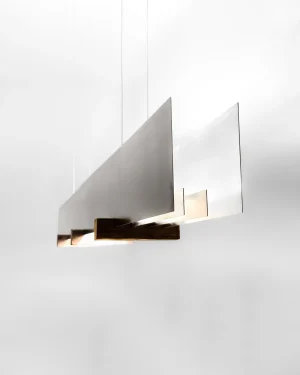
Linear Ceiling Lamp (extra Large) in Aluminum and Wood
By case studios
€1.210 - €1.910 -
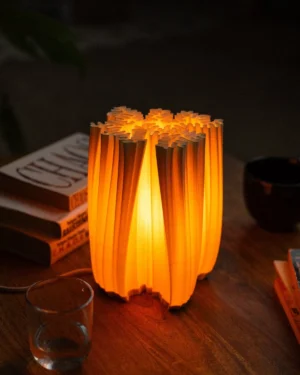 In stock
S 2 Table Lamp In Bio Polymer
By diploria studio
€245 -
 In stock
La Bergère Table Lamp In Glazed Ceramic
By Mina Wright
€686 -
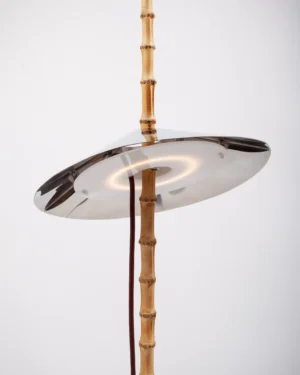
7plates Floor Lamp In Stainless Steel, Bamboo And Aluminum
By Calen Knauf Studio
€1.918 -

El Joyero De Odette Table Lamp In Stoneware
By Mina Wright
€810 -
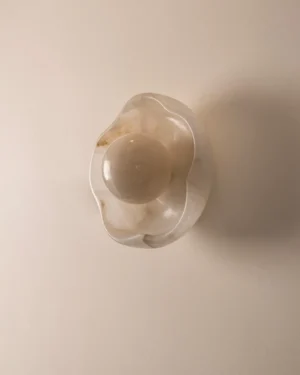
Flower Wall Sconce In Alabaster
By Harshita Jhamtani Designs
€700 -

Amar Table Lamp in Wenge Wood and Pau Ferro
By Brett Paulin
€2.267 -
 In stock
Ding Dong 01 Table Lamp in Ceramic
By Luft Tanaka Studio
€1.442 -
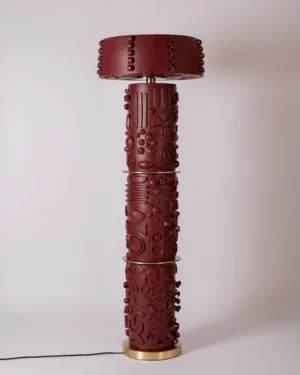
Sculpt Floor Lamp In Hand-built Stoneware
By Harshita Jhamtani Designs
€7.880 -

The Mesia Table Lamp In Ceramics And Glass
By Luis Gimeno Design
€1.600 -
 In stock
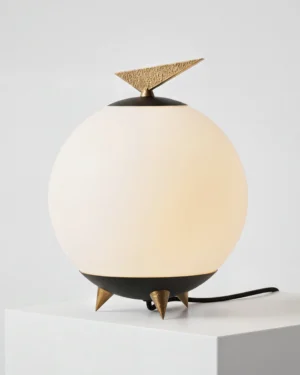
Eoni Table Lamp In Steel, Brass And White Glass
By Balance Lamp
€410 -
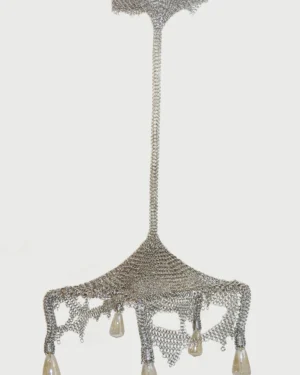
Chainmail Cobweb Chandelier In Glass And Steel
By Panorammma Atelier
€4.250 -
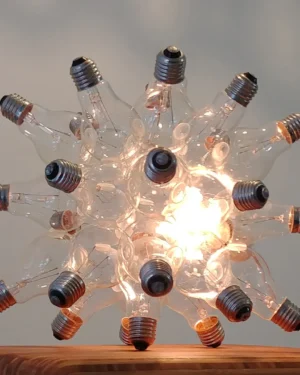 In stock
“spare” Table Lamp Constructed From 26 Lightbulbs
By JAN PAUL
€220 -
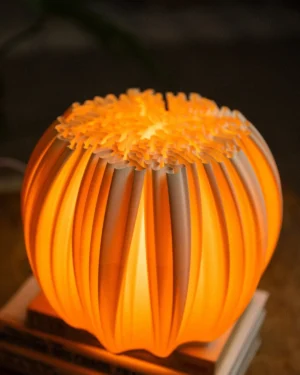 In stock
S X 3 Table Lamp In Biopolymer
By diploria studio
€295 -
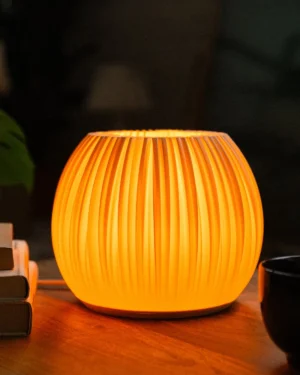 In stock
B 1 Table Lamp In Biopolymer
By diploria studio
€295 -
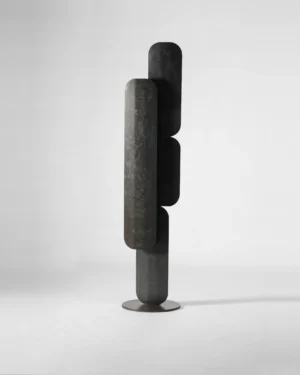
Nucleation Floor Lamp in Steel
By Drusch Design
€2.760 -
 In stock
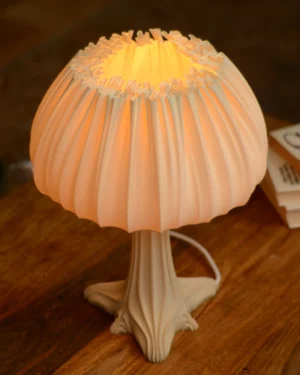
M 2 Table Lamp In Bio Polymer And Sand
By diploria studio
€395 -
 In stock
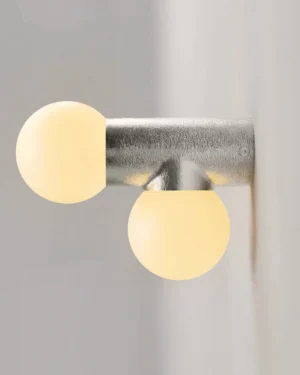
Pp02 Wall Lamp In Stainless Steel And Frosted Glass
By Balance Lamp
€245 -
 In stock
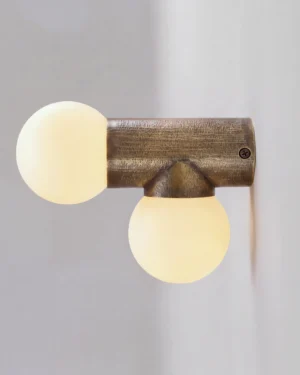
Pp04 Wall Lamp In Brass And Frosted Glass
By Balance Lamp
€310 -
 In stock
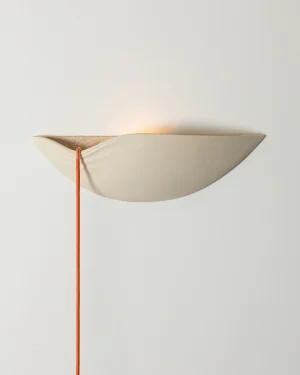
Onda Cosmic Wall Sconce In Glazed Ceramic
By arrived aliens
€2.200 -
Loma Wall Sconce In Stoneware
By Catalin Filip
€450 -
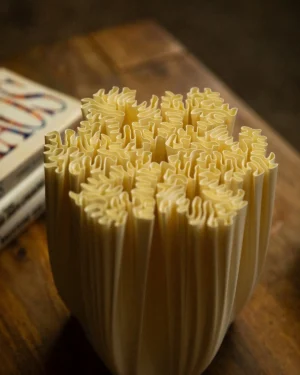 In stock
S X 2 Table Lamp In Biopolymer
By diploria studio
€295 -
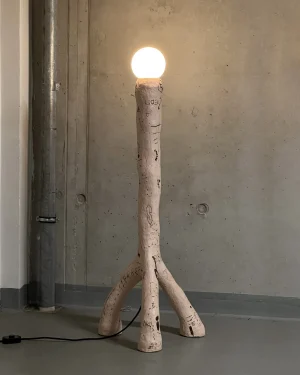 In stock
Tattooed Shining Creature Floor Lamp In Paper And Steel
By David Čáp
€1.400 -
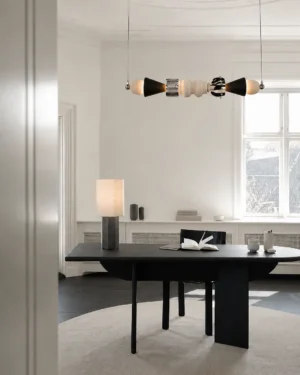 In stock
Arinna Pendant Lamp In Oak, Stone And Brass
By MARAU
€15.000 -

Sky-set Floor Light
By Dace Sūna
€5.800 -
 In stock
Herbarium Mini Lunaria Annua Wall Sconce In Glass And Plywood
By Mateusz Wappa
€1.200 -
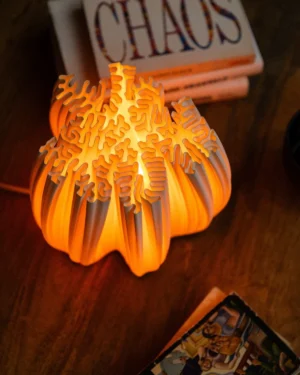 In stock
S 3 Table Lamp In Biopolymer
By diploria studio
€275 -

Fractical Neon Table Lamp In Glass
By Dace Sūna
€1.000 -
 In stock
Cave Table Lamp In Glass
By Dace Sūna
€1.500 -
 In stock
Herbarium Mini Daucus Carota Wall Sconce In Glass And Plywood
By Mateusz Wappa
€1.200 -
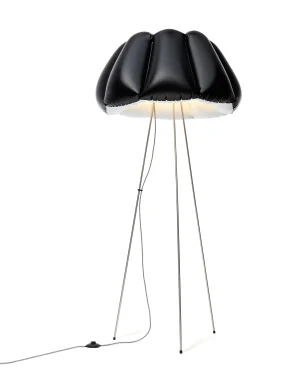 In stock
Orca Floor Lamp in PVC and Stainless Steel
By PUFF-BUFF
€650 -

Vira Triptych Ceiling Lamp In Bio Plastic
By Julie Mallet Studio
€567 -
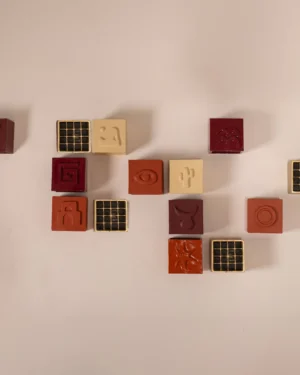
Oasis Wall Light In Hand-sculpted Stoneware
By Harshita Jhamtani Designs
€410 -
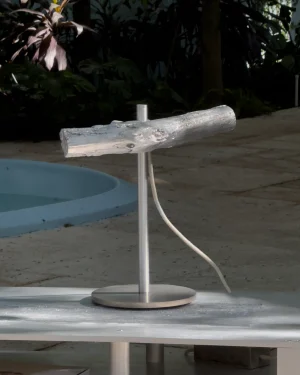 In stock
Aluminum Veneer Table Lamp in Cast Aluminum
By Bureau.parso
€1.400 -
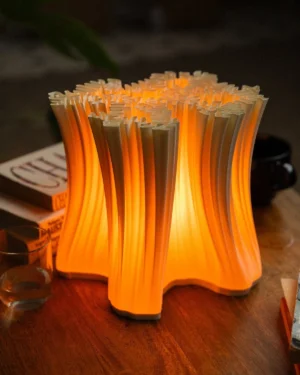 In stock
S 6 Table Lamp In Bio Polymer
By diploria studio
€295 -
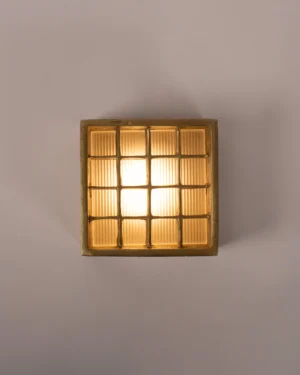
Oasis Mirage Wall Light In Cast Aluminum And Fluted Glass
By Harshita Jhamtani Designs
€620 -
 In stock
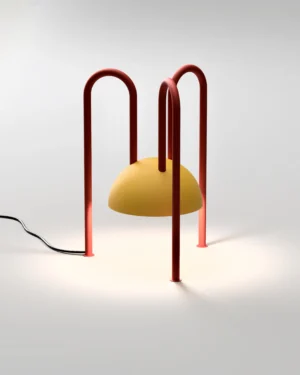
Allugi Table Lamp In Steel
By Balance Lamp
€450 -

Stutter Table Lamp In Aluminum
By Calen Knauf Studio
€1.344 -
 In stock
Pearl Wall Lamp – Clay Sconce
By Dzovag Kotchian
€1.200 -

Onda Copper Wall Sconce In Raku Ceramic
By arrived aliens
€2.200
Home office lighting on ADORNO brings together table lamps, wall lamps and desk accessories shaped by independent studios working in ceramic, stoneware and cast metal. Some pieces are built up by hand from slabs of clay and finished with a glaze, others are cast in aluminum or brass and left raw or polished. The material and the method of making shape how each lamp sits on a desk and how it ages.
What defines ceramic, stoneware and cast metal lighting
Ceramic and stoneware bodies start as wet clay, pressed or coiled by hand, then fired until the material hardens permanently. A glaze applied before a second firing seals the surface, giving it color and a sheen that ranges from matte to glass-like. Cast metal pieces, by contrast, begin as molten aluminum or brass poured into a mold, cooled, then finished by grinding or polishing, which gives them a weight and a cold touch that clay cannot match.
Because stoneware is denser and less porous than earthenware, it resists the daily knocks of a work surface better than more delicate ceramics. Cast metal, left unlacquered, will darken slightly where hands touch it most, a sign of use rather than fault.
The range of finishes, colors and editions
Within home office lighting, finishes run from white and off-white glazes to deeper browns, blacks, blues and terracotta tones pulled from the clay itself. Some studios leave a piece in raw bioplastic or stainless steel for a flatter, more industrial surface; others polish brass or aluminum to a silver shine. Styles span contemporary, Scandinavian-leaning and organic forms through to more conceptual, sculptural shapes built with digital fabrication or biofabrication.
- Hand-building and glazing for one-off surface textures in clay or stoneware
- Metal casting and metalwork for lamps with more mass and a cooler surface
- 3D printing and digital fabrication for pieces with sharper, repeated geometries
Editions vary by studio: some lamps are produced as open editions and restocked over time, others are released in limited editions, made in small numbers and not repeated once sold.
How to choose a lamp for a desk or workspace
Scale matters first. A table lamp for a desk should sit low enough that its shade or diffuser falls below eye level when seated, so the light reaches the work surface without glare. Wall-mounted lighting frees the desk itself and suits smaller rooms where surface space is limited, as seen among home office wall lamps.
Finish is the second decision. A matte stoneware base reads quietly against wood or linen, while a polished metal stem catches light and suits a room with more hardware and glass already in it. For a closer look at lamps sized and shaped for a work surface, the range of home office lamps and home office table lamps covers both low desk forms and taller reading lamps.
Where this lighting belongs
These pieces are built for close, repeated use: a desk, a reading corner, a shelf beside a chair where a hand reaches for a switch many times a day. Ceramic and stoneware lamps bring warmth to a room otherwise dominated by screens and paper, while cast metal lighting holds its own next to steel shelving or a dark wood desk. The same qualities that suit a home office carry into a study or a quiet corner of a living room, which is why it's worth looking across the full range of lighting and the broader set of pieces gathered under home office design.
Caring for ceramic and cast metal lighting
Glazed ceramic and stoneware need only a damp cloth; abrasive cleaners can dull the glaze over time. Unlacquered brass and aluminum will oxidize slowly with handling, which most studios consider part of the material's character rather than a flaw to polish away. Keep any lamp with exposed clay or unsealed metal away from direct, prolonged moisture, since both materials are intended for dry, indoor use.
How do I choose lighting for a home office?
Match the lamp's output to the task: a dense stoneware or metal base suits focused desk work, while a wall lamp frees surface space for papers or a laptop. Consider glare on screens before finish or color.
What is the best material for desk lamps, ceramic or metal?
Stoneware resists daily knocks better than softer ceramics, while cast aluminum or brass carries more weight and stays cool to the touch. Both age differently, so the choice depends on how the desk gets used.
How do I care for ceramic or metal desk lighting?
Wipe glazed stoneware with a dry or barely damp cloth, avoiding abrasive cleaners that dull the surface. Unlacquered metal will darken slightly with handling, which is normal wear rather than damage.
What size lamp suits a home office desk?
A desk lamp should sit low enough that its base and shade do not block a monitor or line of sight, while a wall lamp works well where surface space is limited. Chat with the maker on a piece's page to confirm dimensions.
Can home office lighting work in other rooms too?
Yes, table and wall lamps made for desks often suit bedside tables or reading corners equally well, since the forms are compact and the light directional rather than ambient.
Does ADORNO ship home office lighting worldwide and offer returns?
Shipping is insured and worldwide, with a 14-day return policy excluding made-to-order pieces. Every piece arrives with a certificate of authenticity, backed by a lowest-price guarantee.