



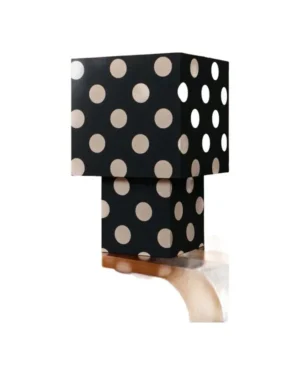
-

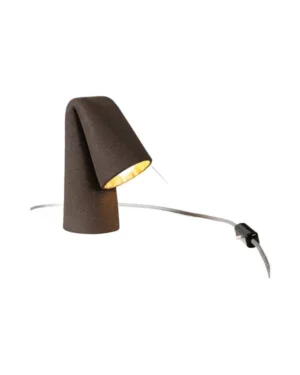
Strikha Table Lamp in Clay
By FAINA
€1.820 -

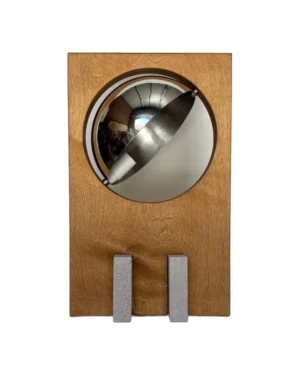
Arc Table Lamp in Stainless Steel
By Paul Coenen
€479 -
 In stock
Thalie Vi Table Lamp Sheer Fabric
By Atelier Alz
€200 - €300 This product has multiple variants. The options may be chosen on the product page -
 In stock
O.f.i.s Series Table Lamp in Pipe, Rod And Brick
By Lucas Muñoz Muñoz
€280 -
 In stock
Astēri Table Lamp in Clay
By Andrei Clontea STUDIO
€1.200 -
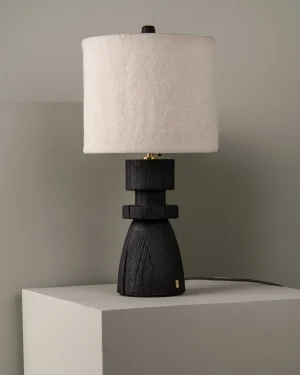
Mezquite Table Lamp in Burned Pinewood and Natural Linen
By Isabel Moncada
€2.925 -
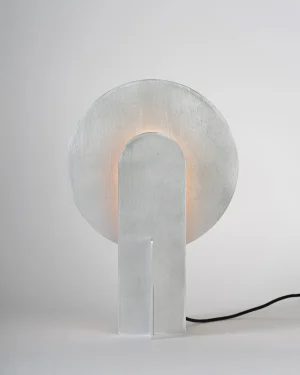
Aurora Table Lamp in Aluminum
By Hasik Design Studio
€700 -
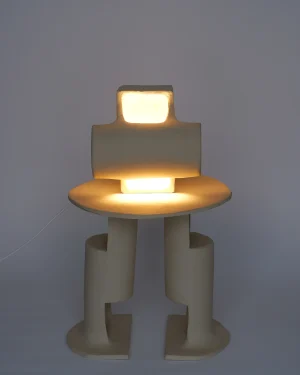
Accre Table Lamp in Ceramic
By Ia Kutateladze
€580 This product has multiple variants. The options may be chosen on the product page -
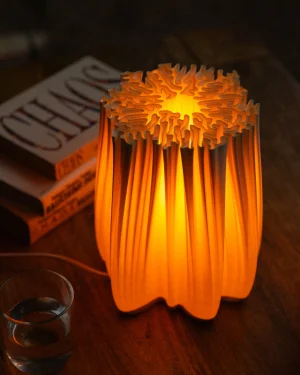 In stock
S X 1 Table Lamp In Ivory White Bio Polymer
By diploria studio
€235 -

Rotonda Table Lamp in Resin
By Adrian Cruz
€2.420 -
 In stock
B.a.r.e Series Table Lamp in Brick, Copper and Plastics
By Lucas Muñoz Muñoz
€300 -
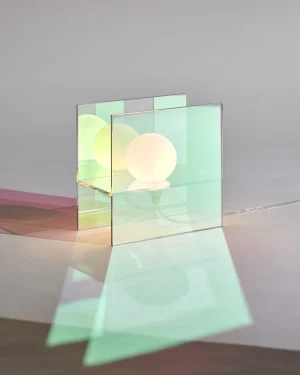 In stock
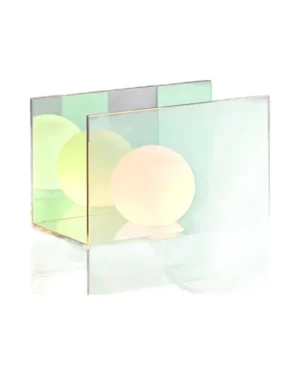
Euphoria Table Lamp in Coloured Glass
By Studio Monsoleil
€800 -

Nuit Table Lamp in Teak Wood
By Studio Indigene
€400 -

Chloé Table Lamp in Reflective Fabric
By Atelier Alz
€300 -
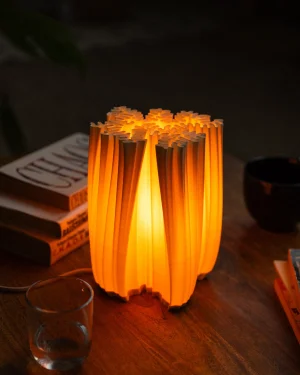 In stock
S 2 Table Lamp in Bio Plastic
By diploria studio
€215 -
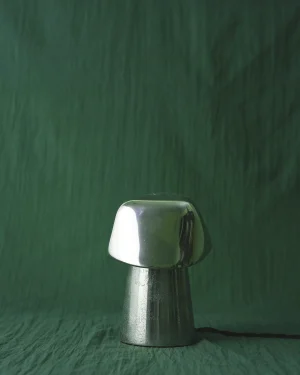
Iris Table Lamp in Aluminum
By MANUHITA
€295 This product has multiple variants. The options may be chosen on the product page -
 In stock
S 1 Table Lamp In Bio Polymer
By diploria studio
€215 -

Kalia Table Lamp in Glass and Resin
By Justyna Poplawska
€536 -

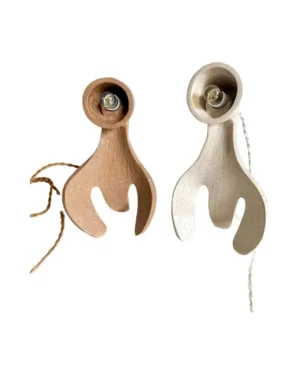
Luminária Luz Sobre Mão Table Lamp in Paper Pulp
By Sandro Vieira studio
€410 -
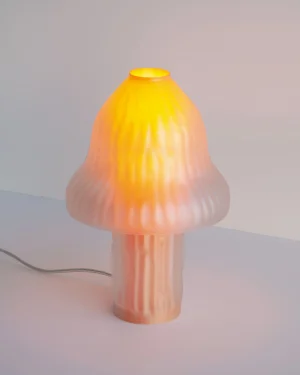
Lampamodelé Table Lamp in 3D Printed PLA
By BehaghelFoiny Studio
€99 -
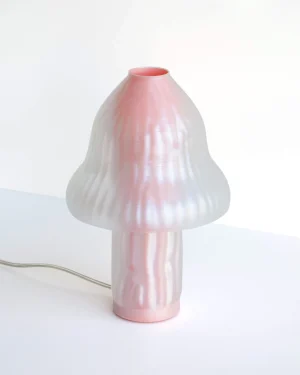
Lampamodelé Pink Table Lamp in 3D Printed PLA
By BehaghelFoiny Studio
€99 -
 In stock
Axile Table Lamp in Bio Plastic
By Errance.
€335 -

Gbl – 02 Table Lamp in Glass Block and Stainless Steel
By julius.works
€320 -

Black Wool Table Lamp in Biocomposite
By PletoStudio
€700 -
 In stock
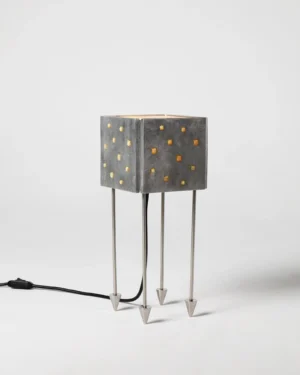
Prisma Massiva Table Lamp in Cast Aluminum, Resin & Steel
By DONÓ Design
€1.898 -
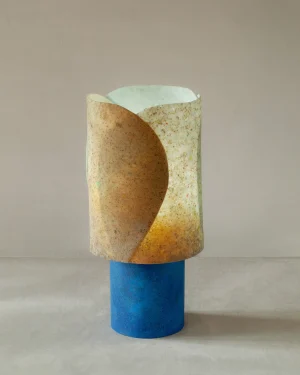
Verve Mint Table Lamp In Bio-based Resin
By Justyna Poplawska
€1.900 -
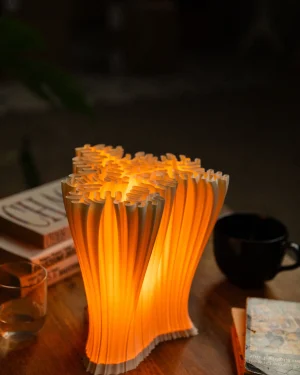 In stock
S 4 Table Lamp in Bio Plastic
By diploria studio
€235 -
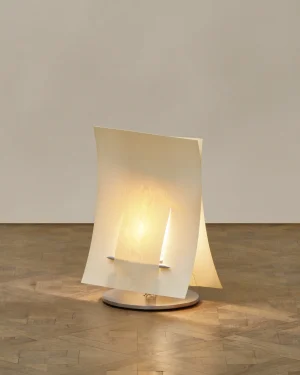
Soft Ply Table Lamp Series in Wood and Aluminum
By Sheyang Li
€785 -

Coralight Table Lamp in Bio Plastic
By Cornu Design
€129 -
 In stock
Handrail Table Lamp in Stainless Steel
By studio re.d
€440 -

Sky-set Mini Table Lamp in Opalescent Glass
By Dace Sūna
€2.800 -
 In stock
Navazi Table Lamp in Ceramic
By SVITANOK
€440 - €670 This product has multiple variants. The options may be chosen on the product page -
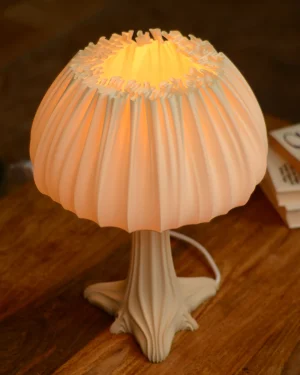 In stock
M 2 Table Lamp in Bio Plastic and Sand
By diploria studio
€335 -

Coralight Table Lamp in High Density Bio Polymer
By Cornu Design
€129 -
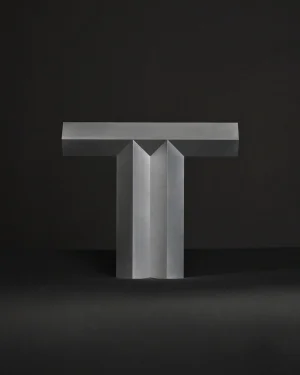
Sculptural Table Lamp in Aluminum
By NOSTUDIO
€620 - €650 This product has multiple variants. The options may be chosen on the product page -

Segment Table Lamp in Aluminum
By Andrew King Studio
€500 This product has multiple variants. The options may be chosen on the product page -
 In stock
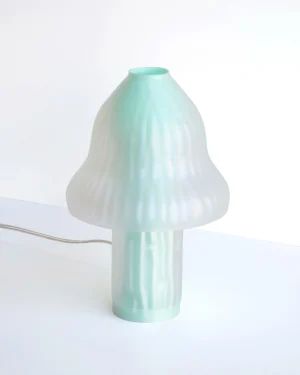
Lampamodelé Blue Table Lamp in 3D Printed PLA
By BehaghelFoiny Studio
€99 -
 In stock
Nebula Table Lamp in 3D Printed PLA
By Cornu Design
€250 -
 In stock
Prisma Massiva Table Lamp in Imbuia Wood, Resin & Steel
By DONÓ Design
€1.602 -
 In stock
Phobos Table Lamp in Aluminum
By Joana Teixeira
€480 -
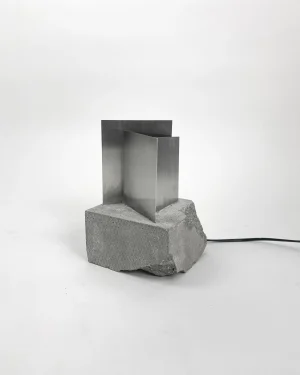
Sculptural Table Lamp in Stainless Steel and Concrete
By case studios
€820 -
 In stock
Nebula Table Lamp in Pink and Blue PLA
By Cornu Design
€250 -
 In stock
Soul Table Lamp in Handblown Glass
By Ceren Gürkan
€630 -
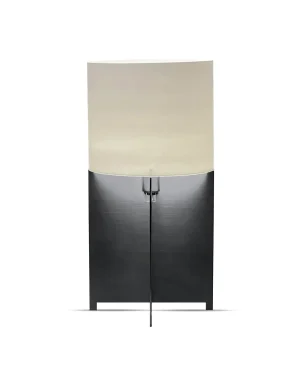
Lumix Table Lamp in Stainless Steel
By Pablo Sinan Design
€390 -
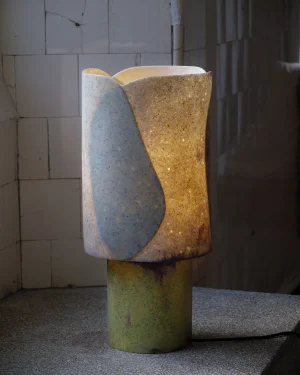
Verve Green Table Lamp in Bio-based Resin
By Justyna Poplawska
€1.900 -

Wool Smola Table Lamp in Biocomposite
By PletoStudio
€800 -
 In stock
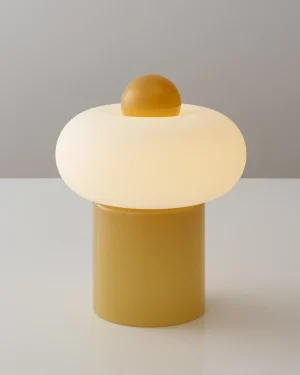
Lumix Table Lamp in Poplar Wood
By Pablo Sinan Design
€550 -
 In stock
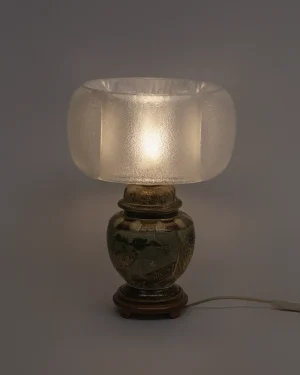
Capsula 05 Table Lamp in Blown Glass
By Noiro Studio
€880 -
 In stock
Pascal Table Lamp in Plastics
By 91-92
€193 This product has multiple variants. The options may be chosen on the product page -
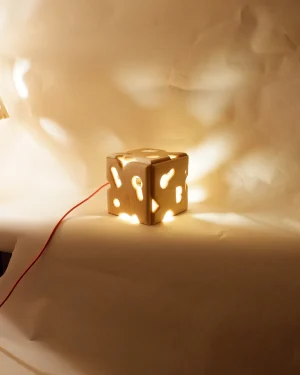
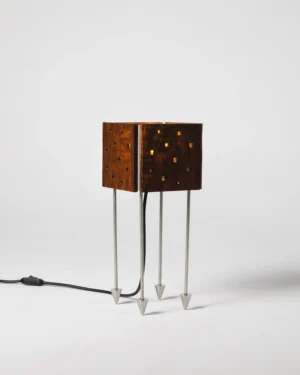
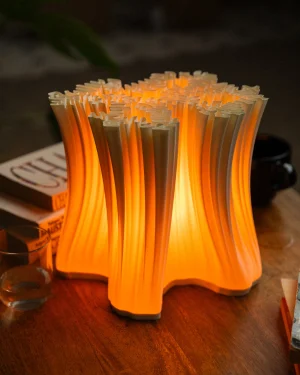
Cut Out Light Cube Table Lamp in Pine Wood
By Josh Page Studio
€310 -
 In stock
S 6 Table Lamp in Bio Plastic
By diploria studio
€255 -
 In stock
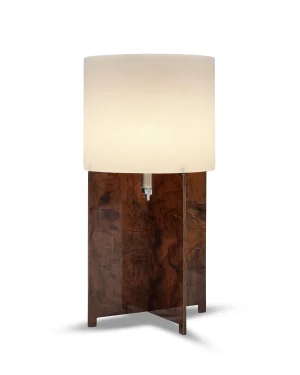
Lumix Table Lamp in Walnut Wood
By Pablo Sinan Design
€550 -
 In stock
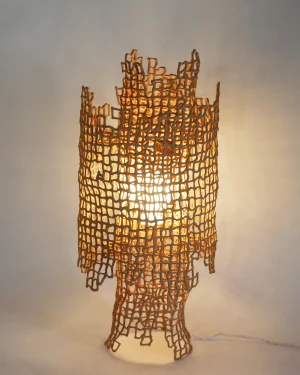
Coral Lamp XL Table Lamp in Clay
By Dzovag Kotchian
€2.600 -
 In stock
My Stone Flower Ii Ceramic Table Lamp
By Katia Langeard
€500
Modern table lamps on ADORNO are built on restraint: a clean silhouette, a single material doing most of the talking, and a base that reads as sculpture even when the light is off. Independent studios and designers make them by hand-building clay, blowing glass, turning wood, and forming metal, so the geometry stays simple while the surface carries the interest. The result sits closer to a small object for the table than to a fixture bolted to the ceiling.
What defines the modern line
Where a traditional lamp might lean on turned brass and a pleated shade, modern table lamps tend toward a plain cylinder, a cone, a sphere, or a stack of simple volumes. Ornament gives way to proportion: the width of the base against the height of the shade, the thickness of a stem, the way a joint is left visible instead of hidden. Color is often reduced to one or two tones — ivory, sand, black, off-white — so the form reads clearly from across a room.
This restraint does not mean the pieces are plain to the touch. A hand-thrown ceramic base still carries the faint ridges of the wheel, a cast metal foot still holds the texture of its mold, and a turned teak stem still shows the grain of the tree it came from. The discipline is in the shape, not in the finish.
Materials, finishes and ways of making
The range on ADORNO moves through clay and ceramic fired to a matte or glazed skin, metal spun or welded into cool, reflective bases, teak and other woods turned and oiled, and newer materials such as bioplastic and PLA shaped through 3D printing and digital fabrication. Natural fiber and textile work appear on shades and wrapped bases, adding warmth against harder metal or stoneware forms.
- Hand-building and metalwork for one-off or small-batch bases with visible tool marks
- 3D printing, digital fabrication and generative design for geometric, repeatable forms
- Wood and cabinetmaking for turned or jointed stems and plinths
- Open editions for pieces made to a standing design, and unique pieces where no two bases are quite alike
Anyone working through metal table lamps will find cooler, harder surfaces that hold a sharp edge, while ceramic table lamps bring a warmer, matte weight that softens a room instead of sharpening it.
Choosing scale, height and finish
A table lamp has to work at close range, so proportion matters more than it does with a floor or pendant light. On a side table or nightstand, a lamp roughly fifteen to twenty-four inches tall usually sits at a comfortable eye level when seated; on a console or sideboard, a taller, heavier base can carry the extra surface without looking stranded. Shade width should roughly match the widest point of the base, so the silhouette stays grounded rather than top-heavy.
Finish should answer the surface it stands on: a matte stoneware base reads calmer next to wood, while a polished metal one picks up and echoes other metal in the room — hardware, a frame, a mirror edge. Where a space already leans toward other modern pieces, a lamp with a plain, unfussy base will sit in without competing for attention.
Where modern table lamps work
These lamps move easily between living rooms, bedrooms, studies and entryways, since they need no wiring beyond a plug and no fixed position. A pair on a console reads as architecture; a single lamp on a side table reads as a quiet focal point. In a living room, a taller ceramic or wood base can anchor a seating group, while a smaller metal or plastic one suits a reading corner or desk.
Living with the material
Ceramic and stoneware bases should be dusted rather than soaked, since water can work into an unglazed foot or base joint. Metal benefits from an occasional wipe to keep fingerprints from dulling a polished surface, and oiled wood stays even in color if it is kept out of direct, constant sun. Bioplastic and PLA pieces, being lighter and less porous, ask for little beyond a dry cloth. For the full range of forms and materials beyond the modern line, the table lamps category holds every style side by side.
How do I choose a modern table lamp?
Start with the surface it will sit on and the light it needs to give, then match the material to the room's other finishes. A clean silhouette in metal, ceramic or stone reads as modern without matching a single style exactly.
What materials are modern table lamps made from and how do I care for them?
Common materials include metal, ceramic, stainless steel, teak wood and bioplastics. Wipe metal and ceramic with a dry cloth, keep wood away from direct heat, and ask the maker about any specific glaze or finish through Chat with the maker on the piece's page.
What size and height should a modern table lamp be?
A table lamp usually sits between 20 and 30 inches tall so the shade lands near eye level when seated, with a base wide enough to balance the fixture. Proportion to the table matters more than a fixed rule, so check exact dimensions on the piece's page.
Which rooms suit modern table lamps?
They work wherever a surface needs direct, movable light: a console in an entryway, a sideboard in a living room, a nightstand in a bedroom or a desk in a study. Because they need no wiring, they can be repositioned as a room's use changes.
Does ADORNO ship modern table lamps internationally and what if I don't like it?
Shipping is insured and worldwide. Returns are accepted within 14 days, except for made-to-order pieces, which are excluded.
Are modern table lamps from ADORNO authentic and do they offer the best price?
Every piece comes with a certificate of authenticity, and ADORNO offers a lowest-price guarantee.