

-

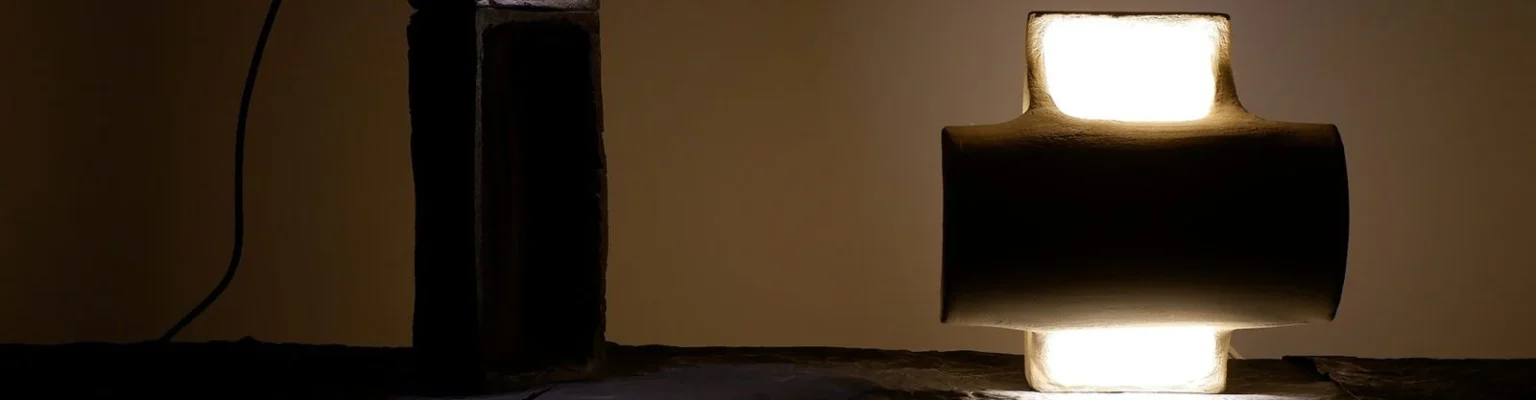
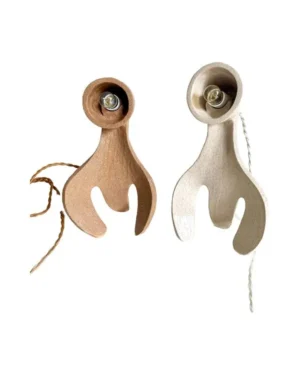
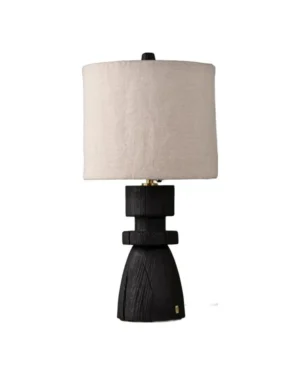
Nuit Table Lamp in Teak Wood
By Studio Indigene
€400 -
 In stock
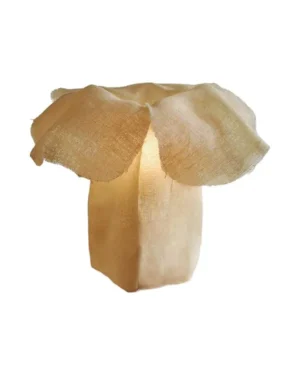
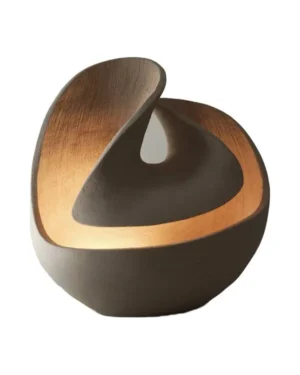
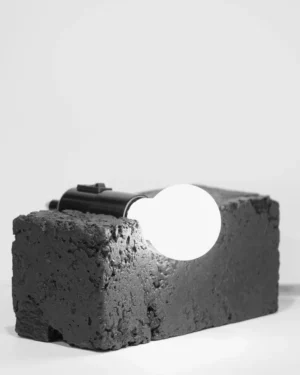
Cofit-20 Table Lamp In Coal Concrete
By Atelier Haute Cuisine
€380 -
 In stock
Sluren Table Lamp in Blown Glass
By Sara Sjöbäck
€1.450 - €1.850 -

Drizzle Table Lamp in Acrylic
By Kajsa Melchior
€780 -
 In stock
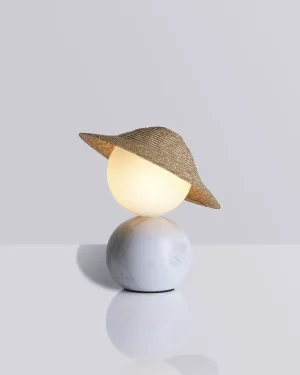
Théros 0.2 Table Lamp in Blown Glass and Marble
By Studio Aristotelis Barakos
€950 -

Pendulū Table Lamp In Ceramics And Gold-leaf
By Catalin Filip
€950 -
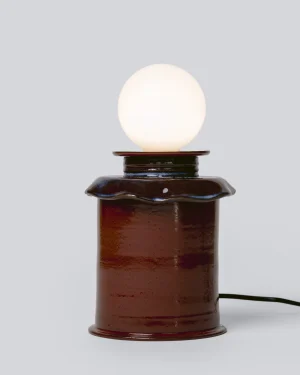
Baby Tutu Table Lamp in Glazed Stoneware
By Slō
€750 -
 In stock
Lampe Beige Large Table Lamp in Glazed Stoneware
By Huillet Lucas
€1.900 -

Knotto_01 Table Lamp In Glazed Stoneware And Synthetic Fibers
By Catalin Filip
€800 -
 In stock
La Bergère Table Lamp In Glazed Ceramic
By Mina Wright
€686 -

El Joyero De Odette Table Lamp In Stoneware
By Mina Wright
€810€689 -
 In stock
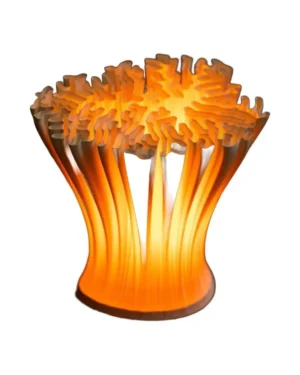
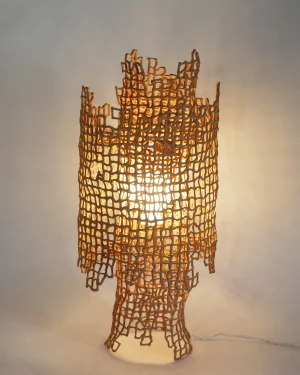
Coral Lamp – Clay Table Lamp (big)
By Dzovag Kotchian
€2.600 -
 In stock
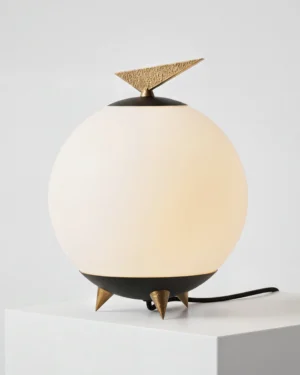
Eoni Table Lamp In Steel, Brass And White Glass
By Balance Lamp
€410 -
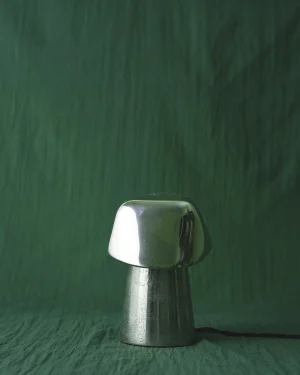
Iris Table Lamp in Aluminum
By MANUHITA
€295 -
 In stock
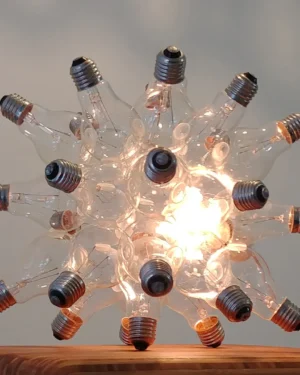
“spare” Table Lamp Constructed From 26 Lightbulbs
By JAN PAUL
€220 -
 In stock
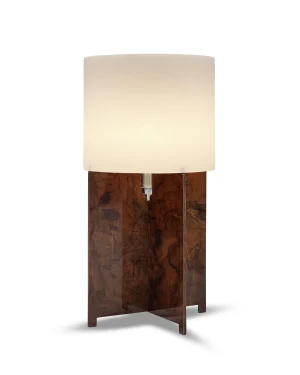
Lumix Table Lamp in Walnut Wood
By Pablo Sinan Design
€550 -

Mori Table Lamp In Bio Plastic
By Julie Mallet Studio
€146 -

Fractical Neon Table Lamp In Glass
By Dace Sūna
€1.000€850 -
 In stock
Cave Table Lamp In Glass
By Dace Sūna
€1.500 -
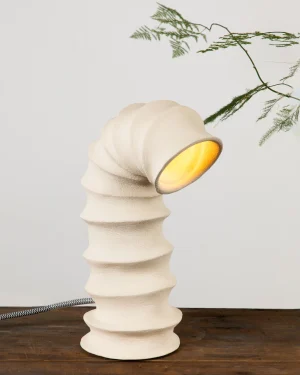
Rakis Lite – Table Lamp In White Stoneware
By Catalin Filip
€455 -
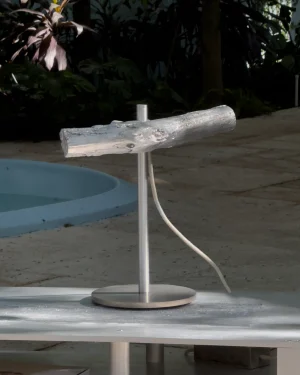 In stock
Aluminum Veneer Table Lamp in Cast Aluminum
By Bureau.parso
€1.400 -
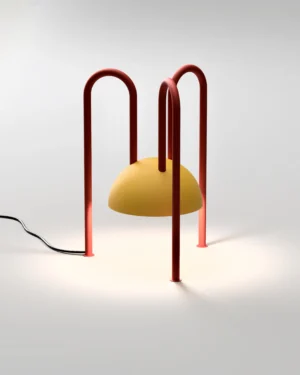 In stock
Allugi Table Lamp In Steel
By Balance Lamp
€450 -

Stutter Table Lamp In Aluminum
By Calen Knauf Studio
€1.344 -

Roma Squared Large Table Lamp In Red Travertine
By NASSI LAMPS
€1.522 -
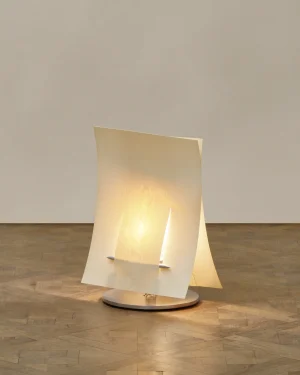
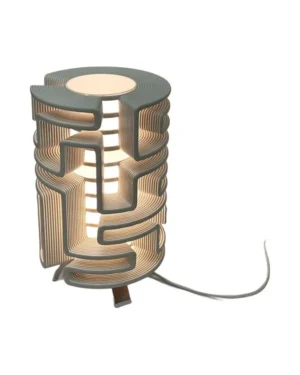
Soft Ply Table Lamp Series in Wood and Aluminum
By Sheyang Li
€785 -
 In stock
Lumix Table Lamp in Poplar Wood
By Pablo Sinan Design
€550 -
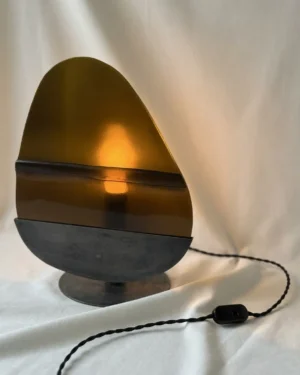 In stock
Veilleur Lp1 Table Lamp In Steel And Glass
By Louise Hurth
€1.600 -
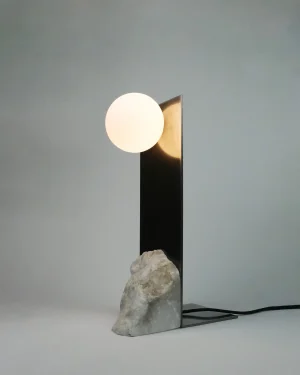 In stock
Himalaya Lunar Vertical Table Lamp in Alabaster
By HEAKO
€3.300 -
 In stock
Äther 16
By TUNK I Busra Tunc
€2.200 -
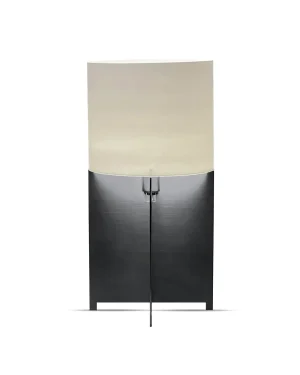
Lumix Table Lamp in Stainless Steel
By Pablo Sinan Design
€390 -

Lampe Beige Medium Table Lamp in Glazed Stoneware
By Huillet Lucas
€1.300 -
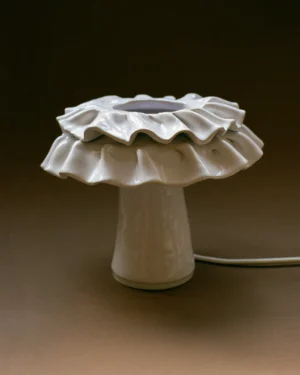 In stock
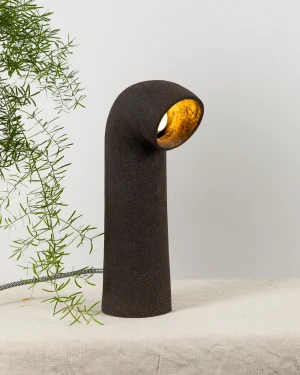
Lulu Table Lamp In Stoneware
By Mina Wright
€670 -
Melo C Table Lamp In Black Ceramic
By Catalin Filip
€270 -

Overcast Table Lamp In Aluminum, Leather And Paper Pulp
By Calen Knauf Studio
€1.570 -

Luna Nova Table Lamp in Oak Wood
By HEIKE BUCHFELDER
€3.294 -
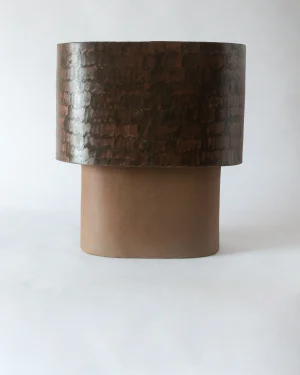 In stock
Lampe Brown Large Table Lamp in Glazed Stoneware
By Huillet Lucas
€1.900 -
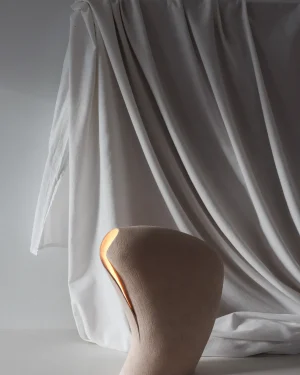 In stock
Oris Minimalist Table Lamp in Ceramic
By Andrei Clontea STUDIO
€700 -
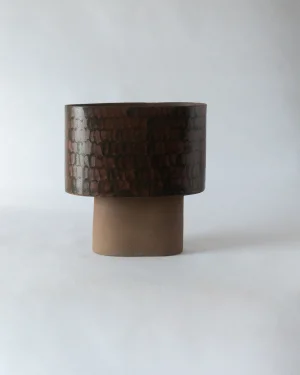 In stock
Lampe Brown Small Table Lamp in Glazed Stoneware
By Huillet Lucas
€1.100 -

Poser Table Lamp in Stainless Steel
By Emil Robbrecht
€446 -
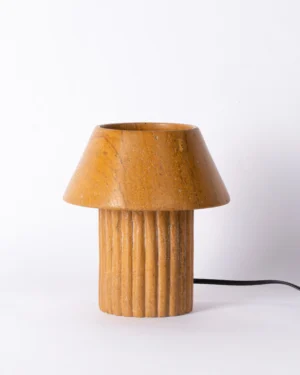
Rio (m) Table Lamp In Sandstone
By Harshita Jhamtani Designs
€690 -
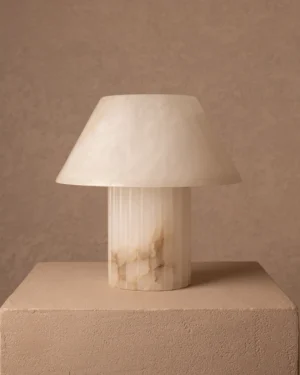
Rio (m) Table Lamp In Alabaster
By Harshita Jhamtani Designs
€800 -
 In stock
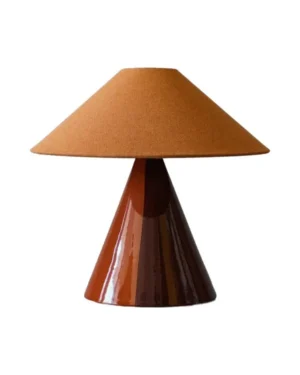
Tutu Table Lamp in Red Ceramic
By Slō
€1.150 -
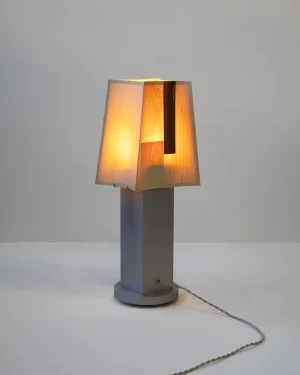
Soft Ply Table Lamp in Birch, Willow and Aluminum
By Sheyang Li
€1.000 -

Pyramid Lamp – Clay Table Lamp
By Dzovag Kotchian
€1.500 -

Melo M Table Lamp In Ceramic
By Catalin Filip
€455 -
 In stock
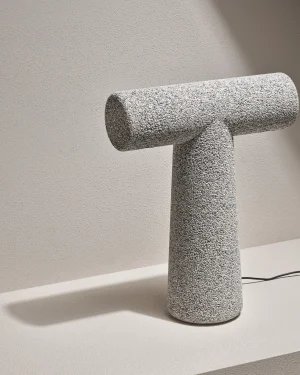
Gravel Table Lamp in Quartz Stone
By STUDIO GUILTY
€612 - €620 -
 In stock
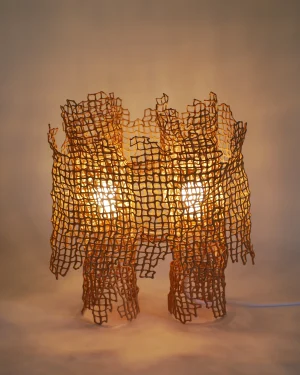
Coral Lamp Duo – Clay Table Lamp
By Dzovag Kotchian
€1.400 -
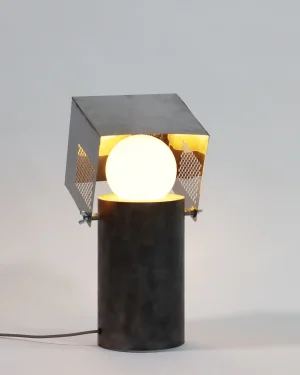 In stock
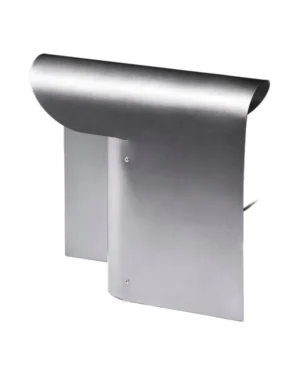
Hood Light Table Lamp In Stainless Steel
By Nolan Talbot-Kelly
€900 -
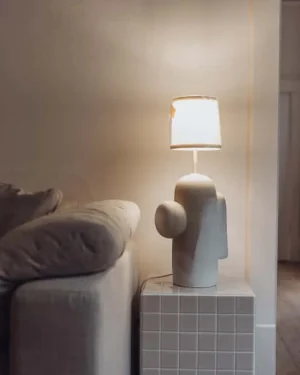 In stock
Nodo Table Lamp in Speckled Stoneware
By LYT Studio
€550 -
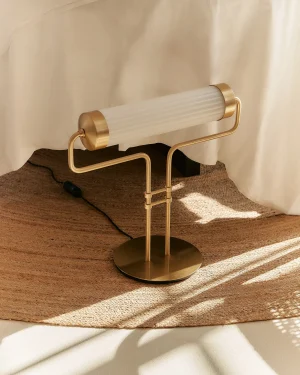 In stock
Tatì Table Lamp in Brass and Blown Glass
By Clara Viladecans
€1.488 -

Falcon Table Lamp in Brass and Walnut Wood
By Nathan Chintala
€1.914 -

Roma Dodecagon Large Table Lamp In Red Travertine
By NASSI LAMPS
€1.721 -
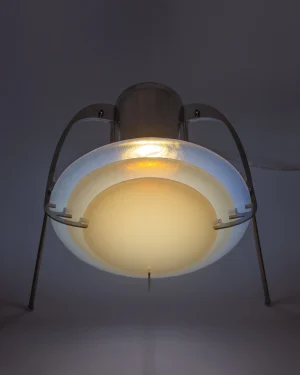
Sky-set Mini Table Light
By Dace Sūna
€2.800 -
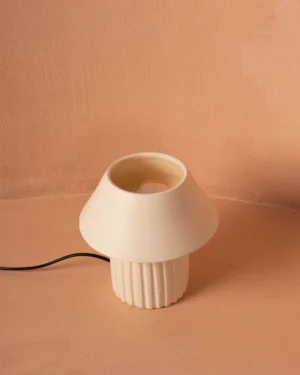
Rio (s) Table Lamp In Stoneware
By Harshita Jhamtani Designs
€200
Reading room table lamps are made to throw a steady pool of light across a page without glare, which is why so many here favor dense, light-absorbing materials over anything too reflective. Independent studios turn to ceramic, stoneware and hand-formed metal, working by wheel, hand-building or casting rather than mass production. The result is a lamp that sits close to the body, on an arm's reach of side table, and holds its own as an object even when switched off.
What makes a good reading light
A reading lamp earns its place by direction and weight, not brightness alone. A heavier base in stoneware or cast aluminum resists tipping when a book is set down beside it, and a shade in glaze or blown glass softens the bulb so the eye can stay on the text rather than the fixture. Clay and alabaster diffuse light with a warmth that bright plastic shades cannot match, while glass, whether transparent or lightly frosted, lets more of the light through in a narrower beam.
The range of materials and finishes
Within reading room table lamps, the same handful of materials recur, each handled a little differently from studio to studio:
- Ceramic and stoneware bases, hand-built or wheel-thrown, finished in matte glaze, sand, off-white or black
- Blown glass shades and bodies in transparent or opaque tones, shaped by glassblowing rather than molded in series
- Steel and aluminum frames, sand cast or patinated to a gold or silver cast that will shift slightly with handling
- Alabaster, carved thin enough to glow when lit from within
Some pieces come as open editions, made again as they sell; others are limited editions or unique, where no two will share quite the same glaze pull or patina. For a broader look at how these materials appear across other lighting, the metal table lamps and minimalist table lamps groupings are worth setting alongside this one.
Choosing scale, height and finish
A reading lamp should sit with its shade roughly at eye level when seated, so the light falls down and forward onto the page rather than straight ahead. Measure the chair or sofa arm height before choosing a base, since a lamp built for a low side table can sit awkwardly beside a taller wingback. Matte and sand finishes read quietly in a small room, while a gold or polished metal base will catch the eye even unlit, which matters if the corner is otherwise plain.
Where these lamps belong
Beyond a dedicated reading room, these lamps suit any corner built around a single chair: a bedroom nook, a study desk, a narrow console beside a bookshelf. Many of the same studios working in ceramic and glass also supply the wider reading room lighting grouping, so a table lamp can be matched to a floor or wall fixture in the same material family. For the full run of table lamps across every room, the table lamps category covers the complete range, and the broader reading room grouping brings in bookends, mirrors and other objects built for the same corner.
Living with ceramic, glass and metal
Glazed ceramic and stoneware want a dry cloth rather than a wet one, since trapped moisture can dull a matte finish over time. Blown glass should be lifted by its base, not its shade, when moving it to dust underneath. Metal bases left unlacquered will darken slightly with handling; this patination is part of how brass and aluminum age, not a fault to correct. Kept out of direct sun and away from damp, reading room table lamps in any of these materials will hold their color and finish for years of evening use.
How do I choose a table lamp for reading?
Look for a heavier base that will not tip when a book is set down, and a shade in glaze, alabaster or frosted glass that softens the bulb so your eye stays on the page.
What is the best material for a reading lamp?
Stoneware, ceramic and alabaster diffuse light with a warmth plastic cannot match, while blown glass lets more light through in a narrower, more directed beam.
How do I care for a ceramic or stoneware lamp base?
Dust with a dry or barely damp cloth and keep glazed surfaces away from abrasive cleaners, which can dull the finish over time.
What height should a reading room table lamp be?
The shade should sit level with or just below eye height when seated, so light falls on the page rather than into the eyes.
Where should a reading lamp be placed in the room?
Set it on a side table or arm's reach surface beside a chair, close enough that the light pools over the page without glare or shadow.
How does shipping, returns and authenticity work at ADORNO?
Shipping is insured and worldwide. Returns are accepted within 14 days, except made-to-order pieces, and every lamp arrives with a certificate of authenticity.