
-
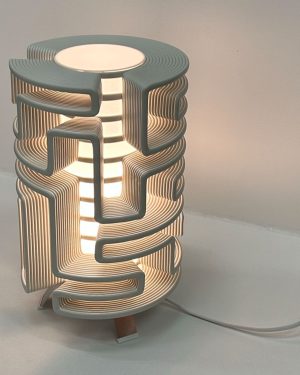
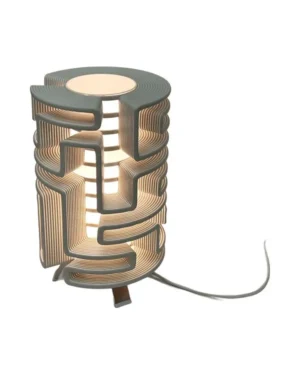
Maze Table Lamp in Recycled Plastic
By Stijn van Aardenne
€227 -
 In stock
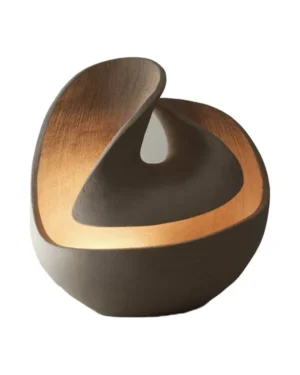
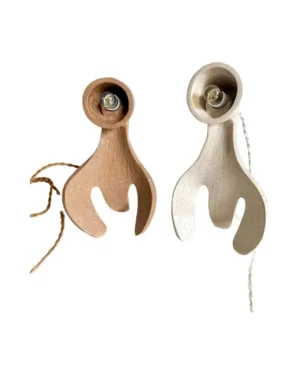
Coral Table Lamp in Clay and Ceramic
By Dzovag Kotchian
€900 -
 In stock
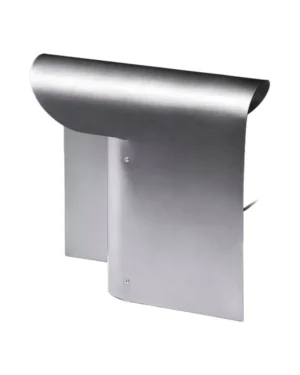
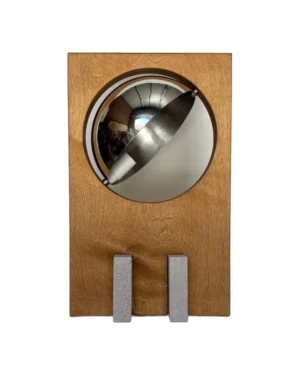
Pe 02 Table Lamp In Polished Aluminum
By BuRRo
€110 -
 In stock
O.f.i.s Series Table Lamp in Pipe, Rod And Brick
By Lucas Muñoz Muñoz
€280 -
 In stock
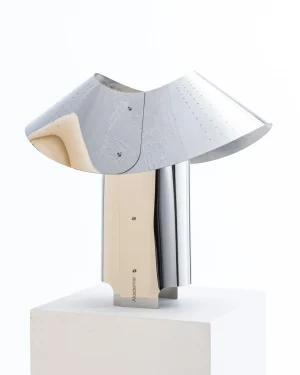
Fold Table Lamp In Stainless Steel
By Akademie
€1.200 -
 In stock
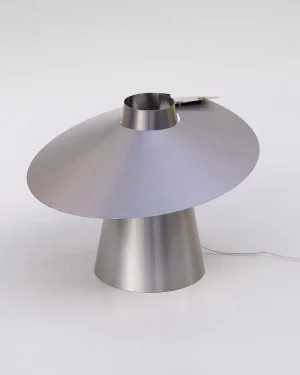
Pa 02 Table Lamp In Polished Aluminum
By BuRRo
€110 -

Arc Table Lamp in Stainless Steel
By Paul Coenen
€479 -

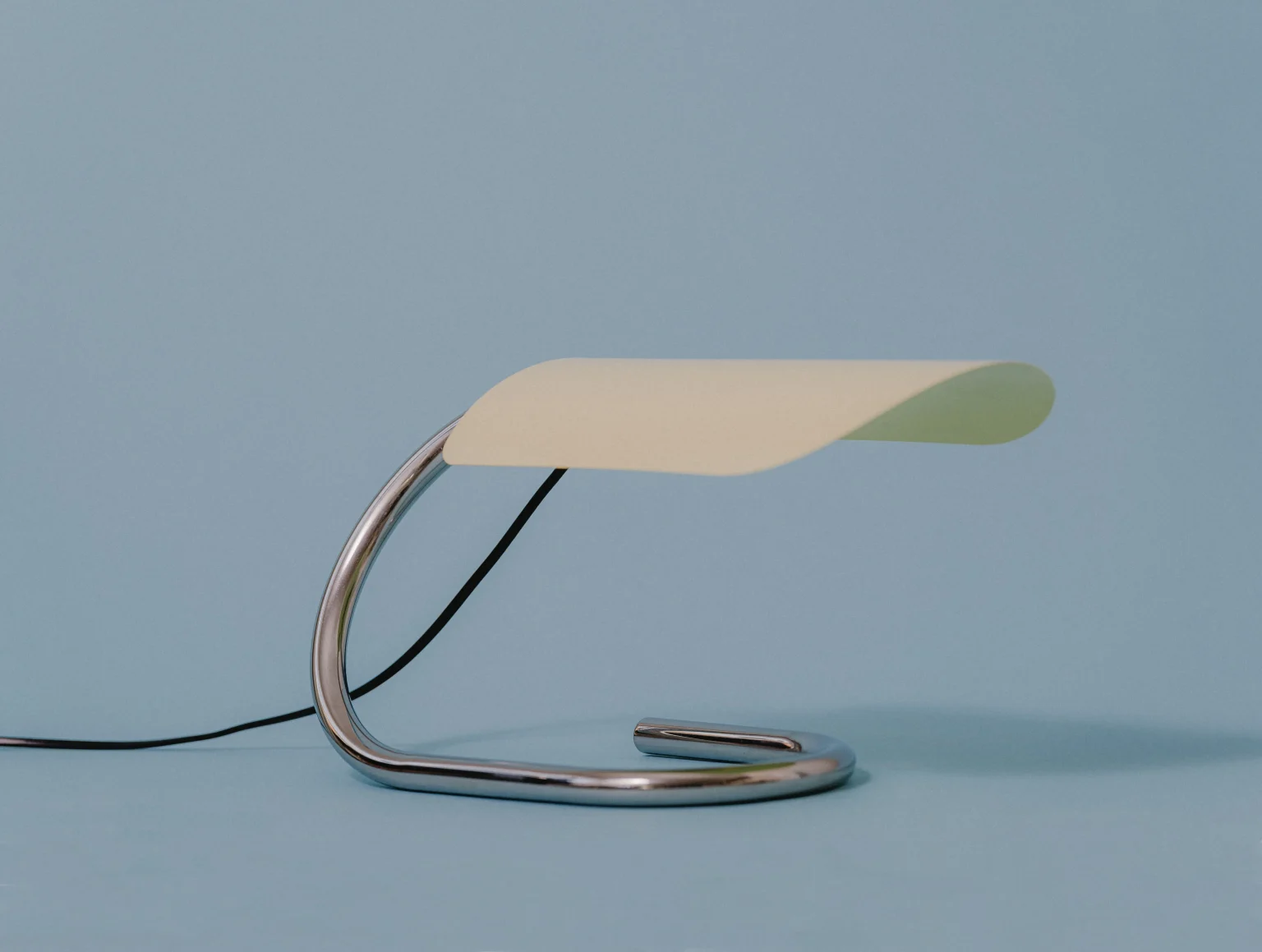
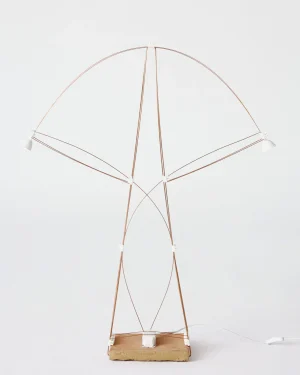
Hoja Table Lamp in Steel
By Natural Urbano - Sebastián Beltrán
€335 -
 In stock
B.a.r.e Series Table Lamp in Brick, Copper and Plastics
By Lucas Muñoz Muñoz
€300 -
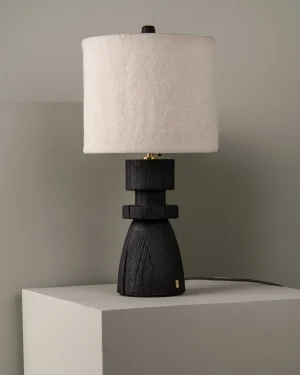
Mezquite Table Lamp in Burned Pinewood and Natural Linen
By Isabel Moncada
€2.925 -
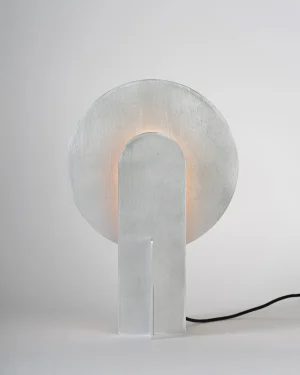
Aurora Table Lamp in Aluminum
By Hasik Design Studio
€700 -
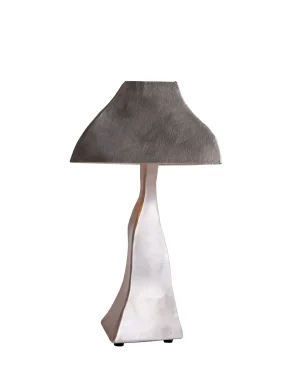
Paper Table Lamp in Aluminum
By Six Dots Design
€920 -
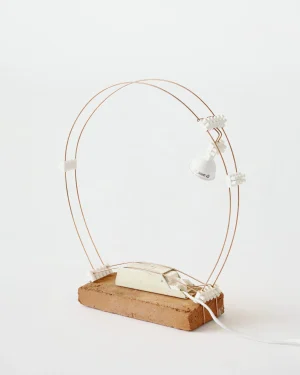 In stock
B.A.R.E Series ‘Small Circular’ Table Lamp in Brick and Copper
By Lucas Muñoz Muñoz
€225 -
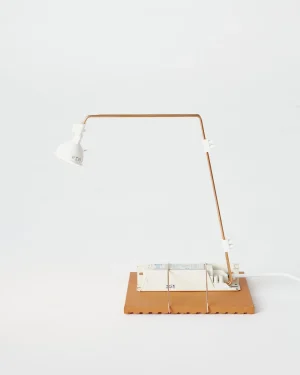 In stock
B.A.R.E Series ‘Small Simple’ Table Lamp in Brick and Copper
By Lucas Muñoz Muñoz
€150 -
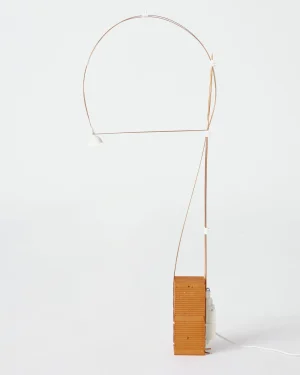 In stock
B.A.R.E Series Table Lamp in Brick and Copper
By Lucas Muñoz Muñoz
€250 -
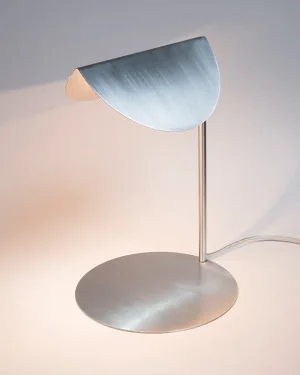
Two Circles Table Lamp in Stainless Steel
By Georgiev Kiril
€690 -
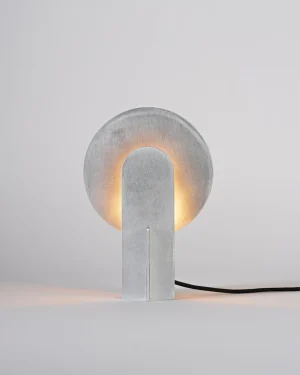
Aurora Medium Eclipse Table Lamp in Brushed Aluminum
By Hasik Design Studio
€675 -
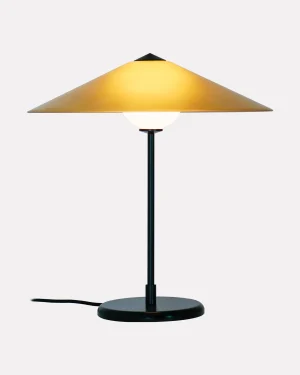
Marsha Table Lamp in Glass and Metal
By MESEME by Riya Panchal
€1.015 This product has multiple variants. The options may be chosen on the product page -
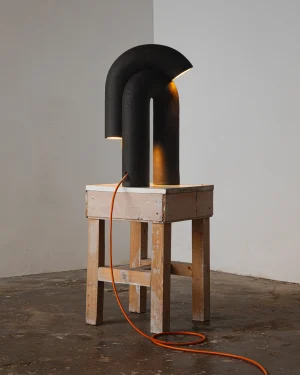
Pendulū Table Lamp In Ceramics And Gold-leaf
By Catalin Filip
€950 -
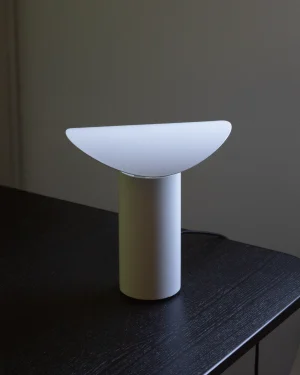
Beam Table Lamp in Steel
By Sergio Enríquez Industrial Design Office
€600 -
 In stock
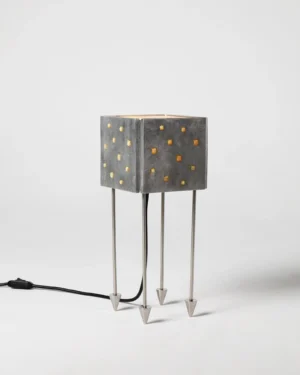
Handrail Table Lamp in Stainless Steel
By studio re.d
€440 -
 In stock
Prisma Massiva Table Lamp in Cast Aluminum, Resin & Steel
By DONÓ Design
€1.898 -

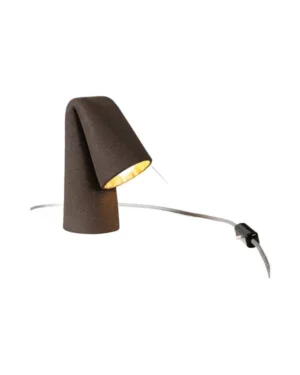
Chimney Table Lamp in Aluminum
By BOTHI
€210 This product has multiple variants. The options may be chosen on the product page -

El Joyero De Odette Table Lamp In Stoneware
By Mina Wright
€810 -

Hemisferio Table Lamp in Bronze and Volcanic Stone
By ANDEAN
€638 -
 In stock
Pivot Table Lamp In Aluminum And Brass
By Stem
€1.155 - €1.700 This product has multiple variants. The options may be chosen on the product page -
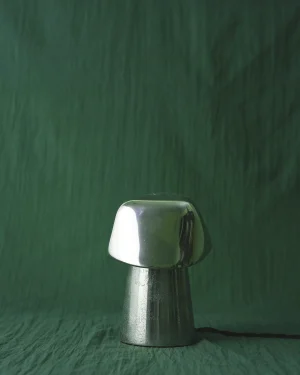
Iris Table Lamp in Aluminum
By MANUHITA
€295 This product has multiple variants. The options may be chosen on the product page -

Chimney Table Lamp in Aluminum and Painted Steel
By BOTHI
€210 -

Gbl – 02 Table Lamp in Glass Block and Stainless Steel
By julius.works
€320 -

Bells and Whistles Table Lamp in Aluminum
By Toro Manifesto
€2.100 -
 In stock
Tl-1 Earth Table Lamp In Cellulose Acetate
By Juba Concepts
€740 -
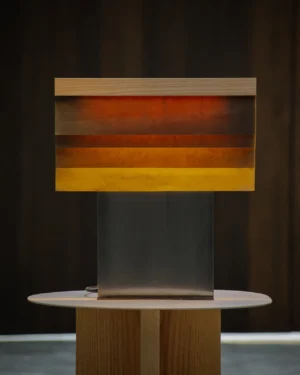
Cenit Table Lamp in Ash Wood and Celium
By Natural Urbano - Sebastián Beltrán
€510 -
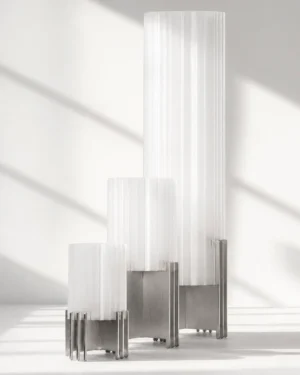 In stock
Plus Table Lamp in Aluminum
By 301 Design Studio
€300 - €900 This product has multiple variants. The options may be chosen on the product page -

Tenfold Table Lamp in Aluminum and Mahogany Wood
By Luft Tanaka Studio
€3.900 -
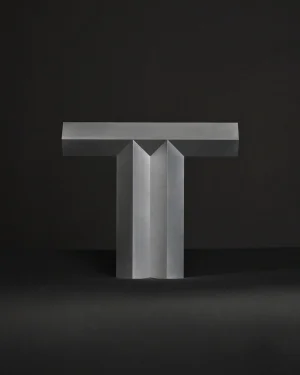
Sculptural Table Lamp in Aluminum
By NOSTUDIO
€620 - €650 This product has multiple variants. The options may be chosen on the product page -
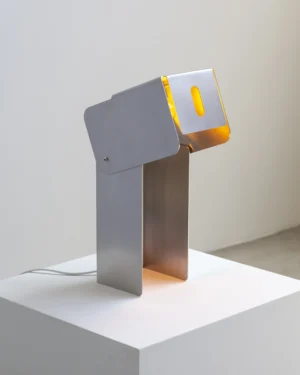 In stock
Tauri Table Lamp In Stainless Steel
By T44 design studio
€230 This product has multiple variants. The options may be chosen on the product page -
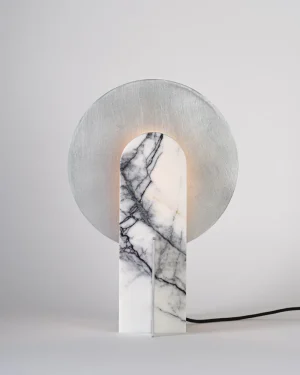 In stock
Aurora Large Table Lamp in Marble and Aluminum
By Hasik Design Studio
€1.400 -
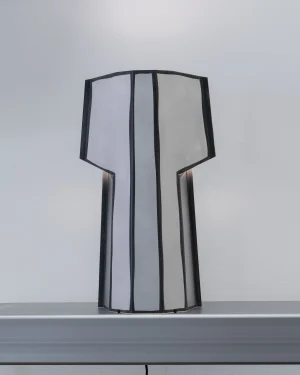 In stock
Hex Table Lamp in Aluminum
By STUDIO GUILTY
€492 -
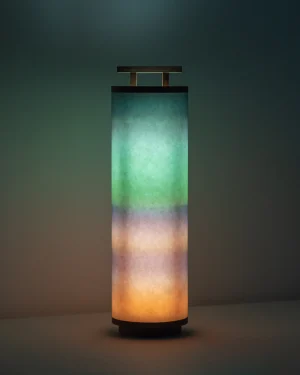 In stock
Torii G Pala Table Lamp in Washi Paper and Walnut
By Prangé
€1.232 -

Hoja Table Lamp in White Steel
By Natural Urbano - Sebastián Beltrán
€315 -
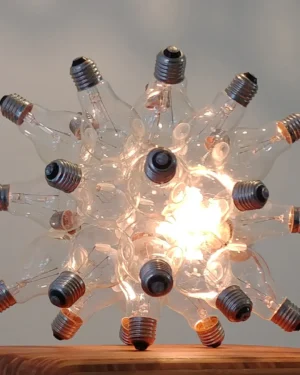 In stock
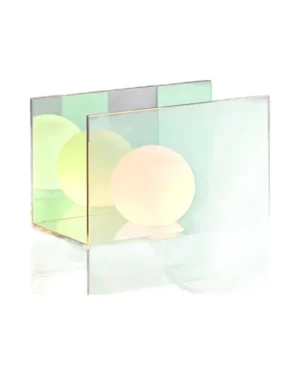
“Spare” Table Lamp in Ultraclear Glass and Metal
By JAN PAUL
€220 -
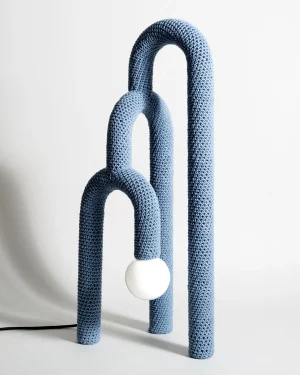 In stock
Cumula Table Lamp in Textiles and Steel
By AaltoAalto Studio
€1.600 -
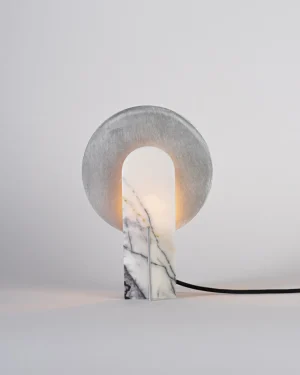 In stock
Aurora Medium Table Lamp in Marble and Aluminum
By Hasik Design Studio
€975 -
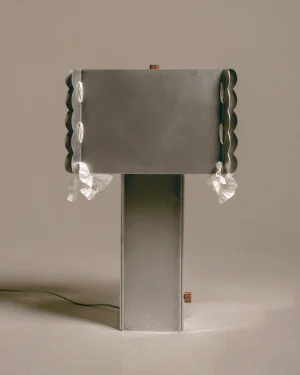 In stock
Serwetka Table Lamp in Aluminum and Cherry Wood
By Basia Pruszyńska
€1.900 -
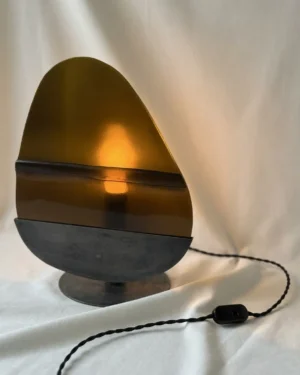 In stock
Veilleur Lp1 Table Lamp In Steel And Glass
By Louise Hurth
€1.600 -
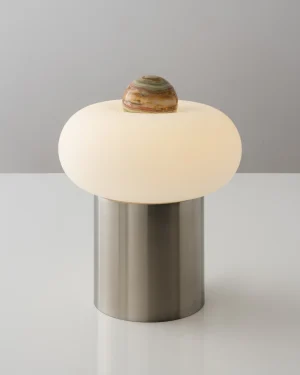 In stock
Capsula 01 Table Lamp in Blown Glass and Onyx
By Noiro Studio
€1.100 -
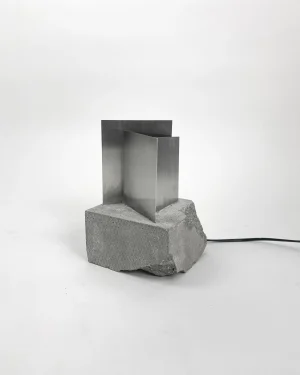
Sculptural Table Lamp in Stainless Steel and Concrete
By case studios
€820 -
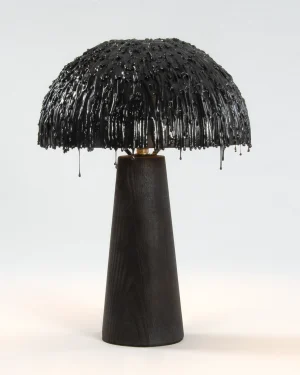
Leaky Lamp I Table Lamp in Ash Wood and Bioplastic
By Pablo Ejarque-González
€1.050 -

Mayate Table Lamp in Glass
By Toro Manifesto
€3.750 -
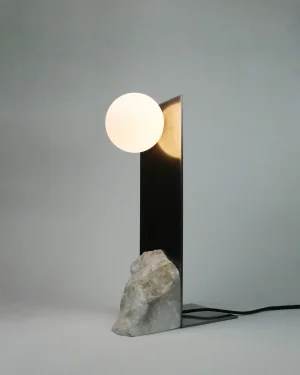 In stock
Himalaya Lunar Vertical Table Lamp in Alabaster
By HEAKO
€3.300 -
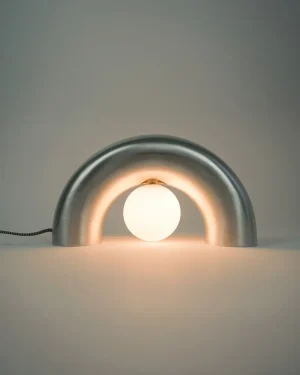 In stock
Arcora Underglow Table Lamp in Aluminum
By HEAKO
€1.850 -
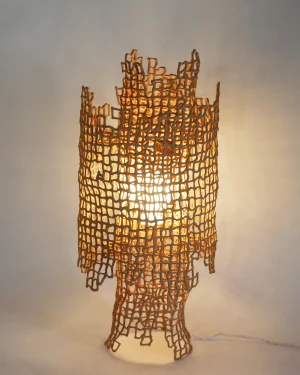 In stock
Coral Lamp XL Table Lamp in Clay
By Dzovag Kotchian
€2.600 -
 In stock
Biiit 002 Table Lamp In Paper And Brass
By Bo Ah Kim
€1.500 -
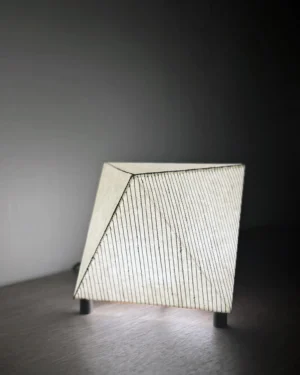
Biiit 007 Table Lamp In Paper And Brass
By Bo Ah Kim
€1.000
Metal Table Lamps That Shape Light and Atmosphere
Metal table lamps bring clarity, reflection, and structure into a room. They do more than provide light — they introduce contrast, define surfaces, and add a sense of precision to interiors. A well-chosen metal lamp can feel quiet and architectural or bold and sculptural, depending on form and finish.
Placed on side tables, desks, console tables, or nightstands, metal table lamps support daily routines while strengthening the visual language of a space. Their reflective surfaces also help bounce light and amplify atmosphere, similar to how lighting in natural illumination for interiors creates mood with softness and depth.
Why Choose a Metal Table Lamp
Metal offers durability, sharp detail, and a wide range of finishes. From brushed aluminum to polished brass, metal adapts to many interior directions. It works in restrained rooms and expressive ones alike, pairing beautifully with diverse materials like timeless wood furniture or layered soft textiles.
- Durability: Metal resists wear and holds structure over time
- Light reflection: Surfaces amplify and redirect illumination
- Versatility: Fits living rooms, bedrooms, and workspaces
- Material contrast: Balances wood, textiles, and stone
Popular Metal Finishes
Brass adds warmth and depth. It pairs exceptionally well with wood furniture and cozy fabrics — a direction explored in brass in interiors.
Chrome and polished steel feel crisp and modern, aligning with minimalist and contemporary interiors similar to the refined restraint discussed in minimalist lighting design.
Powder-coated metal introduces color with a matte, controlled surface, often seen in industrial or neo-modern schemes.
Blackened metal adds mood and depth, particularly in atmospheric interiors where low light and material contrast matter.
Metal Table Lamps for Living Rooms
In living rooms, metal table lamps often sit on side tables or console tables. They provide task lighting for reading and ambient light for evenings. A metal base can ground a soft sofa or textile-heavy setting.
For balance, pair a reflective metal lamp with a textured rug or ceramic object. This keeps the space layered yet cohesive, echoing principles from layered interiors.
Metal Bedside Table Lamps
Metal table lamps work beautifully as bedside lighting. Slim bases free up surface area, and directional shades improve reading comfort. Finishes such as brushed brass or matte black can feel warm and calming, echoing the material strategies found in bedroom lighting and mood.
Keep scale in mind. A bedside lamp should feel proportional to the nightstand and bed height for harmonious balance.
Metal Lamps for Workspaces
On desks, metal table lamps provide focused, reliable light. Adjustable arms and pivoting heads enhance task performance. Clean metal forms also support visually calm work areas, especially in minimalist environments that favor clarity and utility.
Pair a metal lamp with a wood desk surface for warmth and contrast, similar to the balance described in home office design essentials.
Modern and Sculptural Metal Table Lamps
Some metal table lamps act as functional sculpture. Bold silhouettes, geometric forms, and expressive proportions turn lighting into a focal point. These designs work well on consoles, shelves, and larger side tables where they can stand alone.
Let the lamp lead by limiting nearby decor so the form reads clearly — a strategy seen in sculptural object arrangements from sculptural decor for modern spaces.
How to Choose the Right Metal Table Lamp
- Function: Ambient, task, or accent lighting
- Scale: Match lamp size to table and room
- Finish: Complement existing materials
- Shade: Opaque shades focus light, translucent ones diffuse
- Placement: Consider reach and glare
Styling Metal Table Lamps
Metal lamps benefit from thoughtful surroundings. Combine them with softer materials like textiles, wood, or ceramics to balance hardness with warmth.
Use one or two supporting objects at most. A small vase or curated design object is often enough. Too many items compete with the lamp’s structure, diluting its presence.
Frequently Asked Questions
Are metal table lamps too cold for home interiors?
No. When paired with warm finishes and soft textiles, metal adds balance and clarity while supporting layered lighting strategies.
Do metal lamps show fingerprints?
Polished finishes can, but brushed or matte metal surfaces reduce marks and feel more tactile.
Are metal table lamps durable?
Yes — metal bases and hardware hold up well to daily use, especially when finished for residential environments.
Key Takeaways
- Metal table lamps add structure, reflection, and visual focus
- Finish shapes mood as much as overall form
- Balance metal with softer materials for harmony
- Let sculptural lamps stand with minimal supporting objects
- Match scale to table and function for comfort
Start with function, then refine by finish and form. A metal table lamp should support how you live while strengthening the room’s material story.
What is a table lamp?
A table lamp is a freestanding, portable light designed to stand on a surface — a side table, console, nightstand, sideboard or desk. It plugs in or runs on a battery rather than being wired into the ceiling or wall, which makes it the only lighting category you can rearrange as easily as furniture.
What are the parts of a table lamp?
Typically a base, a socket, a shade or diffuser and the hardware between them. In classic constructions a harp holds the shade above the bulb and a finial screws it in place; in contemporary and sculptural designs the base and diffuser are often one continuous form, with the light source concealed inside. Understanding which type you are buying matters mainly for whether the shade or bulb can be changed later.
How tall should a table lamp be?
It depends on the surface and the sightline. Next to a sofa or armchair on a side table, 60–70 cm total height is a reliable range, with the bottom of the shade at or just under eye level when seated. On a nightstand, 40–60 cm. On a console or entry table, 60–80 cm. On a shelf or sideboard where the lamp is decorative, anything from 20 cm up.
What size lampshade should a table lamp have?
As a starting point, the shade should be about one third of the lamp's total height and wide enough that the bulb and socket are hidden from every normal viewing angle — usually one and a half to two times the width of the base. A shade narrower than the base looks top-light; one much wider turns the lamp into a mushroom. Many pieces here are sold as complete designs where the proportion is already resolved by the maker.
What is the difference between a table lamp, a desk lamp and a bedside lamp?
Desk lamps and bedside lamps are both types of table lamp, separated by the job rather than the format. A desk lamp directs a defined pool of light onto a work surface, often with an adjustable arm and higher output. A bedside lamp is smaller, warmer and lower in output, with a switch you can find in the dark. A general table lamp sits between the two and is usually chosen for presence as much as function.
Are cordless and rechargeable table lamps bright enough to be useful?
For ambient and accent light, yes — most portable designs sit in the 100–400 lumen range and run for several hours per charge. For sustained reading, a mains-powered lamp is still the better choice. Cordless pieces earn their place where wiring is impossible or unwanted: a dining table, a bar, a bathroom shelf, a terrace, or a rented flat.
Can a table lamp be used outdoors?
Only if it is built for it. Rechargeable and solar designs rated for outdoor use can move onto a terrace or balcony; a mains lamp in ceramic, wood or untreated metal should not. Check the IP rating and the maker's guidance, and bring any portable piece back inside overnight.
Are these table lamps dimmable?
Many are, but it depends on the individual piece. Lamps with standard E14 or E27 sockets can usually be dimmed using a compatible bulb and an inline or plug-in dimmer, even where the lamp has a simple on/off switch. Integrated LED designs are dimmable only where the designer built that in, sometimes via a touch-sensitive base or a stepped switch.
Which materials work best for a table lamp?
Ceramic and stoneware for tactile, matte surfaces that hold their character unlit; hand-blown glass for soft, uneven diffusion; alabaster, marble and travertine for stone that glows from within and gives real stability; brass, bronze and steel for precise, directional light and a patina that develops with use; wood and paper for warmth and gentle diffusion. All of them age visibly rather than wearing out, which is the point of buying at this level.
Do table lamps come with a bulb, and what plug will arrive?
It varies by studio. Some pieces ship with a bulb or an integrated LED; others expect you to supply one, and the product page will say which socket it takes. Plug types depend on where the maker is based, so check the listing and ask us if you need a specific plug or a voltage confirmation for your country.
What should I look for when choosing a designer table lamp?
Height against the surface it will stand on, whether the light source is hidden from where you sit, the quality of the material at close range, whether the bulb and shade can be replaced, and whether it is dimmable. After that it is a question of presence: a good table lamp should hold the corner of a room during the day as convincingly as it lights it at night.