


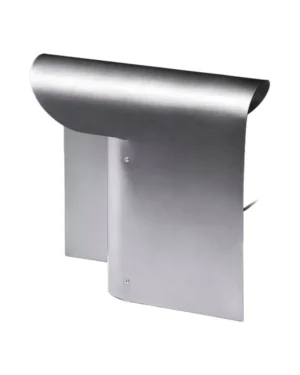
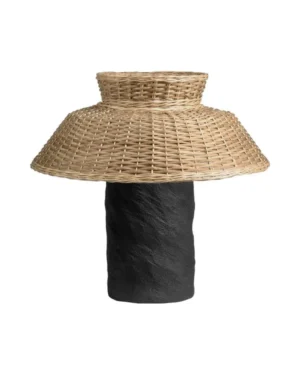
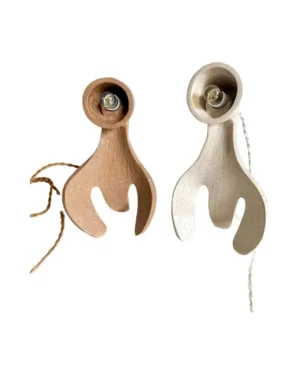
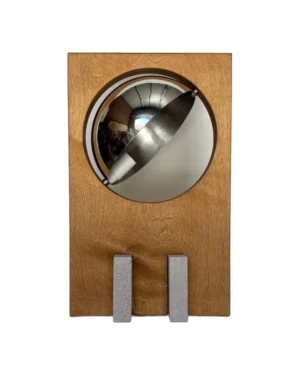
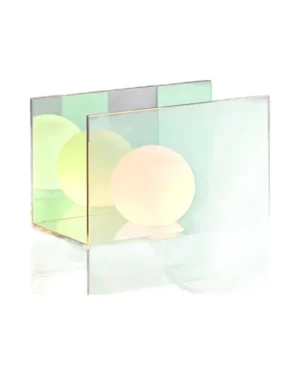
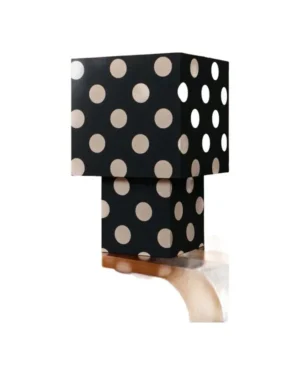
-

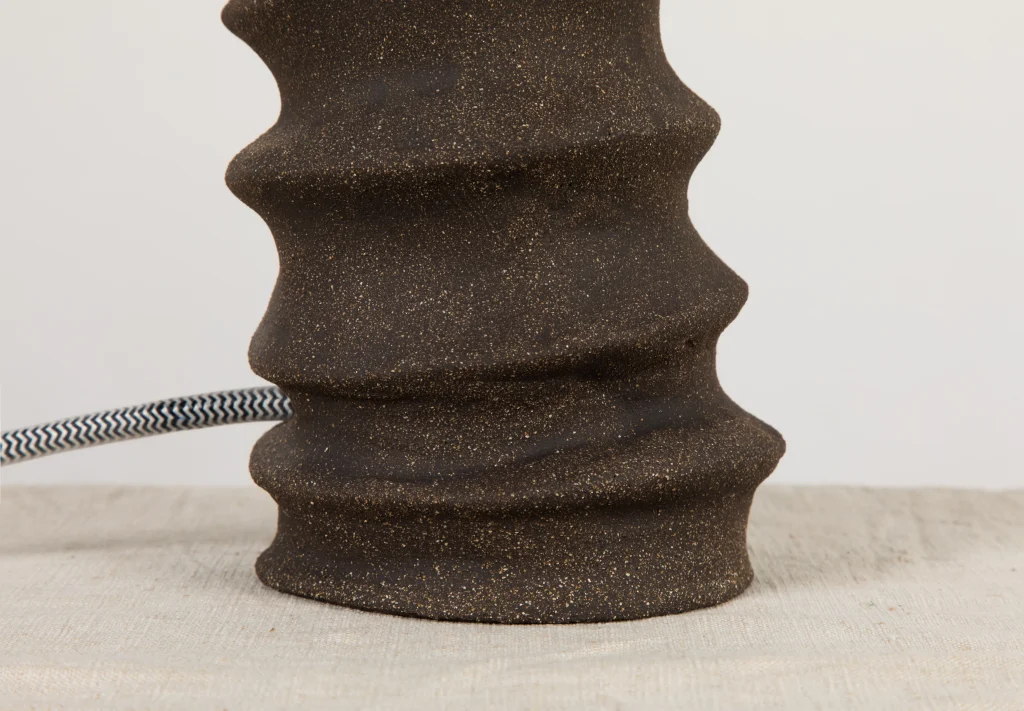
Rakis Lite Table Lamp – Black Stoneware Ceramic
By Catalin Filip
€455 -
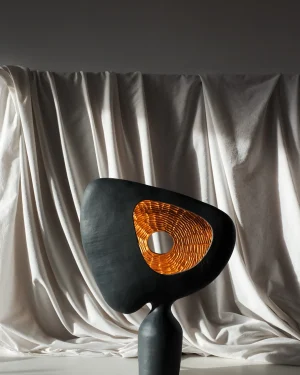
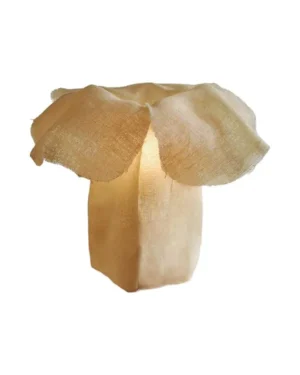
Olethros Table Lamp in Stoneware
By Andrei Clontea STUDIO
€1.000 -
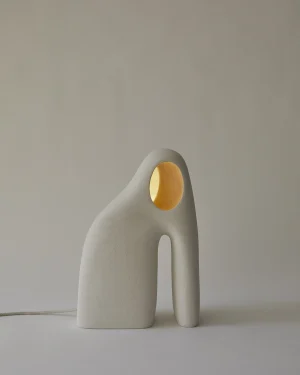
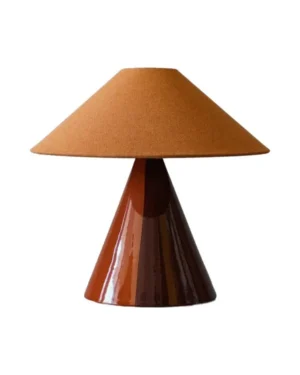
Nomad Ⅱ:02 Table Lamp in Stoneware
By SK - Sofia Karnukaeva
€2.480 -
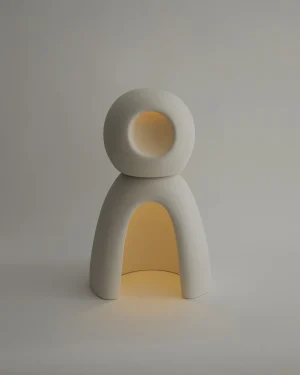
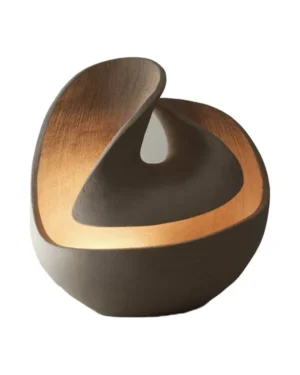
Nomad Ⅱ:09 Table Lamp in Ceramics and Stoneware
By SK - Sofia Karnukaeva
€2.780 -
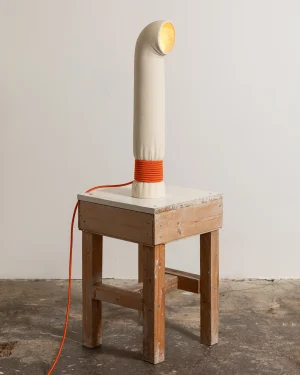
Knotto_01 Table Lamp In Glazed Stoneware And Synthetic Fibers
By Catalin Filip
€800 -
 In stock
La Bergère Table Lamp In Glazed Ceramic
By Mina Wright
€686 -

El Joyero De Odette Table Lamp In Stoneware
By Mina Wright
€770 -
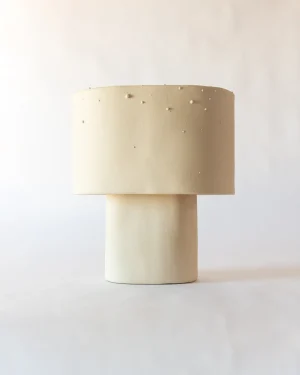
Lampe Beige Medium Table Lamp in Glazed Stoneware
By Huillet Lucas
€1.300 -
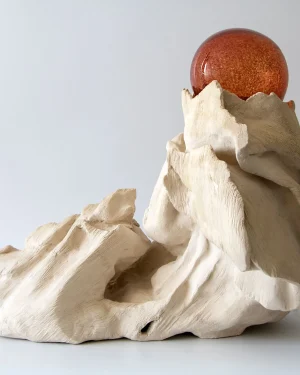 In stock
Abyss No. 23 Table Lamp in Stoneware
By Ceren Gürkan
€2.500 -
 In stock
Abyss No. 12 Table Lamp in Stoneware
By Ceren Gürkan
€1.800 -
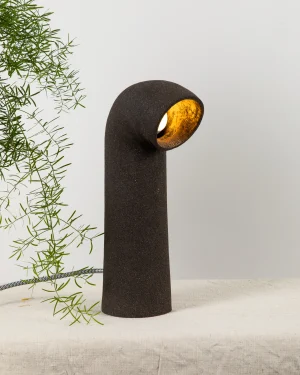
Melo C Table Lamp In Black Ceramic
By Catalin Filip
€270 This product has multiple variants. The options may be chosen on the product page -

Basalte Table Lamp In Glazed Lava Stone
By Clemence Birot
€3.370 -
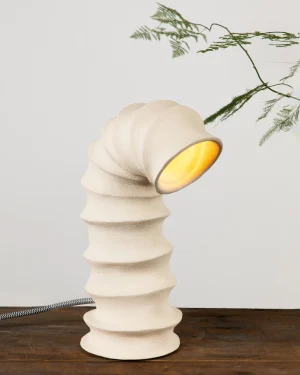
Rakis Lite – Table Lamp In White Stoneware
By Catalin Filip
€455 -
 In stock
AnKa Colors of Dawn Table Lamp in Ceramic
By UAU Studio
€1.500 -
 In stock
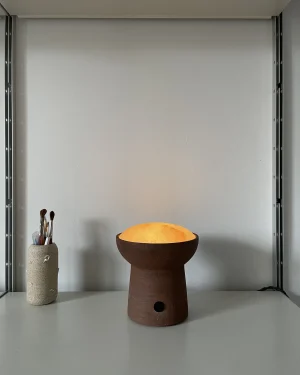
Stoneware Salt Lamp
By Isabella Artale
€600 -
 In stock
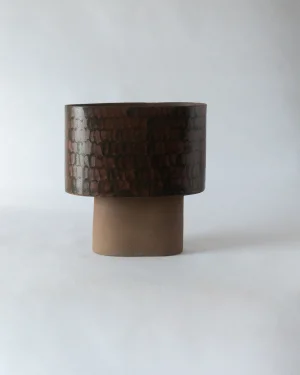
Lampe Brown Small Table Lamp in Glazed Stoneware
By Huillet Lucas
€1.100 -

Layers Bedside Lamp In Glazed Ceramic
By Katia Langeard
€750 -
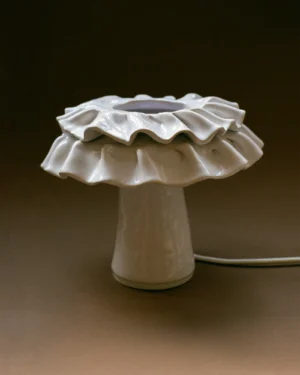 In stock
Lulu Table Lamp In Stoneware
By Mina Wright
€670 -

Melo M Table Lamp In Ceramic
By Catalin Filip
€455 -
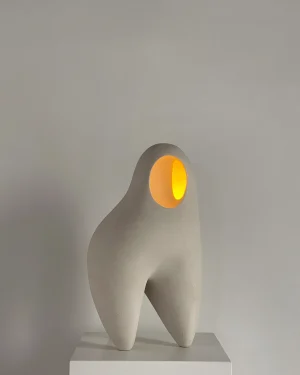 In stock
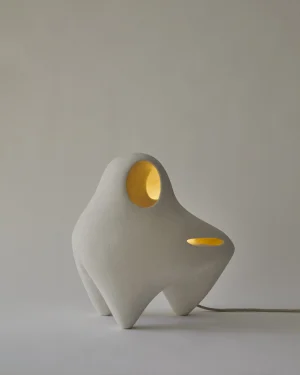
Nomad II:08 Table Lamp in White Stoneware
By SK - Sofia Karnukaeva
€2.480 -

My Stone Flower Ceramic Table Lamp
By Katia Langeard
€580 -
 In stock
Nomad II:03 Table Lamp in White Stoneware
By SK - Sofia Karnukaeva
€2.480 -
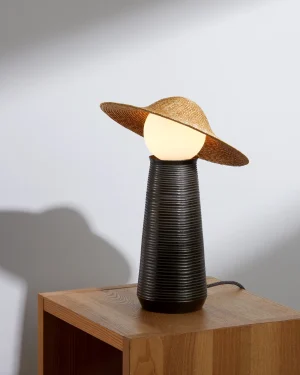 In stock
Théros Orbita Table Lamp
By Studio Aristotelis Barakos
€590 - €780 This product has multiple variants. The options may be chosen on the product page -
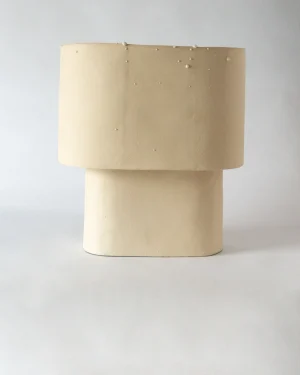 In stock
Lampe Beige Large Table Lamp in Glazed Stoneware
By Huillet Lucas
€1.900 -
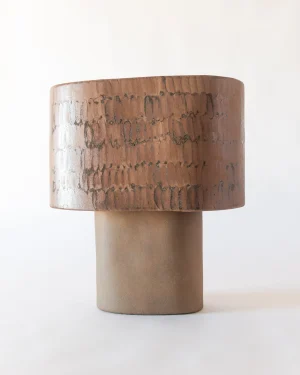 In stock
Lampe Brown Medium Table Lamp in Glazed Stoneware
By Huillet Lucas
€1.300 -
 In stock
My Stone Flower Ii Ceramic Table Lamp
By Katia Langeard
€500 -
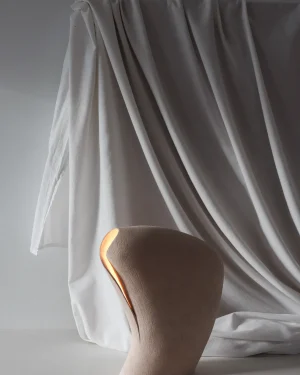 In stock
Oris Minimalist Table Lamp in Ceramic
By Andrei Clontea STUDIO
€700 -
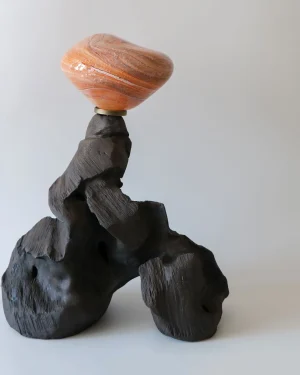 In stock
Abyss No. 27 Table Lamp in Stoneware
By Ceren Gürkan
€1.900 -
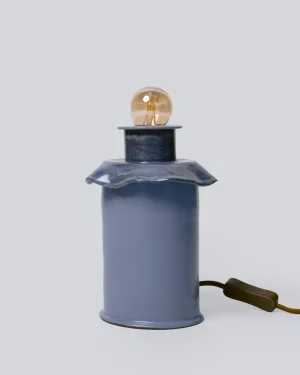 In stock
Tutu Mini Table Lamp in Baby Blue Stoneware
By Slō
€750 -
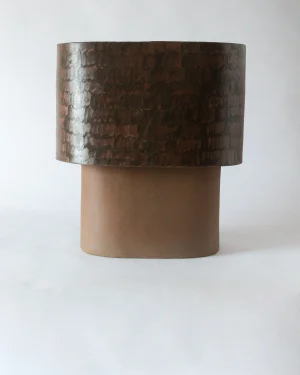 In stock
Lampe Brown Large Table Lamp in Glazed Stoneware
By Huillet Lucas
€1.900 -
 In stock
Totem Balance Ceramic Lamp
By Katia Langeard
€800 -
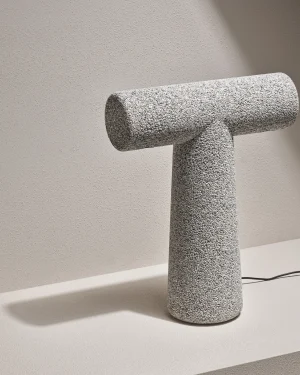 In stock
Gravel Table Lamp in Quartz Stone
By STUDIO GUILTY
€612 - €620 This product has multiple variants. The options may be chosen on the product page -
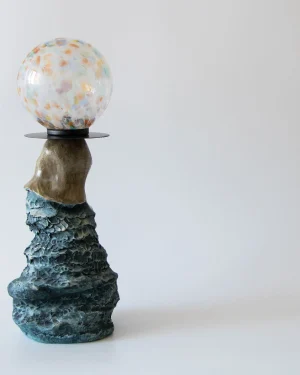 In stock
Abyss No. 2 Table Lamp in Stoneware
By Ceren Gürkan
€1.200 -
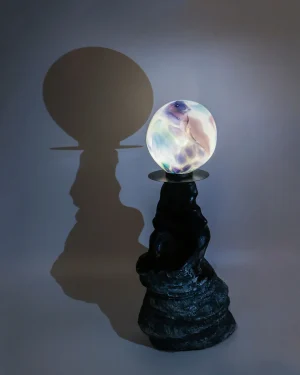 In stock
Abyss No. 3 Table Lamp in Stoneware
By Ceren Gürkan
€1.300 -
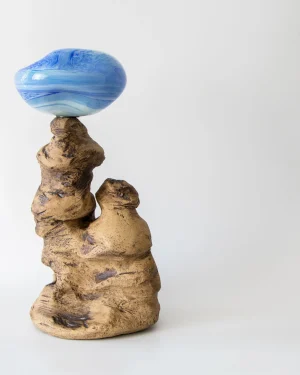 In stock
Abyss No. 4 Table Lamp in Stoneware
By Ceren Gürkan
€1.600 -
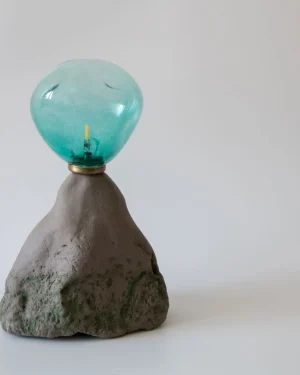 In stock
Abyss No. 7 Table Lamp in Stoneware
By Ceren Gürkan
€1.100 -
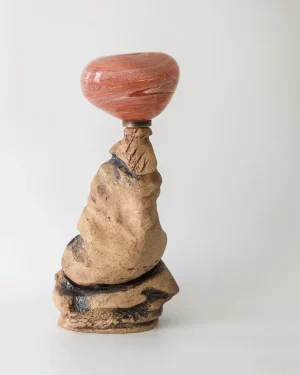 In stock
Abyss No. 8 Table Lamp in Stoneware
By Ceren Gürkan
€1.500 -

Stripes – Ceramic Table Lamp
By Katia Langeard
€400 -
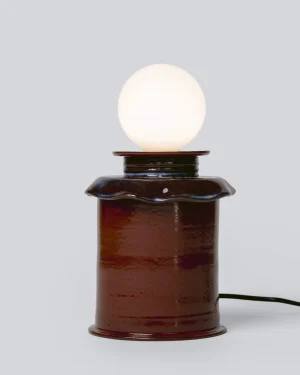
Baby Tutu Table Lamp in Glazed Stoneware
By Slō
€750 -
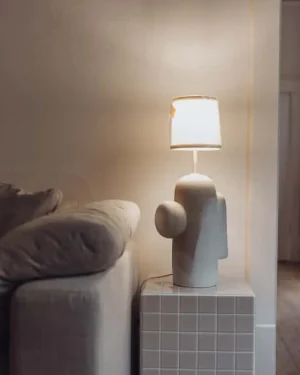 In stock
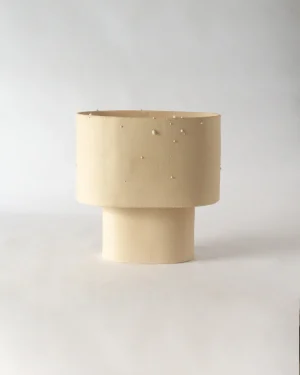
Nodo Table Lamp in Speckled Stoneware
By LYT Studio
€550 -
 In stock
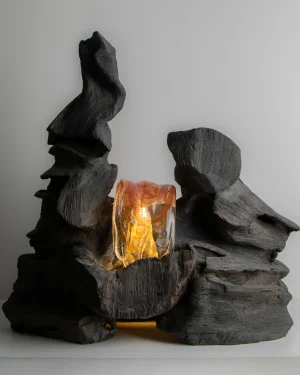
Lampe Beige Small Table Lamp in Glazed Stoneware
By Huillet Lucas
€1.100 -
 In stock
Abyss No. 33 Table Lamp in Stoneware
By Ceren Gürkan
€2.200 -
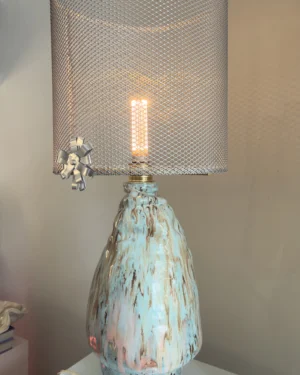 In stock
Veil III Tide Table Lamp In Aluminum And Ceramics
By Hania Jneid Design Studio
€3.500 -
 In stock
Synkro Table Lamp in Stoneware
By UAU Studio
€1.500 This product has multiple variants. The options may be chosen on the product page -
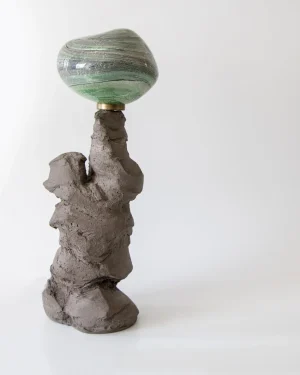 In stock
Abyss No. 6 Table Lamp in Stoneware
By Ceren Gürkan
€1.300 -
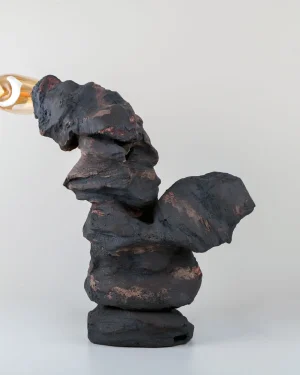 In stock
Abyss No. 11 Table Lamp in Stoneware
By Ceren Gürkan
€1.800 -
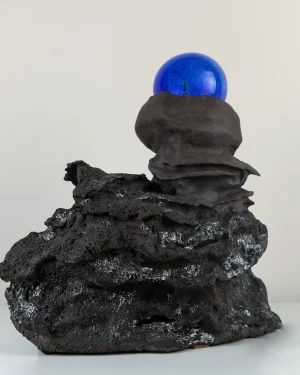 In stock
Abyss No. 20 Table Lamp in Stoneware
By Ceren Gürkan
€1.600 -
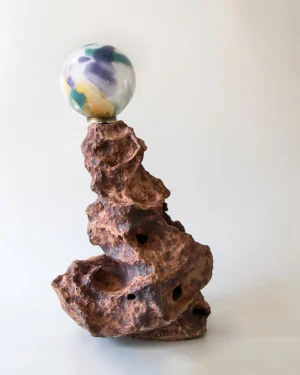 In stock
Abyss No. 28 Table Lamp in Stoneware
By Ceren Gürkan
€1.400 -
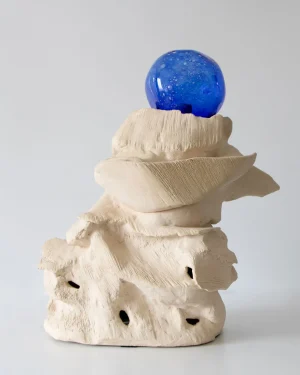 In stock
Abyss No. 34 Table Lamp in Stoneware
By Ceren Gürkan
€1.700 -
 In stock
Abyss No. 31 Table Lamp in Stoneware and Glass
By Ceren Gürkan
€1.400 -

Canyon Lamp
By Katia Langeard
-
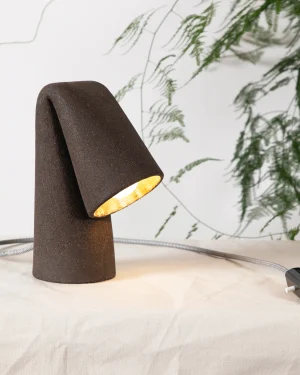
Melo Fold Table Lamp In Ceramic
By Catalin Filip
€290 This product has multiple variants. The options may be chosen on the product page -
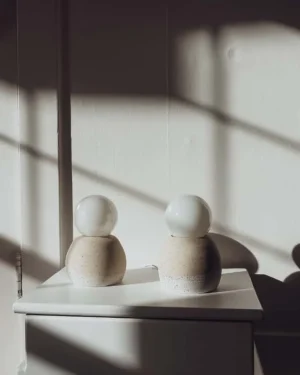 Sold
SoldBubbles Table Lamp in Stoneware
By LYT Studio
€280 -
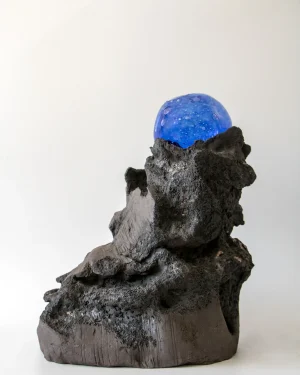 Sold
SoldAbyss No. 24 Table Lamp in Stoneware
By Ceren Gürkan
€1.700
Stoneware table lamps are built from a dense clay body fired at a high temperature, which makes them harder and less porous than earthenware and gives each base real heft on a surface. The material comes from independent studios working in hand-building, wheel throwing, glazing and sculpting, so no two bases carry glaze the same way. What unites them is weight, a matte or softly reflective surface, and a base that reads as an object even before the light is switched on.
What stoneware brings to a table lamp
Stoneware is thrown or hand-built, then fired twice: once to harden the clay, once after glazing to fuse color into the surface. This is why the glaze on one lamp can pool thicker at the base and thin near the neck, or why a batch in the same white or ochre glaze will still show small variations. The clay itself is dense enough to anchor a tall shade without a weighted plate inside, so the base does the work that metal ballast does in other lamps.
Finishes, colors and styles in this range
Glazes here run from chalky white, beige and off-white through ochre and amber to brown and black, sometimes paired as black and white on one body. Some studios leave the clay's natural texture visible at the foot or rim, letting the raw stoneware show through a partial glaze. Stylistically the range stretches from contemporary table lamps with clean cylindrical or bulbous forms, through pared-back minimalist shapes, to pieces with a rougher, Neolithic or brutalist stance where the clay body is left thick-walled and unapologetic.
Alongside stoneware, the wider table lamp range on ADORNO includes bases in blown glass, silver, aluminum and synthetic fiber shades, each handled by studios working in glassblowing, metalwork or hand assembly. Comparing a stoneware base against a ceramic table lamp in a thinner-walled clay is one way to feel the difference weight and firing temperature make.
Choosing a stoneware table lamp
Scale matters first: a short, wide base suits a side table where the eye sits close to it, while a taller cylinder carries better on a console or sideboard where it is seen from across a room. Check the finished height against what it will light rather than against the base alone, since the shade adds a third again to the overall line. Matte glazes read quieter in a room with other pattern or color, while a glossy or two-tone glaze can act as the accent itself.
- Place heavier, wide-footed bases where they will not be knocked, such as against a wall or in a corner of a desk.
- Pair pale glazes (white, off-white, beige) with warm wood or linen for a softer room, and darker glazes (black, brown) where more contrast is wanted.
- Leave clearance around the shade for heat to disperse, particularly with denser, thick-walled bases.
Where these lamps work
A stoneware base reads at home on a bedside table, where its weight keeps it steady for a hand reaching for it at night, and equally well on a console, sideboard or desk where it holds its own as an object during the day. Because the material is opaque and grounded rather than reflective, it tends to settle into a room rather than draw constant attention, which suits living rooms and studies as much as entryways.
Caring for a stoneware lamp
Stoneware is fired hard and is not porous once glazed, so it resists staining and can be wiped with a damp cloth. Avoid abrasive cleaners on unglazed or partially glazed areas, since the raw clay surface can mark more easily than the glazed sections. Keep the base dry at the foot if it sits on wood, and lift rather than drag it to avoid scratching both the glaze and the surface beneath it.
For the full spread of bases, shades and glazes in this material, see every stoneware piece on ADORNO, or step back to view all table lamps across every material. Those drawn to quieter forms can also look at minimalist table lamps, where stoneware is one material among several.
How do I choose a stoneware table lamp?
Look at the base first: wheel-thrown forms sit rounded and even, hand-built ones carry slight irregularity. Match the glaze tone to the surface it stands on, since stoneware reads differently in matte versus glossy finishes.
How do you care for a stoneware lamp?
Dust with a dry or barely damp cloth and keep it away from damp or frost, since glaze can craze over time. Unplug before cleaning near the base and never submerge it in water.
What size stoneware table lamp do I need?
A side table or nightstand suits a smaller base and shade, while a console or sideboard carries a taller one without crowding the surface. For exact dimensions, chat with the maker on the piece's page.
Which rooms suit stoneware table lamps?
Stoneware's weight and warm, earthy surface suit living rooms, bedrooms and studies, anywhere light sits close at hand. The glaze catches lamplight well in rooms with soft, layered lighting.
Are these stoneware lamps handmade or mass-produced?
Most are wheel-thrown or hand-built by independent studios, so glaze and form vary piece to piece. Check the individual listing or chat with the maker to confirm the exact technique.
How does shipping, returns and authenticity work on ADORNO?
Shipping is insured and worldwide, with a 14-day return policy excluding made-to-order pieces. Every lamp arrives with a certificate of authenticity, backed by a lowest-price guarantee.