


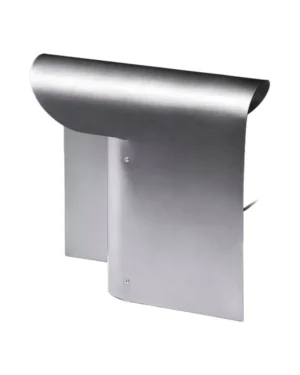
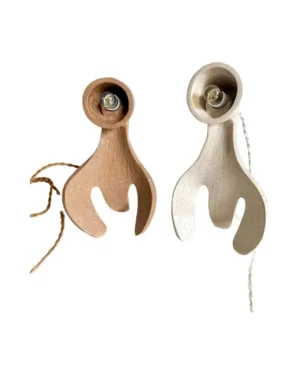
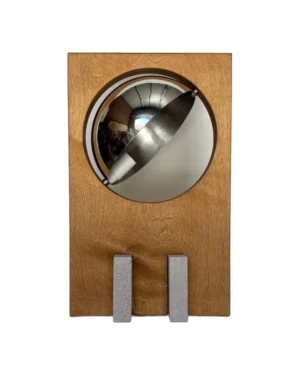
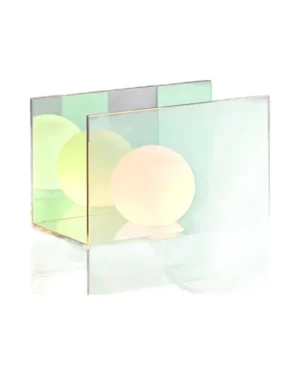
-

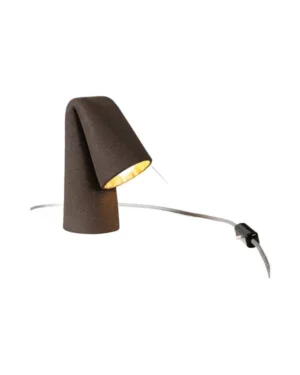
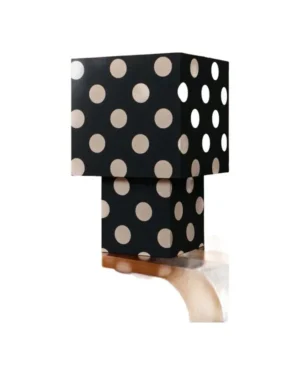
Strikha Table Lamp in Clay
By FAINA
€1.820 -
 In stock
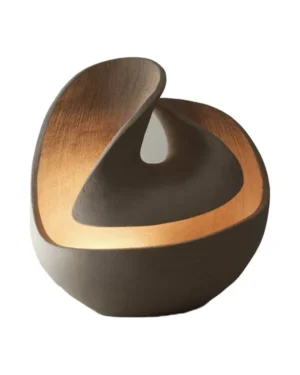
Coral Table Lamp in Clay and Ceramic
By Dzovag Kotchian
€900 -

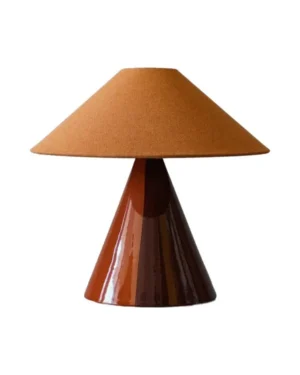
Mātra Table Lamp in Ceramic
By Andrei Clontea STUDIO
€800 -
 In stock
Astēri Table Lamp in Clay
By Andrei Clontea STUDIO
€1.200 -
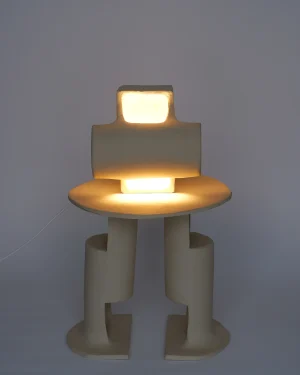
Accre Table Lamp in Ceramic
By Ia Kutateladze
€580 This product has multiple variants. The options may be chosen on the product page -
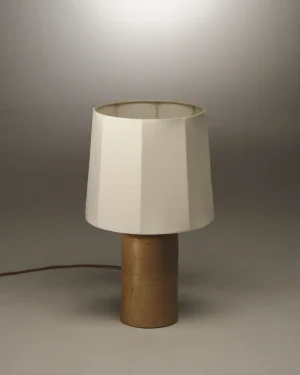
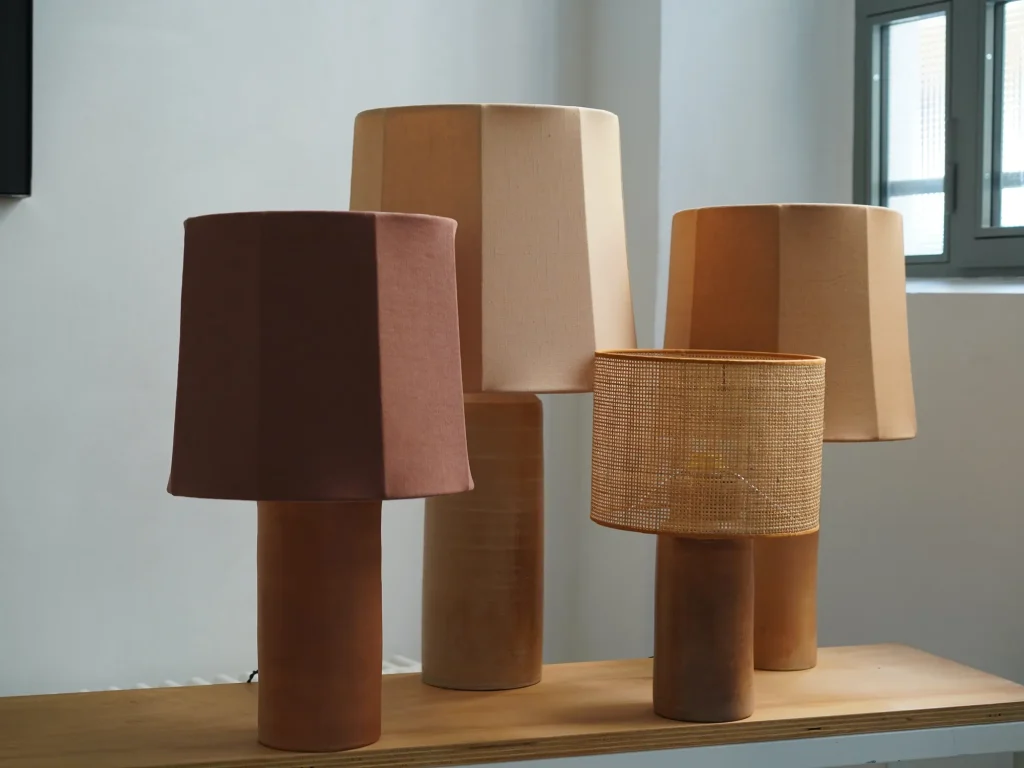
Sonora Small Table Lamp In Terracotta And Linen
By NASSI LAMPS
€1.028 This product has multiple variants. The options may be chosen on the product page -
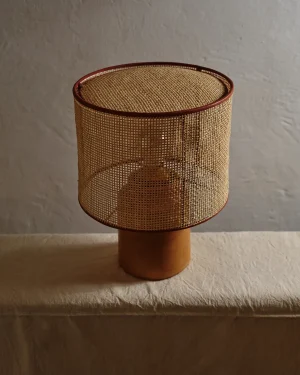
Sonora Rattan Table Lamp In Clay And Textiles
By NASSI LAMPS
€840 -

Rakis Lite Table Lamp – Black Stoneware Ceramic
By Catalin Filip
€455 -

Pendulū Table Lamp In Ceramics And Gold-leaf
By Catalin Filip
€950 -
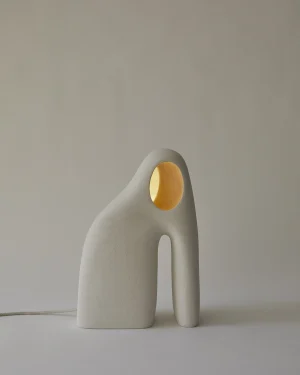
Nomad Ⅱ:02 Table Lamp in Stoneware
By SK - Sofia Karnukaeva
€2.480 -
 In stock
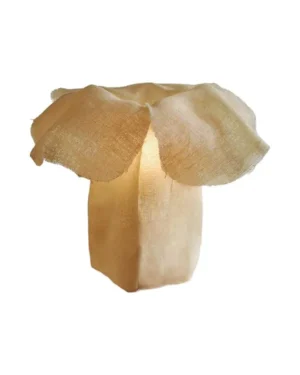
SONIAH Table Lamp in ZTISTA Biocomposite
By FAINA
€3.000 This product has multiple variants. The options may be chosen on the product page -
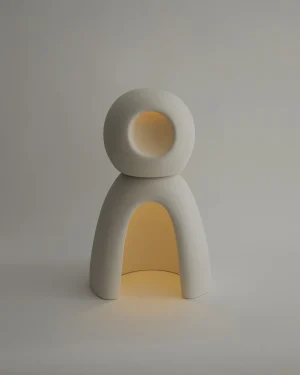
Nomad Ⅱ:09 Table Lamp in Ceramics and Stoneware
By SK - Sofia Karnukaeva
€2.780 -
 In stock
La Bergère Table Lamp In Glazed Ceramic
By Mina Wright
€686 -
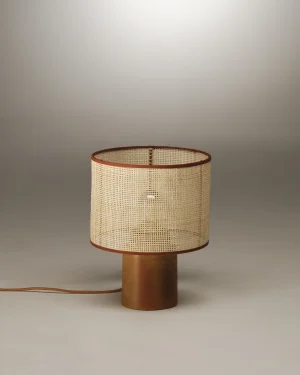
Sonora Small Table Lamp In Terracotta And Rattan
By NASSI LAMPS
€700 -

El Joyero De Odette Table Lamp In Stoneware
By Mina Wright
€770 -

Black Wool Table Lamp in Biocomposite
By PletoStudio
€700 -
 In stock
Abyss No. 12 Table Lamp in Stoneware
By Ceren Gürkan
€1.800 -
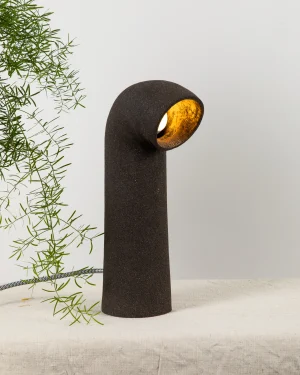
Melo C Table Lamp In Black Ceramic
By Catalin Filip
€270 This product has multiple variants. The options may be chosen on the product page -

Āstra Table Lamp in Clay
By Andrei Clontea STUDIO
€1.300 -
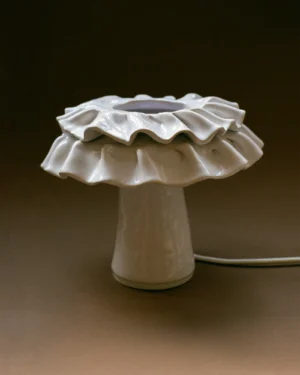 In stock
Lulu Table Lamp In Stoneware
By Mina Wright
€670 -

Melo M Table Lamp In Ceramic
By Catalin Filip
€455 -
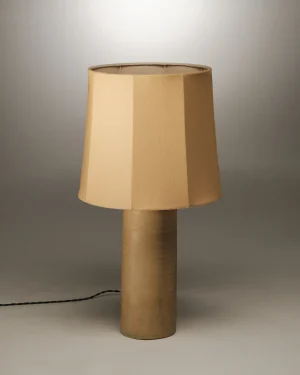
Sonora Large Table Lamp In Terracotta And Linen
By NASSI LAMPS
€1.410 This product has multiple variants. The options may be chosen on the product page -
 In stock
Soul Table Lamp in Handblown Glass
By Ceren Gürkan
€630 -
 In stock
Nomad II:08 Table Lamp in White Stoneware
By SK - Sofia Karnukaeva
€2.480 -
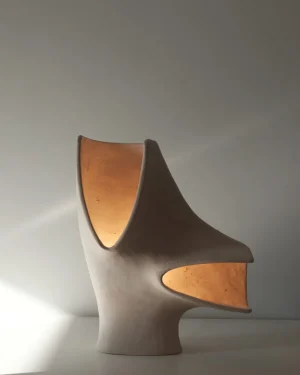
Taruh Table Lamp in Clay
By Andrei Clontea STUDIO
€900 -

Wool Smola Table Lamp in Biocomposite
By PletoStudio
€800 -
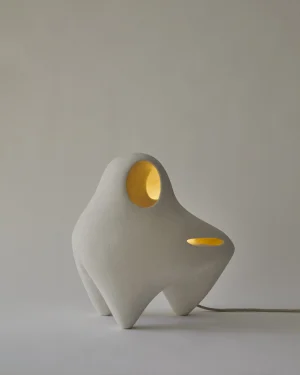 In stock
Nomad II:03 Table Lamp in White Stoneware
By SK - Sofia Karnukaeva
€2.480 -
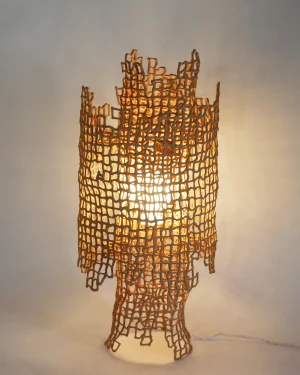 In stock
Coral Lamp XL Table Lamp in Clay
By Dzovag Kotchian
€2.600 -
 In stock
Veil II Ember Table Lamp In Aluminum And Ceramics
By Hania Jneid Design Studio
€3.500 -
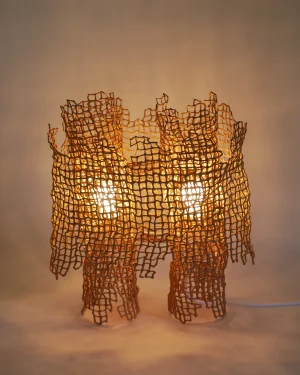 In stock
Coral Lamp Duo Table Lamp in Clay
By Dzovag Kotchian
€1.400 -
 In stock
Abyss No. 27 Table Lamp in Stoneware
By Ceren Gürkan
€1.900 -
 In stock
Veil I Halo Table Lamp In Aluminum And Ceramics
By Hania Jneid Design Studio
€3.500 -
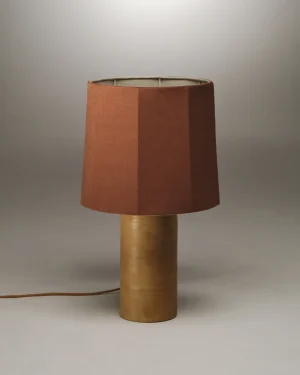
Sonora Medium Table Lamp In Terracotta And Linen
By NASSI LAMPS
€1.220 This product has multiple variants. The options may be chosen on the product page -
 In stock
Abyss No. 4 Table Lamp in Stoneware
By Ceren Gürkan
€1.600 -
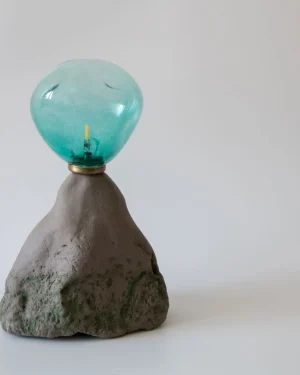 In stock
Abyss No. 7 Table Lamp in Stoneware
By Ceren Gürkan
€1.100 -
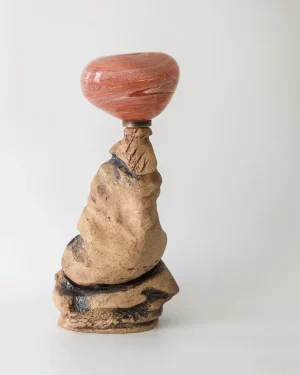 In stock
Abyss No. 8 Table Lamp in Stoneware
By Ceren Gürkan
€1.500 -

Pyramid Table Lamp In Clay And Glass
By Dzovag Kotchian
€1.500 -
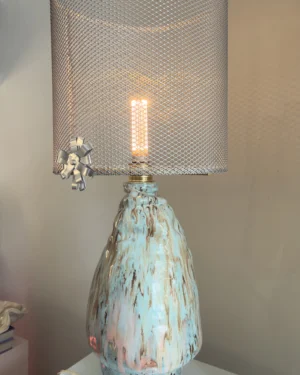 In stock
Veil III Tide Table Lamp In Aluminum And Ceramics
By Hania Jneid Design Studio
€3.500 -
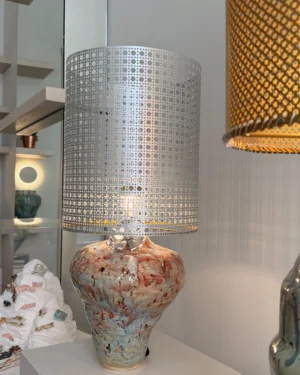
Veil IV Jade Table Lamp In Aluminum And Ceramics
By Hania Jneid Design Studio
€3.500 -
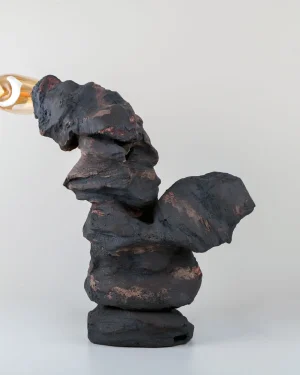 In stock
Abyss No. 11 Table Lamp in Stoneware
By Ceren Gürkan
€1.800 -
 In stock
Abyss No. 20 Table Lamp in Stoneware
By Ceren Gürkan
€1.600 -

Helen Table Lamp In Brick And Glass
By SOLMISTUDIO
€350 - €500 This product has multiple variants. The options may be chosen on the product page -
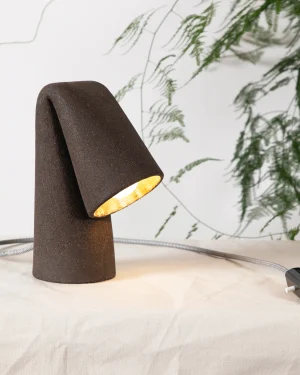
Melo Fold Table Lamp In Ceramic
By Catalin Filip
€290 This product has multiple variants. The options may be chosen on the product page
Clay table lamps are built from one of the oldest materials worked by hand, shaped by studios who throw, press or hand-build the base before firing and glazing it. Each one carries the trace of that process: a slight asymmetry, a pooled glaze, a wall thickness that varies by a few millimeters. The material is soft and responsive until it meets heat, then it becomes permanent.
What defines clay table lamps
Clay starts as a wet, plastic material that a maker can pull, coil or throw into shape. Once fired in a kiln, it hardens into ceramic or stoneware, depending on the clay body and the temperature reached. This is why clay table lamps feel solid and cool to the touch, with a density that glass and resin rarely match.
Because the forming happens by hand or on a wheel, no two bases are perfectly identical, even within the same run. Studios working in this material often describe their output in open editions, limited editions or unique pieces, a distinction worth checking before buying if consistency matters to you.
Finishes, colors and editions found here
Glazing is where clay table lamps gain their surface character. A glaze can sit matte and chalky, or pool into gloss where it collects in a groove, and the same recipe can shift in tone from one firing to the next. Terracotta bases are often left bare or lightly glazed, keeping the warm, earthen color of the fired clay visible.
- Colors appearing most often: white, black, gold, brown, blue, amber and beige, sometimes paired as beige and brown
- Techniques behind the forms: hand-building, wheel throwing, sculpting and glazing
- Styles the shapes lean toward: minimalist, contemporary, modern, boho chic and coastal, with some eclectic or space age outliers
Stoneware pieces tend to read heavier and more matte than earthenware, which can be thinner-walled and lighter in the hand. Both belong to the wider world of ceramic table lamps, a category that overlaps closely with clay but also takes in porcelain and other fired bodies.
Choosing a clay table lamp for scale and placement
Scale matters more with clay than with lighter materials, since a wide ceramic base carries real weight and needs a surface that can take it. Measure the table or console first, then look at the lamp's footprint rather than just its height, so the base does not overwhelm a narrow side table.
Finish affects how a lamp reads in a room: a matte glaze recedes into the background, while a glossy or metallic glaze catches light and asks to be noticed. If you already have a contemporary or modern room, a sculptural clay form can stand as the one organic shape among harder materials; see the contemporary table lamps grouped on ADORNO for that pairing, or the minimalist table lamps where restraint is the starting point.
Where clay lamps work best in a room
A clay base anchors a side table or nightstand without needing much else around it, since the material itself does the work of filling the eye. On a console or sideboard, a taller clay lamp can hold the same visual weight as a piece of pottery or a vase, so it pairs easily with other fired-clay objects in the room.
Bedrooms and living rooms suit clay table lamps particularly well, where soft, direct light from a lower surface is more useful than an overhead fixture. For a broader look at how these pieces sit among other materials, the full range of table lamps on ADORNO spans wood, metal, glass and stone alongside clay.
Caring for clay and glaze
Fired clay is durable but not indestructible: a hard knock can chip a glazed edge or crack an unglazed rim, so lamps are best kept away from high-traffic edges of a table. Dust with a dry or barely damp cloth, since prolonged wet cleaning can dull a matte glaze or, on unglazed terracotta, leave water marks that the porous surface will hold.
Keep any clay table lamp away from direct contact with other hard ceramics to avoid chipping during cleaning or moving. For the wider set of fired-clay lighting and objects beyond table lamps, see every clay piece listed on ADORNO, including clay lighting in other forms.
How do I choose a clay table lamp?
Look at the base's weight and shape, how the glaze catches light, and whether the shade filters a soft or a brighter glow. A heavier base sits steadier on a side table or console.
How do I clean and care for a clay table lamp?
Dust the base with a dry cloth; a glazed surface wipes clean with a damp cloth, while unglazed clay stays dry to avoid staining. Keep the socket and cord away from water.
What height should a clay table lamp be?
Most table lamps stand between 18 and 30 inches, with the shade meeting eye level when seated nearby. A taller lamp suits a low console, a shorter one a desk or nightstand.
Which rooms suit a clay table lamp?
Clay's weight and warm surface suit a living room side table, a bedside table, or an entryway console, anywhere a soft, ambient glow works better than overhead light.
Does ADORNO ship clay table lamps worldwide?
Yes, shipping is insured and worldwide, and a lowest-price guarantee applies to every order.
Can I return a clay table lamp or order a custom one?
Most pieces can be returned within 14 days, though made-to-order lamps are excluded, and each ships with a certificate of authenticity. For custom requests, chat with the maker on the piece's page.