


-

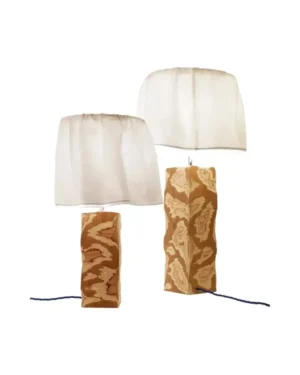
Coral Lamp – Clay Table Lamp
By Dzovag Kotchian
€900 -

Strikha Table Lamp in Clay
By FAINA
€1.820 -

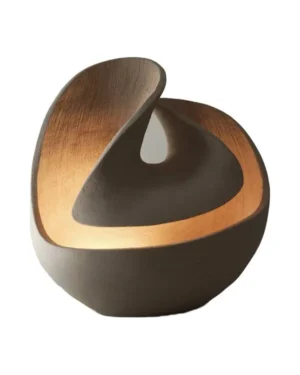
Mātra Table Lamp in Ceramic
By Andrei Clontea STUDIO
€800 -
 In stock
Astēri Table Lamp in Clay
By Andrei Clontea STUDIO
€1.200 -
 In stock
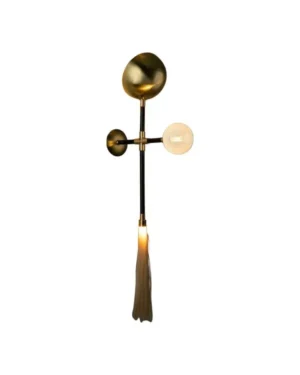
Coral Wall Lamp – Clay Sconce
By Dzovag Kotchian
€900 -

Rakis Lite Table Lamp – Black Stoneware Ceramic
By Catalin Filip
€455 -

Pendulū Table Lamp In Ceramics And Gold-leaf
By Catalin Filip
€950 -
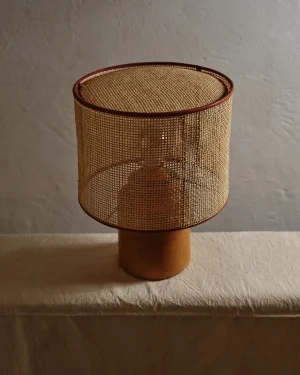
Sonora Rattan Small Table Lamp In Clay And Textiles
By NASSI LAMPS
€689 -
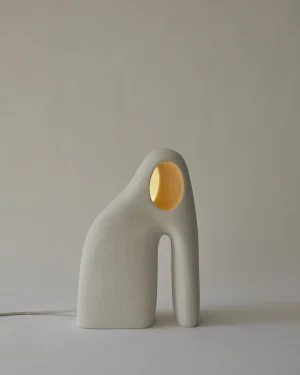
Nomad Ⅱ:02 Table Lamp in Stoneware
By SK - Sofia Karnukaeva
€2.480 -

Nomad Ⅱ:09 Table Lamp in Ceramics and Stoneware
By SK - Sofia Karnukaeva
€2.780 -
 In stock
La Bergère Table Lamp In Glazed Ceramic
By Mina Wright
€686 -
Black Friday −15%

El Joyero De Odette Table Lamp In Stoneware
By Mina Wright
€810 -

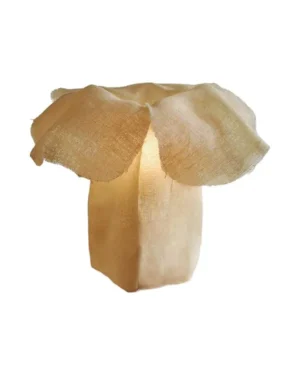
Black Wool Table Lamp in Biocomposite
By PletoStudio
€700 -

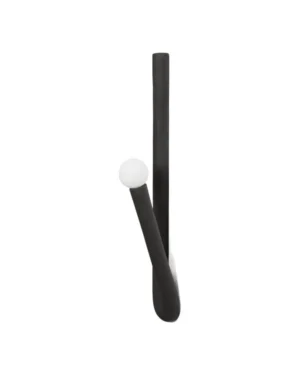
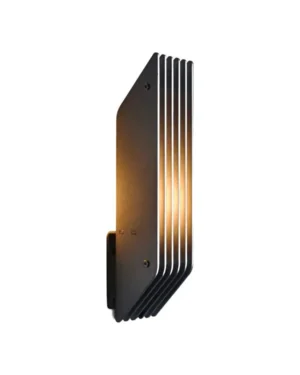
Motion — Sculptural Wall Light In Ceramics
By Katia Langeard
€700 -

Laco Floor Lamp in Biocomposite and Linen
By PletoStudio
€3.600 -

Shadow Wool Floor Lamp in Biocomposite and Carpathian Wool
By PletoStudio
€2.200 -

Rakis Floor Lamp In Ceramic
By Catalin Filip
€1.900 -
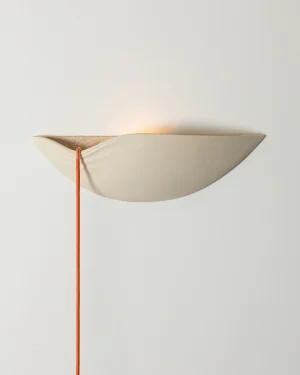
Loma Wall Sconce In Stoneware
By Catalin Filip
€450 -
Oasis Wall Light In Hand-sculpted Stoneware
By Harshita Jhamtani Designs
€410 -

Āstra Table Lamp in Clay
By Andrei Clontea STUDIO
€1.300 -

Orbita Floor Lamp in Biocomposite and Bouclé Wool
By PletoStudio
€5.000 -

Soniah Pendant Lamp in Clay
By FAINA
€2.990 -

My Stone Flower Ceramic Wall Light
By Katia Langeard
€380 -
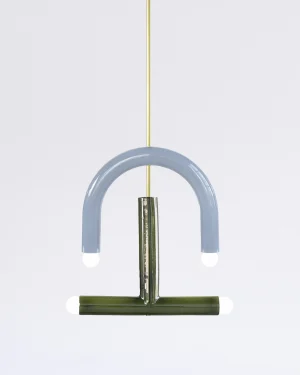
Trn / Model C3 Pendant Lamp In Ceramic
By Pani Jurek STUDIO
€880 - €940 -

Melo C Table Lamp In Black Ceramic
By Catalin Filip
€270 -
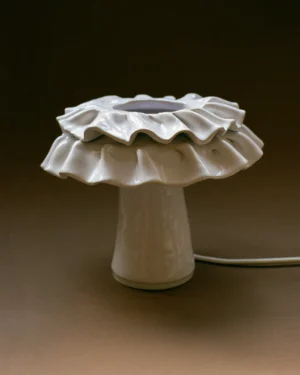 In stock
Lulu Table Lamp In Stoneware
By Mina Wright
€670 -
 In stock
Pearl Wall Lamp – Clay Sconce
By Dzovag Kotchian
€1.200 -
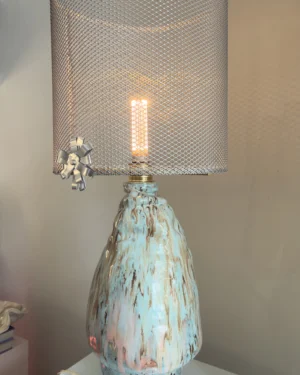 In stock
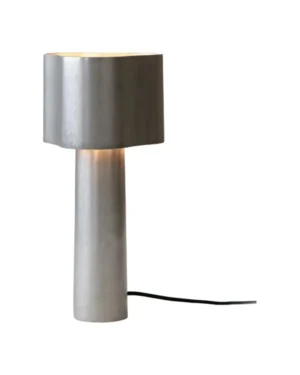
Veil Iii Tide Table Lamp In Aluminum And Ceramics
By Hania Jneid Design Studio
€2.900 -

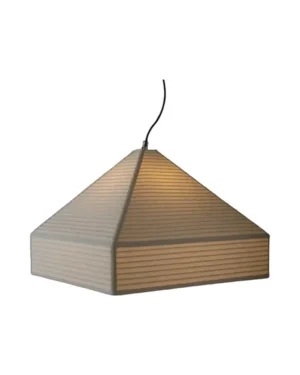
Trn / Model A2 Pendant Lamp In Ceramic
By Pani Jurek STUDIO
€470 -

Trn / Model F1 Pendant Lamp In Ceramic
By Pani Jurek STUDIO
€1.600 -

Silva Sculptural Floor Lamp in Biocomposite and Raffia
By PletoStudio
€1.600 -
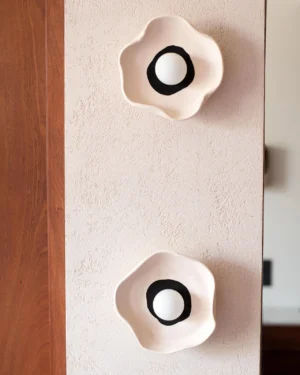
Flower Wall Sconce In Stoneware
By Harshita Jhamtani Designs
€360 -
 In stock
SONIAH Table Lamp in ZTISTA Biocomposite
By FAINA
€3.000 -
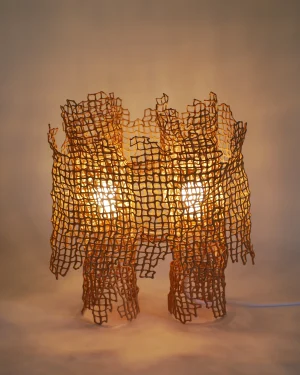 In stock
Coral Lamp Duo – Clay Table Lamp
By Dzovag Kotchian
€1.400 -

Taruh Table Lamp in Clay
By Andrei Clontea STUDIO
€900 -
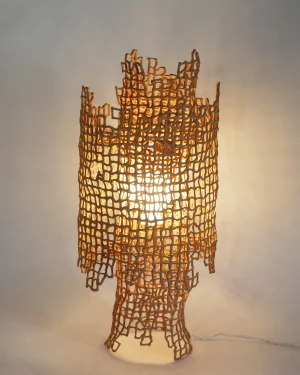 In stock
Coral Lamp – Clay Table Lamp (big)
By Dzovag Kotchian
€2.600 -

Pyramid Lamp – Clay Table Lamp
By Dzovag Kotchian
€1.500 -

Vereteno Floor Lamp in Biocomposite and Linen
By PletoStudio
€5.800 -

Ember Floor Lamp in Biocomposite and Raffia
By PletoStudio
€3.200 -

Wool Smola Table Lamp in Biocomposite
By PletoStudio
€800 -

Silva Soft Floor Lamp in Biocomposite and Cotton
By PletoStudio
€1.100 -
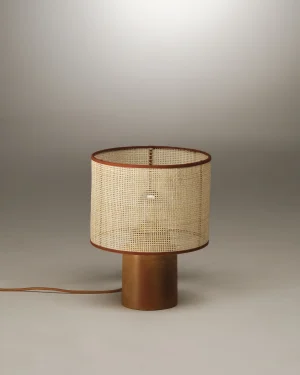
Sonora Small Table Lamp In Terracotta And Rattan
By NASSI LAMPS
€576 -
 In stock
Abyss No. 4 Sculptural Table Lamp In Stoneware
By Ceren Gürkan
€1.600 -
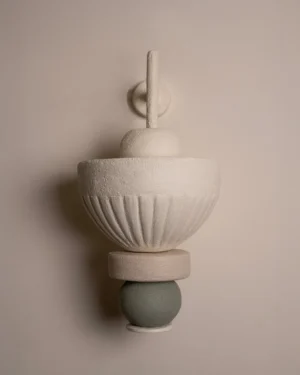
Pebble Wall Sconce In Stoneware And Clay
By Harshita Jhamtani Designs
€1.080 -
 In stock
Nightjar Floor Lamp in Ceramic and Rattan
By UAU Studio
€3.400 -
 In stock
Abyss No. 27 Sculptural Table Lamp In Stoneware
By Ceren Gürkan
€1.900 -
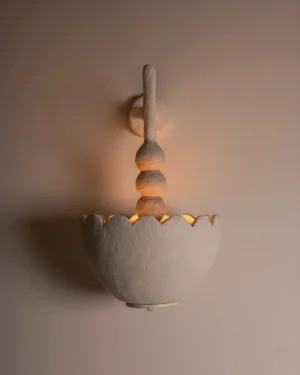
Scallop Wall Sconce In Stoneware And Clay
By Harshita Jhamtani Designs
€1.080 -
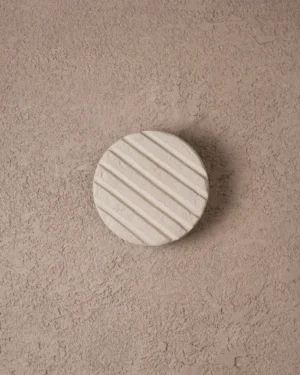
Wilo Fluted Egg White Wall Sconce In Clay And Aluminum
By Harshita Jhamtani Designs
€230 -

Melo M Table Lamp In Ceramic
By Catalin Filip
€455 -
10% off
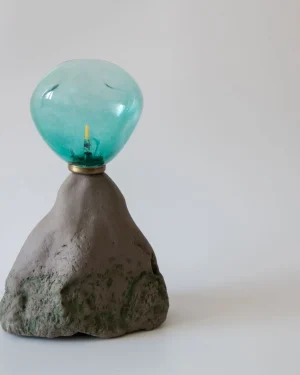
Abyss No. 7 Sculptural Table Lamp In Stoneware
By Ceren Gürkan
€1.100€990 -
 In stock
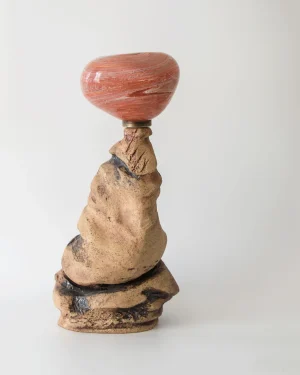
Abyss No. 8 Sculptural Table Lamp In Stoneware
By Ceren Gürkan
€1.500 -
 In stock
Abyss No. 12 Sculptural Table Lamp In Stoneware
By Ceren Gürkan
€1.800 -
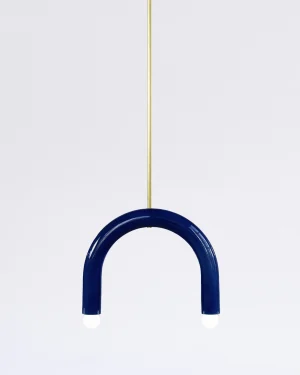
Trn / Model B1 Pendant Lamp In Ceramic
By Pani Jurek STUDIO
€625 -
 In stock
Veil Ii Ember Table Lamp In Aluminum And Ceramics
By Hania Jneid Design Studio
€3.500
Clay lighting brings the warmth of hand-building and wheel throwing into a room, each lamp or pendant carrying small variations left by the maker's hands. Independent studios shape the material wet, let it dry slowly, then fire it before applying a glaze or leaving the surface raw. The result sits closer to pottery than to industrial lighting, with a weight and texture that stoneware and terracotta rarely hide.
What Defines Clay Lighting
Clay is porous until it is fired, which is why studios build walls thick enough to hold a bulb's heat and a shade's shape without cracking. Stoneware fires hardest and resists moisture best, while terracotta stays softer and more absorbent, often left unglazed so its earthy color shows. A glaze adds color, seals the surface, and can shift a piece from matte stoneware tones to deep cobalt blue or ochre, depending on the minerals fired into it.
The Range of Clay Lighting on ADORNO
Alongside clay, you will find pieces that pair ceramic bodies with steel fittings, brass hardware, or woven textile shades, and bases finished in stoneware or raw terracotta. Colors run from black, brown, and beige through ochre, cobalt blue, denim, and green, with the occasional light yellow glaze standing apart from the earthier range. Styles span contemporary, organic, and conceptual work alongside pieces with a mid-century modern or art deco reference, so the material carries very different looks depending on the studio.
Technique shapes what you are buying as much as color does. Wheel-thrown forms tend toward symmetry and a rounded profile, while hand-built pieces allow flatter planes, slab construction, or irregular silhouettes impossible to throw. Editions vary too: some studios work in open runs, others in limited editions or one-off unique pieces, so it is worth checking how a given lamp was produced before you buy. For a closer look at what is available by material, every clay piece on ADORNO is gathered in one place.
Choosing a Clay Lamp or Pendant
Scale matters more with clay than with lighter materials, since a fired clay base carries real weight and needs a surface or ceiling fixture that can support it. A table lamp should sit in proportion to what is around it: tall enough to clear papers and glassware, not so tall that the shade competes with artwork above. Pendants hang lower over a dining table than in an entryway, and clearance from the tabletop usually determines the right length.
Finish affects how a piece reads in a room as much as color does. A matte, unglazed surface absorbs light and recedes, while a glossy glaze catches it and draws the eye, which is worth weighing against the other finishes already in the space.
- Pair a thick, textured base with simpler, uncluttered surroundings so it can carry its own weight visually.
- Use a glazed, glossy piece where you want a point of color rather than a neutral fill.
- Check wiring and dimmer compatibility before buying, since ceramic bases vary in how they house hardware.
Where Clay Lighting Belongs
A table lamp in stoneware or terracotta suits a reading corner or bedside table, where its texture reads up close. In a living room, a cobalt or ochre glaze can anchor a seating area, especially set against plainer upholstery; see the range built for that room under living room lighting. Pendants in clay work well over dining tables or kitchen islands, where the shade's irregular surface catches light at close range.
Caring for Glazed and Unglazed Clay
Glazed surfaces wipe clean with a dry or barely damp cloth; avoid soaking a base, since water can work into any hairline crack in the glaze and reach the porous clay beneath. Unglazed terracotta marks and stains more easily, so keep it away from oil, wax, or colored liquids. Fired clay is sturdy but not unbreakable, so lift lamps by the base rather than the shade or cord, and allow room for air to circulate so the material does not trap heat from the bulb.
For the wider set of lighting this material sits within, the lighting category covers every material stocked, while clay table lamps and clay pendant lamps narrow the clay lighting on offer by form.
How do I choose a clay lamp or pendant?
Decide whether you want glazed or raw stoneware or terracotta, then match the glow it gives: a glazed surface reflects more light, while raw clay softens it. Let the room's existing tones guide color.
How do you clean and care for clay lighting?
Dust with a dry or barely damp cloth, since raw or unglazed clay stays porous and can absorb moisture. Keep cords and fittings dry, and avoid sudden temperature changes that stress the fired body.
What size clay lamp or pendant fits my space?
Table lamps generally sit around eye level when seated, while pendants hang low enough to pool light without blocking a sightline. The maker can confirm exact dimensions through Chat with the maker on the piece's page.
Which rooms suit clay lighting?
The weight and texture of stoneware and terracotta read well in living rooms and bedrooms, where lamps sit at rest rather than in constant motion. Glazed pieces also hold up in kitchens and dining spaces.
Can I order a custom clay lamp or pendant?
Some studios take custom requests in glaze color, shade shape, or fitting. Use Chat with the maker on the piece's page to ask directly.
What are ADORNO's shipping and return policies for clay lighting?
Shipping is insured and worldwide, with a 14-day return policy on all but made-to-order pieces. Each piece ships with a certificate of authenticity, and ADORNO offers a lowest-price guarantee.