

-

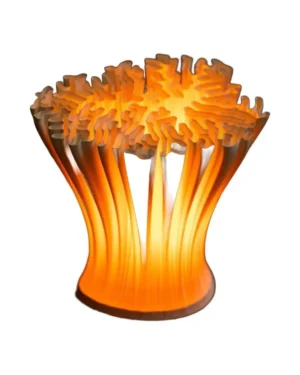
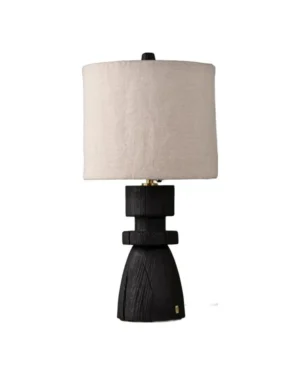
Coral Lamp – Clay Table Lamp
By Dzovag Kotchian
€900 -
 In stock
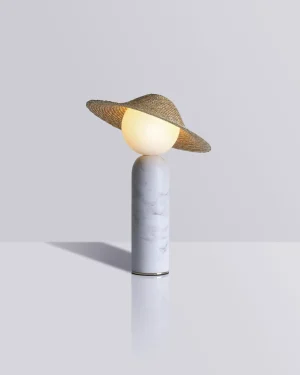
Théros 0.3 Table Lamp In Borosilicate Glass
By Studio Aristotelis Barakos
€1.100 -
 In stock
La Bergère Table Lamp In Glazed Ceramic
By Mina Wright
€686 -

El Joyero De Odette Table Lamp In Stoneware
By Mina Wright
€810€689 -
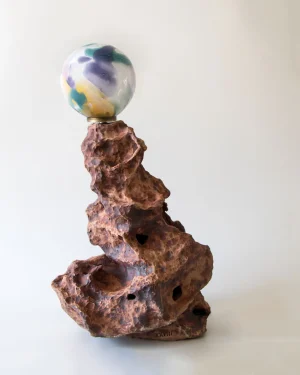 In stock
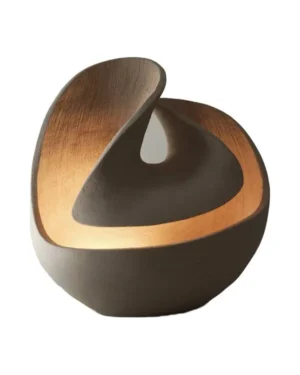
Abyss No. 28 Sculptural Table Lamp In Stoneware
By Ceren Gürkan
€1.400 -
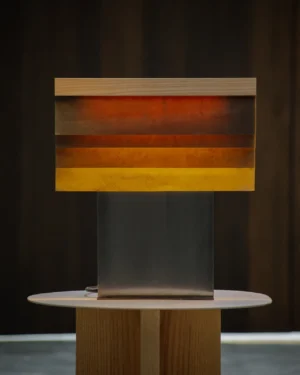
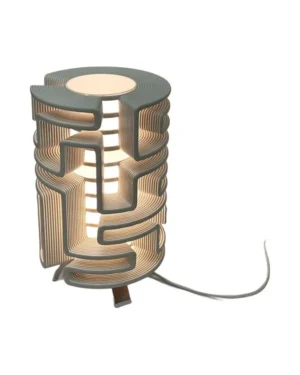
Cenit Table Lamp In Ash Wood And Celium
By Natural Urbano - Sebastián Beltrán
€510€459 -
 In stock
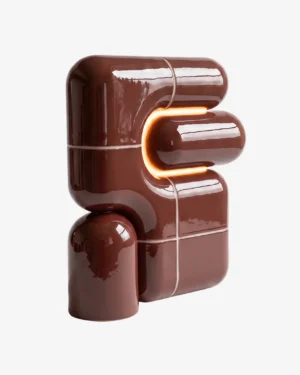
U-021 Table Lamp In Garnet Pla
By Rollo Studio
€795 -
 In stock
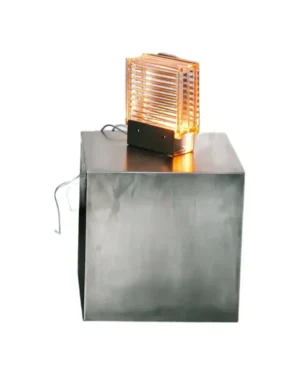
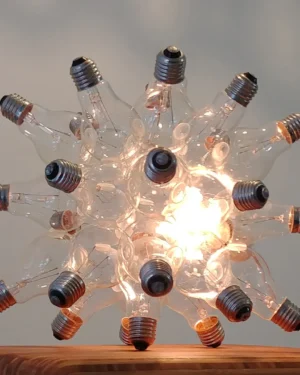
“spare” Table Lamp Constructed From 26 Lightbulbs
By JAN PAUL
€220 -
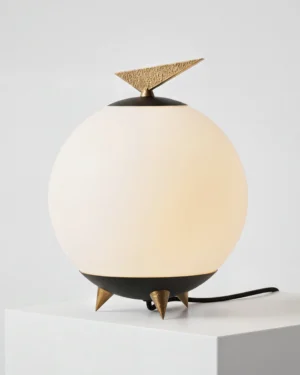 In stock
Eoni Table Lamp In Steel, Brass And White Glass
By Balance Lamp
€410 -
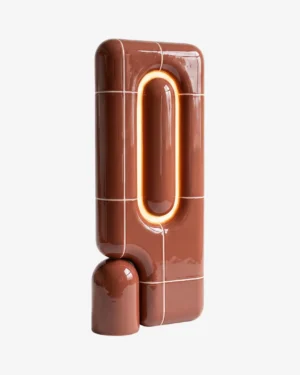
U-037 Table Lamp In Oxide Pla
By Rollo Studio
€940 -
 In stock
Cave Table Lamp In Glass
By Dace Sūna
€1.500 -

Fractical Neon Table Lamp In Glass
By Dace Sūna
€1.000€850 -
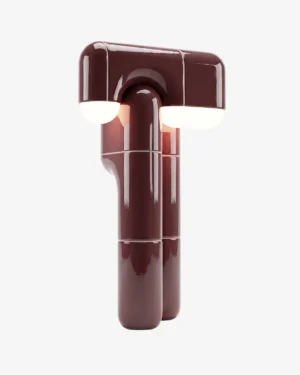
U-016 Table Lamp In Oxblood Pla
By Rollo Studio
€1.380 -

Hoja Table Lamp In White Steel
By Natural Urbano - Sebastián Beltrán
€315 -
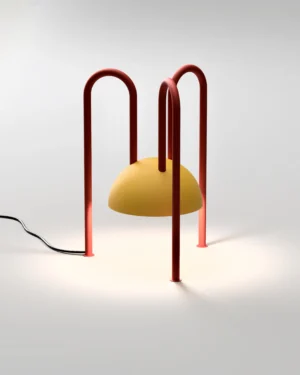 In stock
Allugi Table Lamp In Steel
By Balance Lamp
€450 -

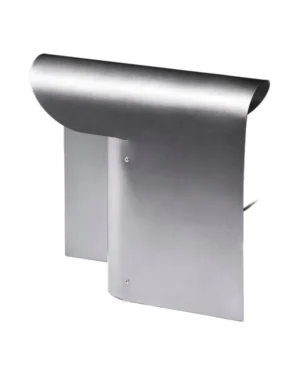
Stutter Table Lamp In Aluminum
By Calen Knauf Studio
€1.344 -
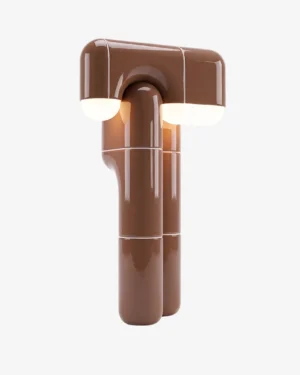
U – 016 – Table Lamp – Umber
By Rollo Studio
€1.380 -
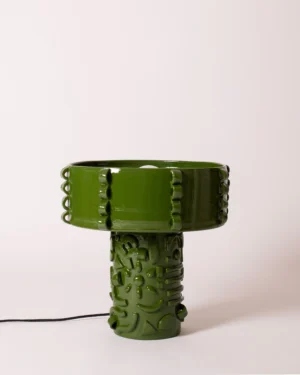
Sculpt Table Lamp In Glazed Stoneware
By Harshita Jhamtani Designs
€3.600 -
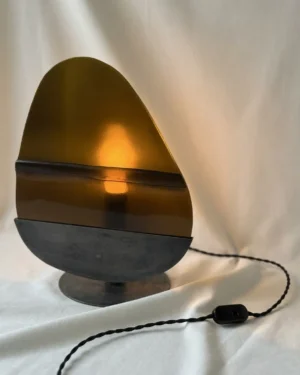 In stock
Veilleur Lp1 Table Lamp In Steel And Glass
By Louise Hurth
€1.600 -

Sedna Table Lamp In Petrol Blown Glass
By ELOA - Unique Lights
€2.330 - €4.085 -
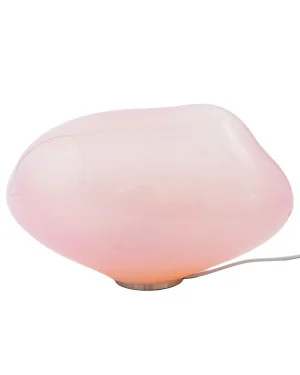
Haumea Convex Table Lamp In Flamingo Opaque Glass
By ELOA - Unique Lights
€2.330 - €4.085 -

Haumea Amorph Table Lamp In Amber Iridescent Glass
By ELOA - Unique Lights
€2.330 - €4.085 -
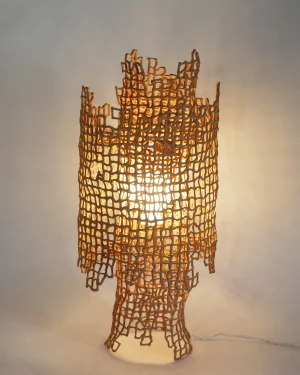 In stock
Coral Lamp – Clay Table Lamp (big)
By Dzovag Kotchian
€2.600 -
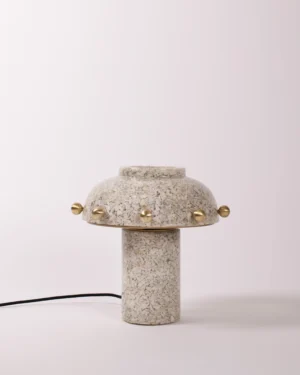
Second Tide Table Lamp In White Recycled Plastic And Brass
By Harshita Jhamtani Designs
€1.340 -
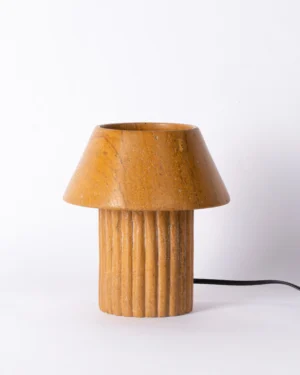
Rio (m) Table Lamp In Sandstone
By Harshita Jhamtani Designs
€690 -
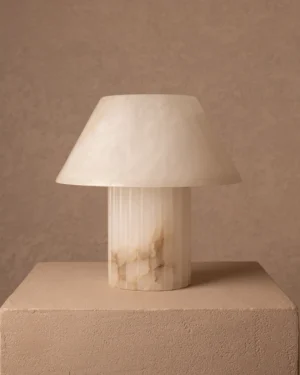
Rio (m) Table Lamp In Alabaster
By Harshita Jhamtani Designs
€800 -
 In stock
Parabanda – Terrazzo Table Lamp
By Pierre Klein
€750 -
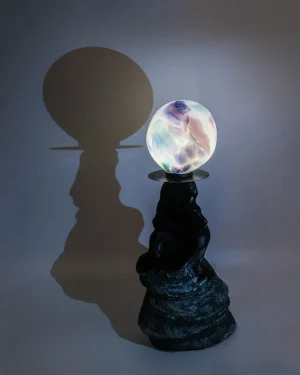 In stock
Abyss No. 3 Sculptural Table Lamp In Stoneware
By Ceren Gürkan
€1.300 -
 In stock
Abyss No. 31 Sculptural Table Lamp In Stoneware
By Ceren Gürkan
€1.400 -

Pyramid Lamp – Clay Table Lamp
By Dzovag Kotchian
€1.500 -

Layers Bedside Lamp In Glazed Ceramic
By Katia Langeard
€750 -
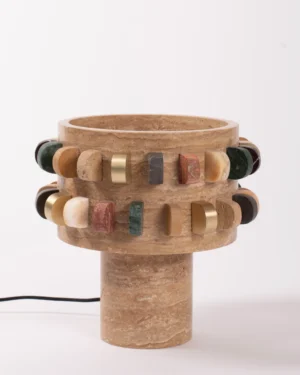
Outcasts Table Lamp In Marble And Travertine
By Harshita Jhamtani Designs
€2.140 -
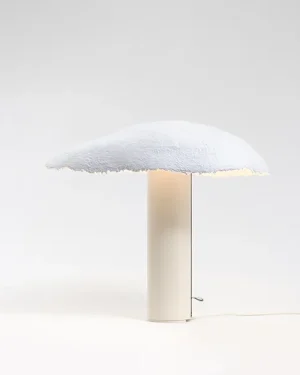
Overcast Table Lamp In Aluminum, Leather And Paper Pulp
By Calen Knauf Studio
€1.570 -

Haumea Convex Table Lamp In Amber Iridescent Glass
By ELOA - Unique Lights
€2.330 - €4.085 -

Haumea Convex Table Lamp In Blue Opaque Glass
By ELOA - Unique Lights
€2.330 - €4.085 -
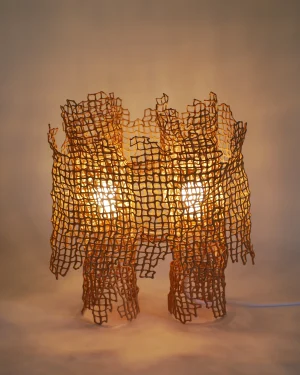 In stock
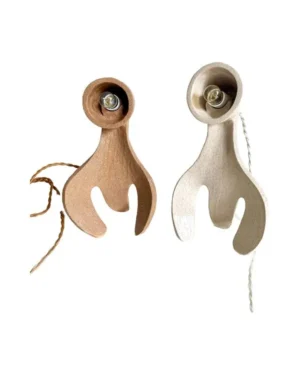
Coral Lamp Duo – Clay Table Lamp
By Dzovag Kotchian
€1.400 -
 In stock
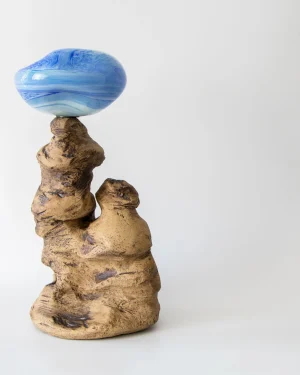
Abyss No. 4 Sculptural Table Lamp In Stoneware
By Ceren Gürkan
€1.600 -
 In stock
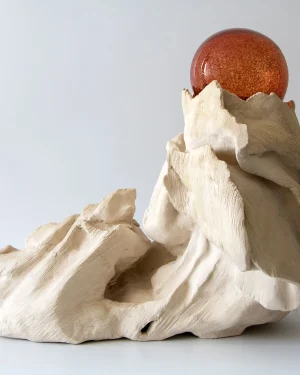
Abyss No. 23 Sculptural Table Lamp In Stoneware
By Ceren Gürkan
€2.500 -

Sedna Table Lamp In Amber Iridescent Glass
By ELOA - Unique Lights
€2.330 - €4.085 -
 In stock
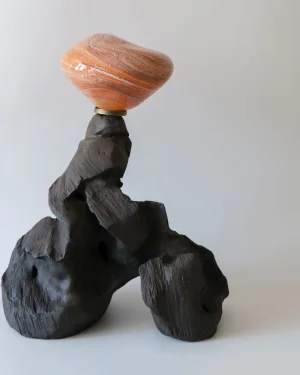
Abyss No. 27 Sculptural Table Lamp In Stoneware
By Ceren Gürkan
€1.900 -
 In stock
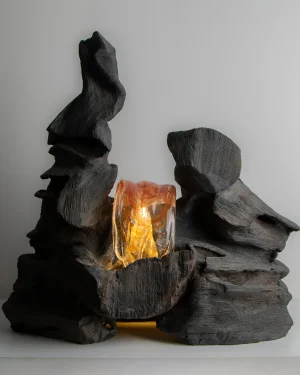
Abyss No. 33 Sculptural Table Lamp In Stoneware
By Ceren Gürkan
€2.200 -
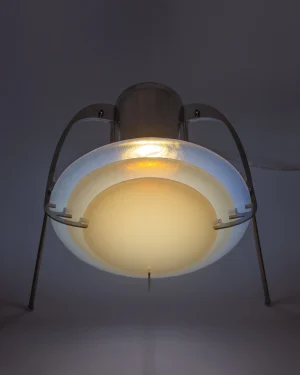
Sky-set Mini Table Light
By Dace Sūna
€2.800 -
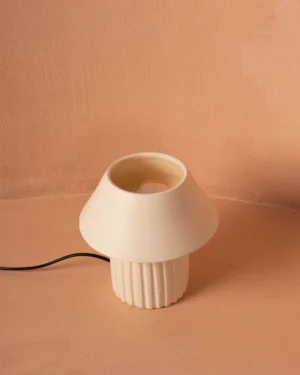
Rio (s) Table Lamp In Stoneware
By Harshita Jhamtani Designs
€200 -
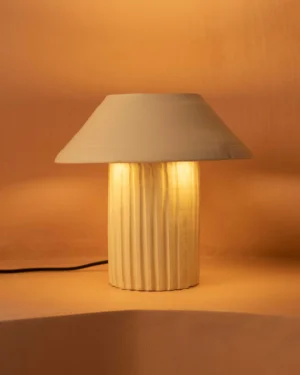
Rio (m) Table Lamp In Stoneware
By Harshita Jhamtani Designs
€360 -
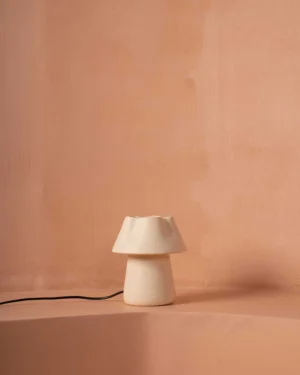
Bloom (m) Table Lamp In Stoneware
By Harshita Jhamtani Designs
€360 -
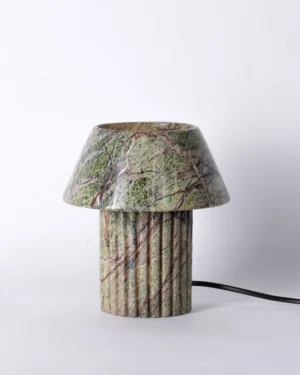
Rio (s) Table Lamp In Green Rainforest Marble
By Harshita Jhamtani Designs
€360 -
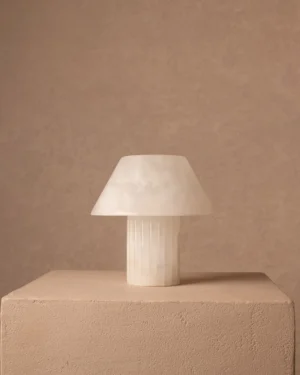
Rio (s) Table Lamp In Alabaster
By Harshita Jhamtani Designs
€430 -
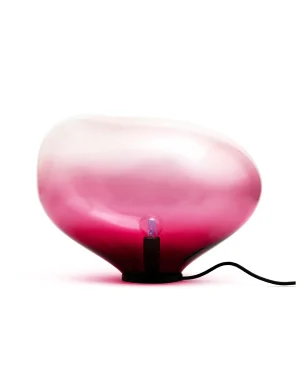
Sedna Table Lamp In Brilliant Ruby Glass
By ELOA - Unique Lights
€2.330 - €4.085 -

Hemisferio Table Lamp in Bronze and Volcanic Stone
By ANDEAN
€638 -
10% off
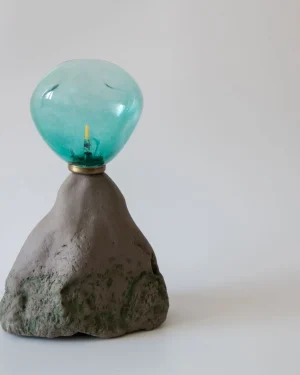
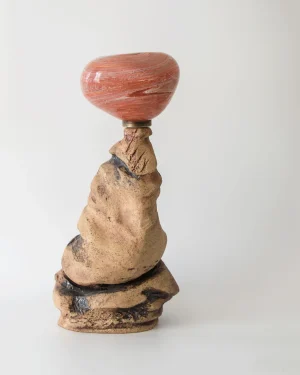
Abyss No. 7 Sculptural Table Lamp In Stoneware
By Ceren Gürkan
€1.100€990 -
 In stock
Abyss No. 8 Sculptural Table Lamp In Stoneware
By Ceren Gürkan
€1.500 -
 In stock
Abyss No. 12 Sculptural Table Lamp In Stoneware
By Ceren Gürkan
€1.800 -

Duna Acr Table Lamp In Carbon Steel
By Natural Urbano - Sebastián Beltrán
€287 -
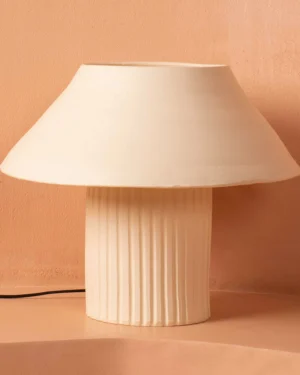
Rio (l) Table Lamp In Stoneware
By Harshita Jhamtani Designs
€560
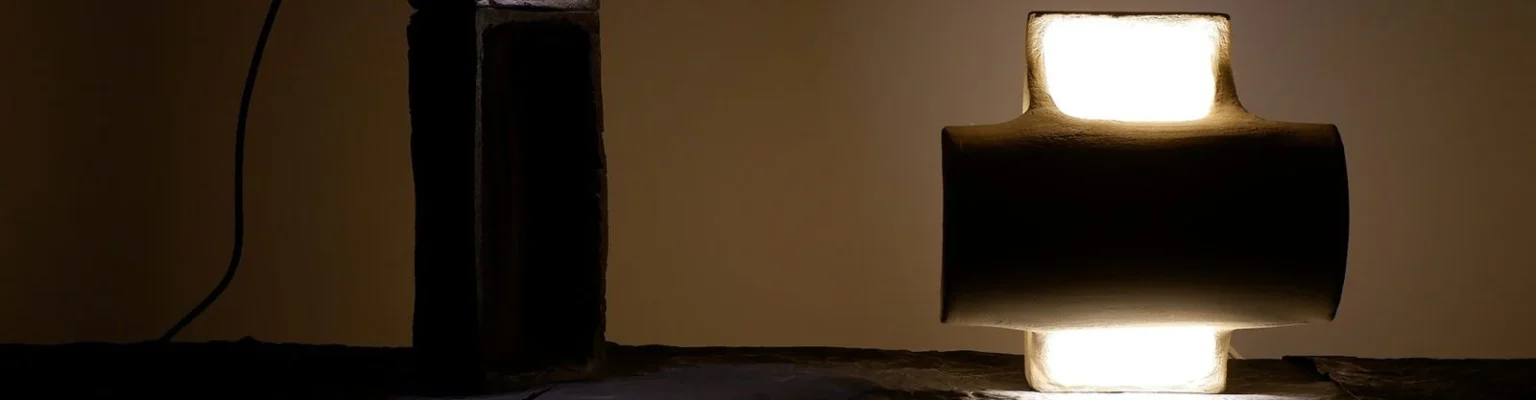
Entryway table lamps are the small, self-contained fixtures that studios make to sit on a console or side table just inside the door, hand-built in ceramic and stoneware, carved from solid blocks of alabaster, or cast and patinated in steel. Because they ask for no wiring beyond a plug, independent makers treat the base as a sculptural object first and a light source second. The result is a piece that reads as much by day, switched off, as it does once lit.
What defines this kind of lamp
An entryway lamp has to hold its own in a room with no seating and no long dwell time, so weight and silhouette matter more than scale. Stoneware and clay bases carry the texture of the hand that built them, a glaze catching light unevenly across a curved form. Alabaster and travertine behave differently: cut thin enough, alabaster turns warm and amber when lit from within, while travertine's natural pitting stays visible whether the lamp is on or off. Steel bases, sand cast and patinated, take on a matte, worked surface that will not show fingerprints the way polished metal does.
Materials, finishes and editions on ADORNO
Studios working in this category draw on a narrow but varied set of materials and processes. Expect to find:
- Ceramic, clay and stoneware bases, hand-built and finished in glazes ranging from matte white and sand to terracotta and deep black
- Alabaster and travertine, including red travertine, shaped through stone carving into solid, geological forms
- Steel bases formed through metalwork, sand casting or patination, often left in gray or black
- Styles spanning contemporary and minimalist lines, Japandi restraint, wabi-sabi irregularity, and occasional conceptual or maximalist pieces
- Open editions alongside limited editions and unique pieces, depending on the studio's way of working
This range sits within the wider world of designer table lamps, and anyone drawn to patinated or cast bases specifically can look further through table lamps made in metal.
How to choose one for an entry
Start with the surface it will stand on. A narrow console calls for a base with a small footprint and some height, so the lamp reads above the table's edge rather than disappearing behind a bowl of keys or a stack of mail. A wider table or sideboard can carry a heavier, lower stoneware or stone base without looking squat.
Finish matters as much as form here, since an entryway lamp sits at eye level and close to the hand. A matte glaze or a carved stone surface invites touch on the way in or out the door; a patinated steel base shows wear gracefully, which suits a piece that gets brushed past daily. Consider too how the light falls, whether it should throw a soft glow upward for ambiance or stay low and warm for a quick, practical check in the mirror.
Where these lamps work
Beyond the front hall, the same proportions suit a narrow hallway table, a bench end, or a small table by a staircase. Anyone furnishing the space as a whole can look at entryway furniture and entryway tables to find surfaces sized for exactly this kind of lamp, and the full range of pieces chosen for this room is gathered under entryway design.
Caring for ceramic, stone and metal bases
Ceramic and stoneware should be dusted with a dry or barely damp cloth; standing water left on an unglazed foot can mark the surface over time. Alabaster and travertine are porous and will stain if liquid sits on them, so keep entryway table lamps away from wet umbrellas and dripping coats. Patinated steel needs little beyond an occasional wipe, since the finish is meant to deepen rather than stay pristine.
How do I choose a table lamp for an entryway?
Look at weight and silhouette rather than size, since an entryway lamp stands alone with no seating nearby to balance it. A dense ceramic, stone or cast steel base will hold a console or side table without looking incidental.
What materials are entryway table lamps made from?
Most are hand-built in ceramic or stoneware, carved from solid alabaster or travertine, or sand cast and patinated in steel. Each material behaves differently with light, from alabaster's amber glow to travertine's visible pitting.
How do I care for a ceramic or stone lamp base?
Wipe ceramic, stoneware and stone bases with a dry or barely damp cloth, and keep alabaster away from standing water since the stone stains and etches easily. Patinated steel needs only an occasional dry wipe to stay matte.
What size lamp suits an entryway table or console?
A base that is dense and well-proportioned to its surface matters more than overall height, since entryway lamps are viewed up close and often switched off. Scale it to the console beneath it, not to the room.
Can an entryway table lamp work in other rooms too?
Yes, the same sculptural bases sit comfortably on a sideboard, bedside table or shelf, since they are designed to stand alone rather than cast light across a large room.
How does shipping, returns and authenticity work on ADORNO?
Shipping is insured and worldwide, with a 14-day return window on everything except made-to-order pieces. Every lamp arrives with a certificate of authenticity, backed by ADORNO's lowest-price guarantee.