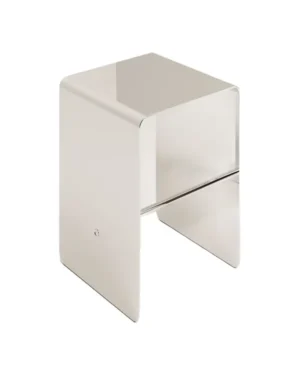
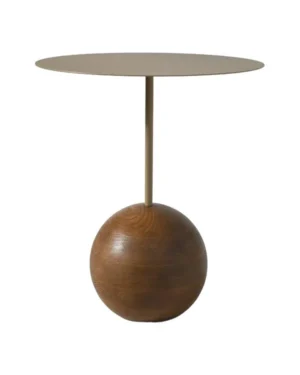
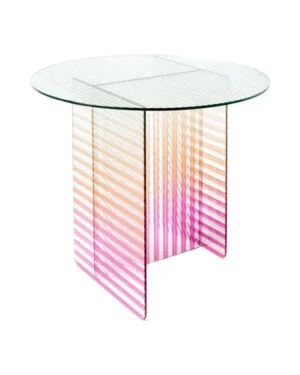
-
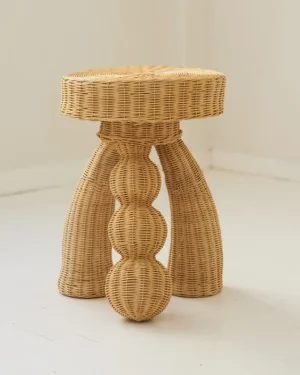 In stock
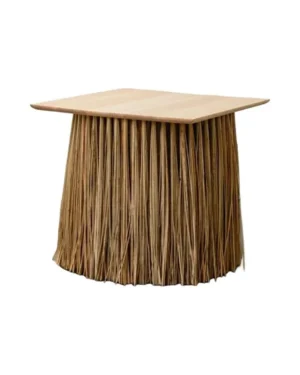
Pupa Side Table in Woven Rattan and Metal
By LØRDAG & SØNDAG
€845 -
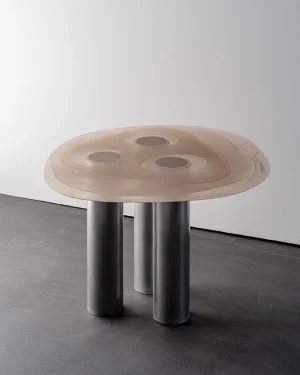
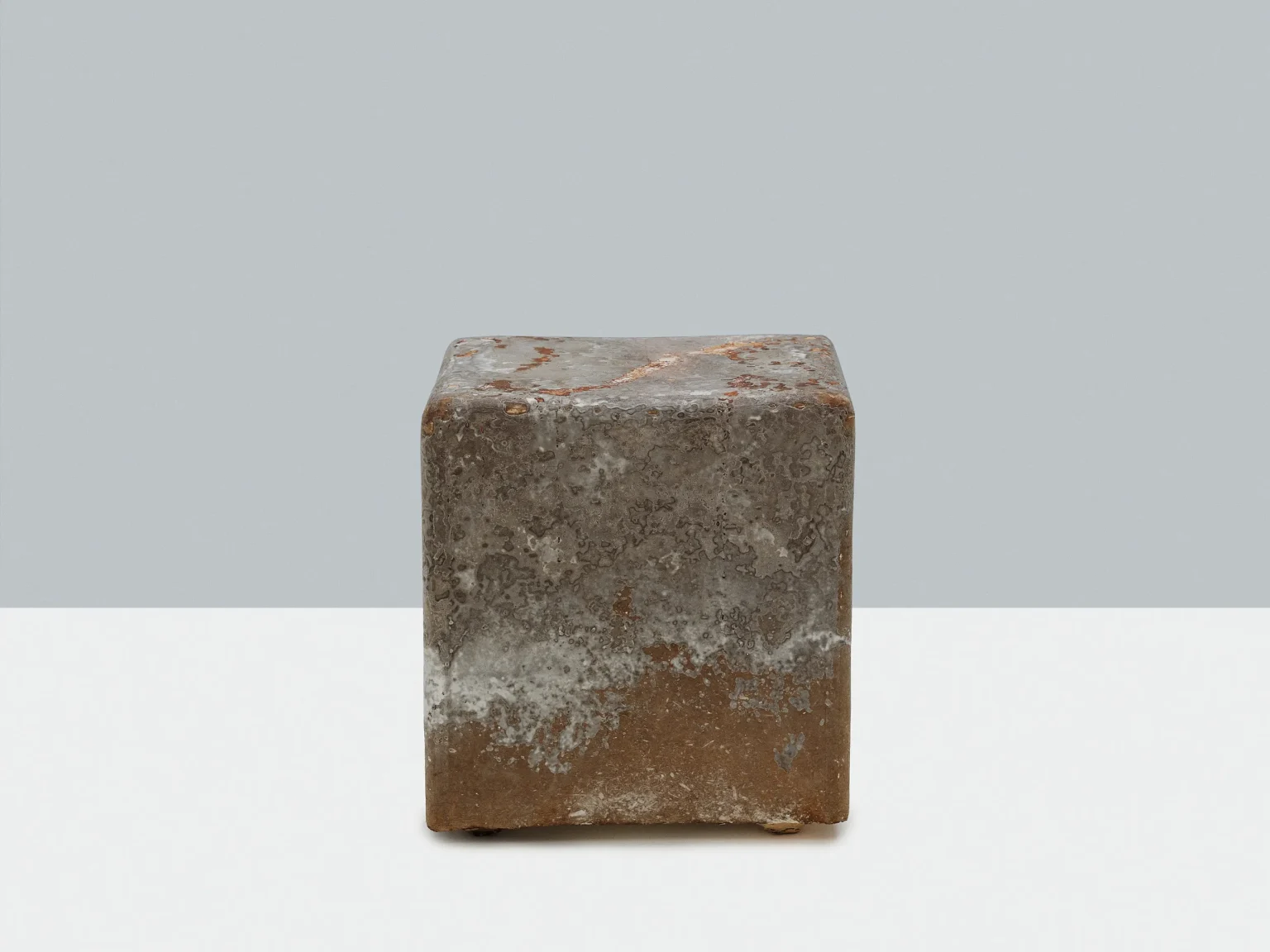
Flywater Side Table in Epoxy Resin
By Calen Knauf Studio
€2.838 -

Mono Side Table in Travertine and Metal
By Yet Design Studio
€1.200 - €1.380 This product has multiple variants. The options may be chosen on the product page -
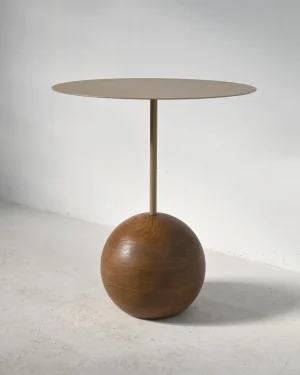
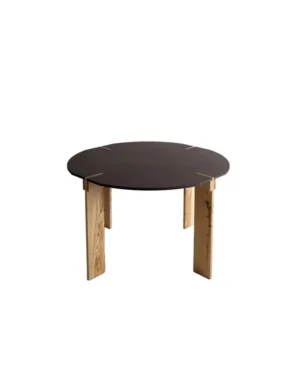
An Su Side Table in Steel and Ash Wood
By SALAK Studio
€690 -
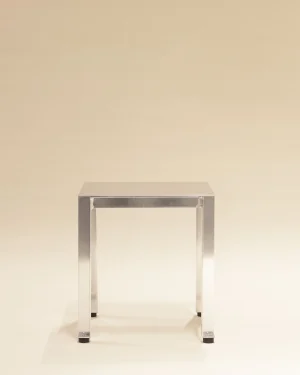
Canto Side Table in Aluminum
By Luiz Solano
€650 -
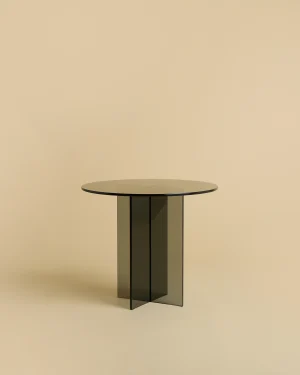
Amami Side Table in Smoked Glass
By Lebanto
€935 -

Isolation Coffee Table in Cork and Burnt Pine
By Vital Lainé
€1.800 -

Cork X 01 Side Table in Cork and Aluminum
By Robert Megel
€599 -
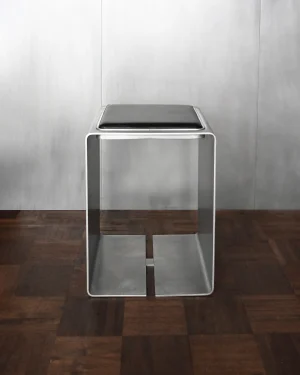
S001-10.2 Aluminum Stool
By NAVE
€500 -

Windows of Bo Bardi Side Table in Tulip Wood
By Linde Freya Tangelder
€1.300 - €1.600 This product has multiple variants. The options may be chosen on the product page -
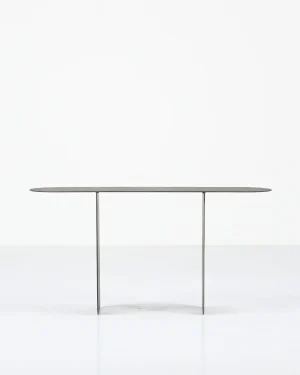
The Altar Side Table in Steel
By COSEINCORSO
€910 -
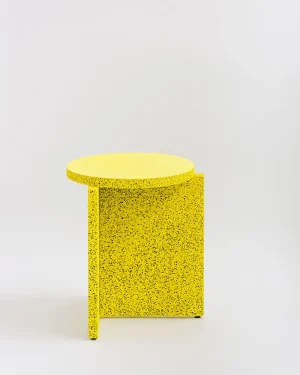
Sponge Side Table in Foamed Aluminum
By Calen Knauf Studio
€898 This product has multiple variants. The options may be chosen on the product page -
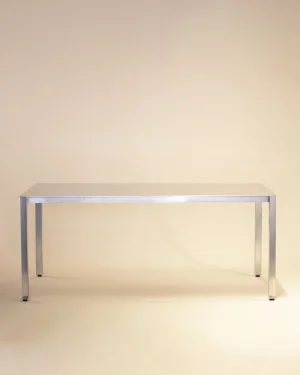
Canto Desk in Anodized Aluminum
By Luiz Solano
€1.180 - €2.000 This product has multiple variants. The options may be chosen on the product page -
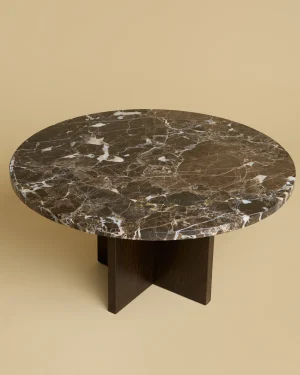
Tinian Coffee Table in Dark Emperador Marble and Oak
By Lebanto
€2.010 -
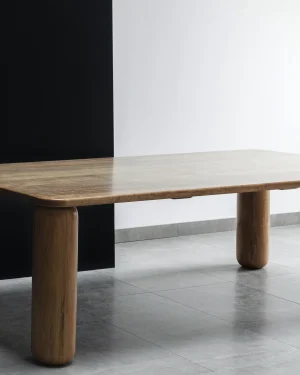
Well Grounded Dining Table in Solid Wood
By Laluz Handcraft
€5.040 -
 In stock
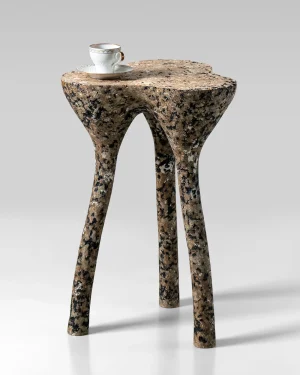
Beige Tripod Low Side Table In Paper Pulp And Cement
By Donatas Žukauskas
€1.150 -
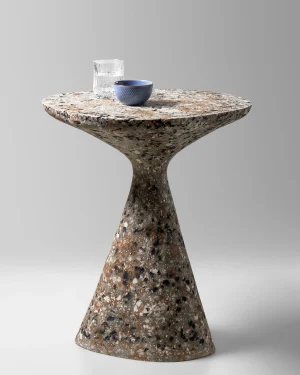
Beige Mottled Side Table In Paper Pulp And Cement
By Donatas Žukauskas
€1.100 -
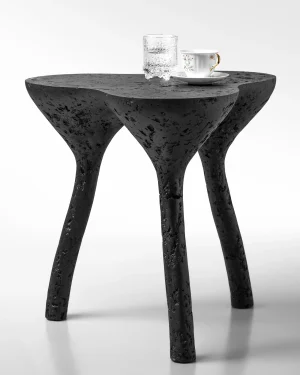
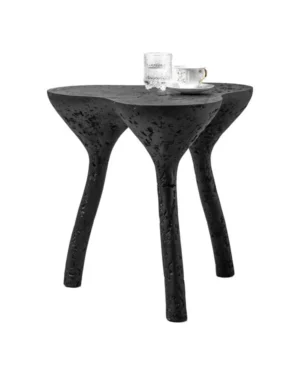
Black Tripod Coffee Table in Paper Pulp and Cement
By Donatas Žukauskas
€1.450 -
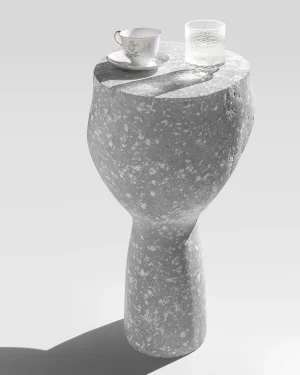
White Plinth Side Table in Paper Pulp and Cement
By Donatas Žukauskas
€1.050 -
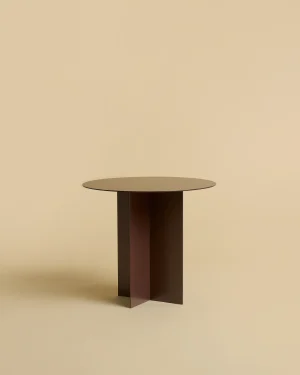
Wake Side Table in Metal
By Lebanto
€902 -

Imaginary Object – Steel Stool
By Joana Teixeira
€1.600 -
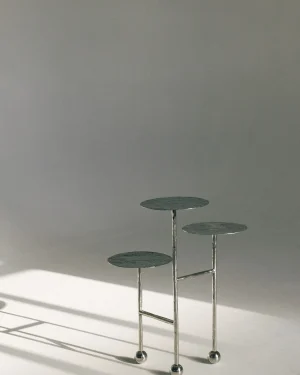
Liquid Side Table in Steel and Brass
By FURN OBJECT
€3.000 -

Klar Coffee Table in Tempered Glass
By hermhaus
€3.508 -
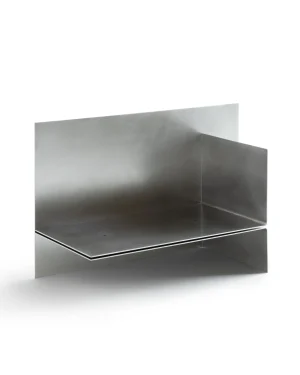
Polysemy Silver Side Table in Stainless Steel
By So Koizumi
€1.200 -
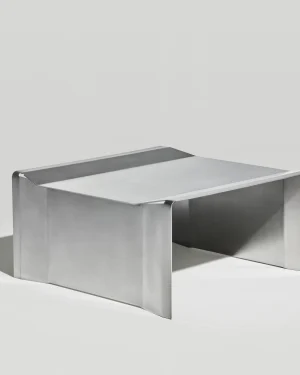
Camber Coffee Table in Stainless Steel
By Paul Coenen
€1.615 -
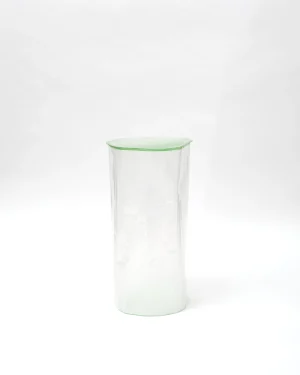
Trace Side Table in Epoxy Resin and Vellum
By Calen Knauf Studio
€340 - €380 This product has multiple variants. The options may be chosen on the product page -
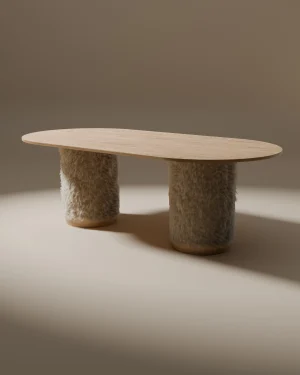
Cacu Dining Table in Oak, MDF and Fur
By Joana Teixeira
€4.250 -
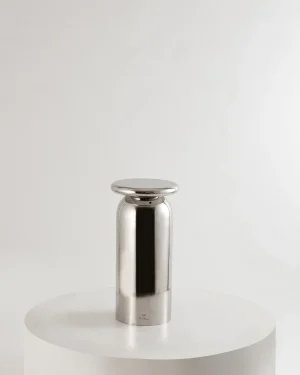 In stock
Scuba Side Table in Steel
By Nama Home
€1.840 This product has multiple variants. The options may be chosen on the product page -
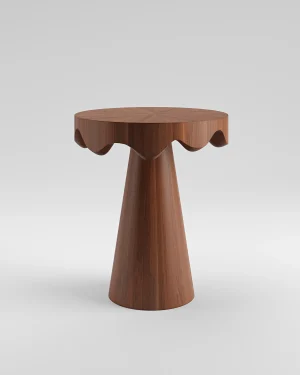
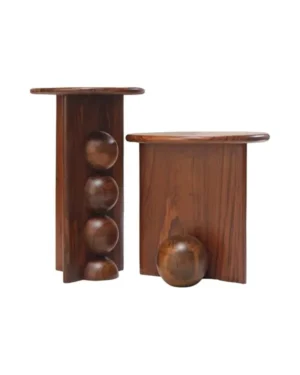
Dripotlé Side Table in Mahogany
By Studio TOOJ
€4.500 -
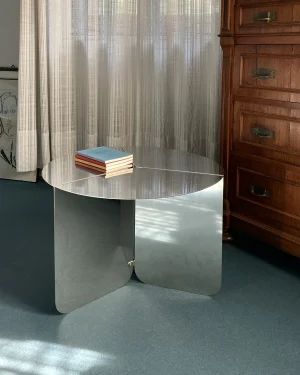 In stock
120 Coffee Table in Stainless Steel
By matteo giustozzi
€900 -
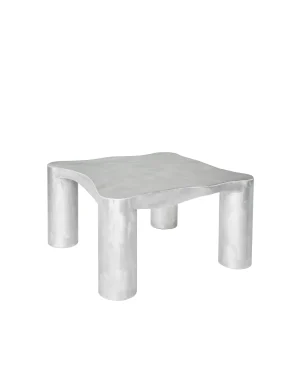
Not In Service Coffee Table in Aluminum
By Six Dots Design
€1.875 -
 In stock
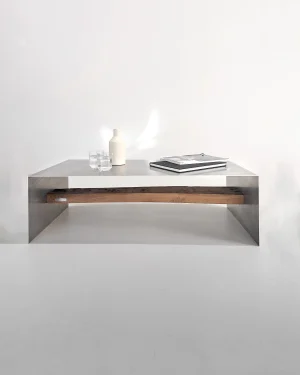
Matted Aluminum Coffee Table in Aluminum and Oak
By case studios
€660 -
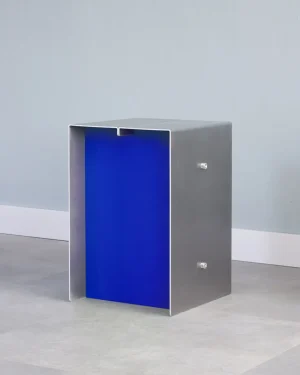
Core Aluminum Side Table / Stool
By Lisanne Meester
€399 This product has multiple variants. The options may be chosen on the product page -
 In stock
Matted Aluminum Coffee Table in Aluminum and Blackwood
By case studios
€719 -
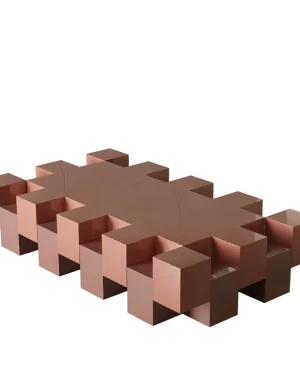
Bite Coffee Table in Lacquered MDF
By hermhaus
€5.943 This product has multiple variants. The options may be chosen on the product page -

Su Side Table in Steel and Ash Wood
By SALAK Studio
€590 -

Cherry Side Table in Steel and Wood
By SALAK Studio
€590 -
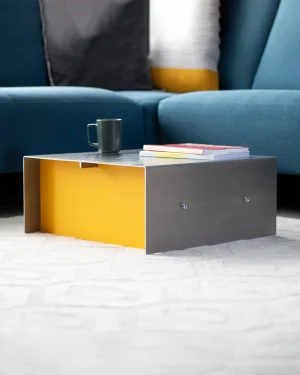
Core Coffee Table in Polished Aluminum and Stainless Steel
By Lisanne Meester
€519 This product has multiple variants. The options may be chosen on the product page -
 In stock
Knot Low Stool / Side Table In Solid Ash Wood
By Luis Gimeno Design
€800 -
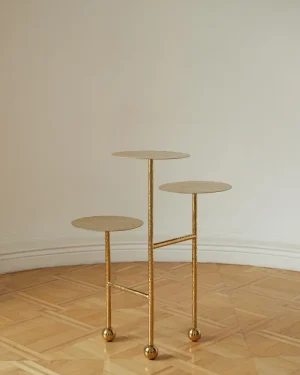 In stock
Liquid Pedestal in Tin-Coated Steel
By FURN OBJECT
€3.600 -
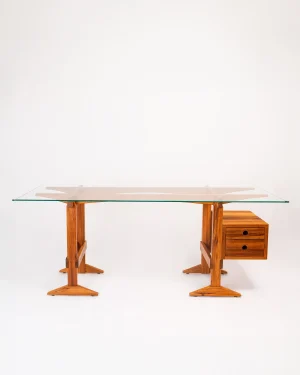
Ofício Desk in Reclaimed Wood and Glass
By Estúdio Simbiose
€3.100 -
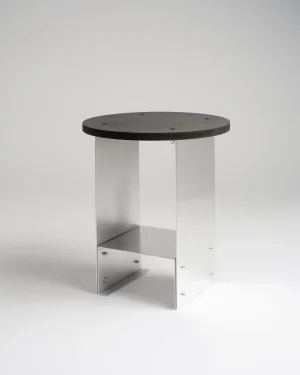
Broken Wing Stool
By Obscure Objects
€290 -
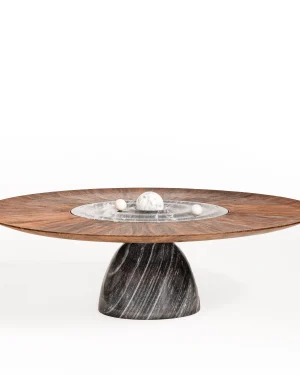
Ripple 2.0 Coffee Table in Teak Wood and Marble
By Tectona Grandis Furniture
€2.550 -
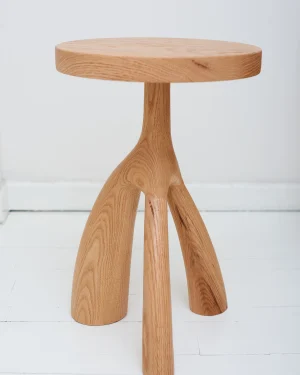
Tecolli Side Table in Natural Oak Wood
By LØRDAG & SØNDAG
€940 -
 In stock
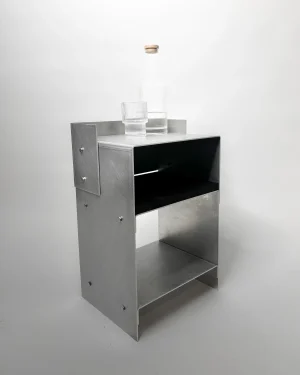
Matted Aluminium Side Table in Aluminum and Blackwood
By case studios
€530 -
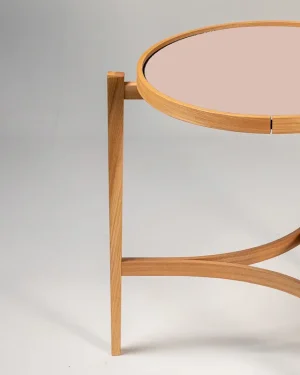
Geodetic Side Table in Oak Wood
By studiolehn
€660 -

The Bi Desk in Jequitibá and Imbuia Wood
By am.o atelier
€2.456 -
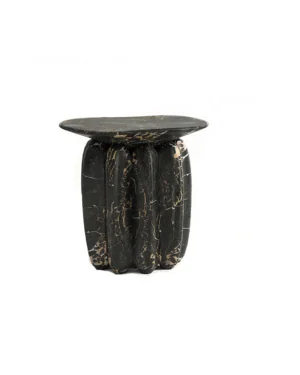
Bolero Side Table in Marble
By Alter Ego Studio
€7.260 - €8.240 This product has multiple variants. The options may be chosen on the product page -

Tronco Drinks Entryway Table in Stainless Steel
By Nitush and Aroosh
€900 -
 In stock
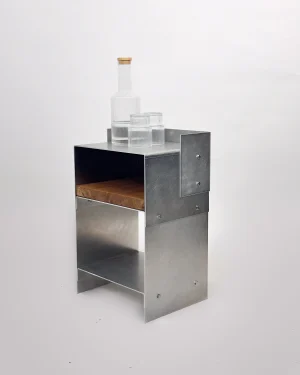
Matted Aluminium Nightstand in Aluminum and Oak
By case studios
€660 -

Knot Coffee Table in Solid Ash Wood
By Luis Gimeno Design
€1.800 -

Element Side Table in Calacatta Viola Marble
By Vincent Mazenauer
€5.500 -
 In stock
Obsidian Entryway Table in Charred Solid Oak
By NO AGE STUDIO
€4.060 -
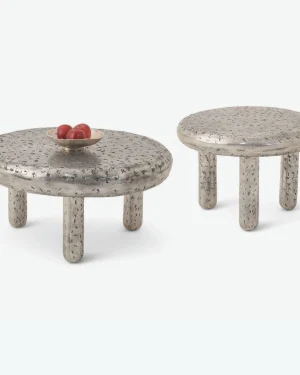
Crater Coffee Table in Cast Aluminum
By LMNOH
€2.150
Minimalist tables reduce a table to what it needs to be: a flat plane, a support structure, and as little else as the material allows. Studios working this way favor stainless steel, aluminum, oak and pine, letting a single material carry the whole piece rather than dressing it up with ornament. The making shows in straight edges, visible joints or a single uninterrupted slab, with technique doing the work that decoration would otherwise do.
What defines a minimalist table
A minimalist table is read in silhouette before it is read in detail. Legs meet tops at right angles or through a single continuous bend of metal; tops are left flat, sometimes with an eased edge, rarely with a skirt or apron to hide the structure. The restraint is structural, not just visual: fewer parts, fewer finishes, fewer transitions between them.
Color follows the same logic. Gray, off-white, black, ivory and dark gray dominate, alongside the natural range of brown found in oak and pine. These tones let a table sit against almost any wall color or flooring without competing for attention, which is part of why the style reads as calm rather than cold.
The materials and techniques behind the range
Steel and aluminum tables usually come from metalwork: cut, welded and finished sheet or tube, sometimes powder-coated to a flat matte, sometimes left with a brushed or raw surface that will develop a faint patina over years of handling. Wood pieces, most often oak or pine, come through wood and cabinetmaking, with joinery kept visible or deliberately hidden depending on the maker's approach. Some studios turn to charring, or shou sugi ban, blackening a wood surface by controlled burning, which darkens the grain and adds a degree of resistance to moisture and insects without any applied finish.
Across the range you will find:
- Open editions, produced on an ongoing basis, alongside limited editions and unique pieces from studios working in smaller runs
- Tops in stainless steel, aluminum, oak and pine, sometimes mixed within one table for legs and surface
- Finishes from matte powder coat to oiled or charred wood, chosen to resist marking rather than to shine
Choosing a minimalist table for a room
Start with height and use. Coffee tables generally sit low, around sixteen to eighteen inches, to clear a sofa cushion; dining tables run closer to standard counter height; a desk or console needs enough clearance for knees and chairs. Scale the top to the room rather than the room to the table: a narrow console reads better in a tight entryway than a wide one pushed against a wall it barely fits.
Finish matters as much as shape. A raw or brushed steel top will show fingerprints and water spots more readily than a powder-coated one, while an oiled oak surface will need re-oiling over time to keep its color even. Choosing between wooden tables and metal tables often comes down to how much warmth or coolness a room already has, since minimalist design leaves the material to set that tone on its own.
Where these tables work
Because the style avoids visual noise, minimalist tables tend to anchor rather than fill a room. A single steel or wood table can carry a living room on its own, which is why they appear often among living room tables, and the same restraint suits entryway tables, where a narrow surface needs to hold keys and mail without crowding a hallway. In a dining room or home office, the lack of ornament keeps the focus on what is placed on the table rather than the table itself.
Care by material
Oak and pine should stay out of direct, prolonged sun, which dries and discolors wood unevenly, and benefit from an occasional wipe with a dry or barely damp cloth. Charred wood is more resistant to moisture but can shed a little surface soot when new, so a light wipe before first use is worth doing. Steel and aluminum tops take a damp cloth and mild soap; avoid abrasive cleaners on powder-coated surfaces, which can dull the finish faster than ordinary use. For the wider range of forms and materials under this style, see every minimalist piece on ADORNO, or return to all tables to compare against other approaches to the form.
How do I choose a minimalist table?
Look at proportion and material before anything else. A single slab top, a steel frame, or a simple joinery line should carry the room without extra ornament.
What materials are minimalist tables usually made from?
Stainless steel, aluminum and oak or pine wood are common, often worked through metalwork or cabinetmaking. Each material ages differently: steel stays stable, wood takes on color and grain over time.
How do I care for a minimalist table?
Wipe wood with a dry or slightly damp cloth and oil it occasionally to prevent drying out. Steel and aluminum need only a soft cloth to keep surfaces free of marks.
What size and height should a minimalist table be?
Standard dining heights run around 28 to 30 inches, coffee tables lower, around 16 to 18 inches. Size should match the room's traffic and seating, not just the floor plan.
Which rooms suit a minimalist table?
Living rooms, entryways and dining spaces all take well to minimalist tables, since the plain form reads calmly in open or small spaces alike. They work equally well as a quiet anchor or a single statement piece.
Does ADORNO offer shipping, returns and authenticity guarantees?
Shipping is insured and worldwide. Returns are accepted within 14 days, except for made-to-order pieces, and every piece includes a certificate of authenticity along with a lowest-price guarantee.