













-
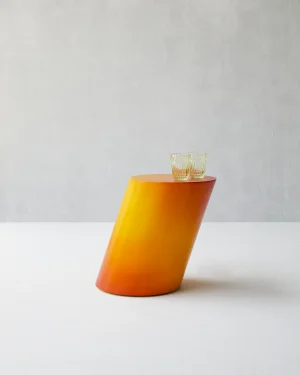
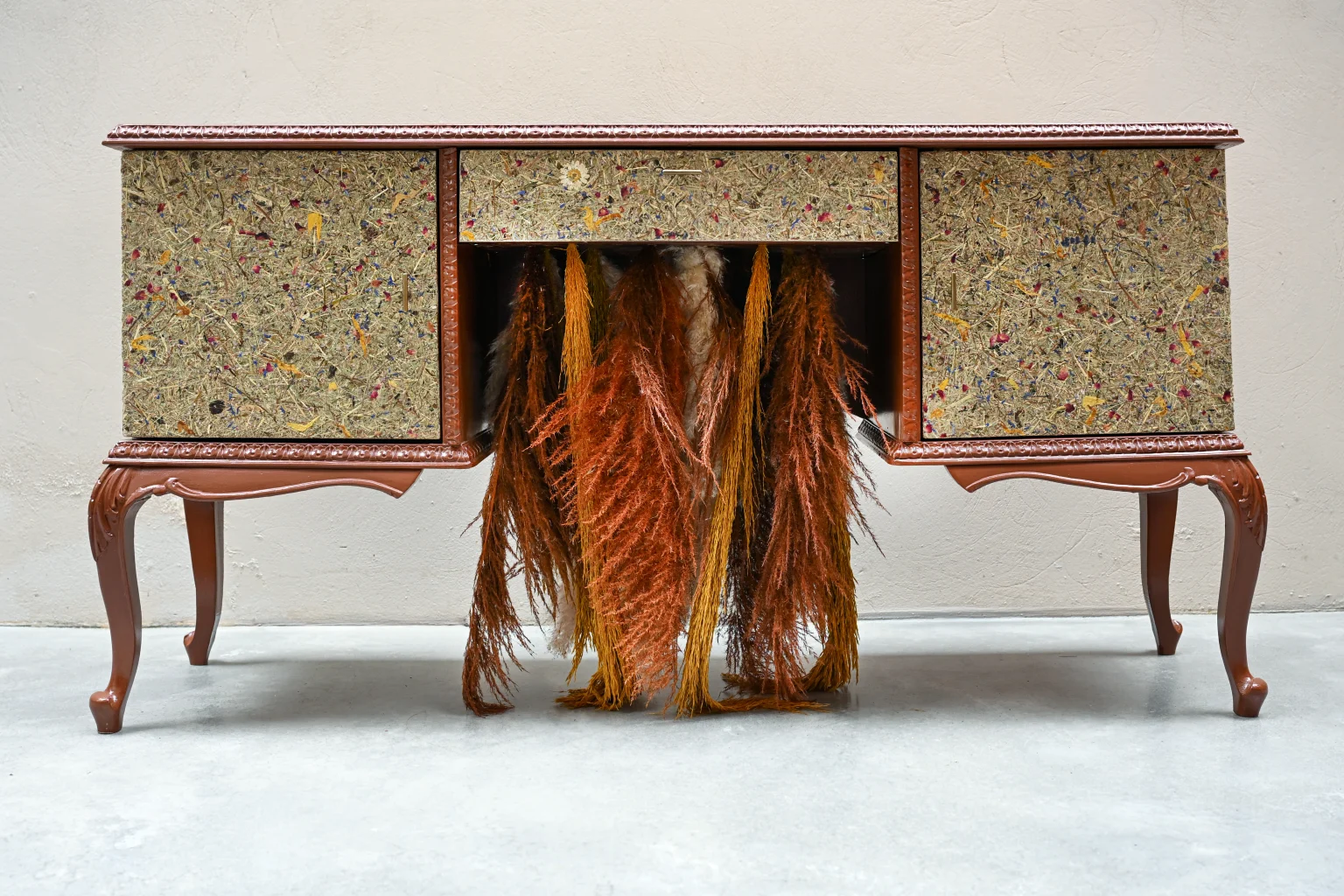
Sunrise End Table
By Objectry
€363 -
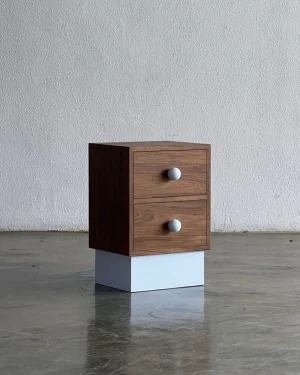
Mamun Side Table – Dusty Blue
By STUDIO KALLANG
€1.450 -
 In stock
“Ollain” Coffee Table
By Tellurico Design Studio
€5.856 -

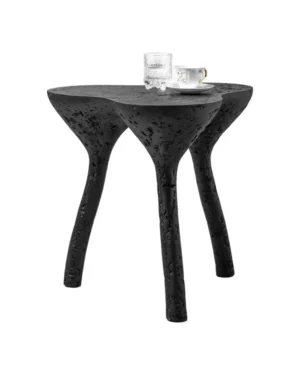
Mono Side Table in Travertine and Metal
By Yet Design Studio
€1.200 - €1.380 This product has multiple variants. The options may be chosen on the product page -
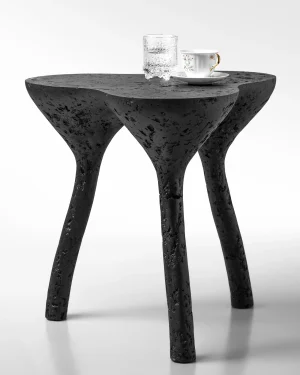
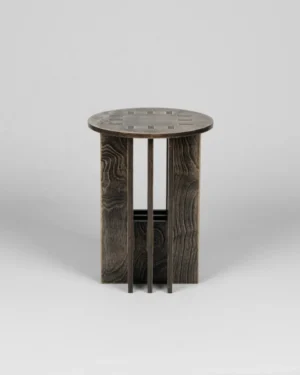
Solid Black Stone Coffee Table in Cast Stone
By Donatas Žukauskas
€1.450 -
 In stock
Plus01 Medium Side Table in Birch Wood
By 301 Design Studio
€800 This product has multiple variants. The options may be chosen on the product page -
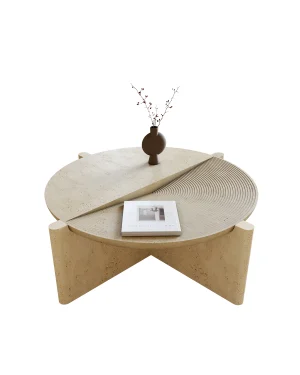
Arkhe No 1 – Round Travertine Coffee Table
By Studio Kali
€6.170 -
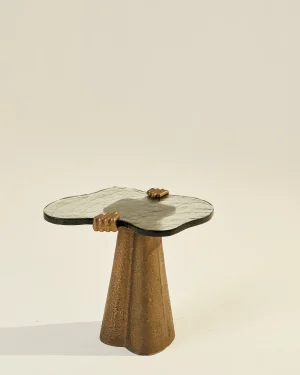
Paws Side Table in Cast Aluminum and Cast Glass
By LMNOH
€1.950 -
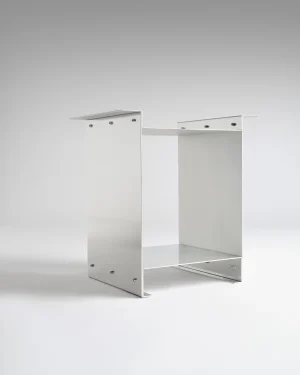
Wing Side Table in Polished Aluminum
By Obscure Objects
€340 -

Su Side Table in Steel and Ash Wood
By SALAK Studio
€590 -
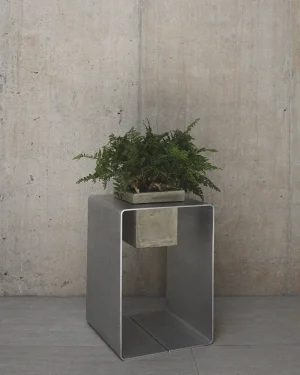
ST001-02 Side Table in Stainless Steel and Concrete
By NAVE
€990 -
 In stock
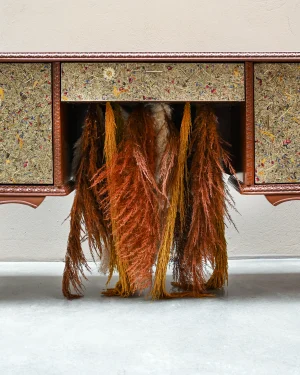
Knot Low Stool / Side Table In Solid Ash Wood
By Luis Gimeno Design
€800 -
 In stock
Earth Furniture Desk
By WOODTALES by Foteini Noti
€3.125 -

002 – Coffee Table
By OFAA
€1.500 -
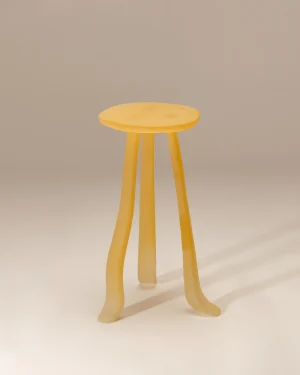
Lung 1.0 Honey Matte Side Table in Resin
By Szymon Keller
€2.200 - €2.400 This product has multiple variants. The options may be chosen on the product page -
 In stock
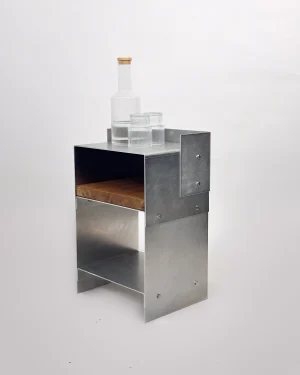
Matted Aluminium – Natural Oak Wood Night Table
By case studios
€660 -

A_forma Nightstand
By AROUND
€400 -

Broken Wing Stool
By Obscure Objects
€290 -
 In stock
Knot – Stool / Side Table – Solid Ash Wood
By Luis Gimeno Design
€800 -
 In stock
Knot – Stool / Side Table – Solid Ash Wood
By Luis Gimeno Design
€890 -

Monolit Alpi Side Table in Oak Veneer and MDF
By Arbore x Cezar Moldovan
€2.188 -
 In stock
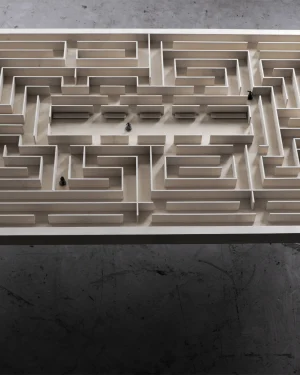
Labyrinth Table
By Benjamin Nordsmark
€9.000 -
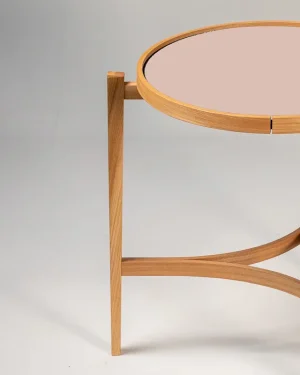
Geodetic Side Table in Oak Wood
By studiolehn
€660 -
 In stock
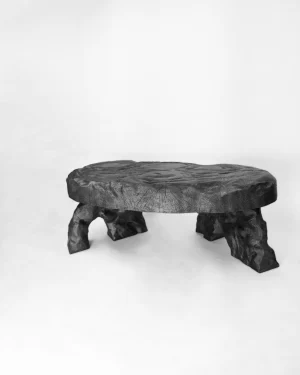
The Black Sheep Coffee Table
By Masha Volkova
€1.950 -
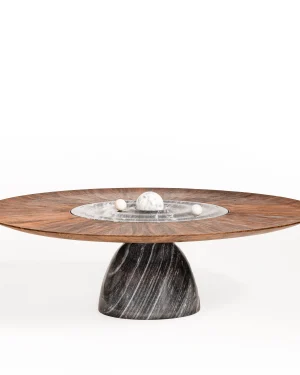
Ripple 2.0 Coffee Table
By Tectona Grandis Furniture
€2.550 -

S001-10.2 Aluminum Stool
By NAVE
€500 -
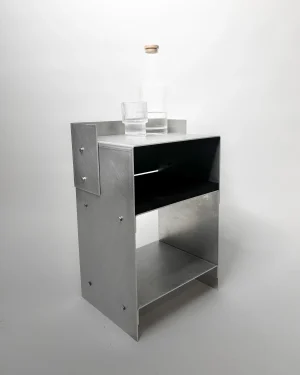 In stock
Matted Aluminium Side Table in Aluminum and Blackwood
By case studios
€530 -
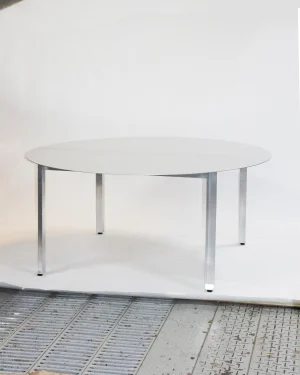
Canto – Aluminum Round Table / Desk
By Luiz Solano
€1.180 - €1.680 This product has multiple variants. The options may be chosen on the product page -
 In stock
Flora Side Table in Carbon Steel
By studiomakuko.com
€600 -
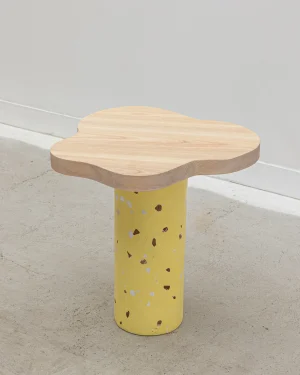 In stock
Esposcada 01 Side Table in Terrazzo and Ash Wood
By Pierre Klein
€1.600 -
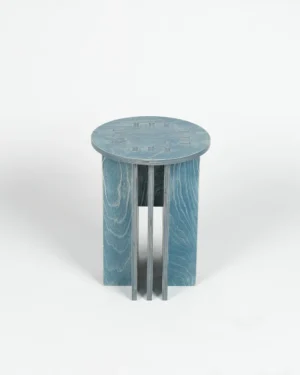 In stock
Plus01 Small Side Table in Birch Wood
By 301 Design Studio
€700 This product has multiple variants. The options may be chosen on the product page -

Bloc Console Table
By Rollo Studio
€8.800 -

Arcus Side Table in Teak Wood
By Studio Indigene
€950 -
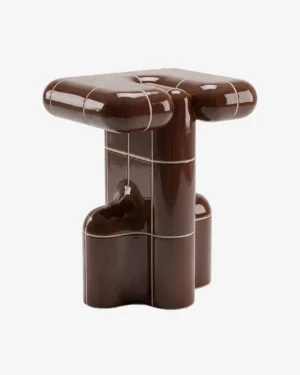
U-001 Cacao Side Table in 3D-Printed PLA
By Rollo Studio
€1.620 -

“somnia” Low Table | Aluminum
By Giselle Vanessa Johnson
€4.200 -
 In stock
Yakisugi Burnt Wood Coffeetable
By case studios
€2.190 -
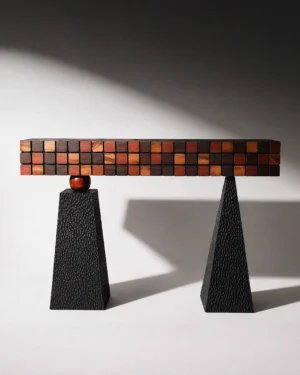
Caapora Console
By Estudio Leonardo Zanatta
€7.150 -
 In stock
Pebble Coffee Table
By Nitush and Aroosh
€5.250 -
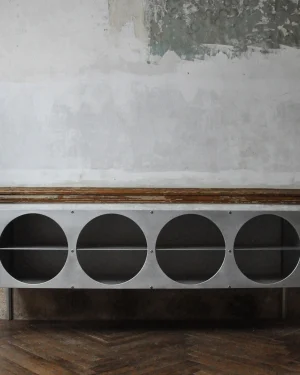
D400 Console – Matte Aluminium
By MLK Furniture
€4.700 -
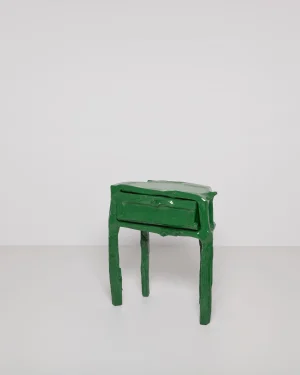 In stock
Splitted Round Cabinet Green
By Teun Zwets
€3.915 -

Binario I – Coffee Table
By SABAN FURKAN
€3.800 -

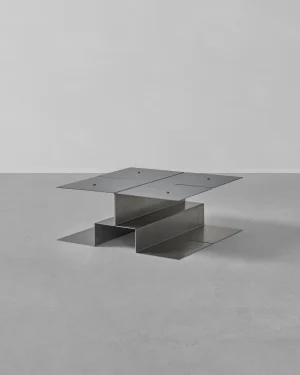
012 Side Table in Aluminum
By OFAA
€1.350 -
 In stock
Folded Stainless Steel Table
By 304.cage
€4.000 -
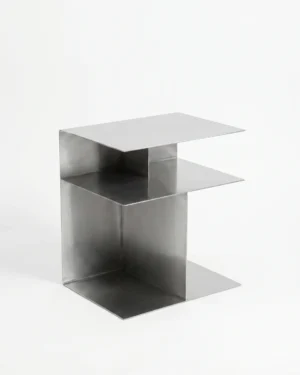
009 Side Table in Stainless Steel
By OFAA
€1.500 -

Foldtable Side Table in Aluminum
By FlatFlat
€172 -
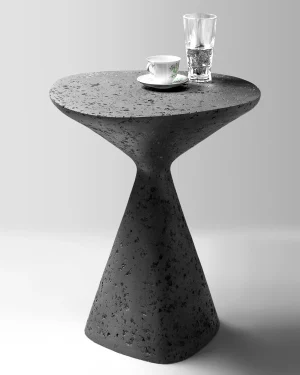
Black Mottled Side Table in Paper Pulp and Cement
By Donatas Žukauskas
€1.100 -

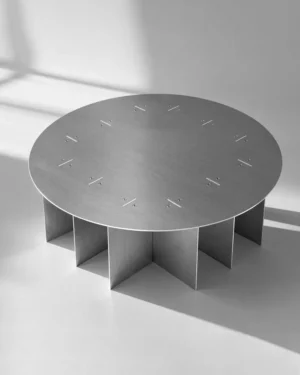
Aperta Console
By Mokko
€3.170 - €4.760 This product has multiple variants. The options may be chosen on the product page -
 In stock
Plus Coffee Table
By 301 Design Studio
€1.400 -
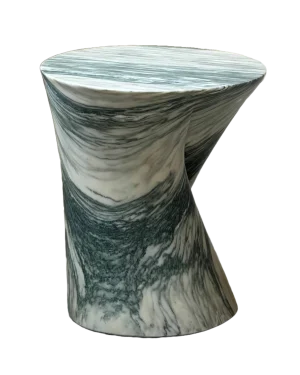 In stock
Departed Side Table in Cipollino Marble
By Studio TOOJ
€12.200 -
 In stock
Moro Coffee Table
By Nitush and Aroosh
€3.000 -

Dunes Side Table in Polished Aluminum and Carved Wood
By Malvin Gaborit
€8.829 -
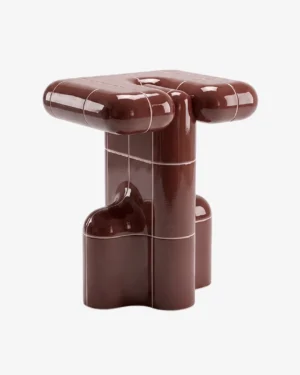
U-001 Garnet Side Table in 3D-Printed PLA
By Rollo Studio
€1.620 -
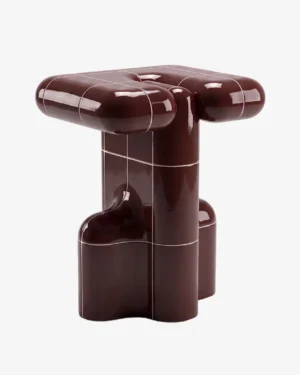
U-001 Oxide Side Table in 3D-Printed PLA
By Rollo Studio
€1.620 -
 In stock
Lasso Coffee Table
By Nitush and Aroosh
€4.250
Contemporary tables gather pieces built from stainless steel, oak wood, cast resin, and aluminum, shaped by studios working across metalwork, wood and cabinetmaking, resin casting, and veneering. What sets them apart is not a single look but a shared instinct for clean geometry, honest joints, and surfaces that read as deliberate rather than decorated. Some stand as one-off experiments in a workshop, others as open editions built to a steady, repeatable standard.
What defines a contemporary table
A contemporary table tends to favor plane and edge over ornament. Legs are often set back from the top rather than at the corners, tops are cut thick enough to read as solid without feeling heavy, and joints are left visible or deliberately hidden depending on the maker's hand. The result sits apart from minimalist tables, which strip further still, and from the softer curves of mid-century forms.
Material choice drives much of the character. Stainless steel and aluminum hold a cool, reflective surface that resists marking and wipes clean with a damp cloth. Oak wood brings warmth and grain, deepening in tone as it ages with light and handling. Cast resin and glass introduce translucence or color where metal and wood cannot, letting a table read as sculptural object as much as surface for use.
Materials, finishes, and editions found here
The range runs from raw and brushed metal to matte lacquers, from clear or tinted glass to resin cast in solid color or left transparent. Finishes shift the mood of an otherwise plain form: a matte black steel frame reads industrial, the same frame in brushed aluminum reads lighter and more technical. Editions vary by studio and process. Pieces built by hand in resin casting or stone carving tend toward limited runs or one-of-a-kind outcomes, since each cast or cut carries small variation. Pieces turned out through repeatable metalwork or veneering more often sit in open editions, made to a fixed template.
- Stainless steel and aluminum frames, bare or lacquered
- Oak wood and other solid woods, oiled or left raw
- Cast resin and glass tops, clear, tinted, or opaque
- MDF cores finished in veneer or matte lacquer
How to choose a table for the room
Start with height and clearance before finish. A coffee table generally sits low enough to clear a sofa cushion, a dining table at standard counter height, a console or entryway piece taller and narrower against a wall. Scale matters as much as material: a heavy stone or cast-resin top can anchor a small room but overwhelm a narrow hallway, while a glass or steel-framed table reads lighter and suits a tighter footprint.
Finish should answer how the piece will be touched. Raw steel and oiled wood pick up fingerprints and marks over time, which some owners prefer as a record of use; lacquered and powder-coated surfaces stay more even but show scratches more plainly. Placement near a window exposes wood and resin to UV, which will shift their color over years.
Where contemporary tables sit in a home
These pieces move easily between living rooms, entryways, and home offices. A low table in steel or resin works as a center point for seating, a narrow wood or metal console suits an entryway table role by a door, and a glass or veneered top can double as a desk without feeling out of place in a sitting room. For a wider look at how these forms sit among seating and lighting, the living room tables grouping shows the same materials used at a larger scale.
Caring for metal, wood, and resin surfaces
Steel and aluminum ask for a dry or lightly damp cloth and nothing abrasive, which would dull a brushed finish. Oak and other woods benefit from occasional oiling and should stay clear of standing water, which marks and swells grain. Resin and glass resist stains but scratch more readily than metal, so coasters and trivets protect a cast or poured top over time. Those drawn to a single material throughout can look across the wooden tables and metal tables groupings, while the full range of tables and every contemporary piece on ADORNO sit alongside these for comparison.
How do I choose a contemporary table?
Start with the room and how the surface will be used, then let material follow: stone or glass for a cool, formal feel, oak or walnut for warmth, steel or aluminum for a sharper, industrial edge.
What materials are contemporary tables usually made from?
Stainless steel, aluminum and other metals, oak and other woods, glass, resin and MDF are the most common, often combined, such as a wood top on a metal base.
How do I care for a wood, metal, glass or resin table top?
Wipe wood with a damp cloth and oil it occasionally, keep metal dry to avoid water marks, use glass cleaner on glass, and avoid abrasive pads on resin, which scratches more easily.
What size and height should a contemporary table be?
Dining tables typically stand around 28 to 30 inches high, coffee tables lower at 16 to 18 inches, and desks around 29 to 30 inches; a maker can confirm exact dimensions on the piece's page.
Which rooms suit a contemporary table?
Living rooms, dining rooms, entryways and home offices all take well to contemporary tables, since the style spans coffee tables, dining tables, console tables and desks alike.
What happens when I buy a contemporary table through ADORNO?
Shipping is insured and worldwide, a certificate of authenticity is included, and a 14-day return policy applies, excluding made-to-order pieces; ADORNO also offers a lowest-price guarantee.