













-
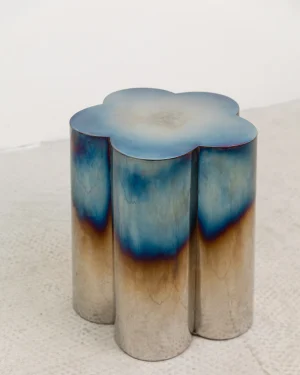
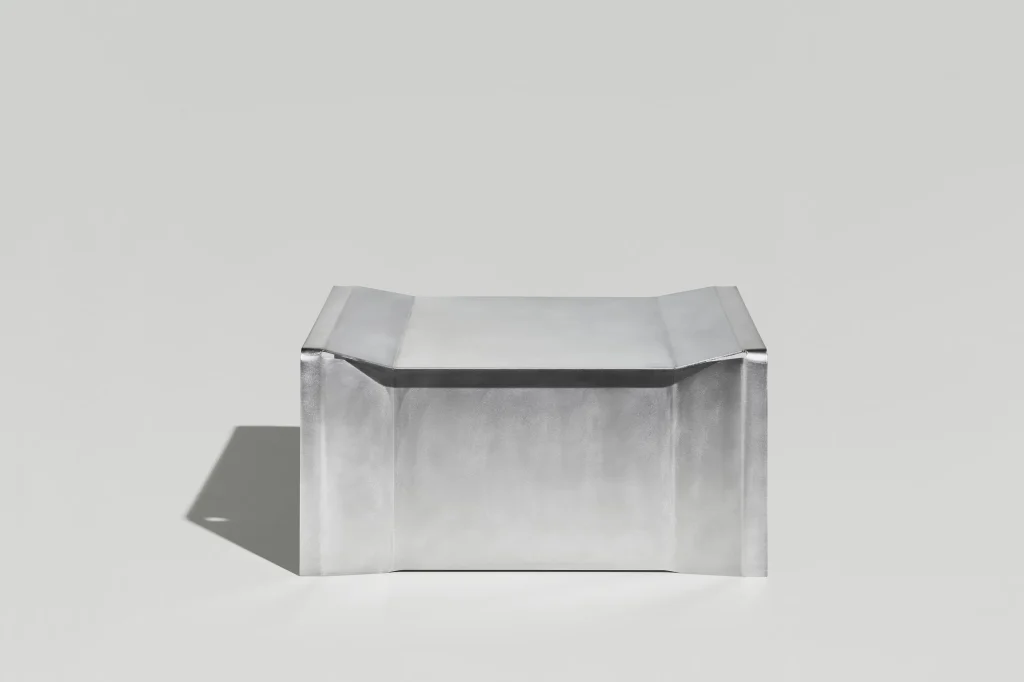
Barvinok Side Table in Heat-Treated Stainless Steel
By FURN OBJECT
€2.700 -

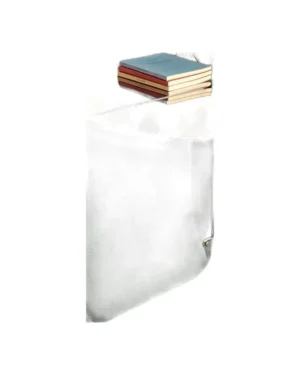
Imaginary Object – Steel Stool
By Joana Teixeira
€1.600 -
 In stock
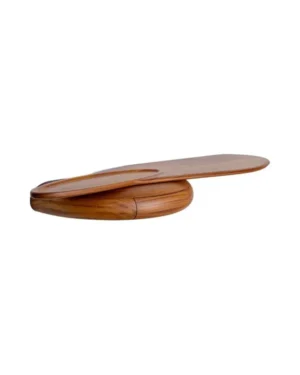
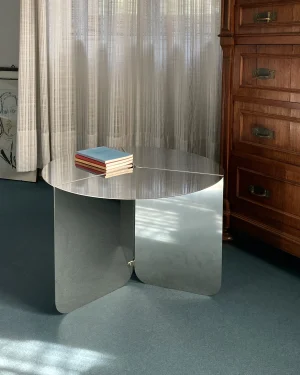
“120” Coffee Table – Stainless Steel Edition
By matteo giustozzi
€900 -

Mono Side Table in Travertine and Metal
By Yet Design Studio
€1.200 - €1.380 This product has multiple variants. The options may be chosen on the product page -
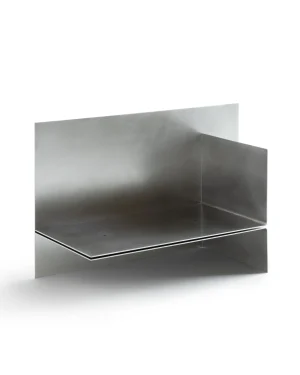
Polysemy Silver Side Table in Stainless Steel
By So Koizumi
€1.200 -
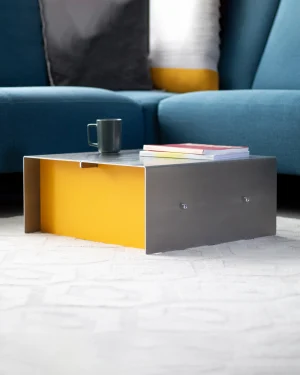
Core Aluminium Coffee Table
By Lisanne Meester
€519 This product has multiple variants. The options may be chosen on the product page -
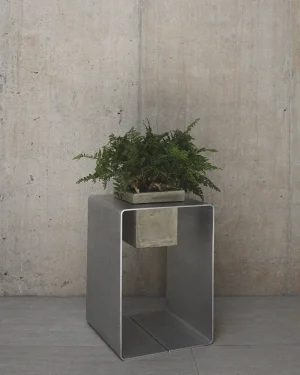
ST001-02 Side Table in Stainless Steel and Concrete
By NAVE
€990 -

002 – Coffee Table
By OFAA
€1.500 -
 In stock
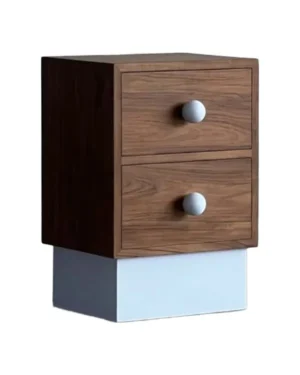
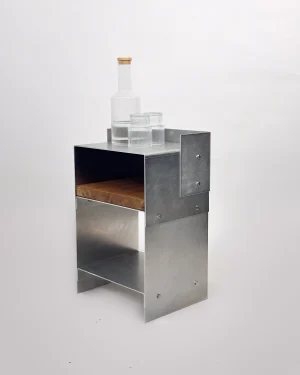
Matted Aluminium – Natural Oak Wood Night Table
By case studios
€660 -
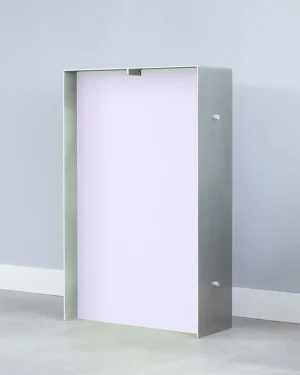
Core – Aluminium Console
By Lisanne Meester
€575 This product has multiple variants. The options may be chosen on the product page -

S001-10.2 Aluminum Stool
By NAVE
€500 -
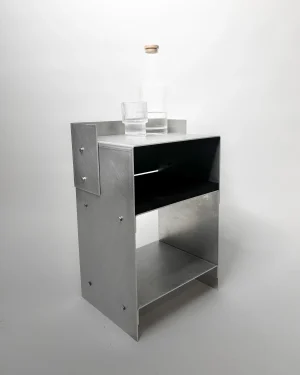 In stock
Matted Aluminium Side Table in Aluminum and Blackwood
By case studios
€530 -

Meadows Side Table in Mahogany and Stainless Steel
By BOTHI
€1.820 - €2.315 This product has multiple variants. The options may be chosen on the product page -

Finepianta 04 Side Table in Stainless Steel and Walnut
By FINEPIANTA
€2.877 -

“somnia” Low Table | Aluminum
By Giselle Vanessa Johnson
€4.200 -
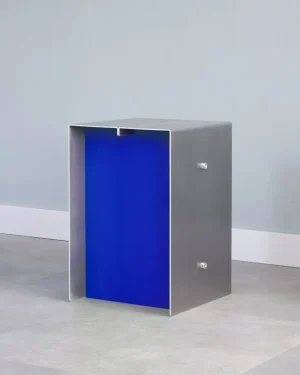
Core Aluminum Side Table / Stool
By Lisanne Meester
€399 This product has multiple variants. The options may be chosen on the product page -
 In stock
Pebble Coffee Table
By Nitush and Aroosh
€5.250 -

Binario I – Coffee Table
By SABAN FURKAN
€3.800 -
 In stock
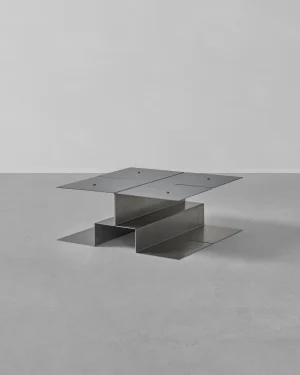
Folded Stainless Steel Table
By 304.cage
€4.000 -
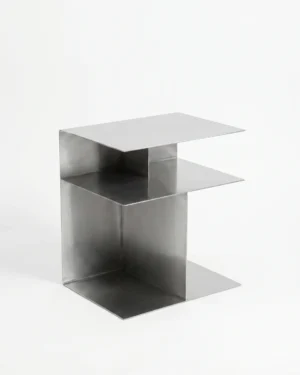
009 Side Table in Stainless Steel
By OFAA
€1.500 -

Nostalgia Side Table in Stainless Steel
By CARRARA
€950 -
 In stock
Moro Coffee Table
By Nitush and Aroosh
€3.000 -
 In stock
Lasso Coffee Table
By Nitush and Aroosh
€4.250 -
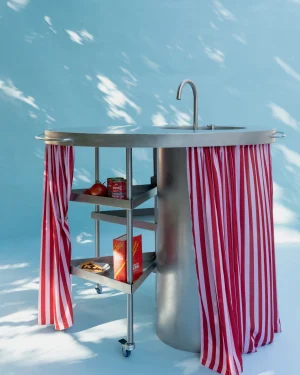 In stock
Ballerina – La Cucina Sink
By M’ama edizioni
€6.500 This product has multiple variants. The options may be chosen on the product page -

Coraza Side Table in Volcanic Stone and Stainless Steel
By Studio Mohs
€2.250 -
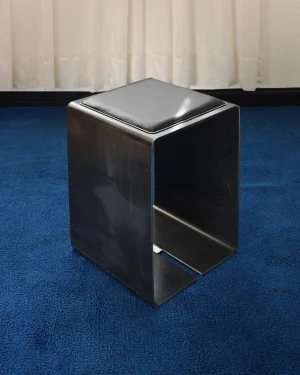
S001-10 Raw Steel Stool
By NAVE
€450 -
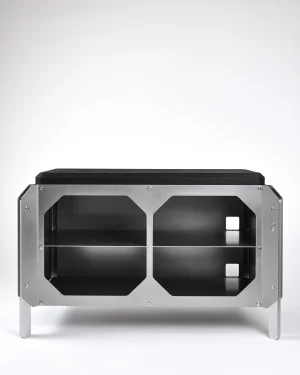
Jnk330 Console – Matte Stainless Steel / Ebonized Oak Wood
By MLK Furniture
€2.500 -

Agar Table 02
By STUDIO KALLANG
€2.900 -
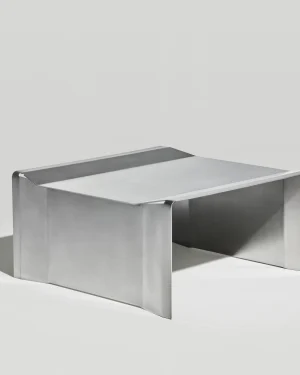
Camber – Coffee Table
By Paul Coenen
€1.615 -
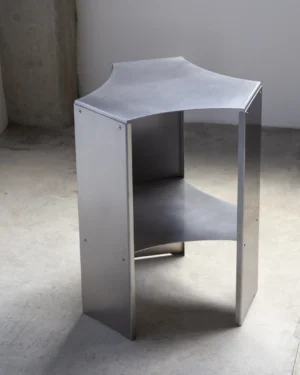
Vortice 50 Side Table in Stainless Steel
By T44 design studio
€730 -

Orta Sculptural Console
By Nitush and Aroosh
€3.390 -

Doros Side Table in Carbon Steel and Stainless Steel
By Toro Manifesto
€2.450 -
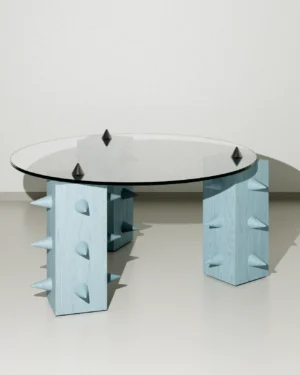
Cena — Sky-blue Wood, Steel And Glass Coffee Table
By DONÓ Design
€3.700 -
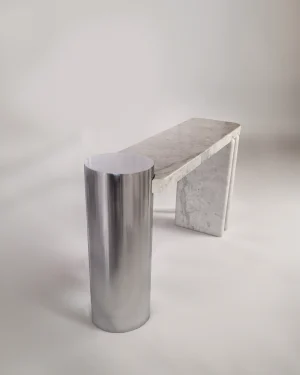
Orion – Marble & Stainless Steel Console Table
By Drusch Design
€6.900 -
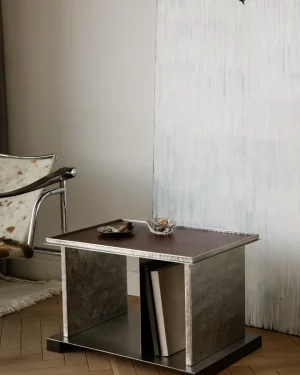
Yuma – Coffee Table
By HYZ
€5.700 -

Low Gathering Console Table
By Hanna Fastrich
€5.020 -
 In stock
Grand Canyon – Steel Coffee Table
By Nitush and Aroosh
€4.150 -
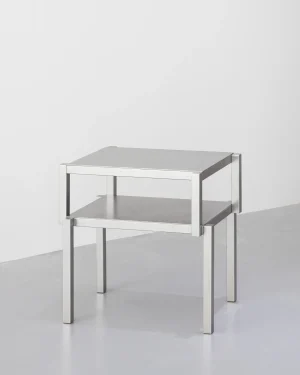
Stackable Stool 1 Side Table in Stainless Steel
By PRACTICE
€644 -

In Between Side Table in Stainless Steel and Lace
By please touch studio
€1.560 -
 In stock
Dendria Side Table in Biopolymer and Walnut Root Veneer
By diploria studio
€4.050 -
 In stock
Snow Angel Coffee Table
By Kari Kadak
€7.500 -
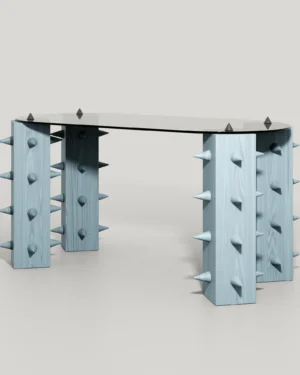
Cena – Sky-blue Wood And Aluminum Desk
By DONÓ Design
€7.000 - €7.180 This product has multiple variants. The options may be chosen on the product page -

Moort – Coffee Table
By SALAK Studio
€1.990 -
 In stock
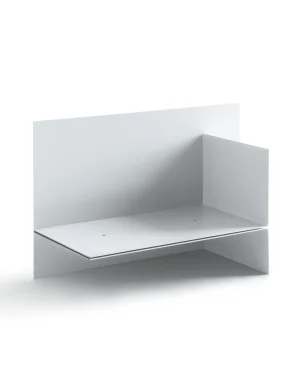
Polysemy Light Gray Side Table in Steel
By So Koizumi
€1.100 -
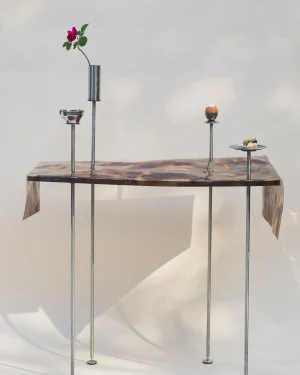
Domenica – Steel Breakfast Console
By M’ama edizioni
€2.500 -

Agar Table 01
By STUDIO KALLANG
€2.730 -
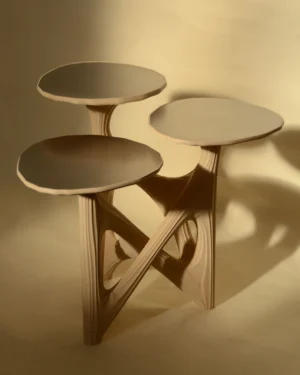
Dendria Side Table in Biopolymer and Stainless Steel
By diploria studio
€3.250 -
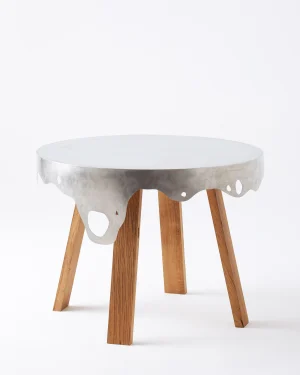
Dough Supra Table – Oak wood / Stainless Steel
By Around the Studio
€2.700 -
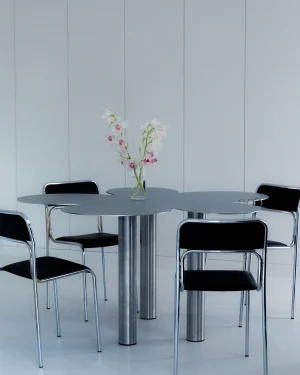 In stock
Pierced Cosmic Flower Dining Table
By LAÔMA ATELIER
€2.906 -
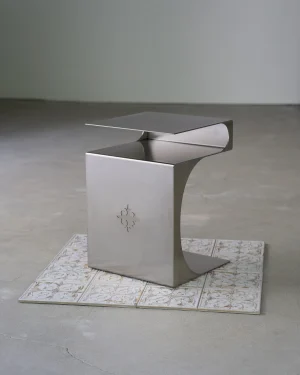 In stock
Undress House – Stainless Steel Side Table
By Undress House
€1.600 -
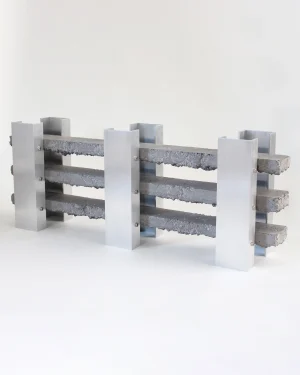
Junction Low Table & Shelves
By Lisanne Meester
€1.399 -
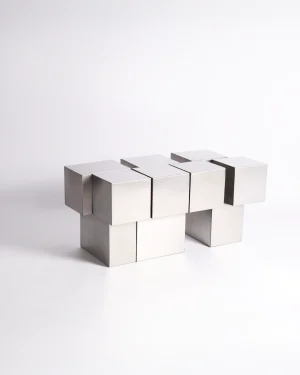
Nexus 67 – Stainless Steel Bench
By Drusch Design
€5.000 -
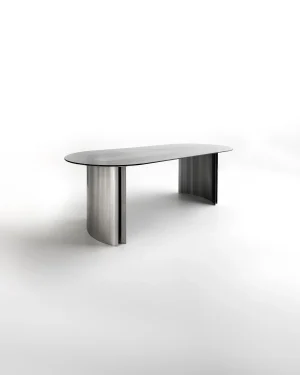
Smoked Glas Table With Rounded Stainless Steel Frame
By case studios
€9.800 - €13.400 This product has multiple variants. The options may be chosen on the product page -
 In stock
Monolit Side Table in Brushed Stainless Steel
By Arbore x Cezar Moldovan
€2.470
Stainless steel tables take their character from a metal that resists rust, holds a hard edge, and throws back light rather than absorbing it. Studios build them through welding, metalwork and digital fabrication, pairing a raw or polished steel base with a top in the same metal, in wood, stone or glass. The finish, whether brushed, matte or mirrored, does as much to set the mood as the shape of the table itself.
What Defines Stainless Steel in This Material
Stainless steel is steel alloyed with chromium, which forms a thin oxide layer on the surface and keeps the metal from corroding the way plain steel does. That layer makes it suited to kitchens, bathrooms and any room where moisture or daily wiping is a given. The metal is heavier than aluminum, cold to the touch, and holds its shape under load, which is why it turns up as table legs, frames and full monolithic forms alike.
It does not weather into a patina the way raw steel or bronze will. A brushed surface stays matte with light use; a mirrored one will show fingerprints and fine scratches over time, though these can usually be buffed out. Color on these pieces tends to stay close to the metal itself, running from silver and matte gray through to black and dark gray coatings baked onto the steel.
Finishes, Styles and Editions Found Here
Within stainless steel tables, the range leans toward minimalist and neo-industrial forms, alongside contemporary, brutalist and occasional art deco or futuristic shapes that treat the metal as sculpture as much as support. Some studios weld a single sheet into a continuous form; others bolt or cast separate legs and tops, leaving the joinery visible as part of the design. You will find open editions produced in ongoing runs, limited editions made in fixed numbers, and unique pieces built one at a time.
- Finishes: brushed, matte, polished or mirrored stainless steel, sometimes combined with black or dark gray coatings
- Construction: welded monocoque forms, bolted frames, cast or laser-cut components
- Companion materials: wood, stone, glass or tinted resin tops set into steel bases
Choosing the Right Scale and Height
Standard dining tables sit around 28 to 30 inches high, coffee tables closer to 16 to 18 inches, and desks in between, so match the piece to its job before its look. A heavy monolithic steel base reads differently in a small room than a slender welded frame, so measure the floor space and the sightlines around it, not just the tabletop. Because stainless steel reflects light, a polished surface will bounce window light around a room, while a matte or black finish absorbs it and sits more quietly against other furniture.
For anyone narrowing by shape or footprint first, it can help to look across minimalist tables or metal tables more broadly before settling on the finish.
Where These Tables Belong
Stainless steel tables carry weight visually as well as physically, which makes them suited to rooms that can take a hard-edged anchor: open kitchens, dining areas, studios and offices where surfaces need to withstand spills, heat and daily use. In a living room, a steel coffee or side table can offset softer upholstery and wood without competing with either. For a softer domestic read, pieces built for seating areas are gathered under living room tables.
Caring for Stainless Steel
Clean with mild soap, warm water and a soft cloth, wiping in the direction of the brushed grain where one is visible. Avoid steel wool, bleach and other abrasive or chlorine-based cleaners, which can pit the surface and compromise the protective oxide layer. A small amount of mineral oil or a dedicated steel polish, applied sparingly, will restore shine to a dull or fingerprint-marked top.
For the full range of tables regardless of material, see all tables, or go wider across all furniture. Every steel piece on ADORNO, tables included, is gathered under stainless steel.
How do I choose a stainless steel table?
Match the finish to the room: brushed surfaces hide fingerprints and scratches, polished surfaces show every mark but catch light. Consider how the base is formed, welded or bent, since that shapes how the table carries weight and sits in a space.
How do I clean and care for a stainless steel table?
Wipe with a soft cloth and mild soap, then dry to avoid water spots. Avoid abrasive pads or chloride-based cleaners, which can dull the finish or cause pitting over time.
Does stainless steel rust or stain?
Stainless steel resists rust far better than plain steel, thanks to its chromium content, but it can still mark from salt, bleach, or prolonged moisture. Regular cleaning keeps the surface stable.
What size and height should a stainless steel table be?
Dining tables typically stand around 28 to 30 inches high, coffee tables lower, and desks slightly taller for seated work. Check each piece's listed dimensions, as stainless steel's weight means sizing matters for both fit and support.
Which rooms suit a stainless steel table?
Stainless steel tables anchor dining rooms, kitchens, and home offices, where its resistance to heat, moisture, and daily wear earns its place. The cool, reflective surface also reads well in living rooms with industrial or contemporary furnishings.
What are ADORNO's shipping, returns, and authenticity policies?
Shipping is insured and worldwide. Returns are accepted within 14 days, excluding made-to-order pieces. Each table arrives with a certificate of authenticity, backed by a lowest-price guarantee.