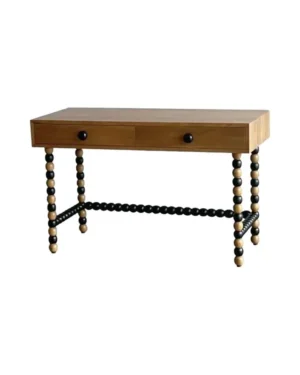
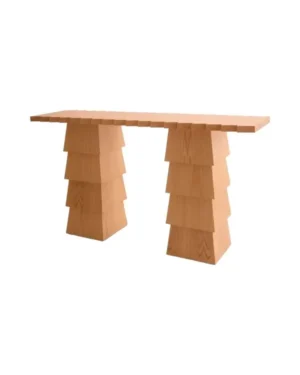
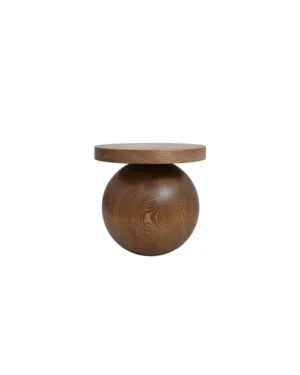
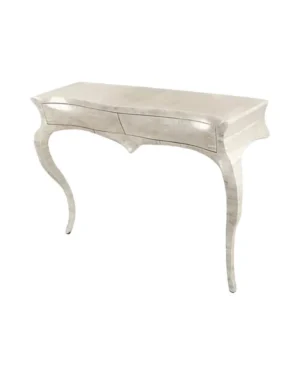
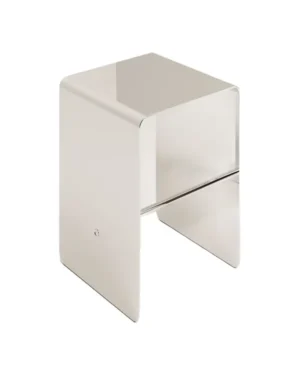
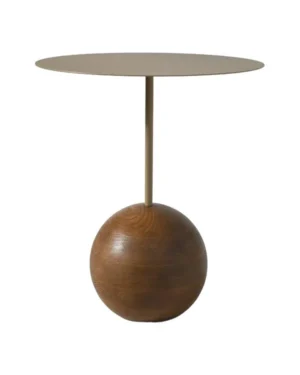
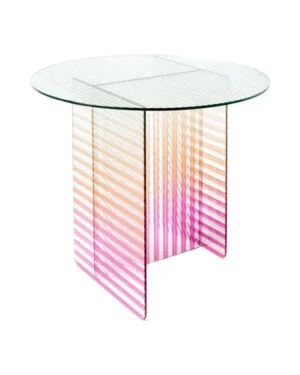
-
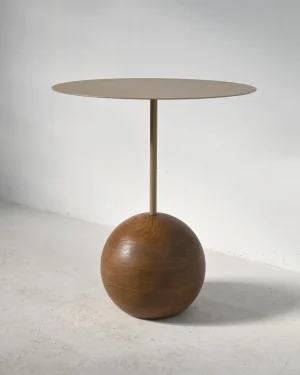
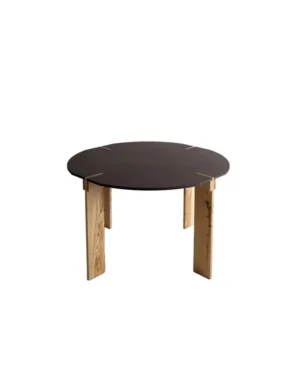
An Su Side Table in Steel and Ash Wood
By SALAK Studio
€690 -
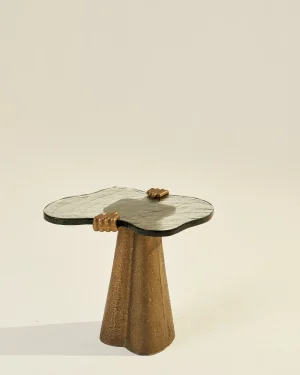
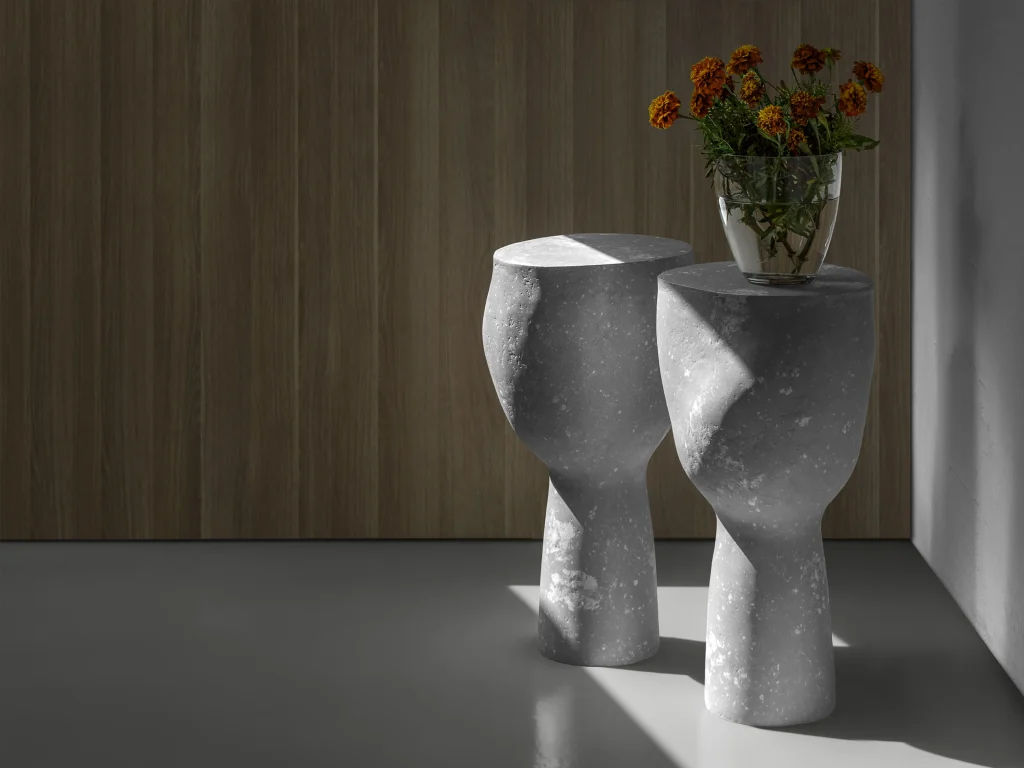
Paws Side Table in Cast Aluminum and Cast Glass
By LMNOH
€1.950 -

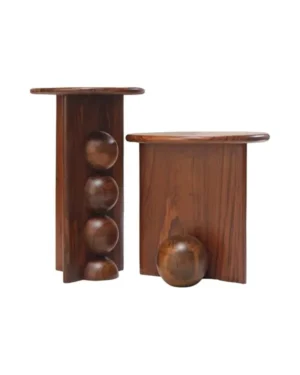
Nemo and Dory Side Table in Reclaimed Teak Wood
By Studio Indigene
€1.600 -
 In stock
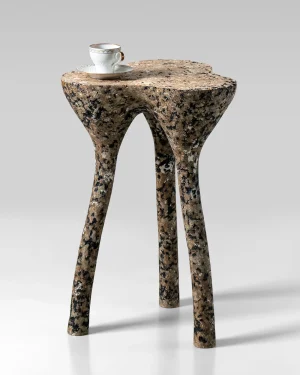
Beige Tripod Low Side Table In Paper Pulp And Cement
By Donatas Žukauskas
€1.150 -
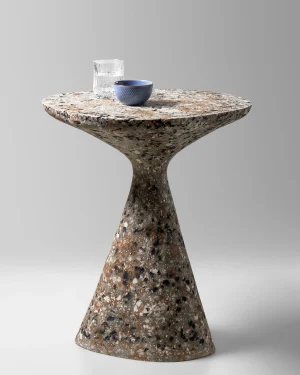
Beige Mottled Side Table In Paper Pulp And Cement
By Donatas Žukauskas
€1.100 -
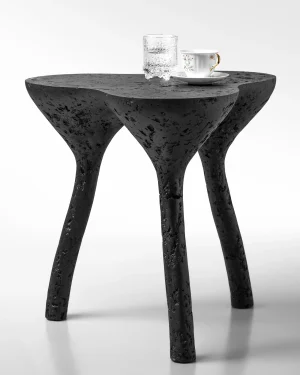
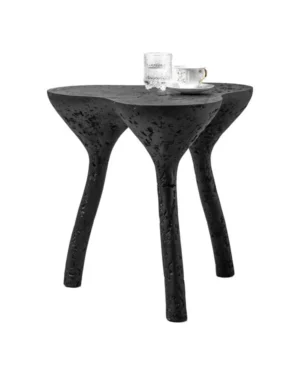
Black Tripod Coffee Table in Paper Pulp and Cement
By Donatas Žukauskas
€1.450 -
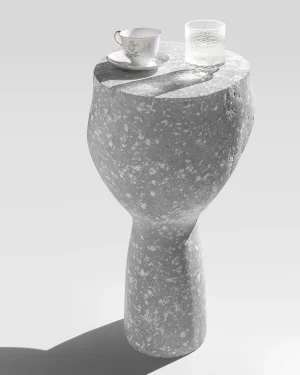
White Plinth Side Table in Paper Pulp and Cement
By Donatas Žukauskas
€1.050 -
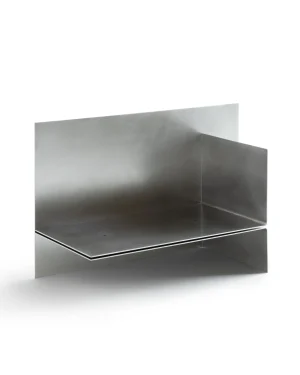
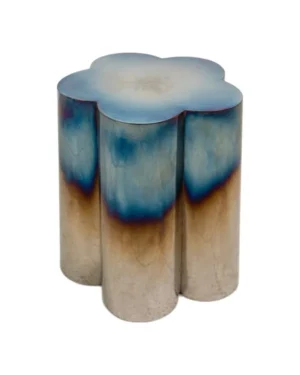
Polysemy Silver Side Table in Stainless Steel
By So Koizumi
€1.200 -
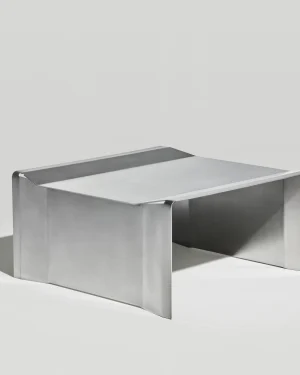
Camber Coffee Table in Stainless Steel
By Paul Coenen
€1.615 -
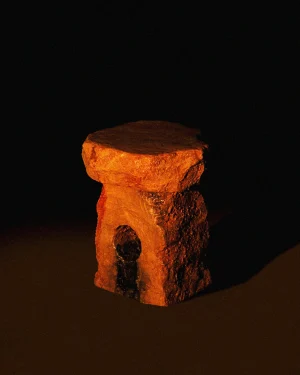 In stock
La Cauna – Escabèl 01 Stool
By Pierre Klein
€900 -
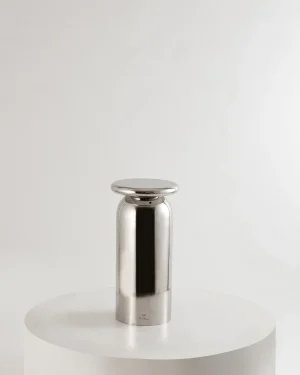 In stock
Scuba Side Table in Steel
By Nama Home
€1.840 This product has multiple variants. The options may be chosen on the product page -
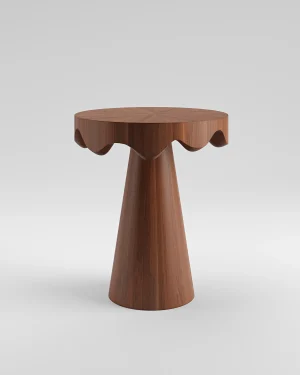
Dripotlé Side Table in Mahogany
By Studio TOOJ
€4.500 -
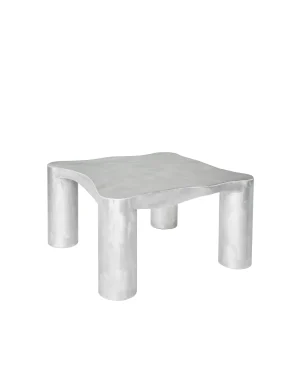
Not In Service Coffee Table in Aluminum
By Six Dots Design
€1.875 -
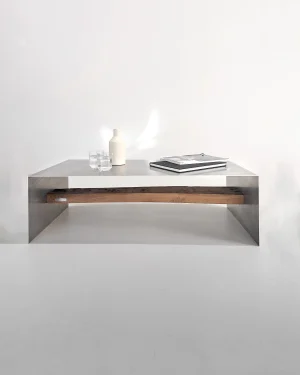 In stock
Matted Aluminum Coffee Table in Aluminum and Oak
By case studios
€660 -
 In stock
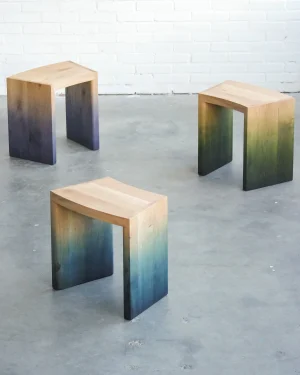
Dawn – Stool
By Studio Onno Adriaanse
€732 This product has multiple variants. The options may be chosen on the product page -
 In stock
Matted Aluminum Coffee Table in Aluminum and Blackwood
By case studios
€719 -
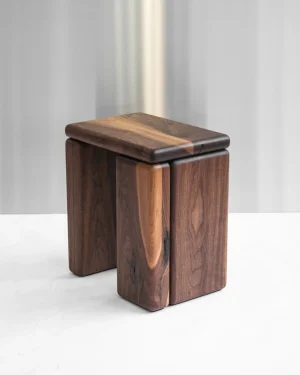
Timber – Walnut Stool
By Studio Onno Adriaanse
€992 -
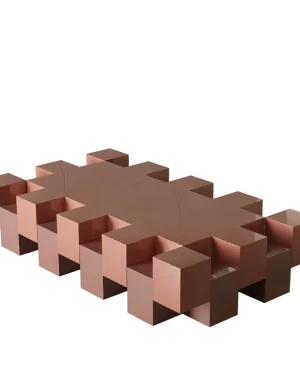
Bite Coffee Table in Lacquered MDF
By hermhaus
€5.943 This product has multiple variants. The options may be chosen on the product page -

Su Side Table in Steel and Ash Wood
By SALAK Studio
€590 -
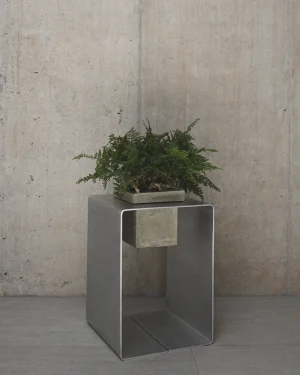
ST001-02 Side Table in Stainless Steel and Concrete
By NAVE
€990 -

Cherry Side Table in Steel and Wood
By SALAK Studio
€590 -

Donut Side Table in Blown Glass and Tempered Glass
By Deya
€1.633 -
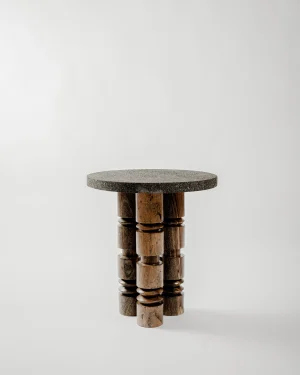
Fos Hill Side Table in Volcanic Stone and Jabin Wood
By Daniel Orozco Estudio
€1.379 -
 In stock
Knot Low Stool / Side Table In Solid Ash Wood
By Luis Gimeno Design
€800 -
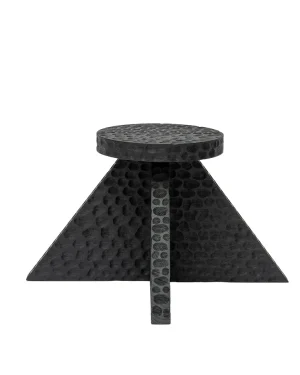
Object112 Side Table in Carved Oak Wood
By NG DESIGN
€588 -

The Mingo Side Table in White Oak
By CHANDLER MCLELLAN
€2.170 -
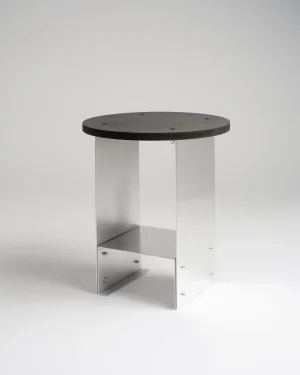
Broken Wing Stool
By Obscure Objects
€290 -
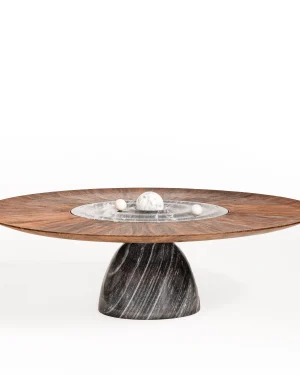
Ripple 2.0 Coffee Table in Teak Wood and Marble
By Tectona Grandis Furniture
€2.550 -
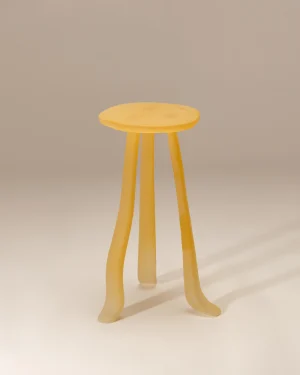
Lung 1.0 Honey Matte Side Table in Resin
By Szymon Keller
€2.200 - €2.400 This product has multiple variants. The options may be chosen on the product page -
15% off
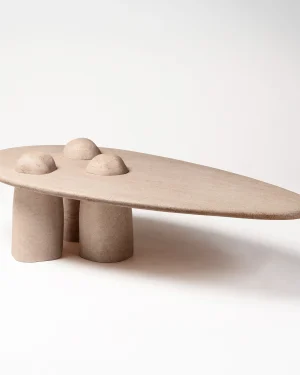
Rocky Montage Coffee Table In Sandstone
By Odditi
€4.950€4.208 -
 In stock
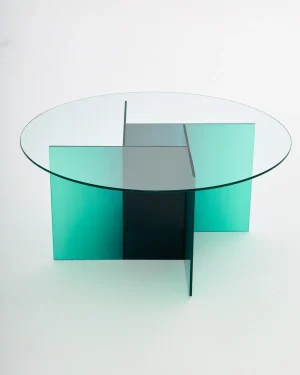
Cosmos Green Gradient Coffee Table in Tempered Glass
By Studio Monsoleil
€2.100 -
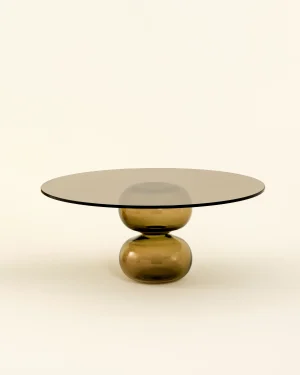
Donut Coffee Table in Blown Glass and Tempered Glass
By Deya
€2.248 -
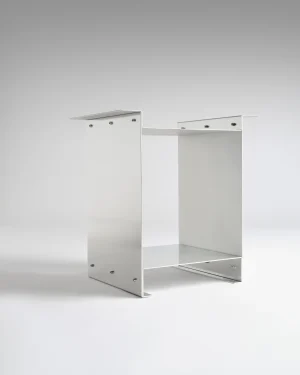
Wing Side Table in Polished Aluminum
By Obscure Objects
€340 -
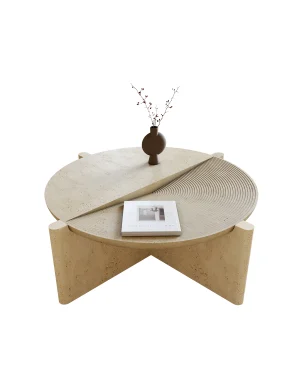
Arkhe No. 1 Round Coffee Table in Travertine
By Studio Kali
€6.170 -

Plug-in Console Table in Cast Aluminum and Teak
By Spero Furniture
€3.144 -
 In stock
Flora Side Table in Carbon Steel
By studiomakuko.com
€600 -
 In stock
Bruna Low Stool
By Heaps & Woods
€1.344 -
 In stock
Otto Coffee Table in Layered Birch Wood
By SOLMISTUDIO
€1.500 - €2.500 This product has multiple variants. The options may be chosen on the product page -
 In stock
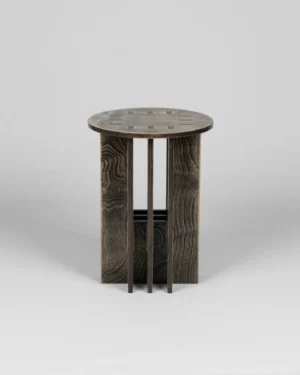
Plus01 Medium Side Table in Birch Wood
By 301 Design Studio
€800 This product has multiple variants. The options may be chosen on the product page -
 In stock
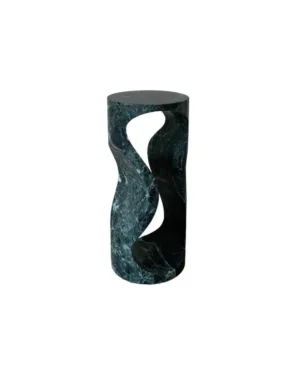
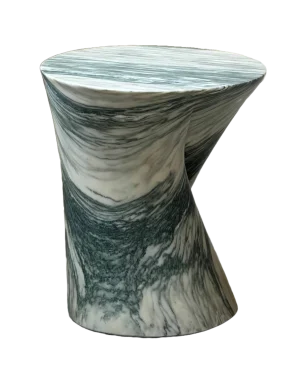
Departed Side Table in Cipollino Marble
By Studio TOOJ
€12.200 -
 In stock
Parota Backgammon Coffee Table in Parota Wood and Concrete
By NO AGE STUDIO
€4.000 -
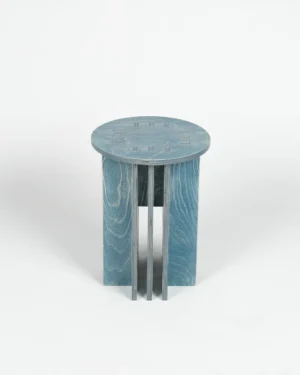 In stock
Plus01 Small Side Table in Birch Wood
By 301 Design Studio
€700 This product has multiple variants. The options may be chosen on the product page -
 In stock
Pebble Coffee Table in Stainless Steel
By Nitush and Aroosh
€5.250 -

Foldtable Side Table in Aluminum
By FlatFlat
€172 -
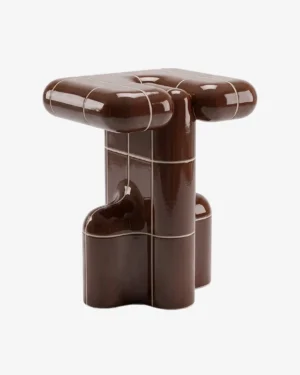
U-001 Cacao Side Table in 3D-Printed PLA
By Rollo Studio
€1.620 -

Dunes Side Table in Polished Aluminum and Carved Wood
By Malvin Gaborit
€8.829 -
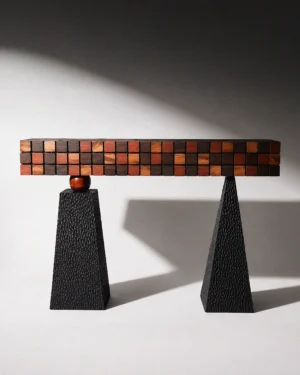
Caapora Entryway Table in Solid Brazilian Hardwood
By Estudio Leonardo Zanatta
€7.150 -
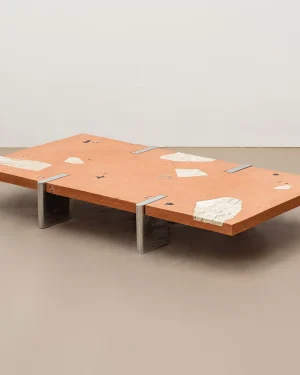
Nu Coffee Table in Terrazzo and Cast Aluminum
By Assimply Studio
€3.430 -
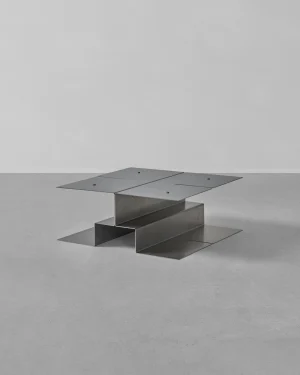 In stock
Salon Coffee Table in Stainless Steel
By 304.cage
€4.000 -
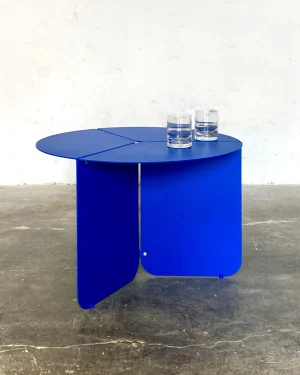 In stock
120 Blue Coffee Table in Steel and Iron
By matteo giustozzi
€720 -

Bow Console Table in Teak and Aluminum
By Spero Furniture
€2.743 -
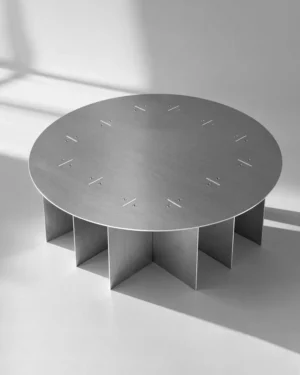 In stock
Plus Coffee Table in Aluminum
By 301 Design Studio
€1.400 -
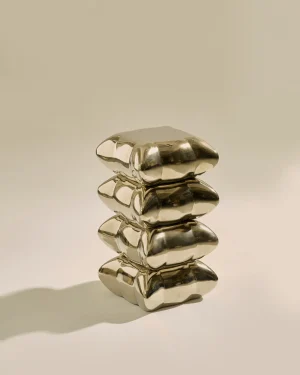
Pillow Side Table in Nickel-Plated Cast Aluminum
By LMNOH
€1.250 -
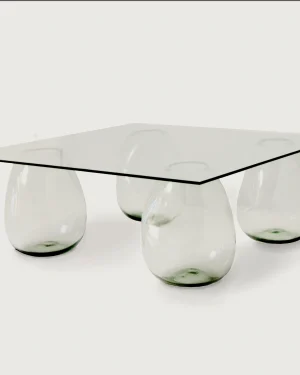
Bubble Coffee Table in Blown Glass
By Panorammma Atelier
€6.400
Living room tables gather the daily business of a room onto one surface, a place to set down a cup, a stack of books, a bowl of fruit. The pieces found here come from studios working in wood, glass, aluminum and steel, each material shaped by a different hand: cabinetmaking and wood carving for solid timber, resin casting and glass casting for poured and transparent forms, metalwork and metal casting for frames that carry weight without bulk. What they share is a steadiness of proportion, built to sit low and stay put while a room moves around them.
What defines a living room table
A living room table answers to the sofa and chairs around it, not to itself. Oak and cherry wood bring warmth and visible grain, aging to a deeper color with light and handling. Steel and aluminum read cooler and more exact, often left with a brushed or painted finish that resists the small scuffs of daily use. Glass and cast resin let a base show through or introduce color and translucency, from clear and sky blue to off-white and multicolor, without adding visual weight to a small room.
Materials, finishes and the range on ADORNO
The range runs from open editions, made in ongoing runs, to limited editions and unique pieces produced in small numbers or as one-offs, where casting and hand finishing make each table slightly its own. Styles span modern, contemporary and minimalist tables built on clean lines, through mid-century modern proportions, to brutalist and neo-industrial pieces that leave weld lines and raw material visible, and futuristic forms worked in resin or glass. Finishes vary as widely as the materials: matte and brushed metal, clear or tinted cast glass, oiled or waxed wood, each asking for its own kind of care.
How to choose a living room table
Scale and height matter more than style once a table sits among seating. A coffee table generally sits lower than the sofa seat, within easy reach from either side, while a side table should land close to armrest height so a drink or a lamp stays within reach without stretching.
- Measure the clearance around existing seating before choosing a footprint, allowing room to walk and to open doors or drawers nearby.
- Pick a finish that reads with the rest of the room: warm wood tones for a room already built around timber, cooler metal or glass where surfaces are otherwise pale or neutral.
- In a small room, a glass or resin top with a slim aluminum or steel base keeps the floor visible and the space feeling open.
- In a larger room, a solid wood or cast metal table can anchor a seating group and give it a visual center.
Pairing matters too: a table chosen alongside living room seating tends to sit better in the room than one chosen alone, since the two share sightlines and proportions.
Placement and care
Wood tables benefit from a stable room temperature and an occasional wipe with a dry or barely damp cloth; standing water and direct heat will mark most finishes over time. Glass and cast resin surfaces show fingerprints and dust more readily and clean easily with a soft cloth, but are better kept off direct, hard-edged contact. Metal bases in steel or aluminum hold up to daily use with little upkeep beyond dusting, though unsealed or raw finishes may change color slightly with handling, which is part of how neo-industrial and brutalist pieces age rather than a flaw in them.
For the full range of surfaces and bases, the tables category covers every room a table might serve, while everything gathered for this one appears under living room pieces. Those drawn to timber specifically can look through wooden tables, and anyone after a cooler, harder-edged surface will find more among metal tables.
How do I choose a living room table?
Start with how the room is used, a low coffee table for lounging, a taller side table for lamps and drinks. Match the material and scale to existing furniture so the piece anchors rather than competes.
What materials are living room tables made from?
Wood, glass, aluminum, steel and resin are common, often worked through cabinetmaking, metalwork or casting. Each ages differently: wood deepens in tone, metal can show patina, glass stays clear but marks easily.
How do I care for a wood, glass or metal table?
Wipe wood with a dry or slightly damp cloth and keep it from direct heat, glass with a streak-free cleaner, and metal with a soft cloth to avoid scratching any coating or patina.
What size and height should a living room table be?
Coffee tables typically stand 16 to 18 inches high, roughly the height of seat cushions, while side tables sit closer to armrest height. Leave about 14 to 18 inches of space between the table and seating.
Can a living room table work in other rooms too?
Yes, the same low or side tables suit entryways, studies or bedrooms, anywhere a surface for objects or lighting is needed without crowding the space.
How does buying a table through ADORNO work?
Shipping is insured and worldwide, with a 14-day return policy excluding made-to-order pieces. Each table arrives with a certificate of authenticity, and ADORNO offers a lowest-price guarantee.