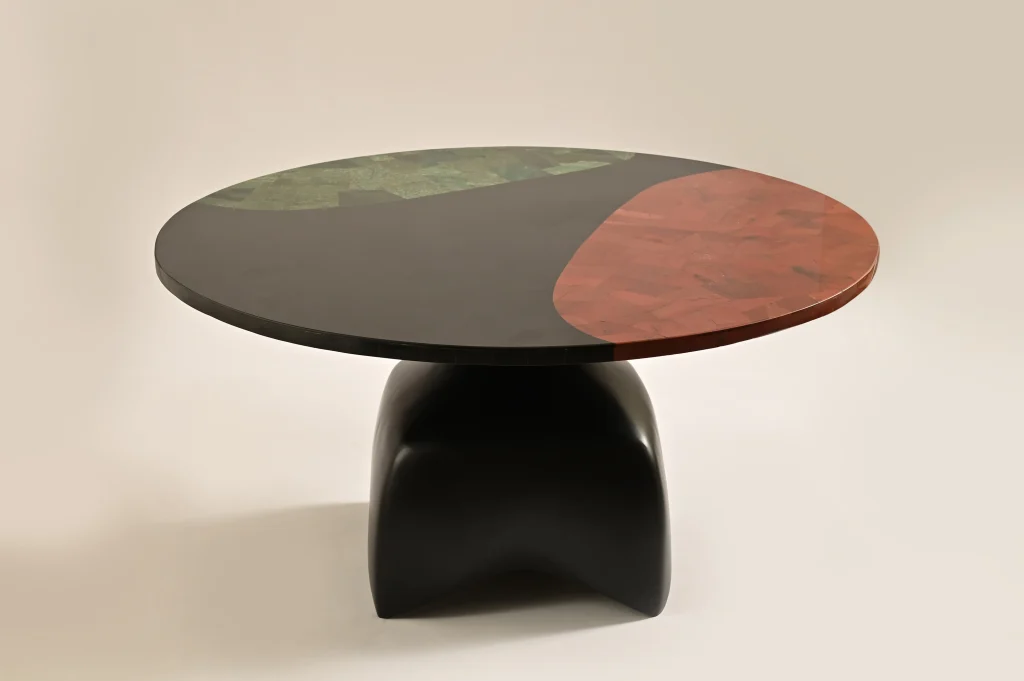













-
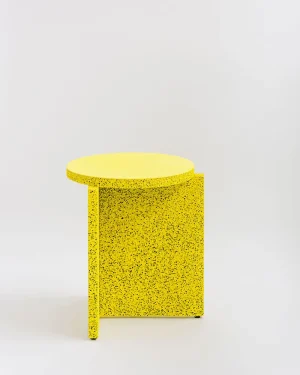
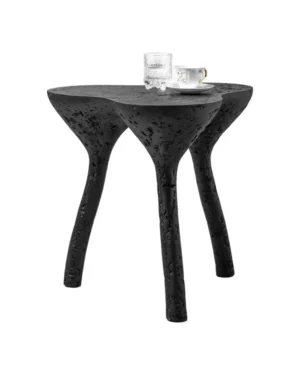
Sponge Side Table in Foamed Aluminum
By Calen Knauf Studio
€898 This product has multiple variants. The options may be chosen on the product page -
 In stock
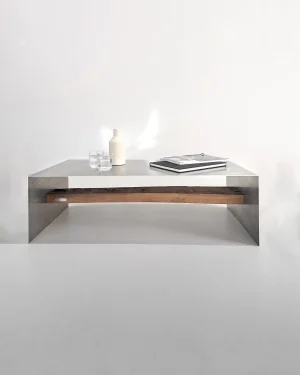
Matted Aluminum Coffee Table
By case studios
€660 -
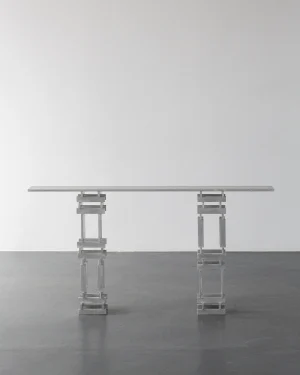
Rainy Sundays Console
By Thomas Gayet
€3.120 -
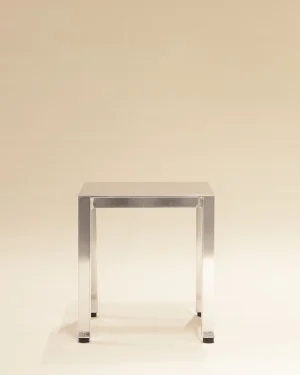
Canto Side Table in Aluminum
By Luiz Solano
€650 -
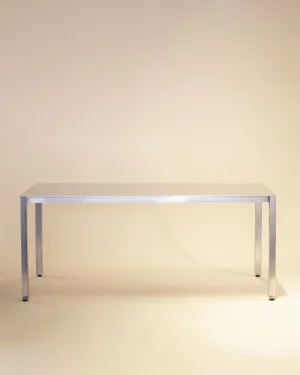
Canto – Aluminum Table / Desk
By Luiz Solano
€1.180 - €2.000 This product has multiple variants. The options may be chosen on the product page -
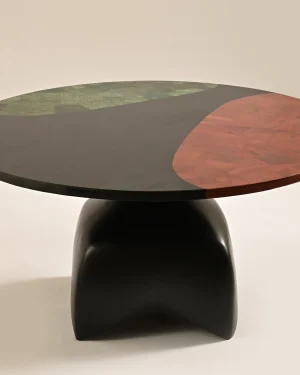
Jasper – Cast Aluminum & Stone Coffee Table
By LMNOH
€3.800 -
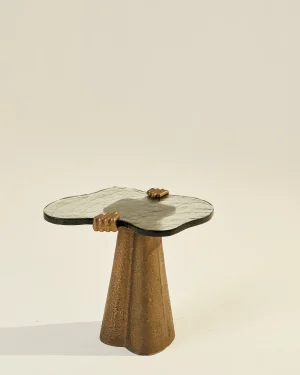
Paws Side Table in Cast Aluminum and Cast Glass
By LMNOH
€1.950 -
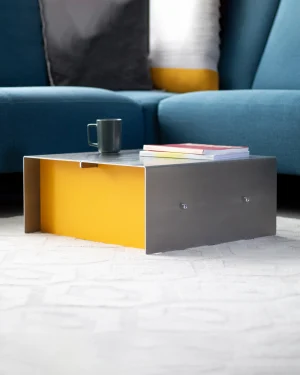
Core Aluminium Coffee Table
By Lisanne Meester
€519 This product has multiple variants. The options may be chosen on the product page -
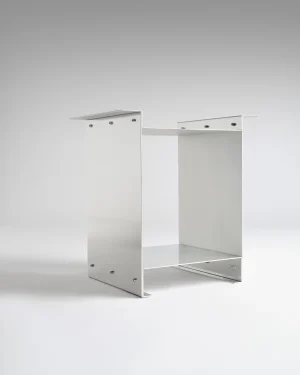
Wing Side Table in Polished Aluminum
By Obscure Objects
€340 -

Cork X 01 Side Table in Cork and Aluminum
By Robert Megel
€599 -
 In stock
Matted Aluminum Coffee Table (blackwood)
By case studios
€719 -
 In stock
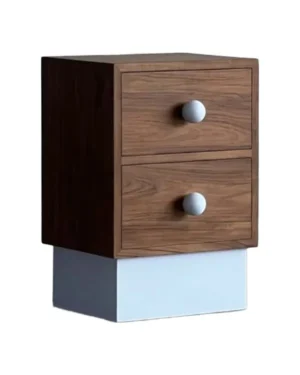
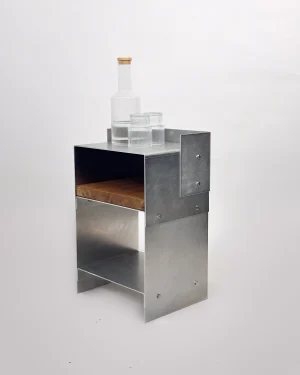
Matted Aluminium – Natural Oak Wood Night Table
By case studios
€660 -

Broken Wing Stool
By Obscure Objects
€290 -
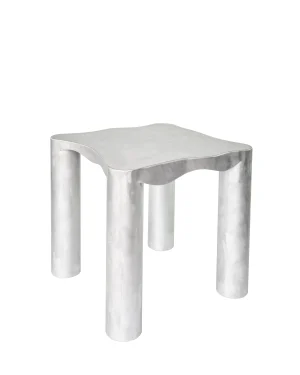
Aluminum Kitchen Table
By Six Dots Design
€2.550 -
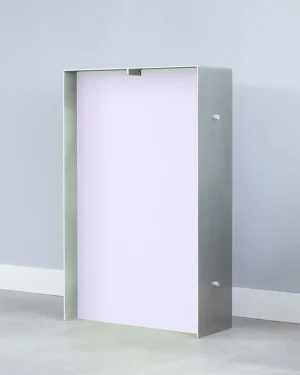
Core – Aluminium Console
By Lisanne Meester
€575 This product has multiple variants. The options may be chosen on the product page -

S001-10.2 Aluminum Stool
By NAVE
€500 -
 In stock
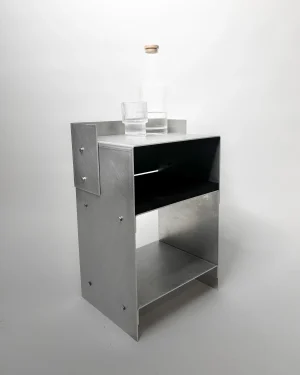
Matted Aluminium Side Table in Aluminum and Blackwood
By case studios
€530 -
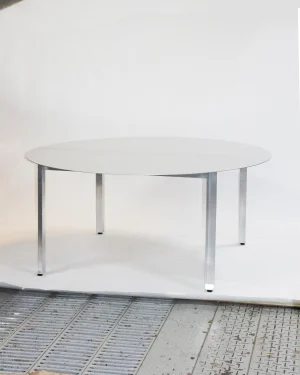
Canto – Aluminum Round Table / Desk
By Luiz Solano
€1.180 - €1.680 This product has multiple variants. The options may be chosen on the product page -

Wing Bench
By Obscure Objects
€1.220 -
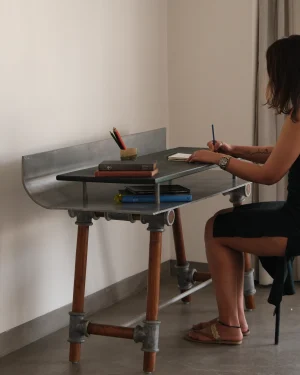
Research Table
By Spero Furniture
€4.859 This product has multiple variants. The options may be chosen on the product page -
 In stock
Yakisugi Burnt Wood Coffeetable
By case studios
€2.190 -

Bells And Whistles Cabinet
By Toro Manifesto
€18.260 -
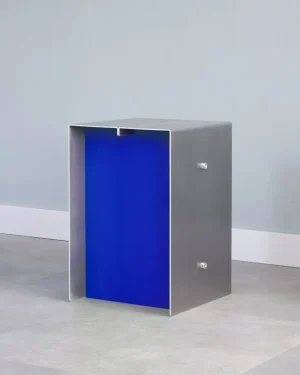
Core Aluminum Side Table / Stool
By Lisanne Meester
€399 This product has multiple variants. The options may be chosen on the product page -
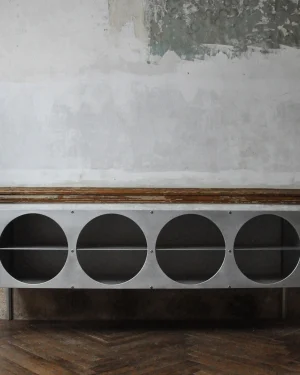
D400 Console – Matte Aluminium
By MLK Furniture
€4.700 -
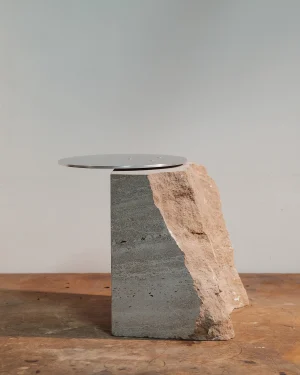
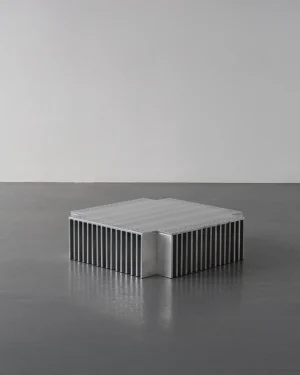
Fragments Side Table in Limestone and Aluminum
By Estudio Material
€3.300 -
 In stock
Cpu Low Coffee Table
By Thomas Gayet
€3.300 -

012 Side Table in Aluminum
By OFAA
€1.350 -

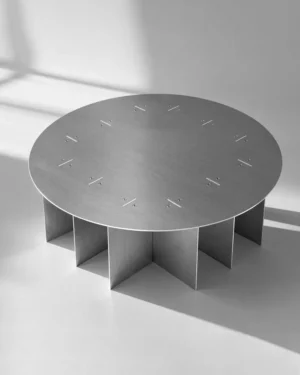
Foldtable Side Table in Aluminum
By FlatFlat
€172 -
 In stock
Plus Coffee Table
By 301 Design Studio
€1.400 -
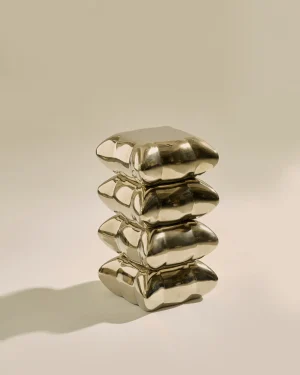
Pillow Side Table in Nickel-Plated Cast Aluminum
By LMNOH
€1.250 -

Dunes Side Table in Polished Aluminum and Carved Wood
By Malvin Gaborit
€8.829 -
 In stock
T60 Table
By FabBRICK
€9.965 - €11.385 This product has multiple variants. The options may be chosen on the product page -

Column No.1 – Low Stool
By Haritini Gritzali
€1.700 -
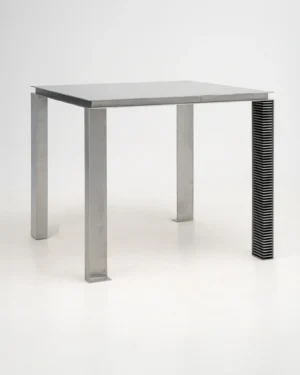
Strut Aluminum Table With Distinctive Foot Design
By Yet Design Studio
€4.725 - €4.995 This product has multiple variants. The options may be chosen on the product page -

Stack 048 – Raw Aluminium
By studio MOTO
€1.520 -
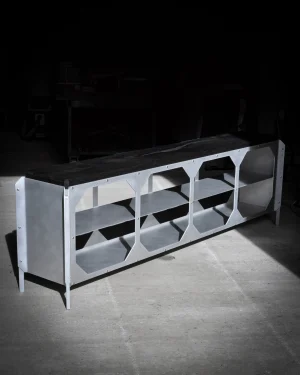
Jnk540 Console – Matte Aluminium / Ebonized Oak Wood
By MLK Furniture
€7.200 -
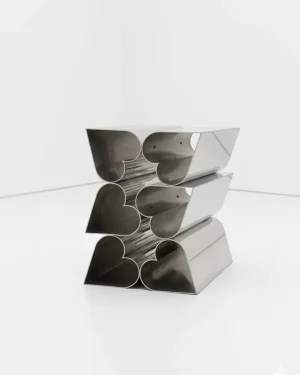
Side Piece Side Table in Extruded Aluminum
By Deon Rubi
€2.200 -
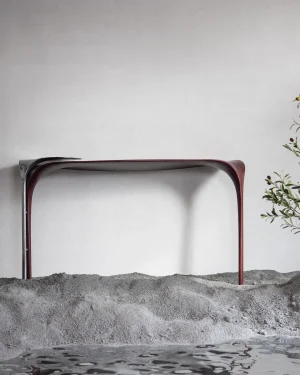
Maris Console Table
By House of Creatomy
€1.444 -

Contemporary Aluminum Coffee Table
By Six Dots Design
€1.550 -
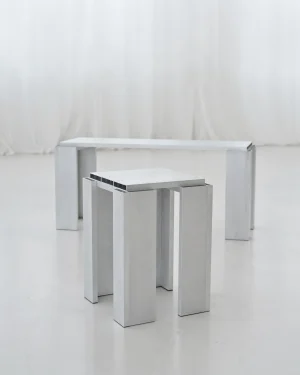
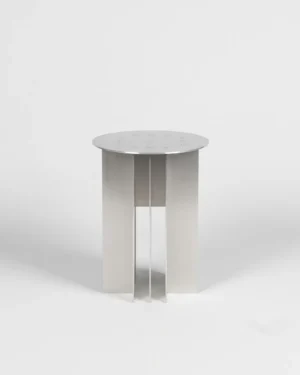
Al01 Aluminum Stool
By NOSTUDIO
€750 -
 In stock
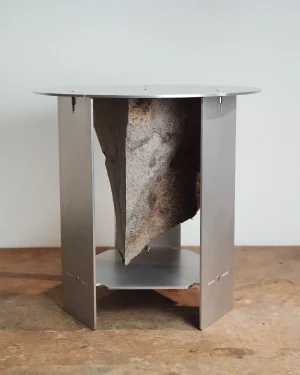
Plus01 Small Side Table in Aluminum
By 301 Design Studio
€900 -
 In stock
Fuera de Lugar Side Table in Natural Stone and Aluminum
By Estudio Material
€1.900 -
 In stock
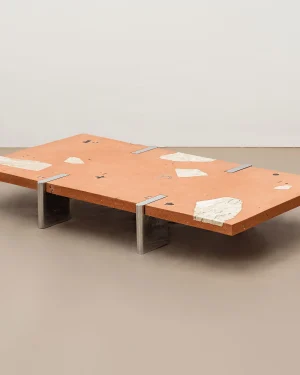
Plus01 Medium Side Table in Aluminum
By 301 Design Studio
€850 -
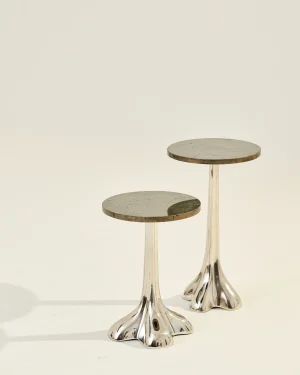
Coffee Table Nu
By Assimply Studio
€3.430 -
 In stock
Theia Side Table in Golden Pyrite and Brass
By LMNOH
€2.100 -
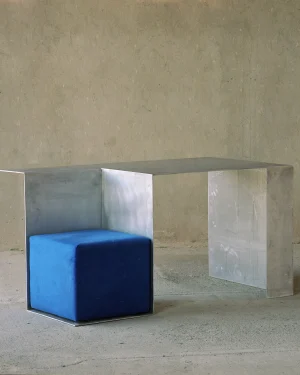
Aluminium Desk
By Around the Studio
€4.600 -

Aluminium Dining Table
By Six Dots Design
€3.174 -
 In stock
Plano Massiva — Ebony Wood And Cast Aluminum Coffee Table
By DONÓ Design
€3.178 -
 In stock
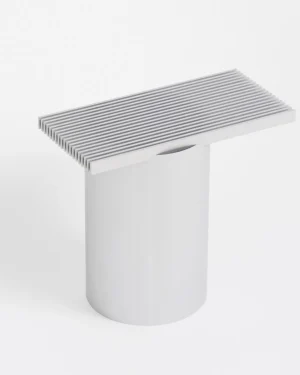
Vent Side Table in Anodized Aluminum
By Calen Knauf Studio
€1.291 -
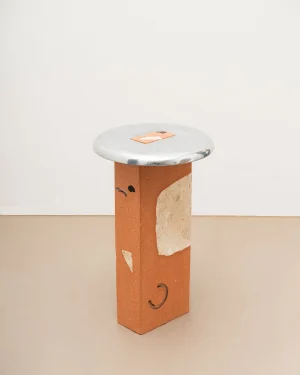
Nu Tall Side Table in Terrazzo and Cast Aluminum
By Assimply Studio
€1.650 -
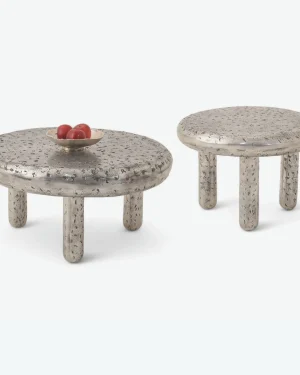
Crater Coffee Tables – Set Of 2
By LMNOH
€2.150 -
 In stock
Ormeau 2.1 – Coffee Table
By Marie-Marie Defour
€4.200 -

Bells And Whistles Coffee Table
By Toro Manifesto
€13.475 -
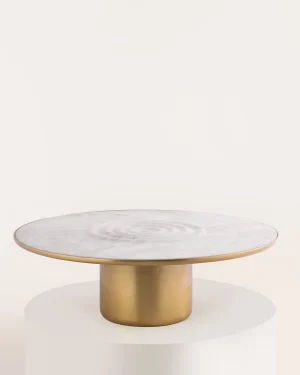
Oom – Marble & Cast Aluminum Coffee Table
By Nama Home
€9.063
Aluminum tables bring a cool, light-catching surface into rooms that need furniture able to carry weight without looking heavy. Studios working in this material shape it by casting, welding, or anodising sheet and extruded stock, then finish it in black, silver, matte, or dark gray tones that resist fingerprints and everyday handling. The result sits somewhere between an industrial object and a considered design piece, equally at home as a desk, a console, or a dining surface.
What defines aluminum as a table material
Aluminum is light for its size, which means a tabletop can span a wide surface without the base needing to be bulky. It does not rust the way steel does; instead it forms a thin oxide layer that protects it from corrosion, so pieces left near windows or in humid rooms age slowly and predictably. Cast aluminum tends toward thicker, sculptural forms, while sheet or extruded aluminum reads as flatter and more graphic, often welded into frames or folded into legs.
Finishes, colors and techniques found here
Within aluminum tables, finish does most of the work of setting mood. Anodising seals in color and adds a slight sheen without a painted layer, and shows up here in silver, black, and matte variants. Welding and metalwork produce visible joins and seams on some bases, where the maker leaves the construction legible rather than smoothing it away; metal casting instead produces continuous, almost poured forms with no seams at all. Alongside aluminum, related metal and mixed-material tables on ADORNO use:
- Cast aluminum and stainless steel for weight-bearing frames and legs
- Glass, MDF, or brass for tabletops paired with metal bases
- Leather or upholstery details on adjustable or multi-part pieces
Editions vary by piece: some aluminum tables are produced as open editions, made to a standing design whenever ordered, while others are limited editions or unique pieces, where the casting or finishing introduces small variations that will not repeat.
Styles the material supports
Aluminum moves easily between registers. Minimalist and contemporary designs use it for plain, unadorned planes and thin profiles, letting the metal's surface carry the whole statement. Brutalist and neo-industrial pieces lean into its weight and joinery, leaving welds and bolts visible. Mid-century modern and futuristic interpretations use curved or tapered aluminum legs to suggest motion, while eclectic settings mix an aluminum base with a glass or wood top for contrast.
Choosing a table by scale, height and placement
Start with height and function before finish. A coffee table generally sits low enough to clear a sofa cushion, a dining table needs legroom and a surface at standard seated height, and a desk or console sits higher again for standing or writing tasks. Measure the room for clearance around chairs and walkways, not just the footprint of the table itself.
Finish should answer to light and traffic. Matte and dark gray surfaces hide handling marks in busy rooms such as kitchens or home offices, while polished or silver finishes catch light and suit a living room or entry where the table is seen more than used hard. In a living room table, a lighter aluminum base can anchor a seating group without crowding it visually.
Placement and care
Aluminum tolerates indoor and covered outdoor placement better than most metals, since its oxide layer resists the moisture that would pit steel or iron. Wipe surfaces with a damp cloth and avoid abrasive cleaners, which can dull an anodised finish over time. Keep cast or welded pieces away from constant direct sun if the finish is matte, as prolonged heat can shift color slightly at the surface.
For a wider view of what aluminum does across furniture, the full range of aluminum pieces on ADORNO spans seating and lighting as well as tables. Within tables specifically, aluminum sits alongside other metal tables in steel and brass, and anyone comparing materials across the whole category can start from all tables. For a matching base note, aluminum seating built with the same welding and anodising techniques appears among aluminum seating.
How do I choose an aluminum table?
Consider the finish and how it will sit against your floor and walls, cast or sheet aluminum for a solid, sculptural base, and a size that matches the room's traffic and seating needs.
How do you care for an aluminum table?
Wipe with a damp cloth and mild soap, dry fully to avoid water spots, and skip abrasive cleaners that can dull an anodized or polished surface.
Does aluminum scratch or corrode easily?
Aluminum resists rust because it forms a natural oxide layer, though the surface can scratch, so use coasters and soft pads under objects and avoid dragging items across it.
What size and height should a table be?
Dining tables generally stand around 28 to 30 inches high, coffee tables lower at 16 to 18 inches, and the footprint should leave at least 30 inches of clearance for movement around it.
Which rooms suit aluminum tables?
Their light weight and weather resistance suit indoor and covered outdoor spaces alike, from dining rooms and studies to balconies and patios, wherever a cool, hard surface fits the setting.
What about shipping, returns and authenticity when buying through ADORNO?
Shipping is insured and worldwide, returns are accepted within 14 days except on made-to-order pieces, and each table arrives with a certificate of authenticity under a lowest-price guarantee.