












-
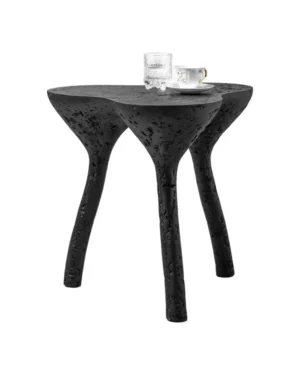
Sponge Side Table in Foamed Aluminum
By Calen Knauf Studio
€898 This product has multiple variants. The options may be chosen on the product page -
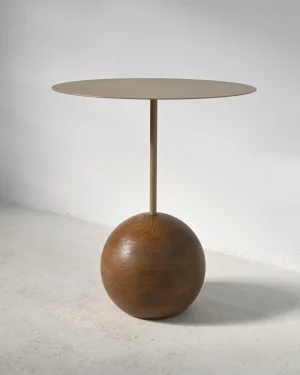
An Su Side Table in Steel and Ash Wood
By SALAK Studio
€690 -
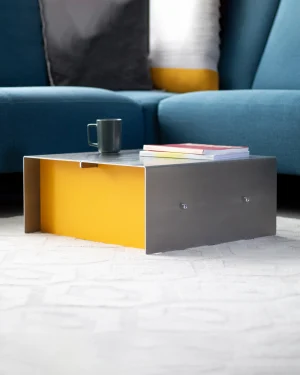
Core Aluminium Coffee Table
By Lisanne Meester
€519 This product has multiple variants. The options may be chosen on the product page -

Su Side Table in Steel and Ash Wood
By SALAK Studio
€590 -
 In stock
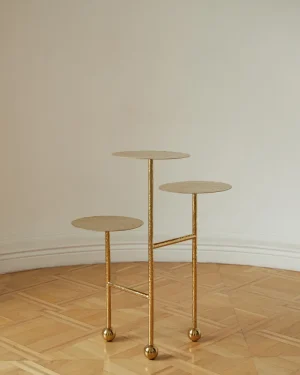
Liquid Table Tin Coated Steel
By FURN OBJECT
€3.600 -

A_forma Nightstand
By AROUND
€400 -
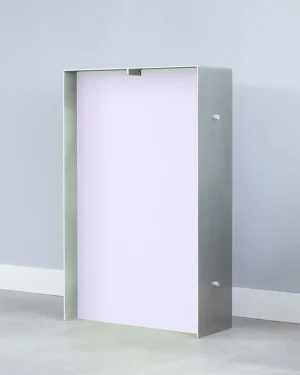
Core – Aluminium Console
By Lisanne Meester
€575 This product has multiple variants. The options may be chosen on the product page -
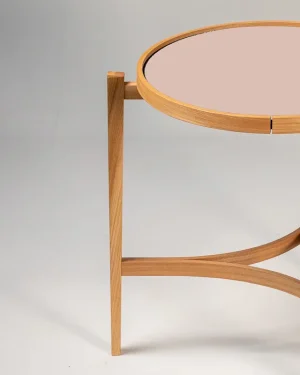
Geodetic Side Table in Oak Wood
By studiolehn
€660 -

S001-10.2 Aluminum Stool
By NAVE
€500 -
 In stock
Flora Side Table in Carbon Steel
By studiomakuko.com
€600 -
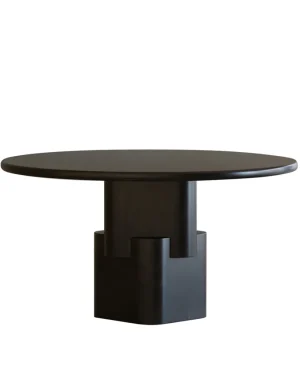
Hook Dining Table
By hermhaus
€3.632 -
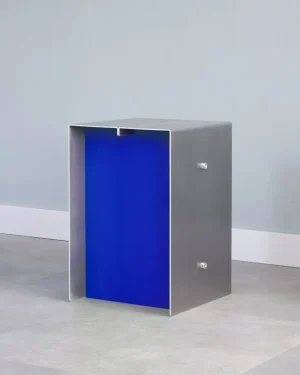
Core Aluminum Side Table / Stool
By Lisanne Meester
€399 This product has multiple variants. The options may be chosen on the product page -
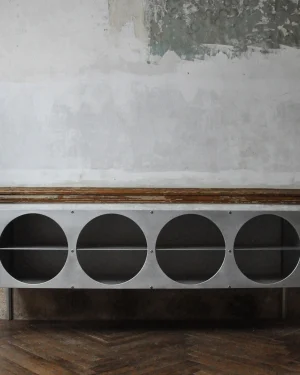
D400 Console – Matte Aluminium
By MLK Furniture
€4.700 -
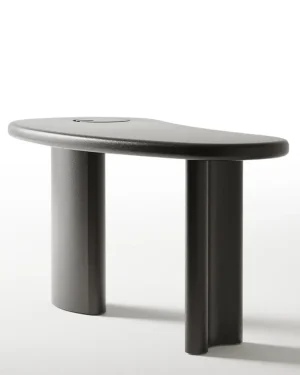
Flow Desk – Lacquered on Wood
By hermhaus
€11.235 This product has multiple variants. The options may be chosen on the product page -

Column No.1 – Low Stool
By Haritini Gritzali
€1.700 -
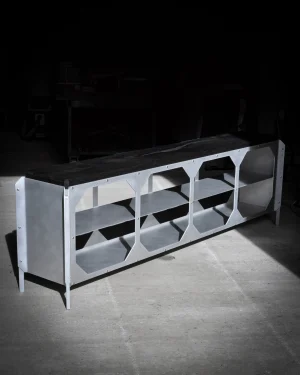
Jnk540 Console – Matte Aluminium / Ebonized Oak Wood
By MLK Furniture
€7.200 -
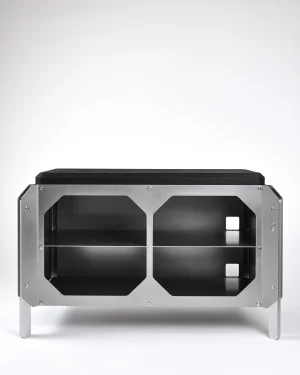
Jnk330 Console – Matte Stainless Steel / Ebonized Oak Wood
By MLK Furniture
€2.500 -
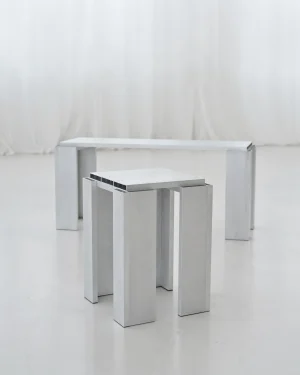
Al01 Aluminum Stool
By NOSTUDIO
€750 -

Phylum Sculptural Dining Table
By CMX | Furniture
€23.707 -
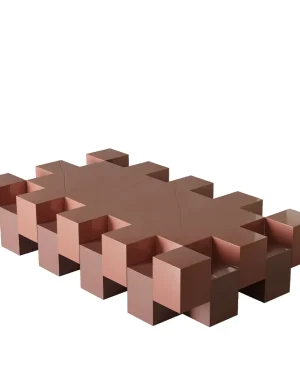
Bite Coffee Table
By hermhaus
€5.943 This product has multiple variants. The options may be chosen on the product page -

Ludovica – Stone Stool / Side Table
By Studio Ayres
€1.960 This product has multiple variants. The options may be chosen on the product page -
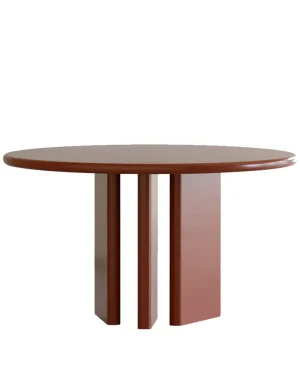
Cozy Dining Table
By hermhaus
€3.635 -
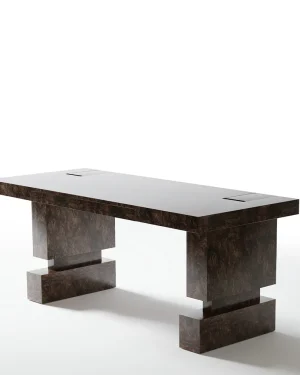
Zone Desk – Veneered On Wood
By hermhaus
€7.264 This product has multiple variants. The options may be chosen on the product page -

1020 Oak Coffee Table
By NO AGE STUDIO
€3.950 -

Moort – Coffee Table
By SALAK Studio
€1.990 -
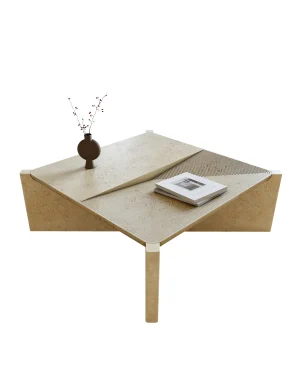
Arkhe No 1 – Square Travertine Coffee Table
By Studio Kali
€6.760 -

Liso Side Table in Brushed Diabase Volcanic Stone
By Studio Mohs
€1.000 -

Klar Glass Coffee Table
By hermhaus
€3.508 -
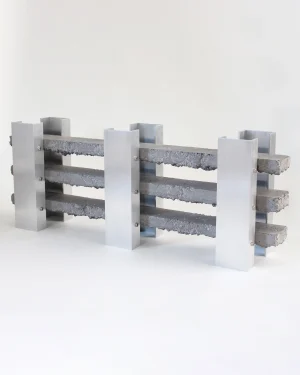
Junction Low Table & Shelves
By Lisanne Meester
€1.399 -
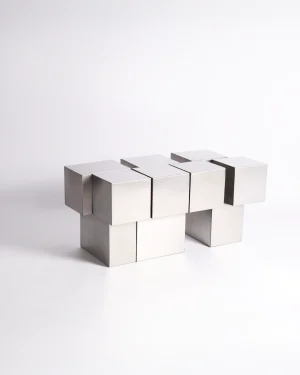
Nexus 67 – Stainless Steel Bench
By Drusch Design
€5.000 -

Fenestra Console
By Mokko
€2.670 - €3.980 This product has multiple variants. The options may be chosen on the product page -

Taes Coffee Table
By Mokko
€7.480 - €11.150 This product has multiple variants. The options may be chosen on the product page -
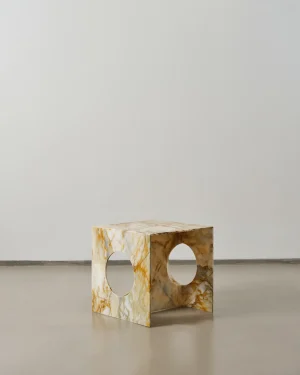
Hera Side Table in Sky Blue Marble
By Studio Mohs
€2.703 -
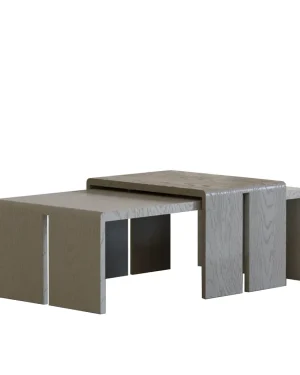
Plus – Modular Coffee Table
By hermhaus
€3.087 This product has multiple variants. The options may be chosen on the product page -
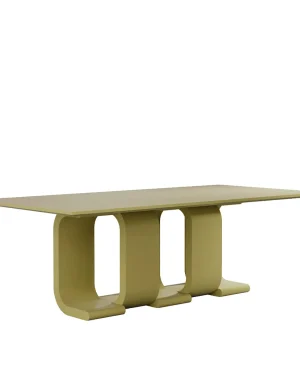
Turn Dining Table
By hermhaus
€6.605 -
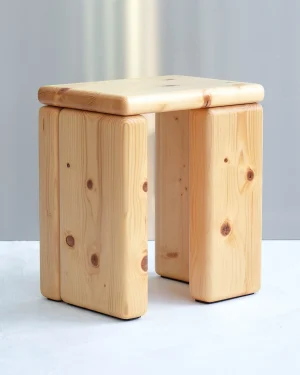 In stock
Timber – Pine Stool
By Studio Onno Adriaanse
€678 -
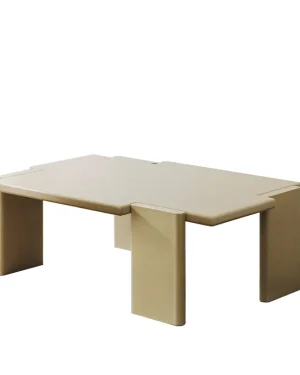
Brio Coffee Table – “in Flow, Together”
By hermhaus
€3.200 -

Kabiki Side Table in Red Oak
By Daniel Couttolenc
€2.550 -

Cone Object 1 – Squared Stool/table
By Hanna Fastrich
€1.900 -

Solid Birch Coffee Table
By Petra Madalena
€4.826 -

Corona Side Table in Teak Wood
By Studio Indigene
€1.150 -
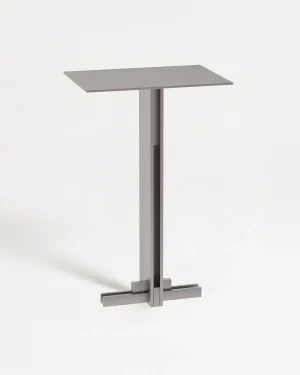
Apex Side Table in Painted Steel and Stainless Steel
By Yet Design Studio
€1.015 - €1.300 This product has multiple variants. The options may be chosen on the product page -
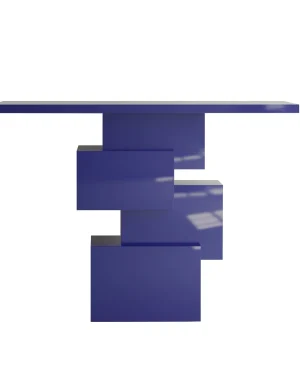
Kruz Console Table
By hermhaus
€3.632 This product has multiple variants. The options may be chosen on the product page -
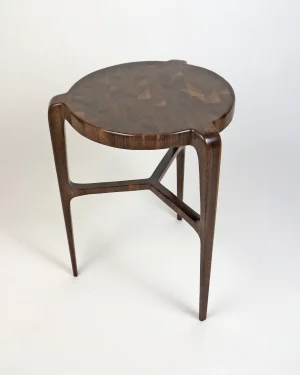 In stock
Endgrain Side Table in Walnut
By Aaron Scott
€3.400 -

Coffee Table Enigma In Grey Marble
By Alter Ego Studio
€23.600 -
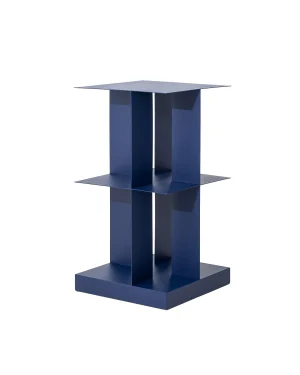
Lobster Side Table in Powder-Coated Steel
By SALAK Studio
€1.200 -
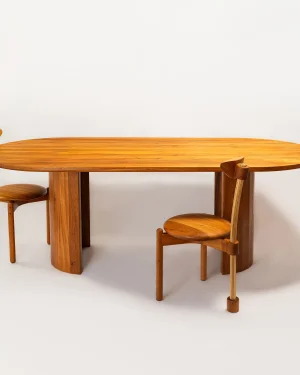
Arco – Wood Dinning Table
By Estúdio Simbiose
€7.190 -
In stock
Liquid Table Solid Brass
By FURN OBJECT
€5.100 -

Taes Side Table in Oak and Walnut
By Mokko
€3.270 - €4.910 This product has multiple variants. The options may be chosen on the product page -
 In stock
Blue Lagoon Stool
By LATESS
€2.000 -
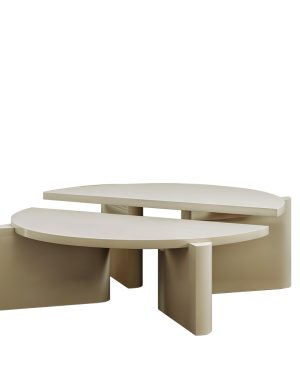
Twin Coffee Table Matt Lacquer
By hermhaus
€4.650 This product has multiple variants. The options may be chosen on the product page -

Tri Side Table in Lacquered MDF and Brass
By hermhaus
€1.323 This product has multiple variants. The options may be chosen on the product page -

Mas Coffee Table Matt Lacquer
By hermhaus
€3.195 This product has multiple variants. The options may be chosen on the product page -
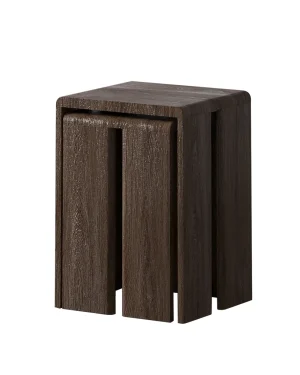
Plus Side Table in Solid Oak Wood
By hermhaus
€1.882 This product has multiple variants. The options may be chosen on the product page
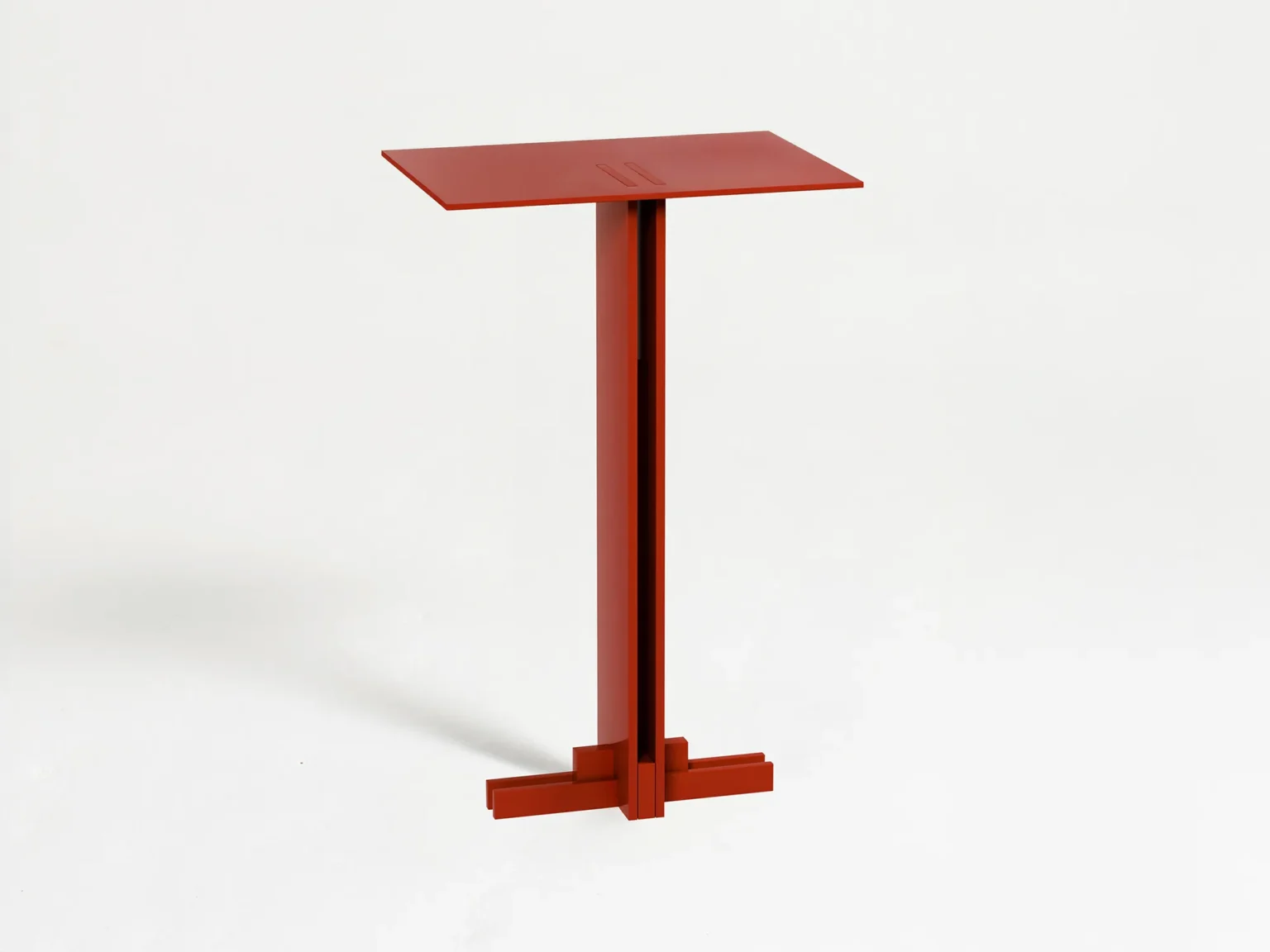
Geometrical tables group pieces built on circles, squares, and straight-edged planes rather than organic curves, worked in oak and ash wood, in steel, stainless steel, and aluminum, and in marble and stone. Studios shape them through cabinetmaking and woodturning, through metalwork and sculpting, through stone carving and hand-building, so the same geometry turns up in grain, in cast metal, and in veined stone. What holds the group together is proportion: a top and base that read as a clear shape before they read as a table.
What defines a geometrical table
A geometrical table favors one dominant form, often a circle, square, or triangle, repeated across the base, the top, or both. Edges stay sharp or cleanly rounded rather than tapered, and legs tend to sit as blocks or planes instead of turned spindles. The look can lean toward brutalist weight, toward art deco symmetry, or toward the plain stacked mass of neolithic stonework, depending on the material and the hand behind it.
Because the shape carries so much of the design, geometrical tables rely less on surface decoration and more on how light falls across a flat plane or how a seam sits between two blocks. A single strong form, left mostly plain, is usually the point rather than an oversight.
Materials, finishes, and editions in the range
Oak and ash wood bring warmth and visible grain, worked through cabinetmaking or woodturning and finished in black, brown, or left close to its natural tone; wooden tables in this shape family tend to soften a hard geometry with the texture of grain. Steel, stainless steel, and aluminum carry sharper lines, welded or forged through metalwork and finished in black, gray, gold, or a frosted surface that breaks up reflection; metal tables are where this angular approach often reads most clearly. Marble and stone, shaped by stone carving or sculpting, add real weight and a cool, veined face that no two pieces repeat exactly.
Some pieces here are made as open editions, repeated to a fixed design. Others stand as unique pieces or limited editions, where the vein in a stone slab or the finish on a weld sets one table apart from the next. The same shape logic runs through every geometrical piece on ADORNO, across lighting, seating, and objects as well as tables.
Choosing scale, height, and placement
Scale matters more than finish once the shape is set. A round or square top under roughly 70 centimeters works best as a side table; anything over 150 centimeters starts to anchor a room as a dining or work surface. Standard dining height sits near 75 centimeters, coffee tables nearer 35 to 45 centimeters, so measure the seating around a piece before settling on a base.
- Leave at least 60 centimeters of open floor on each side a geometrical base faces, since a square or triangular form reads as heavier than a round one of the same footprint.
- Matte or frosted finishes soften a strong angular base; polished stone or gloss metal sharpens it further.
- A single bold geometrical table often carries a room better than several smaller ones competing for attention.
In a dining area or a hall, a geometrical table can stand alone as the main gesture. In a sitting area, it usually works better paired down against softer upholstery; living room tables in this shape family tend to sit lower and lighter than their dining counterparts for that reason.
Caring for wood, metal, and stone surfaces
Oak and ash wood want a stable room, away from direct heat or damp, with an occasional wipe and an oiled or waxed finish renewed as it dulls. Steel and aluminum resist knocks but can mark with abrasive cleaners, so a soft cloth and mild soap keep a painted or frosted finish intact. Marble and stone stain from acid and oil, so a coaster under a glass or a bottle is worth the habit, and spills are best lifted quickly rather than left to sit.
Across all of these, the wider range of tables on ADORNO sits alongside the geometrical group, for anyone weighing a strict shape against a softer, more tapered one.
How do I choose a geometrical table?
Start with the shape a room lacks: angular forms sharpen a soft space, while rounded or stacked volumes soften a boxy one. Material and scale should follow the room's existing lines, not fight them.
What materials are geometrical tables made from, and how do I care for them?
Oak and ash take a wipe with a damp cloth and occasional oil; marble and stone need sealing and should avoid acid or standing water; steel and aluminum wipe clean and resist daily wear.
What size and height should a geometrical table be?
Dining tables generally stand around 28 to 30 inches high, coffee tables lower at 16 to 18 inches, with surface size set by the room's traffic and seating rather than shape alone.
Which rooms suit a geometrical table?
Strong geometric forms work as anchors in living rooms and entryways, while dining and office settings benefit from simpler, more stable bases that keep legroom clear.
Are geometrical tables sold as limited editions or one-offs?
Some studios work in open editions, others in small or unique runs. The maker can confirm the edition status for any given piece through Chat with the maker on its page.
How does shipping, returns and authenticity work at ADORNO?
Shipping is insured and worldwide. Returns are accepted within 14 days, except on made-to-order pieces, and every table arrives with a certificate of authenticity.