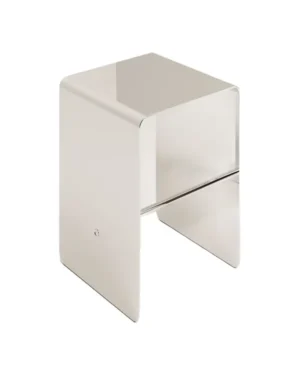
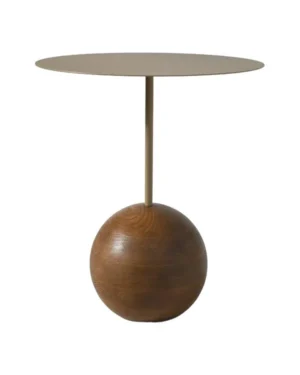
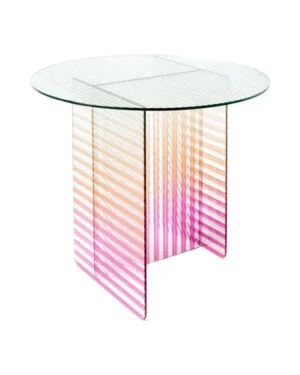
-

Mono Side Table in Travertine and Metal
By Yet Design Studio
€1.200 - €1.380 This product has multiple variants. The options may be chosen on the product page -
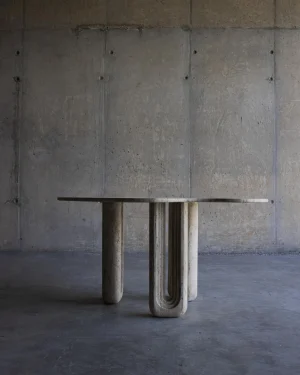 In stock
Amazonas High Coffee Table in Marble and Travertine
By Studio Ayres
€2.738 -

Display #3 Console Table in Stainless Steel and Stone
By Georgiev Kiril
€900 -
 In stock
Rocky Montage Coffee Table in Petrified Wood
By Odditi
€7.190 -
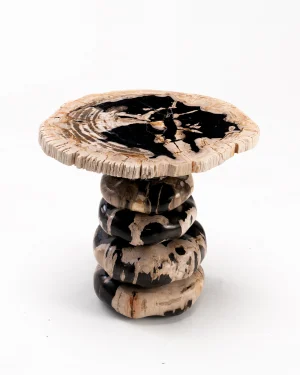
Dwayne Johnson Side Table in Petrified Wood
By Odditi
€1.480 -
 In stock
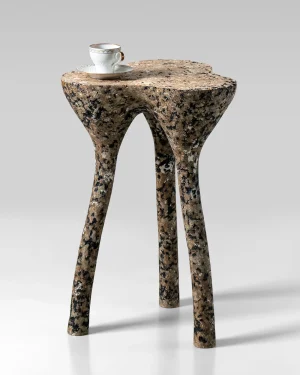
Beige Tripod Low Side Table In Paper Pulp And Cement
By Donatas Žukauskas
€1.150 -
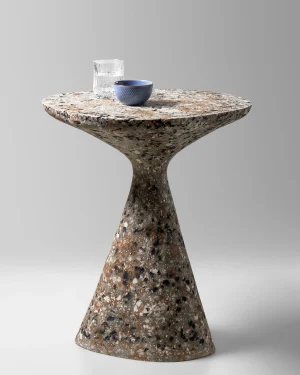
Beige Mottled Side Table In Paper Pulp And Cement
By Donatas Žukauskas
€1.100 -
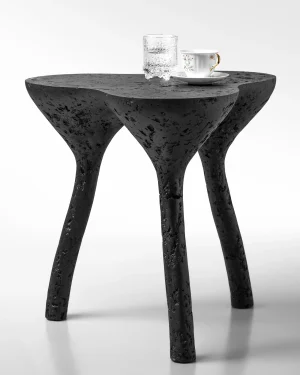
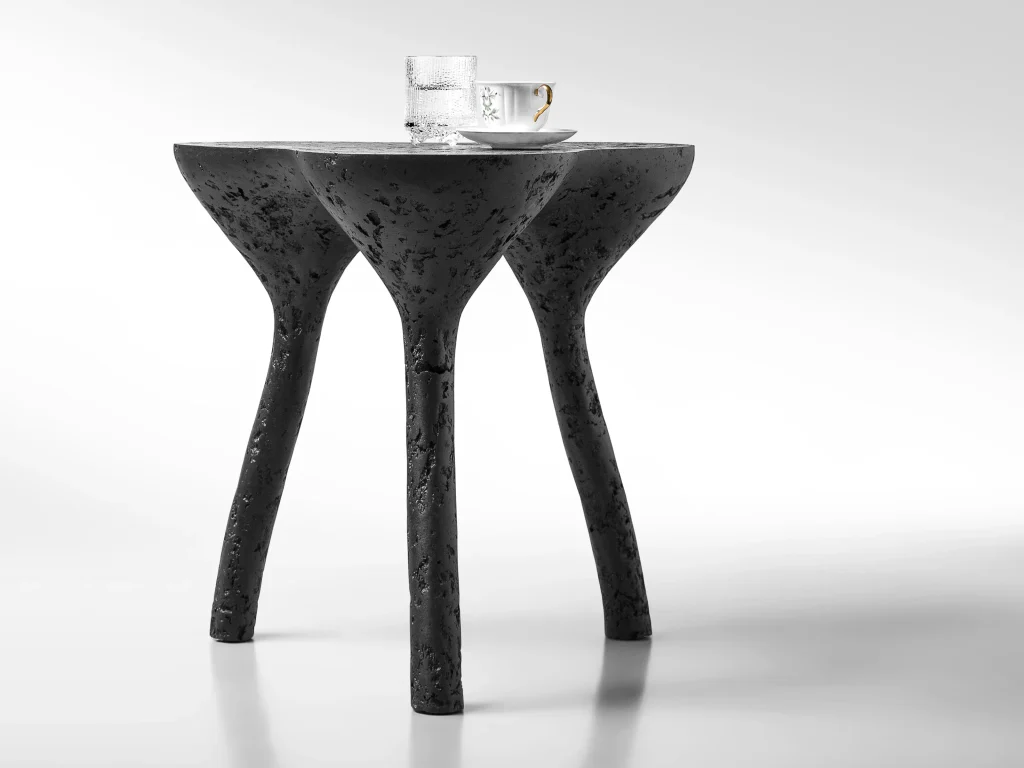
Black Tripod Coffee Table in Paper Pulp and Cement
By Donatas Žukauskas
€1.450 -
 In stock
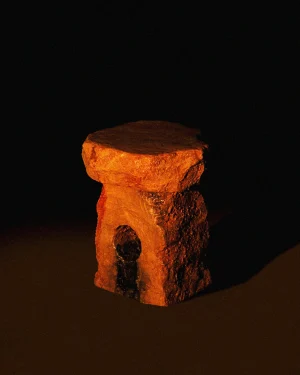
Volcán Side Table in Volcanic Stone
By LØRDAG & SØNDAG
€1.841 -
 In stock
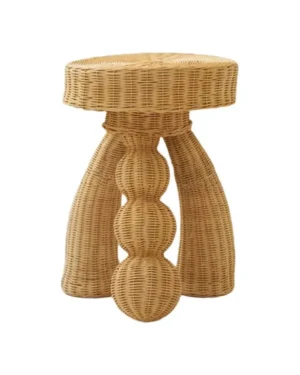
La Cauna – Escabèl 01 Stool
By Pierre Klein
€900 -

Ludovica – Stone Stool / Side Table
By Studio Ayres
€1.960 This product has multiple variants. The options may be chosen on the product page -
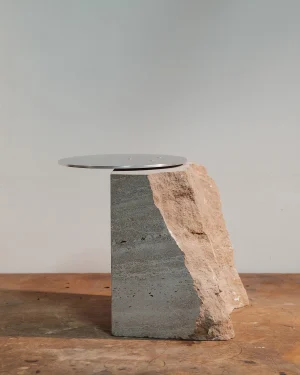
Fragments Side Table in Limestone and Aluminum
By Estudio Material
€3.300 -
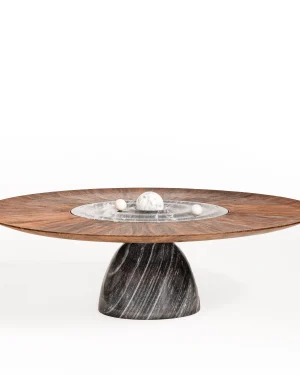
Ripple 2.0 Coffee Table in Teak Wood and Marble
By Tectona Grandis Furniture
€2.550 -
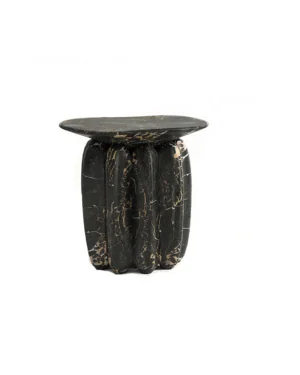
Bolero Side Table in Marble
By Alter Ego Studio
€7.260 - €8.240 This product has multiple variants. The options may be chosen on the product page -
15% off
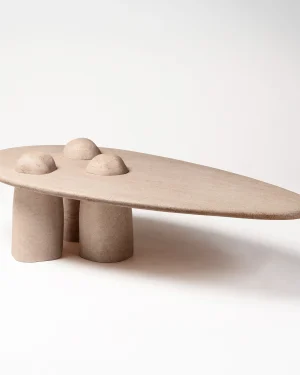
Rocky Montage Coffee Table In Sandstone
By Odditi
€4.950€4.208 -

Match! Studio Edition 001 Side Table in Marble
By please touch studio
€1.900 -

Element Side Table in Calacatta Viola Marble
By Vincent Mazenauer
€5.500 -
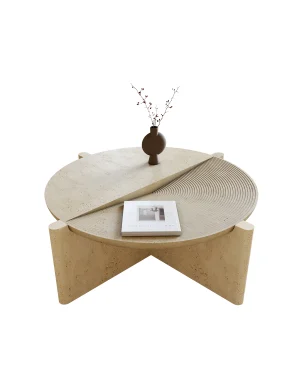
Arkhe No. 1 Round Coffee Table in Travertine
By Studio Kali
€6.170 -
 In stock
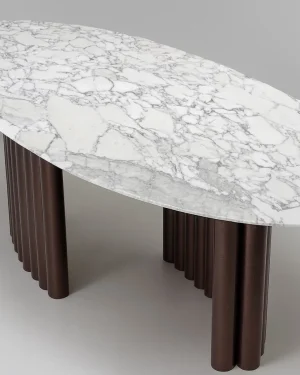
Cantus Dining Table in Arabescato Marble and Bronze
By DFdesignLab
€14.000 -
 In stock
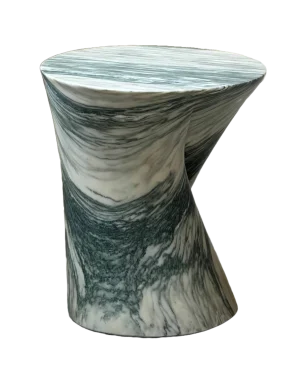
Departed Side Table in Cipollino Marble
By Studio TOOJ
€12.200 -

Phylum Dining Table in Marble, Travertine and Oak
By CMX | Furniture
€23.707 -

Stryde Entryway Table in Quartz Sand
By Rollo Studio
€6.200 -
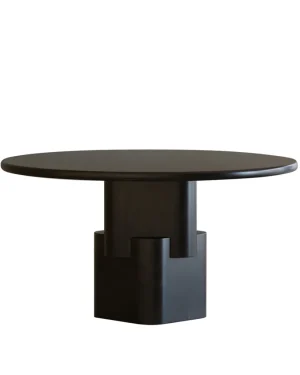
Hook Dining Table in Stone-Textured Lacquered MDF
By hermhaus
€3.632 -
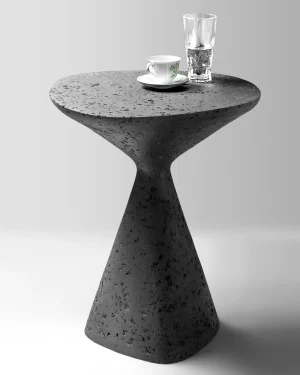
Black Mottled Side Table In Paper Pulp And Cement
By Donatas Žukauskas
€1.100 -

Olo Nightstand in Calcite, Marble and Onyx
By Panorammma Atelier
€2.990 -
 In stock
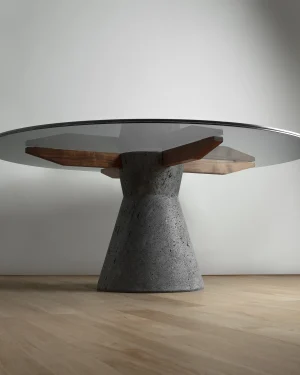
Stricta Dining Table in Lava Stone, Walnut and Glass
By CMX | Furniture
€17.241 -
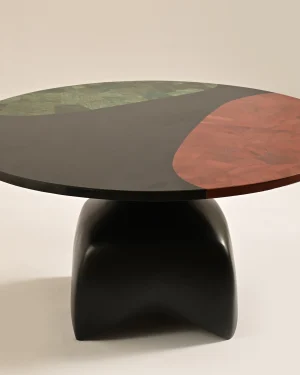
Jasper Coffee Table in Jasper Stone and Cast Aluminum
By LMNOH
€3.800 -
 In stock
Element Console Table in Green Picasso Marble
By Vincent Mazenauer
€18.500 -
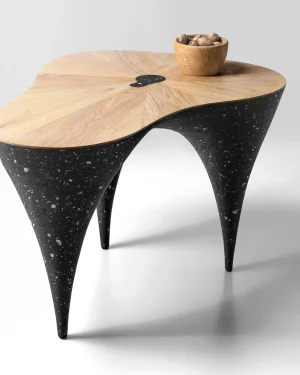
Black Still Poise Coffee Table in Paper Pulp, Cement and Oak
By Donatas Žukauskas
€2.450 -
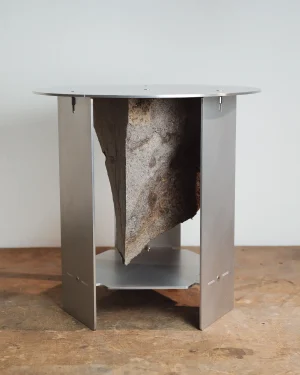 In stock
Fuera de Lugar Side Table in Natural Stone and Aluminum
By Estudio Material
€1.900 -
 In stock
Strata Low Square Side Table In Marble
By Iyo Hasegawa
€4.500 -
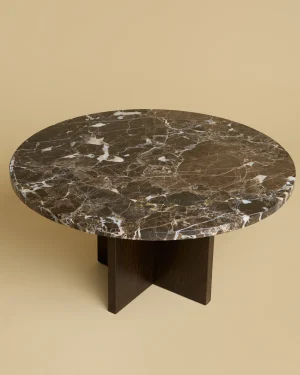
Tinian Coffee Table in Dark Emperador Marble and Oak
By Lebanto
€2.010 -
 In stock
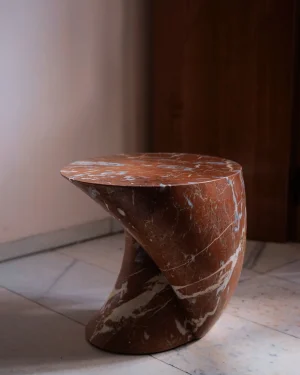
Into the Inferno Coffee Table in Petrified Wood and Stone
By Odditi
€6.185 -
 In stock
Departed Side Table in Rosso Francia Marble
By Studio TOOJ
€9.600 -

Bloc Entryway Table in Quartz Sand
By Rollo Studio
€8.800 -

Coraza Side Table in Volcanic Stone and Stainless Steel
By Studio Mohs
€2.250 -
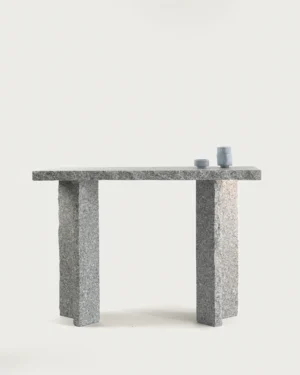 In stock
Filar Console Table in Granite
By małe dobra
€2.000 -
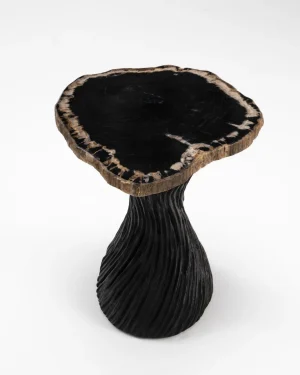 In stock
Twisted Fantasy Side Table in Petrified Wood and Acacia
By Odditi
€1.490 -

Cadena Side Table in Toros Black Marble and Steel
By Studio Mohs
€1.850 -
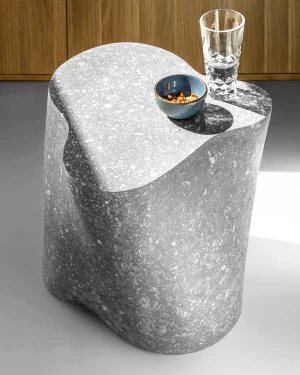
Handmade Concrete Coffee Table, Brutalist Stone-look Sculptural Accent Furniture
By Donatas Žukauskas
€1.150 -

Atlantis Coffee Table in Cantera Stone and Steel
By Toro Manifesto
€5.250 -

White Moth Nightstand in White Onyx
By Panorammma Atelier
€4.200 -
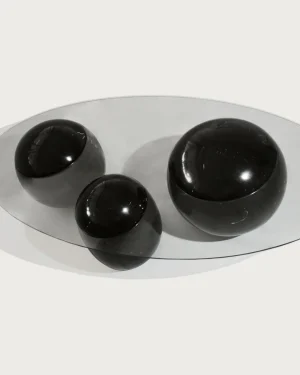
Ovni Uovo Coffee Table in Black Marble and Glass
By Panorammma Atelier
€6.600 This product has multiple variants. The options may be chosen on the product page -
 In stock
Down to Earth Coffee Table in Sandstone and Granite
By Odditi
€6.480 -
 In stock
Lychorinda Console Table in Cast Bronze and Marble
By Costantini Design
€4.802 -
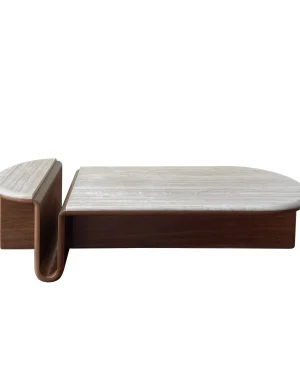
Kanyon Oval Coffee Table in Marble and Oak
By Studio Kali
€5.790 This product has multiple variants. The options may be chosen on the product page -
 In stock
Sandstone Rock Coffee Table in Paper Pulp and Sand
By David Čáp
€1.500 -
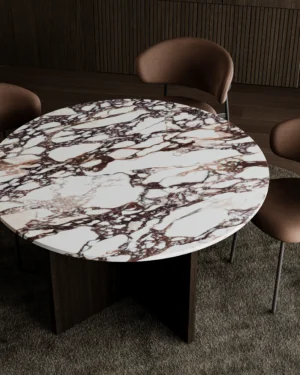
Hakata Dining Table in Calacatta Viola Marble and Oak
By Lebanto
€9.800 -
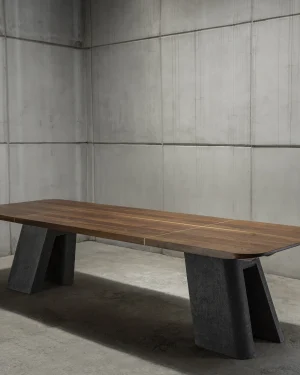
Nashii Dining Table in Lava Stone and Walnut
By CMX | Furniture
€35.086 -
 In stock
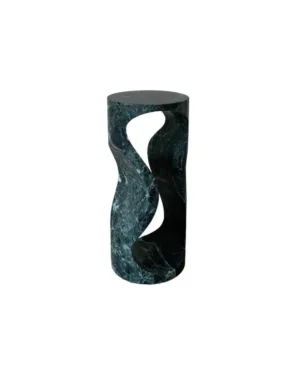
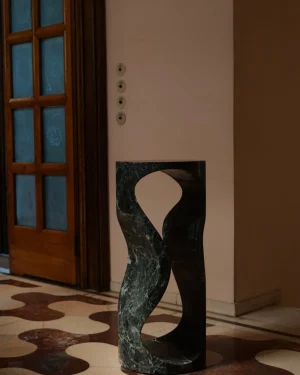
Hourglass Pedestal in Alpi Verde Marble
By Studio TOOJ
€15.700 -
 In stock
Forma Seconda Side Table in Steel and Onyx
By DFdesignLab
€1.370 -

Element Console Table in Calacatta Viola Marble
By Vincent Mazenauer
€12.000 -
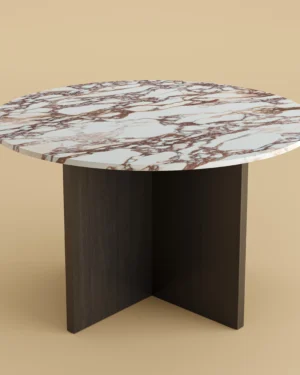
Hakata Dining Table in Arabescato Vagli Marble and Oak
By Lebanto
€9.800 -
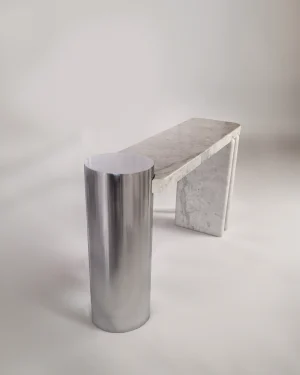
Orion Console Table in Carrara Marble and Stainless Steel
By Drusch Design
€6.900
Stone tables bring weight and permanence into a room, cut or cast by studios working in marble, travertine, concrete and other natural or mineral materials. Each surface carries the record of its own formation, veining, pitting or sediment lines that no two slabs repeat exactly. Some pieces are carved from a single block, others built up through casting, but all of them rely on mass rather than ornament to hold a space.
What defines a stone table
Stone behaves differently from wood or metal. It does not flex, so a stone top needs a base built to carry its full weight without stress points. Natural stone such as marble or travertine is porous to some degree, which means it can mark with acid or oil over time, while cast concrete is denser and more forgiving but can still stain if left unsealed.
Color and pattern come from geology rather than pigment. Cream and beige limestones read warm and quiet, gray and black marbles read sharper, and travertine's honey tones carry visible pitting from the mineral deposits that formed it. Burgundy and violet stones, rarer and more mineral-rich, tend to anchor a room on their own without added color elsewhere.
The range of finishes and editions
Within stone, the range on tables made this way spans several related materials and methods. You will find solid blocks of natural stone alongside poured and set concrete, worked through stone carving, sculpting, hand-building or casting, sometimes finished with a honed matte surface and sometimes left with the tool marks visible. Styles run from pared-back Minimalist forms to the heavier geometry of Brutalist design, with some pieces nodding to Neolithic stone-working traditions. Editions vary too: open editions sit alongside limited runs and unique pieces, where the stone itself was never going to repeat regardless of the maker's intentions.
How to choose a stone table
Scale matters more with stone than with most materials, since a slab that looks right in a showroom can overwhelm a smaller room. Measure the clearance needed around the piece before committing to a footprint, and remember that a thick stone top reads heavier than the same dimensions in wood.
- Standard dining heights run close to 28 to 30 inches; coffee tables sit lower, usually 16 to 18 inches.
- A honed or matte finish hides fingerprints and light scratching better than a polished one.
- Pair a stone top with a slender metal or wood base if you want the material to feel lighter in the room.
Placement should account for weight and for how light moves across the surface. A table positioned near a window will show veining and texture more clearly through the day, which is worth considering before a final position is chosen.
Where stone tables sit well
A stone dining table holds its own in rooms built around gathering, where its mass and surface make it a fixed point rather than a piece that gets rearranged. Smaller stone side tables or coffee tables suit living room settings, often paired with upholstered seating to balance the hardness of the material. Stone also fits Sustainable and Biophilic interiors well, since it is a material drawn directly from the earth rather than manufactured, and it ages without losing structural integrity.
Caring for stone surfaces
Most natural stone benefits from periodic sealing to reduce staining from oil, wine or acidic foods, and spills are best wiped promptly rather than left to sit. Avoid abrasive cleaners; a damp cloth and a pH-neutral soap are usually enough for daily care. Concrete tops can be treated similarly, though some surfaces develop a patina over years of use that owners often choose to leave rather than correct.
For pieces in other materials, wooden tables offer a warmer alternative, while the full range of stone pieces on ADORNO extends beyond tables into seating, lighting and objects, and stone furniture more broadly shows how studios apply the same material logic across different forms.
How do I choose a stone table?
Start with the stone: marble and travertine bring veining and softer tones, concrete and granite read heavier and more even. Match the weight and finish to the room, since stone tables anchor a space rather than blend into it.
How do you care for a stone table?
Wipe spills quickly, since marble and travertine can stain or etch from acidic liquids like wine or citrus. Use coasters, avoid harsh chemical cleaners, and reseal porous stone occasionally to keep the surface resistant.
What size and height should a stone table be?
Dining tables generally stand around 28 to 30 inches high, coffee tables lower at 16 to 18 inches. Stone adds considerable weight, so confirm floor load and doorway clearance before choosing a size.
Which rooms suit a stone table?
Stone tables suit dining rooms and living rooms where their weight and texture can stand as a visual anchor. Smaller stone side tables or stools also work well in entryways or beside seating.
Can I get a stone table custom made?
Customization depends on the individual maker, so chat with the maker on the piece's page to confirm options for size, stone type, or finish.
What are ADORNO's shipping and return policies?
Shipping is insured and worldwide. Returns are accepted within 14 days, though made-to-order pieces are excluded. Every piece includes a certificate of authenticity, and ADORNO offers a lowest-price guarantee.