












-
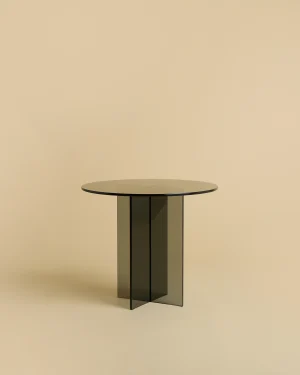
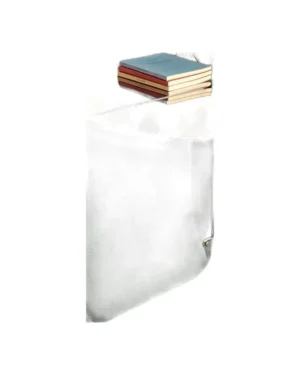
Amami Side Table in Smoked Glass
By Lebanto
€935 -
 In stock
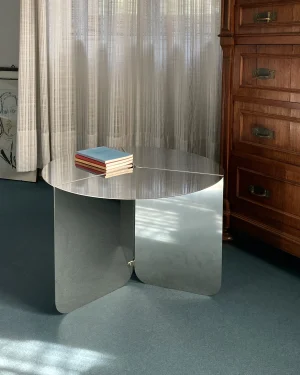
“120” Coffee Table – Stainless Steel Edition
By matteo giustozzi
€900 -
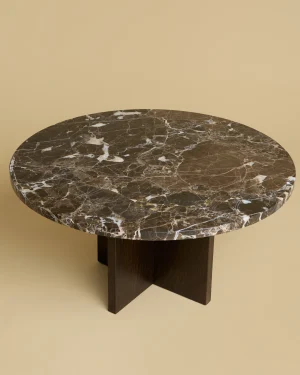
Tinian – Dark Emperador Marble Coffee Table
By Lebanto
€2.010 -
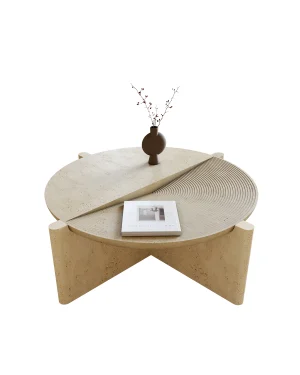
Arkhe No 1 – Round Travertine Coffee Table
By Studio Kali
€6.170 -
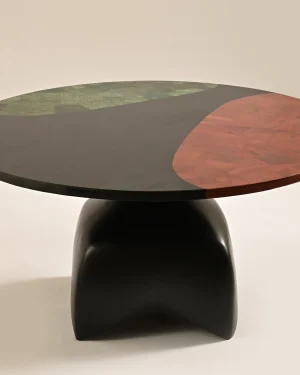
Jasper – Cast Aluminum & Stone Coffee Table
By LMNOH
€3.800 -

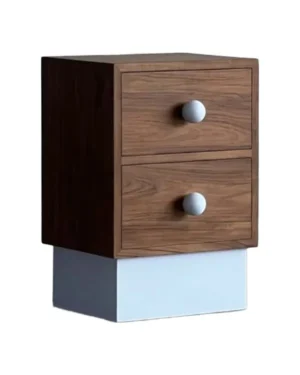
Cherry Side Table in Steel and Wood
By SALAK Studio
€590 -
 In stock
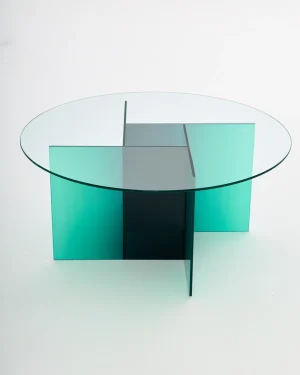
Cosmos – Green Gradient Glass Coffee Table
By Studio Monsoleil
€2.100 -
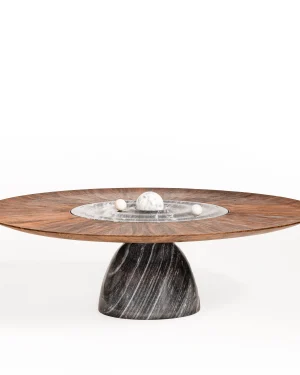
Ripple 2.0 Coffee Table
By Tectona Grandis Furniture
€2.550 -
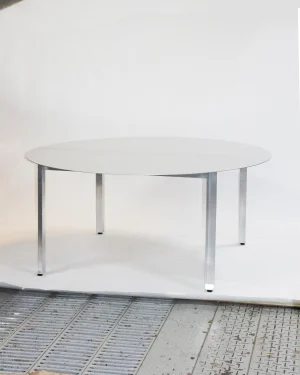
Canto – Aluminum Round Table / Desk
By Luiz Solano
€1.180 - €1.680 This product has multiple variants. The options may be chosen on the product page -
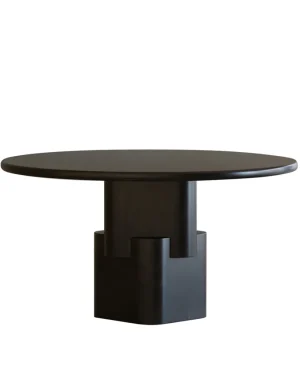
Hook Dining Table
By hermhaus
€3.632 -
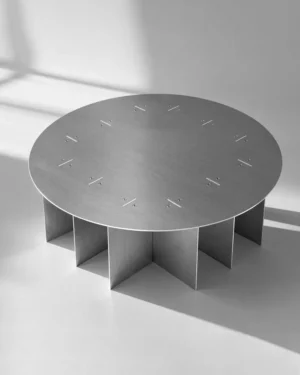 In stock
Plus Coffee Table
By 301 Design Studio
€1.400 -
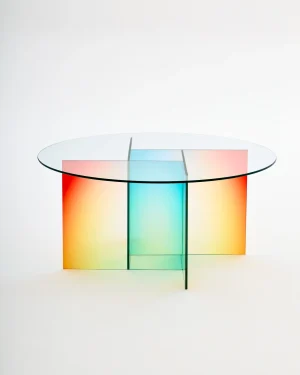 In stock
Cosmos – Rainbow Gradient Coffee Table
By Studio Monsoleil
€2.100 -

Stack 048 – Raw Aluminium
By studio MOTO
€1.520 -
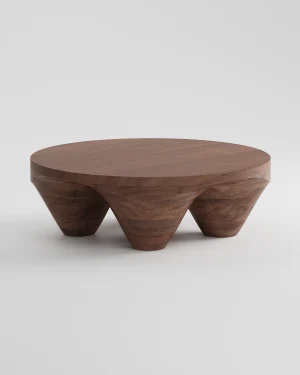 In stock
Utterö Mahogany Coffee Table
By Studio TOOJ
€17.900 -

Acid Dining Table, Carved Walnut Veneer
By Josh Page Studio
€6.950 -
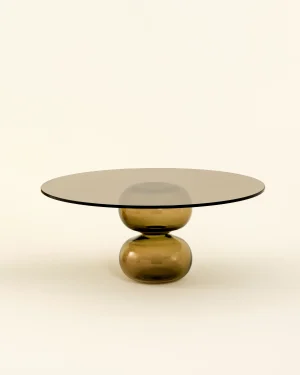
Donut – Glass Coffee Table
By Deya
€2.248 -
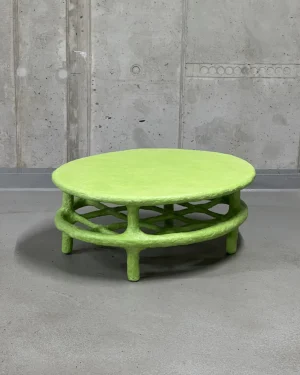
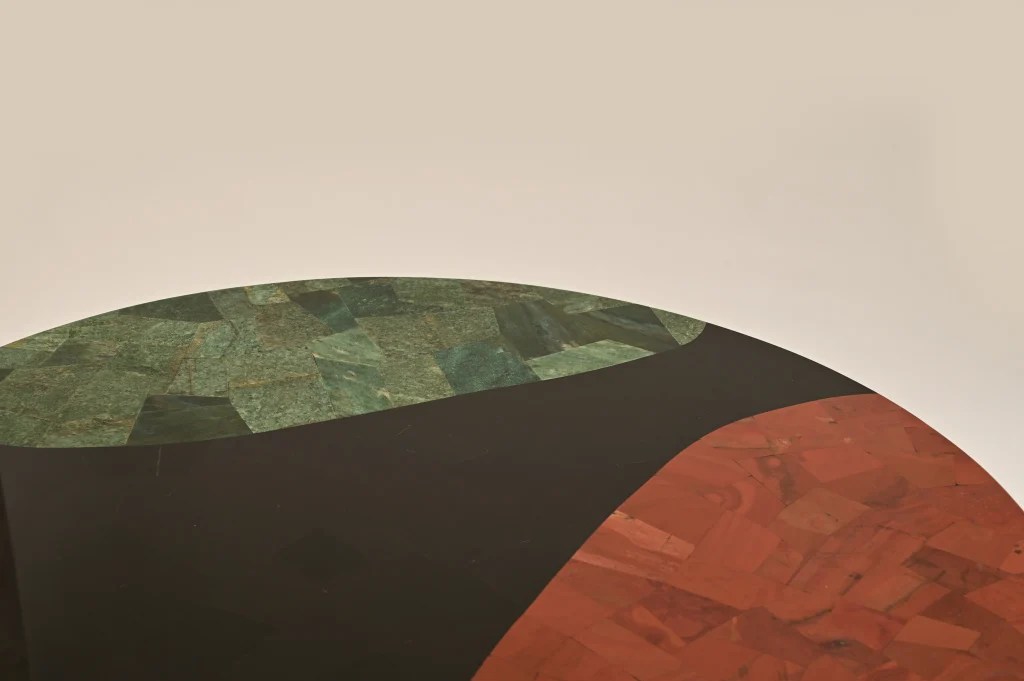
Green Oval Papier-mâché Coffee Table
By David Čáp
€1.500 -

Hola Coffee Table Matte Lacquer
By hermhaus
€3.320 This product has multiple variants. The options may be chosen on the product page -
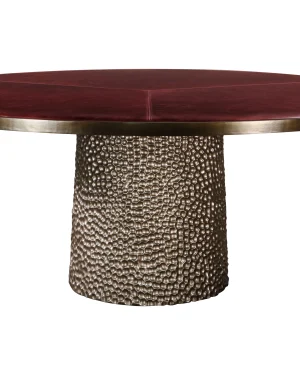
Giada – Upholstered Round Game Table With Metallic Carved Base
By Costantini Design
€13.800 -
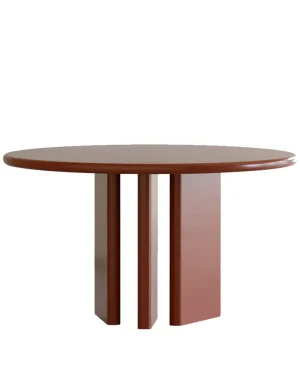
Cozy Dining Table
By hermhaus
€3.635 -
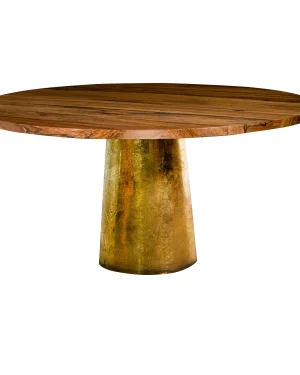
Benino – Round Exotic Wood Cast Bronze Pedestal Dining Table
By Costantini Design
€14.850 -
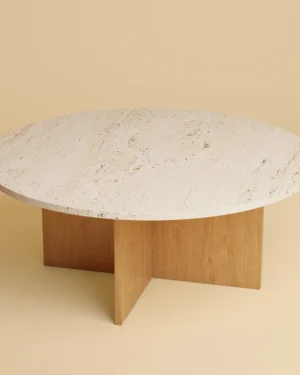
Round Travertine And Oak Coffee Table – Hirado Series
By Lebanto
€3.900 -
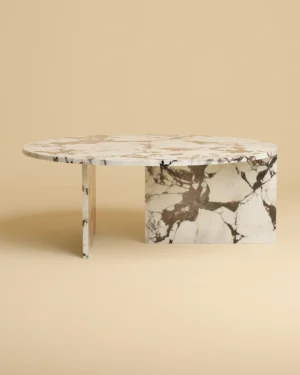
Calacatta Viola Marble Coffee Table – Ishiki Series
By Lebanto
€5.400 -
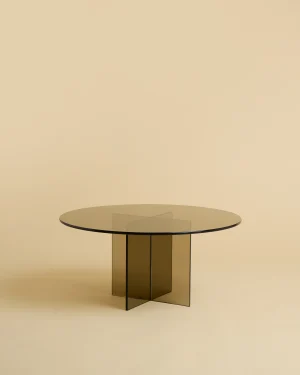
Aka – Round Bronzed Glass Coffee Table
By Lebanto
€975 -
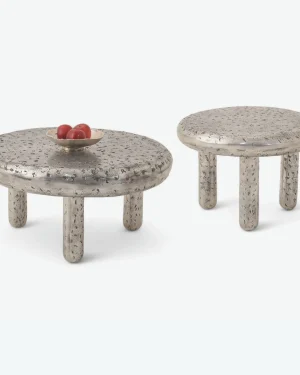
Crater Coffee Tables – Set Of 2
By LMNOH
€2.150 -
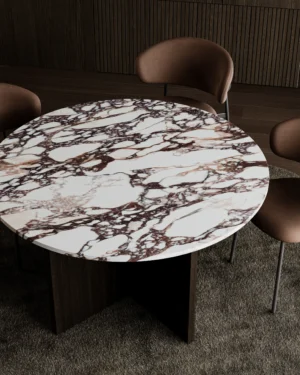
Round Marble And Oak Dining Table – Hakata Series In Calacatta Viola
By Lebanto
€9.800 -
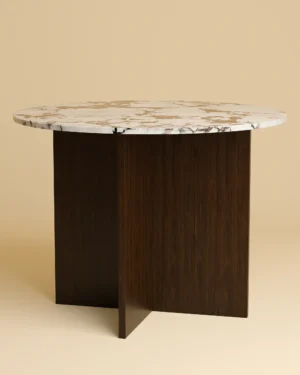
Round Dining Table – Dalma Series In Calacatta Viola Marble And Oak
By Lebanto
€6.100 -
 In stock
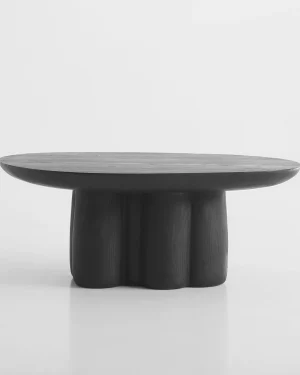
Soniah Oval Coffee Table
By FAINA
€5.650 This product has multiple variants. The options may be chosen on the product page -
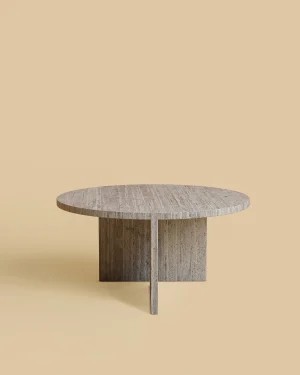
Hashi – Circular Marble Coffee Table
By Lebanto
€2.684 - €3.990 This product has multiple variants. The options may be chosen on the product page -
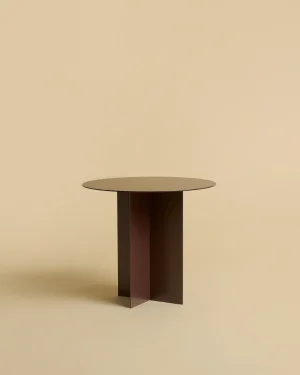
Wake Side Table in Metal
By Lebanto
€902 -
 In stock
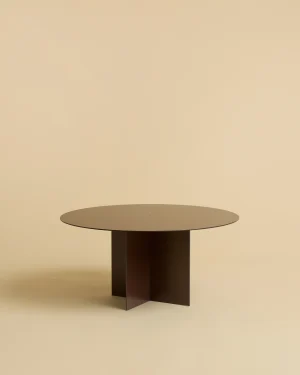
Fire – Round Chocolate Metal Coffee Table
By Lebanto
€930 -
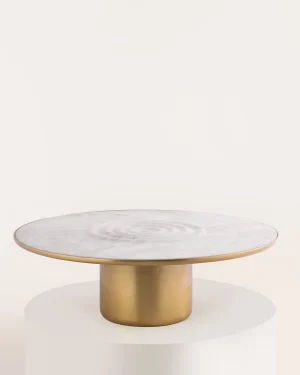
Oom – Marble & Cast Aluminum Coffee Table
By Nama Home
€9.063 -
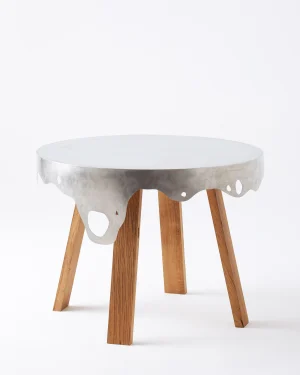
Dough Supra Table – Oak wood / Stainless Steel
By Around the Studio
€2.700 -
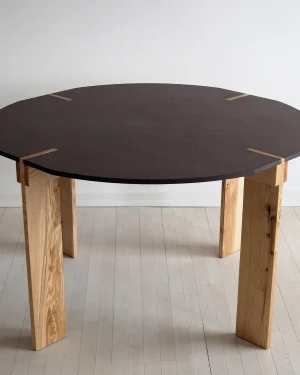
Knast – Ash Wood Table
By Benjamin Nordsmark
€1.800 -
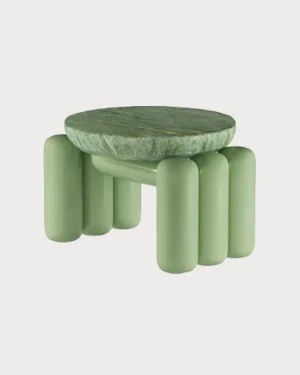
Wood Cluster Coffee Table
By Alter Ego Studio
€2.340 - €4.770 This product has multiple variants. The options may be chosen on the product page -

Canyon Centre Table
By Studio Indigene
€5.750 -
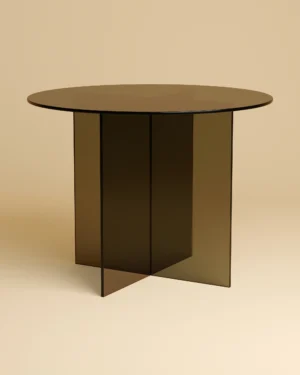
Round Glass Dining Table – Yuri Series
By Lebanto
€3.100 This product has multiple variants. The options may be chosen on the product page -
 In stock
Sponge Coffee Table
By Calen Knauf Studio
€1.168 -
 In stock
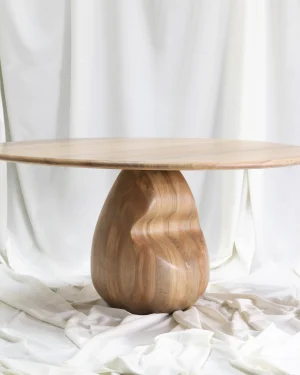
Droplet – Circular Minimalist Dining Table
By Laluz Handcraft
€6.960 -
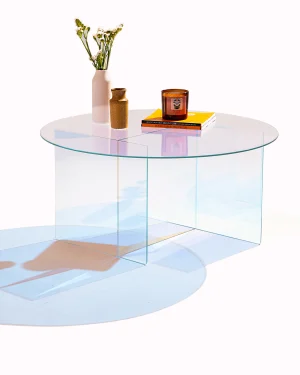
Lucid Round – Glass Coffee Table
By Yugen Lab
€2.800 -
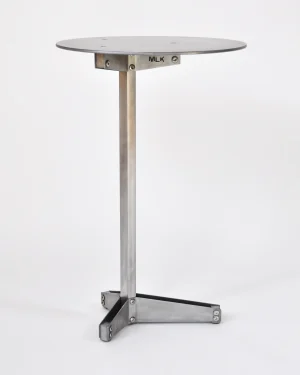 In stock
HEX400 Side Table in Aluminum
By MLK Furniture
€1.890 -
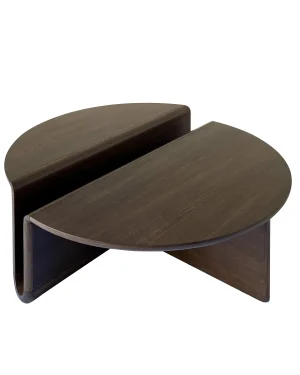
Kanyon – Oak Wood Coffee Tables
By Studio Kali
€4.220 This product has multiple variants. The options may be chosen on the product page -
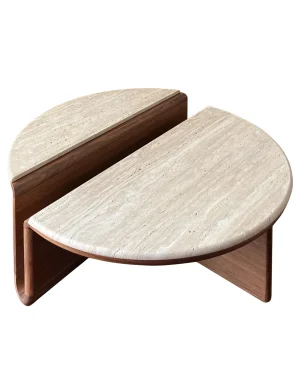
Kanyon – Coffee Tables With Travertine Table Top
By Studio Kali
€5.790 This product has multiple variants. The options may be chosen on the product page -
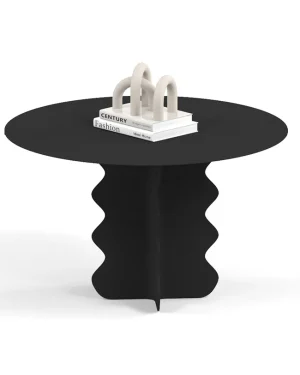 In stock
Hvylya – Coffee Cocktail Table Handcrafted With Metal
By SVITANOK
€700 This product has multiple variants. The options may be chosen on the product page -
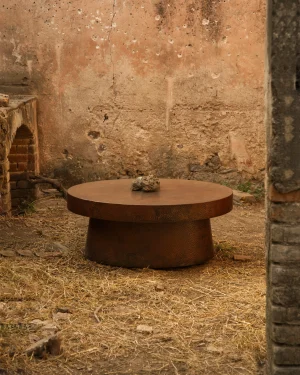 In stock
Masso®
By Aura Carpio®
€7.300 -
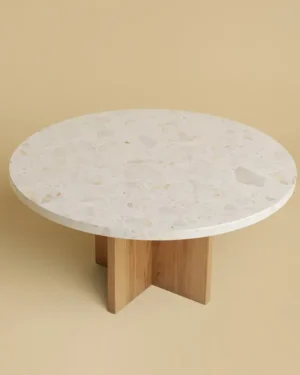
Round Marble And Oak Coffee Table – Tinian Series In Calacatta Viola
By Lebanto
€2.900 -
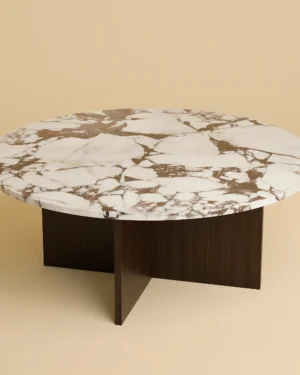
Calacatta Viola Marble And Oak Coffee Table – Hirado Series
By Lebanto
€4.400 -
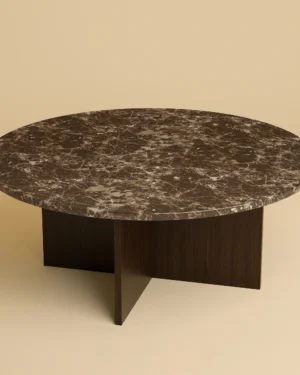
Round Coffee Table – Hirado Series In Marble And Oak
By Lebanto
€4.400 -
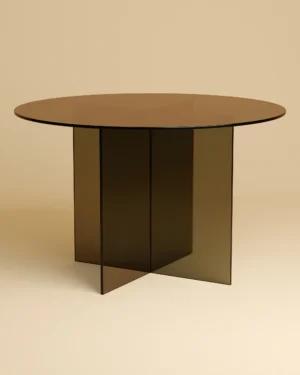
Round Glass Dining Table – Sado Series
By Lebanto
€3.750 This product has multiple variants. The options may be chosen on the product page -
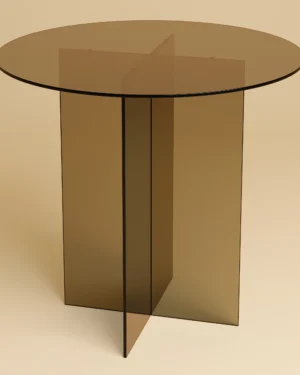
Round Glass Dining Table – Iki Series
By Lebanto
€2.500 This product has multiple variants. The options may be chosen on the product page -
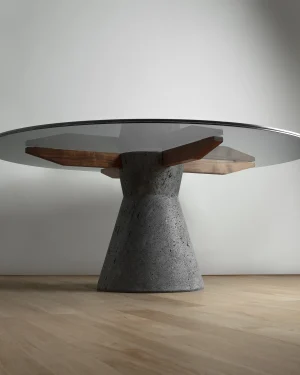 In stock
Stricta – Sculptural Dining Table Made Of Lava Stone And Glass Top
By CMX | Furniture
€17.241 -
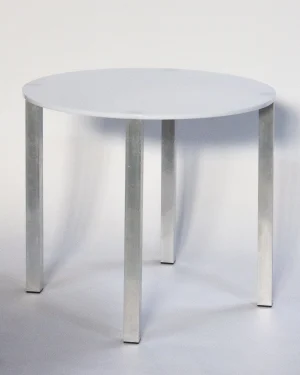
Acrilar – Round Acrylic Table
By Luiz Solano
€1.500 -
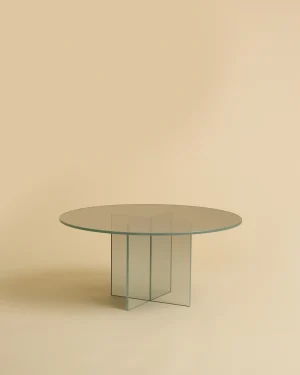
Aka – Round Transparent Glass Coffee Table
By Lebanto
€895 -
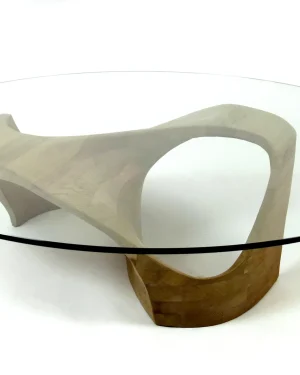
Loch – Cedar & Glass Coffee Table
By Aaron Scott
€5.600
Round tables bring people toward a center rather than along a line, their tops cut from marble, travertine, solid oak or cast in glass by studios working across stone carving, wood and cabinetmaking, metalwork and glass cold working. A circle has no head and no foot, so these pieces suit rooms built around conversation as much as rooms built around a meal. Among tables of every shape, the round form reads as the most sociable.
What defines a round table
The shape changes how a table sits in a room before anything else does. A circle has no corners to catch a hip or a knee, which is why round forms work well in tighter dining areas and narrow living rooms. The absence of a head seat also flattens the table socially: everyone sits an equal distance from the center.
Material decides how that circle is made and how it ages. Stone and marble tops are carved or honed from a single slab, carrying weight and cool to the touch, while picking up stains from wine or citrus unless sealed. Oak and other hardwoods are joined from solid boards or veneered panels, warming in color over years of light. Glass tops, cold-worked or blown at the edges, let a base of wood or metal carry the visual weight instead.
The range of materials, finishes and techniques
Round tops on ADORNO come in natural stone, marble and travertine with honed or polished finishes, in solid oak and other wood species left raw or oiled, and in glass paired with metal or wood bases. Colors run from cream, beige and honey through gray, white, brown and the occasional burgundy or violet stone vein. Styles span minimalist and contemporary forms, Mid-Century Modern proportions, Art Deco curves and Space Age bases, with metal elements finished by powder coating or left in raw welded steel.
- Stone and marble tops: carved, honed, sometimes left with natural veining as the only decoration
- Wood tops: joined or cabinetmade in solid oak, often one piece per base
- Glass tops: cold-worked or blown, usually set on a separate pedestal
Some pieces come from open editions, repeatable over time; others are unique, carved or joined as one-offs that will not be made again in the same way. Both sit within the wider range of round pieces across furniture, not tables alone.
Choosing a round table by scale and height
Diameter matters more here than length. A round table needs enough floor space around it for chairs to pull back without colliding with a wall or a sofa arm, so measure the room before the table. Standard dining height runs close to seat height plus knee clearance, while coffee and side tables sit lower, closer to sofa cushion height.
Base shape also decides how many people the top can seat. A single pedestal frees up legroom and reads lighter in a small room, while three or four legs can support a heavier stone or marble slab. Finish should match wear: a honed stone top hides fingerprints better than a polished one, and a raw oiled oak top shows scratches as part of its surface rather than as damage.
Where round tables belong
In a living room, a round coffee table softens a layout built from straight sofas and rectangular rugs, and pairs easily with the lower, rounder silhouettes found among living room tables. In a dining room, a round table keeps conversation even across the group, a reason many households choose round over rectangular for everyday use; see the range of round dining tables for scale options. For a smaller footprint entirely, a round top for a side table or a compact coffee table draws from the same wood joinery and stone carving as the larger pieces among round coffee tables.
Caring for stone, wood and glass tops
Marble and other natural stones stain and etch from acid and oil, so wipe spills quickly and use a sealed finish or a mat under glasses and dishes. Solid oak tops take an oil or wax finish that needs reapplying over years, darkening gradually under daylight. Glass stays inert but shows every fingerprint, so a soft cloth and plain water keep it clear without scratching the surface.
How do I choose the right round table?
Start with the room and seating count, then let material follow: stone and marble carry weight in a dining room, oak and glass suit lighter, everyday spaces. A round top also eases traffic in tighter rooms, since there are no corners to navigate.
What materials are round tables made from?
Most are stone, marble, travertine or solid oak, with glass tops appearing on lighter, more open designs. Stone and marble bring density and a cool surface, while oak warms a room and ages with gentle color change over time.
How do I care for a stone or marble round table?
Wipe spills quickly, since marble and travertine can stain or etch from acidic liquids like wine or citrus. Use a damp cloth for daily cleaning and avoid harsh chemicals, which dull the natural surface over time.
What size and height should a round table be?
Dining tables generally sit around 28 to 30 inches high, while coffee tables run lower, near 16 to 18 inches. Diameter should leave at least 24 inches of clearance around the table for chairs and movement.
Which rooms suit a round table best?
Round tables work well in dining rooms, entryways and smaller living rooms, where their shape softens sharp layouts and encourages conversation. They also suit compact spaces, since they take up less visual room than a square or rectangular top.
What about shipping, returns and authenticity through ADORNO?
Shipping is insured and worldwide, with a 14-day return policy on all pieces except those made to order. Each table arrives with a certificate of authenticity, and ADORNO offers a lowest-price guarantee.