





















-
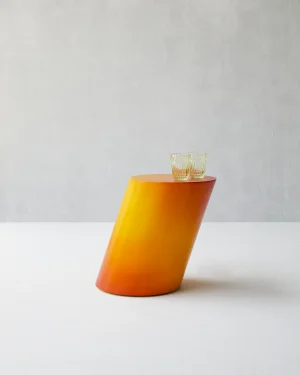
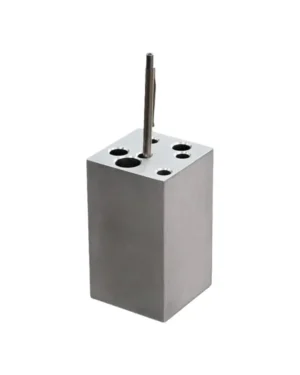
Sunrise End Table
By Objectry
€363 -

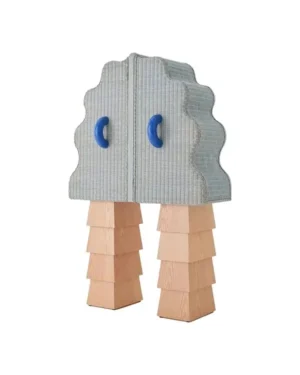
Elements Set (fire, Earth, Water And Air)
By Daniel Couttolenc
€6.150 -
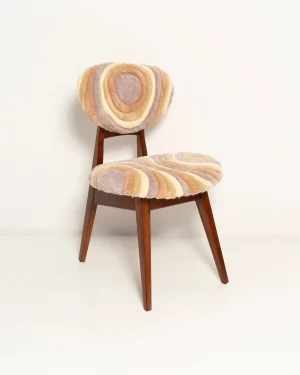
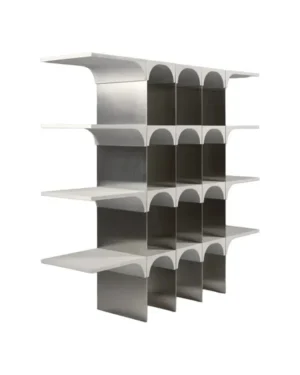
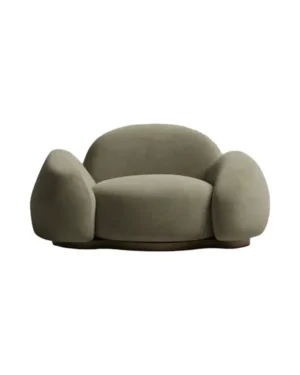
Mid Century Mushroom Chair Hand Tufting Beige Wool
By Vintola Studio
€1.600 -

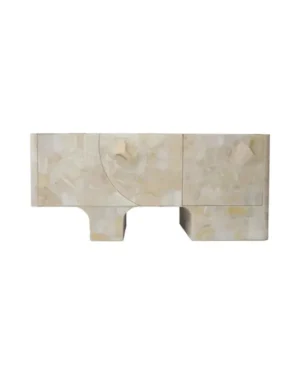
Nemo and Dory Side Table in Reclaimed Teak Wood
By Studio Indigene
€1.600 -
 In stock
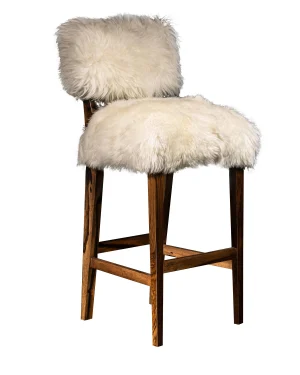
Bruno – Modern Bar Stool In Argentine Solid Wood
By Costantini Design
€1.980 This product has multiple variants. The options may be chosen on the product page -

Mono Dining Table
By Assimply Studio
€4.920 - €5.450 This product has multiple variants. The options may be chosen on the product page -
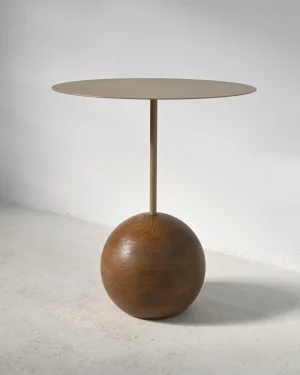
An Su Side Table in Steel and Ash Wood
By SALAK Studio
€690 -
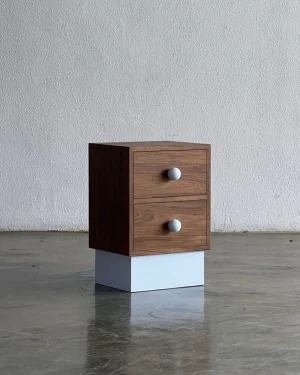
Mamun Side Table – Dusty Blue
By STUDIO KALLANG
€1.450 -
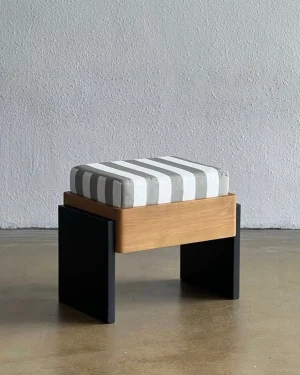
Striped Teak Ottoman
By STUDIO KALLANG
€1.025 -

Windows of Bo Bardi Side Table in Tulip Wood
By Linde Freya Tangelder
€1.300 - €1.600 This product has multiple variants. The options may be chosen on the product page -
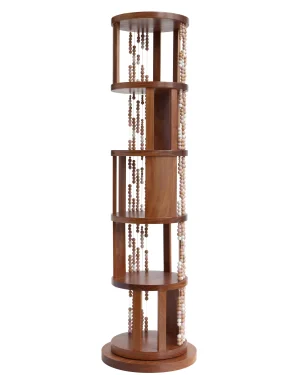
Contas Round Swivel Bookcase – Cabreuva Wood / Ceramic
By YANKATU
€5.100 -

TRN Model 3 Side Table in Solid Ash Wood
By Pani Jurek STUDIO
€1.065 This product has multiple variants. The options may be chosen on the product page -

Mono Side Table in Travertine and Metal
By Yet Design Studio
€1.200 - €1.380 This product has multiple variants. The options may be chosen on the product page -

Mono – Dining Table Long
By Assimply Studio
€5.820 -
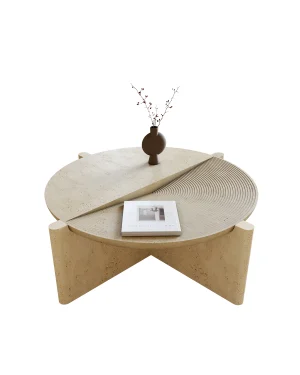
Arkhe No 1 – Round Travertine Coffee Table
By Studio Kali
€6.170 -

Su Side Table in Steel and Ash Wood
By SALAK Studio
€590 -

Cherry Side Table in Steel and Wood
By SALAK Studio
€590 -
 In stock
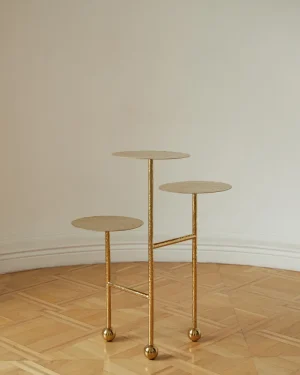
Liquid Table Tin Coated Steel
By FURN OBJECT
€3.600 -
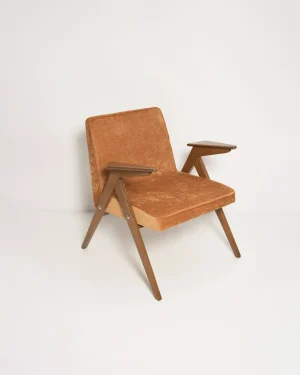
1960s Upholstered Armchair
By Vintola Studio
€1.300 -

Mid-century Heart Chair In Plushy Bordeaux, Dedar,europe, 1960s
By Vintola Studio
€1.050 -
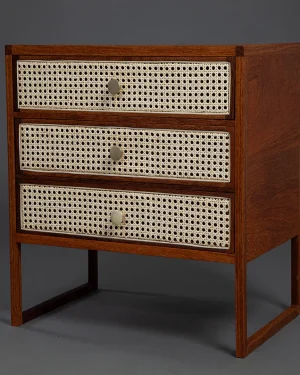
The Square Bedside Table
By am.o atelier
€1.579 -

The Mingo Side Table in White Oak
By CHANDLER MCLELLAN
€2.170 -

Vintola Studio Dining Chair, Casamance Nimbus Leopard Fabric
By Vintola Studio
€1.400 -

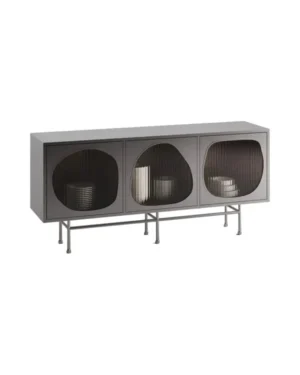
Salomón Credenza – Solid Rosa Morada Wood
By Kresta Studio
€2.500 -
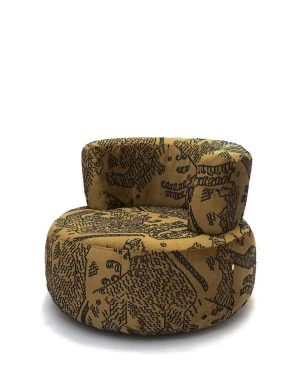
Object051 – Dedar Fabric Armchair
By NG DESIGN
€2.095 -
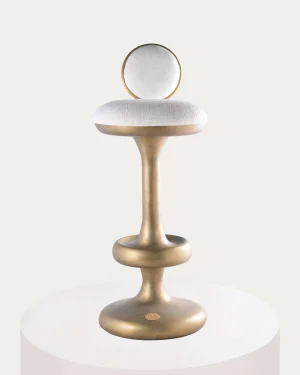
Atom Barstool
By Nama Home
€3.300 -
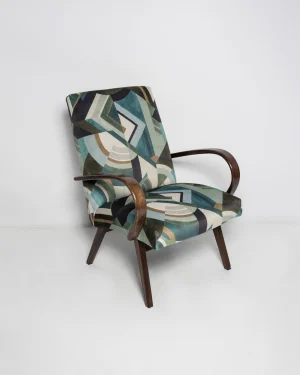 In stock
Armchair Designed By Jaroslav Šmidek
By Vintola Studio
€1.800 -
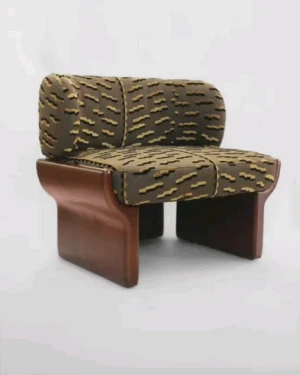
Lucky Armchair Tiger Mountain
By Alter Ego Studio
€5.220 -
 In stock
Pebble Coffee Table
By Nitush and Aroosh
€5.250 -
 In stock
Vintola Dining Chair, Tiger Mountain Velvet – Dedar, Walnut Wood
By Vintola Studio
€1.400 -
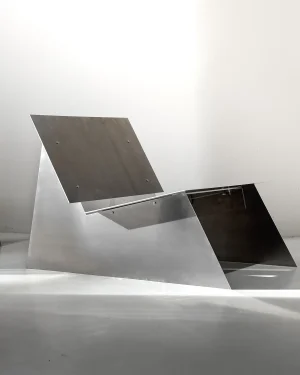 In stock
Aluminium Lounge Chair
By case studios
€1.571 -
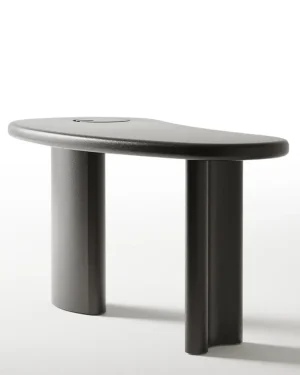
Flow Desk – Lacquered on Wood
By hermhaus
€11.235 This product has multiple variants. The options may be chosen on the product page -
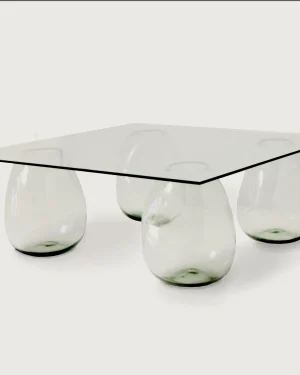
Bubble Glass Coffee Table
By Panorammma Atelier
€6.400 -
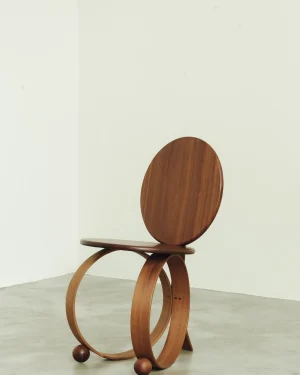
Yara – Bent Wood Chair
By PROSA
€3.200 -
 In stock
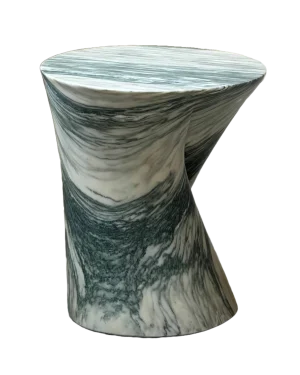
Departed Side Table in Cipollino Marble
By Studio TOOJ
€12.200 -
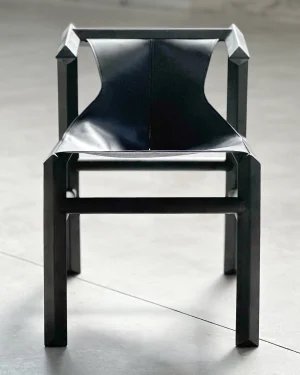
1901 – Black Leather And Wood Dining Chair
By espina corona
€890 -

1908 – Solid Wood & Leather Lounge Chair
By espina corona
€1.450 -
Lucky Armchair
By Alter Ego Studio
€5.220 This product has multiple variants. The options may be chosen on the product page -
 In stock
Lasso Coffee Table
By Nitush and Aroosh
€4.250 -

Donut Side Table in Blown Glass and Tempered Glass
By Deya
€1.633 -
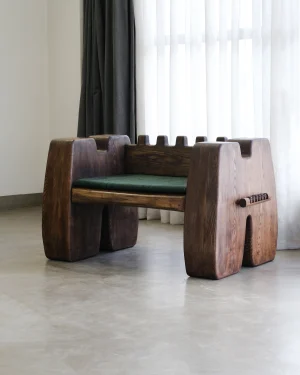
Takhat Armchair
By Shivangi Vasudeva
€5.000 -
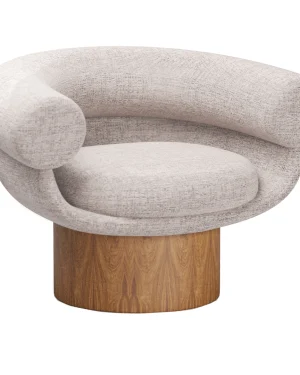
Bowl Armchair
By Alter Ego Studio
€5.500 - €5.550 This product has multiple variants. The options may be chosen on the product page -
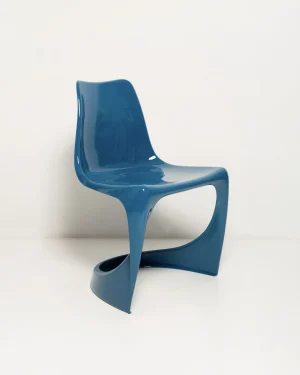
Sea Blue Cado Chair
By Vintola Studio
€900 -
 In stock
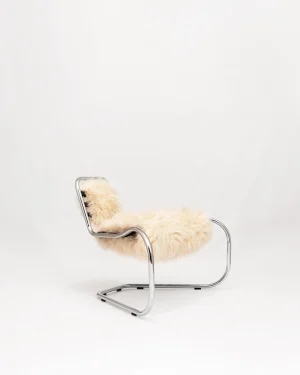
Curvy – Steel & Fur Armchair
By Luca Pasqualotti Architect
€3.885 This product has multiple variants. The options may be chosen on the product page -
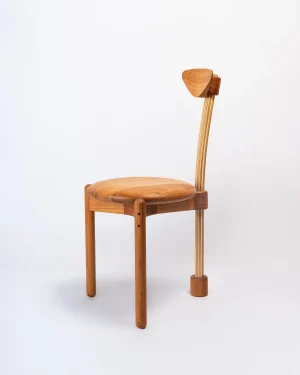
Pipa – Peroba Do Campo Wood Chair
By Estúdio Simbiose
€1.450 -
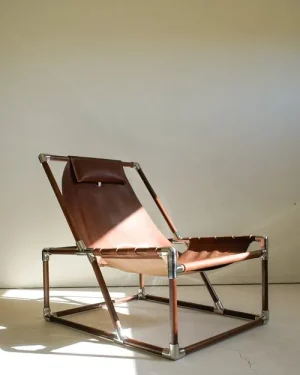
Marina Sling – Lounge Chair
By CHANDLER MCLELLAN
€2.588 -
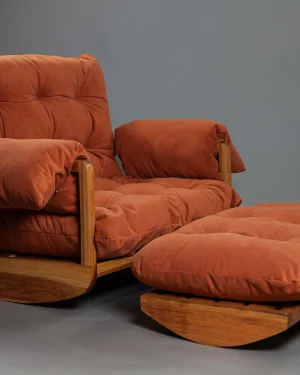
The Laziness Armchair
By am.o atelier
€3.130 -
 In stock
Pneumatic Chair 2
By Szostak Atelier
€5.990 This product has multiple variants. The options may be chosen on the product page -
 In stock
Pierre – Sucupira Armchair
By Tiago Curioni
€4.200 -
 In stock
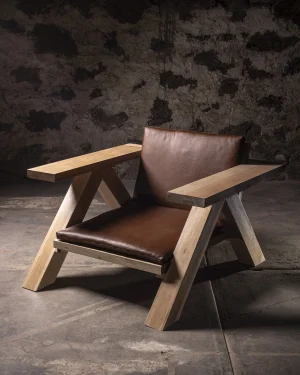
Ttr – Oak Lounge Chair
By NO AGE STUDIO
€2.500 -
 In stock
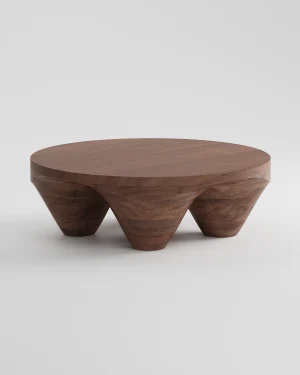
Utterö Mahogany Coffee Table
By Studio TOOJ
€17.900 -
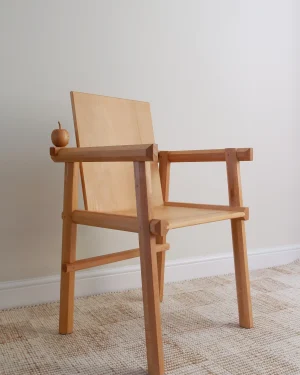
Apple Chair – Beech Wood Arm Chair
By Josh Page Studio
€1.710 -

Loewy Desk
By Toro Manifesto
€4.250 -
 In stock
Vintola Dining Chair, Jacquard Velvet, Vintola Studio
By Vintola Studio
€1.400
Mid-century modern furniture takes its cues from the decades after the Second World War, when designers pared wooden forms down to their structure and let the grain do the talking. Teak and other wood species dominate, often paired with wool or textile upholstery and a restrained use of metal for legs and frames. Studios working in this idiom favor cabinetmaking and upholstery over heavy ornament, so joints, tapered legs and visible grain carry the design.
What defines the material and finish
Teak wood ages toward a deeper amber and resists moisture better than most species, which is why it turned up so often in case pieces and seating from this period and still does today. Pine wood, lighter and softer, takes a pale finish well and shows tool marks more readily, giving it a plainer, more utilitarian character. Where metal appears, it tends to be stainless steel, used sparingly for legs, frames or hardware rather than as the main structure.
Color stays close to the material itself: beige, brown, and beige-and-brown combinations that let wood tone read clearly, with black, dark gray, off-white, or green appearing on upholstery or lacquered surfaces. Gold shows up as a metal accent rather than a dominant finish. Wool and viscose upholstery, sometimes tufted, add texture without competing with the wood.
The range of kinds found here
Within mid-century modern furniture, you will find pieces built through wood and cabinetmaking, others finished through metalwork, and seating shaped by upholstery or tufting. Some studios work in open editions, producing a steady run of a given design; others make unique pieces, each one varying slightly by hand even when the form repeats. Both approaches sit under the same style, so the difference is in process and availability, not in the visual language.
How to choose a piece
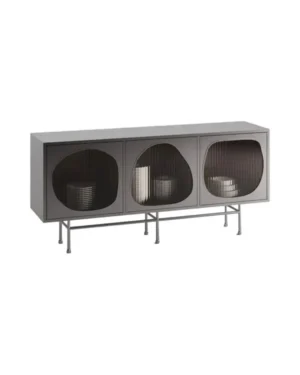
Scale matters more than style once you have settled on the look. A sideboard or cabinet should leave clearance for doors and drawers to open fully, and seating height should match the table or surface it will sit near, typically close to standard dining or coffee-table proportions.
- Check the finish: oiled or waxed wood shows grain more openly but needs more upkeep than a lacquered surface.
- Match upholstery to use: wool wears well in daily seating, while lighter textiles suit occasional chairs.
- Consider leg height and splay, since tapered mid-century legs need floor space around them to read properly.
For a broader sense of scale and proportion across the style, the full range of mid-century modern pieces on ADORNO spans seating, lighting, and case goods, which helps when planning a room rather than a single piece.
Where these pieces sit in a room
Case pieces such as sideboards and cabinets anchor living and dining rooms, while lounge chairs and sofas define a seating area without crowding it. Because the forms are low and the materials warm, these pieces tend to suit living room furniture particularly well, though smaller tables and stools move easily into bedrooms or studies. Pair wood case pieces with similarly toned seating to keep a room from feeling assembled from mismatched eras.
Care for wood, metal, and upholstery
Wood surfaces, especially teak, benefit from an occasional oil treatment to keep the grain from drying out, and should stay out of direct, prolonged sun to avoid uneven fading. Wipe spills promptly, since standing water can mark an oiled or waxed finish. Metal legs and hardware need only a dry cloth; textile and wool upholstery should be vacuumed regularly and kept away from direct heat sources that can dry out fibers.
If you are weighing wood against other materials across the wider furniture category, it helps to compare finishes side by side, and the wooden furniture and metal furniture pages break the material down further by species and alloy, useful groundwork before settling on a specific mid-century modern piece for a room.
How do I choose a mid-century modern piece?
Look for tapered legs, clean lines and a visible wood grain, whether in teak, oak or walnut. Pair pieces with similar proportions so a room reads as one period rather than a mix.
What materials are mid-century modern furniture made from?
Most pieces use solid or veneered wood, often teak or oak, sometimes paired with wool upholstery or metal legs in steel or brass. Wood warms in tone over time with light exposure and regular dusting.
How do I care for wood and upholstered mid-century pieces?
Wipe wood with a dry or slightly damp cloth, away from direct sun and heat sources that dry out the grain. Vacuum textile upholstery regularly and treat spills immediately to prevent staining.
What size and height are mid-century modern furniture pieces?
Seating sits low, chair seats typically 16 to 18 inches high, while tables follow standard dining or coffee table heights. Check each piece's listed dimensions, as proportions vary by studio.
Which rooms suit mid-century modern furniture?
Living rooms and dining areas suit the style well, where low-slung chairs, sideboards and case pieces anchor the space. Bedrooms also work, particularly with case goods in warm wood tones.
How does shipping, returns and authenticity work when buying from ADORNO?
Shipping is insured and worldwide, with a 14-day return policy excluding made-to-order pieces. Every piece comes with a certificate of authenticity and ADORNO offers a lowest-price guarantee.