
-
 In stock
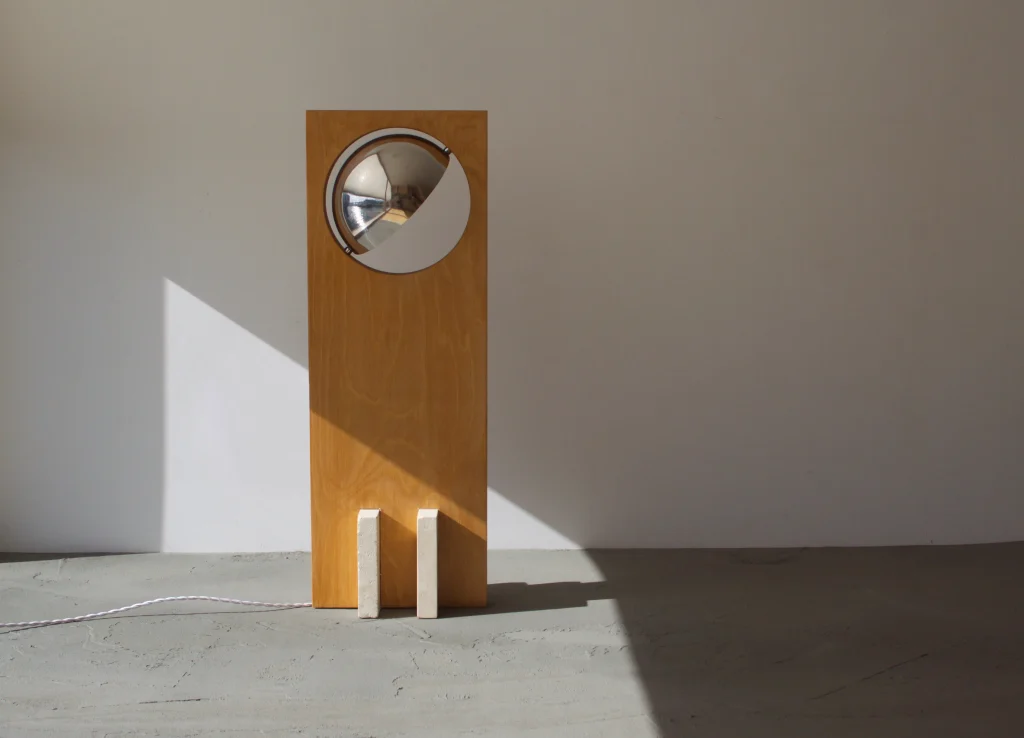
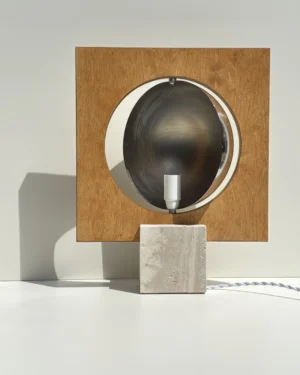
Galileo Lamp 2.0 Table Lamp In Concrete And Plywood
By Edoardo Lietti Studio
€600 -
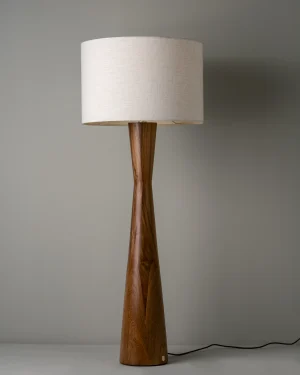
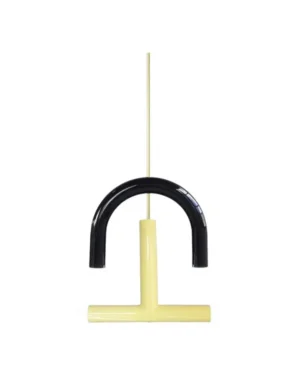
Sabina Floor Lamp in Parota Wood
By Isabel Moncada
€3.802 -

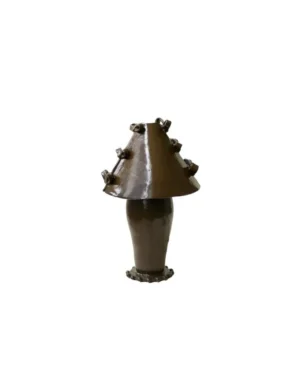
Nuit Table Lamp in Teak Wood
By Studio Indigene
€400 -
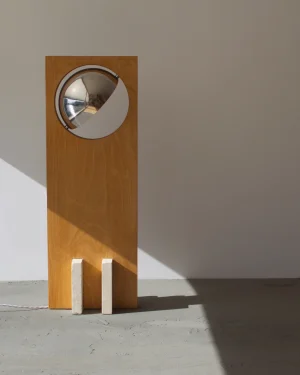
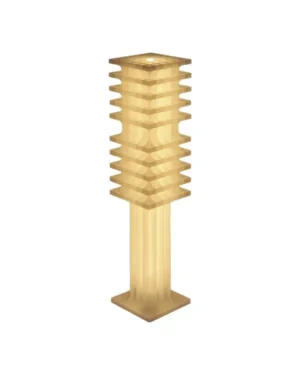
Galileo 2.3 Floor Lamp In Marble And Plywood
By Edoardo Lietti Studio
€1.050 -
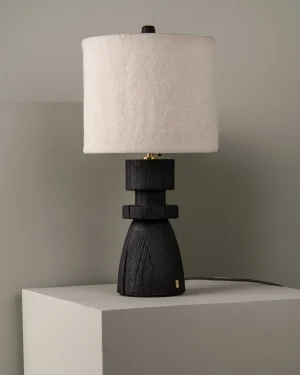
Mezquite Table Lamp in Burned Pinewood and Natural Linen
By Isabel Moncada
€2.925 -
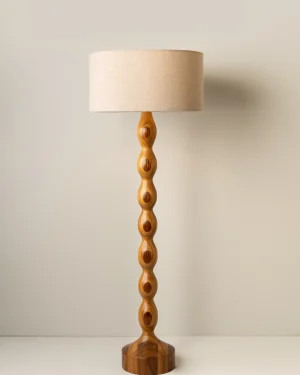
Tamarindo Floor Lamp in Parota Wood and Natural Fibers
By Isabel Moncada
€3.802 -
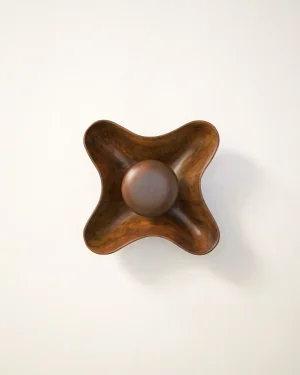
Compass Sconce in Teak Wood
By Studio Indigene
€550 -
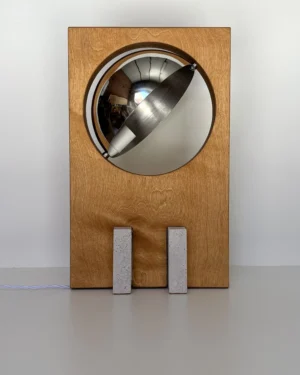
Galileo 2.2 Table Lamp In Marble And Plywood
By Edoardo Lietti Studio
€750 -
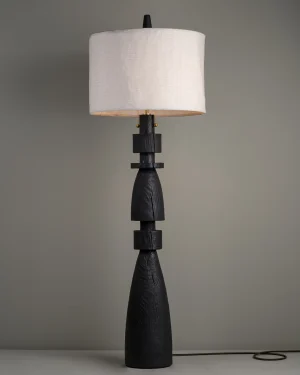
Mezquite Floor Lamp in Pinewood, Linen and Brass
By Isabel Moncada
€4.095 -
 In stock
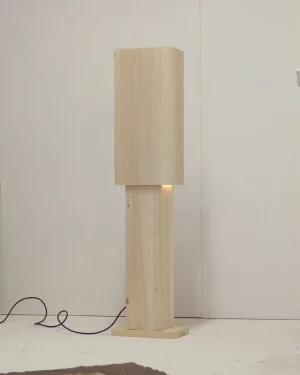
Sensitive Wood Claire Floor Lamp In Poplar Wood
By Vital Lainé
€1.000 -

Curva Floor Lamp in Guarango Wood and Bronze
By Laluz Handcraft
€3.600 -

Falcon Floor Lamp in Brass and Oak Wood
By Nathan Chintala
€2.105 -

Lightpulse Wall Lamp in Oak Wood and Acrylic
By Studio Lampent
€1.400 -
 In stock
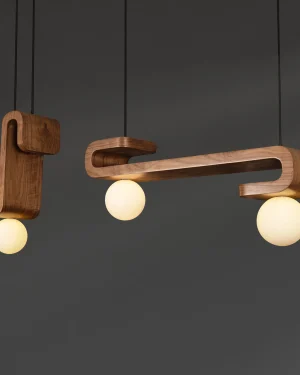
Esse Ceiling Lamp in Wood
By Saadia Design
€1.200 - €2.500 This product has multiple variants. The options may be chosen on the product page -

Event Horizon L Wall Sconce in Acrylic Glass
By Catrinel Sabaciag
€1.963 -
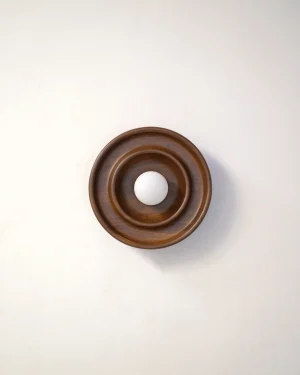
Discus Sconce in Teak Wood
By Studio Indigene
€450 -

Peaceful Intuition 2.0 Floor Lamp in MDF
By Studio Fabius Clovis
€1.819 -
 In stock
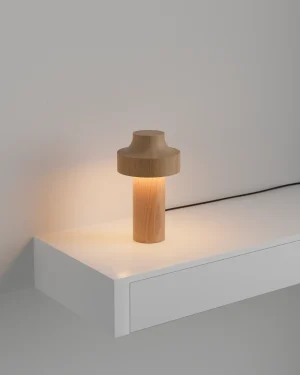
Monolith Table Lamp in Mexican Red Oak
By Sergio Enríquez Industrial Design Office
€800 -
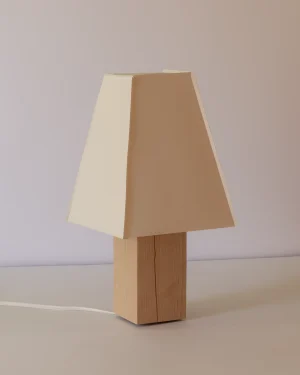
PL – 1 Table Lamp in Beech Wood and Paper
By Sergio Enríquez Industrial Design Office
€1.500 -

Soft Ply Wall Sconce in Birch Wood and Brass
By Sheyang Li
€264 -
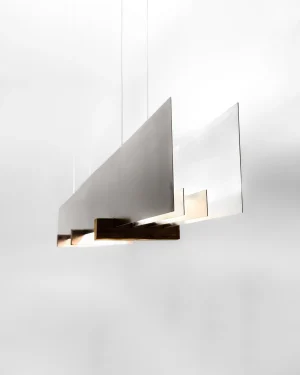
Linear Ceiling Lamp (extra Large) in Aluminum and Wood
By case studios
€1.210 - €1.910 This product has multiple variants. The options may be chosen on the product page -
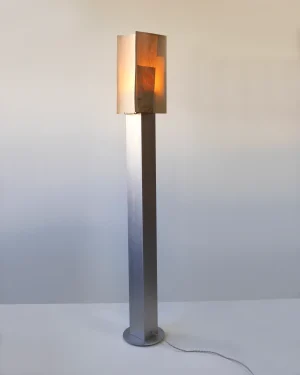
Soft Ply Floor Lamp in Wood and Aluminum
By Sheyang Li
€1.364 -

Patagonia Pendant Lamp in Wood
By espina corona
€650 -
 In stock
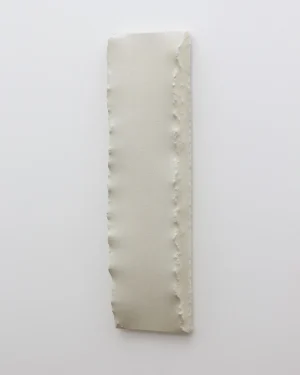
Edges 20-75 T8-60 Wall Sconce in Paper Pulp
By David Čáp
€400 -
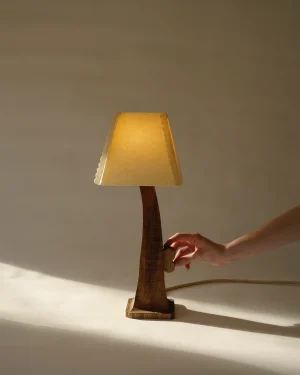
Sprout Table Lamp In Cotton And Natural Oak
By Basia Pruszyńska
€2.000 -

Edges 20-105 T8-90 Wall Sconce in Paper Pulp
By David Čáp
€500 -
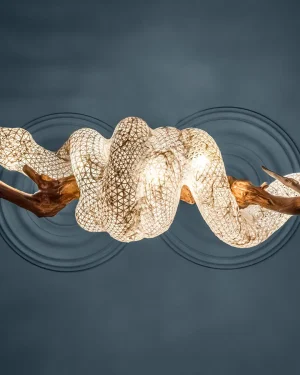
The Staff of Asclepius Chandelier in PLA and Wool
By Danik Uderbekov
€2.500 -
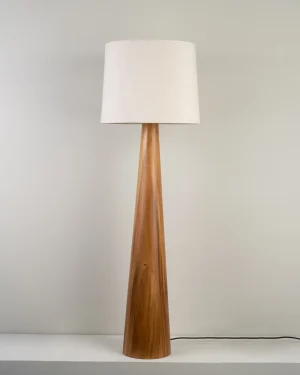
Malva Floor Lamp in Parota Wood
By Isabel Moncada
€3.802 -
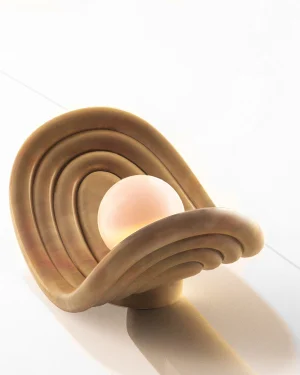
Pearl Table Lamp
By Alter Ego Studio
€4.790 - €8.700 This product has multiple variants. The options may be chosen on the product page -

Amar Table Lamp in Wenge Wood and Pau Ferro
By Brett Paulin
€2.267 -

Black Wool Table Lamp in Biocomposite
By PletoStudio
€700 -
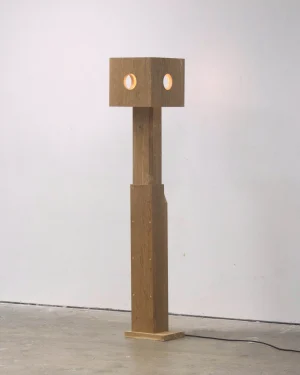 In stock
Sensitive Wood Gavroche Floor Lamp In Brown Oak
By Vital Lainé
€2.500 -

Patagonia Pendant Lamp in Black Wood
By espina corona
€350 -
 In stock
Less Pendant Lamp in Steel, Wood and Plaster
By Jordi Canudas Faura
€388 This product has multiple variants. The options may be chosen on the product page -
 In stock
Aurora Frosted Wall Sconce in Acrylic and Aluminum
By Catrinel Sabaciag
€1.352 -
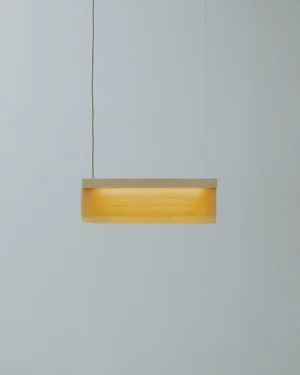
Cenit S Pendant Lamp in Ash Wood and Celium
By Natural Urbano - Sebastián Beltrán
€740 -
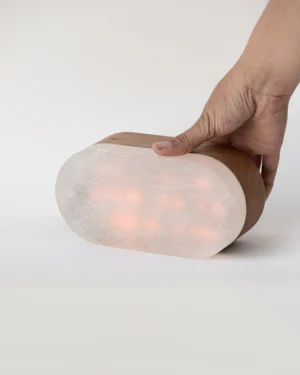 In stock
Cumulo Table Lamp in Alabaster and Oak Wood
By Valentine Maurice
€900 -

Tenfold Table Lamp in Aluminum and Mahogany Wood
By Luft Tanaka Studio
€3.900 -
 In stock
Brown Mud Ellipse Wall Sconce in Textiles and Wood
By David Čáp
€550 -

Aurora Floor Lamp in Cumaru, Sucupira and Cerejeira Wood
By PROSA
€1.800 -

Laco Floor Lamp in Biocomposite and Linen
By PletoStudio
€3.600 -
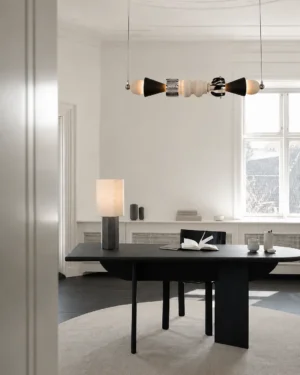 In stock
Arinna Pendant Lamp In Oak, Stone And Brass
By MARAU
€15.000 -
 In stock
Bells and Whistles Wall Sconce in Aluminum
By Toro Manifesto
€1.300 -

Aurora Wall Sconce in Wood
By PROSA
€750 - €900 This product has multiple variants. The options may be chosen on the product page -
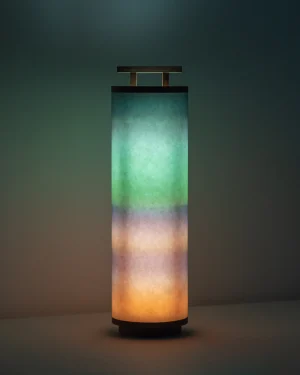 In stock
Torii G Pala Table Lamp in Washi Paper and Walnut
By Prangé
€1.232 -
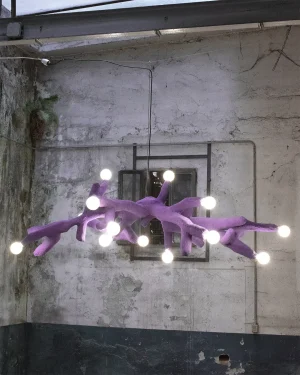
Corallo Chandelier in Alder Wood
By Jonathan Bocca
€15.000 -
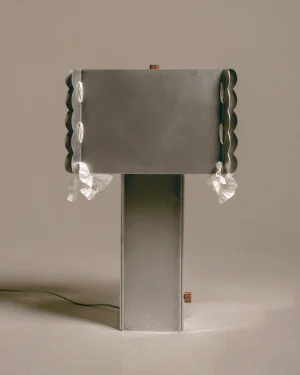 In stock
Serwetka Table Lamp in Aluminum and Cherry Wood
By Basia Pruszyńska
€1.900 -

Shadow Wool Floor Lamp in Biocomposite and Carpathian Wool
By PletoStudio
€2.200 -

Lomo Floor Lamp in Wool and Ash Wood
By Natural Urbano - Sebastián Beltrán
€565 -
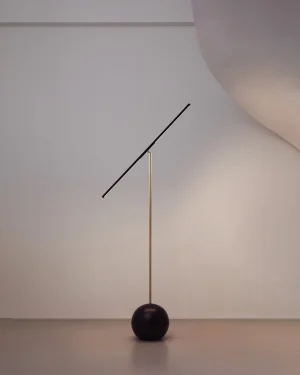 In stock
T-Lamp Floor Lamp in Aluminum, Brass and Oak Wood
By HEAKO
€3.850 -
 In stock
Patagonia Pendant Lamp in Natural Wood
By espina corona
€350 -
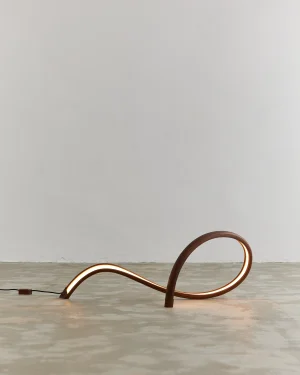 In stock
Maré Table Lamp in Walnut Wood
By Poémia
€3.600 -

Silva Soft Floor Lamp in Biocomposite and Cotton
By PletoStudio
€1.100 -
 In stock
Mujo M Reol Wall Sconce in Walnut Wood and Washi Paper
By Prangé
€1.706
Wooden lamps bring a material that reads differently in every light: grain tightens under a bulb's warmth, pales under daylight, and darkens again at dusk. The pieces gathered under this material are turned, carved, joined or veneered by independent studios working in oak, walnut, teak, beech, birch and parota wood, each piece built to hold both a form and a light source without favoring one over the other. Some bodies are solid blocks shaped on a lathe; others are built from thin panels joined like small cabinets.
What defines a wooden lamp
Wood carries weight differently than ceramic or blown glass. A solid walnut or oak base sits low and steady, while a turned beech or birch stem can rise tall and still feel light in the hand. Color runs from pale birch and light chestnut tones through warm mid-browns to near-black ebonized finishes, and most pieces are left natural, oiled or waxed rather than painted, so the surface keeps breathing with the room's humidity.
Grain is part of the design, not a flaw to hide. Teak and parota wood show looser, more open grain with visible knots and color shifts; beech and birch run tighter and more even. A shade in linen, cotton or natural fiber is often paired with the wooden body, softening the light and keeping the silhouette from reading as a single solid block.
Techniques and editions found here
Wood and cabinetmaking, woodturning, wood carving and veneering all show up across these lamps, sometimes on the same piece. A turned base reads as one continuous curve; a carved one keeps tool marks as texture; a veneered body lets a studio use a figured wood sparingly over a plainer core. Editions range from open runs to limited editions and unique pieces, so the same silhouette can exist as a small series or as a one-off, depending on how a studio chooses to work.
Choosing scale, height and finish
A wooden lamp's job changes with its height. A low table lamp set at reading height beside a sofa or bed does close, direct work, while a taller floor lamp built from a turned or joined wooden column can stand in for an empty corner and throw light upward instead of down.
- Scale: match the base's footprint to the surface it sits on, so a side table is not overwhelmed and a console is not left looking sparse.
- Finish: oiled and waxed woods darken and deepen with age; lacquered or ebonized finishes stay closer to their original tone.
- Placement: a pale birch or beech body lifts a dark room, while walnut or a near-black finish grounds a bright one.
Pairing matters as much as the piece itself. A wooden lamp with a carved or turned base often sits comfortably among the wooden furniture pieces already common in living rooms and studies, carrying the same grain and tone across a room rather than introducing a second material to reconcile.
Where wooden lamps belong
These pieces suit rooms built around sitting and reading more than rooms built around quick tasks. A pair flanking a sofa or bed does steady, repeatable work, and a single taller floor lamp can anchor a reading chair or a bare corner. For spaces built around low seating and long evenings, the living room lamps grouped elsewhere on ADORNO show how the same wood-and-shade logic plays out at different scales, and the pared-back shapes found among minimalist lamps show how far a turned or carved wooden form can be reduced before it stops reading as a lamp at all.
Caring for a wooden lamp
Solid wood moves with changes in heat and humidity, so keep a wooden lamp away from direct radiator heat or constant damp, which can cause a base to crack or a veneer to lift at the edge. Dust with a dry or barely damp cloth, and refresh an oiled or waxed finish occasionally rather than letting the surface dry out and dull. Direct, prolonged sun will lighten most woods over time, which is not damage so much as the material aging the way it is expected to.
For the full range of oak, walnut, teak and other solid-wood pieces across lighting, seating and tables, the wood material page gathers everything made in the material, while the broader lamps category covers every material a studio works in, wood among them.
How do I choose a wooden lamp?
Match the wood tone to nearby furniture, oak and walnut read warm and heavy, beech and birch lighter. Consider whether the shade filters light softly or the base simply holds a bulb above a surface.
How do you care for a wooden lamp?
Keep wood away from direct sun and damp, which cause fading and warping. Dust with a dry cloth and wipe occasionally with a slightly damp one, then dry fully.
What size wooden lamp do I need?
Table lamps generally stand between 18 and 30 inches, enough to clear a shade above eye level when seated. For a piece's exact dimensions, chat with the maker on its page.
Which rooms suit wooden lamps?
Their warmth reads well in living rooms, bedrooms and studies, anywhere wood tones already appear in flooring or furniture. Natural grain also softens rooms built from harder materials like stone or metal.
Can I order a custom wooden lamp?
Some makers take custom requests and others work only in open or limited editions. Chat with the maker on the piece's page to ask directly.
What are ADORNO's shipping and return policies?
Shipping is insured and sent worldwide. Returns are accepted within 14 days, except for made-to-order pieces, and every lamp arrives with a certificate of authenticity.