



















-
 In stock
Coral Table Lamp in Clay and Ceramic
By Dzovag Kotchian
€900 -
 In stock
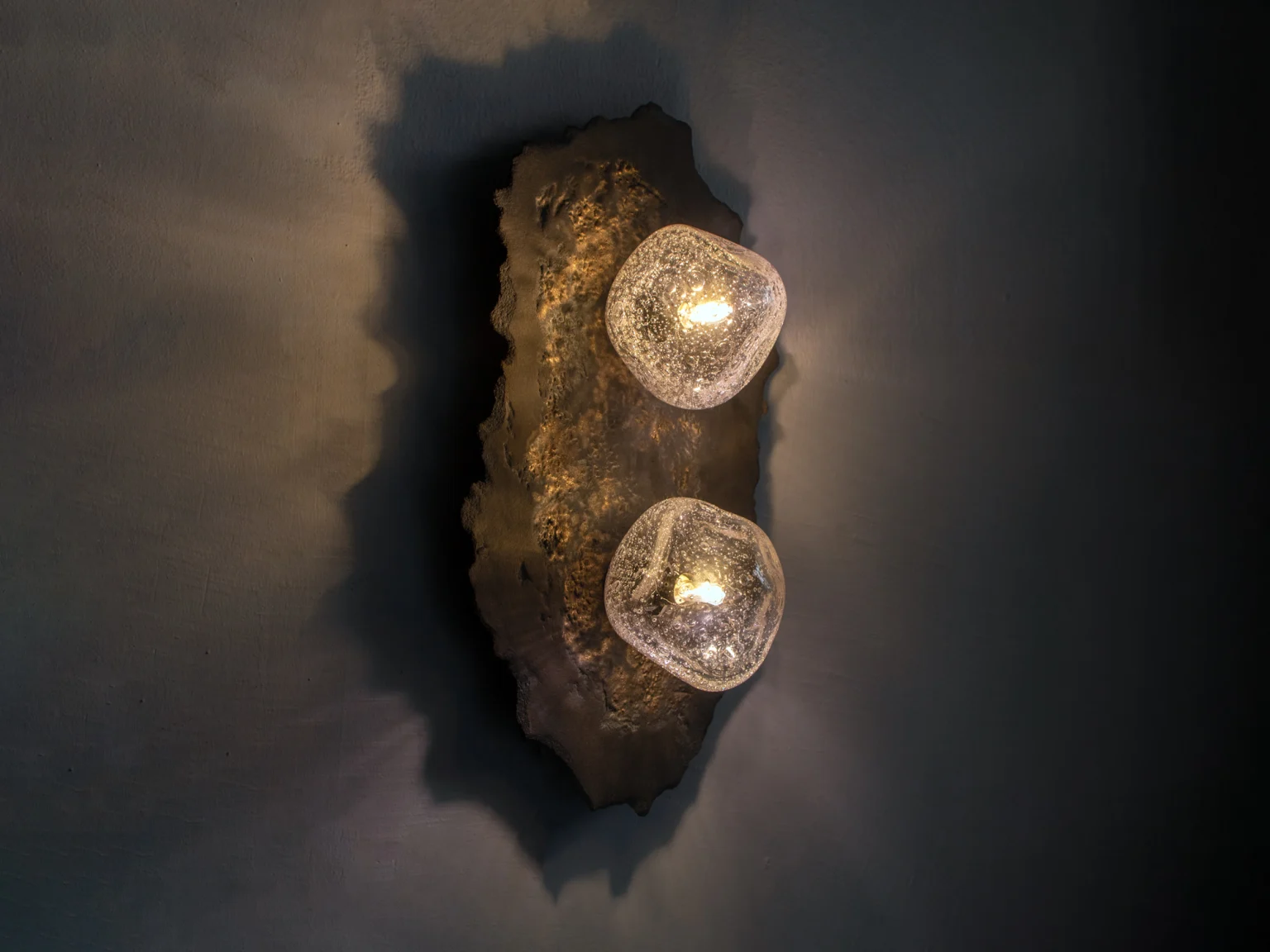
“Object 02” Wall Lamp from the “Hotel” Collection
By Hot Wire Extensions
€1.145 This product has multiple variants. The options may be chosen on the product page -
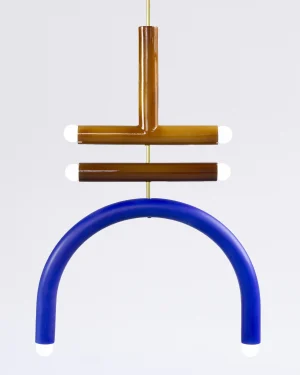
Trn / Model F2 Pendant Lamp in Ceramic
By Pani Jurek STUDIO
€1.600 This product has multiple variants. The options may be chosen on the product page -

Trn / Model C2 Pendant Lamp in Ceramic
By Pani Jurek STUDIO
€880 This product has multiple variants. The options may be chosen on the product page -
 In stock
Cofit-20 Table Lamp In Coal Concrete
By Atelier Haute Cuisine
€380 -
 In stock
Object 09 Sconce in Nylon and Sand
By Hot Wire Extensions
€1.145 - €1.163 This product has multiple variants. The options may be chosen on the product page -
 In stock
Lampadulure Pink Floor Lamp in Metal
By BehaghelFoiny Studio
€1.700 -
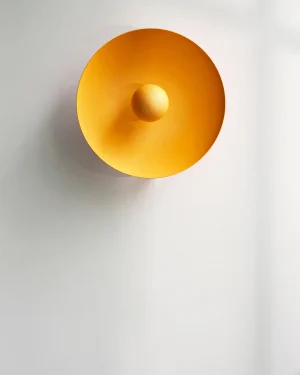 In stock
Sun Wall Lamp in Aluminum
By Anne Nowak
€1.340 -
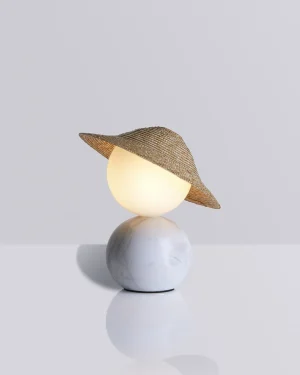 In stock
Théros 0.2 Table Lamp in Blown Glass and Marble
By Studio Aristotelis Barakos
€950 -
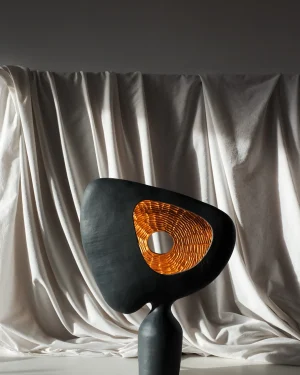
Olethros Table Lamp in Stoneware
By Andrei Clontea STUDIO
€1.000 -

Regina Table Lamp In Marble
By Daniel Orozco Estudio
€2.034 This product has multiple variants. The options may be chosen on the product page -
 In stock
Voguing No. 2 Floor Lamp in Cast Aluminum
By BY JAMPS
€2.500 -
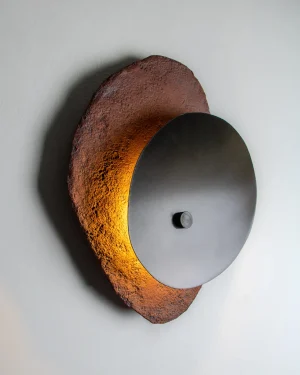
Asea No.1 Cherry Wall Sconce in Stoneware and Metal
By Ceren Gürkan
€1.000 -
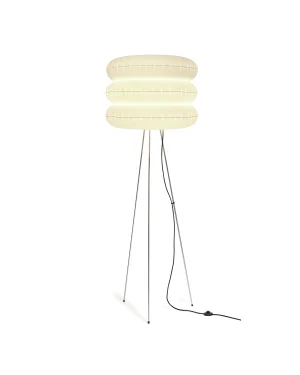 In stock
Big Puff Tripod Floor Lamp in Polyurethane and Steel
By PUFF-BUFF
€800 -
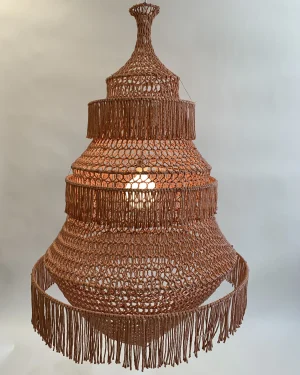
Typha Pendant Lamp in Cotton Rope
By Annie Legault
€1.907 -
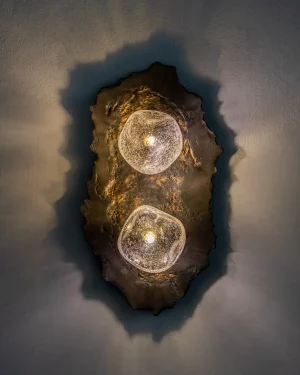
Asea No. 25 Wall Sconce in Blown Glass and Stoneware
By Ceren Gürkan
€1.100 -

Luminária Luz Sobre Mão Table Lamp in Paper Pulp
By Sandro Vieira studio
€410 -
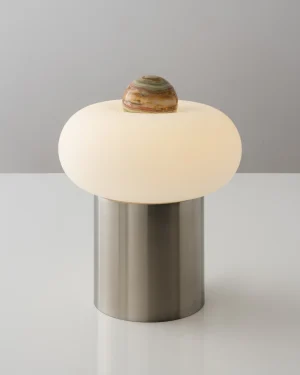 In stock
Capsula 01 Table Lamp in Blown Glass and Onyx
By Noiro Studio
€1.100 -
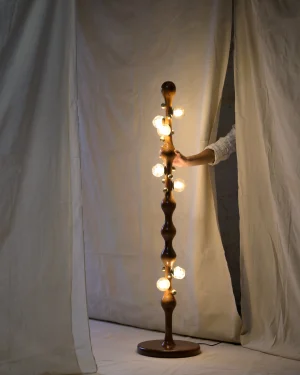
Stem – Teak Wood / Brass Floor Lamp
By Studio Indigene
€2.100 -
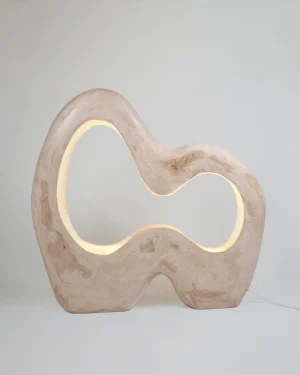
Infinite Floor Lamp in Pigmented Gypsum
By Studio AOAO
€6.000 -
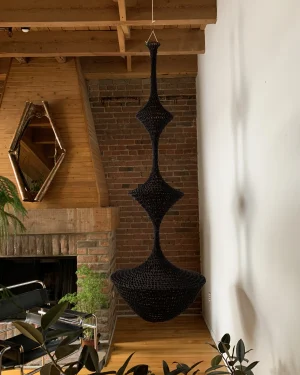
Briza Pendant Lamp in Cotton
By Annie Legault
€2.250 -
 In stock
Acesa Luminária Em Papel Machê
By Sandro Vieira studio
€550 -
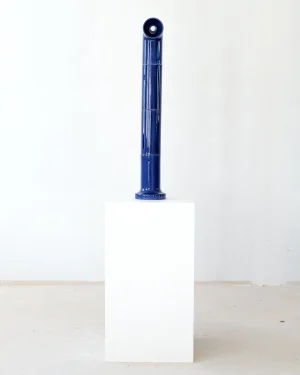
Slim Op Four Piece Floor Lamp in Ceramics and Porcelain
By Pani Jurek STUDIO
€1.045 This product has multiple variants. The options may be chosen on the product page -
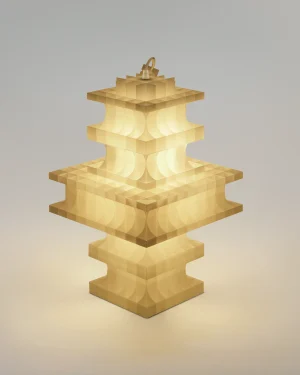
Citadel Large Lantern Light Sculpture
By Ultramar Studio
€1.125 -
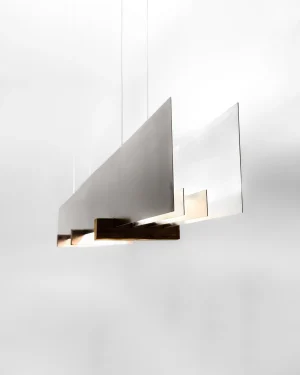
Linear Ceiling Lamp (extra Large) in Aluminum and Wood
By case studios
€1.210 - €1.910 This product has multiple variants. The options may be chosen on the product page -
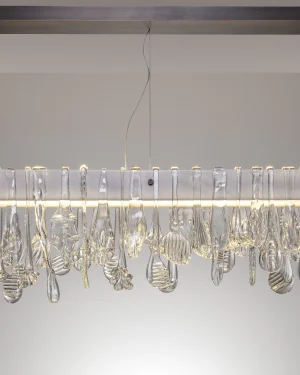 In stock
Pingente Pendant Lamp
By Carol Gay
€8.000 -
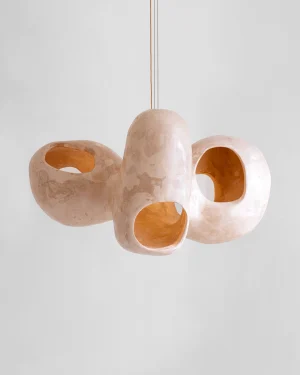
Bosei Chandelier in Gypsum
By Studio AOAO
€15.000 - €29.000 This product has multiple variants. The options may be chosen on the product page -
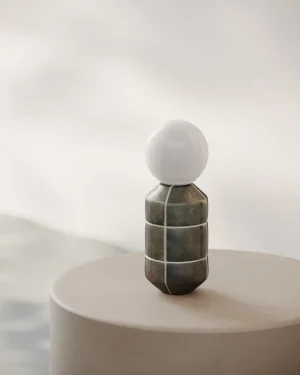 In stock
Navazi Table Lamp in Ceramic
By SVITANOK
€440 - €670 This product has multiple variants. The options may be chosen on the product page -
 In stock
Nova Wall Sconce in Blown Glass and Steel
By Ceren Gürkan
€630 -
 In stock
Nova Blue Wall Sconce in Blown Glass and Steel
By Ceren Gürkan
€700 -
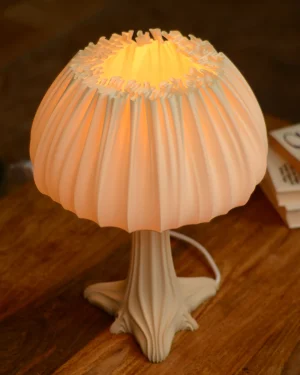 In stock
M 2 Table Lamp in Bio Plastic and Sand
By diploria studio
€335 -
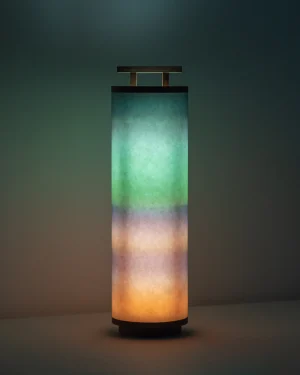 In stock
Torii G Pala Table Lamp in Washi Paper and Walnut
By Prangé
€1.232 -

Kuni Floor Lamp in Rattan and Natural Fibers
By Joyful Objects, Yes!
€2.900 -

Cetus Table Lamp in Ceramics and Natural Fibers
By Andrei Clontea STUDIO
€1.000 -
 In stock
Object 12 Sconce in Nylon and Sand
By Hot Wire Extensions
€1.145 - €1.355 This product has multiple variants. The options may be chosen on the product page -
 In stock
Coral Wall Sconce in Clay
By Dzovag Kotchian
€900 -

Sculptural Illumination Table Lamp in Paper Pulp
By Donatas Žukauskas
€520 -
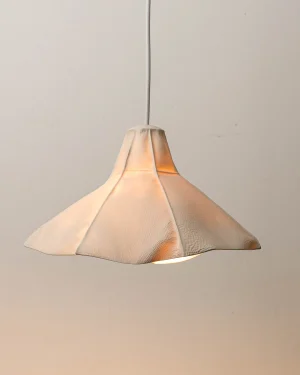
Kawa Series 04 – Ceramic Pendant Lamp
By Luft Tanaka Studio
€1.375 -
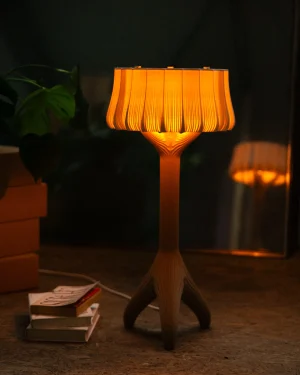 Sold
SoldM-1 Modular Floor Lamp in Bio Polymer
By diploria studio
€450 This product has multiple variants. The options may be chosen on the product page -
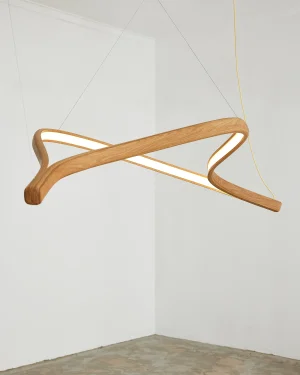 In stock
Perola Pendant Lamp in Oak Wood
By Poémia
€8.000 -
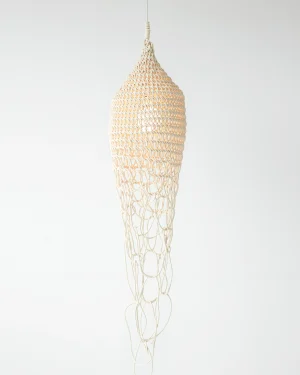
Meduse Pendant Lamp in Cotton
By Annie Legault
€700 This product has multiple variants. The options may be chosen on the product page -
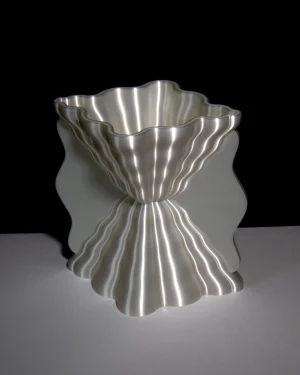 In stock
Galéa Table Lamp in Bio Plastic
By Errance.
€250 -
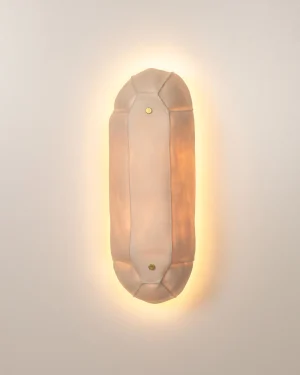
Kawa Series 01 Wall Sconce in Porcelain and Brass
By Luft Tanaka Studio
€1.600 -
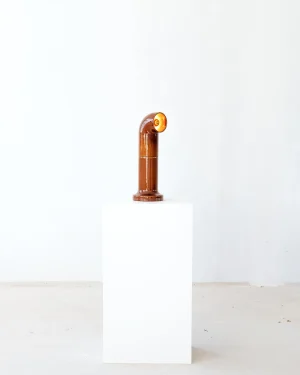
Slim Op Table Lamp in Ceramics and Porcelain
By Pani Jurek STUDIO
€765 This product has multiple variants. The options may be chosen on the product page -
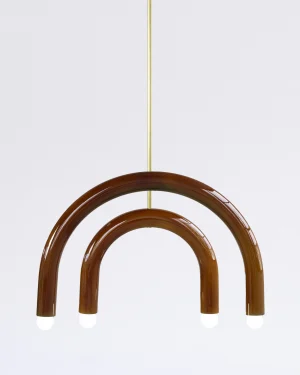
Trn / Model E3 Pendant Lamp in Ceramic
By Pani Jurek STUDIO
€1.430 This product has multiple variants. The options may be chosen on the product page -
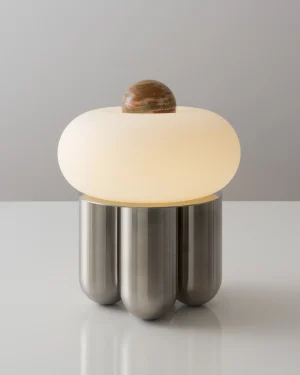
Capsula Table Lamp in Blown Glass, Onyx and Stainless Steel
By Noiro Studio
€1.320 -
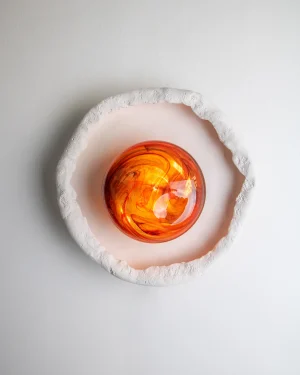 In stock
Asea No. 35 Wall Sconce in Porcelain and Blown Glass
By Ceren Gürkan
€1.200 -
 In stock
Object 07 Sconce in Nylon and Sand
By Hot Wire Extensions
€1.145 This product has multiple variants. The options may be chosen on the product page -
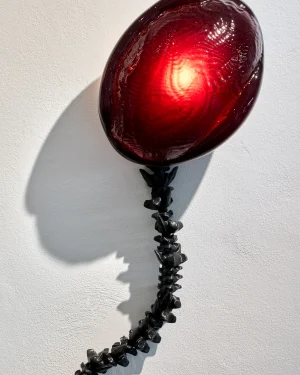 In stock
Dysplasio Wall Sconce in Blown Glass
By Anna Jožová
€2.000 - €3.300 This product has multiple variants. The options may be chosen on the product page -
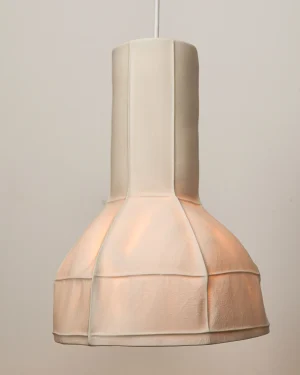
Kawa Series 05 Pendant Lamp in Porcelain and Ceramic
By Luft Tanaka Studio
€1.375 -
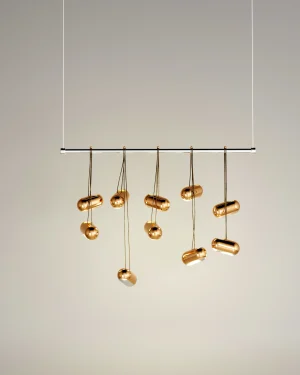
Tere Chandelier in Stainless Steel, Bronze and Acrylic Resin
By Design VA
€12.432 -

Luna Nova Table Lamp in Oak Wood
By HEIKE BUCHFELDER
€3.294 -
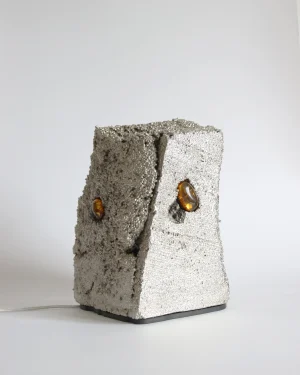 In stock
Irony Of Material Table Lamp in Nickel
By Studio Speculo
€716 -
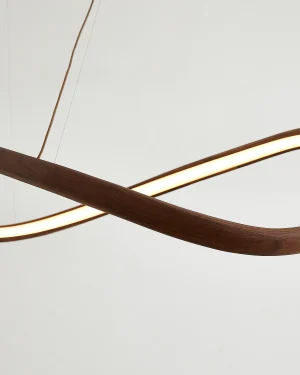 In stock
Horizonte Pendant Lamp in Walnut Wood
By Poémia
€8.450
Eclectic lamps bring together materials and methods that would not normally sit in the same room: a glazed stoneware base next to a spun aluminum shade, a raku-fired form beside one blown in glass. What holds them together is not a single look but a willingness to mix finish, color and silhouette, made by independent studios working across ceramic, metal, glass and wood. Each piece still has to do the two things any lamp must do: hold a shape in daylight and throw a pattern of light after dark.
What makes a lamp read as eclectic
An eclectic lamp usually breaks at least one rule of matching. A rough clay base might carry a sleek metal shade, or a soft, organic form might stand on a hard geometric foot. Color plays a part too: ochre glaze next to black steel, or a cream shade over a pink ceramic stem. The result looks assembled rather than matched, which is the point.
Materials and ways of making
Ceramic and stoneware bases are hand-built or thrown on a wheel, then glazed in tones from off-white and cream to deep ochre, red or green; glaze pools and thins unevenly by hand, so no two surfaces catch light the same way. Metal lamps use brass, copper, stainless steel or aluminum, worked through metalwork techniques that leave a surface either polished, brushed or left to pick up a patina over years. Glass elements, where they appear, are blown rather than molded, holding small bubbles and thickness changes that scatter light differently from piece to piece.
A few studios work in natural fiber or turn to 3D printing and sculpting for forms that would be hard to make by hand, which pushes the eclectic range further from any single material story. Editions vary by studio: some lamps are produced in open runs, others in limited editions, and some exist as one-off pieces that will not be repeated once sold.
Choosing a lamp that holds its place in a room
Scale matters more than style when mixing pieces. A tall floor lamp needs clearance from seating and a shade wide enough to clear eye level when someone stands nearby; a table lamp should sit low enough that its shade falls below eye level when seated. Finish is the second decision: a matte glaze or brushed metal recedes into a room, while a glossy glaze or polished brass catches light and pulls focus.
- Pair a textured ceramic base with a plain shade if the room already has pattern elsewhere.
- Choose a metal lamp with a dimmable fitting for a reading corner, and a ceramic or glass piece for ambient, lower light near a sofa or shelf.
- Keep one material in common with nearby pieces, such as a brass lamp near brass hardware, so the mix still reads as a choice rather than a collision.
Where eclectic lamps work
Living rooms take the widest range, since a mix of textures and heights across side tables and consoles is exactly what an eclectic approach calls for; see what's gathered under living room lamps for scale references. Bedrooms generally suit one strong piece rather than several competing ones, and entryways benefit from a lamp with enough visual weight to anchor a console or shelf near the door.
Caring for different finishes
Ceramic and stoneware should be dusted with a dry cloth and kept away from direct knocks, since glaze can chip at the rim or base. Unlacquered brass and copper will darken and spot with handling; this is normal and can be slowed with occasional polishing or left alone for a deeper patina. Glass shades need only a soft cloth and should be unplugged before cleaning near any wiring.
For a narrower look at a single material, the range of ceramic lamps or metal lamps shows how one surface behaves across different studios. The full set of lamps spans every material and style mentioned here, while eclectic lighting extends the same mixed approach beyond lamps into pendants and sconces. For the complete spread of eclectic work across furniture and objects, see every eclectic piece on ADORNO.
How do I choose an eclectic lamp?
Let it mix materials or references that do not usually meet, glaze against metal, a turned wood base under blown glass. Pick one that holds its own as a form before you switch it on.
What materials are eclectic lamps made from and how do I care for them?
Expect combinations such as ceramic or stoneware bodies, brass or steel fittings and glazed or natural fiber shades. Dust metal and glaze regularly, keep ceramic away from damp, and wipe shades dry rather than wet.
What size lamp do I need?
Table lamps generally sit between 18 and 30 inches tall, floor lamps between 55 and 65 inches. Check the piece's page or ask the maker directly for exact dimensions before ordering.
Which rooms suit an eclectic lamp?
Living rooms and reading corners let an eclectic lamp stand out as an object, while a bedside table gives a smaller piece room to work both lit and unlit. Entryways suit bolder, sculptural forms.
Can I order a custom eclectic lamp through ADORNO?
Customization depends on the maker, so chat with the maker on the piece's page to confirm options, materials or finishes before ordering.
How does shipping, returns and authenticity work on ADORNO?
Shipping is insured and worldwide, with a 14-day return policy excluding made-to-order pieces. Every lamp comes with a certificate of authenticity and ADORNO's lowest-price guarantee.