

-

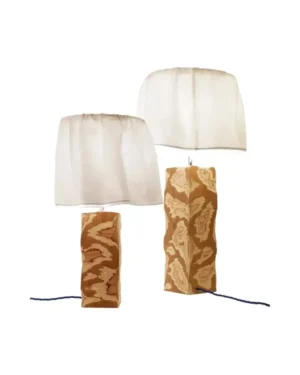
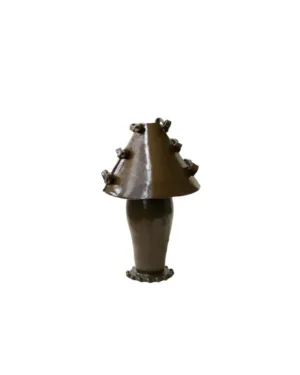
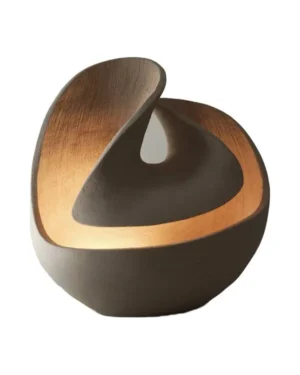
Coral Lamp – Clay Table Lamp
By Dzovag Kotchian
€900 -
 In stock
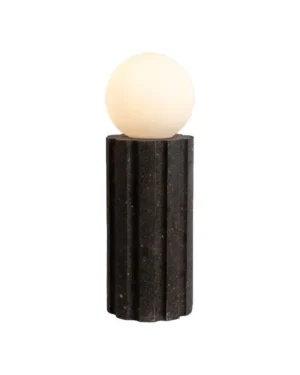
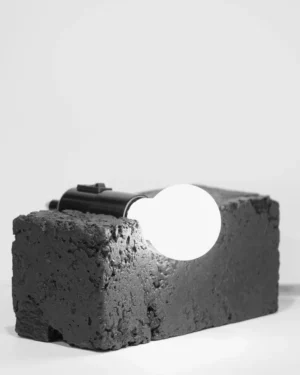
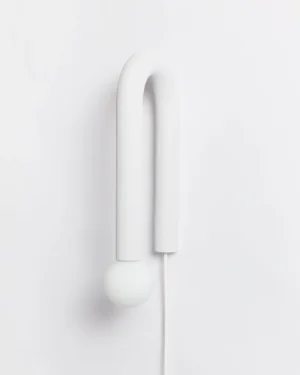
Cofit-20 Table Lamp In Coal Concrete
By Atelier Haute Cuisine
€380 -
 In stock
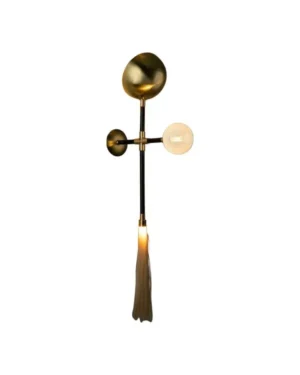
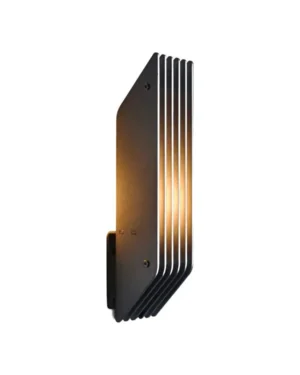
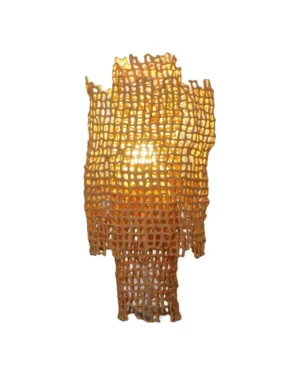
Object 09 Sconce in Nylon and Sand
By Hot Wire Extensions
€1.145 - €1.163 -
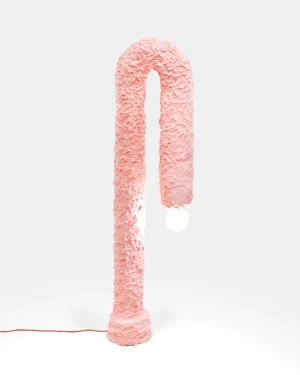
Lampadulure Pink Floor Lamp In Metal
By BehaghelFoiny Studio
€1.700 -

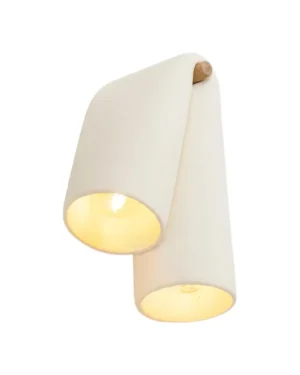
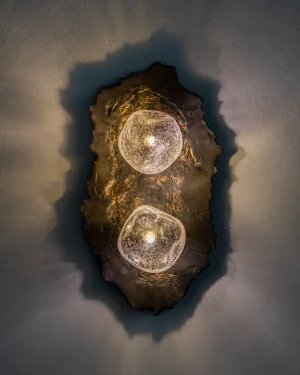
Onda Sconce In Raku White Ceramic
By arrived aliens
€2.200 -
 In stock
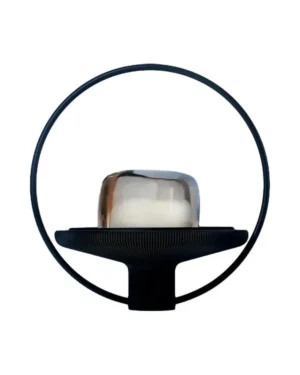
Asea No. 25 Wall Sconce In Blown Glass And Stoneware
By Ceren Gürkan
€1.100 -
 In stock
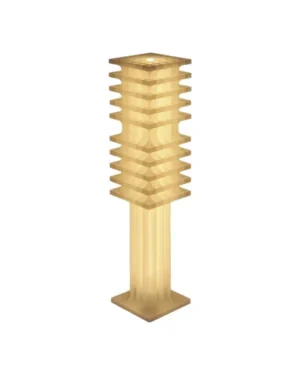
Object 05 Table Lamp in Nylon and Sand
By Hot Wire Extensions
€935 -
 In stock
Object 09 Sconce in Nylon and Sand
By Hot Wire Extensions
€935 - €1.145 -
 In stock
Object 12 Sconce in Nylon and Sand
By Hot Wire Extensions
€1.145 - €1.355 -
 In stock
Object 04 Sconce in Nylon and Sand
By Hot Wire Extensions
€1.208 -
 In stock
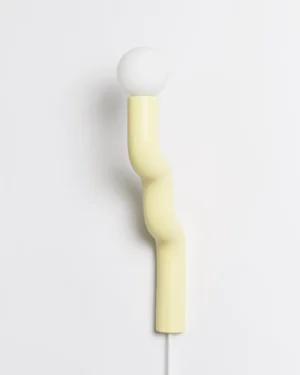
Object 07 Sconce in Nylon and Sand
By Hot Wire Extensions
€1.145 -
 In stock
Object 08 Sconce in Nylon and Sand
By Hot Wire Extensions
€1.670 -
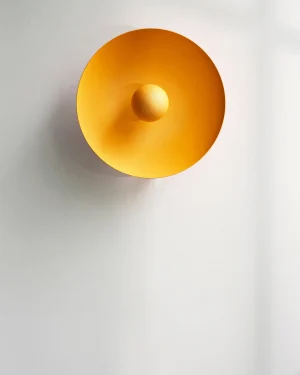 In stock
Sun Wall Lamp in Aluminum
By Anne Nowak
€1.340 -
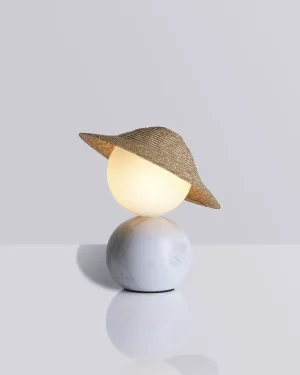 In stock
Théros 0.2 Table Lamp in Blown Glass and Marble
By Studio Aristotelis Barakos
€950 -
 In stock
Coral Wall Lamp – Clay Sconce
By Dzovag Kotchian
€900 -

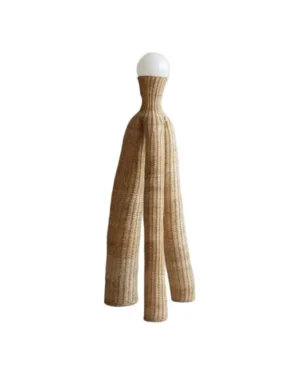
Kuni Floor Lamp in Rattan and Natural Fibers
By Joyful Objects, Yes!
€2.900 -
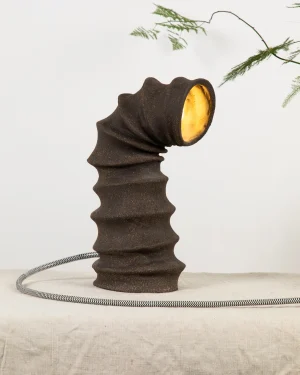
Rakis Lite Table Lamp – Black Stoneware Ceramic
By Catalin Filip
€455 -
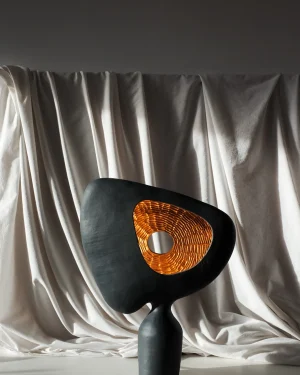
Olethros Table Lamp in Stoneware
By Andrei Clontea STUDIO
€1.000 -

Regina Table Lamp In Marble
By Daniel Orozco Estudio
€2.034 -
 In stock
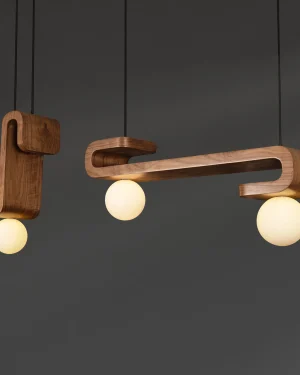
Esse Ceiling Lamp in Wood
By Saadia Design
€1.200 - €2.500 -
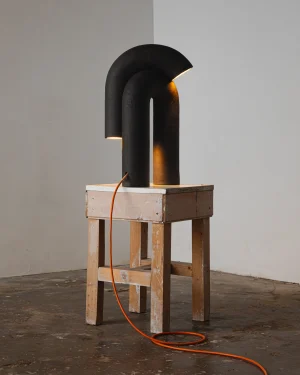
Pendulū Table Lamp In Ceramics And Gold-leaf
By Catalin Filip
€950 -

Peaceful Intuition 2.0 Floor Lamp in MDF
By Studio Fabius Clovis
€1.819 -
 In stock
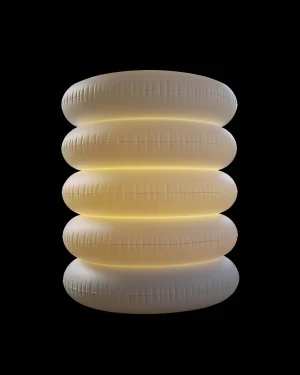
Big Puff Floor Lamp in Polyurethane
By PUFF-BUFF
€690 -
 In stock
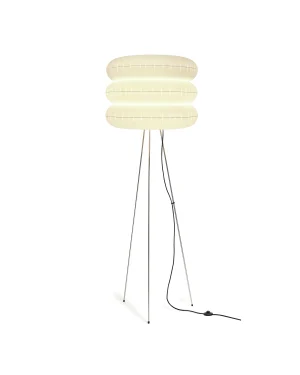
Big Puff Tripod Floor Lamp in Polyurethane and Steel
By PUFF-BUFF
€800 -
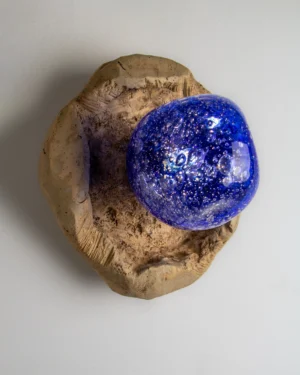 In stock
Asea No.13 Wall Sconce In Stoneware And Blown Glass
By Ceren Gürkan
€1.300 -
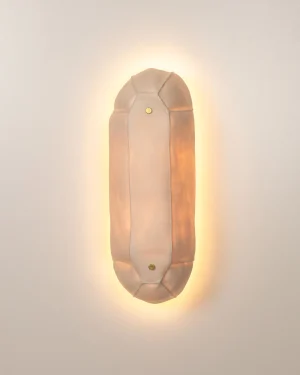
Kawa Series 01 Wall Sconce in Porcelain and Brass
By Luft Tanaka Studio
€1.600 -
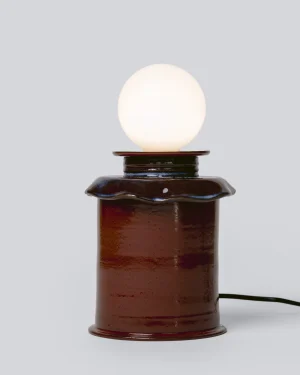
Baby Tutu Table Lamp in Glazed Stoneware
By Slō
€750 -
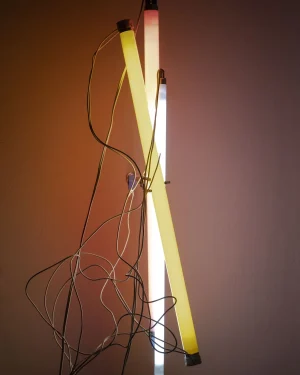 In stock
Extreme Il Wall Lamp in Metals
By TUNK I Busra Tunc
€280 -
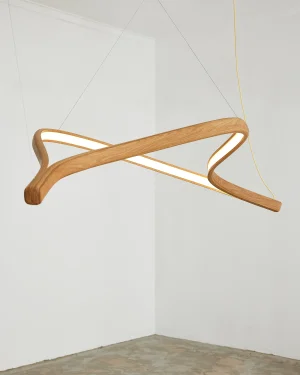
Perola Pendant Lamp in Oak Wood
By Poémia
€8.000 -
 In stock
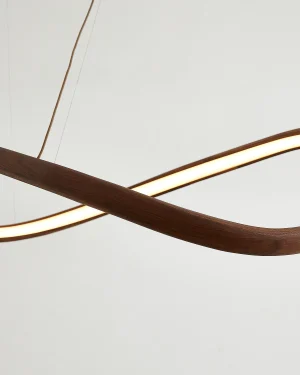
Horizonte Pendant Lamp in Walnut Wood
By Poémia
€8.450 -
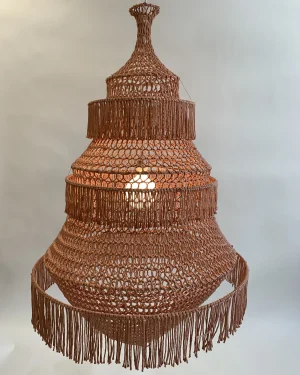
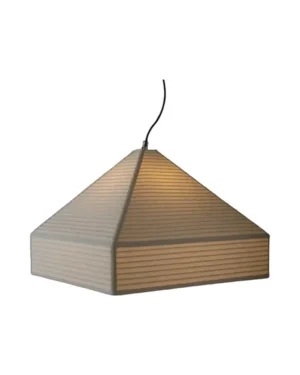
Typha Pendant Lamp in Cotton Rope
By Annie Legault
€1.907 -

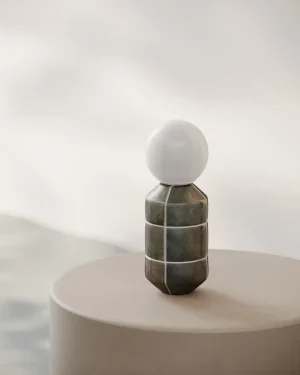
Knotto_01 Table Lamp In Glazed Stoneware And Synthetic Fibers
By Catalin Filip
€800 -
 In stock
Navazi Table Lamp in Ceramic
By SVITANOK
€440 - €670 -

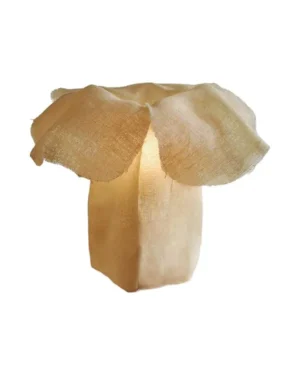
Luminária Luz Sobre Mão Table Lamp in Paper Pulp
By Sandro Vieira studio
€410 -
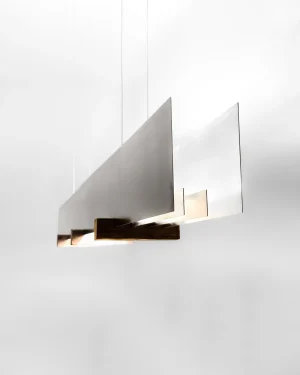
Linear Ceiling Lamp (extra Large) in Aluminum and Wood
By case studios
€1.210 - €1.910 -
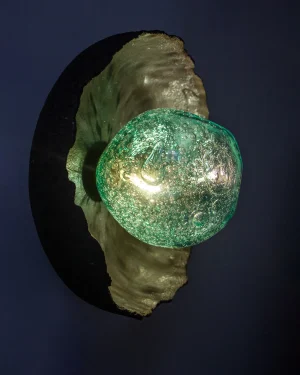 In stock
Asea No. 12 Green Wall Sconce In Stoneware And Blown Glass
By Ceren Gürkan
€800 -
 In stock
Ding Dong 01 Table Lamp in Ceramic
By Luft Tanaka Studio
€1.442 -
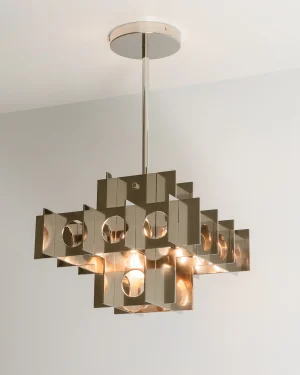
Tenfold 3 T B Pendant Lamp in Stainless Steel and Aluminum
By Luft Tanaka Studio
€2.895 - €8.675 -
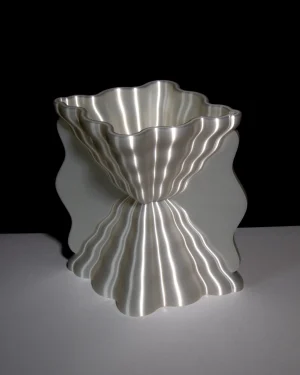 In stock
Galéa Table Lamp in Bio Plastic
By Errance.
€250 -
 In stock
Crush On You Floor Lamp in 3D Printed PLA
By M’ama edizioni
€380 -
 In stock
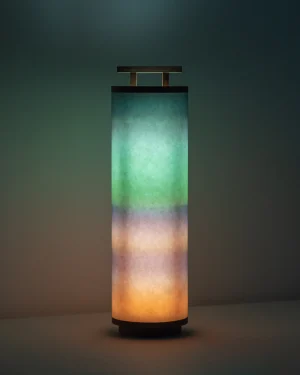
Torii G Pala Table Lamp in Washi Paper and Walnut
By Prangé
€1.232 -
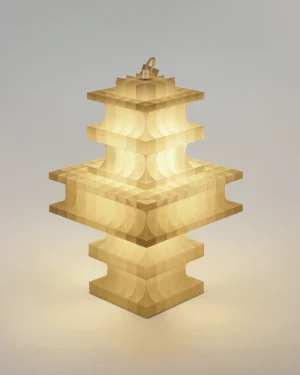
Citadel Large Lantern Light Sculpture
By Ultramar Studio
€1.250 -
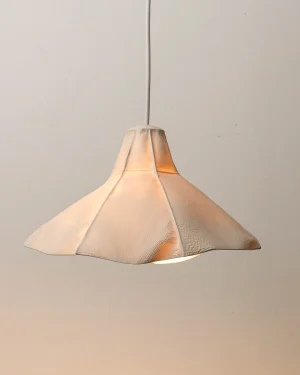
Kawa Series 04 – Ceramic Pendant Lamp
By Luft Tanaka Studio
€1.600 -
Black Friday −15%

The Mesia Table Lamp In Ceramics And Glass
By Luis Gimeno Design
€1.600 -
 In stock
Voguing No. 2 Floor Lamp in Cast Aluminum
By BY JAMPS
€2.500 -
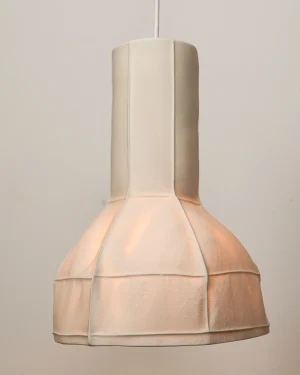
Kawa Series 05 Pendant Lamp in Porcelain and Ceramic
By Luft Tanaka Studio
€1.375 -
 In stock
Nova Wall Sconce In Blown Glass And Steel
By Ceren Gürkan
€700 -

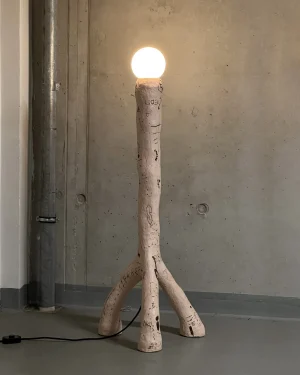
Rakis Floor Lamp In Ceramic
By Catalin Filip
€1.900 -
 In stock
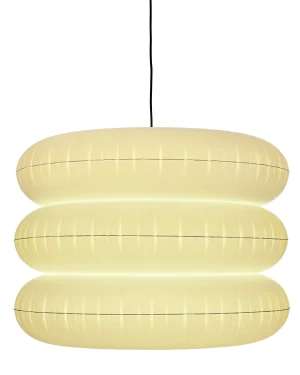
Tattooed Shining Creature Floor Lamp In Paper And Steel
By David Čáp
€1.400 -
 In stock
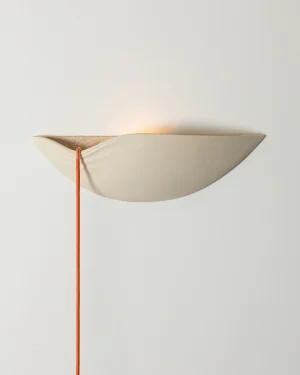
Big Puff Pendant Lamp in Polyurethane
By PUFF-BUFF
€550 -
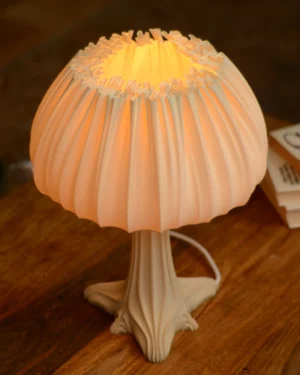
Loma Wall Sconce In Stoneware
By Catalin Filip
€450 -
 In stock
M 2 Table Lamp In Bio Polymer And Sand
By diploria studio
€395 -
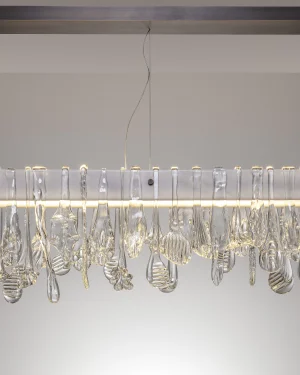 In stock
Pingente Pendant Lamp
By Carol Gay
€8.000 -
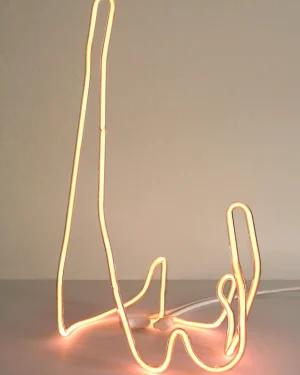 In stock
Cave Table Lamp In Glass
By Dace Sūna
€1.500
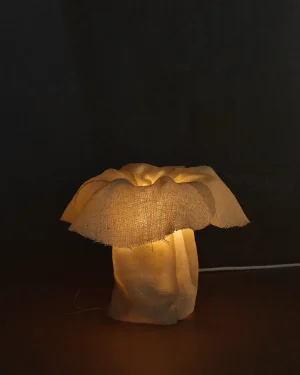
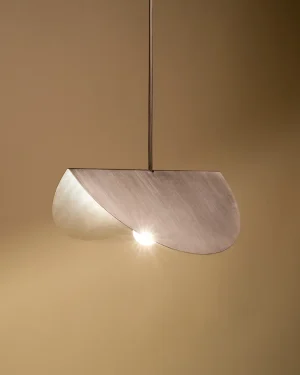
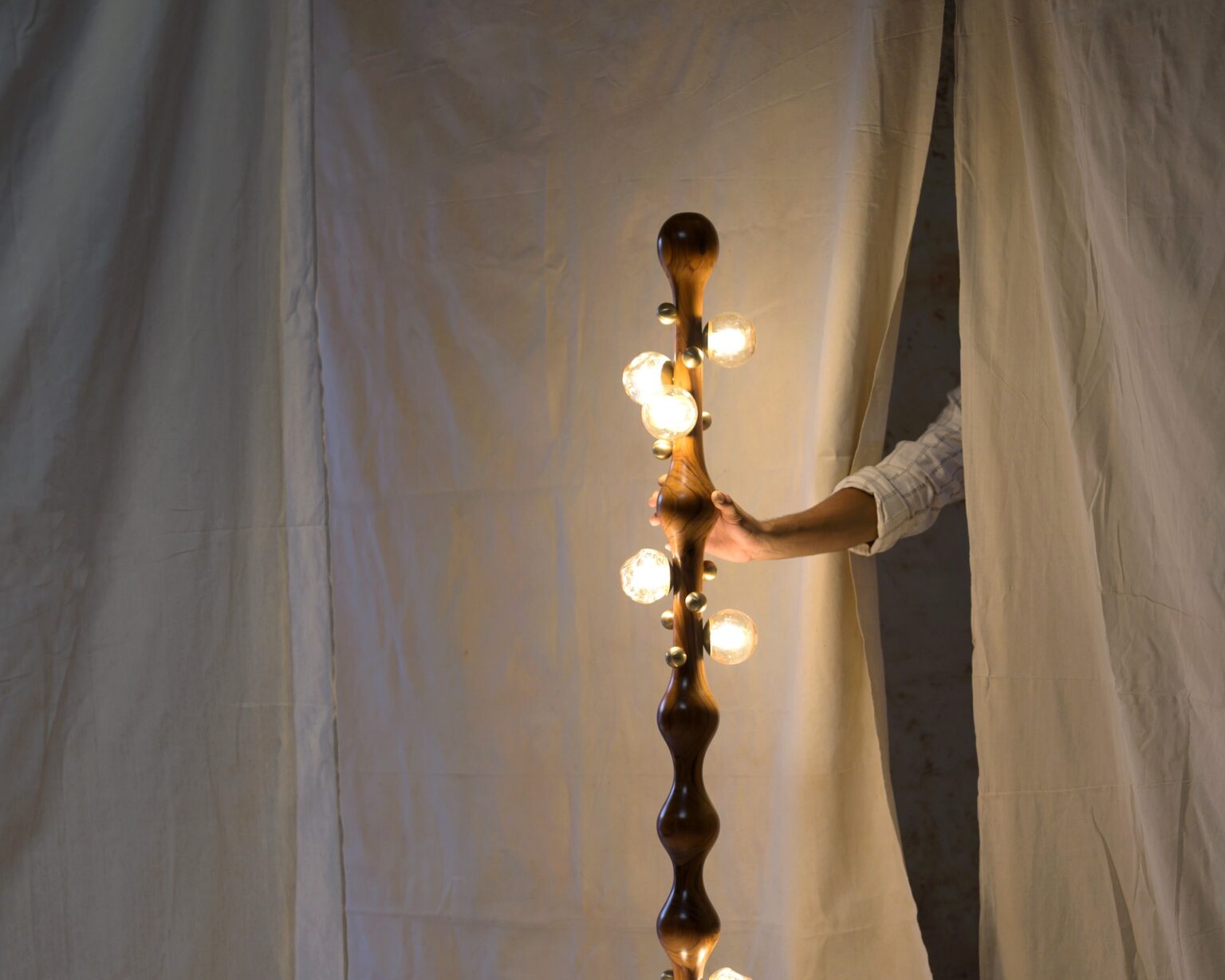
Eclectic lighting brings together ceramic, metal and glass under one roof, without asking the materials to agree on a single era or mood. Studios working this way combine hand-building, glazing, metalwork and glassblowing, often on the same piece, so a stoneware base might carry a blown glass shade or a brass arm. The results favor personality over matching sets, with open editions sitting alongside limited runs and one-off pieces.
What defines the eclectic approach
Eclectic pieces borrow freely: a raku-fired surface next to a polished stainless steel fitting, a natural fiber shade over a sculpted clay base. Nothing here is trying to look like a set. Instead, each lamp or fixture reads as its own small decision, made by a designer working from instinct and material rather than from a single rulebook.
This is also why color runs wide, from white, off-white and cream through ochre, pink, beige and brown to black. Glaze and metal finish carry most of that range, since a glaze can shift from matte to glossy within the same clay body, and brass or stainless steel can run warm or cool depending on how it is treated.
Materials, finishes and techniques to expect
Ceramic and stoneware dominate the bases and shades, shaped through hand-building or sculpting and then glazed, which means two pieces from the same mold can still come out slightly different in tone. Clay fired at low temperatures, as in raku, tends to show more variation, with crackling or smoked patches that are part of the technique rather than a flaw.
Metalwork shows up as brass fittings, stainless steel arms and structural frames that hold the softer materials in place. Glass, where it appears, is usually blown rather than cast, so shades carry the faint asymmetry and bubbles typical of handwork. Some studios also work in 3D printing, which allows for forms that would be hard to throw or cast by hand.
How to choose a piece
Start with scale relative to the surface or room it will sit in: a table lamp should not dwarf a side table, and a pendant needs enough clearance below it to avoid eye level. Height matters as much as width, since a tall ceramic base can visually compete with art or shelving nearby if the proportions are not checked first.
- Finish: matte glazes and raw metal read quieter; gloss glaze and polished brass catch more light
- Placement: pendants and sconces for ambient light, table and floor lamps for task or mood lighting
- Edition: open editions suit everyday use, while limited and unique pieces reward a spot where they will be seen closely
Because eclectic pieces are meant to stand out rather than blend in, it helps to choose one strong material or color per fixture and let the rest of the room stay simpler.
Where it works and how to care for it
These pieces suit living rooms and bedrooms equally well, anywhere a lamp or fixture is allowed to act as a small sculptural object rather than disappear into the background. A ceramic table lamp can anchor a reading corner, while a mixed-material pendant can carry a dining area without needing matching chairs or table.
Care depends on the material: wipe glazed ceramic and glass with a dry or lightly damp cloth, avoid abrasive cleaners that can dull a glaze, and keep brass from prolonged damp to slow natural tarnishing, which some owners prefer to leave as a patina. For the full range of finishes and forms, see all lighting or look specifically at every eclectic piece on ADORNO. Those furnishing a particular room might also check living room lighting, bedroom lighting, or pair a fixture with eclectic furniture and eclectic decor for a fuller, unmatched room.
How do I choose eclectic lighting for my home?
Start with the material you want to carry the most weight, whether that is a glazed ceramic base or a metal arm, then let color and finish follow from there. Mixing textures is the point, so pair pieces by feeling rather than matching sets.
How do I care for ceramic, glass and metal lighting?
Dust ceramic and glazed surfaces with a soft, dry cloth, and avoid abrasive cleaners that can dull a glaze. Metal fittings benefit from an occasional wipe to prevent tarnish, while glass shades can be cleaned with a damp cloth and dried fully.
What size or height should I look for?
Table and floor heights vary by piece, so check the listed dimensions against where the lamp will sit, whether that is beside a bed, on a console or on the floor.
Which rooms suit eclectic lighting best?
Eclectic lighting works wherever a room can take a strong personality, from a living room or bedroom to an entryway or reading corner. Because finishes and forms vary so widely, a single piece can anchor a space without needing a matching set.
Are these pieces handmade or produced in limited numbers?
Many pieces involve hand-building, glazing or glassblowing, and techniques like raku naturally produce variation from one piece to the next. Editions range from open runs to limited and one-off pieces, so availability depends on the individual piece.
How does shipping, returns and authenticity work at ADORNO?
Shipping is insured and sent worldwide, with a 14-day return policy that excludes made-to-order pieces. Every piece comes with a certificate of authenticity, and ADORNO offers a lowest-price guarantee.