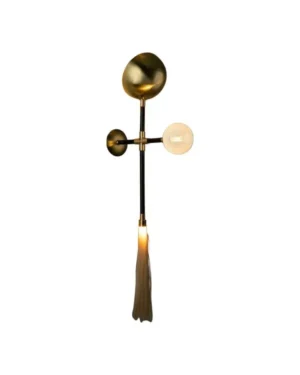
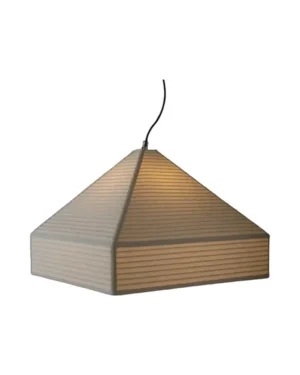
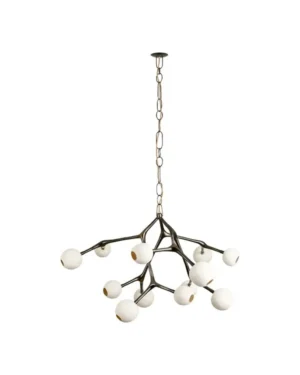
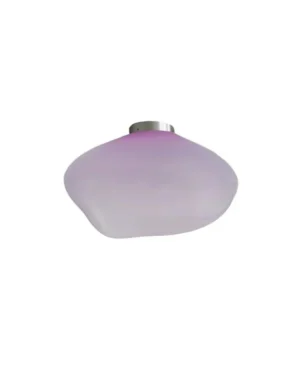

-

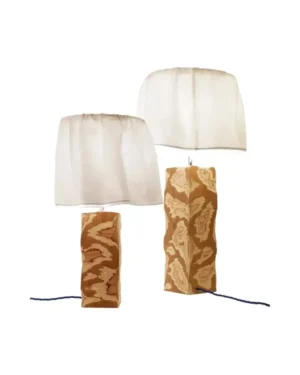
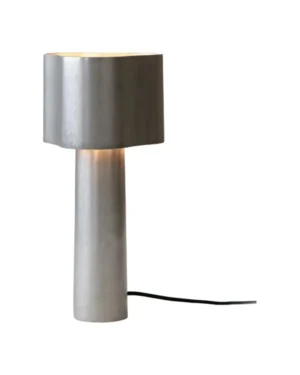
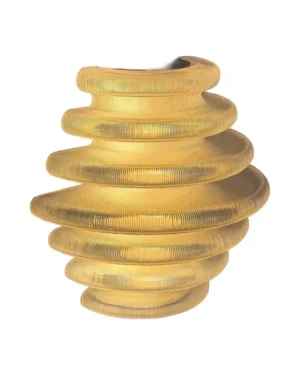
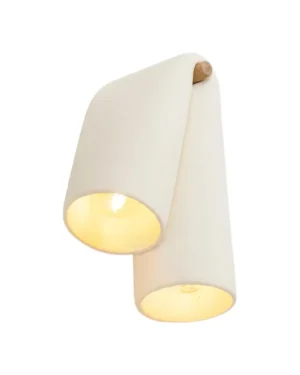
Mātra Table Lamp in Ceramic
By Andrei Clontea STUDIO
€800 -
 In stock
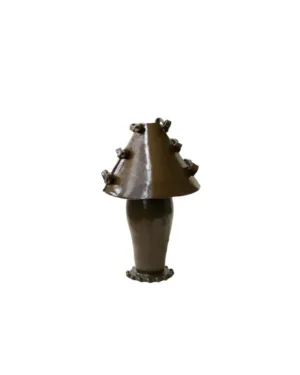
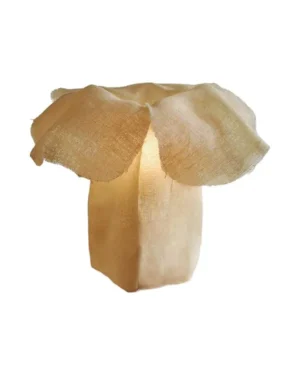
Astēri Table Lamp in Clay
By Andrei Clontea STUDIO
€1.200 -
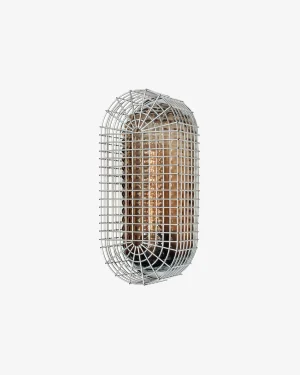
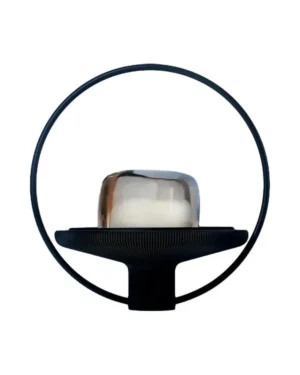
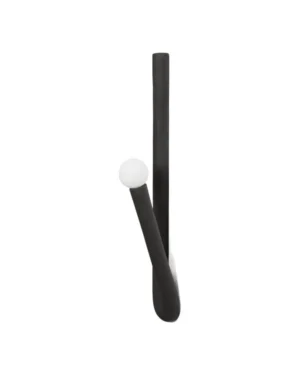
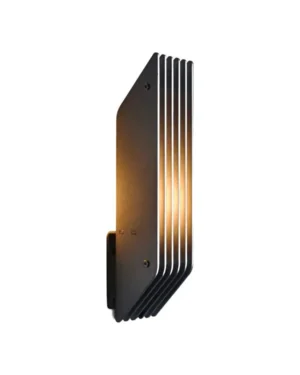
Chastity Wall Sconce In Stainless Steel And Handblown Glass
By Studio S II
€1.980 -
 In stock
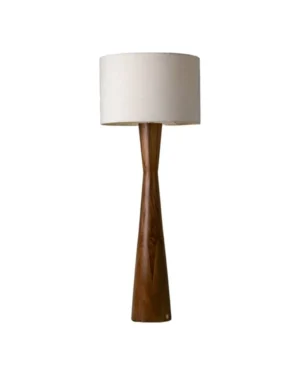
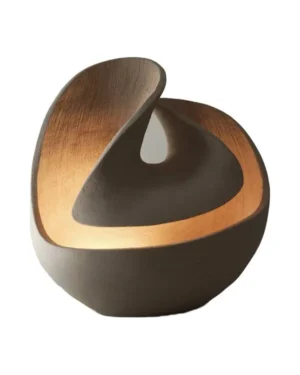
B.a.r.e Series ‘tall’ Floor Lamp In Brick And Copper
By Lucas Muñoz Muñoz
€780 -
 In stock
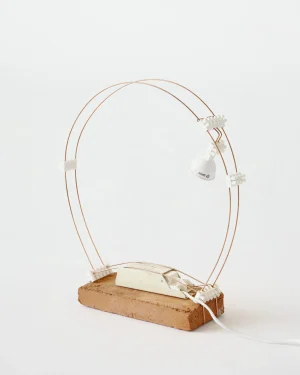
B.a.r.e Series ‘small Circular’ Table Lamp In Brick And Copper
By Lucas Muñoz Muñoz
€225 -
 In stock
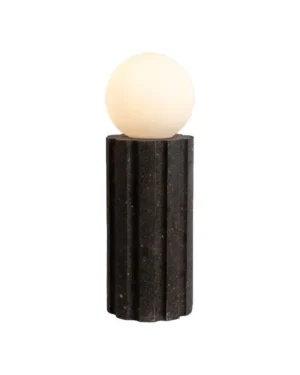
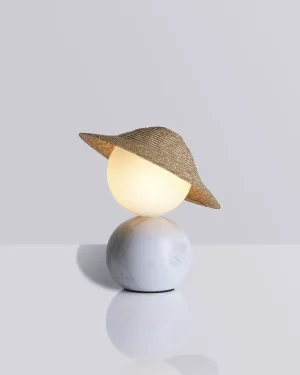
Théros 0.2 Table Lamp in Blown Glass and Marble
By Studio Aristotelis Barakos
€950 -
 In stock
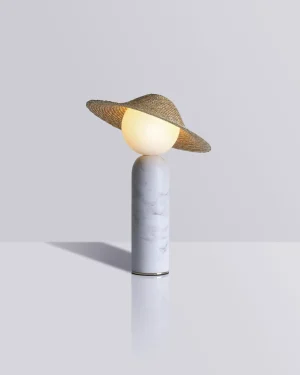
Théros 0.3 Table Lamp In Borosilicate Glass
By Studio Aristotelis Barakos
€1.100 -
 In stock
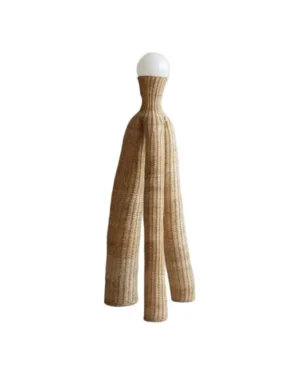
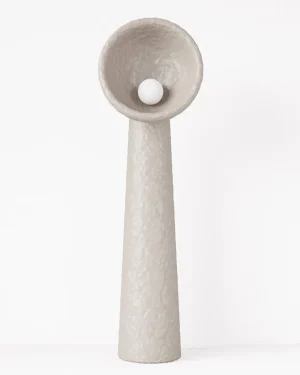
Soniah Floor Lamp in ZTISTA
By FAINA
€7.000 -
 In stock
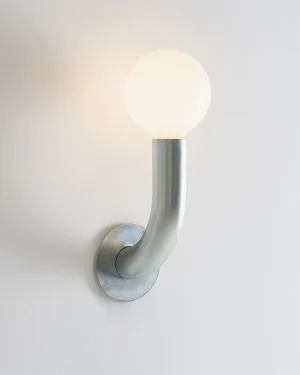
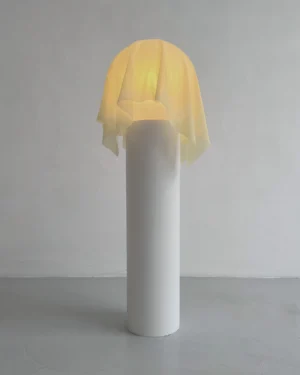
Curva Wall Sconce in Zinc
By Cultivado em Casa
€512 -
 In stock
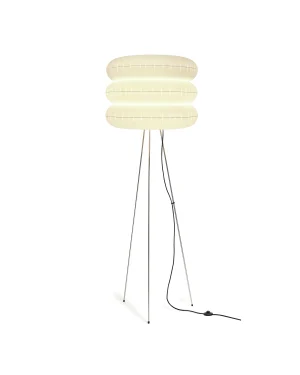
Carnmarina Floor Lamp In Plastics
By Pierre Klein
€1.500 -
 In stock
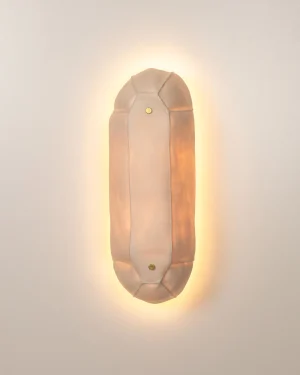
Big Puff Tripod Floor Lamp in Polyurethane and Steel
By PUFF-BUFF
€800 -
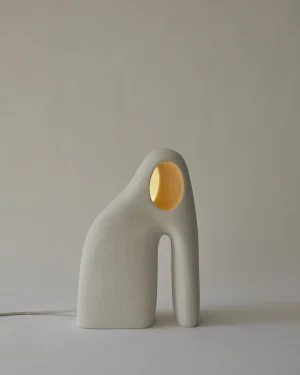
Kawa Series 01 Wall Sconce in Porcelain and Brass
By Luft Tanaka Studio
€1.600 -
Nomad Ⅱ:02 Table Lamp in Stoneware
By SK - Sofia Karnukaeva
€2.480 -
 In stock
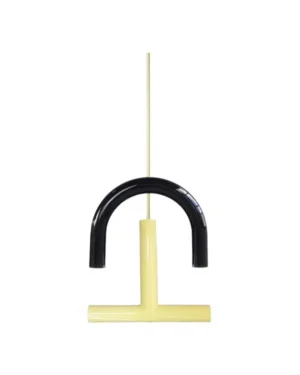
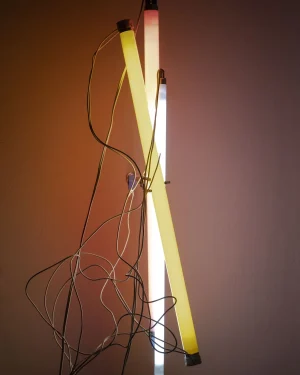
Extreme Il Wall Lamp in Metals
By TUNK I Busra Tunc
€280 -

Nomad Ⅱ:09 Table Lamp in Ceramics and Stoneware
By SK - Sofia Karnukaeva
€2.780 -
 In stock
Lampe Beige Large Table Lamp in Glazed Stoneware
By Huillet Lucas
€1.900 -
5% off

Knotto_01 Table Lamp In Glazed Stoneware And Synthetic Fibers
By Catalin Filip
€800€760 -
 In stock
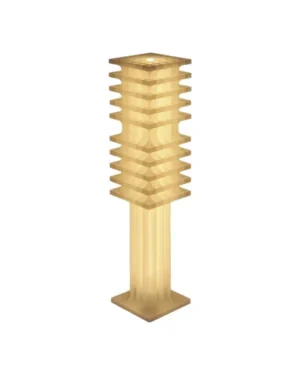
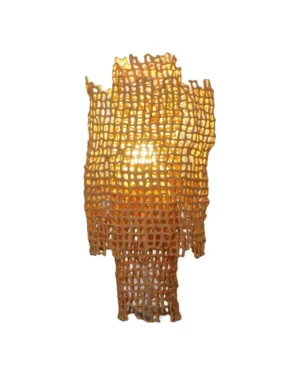
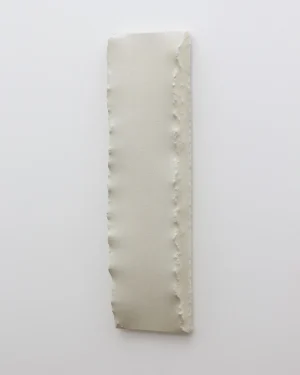
Edges 20-75 T8-60 Wall Sconce In Paper Pulp
By David Čáp
€400 -
Black Friday −10%
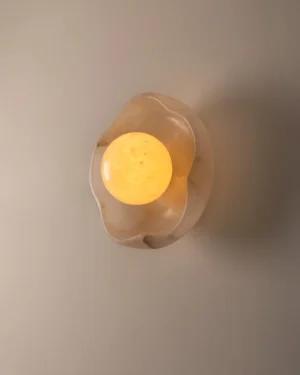
Flower Wall Sconce In Alabaster
By Harshita Jhamtani Designs
€700 10% applied at checkout -

Desire Sluhach Pendant Lamp in Muslin and Metal
By FAINA
€1.950 -
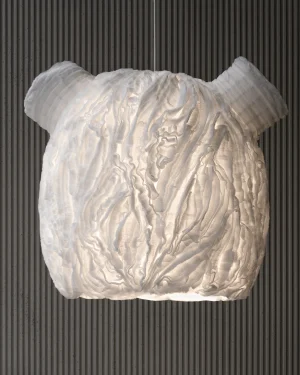
Dream Sluhach Pendant Lamp in Muslin and Metal
By FAINA
€1.950 -
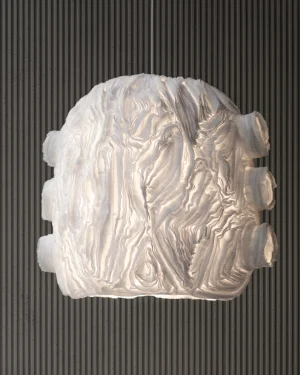
Idea Sluhach Pendant Lamp in Muslin and Metal
By FAINA
€1.950 -
Black Friday −10%

Knock Off Neon Wall Sconce in Textiles and Metal
By Studio Ebba Lindgren
€152 10% applied at checkout -
 In stock
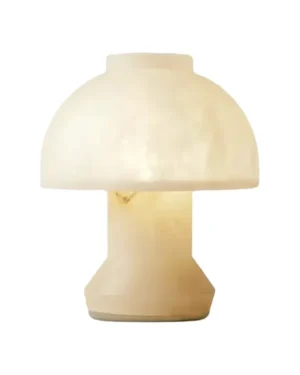
Lunel Table Lamp in Alabaster
By Mugen
€2.042 -
 In stock
Blobo Table Lamp in Alabaster and Teak
By Mugen
€2.323 -

Pendulum Triptych Ceiling Lamp In Bio Plastic
By Julie Mallet Studio
€792 -
 In stock
Steppe Floor Lamp In Felt And Wood
By Danik Uderbekov
€900 -
 In stock
Empilé Grande Table Lamp In Black
By Vlad Oganov Objects
€499 -
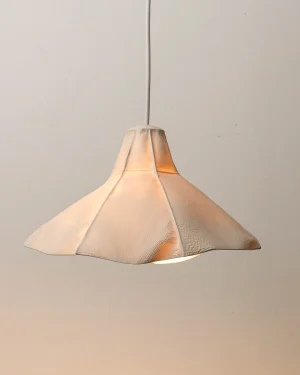
Kawa Series 04 – Ceramic Pendant Lamp
By Luft Tanaka Studio
€1.600 -

Exélixi Floor Lamp In Bio Plastic
By Julie Mallet Studio
€1.958 -
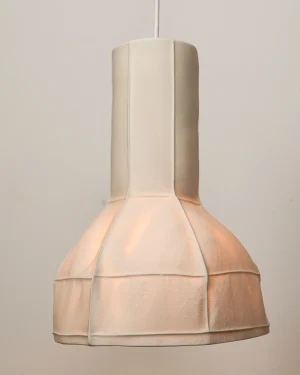
Kawa Series 05 Pendant Lamp in Porcelain and Ceramic
By Luft Tanaka Studio
€1.375 -
5% off
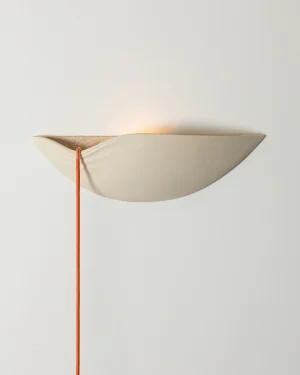
Loma Wall Sconce In Stoneware
By Catalin Filip
€450€428 -
 In stock
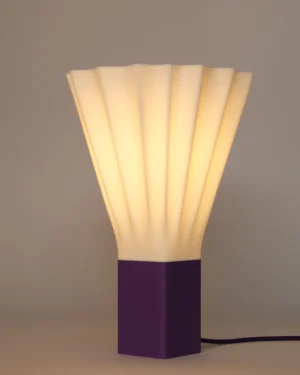
Plissé Mini – Table Lamp In Iris Purple
By Vlad Oganov Objects
€299 -

Hoja Table Lamp In White Steel
By Natural Urbano - Sebastián Beltrán
€315 -
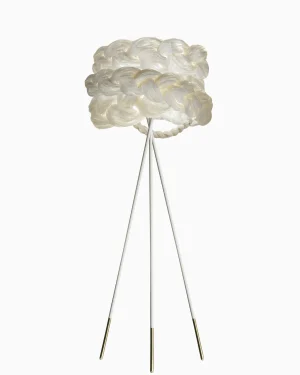
The Bride Floor Lamp In Paper
By Mammalampa
€609 -

Vira Triptych Ceiling Lamp In Bio Plastic
By Julie Mallet Studio
€567 -
 In stock
Plissé – Table Lamp In Burgundy Red
By Vlad Oganov Objects
€399 -
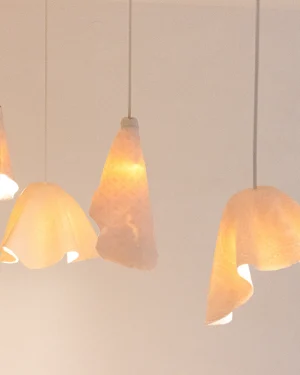
“nsidvblml” No One Is Enlightened Twice Under The Same Light
By Popdots Studio
€315 -
 In stock
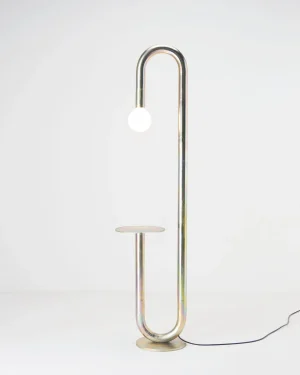
Zinc Floor Lamp Curva
By Cultivado em Casa
€1.700 -

Āstra Table Lamp in Clay
By Andrei Clontea STUDIO
€1.300 -
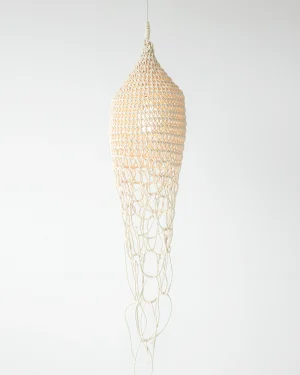
Meduse Pendant Lamp in Cotton
By Annie Legault
€700 -
 In stock
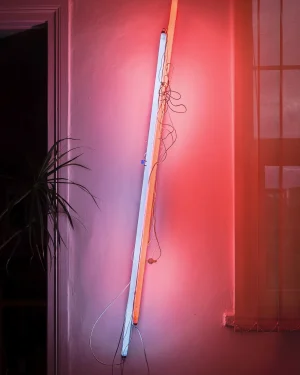
Extreme I
By TUNK I Busra Tunc
€450 -
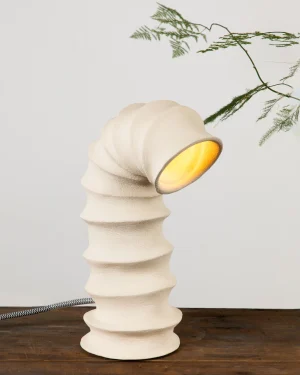
Rakis Lite – Table Lamp In White Stoneware
By Catalin Filip
€455 -
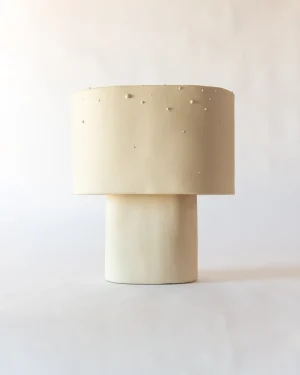
Lampe Beige Medium Table Lamp in Glazed Stoneware
By Huillet Lucas
€1.300 -
Black Friday −15%

Overcast Table Lamp In Aluminum, Leather And Paper Pulp
By Calen Knauf Studio
€1.570 15% applied at checkout -
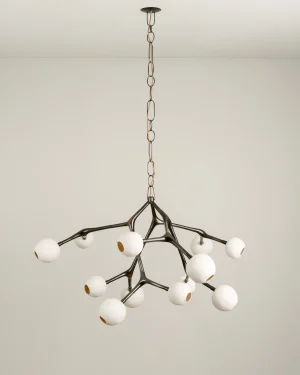
Maratus Chandelier In Bronze And Glass
By Isabel Moncada
€31.005 - €35.655 -
 In stock
Peony Floor Lamp In Fiber-cement
By Donatas Žukauskas
€2.450 -
 In stock
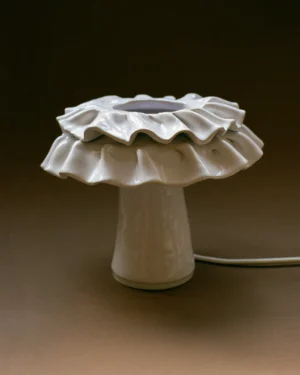
Barq Table Lamp in Alabaster
By Mugen
€3.518 -
 In stock
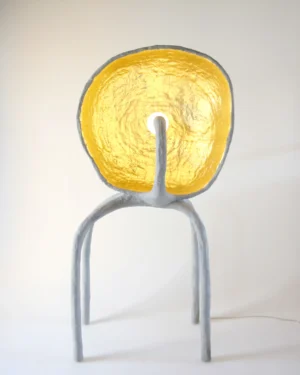
Lulu Table Lamp In Stoneware
By Mina Wright
€670 -
 In stock
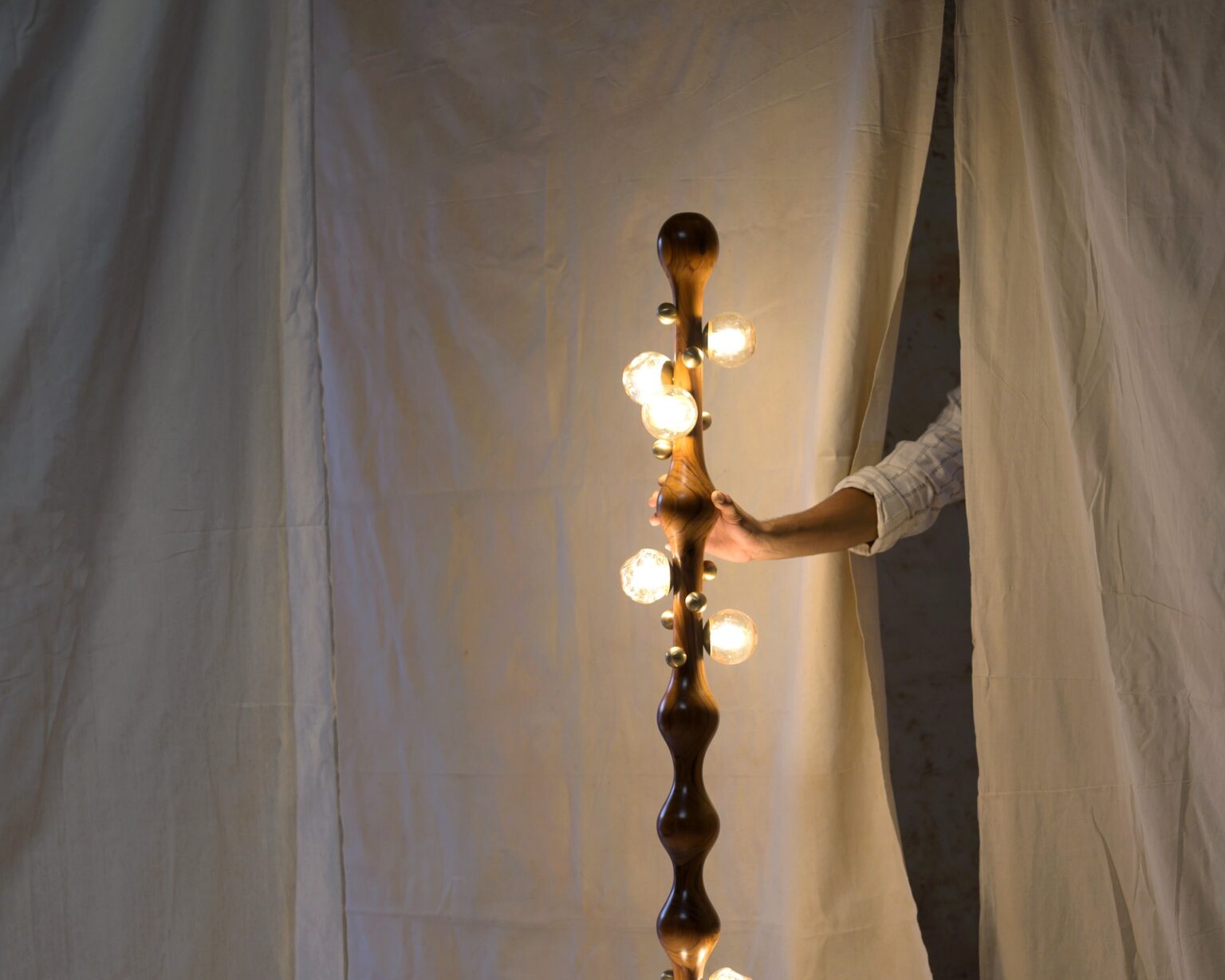
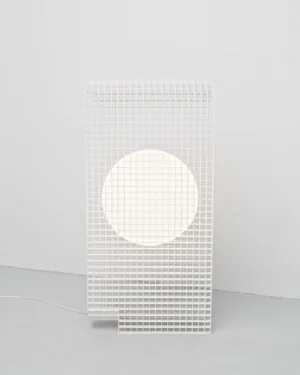
Ic-17 Floor Lamp in Resin, Gold-leaf and Natural Fibers
By Studio Josha
€10.500 -
 In stock
Matrix light
By OS ∆ OOS
€7.200 -
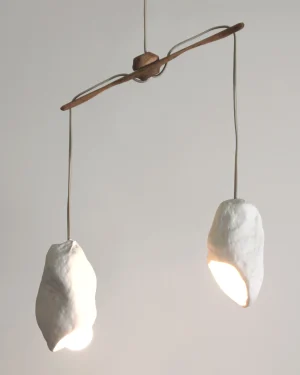
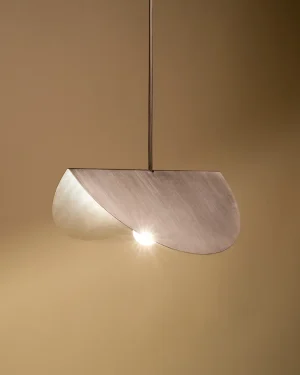
Maat Ceiling Lamp
By Dace Sūna
€1.200 -
 In stock
Pregnant Lady Floor Lamp in Fiberglass
By StorqueStudios
€4.869 -
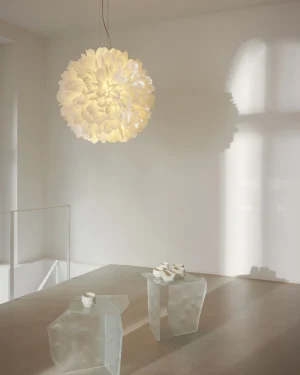
Blossom Pendant Lamp in Washi Paper
By HEIKE BUCHFELDER
€2.933
White lighting brings together pieces in ceramic, glass and metal where the color does the quiet work of amplifying whatever light passes through or off the surface. Studios working in clay, blown glass and sheet metal turn to white because it reflects rather than absorbs, so a lamp or pendant reads as bright and clean even before it is switched on. Hand-building, glassblowing and metalwork each give the color a different texture, from a dense glaze to a milky glass shell to a flat painted skin.
What defines white in a lamp or pendant
White behaves differently depending on what carries it. A glazed ceramic base holds a dense, slightly uneven white that catches side light, while blown glass tends toward a milky white that diffuses the bulb instead of showing it. Powder-coated or painted metal gives the flattest, most graphic version of the color, useful where a fixture needs to disappear into a wall or ceiling rather than draw attention to itself.
Because white has no undertone to hide behind, surface quality shows plainly. A rough hand-built glaze reads as deliberate, while a smooth, even coat on metal or glass reads as considered restraint rather than plainness.
The materials and techniques found here
The range changes as pieces sell and new work arrives, but it tends to fall into a few recurring kinds of making.
- Ceramic and stoneware pieces, raised through hand-building and finished with glazing, often carrying small variations from one firing to the next.
- Blown glass pieces, shaped while the material is still molten, where thickness and bubbles affect how light scatters.
- Metal pieces, formed through metalwork and sometimes paired with brass or stainless steel for contrast against the white.
- Editions that run from open editions produced on an ongoing basis to limited editions and unique pieces made in small numbers.
Anyone wanting a fuller view of what white looks like across furniture and objects, not only lighting, can look at every white piece on ADORNO as a separate group. For other finishes and metals within lighting, the wider lighting range covers everything from brass to stainless steel.
How to choose a piece
Scale and height matter before finish. A table lamp should sit low enough that its shade does not compete with eye line when seated, while a pendant needs enough drop to clear the top of a table or counter without crowding the space beneath it.
Matte glazes and milky glass diffuse light evenly and suit rooms where a softer glow is wanted, while glossier ceramic or painted metal throws a sharper reflection and works well as an accent rather than the main source of light. Floor lamps and larger pendants carry more visual weight, so they tend to anchor a room on their own, while smaller table lamps work best paired or set alongside other objects.
Where white lighting suits a room
White lighting sits comfortably almost anywhere because it does not compete with wall color or other furniture. In living rooms it can anchor a seating area or sit on a side table without adding visual clutter, and the same restraint makes it suit bedrooms, hallways and kitchens equally well.
Paired with warmer materials, oak, linen, worn brass, white lighting reads as a counterpoint rather than a cold note. Against other white or pale surfaces it recedes further, which suits rooms built around a quieter palette.
Caring for ceramic, glass and metal finishes
Glazed ceramic and stoneware can be wiped with a damp cloth; avoid abrasive scourers, which dull the glaze over time. Blown glass should be dusted regularly and cleaned with a soft cloth, since grit can scratch its surface.
Painted or powder-coated metal holds up well to dusting but can chip if knocked against a hard edge, so it is worth placing larger floor and pendant pieces away from high-traffic corners. For a closer look at white finishes specifically scaled for a nightstand or desk, white lamps show how the same material choices play out at a smaller size. Every white piece on ADORNO carries the palette beyond lighting, while all lighting covers every other color and material.
How do I choose the right white lighting for my space?
Start with how the white is carried: glazed ceramic gives a dense, textured glow, blown glass diffuses light softly, and painted metal reads flat and graphic. Match that texture to how much presence you want the fixture to have.
How do I clean and care for white lighting?
Dust ceramic and glass with a soft, dry cloth, and avoid abrasive cleaners that can dull a glaze or glass finish. Painted metal can be wiped with a barely damp cloth, kept away from moisture that might lift the coating over time.
What size or height should a white lamp or pendant be?
Pendants generally hang so the bottom sits above eye level, while table and floor lamps are sized to the surface or seating nearby. For an exact fit, chat with the maker on the piece's page.
Which rooms suit white lighting best?
White fixtures sit quietly in living rooms and bedrooms where the light itself should do the work, and they hold up well in kitchens and bathrooms where a clean, reflective surface is practical.
Does ADORNO ship white lighting internationally, and can I return it?
Shipping is insured and worldwide. Pieces can be returned within 14 days, except made-to-order lighting, which is excluded from that policy.
How do I know a white lighting piece is authentic, and can I order a custom version?
Every piece comes with a certificate of authenticity, and ADORNO offers a lowest-price guarantee. For custom sizing or finishes, chat with the maker directly on the piece's page.