





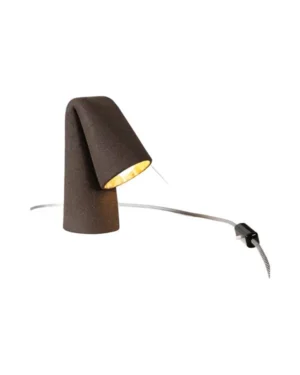
-

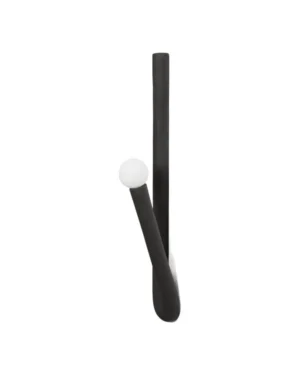
Mātra Table Lamp in Ceramic
By Andrei Clontea STUDIO
€800 -
 In stock
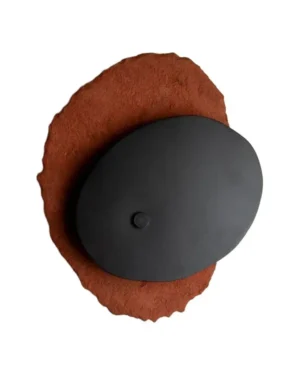
Astēri Table Lamp in Clay
By Andrei Clontea STUDIO
€1.200 -
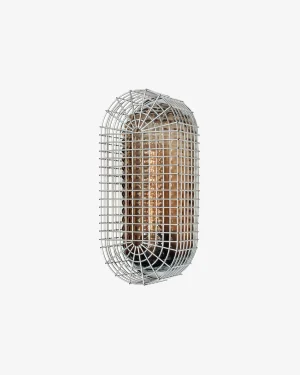
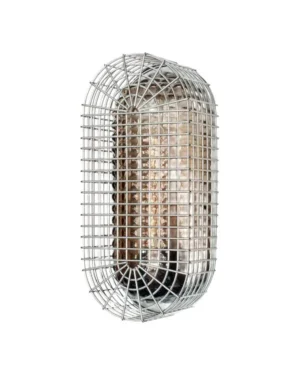
Chastity Wall Sconce In Stainless Steel And Handblown Glass
By Studio S II
€1.980 -
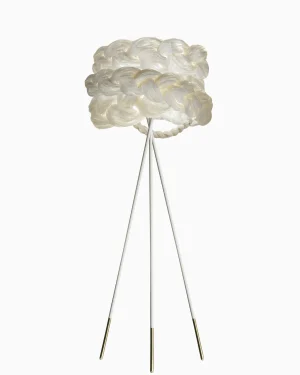
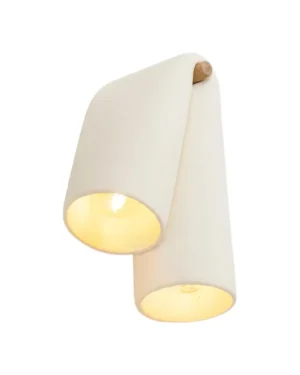
The Bride Floor Lamp in Paper
By Mammalampa
€609 -
 In stock
B.A.R.E Series ‘Tall’ Floor Lamp in Brick and Copper
By Lucas Muñoz Muñoz
€780 -
 In stock
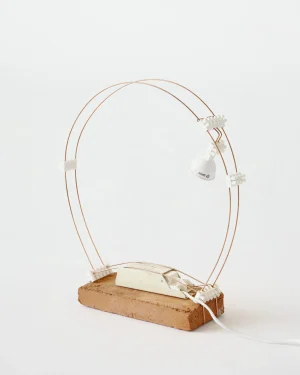
B.A.R.E Series ‘Small Circular’ Table Lamp in Brick and Copper
By Lucas Muñoz Muñoz
€225 -
 In stock
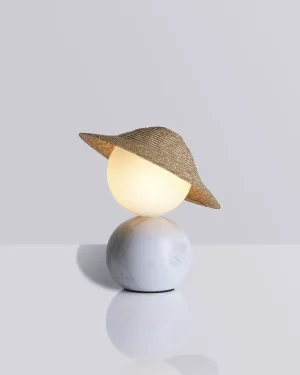
Théros 0.2 Table Lamp in Blown Glass and Marble
By Studio Aristotelis Barakos
€950 -
 In stock
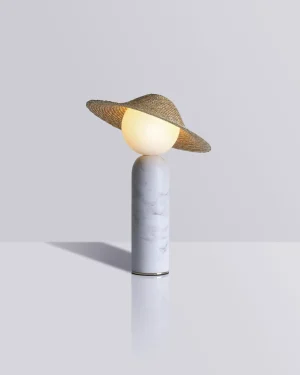
Théros 0.3 Table Lamp In Borosilicate Glass
By Studio Aristotelis Barakos
€1.100 -
 In stock
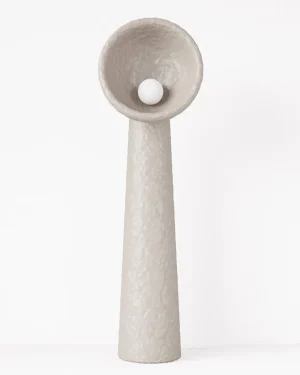
Soniah Floor Lamp in ZTISTA
By FAINA
€7.000 -
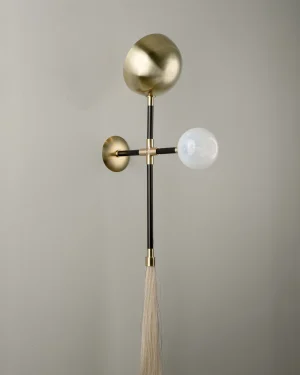
Gogo Wall Sconce in Brass, Blown Glass and Natural Fibers
By Isabel Moncada
€2.880 - €4.036 -
 In stock
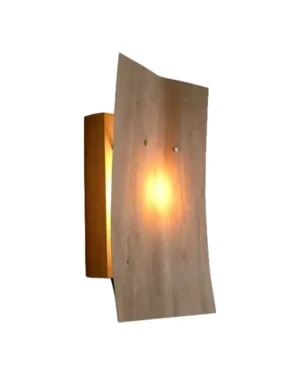
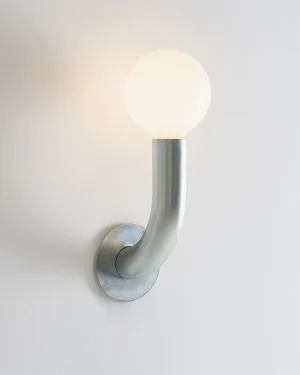
Curva Wall Sconce in Zinc
By Cultivado em Casa
€512 -
 In stock
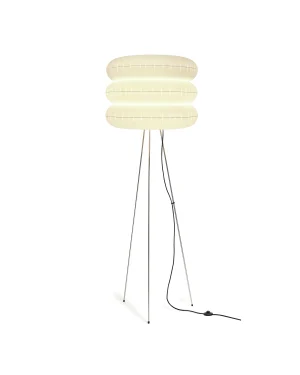
Big Puff Tripod Floor Lamp in Polyurethane and Steel
By PUFF-BUFF
€800 -
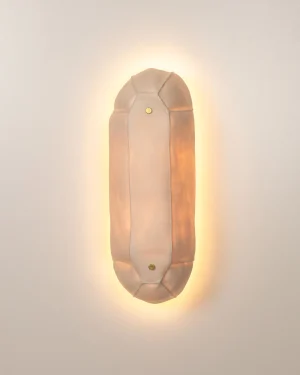
Kawa Series 01 Wall Sconce in Porcelain and Brass
By Luft Tanaka Studio
€1.600 -
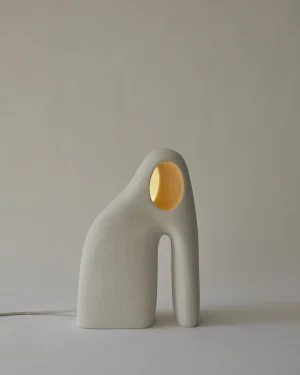
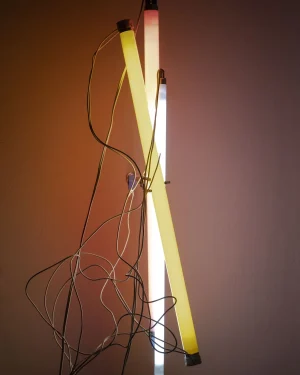
Nomad Ⅱ:02 Table Lamp in Stoneware
By SK - Sofia Karnukaeva
€2.480 -
 In stock
Extreme Il Wall Lamp in Metals
By TUNK I Busra Tunc
€280 -

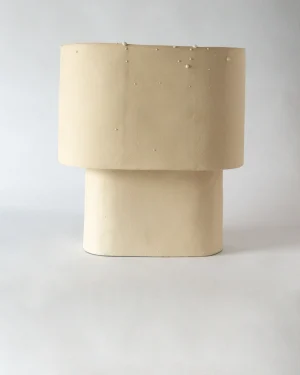
Nomad Ⅱ:09 Table Lamp in Ceramics and Stoneware
By SK - Sofia Karnukaeva
€2.780 -
 In stock
Lampe Beige Large Table Lamp in Glazed Stoneware
By Huillet Lucas
€1.900 -

Knotto_01 Table Lamp In Glazed Stoneware And Synthetic Fibers
By Catalin Filip
€800 -
 In stock
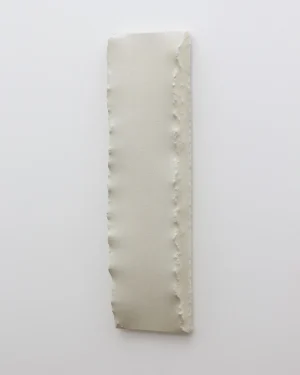
Edges 20-75 T8-60 Wall Sconce In Paper Pulp
By David Čáp
€400 -
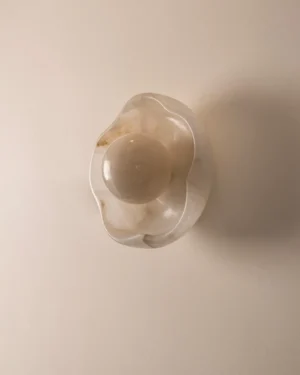
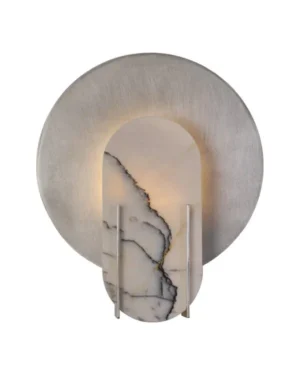
Flower Wall Sconce In Alabaster
By Harshita Jhamtani Designs
€700 -
 In stock
Lunel Table Lamp in Alabaster
By Mugen
€2.042 -
 In stock
Blobo Table Lamp in Alabaster and Teak
By Mugen
€2.323 -

Pendulum Triptych Ceiling Lamp In Bio Plastic
By Julie Mallet Studio
€792 -
 In stock
Steppe Floor Lamp In Felt And Wood
By Danik Uderbekov
€900 -
 In stock
Empilé Grande Table Lamp In Black
By Vlad Oganov Objects
€499 -
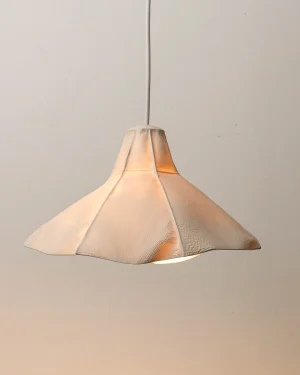
Kawa Series 04 – Ceramic Pendant Lamp
By Luft Tanaka Studio
€1.600 -

Exélixi Floor Lamp In Bio Plastic
By Julie Mallet Studio
€1.958 -
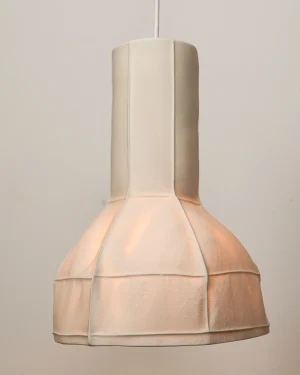
Kawa Series 05 Pendant Lamp in Porcelain and Ceramic
By Luft Tanaka Studio
€1.375 -
 In stock
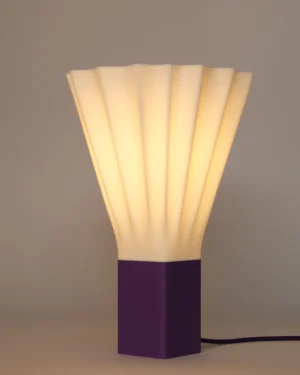
Plissé Mini – Table Lamp In Iris Purple
By Vlad Oganov Objects
€299 -
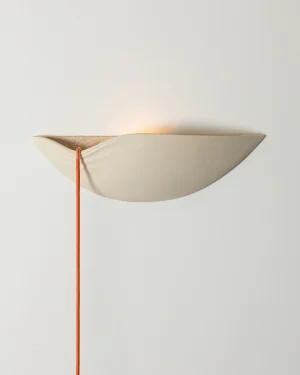
Loma Wall Sconce In Stoneware
By Catalin Filip
€450 -
 In stock
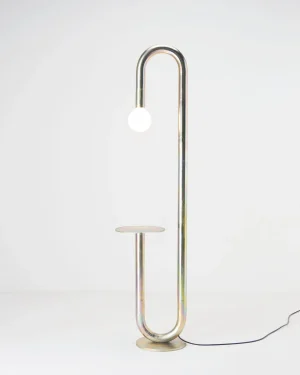
Zinc Floor Lamp Curva
By Cultivado em Casa
€1.700 -
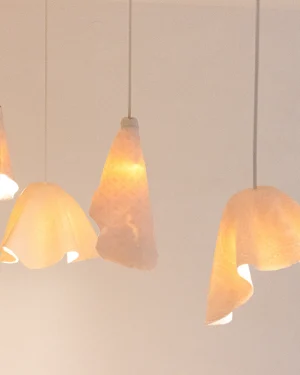
“nsidvblml” No One Is Enlightened Twice Under The Same Light
By Popdots Studio
€315 -

Hoja Table Lamp In White Steel
By Natural Urbano - Sebastián Beltrán
€315 -
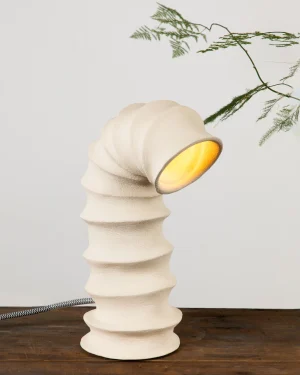
Rakis Lite – Table Lamp In White Stoneware
By Catalin Filip
€455 -

Vira Triptych Ceiling Lamp In Bio Plastic
By Julie Mallet Studio
€567 -
 In stock
Plissé – Table Lamp In Burgundy Red
By Vlad Oganov Objects
€399 -
 In stock
Extreme I
By TUNK I Busra Tunc
€450 -
 In stock
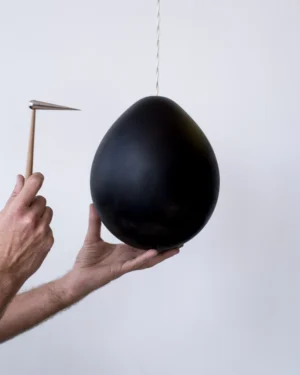
Barq Table Lamp in Alabaster
By Mugen
€3.518 -
 In stock
Less Pendant Lamp In Steel, Wood And Plaster
By Jordi Canudas Faura
€388 -
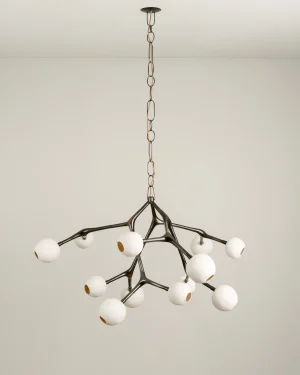
Maratus Chandelier in Bronze and Glass
By Isabel Moncada
€31.005 - €35.655 -
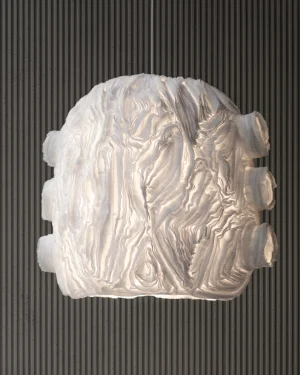
Idea Sluhach Pendant Lamp in Muslin and Metal
By FAINA
€1.950 -
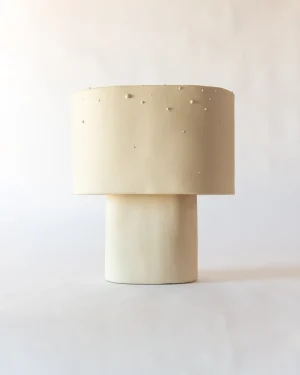
Lampe Beige Medium Table Lamp in Glazed Stoneware
By Huillet Lucas
€1.300 -
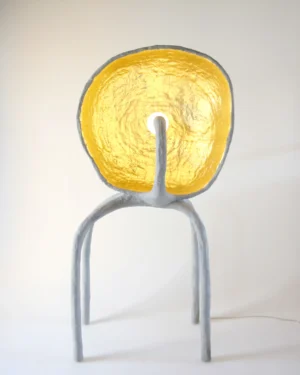 In stock
Ic-17 Floor Lamp in Resin, Gold-leaf and Natural Fibers
By Studio Josha
€10.500 -
 In stock
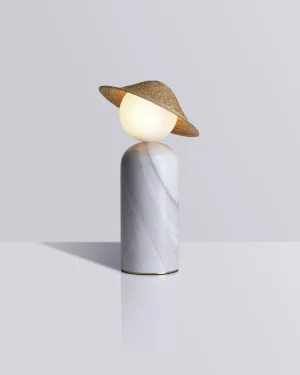
Théros 0.1 Table Lamp in Volakas Marble
By Studio Aristotelis Barakos
€950 - €1.750 -

Āstra Table Lamp in Clay
By Andrei Clontea STUDIO
€1.300 -
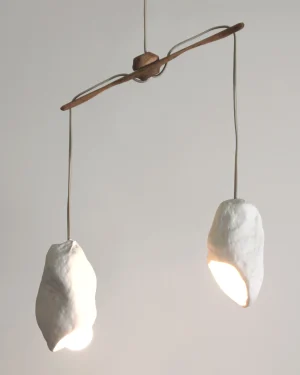
Maat Ceiling Lamp
By Dace Sūna
€1.200 -
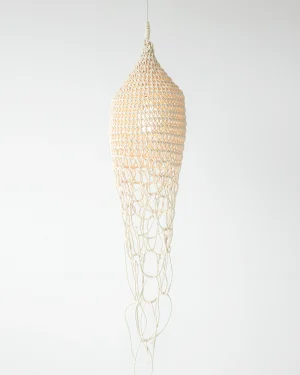
Meduse Pendant Lamp in Cotton
By Annie Legault
€700 -
 In stock
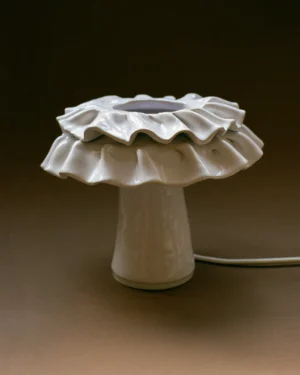
Alba No. 2 Table Lamp in Alabaster
By Mugen
€953 -
 In stock
Lulu Table Lamp In Stoneware
By Mina Wright
€670 -
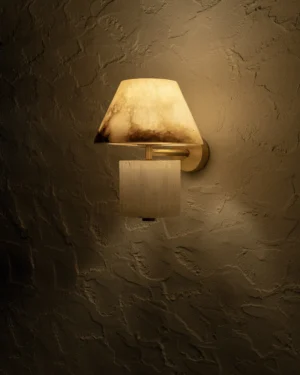
Rio Wall Lamp In Alabaster And Brass
By Harshita Jhamtani Designs
€1.150 -

Overcast Table Lamp In Aluminum, Leather And Paper Pulp
By Calen Knauf Studio
€1.570 -
 In stock
Pregnant Lady Floor Lamp in Fiberglass
By StorqueStudios
€4.869 -
 In stock
Peony Floor Lamp In Fiber-cement
By Donatas Žukauskas
€2.450 -

Desire Sluhach Pendant Lamp in Muslin and Metal
By FAINA
€1.950
White lamps gather pieces finished in white glaze, white powder-coated metal and white blown glass, each shaped by an independent studio working by hand. The color sits on hand-thrown ceramic bodies, blown glass shades and worked steel or brass fittings, so the same white reads matte against stoneware and bright against glass. Across the range, white works to soften a light source by day and let it glow evenly once switched on at night.
How white behaves in ceramic, glass and metal lamps
White sits differently on every material a lamp is built from. On hand-thrown ceramic or stoneware, a white glaze pools thicker in the grooves and thinner on the raised surface, so no two bodies catch the light in quite the same way. Blown glass holds white as an opaque layer that scatters the bulb's output rather than showing its filament, while worked brass, steel or aluminum takes white as a powder coat that stays flat and even under daylight.
The range of materials, finishes and editions
White lamps across these materials run from matte stoneware to glossy ceramic to polished steel. Hand-built ceramic and stoneware are glazed and fired by hand, blown glass shades are worked while hot, and bases are shaped from brass, steel, aluminum or beech wood. Some studios finish white with a gloss glaze or lacquer that throws back light, others leave it matte so the surface absorbs it instead.
Editions vary by studio and by piece:
- Open editions, made to a repeatable process
- Limited editions, produced in small, numbered runs
- Unique pieces, each one the only example of its kind
For a broader view of the color, other white pieces across furniture, lighting and objects show the same glazes, powder coats and glass finishes at work, and the wider range of lamps, in every material and color, sits under lamps as a category.
Choosing a white lamp for scale, height and placement
Scale matters more with a light source than with most objects, since a lamp has to balance against what it lights. A table lamp should sit roughly at or below eye level when seated, so the bulb or shade does not glare directly into view; a floor lamp is judged against the height of a sofa arm or the depth of a reading chair.
Matte finishes soften a room's light and suit spaces that already carry contrast, while gloss or glazed white throws light further and can double the output of a single bulb by reflection. Placement near a window or beside a mirror lets white carry weight in a room during the day as well as after dark.
Where white lamps suit a room
White lamps suit rooms that already carry light, pale walls, pale floors, where a white base or shade continues the palette instead of interrupting it. In a living room, a floor or table lamp in white glass or ceramic rests easily beside upholstery and shelving, picking up daylight through the day; see lamps sized for a living room for scale against sofas and side tables.
In a bedroom, a smaller white lamp on a nightstand gives low, even light at the height needed for reading, a use covered in lamps sized for a bedroom. Entryways and studies take white lamps with a metal base well, since steel or brass in white reads as quietly as the ceramic and glass pieces beside it.
Caring for a white glaze, shade or finish
A white glaze wipes clean with a damp cloth; avoid abrasive cleaners, which dull the surface and can expose the clay body beneath. Blown glass shades need only dusting and an occasional wipe with a dry cloth, since moisture left on glass shows as streaks once the bulb is lit.
Powder-coated or painted metal resists fingerprints better than gloss ceramic but scratches if dragged across a hard surface, so lift rather than slide a white metal base when moving it. Wood bases finished in white paint or a pale stain benefit from the same care as any painted wood, kept out of direct sun and wiped rather than soaked.
How do I choose the right white lamp?
Consider the material first: ceramic and stoneware suit a matte, softer glow, while glass and metal read brighter and more reflective. Match the finish to the room's existing surfaces and light levels.
How do I clean and care for a white lamp?
Dust ceramic, glass and metal surfaces with a dry or barely damp cloth, avoiding abrasive cleaners that can dull a glaze or powder coat. Keep glass shades away from direct contact with sharp objects to prevent chips.
What size and height of lamp works best?
Table lamps generally sit between 18 and 30 inches tall, while floor lamps run higher to cast light across a room. Choose a height that places the shade near eye level when seated nearby.
Which rooms suit white lamps best?
White lamps work in living rooms and bedrooms, where they soften daylight and glow evenly after dark without competing with other colors. They also sit well in entryways and reading corners.
Does ADORNO ship white lamps worldwide and offer returns?
Shipping is insured and worldwide. A 14-day return policy applies, though made-to-order pieces are excluded.
Are white lamps on ADORNO authentic and can I order custom sizes?
Every piece includes a certificate of authenticity, and ADORNO offers a lowest-price guarantee. For custom sizes or finishes, chat with the maker directly on the piece's page.