
-
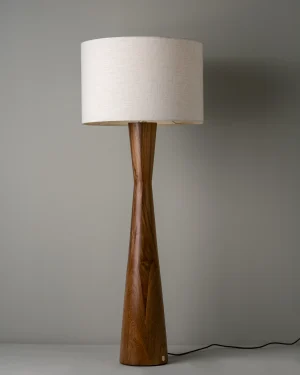
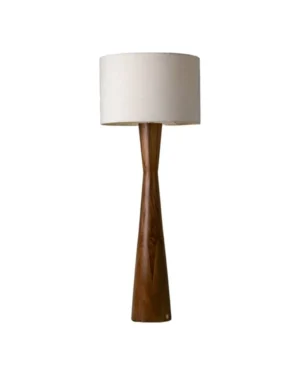
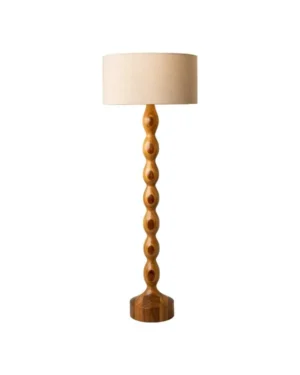
Sabina Floor Lamp in Parota Wood
By Isabel Moncada
€3.802 -
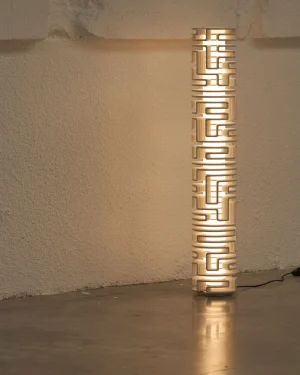
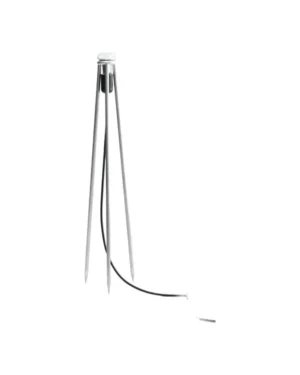
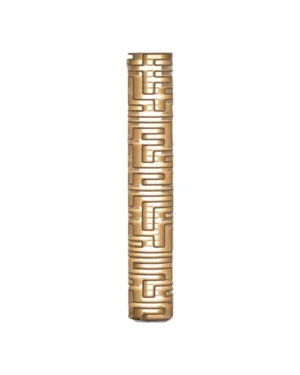
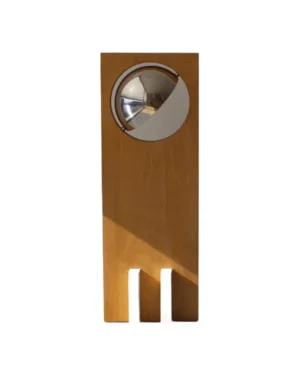
Maze Floorstander Floor Lamp in Recycled Plastic
By Stijn van Aardenne
€1.447 -
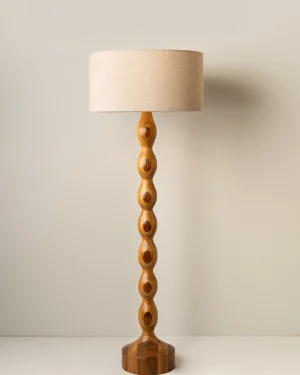
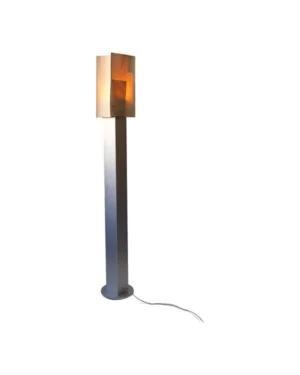
Tamarindo Floor Lamp in Parota Wood and Natural Fibers
By Isabel Moncada
€3.802 -
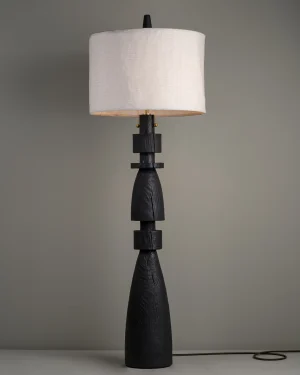
Mezquite Floor Lamp in Pinewood, Linen and Brass
By Isabel Moncada
€4.095 -
 In stock
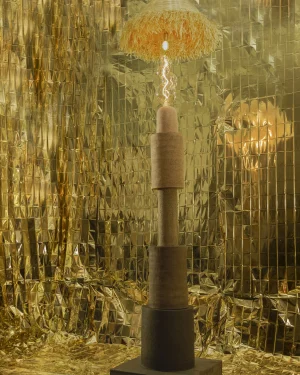
Thulani Floor Lamp in Terracotta and Rattan
By UAU Studio
€3.400 -
 In stock
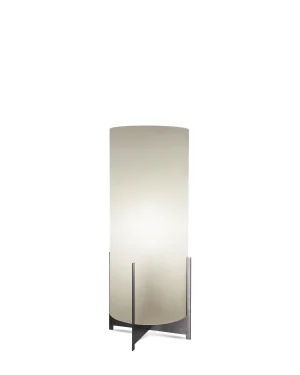
Lumix Floor Lamp in Stainless Steel and Polycarbonate
By Pablo Sinan Design
€510 -
 In stock
Steppe Floor Lamp In Felt And Wood
By Danik Uderbekov
€900 -
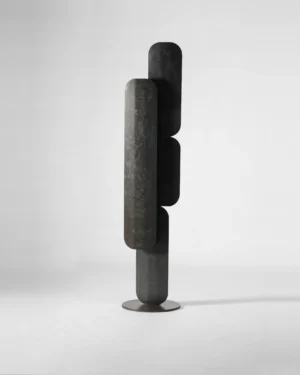
Nucleation Floor Lamp in Steel
By Drusch Design
€2.760 -
 In stock
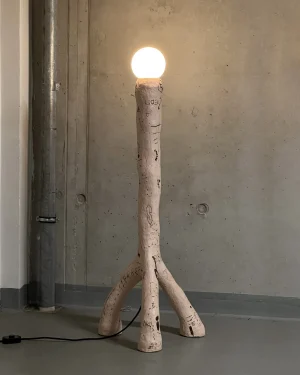
Tattooed Shining Creature Floor Lamp In Paper And Steel
By David Čáp
€1.400 -
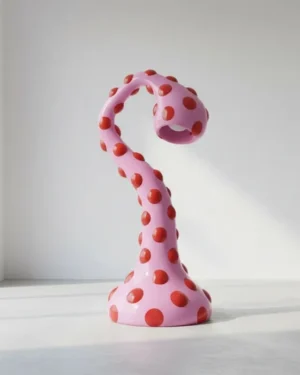
Tentacle Floor Lamp In Resin
By Ryan Mercer
€3.171 -
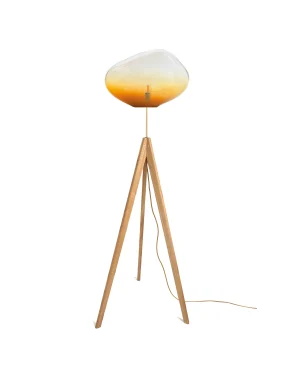
Statix Amber Iridescent Floor Lamp In Blown Glass
By ELOA - Unique Lights
€6.360 - €6.910 -
 In stock
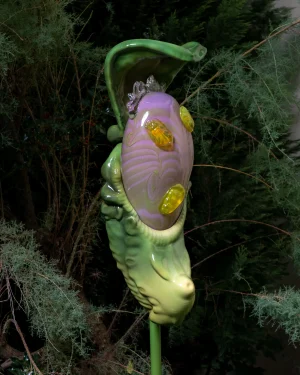
Lapas Paradiso Novo Series Floor Lamp in Blown Glass and PLA
By Anna Jožová
€9.500 -
 In stock
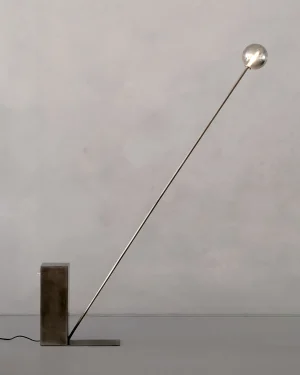
Oblique Glow Floor Lamp in Steel and Acrylic Resin
By HEAKO
€5.500 -
 In stock
Ic-6 Floor Lamp in Resin, Gold-leaf and Natural Fibers
By Studio Josha
€9.500 -
 In stock
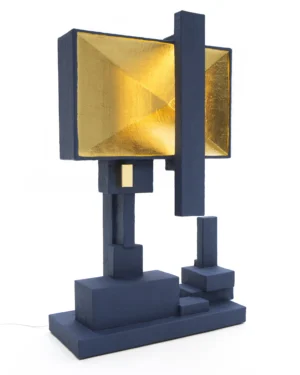
Box-2 Floor Lamp in Blue Cardboard and Gold-leaf
By Studio Josha
€8.995 -
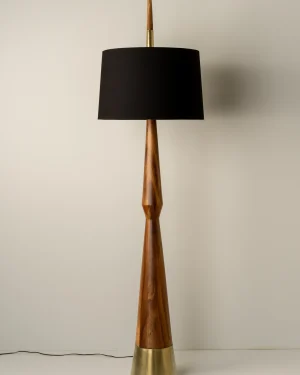
Apolo Floor Lamp in Parota Wood and Fiberglass
By Isabel Moncada
€6.435 -
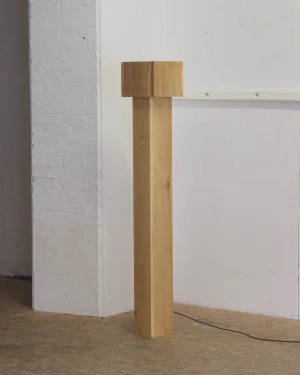 In stock
Sensitive Wood Marguerite Floor Lamp In Oak Wood
By Vital Lainé
€2.500 -
 In stock
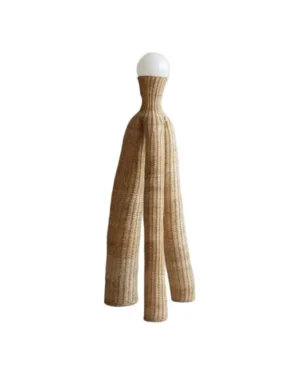
Pregnant Lady Floor Lamp in Fiberglass
By StorqueStudios
€4.869 -
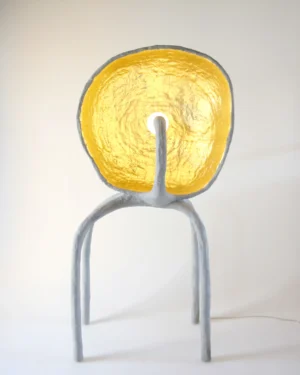 In stock
Ic-17 Floor Lamp in Resin, Gold-leaf and Natural Fibers
By Studio Josha
€10.500 -
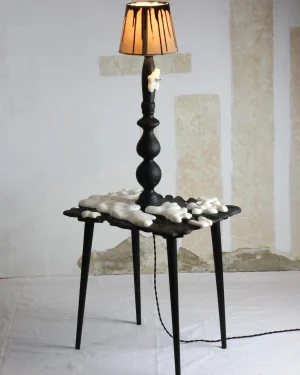 In stock
Tundra Floor Lamp
By Gábor Góbi
€4.990 -

Silva Sculptural Floor Lamp in Biocomposite and Raffia
By PletoStudio
€1.600 -
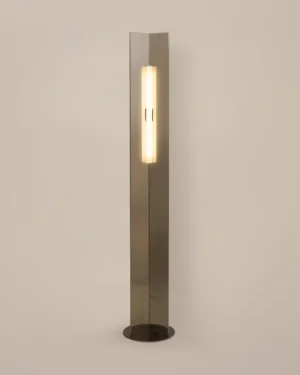
Arrow 158 European Floor Lamp in Polished Steel
By Violaine d'Harcourt Lighting Design
€2.602 - €2.764 -
 In stock
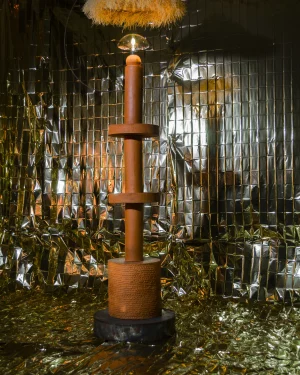
Badru Floor Lamp in Ceramic and Rattan
By UAU Studio
€3.400 -
 In stock
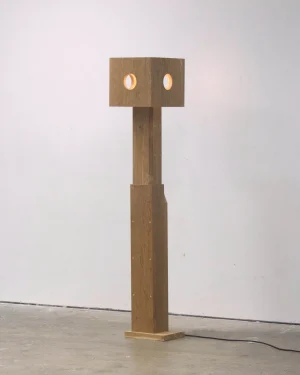
Sensitive Wood Gavroche Floor Lamp In Brown Oak
By Vital Lainé
€2.500 -
 In stock
Sputnik V Floor Lamp in Steel
By StorqueStudios
€689 -

Fat Op No. 001 Four Piece Floor Lamp In Ceramic
By Pani Jurek STUDIO
€2.313 -

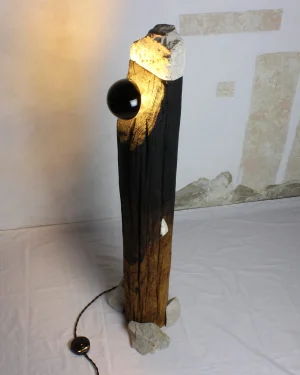
Silva Soft Floor Lamp in Biocomposite and Cotton
By PletoStudio
€1.100 -
 In stock
Totem Floor Lamp
By Gábor Góbi
€2.390 -

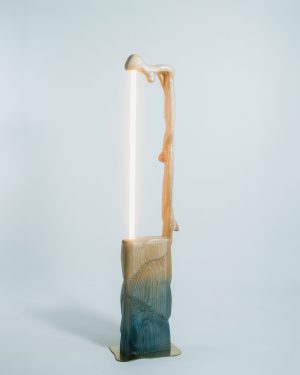
Cypress #2 Floor Lamp in Cypress Wood
By Studio Kloak
€4.000 -
 In stock
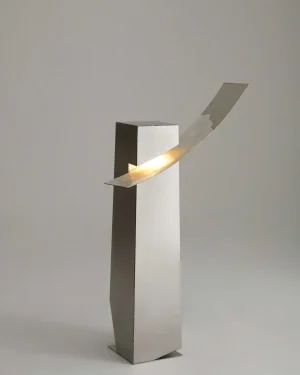
Blueprint Floor Lamp in Ash Wood
By Studio Kloak
€2.500 -
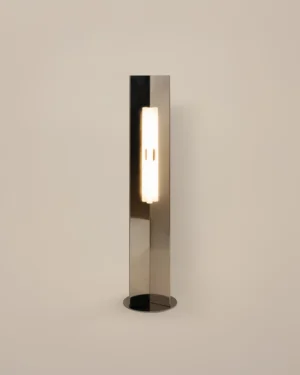
Shining No.2302 Floor Lamp in Stainless Steel
By Park Eunchong Studio
€3.200 -
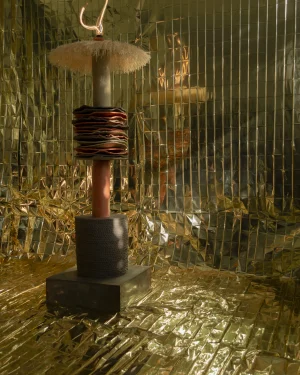
Arrow 120 European Floor Lamp in Polished Steel
By Violaine d'Harcourt Lighting Design
€2.114 - €2.276 -
 In stock
Nightjar Floor Lamp in Ceramic and Rattan
By UAU Studio
€3.400 -
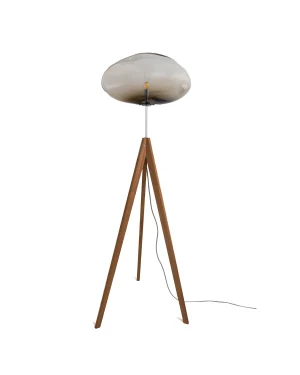
Statix Silver Smoke Floor Lamp In Blown Glass
By ELOA - Unique Lights
€6.360 - €6.910 -
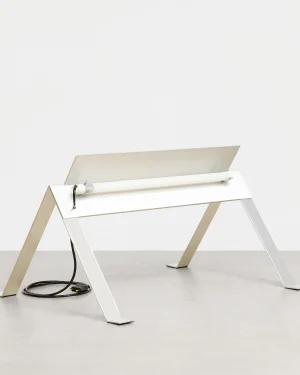
L1 Low Floor Lamp
By Luiz Solano
€900 - €1.200 -
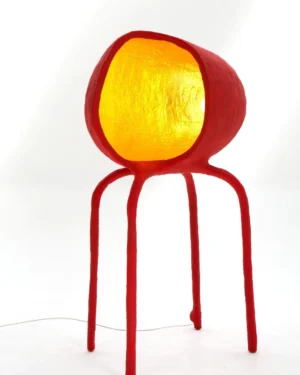 In stock
Ic-12 Floor Lamp in Resin, Gold-leaf and Natural Fibers
By Studio Josha
€8.500 -
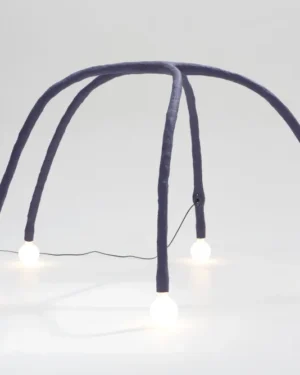 In stock
Ic-13 Floor Lamp In Resin, Foam And Natural Fibers
By Studio Josha
€9.900 -
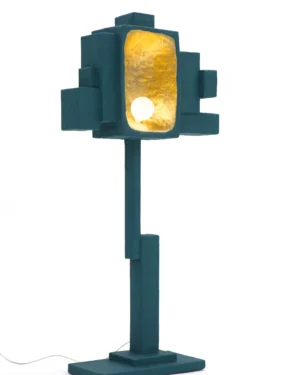 In stock
Box-1 Floor Lamp in Cardboard and Gold-leaf
By Studio Josha
€4.500 -

Cypress #1 Floor Lamp in Cypress Wood
By Studio Kloak
€4.600 -
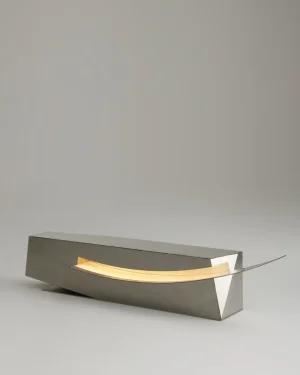 In stock
Shining No.2301 Floor Lamp in Stainless Steel
By Park Eunchong Studio
€3.200 -
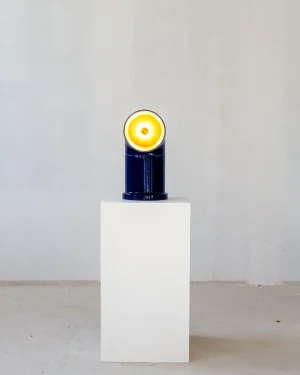
Fat Op No. 002 Two Piece Table Lamp In Ceramic
By Pani Jurek STUDIO
€1.539 -
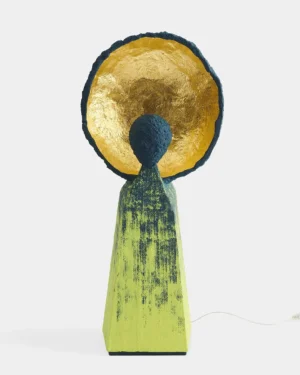 In stock
Ic-15 Floor Lamp in Green Wool and Gold-leaf
By Studio Josha
€6.250 -

Citiez 0.1
By Niels Stoeltie
€2.521 - €2.893 -
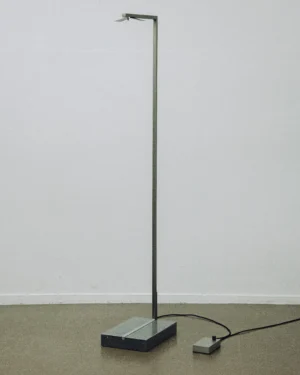
Citiez 0.1 Steel Edition Floor Lamp in Steel and Concrete
By Niels Stoeltie
€2.521 - €2.893 -

“plume” Floor Lamp in Aluminum
By Giselle Vanessa Johnson
€2.600 -

“xoria” Floor Lamp in Chrome and Linen
By Giselle Vanessa Johnson
€1.600 - €2.400 -
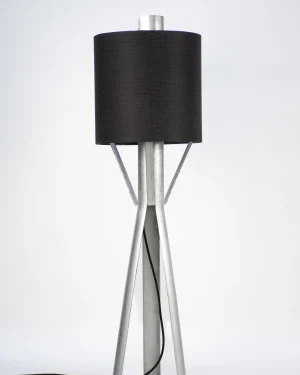
Big Tube Split
By Emil Keller
€2.500 -
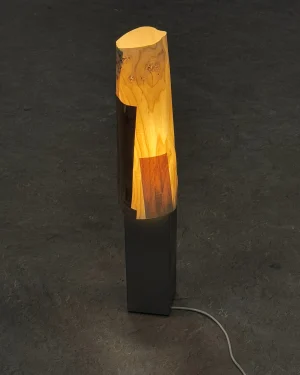 Sold
Soft Ply No. 3 Floor Lamp in Wood and Steel
By Sheyang Li
Price Upon Request -
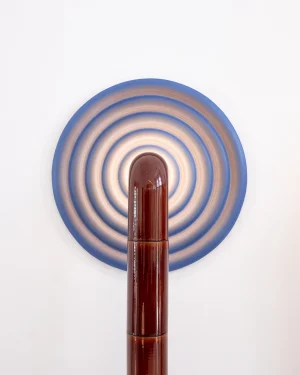
Op Object No. 1 Floor Lamp in Ceramic
By Pani Jurek STUDIO
Price Upon Request -
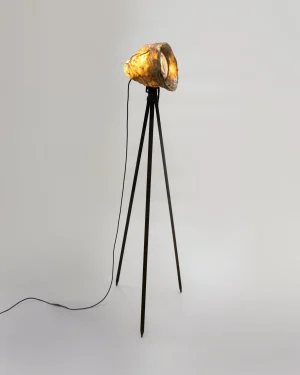 Sold
Microbiome I Floor Lamp in Bio Plastic
By Sabrina Merayo Nuñez
€3.800 -
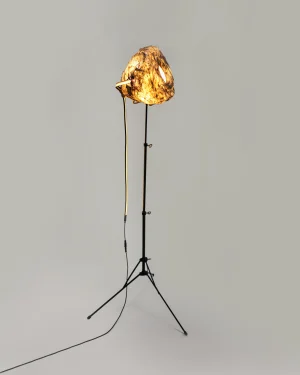 Sold
Microbiome II Floor Lamp in Bio Plastic
By Sabrina Merayo Nuñez
€3.000 -
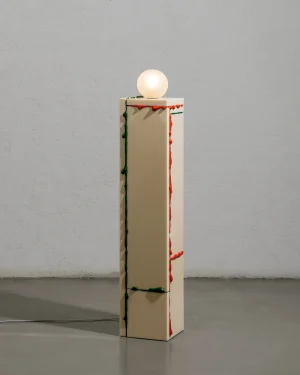 In stock
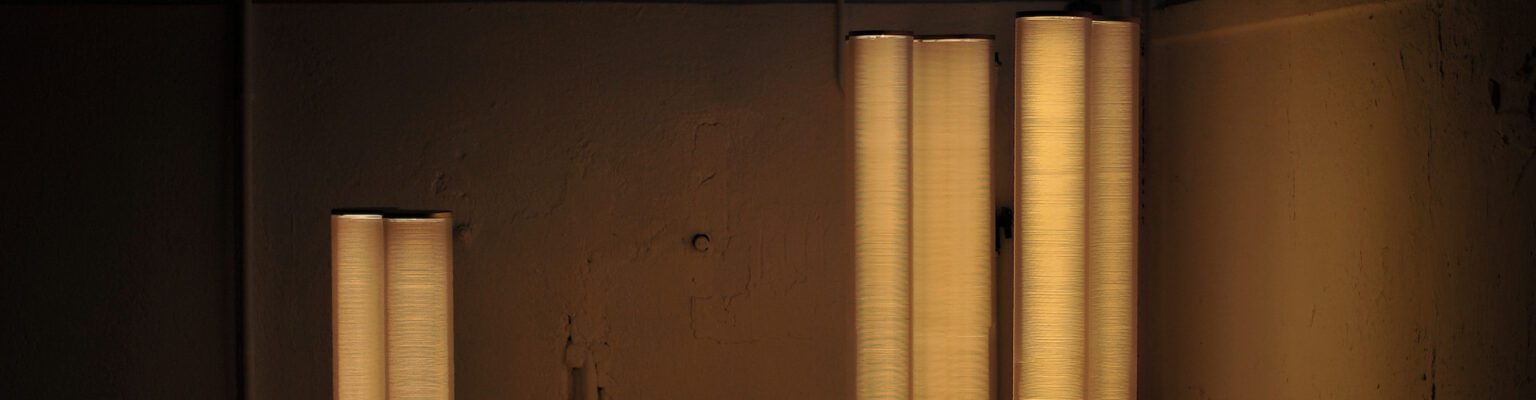
B.S.P Series Floor Lamp in Recycled Plastic
By Atelier SOHN
Price Upon Request -
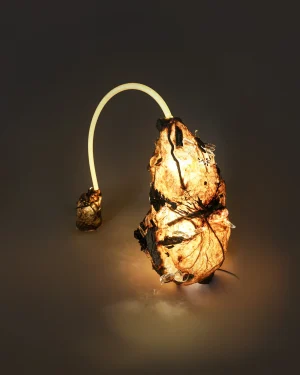 Sold
Siamese Twins I Floor Lamp in Bioplastic
By Sabrina Merayo Nuñez
€6.000 -
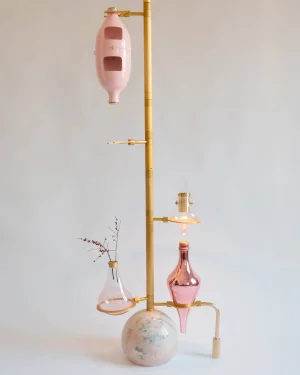
Emotional Lab Beige Floor Lamp In Brass And Glass
By Hania Jneid Design Studio
Price Upon Request
Unique floor lamps are the pieces that refuse to repeat themselves: a body cast once in resin and never poured again, a shade worked by hand from a single sheet of metal, a base sculpted from wood with the grain left to decide the final shape. Independent studios make them one at a time, often using processes too slow or too personal to scale, so no two readings of the same idea land exactly alike. What ties them together is not a material or a color but a way of working that treats the lamp as a standalone object first and a light source second.
What makes a floor lamp a one-off piece
A unique floor lamp usually starts with a process that resists duplication. Resin is poured by hand and cures with small variations in bubble, tone and surface that a mold alone cannot control. Metal is cut, bent or welded in a single run rather than stamped, so the hand of the maker stays visible in a weld line or a filed edge. Wood is carved or joined to follow a plank's own grain, which means the piece could not be remade from different timber without becoming something else.
The materials and finishes behind the range
Within unique floor lamps, the material tends to set both the look and the handling. Common choices include:
- Metals and steel, left raw, blackened or gilded in gold for a surface that reads as sculpture under daylight.
- Resin and foam, cast or carved into continuous forms, often in ivory, white, red or deep purple.
- Wood, including parota and other solid species, sculpted or joined using cabinetmaking techniques that leave the grain exposed.
- Natural fiber and paperwork, woven or layered by hand, usually in warmer tones such as brown or off-white.
Styles range from a pared-back, minimalist stance to maximalism that stacks color, texture and scale without apology, with contemporary, mid-century modern, coastal and eclectic approaches running between the two. Gilding, resin casting and sculpting appear often; biofabrication shows up where a studio works with grown or recycled material instead of conventional stock.
How to choose a floor lamp for scale and place
Because a floor lamp stands in open space rather than sitting on a surface, its height and footprint matter as much as its finish. A tall, narrow form reads as a vertical accent and suits a corner or a gap beside furniture; a wide or sculptural base asks for clear floor space around it so the shape stays legible from across the room. Metal and resin pieces tend to hold a sharper silhouette at distance, while wood and woven fiber read warmer and softer up close, which is worth weighing against the light already in the room.
Where these lamps stand in a room
A one-off floor lamp works wherever a room can give it room to be seen in full: beside a sofa or reading chair in a living room floor lamp setting, in a bedroom corner where it can double as a quiet reading light, or alone in an entry where its form, more than its output, does the work. Pair it against plain walls or flooring so the material and the maker's hand stay the focus rather than competing with pattern.
Caring for cast resin, worked metal and sculpted wood
Resin and foam prefer a dry cloth and distance from direct sun, which can dull or yellow the surface over time. Raw or blackened metal develops a patina with handling and age; gilded finishes should be dusted rather than rubbed. Solid wood moves slightly with humidity and benefits from an occasional wipe with a dry or barely damp cloth, never a wet one.
For the wider range of designer lighting on these lines, the full floor lamp category sits alongside unique lamps in other forms, as well as metal floor lamps and modern floor lamps for anyone building toward a specific material or style rather than a one-off.
How do I choose a unique floor lamp?
Start with how the piece is made rather than its finish: a hand-poured resin body, a welded metal shade or a carved wood base each bring a different weight and presence. Let the room's proportions and the lamp's silhouette guide the choice.
How do I care for a resin, metal or wood floor lamp?
Resin and metal need only a dry or slightly damp cloth, away from direct heat and harsh solvents. Wood benefits from occasional oiling and stable humidity, since its grain continues to respond to the room around it.
What size or height should a unique floor lamp be?
Height depends on the piece's sculptural form as much as its function, since it is designed to stand as an object first. Chat with the maker on the piece's page to confirm exact dimensions before you order.
Which rooms suit a unique floor lamp?
Because a floor lamp has no fixed wiring, it can anchor a living room corner, stand beside a bed or hold its own in an entryway. Its sculptural form reads from across the room, so give it open space rather than a crowded shelf.
Can I return a unique floor lamp if it doesn't work in my space?
Yes, standard pieces can be returned within 14 days; made-to-order pieces are excluded from this policy. Each lamp arrives with a certificate of authenticity confirming its one-off status.
How does shipping and pricing work when buying a unique floor lamp?
Shipping is insured and arranged worldwide, and ADORNO offers a lowest-price guarantee on every piece. For questions on a specific lamp's making or availability, use Chat with the maker on its page.