


-
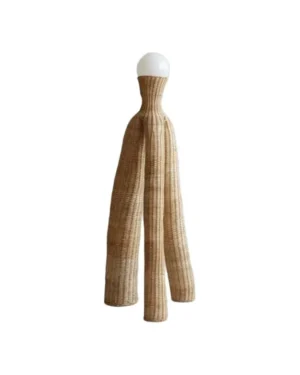
Tamarindo Floor Lamp in Parota Wood and Natural Fibers
By Isabel Moncada
€3.802 -
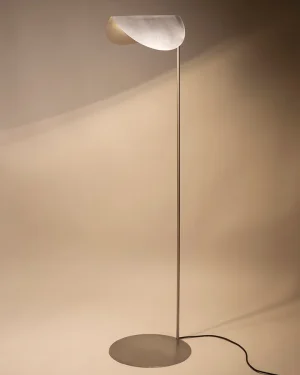
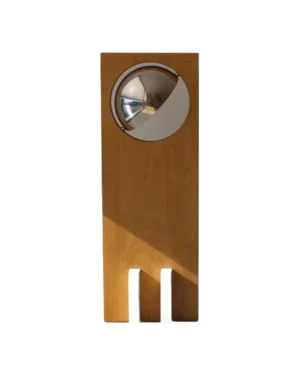
Two Circles No. 1 Floor Lamp in Stainless Steel
By Georgiev Kiril
€995 -
 In stock
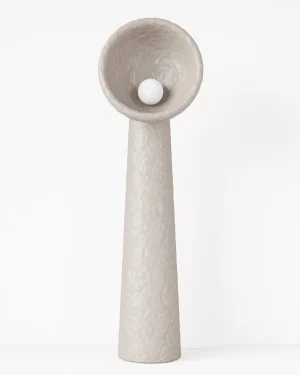
Soniah Floor Lamp in ZTISTA
By FAINA
€7.000 This product has multiple variants. The options may be chosen on the product page -
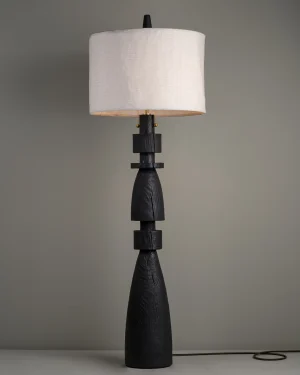
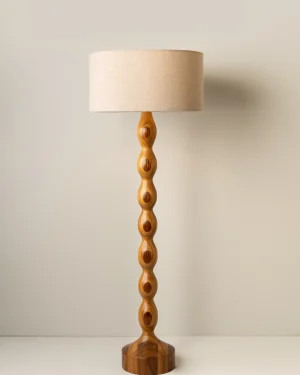
Mezquite Floor Lamp in Pinewood, Linen and Brass
By Isabel Moncada
€4.095 -

Falcon Floor Lamp in Brass and Oak Wood
By Nathan Chintala
€2.105 -
 In stock
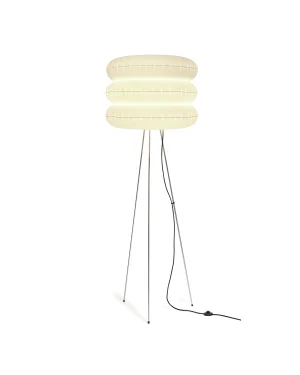
Big Puff Tripod Floor Lamp in Polyurethane and Steel
By PUFF-BUFF
€800 -

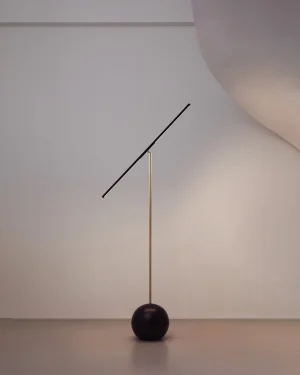
The Queen Double Floor Lamp in Gold-leaf and Rust Steel
By Mammalampa
€1.151 -
 In stock
T-Lamp Floor Lamp in Aluminum, Brass and Oak Wood
By HEAKO
€3.850 -
 In stock
Sigil Tower Floor Lamp in Stainless Steel and Alabaster
By Nitush and Aroosh
€4.150 -
 In stock
Mushroom Floor Lamp in Stainless Steel
By Nitush and Aroosh
€2.500 This product has multiple variants. The options may be chosen on the product page -
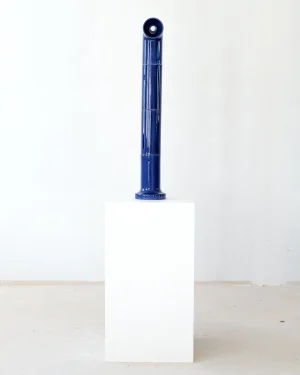
Slim Op Four Piece Floor Lamp in Ceramics and Porcelain
By Pani Jurek STUDIO
€1.045 This product has multiple variants. The options may be chosen on the product page -

Pill1200 Floor Lamp in Stainless Steel
By MLK Furniture
€1.690 -

Fat Op No. 002 Four Piece Floor Lamp in Ceramic
By Pani Jurek STUDIO
€2.313 -
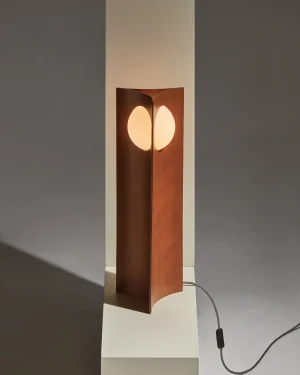
Hecate Floor Lamp in Brown Leather
By Studio Aristotelis Barakos
€610 This product has multiple variants. The options may be chosen on the product page -

Fat Op No. 001 Four Piece Floor Lamp in Ceramic
By Pani Jurek STUDIO
€2.313 -
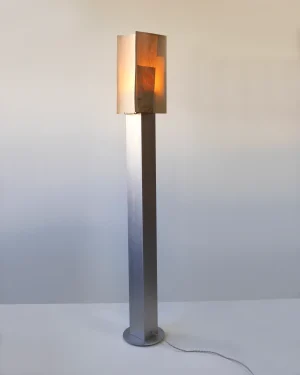
Soft Ply Floor Lamp in Wood and Aluminum
By Sheyang Li
€1.364 -

Fat Op No. 001 Floor Lamp in Ceramic
By Pani Jurek STUDIO
€1.539 -
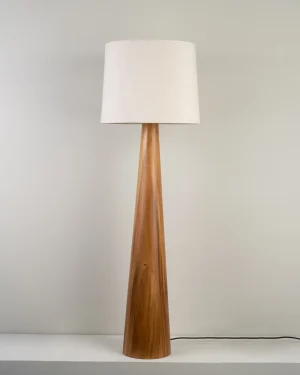
Malva Floor Lamp in Parota Wood
By Isabel Moncada
€3.802 -
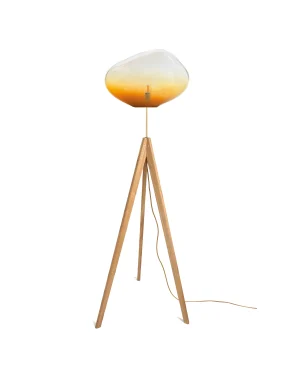
Statix Amber Iridescent Floor Lamp in Blown Glass
By ELOA - Unique Lights
€6.360 - €6.910 This product has multiple variants. The options may be chosen on the product page -
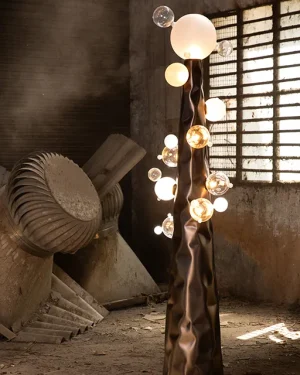 In stock
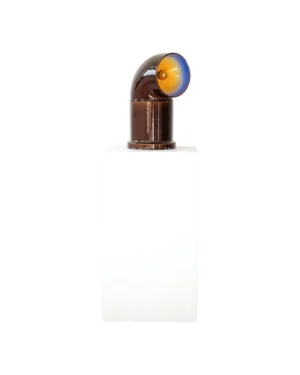
Molecule Floor Lamp in Stainless Steel and Blown Glass
By Nitush and Aroosh
€4.850 -
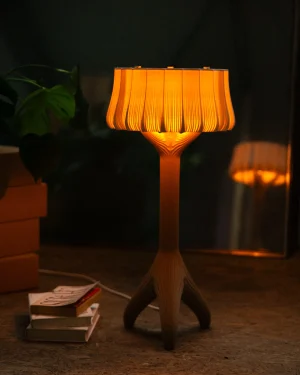 Sold
SoldM-1 Modular Floor Lamp in Bio Polymer
By diploria studio
€450 This product has multiple variants. The options may be chosen on the product page -
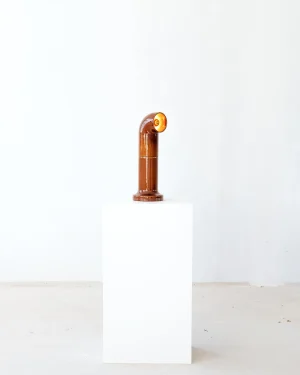
Slim Op Table Lamp in Ceramics and Porcelain
By Pani Jurek STUDIO
€765 This product has multiple variants. The options may be chosen on the product page -

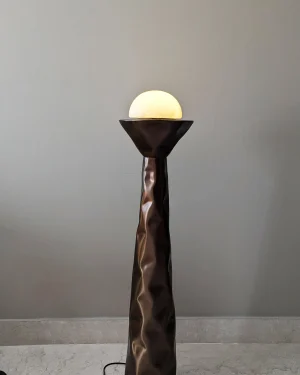
Soniah Small Floor Lamp in ZTISTA
By FAINA
€5.600 This product has multiple variants. The options may be chosen on the product page -
 In stock
Oio Pedestal Floor Lamp in Stainless Steel and Alabaster
By Nitush and Aroosh
€2.500 -

Lasso Floor Lamp in Stainless Steel and Glass
By Nitush and Aroosh
€2.850 -
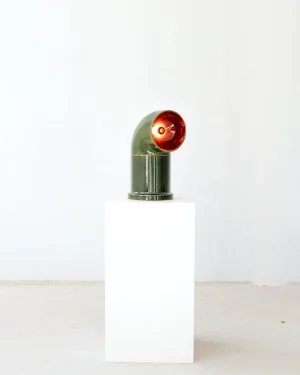
Fat Op No. 003 Two Piece Table Lamp in Ceramic
By Pani Jurek STUDIO
€1.539 -
 In stock
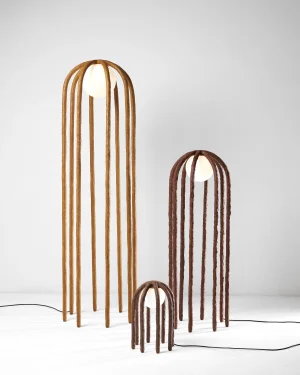
Açafrão and Urucum Floor Lamp in Anatto and Saffron
By Cultivado em Casa
€1.234 - €2.971 This product has multiple variants. The options may be chosen on the product page -
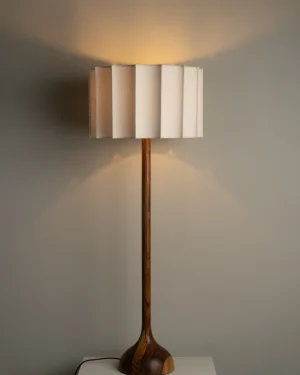
Pata De Elefante Large Floor Lamp in Parota Wood
By Isabel Moncada
€4.095 -
 In stock
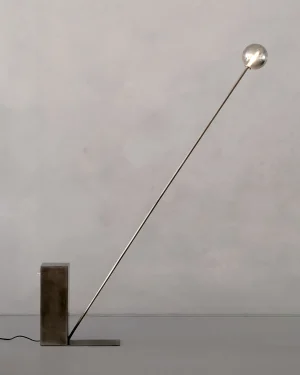
Oblique Glow Floor Lamp in Steel and Acrylic Resin
By HEAKO
€5.500 -
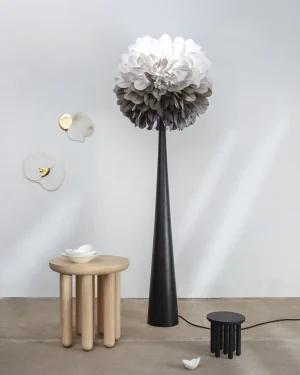
Blossom Floor Lamp in Washi Paper
By HEIKE BUCHFELDER
€5.618 -

Fat Op No. 001 Three Piece Floor Lamp in Ceramic
By Pani Jurek STUDIO
€1.926 -
 In stock
Sputnik V Floor Lamp in Steel
By StorqueStudios
€689 -
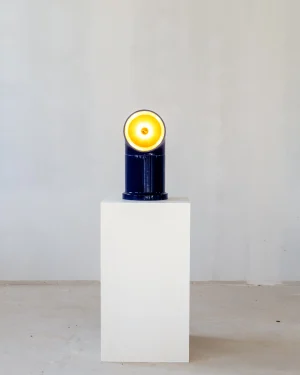
Fat Op No. 002 Two Piece Table Lamp in Ceramic
By Pani Jurek STUDIO
€1.539 -
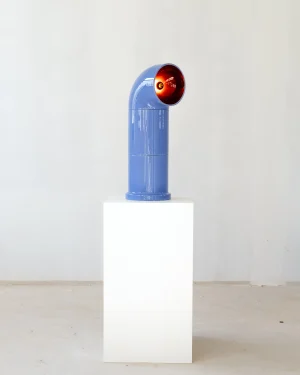
Fat Op No. 004 Three Piece Floor Lamp in Ceramic
By Pani Jurek STUDIO
€1.926 -
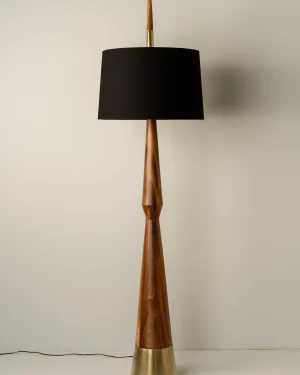
Apolo Floor Lamp in Parota Wood and Fiberglass
By Isabel Moncada
€6.435 -

Soniah Medium Floor Lamp in ZTISTA
By FAINA
€6.300 This product has multiple variants. The options may be chosen on the product page -
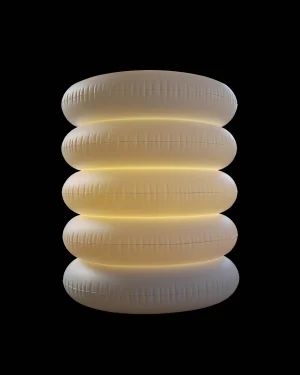 In stock
Big Puff Floor Lamp in Polyurethane
By PUFF-BUFF
€690 -
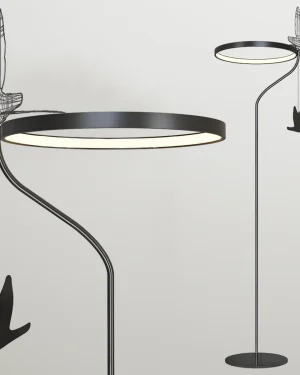 In stock
Flight Shadows Floor Lamp in Steel
By SVITANOK
€1.100 - €1.200 This product has multiple variants. The options may be chosen on the product page -
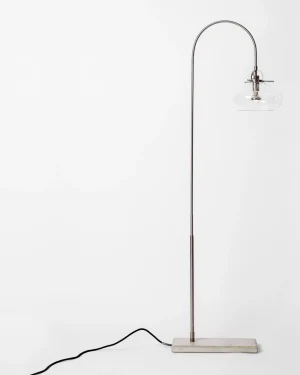
Art Deco Floor Lamp in Glass, Stainless Steel and Concrete
By Szostak Atelier
€2.100 -
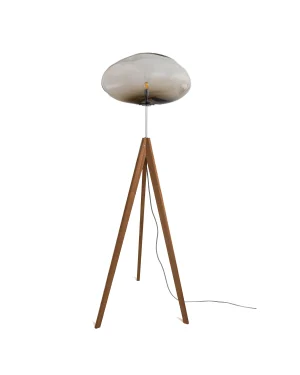
Statix Silver Smoke Floor Lamp in Blown Glass
By ELOA - Unique Lights
€6.360 - €6.910 This product has multiple variants. The options may be chosen on the product page -
 In stock
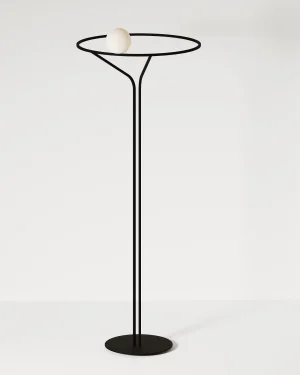
Na Linii Floor Lamp in Steel and Glass
By SVITANOK
€1.100 -
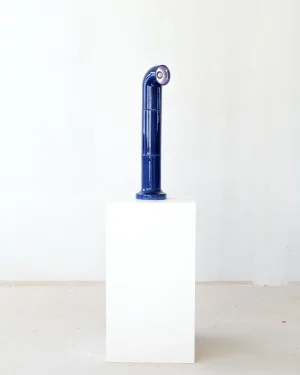
Slim Op Three Piece Table Lamp in Ceramics and Porcelain
By Pani Jurek STUDIO
€910 This product has multiple variants. The options may be chosen on the product page -
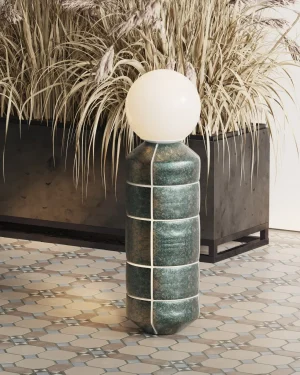
Navazi Floor Lamp in Ceramic and Glass
By SVITANOK
€1.100 - €1.540 This product has multiple variants. The options may be chosen on the product page -
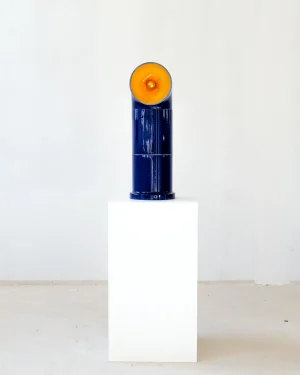
Fat Op No. 002 Three Piece Floor Lamp in Ceramic
By Pani Jurek STUDIO
€1.926 -

Fat Op No. 004 Two Piece Table Lamp in Ceramic
By Pani Jurek STUDIO
€1.539 -
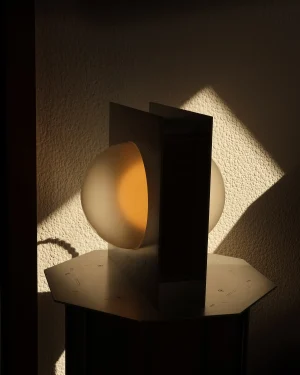
Event Horizon Table Lamp in Aluminum
By BUREAU OF ENTROPY
Price Upon Request -
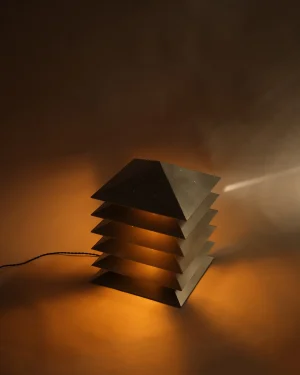
Kōtō – 光塔 – Floor Lamp in Aluminum
By BUREAU OF ENTROPY
Price Upon Request -
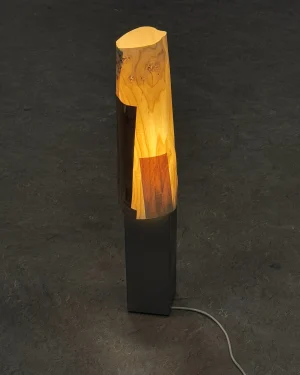 Sold
SoldSoft Ply No. 3 Floor Lamp in Wood and Steel
By Sheyang Li
Price Upon Request -
 Sold
SoldSoft Ply Floor Lamp in Steel and Wood
By Sheyang Li
Price Upon Request
Mid-century modern floor lamps carry the vocabulary of the 1950s and '60s forward: tapered brass or steel stems, drum shades in paper or woven fiber, turned wood bases, and silhouettes built around visible joinery rather than hidden mechanics. Studios working in metalwork, woodturning, hand-building and weaving make them today, often as open editions or limited runs, because the style depends on proportion held with precision rather than on ornament. The result is a lamp that reads as furniture first and light source second, with a stance you notice before you notice the glow.
What gives the style its shape
The defining trait of this style is restraint with structure left on show: a joint, a seam, a visible screw, a tapering line from base to shade. Brass and stainless steel appear as slim stems or tripod legs, often left polished or given a brushed finish that resists fingerprints. Solid wood bases, turned on a lathe, bring warmth and a grain pattern that darkens slightly with age and light exposure.
Shades carry much of the color story: cream, ivory, white and brown fabric or paper read as period-accurate, while cobalt blue, lilac or dark orange glass and ceramic bring a sharper accent into an otherwise quiet frame. Ceramic bases, glazed or left matte, add weight at the floor and a cool surface that contrasts with a warm wood or paper shade above.
The range of materials and techniques
Across mid-century modern lighting, floor lamps draw on a consistent set of materials and ways of making:
- Brass and stainless steel, shaped through metalwork or repoussé for a hammered, hand-finished surface
- Hand-thrown ceramic and porcelain, glazed in brown, black, cream or cobalt blue
- Solid wood, turned and joined through traditional cabinetmaking
- Natural fiber and paper shades, woven or built up by hand, sometimes in papier-mâché
- Polyurethane and other molded finishes used for sculptural, single-color shades
Editions vary by studio: some lamps are produced as open editions, made to a standing design; others appear as limited editions or as unique pieces, where no two bases or shades match exactly.
Choosing one for scale and placement
A floor lamp is read from across a room, so scale matters before finish does. A narrow, tall stem suits a reading chair or a gap beside a sofa, where the shade should sit roughly at eye level when seated, casting light down rather than across the room. A wider tripod base or a heavier ceramic foot anchors a corner on its own, without a chair or table to lean on.
Height and shade diameter should answer the room's proportions: a low-ceilinged room takes a shorter, wider lamp better than a tall slender one, which can look strained under a low line. Where a lamp will double as a reading light, check that the shade angle directs light onto a page or armrest rather than straight down onto the floor.
Where these lamps fit
They suit living room floor lamps placed beside seating, in a reading nook, or in a bedroom corner where a softer, warmer light is wanted over an overhead fixture. Because the style favors clean lines, it also holds its own in an entryway or a study, standing as the only object in an otherwise empty corner. For rooms where a brass or steel frame should carry the whole look without a wood or fabric shade competing for attention, metal floor lamps offer a narrower, more graphic alternative within the same period.
Care by material
Brass develops a patina over years unless it is lacquered; a soft cloth and occasional polish keep a bare finish bright, while a lacquered one needs only dusting. Wood bases should stay out of direct sun, which fades and uneven-tones the grain over time, and take an occasional wipe with a dry or barely damp cloth. Ceramic and glazed surfaces wipe clean easily but chip on hard knocks, so a stable, low-traffic spot suits them best. Paper and natural fiber shades should be kept dry and dusted gently, since moisture can warp or stain them.
For the full range of period pieces beyond lighting, every mid-century modern piece on ADORNO sits alongside the broader floor lamp offering, for comparing forms and materials side by side.
How do I choose a mid-century modern floor lamp?
Look at the silhouette first: a tapered wood or brass stem with a drum or cone shade reads as mid-century, while the base width and height should suit the chair or surface it will stand beside.
What materials are mid-century modern floor lamps made from?
Most pair a turned wood or metalwork stem, often brass or stainless steel, with a shade in natural fiber, ceramic or glazed porcelain, finishes chosen for warmth rather than shine.
How do I care for a mid-century modern floor lamp?
Dust wood and metal stems with a dry cloth, keep natural fiber or paper shades out of direct sun and damp rooms, and avoid abrasive cleaners on brass or glazed surfaces.
What height should a mid-century modern floor lamp be?
Most stand tall enough to cast light over a seated reader or wash a wall above sofa height, so measure the chair arm or table beside it before deciding on scale.
Which rooms suit a mid-century modern floor lamp?
Living rooms and reading corners suit them best, where the stem and shade stand in full view beside a chair or sofa, though a study or bedroom works just as well.
What are ADORNO's shipping and return policies?
Shipping is insured and worldwide. Returns are accepted within 14 days, except for made-to-order pieces. Each piece arrives with a certificate of authenticity, and ADORNO offers a lowest-price guarantee.